
Independently Owned, Locally Grown, Community Loved

OPINION PIECE from the office of Federal Member for Dawson Andrew Willcox There is no question that immigration into Australia is out of control. The government’s numbers are too high, and standards are too low. A sustainable migration program must consider our capacity to provide housing, healthcare, infrastructure and the essential services everyone relies on, and Australians must come first. But Labor’s decision to target Working Holiday Makers Visa holders is not the answer. These people filling vital gaps in our workforce are not the cause of Australia’s housing crisis. In many cases, they are living in accommodation provided by the very businesses that employ them. The National Farmers’ Federation has made the point that Working Holiday Makers generally stay in hostels, caravan parks or purpose-built on-farm accommodation. Resorts usually have on-site staff quarters. They are not the source of Australia’s housing shortage. So why is Labor making it harder for them to come here, when these workers fill genuine jobs that regional Australia holds? Working Holiday Makers fill approximately one in seven farm jobs nationally and are particularly important during peak agricultural periods, which for Dawson, it is right now! Farmers rely on these workers to plant, pick, pack and harvest the produce that ends up on Australian supermarket shelves. Having run one of Australia’s largest tomato farms, at times Working Holiday Makers made up more than 50 per cent of my workforce. Without them, much of our crop simply would not have been picked in time and rotted in the paddock. Some may say, why not employ the Australians who don’t have a job and are on “the dole”? Can I say, this does not work. Most farmers will employ Aussies over travelling backpackers, but many either don’t want to do the work or don’t turn up after the first day. Who picks the fruit or veggies then? Farmers are already warning that visa delays are leaving them without workers. The NFF says approvals that once took days are now facing processing times of up to three months, and this time frame can be the difference between harvesting a crop or losing it. That should concern every Australian already feeling the pressure at the supermarket checkout. The same problem is playing out in tourism. Across Dawson, Working Holiday Makers are an important part of the workforce supporting tourism and hospitality, particularly in the Whitsundays. They help fill shifts, work in hotels and restaurants, support tour operators and keep businesses running through their busiest periods. They also contribute to the local economy. They spend money on food, fuel, attractions and tours, supporting the small businesses that depend on a strong visitor economy. That is why tourism and business leaders across North Queensland are raising the alarm. They understand what happens when a regional business cannot get enough staff: opening hours are reduced, and services are cut, creating a downward spiral. We do need to reduce migration to sustainable levels. We need stronger integrity measures, and we need to crack down on rorts. But responsible migration policy means understanding which parts of the system are creating pressure and which parts are helping Australia function. Working Holiday Makers are not the problem. They are part of the workforce solution for regional. Australia. People have had a gutful of watching their standard of living go backwards. Groceries, fuel, housing and everyday expenses are already putting enormous pressure on families. The last thing Australians need is another reckless policy that makes it harder to produce food, harder to run regional businesses and harder for tourism operators to find the workers they need.
Read the full storySomeone sold a house in Sydney last week for $9 million less than they bought it for four or five years ago. The sellers had bought the property in Sydney’s eastern suburbs for $29 million and sold it for $20 million in a sale forced by their bank. I imagine the sellers are a little disappointed by the government’s decisions on negative gearing and capital gains tax and feeling pretty hurt by the increased interest rates. Australia’s interest rates are on the rise and are now sitting at levels not seen since 2011. Increased cost of living is hurting people around the country and interest rates are playing into that. But the impact of interest rates is not felt evenly around the country. The far-higher property prices mean people in the major cities suffer much more than regional areas with the rates increase. That is certainly not to say people in Mackay are unaffected by the cost of living; it’s just that the impact of interest rates increase on a $400,000 mortgage is much less than the impact on a $1m mortgage. There are other Mackay-specific factors that are in play when discussing the current housing market. The big factor is the role of coal in our economy. Most of the coal extracted and exported from our region is coking coal, which is used to make steel. The price of coking coal is around $280 a tonne, which is about 50 per cent up. Good activity in the coal market translates to good news for the Mackay economy, as it is an economic engine that other cities and regions just don’t have. Good activity in Bowen Basin flows throughout the Mackay economy; Paget workshops, transport, suppliers and related businesses all benefit. But so do other, non-mining-related businesses as they benefit from the general confidence and spending that goes on. The strong mining activity also means mines need to keep their staff levels up and that means more people moving to Mackay. Of course, Mackay is much more than a coal mining town but if the coal sector is going well those other areas definitely benefit. It is a confidence boost for Mackay people looking to get into the housing market and those wanting to upgrade or downsize. It also means continuing strong demand from people wanting to rent a property and it will be interesting to see what sort of activity that creates from investors. Investors have walked away from the big-city markets because they can no longer use negative gearing on established properties that do not have a sufficient yield to be positively geared. Negative gearing has never been a big thing in Mackay because our prices are lower and rental returns continue to be strong so many investors have a positively geared property. Around the country everyone is nervous about the state of play and the probability of more interest rate rises. But strong coal prices and an economy that is performing well mean Mackay might just be presenting an opportunity for buyers and sellers that doesn’t exist in other parts. I remember when national confidence was flying high and Mackay prices were going up significantly that many buyers were saying “I wish we had bought a while ago when the market wasn’t so hot”. I’m not armed with a crystal ball so I’m not here to tell you what is going to happen but I suspect there is a very good buying window right now for those looking for an opportunity.
Read the full story
A local Mackay and Sarina based model has created a dress out of newspapers, including Mackay Life, for her upcoming pageant, representing her region and hometown on the runway as she vies for Miss Diamond International in Brisbane. Zoe Place will be competing this weekend in the three-day event, beginning this Friday 2nd October and ending on Sunday 4th October. The young model spent around a month creating her eco-fashion outfit, using old newspapers as the main material and transforming them into a bodice, skirt and flowers. Red elements were also incorporated into the design to give the dress a bold and glamorous pageant feel. Zoe said, “The entire concept was really about taking something that would normally be thrown away and turning it into something beautiful and meaningful.” Her eco-fashion creation will form part of a busy weekend in Brisbane, with the Miss Diamond International event including photo shoots, interviews, an eco-fashion show and the final pageant. Zoe has been preparing for the event by practising her strut and walking, preparing for interviews and getting comfortable in the different outfits she will wear throughout the weekend. Alongside her love of modelling, pageantry has also provided Zoe with a platform to raise awareness about causes close to her heart, including mental health, while fundraising for Beyond Blue. “Pageantry has given me more of a platform to combine my love for modelling with something that is really important to me.” “When I first started, I was more nervous about putting myself out there and worried about what others would think about me – but I’ve changed a lot through my journey in pageantry.” “Pageantry has also taught me that it’s not about how you look on stage. It’s about the person you are when you step off it.” “Every woman has their own unique journey and that journey is something we should all be really proud of.” “To me, it represents confidence, empowerment, kindness, and using your voice to make a difference.” Zoe said she was looking forward to meeting the other contestants, making new connections and creating memories. “I’m definitely looking forward to meeting all the new contestants and making new connections and creating memories that I will carry with me for a lifetime.” While Zoe hopes to eventually move to the city, her sights are set even further afield, with a dream of one day walking in New York Fashion Week. Mackay and Sarina local Zoe Place has created an eco-fashion dress from recycled newspapers, including Mackay Life, ahead of her Miss Diamond International pageant in Brisbane. Photos supplied
Read the full story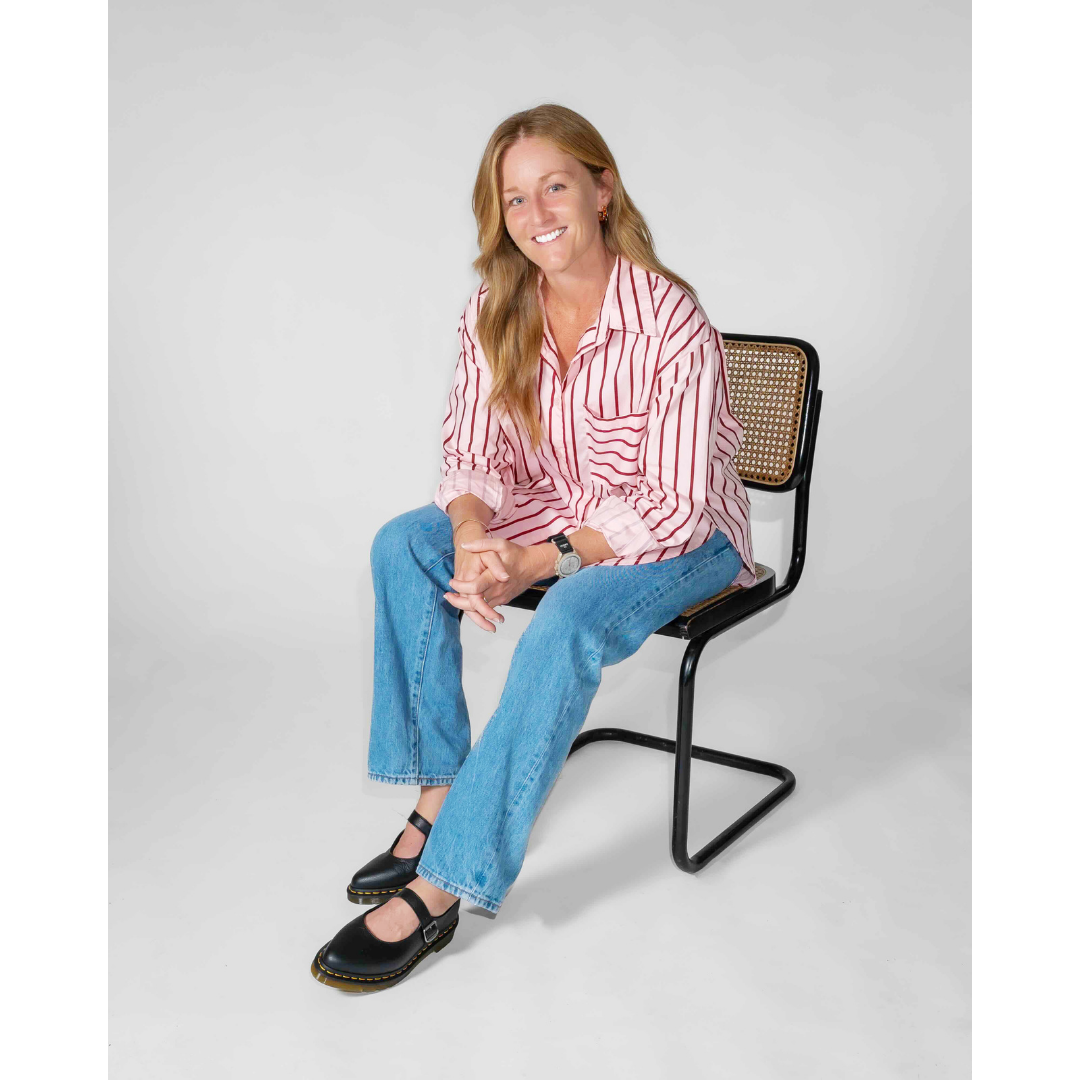
Trends, reels and the endless cycle of always wanting more has quietly bombarded the minds of countless social media users of all ages, but one former Mackay local has made it her mission to help others understand the effects of social media and find practical ways to break free from online addiction. Alexis Zahner is in Mackay over the next week to teach upcoming generations about social media and the effects it can have on the mind, particularly on identity, self-discovery, as well as the marketing strategies that get viewers hooked and influence their decisions. It is something Alexis knows first-hand can be a useful tool, but also a great disruption to authenticity and the world as we see and experience it. Alexis will hold a free meet and greet and book launch today, Friday 2nd October, at 5.30pm at the Mackay Surf Lifesaving Club, where she will give a talk and answer questions relating to her debut book, Real: Reconnecting to Yourself in a World of Likes and Lies. A former Mackay girl, Alexis spent the past 15 years working across business psychology, marketing and media, with her interest in social media influence beginning during her university studies at James Cook University in Townsville. Her own experience as a social media user, travel blogger and influencer eventually led her to question how much of her identity, decisions and values were being shaped by what she saw online. “The tipping point came for me about 3 years ago when I had this feeling that I couldn't separate influence from my own personal decision making,” she said. “I couldn't separate my own likes, dislikes, values, relationships from what I was being exposed to and being influenced by online.” “I found that I needed to take some time away from social media to recalibrate what was important to me and sort of reconnect and come back to myself.” Alexis said she understood the feeling of questioning who you are outside of social media. “I know what it feels like to live a life under the influence of social media and have that existential crisis of thinking to yourself, who am I? What do I like? What's the kind of life I want to live? and struggling to separate myself from influence.” Alexis is particularly passionate about reaching teenagers, who she says are in an important stage of identity development, and will share this message with Mackay high school students during her upcoming school talks. “Teenagers are really easily influenced by social media. So it's a really important age where we start educating them – not just on the mental health repercussions of things like social media and how it shortens their attention span, but how it actually influences who they become.” “If you're asking yourself these questions, it's not your fault. Social media is actually geared to create this impact on you.” Alexis encourages people of all ages to “start expanding beyond what you see on the platform.” “Dare to indulge in the things that you've always been curious about or things you used to love,” she said. “Don't be afraid to put the phone down to let yourself be curious and have fun.” What: Alexis Zahner's 'Real' Book launch When: 5.30pm Friday 2nd October 2026 Where: Mackay Surf Lifesaving Club Former Mackay local and author Alexis Zahner is returning home to share her experiences with social media and her debut book, Real. Photo supplied
Read the full story

New playgrounds and swimming programs are just some of the ways students have benefited from Community Bank Sarina Bendigo Bank’s Community Engagement Program.
With World Teachers’ Day just around the corner, it’s a perfect time to highlight the important role schools and educators play in supporting students to reach their full potential.
Throughout its Community Engagement Program, Community Bank Sarina continues to invest in local youth and education, creating meaningful community impact by providing community grants to P&C Associations that support Chelona, Alligator Creek and Swayneville State Schools.
From swimming programs and associated school carnivals at Chelona and Alligator Creek, to a new playground at Swayneville, these programs will support students in building confidence, developing fundamental skills and enjoying safe, engaging spaces.
For many students, gaining these swimming abilities will support them in developing independence, resilience and awareness around the water – contributing further impact into a safer, more confident community.
Alligator Creek State School P&C explained that the program will assist students in developing practical swim survival skills, supporting them with the confidence to feel safe and capable in and around water, ultimately saving lives.
Chelona State School’s P&C echoed this, highlighting that their swimming program enhances water safety and provides valuable life skills.
The Swayneville State School P&C explained that the new playground will provide students with a safe space to be active, play together and develop teamwork skills.
Community Bank Sarina Manager Erin Ryley explained that these community grants go beyond individual activities – they create opportunities for students to grow and strengthen their skills, which ultimately impact the community.
“Supporting local P&Cs to deliver opportunities for students that encourage active, healthy lifestyles and build essential life skills is something we are proud to support,” Mrs Ryley said.
To learn more about how Community Bank Sarina’s community impact and support, visit: https://www.facebook.com/communitybanksarina

By Joseph Borg, Chairman, CANEGROWERS Mackay
October materialised with a real kick of hot dry weather, bringing with it some blazes around the region. That reality has dominated the month, bringing with it fire bans and moderate to high fire danger. It’s times like these, we are thankful for our local rural fire brigades
It is something that probably became a little foreign in the recent past and hasn’t been experienced across the district in several years. In fact, an extended dry period like we are currently in hasn’t really occurred going back about seven years to the catastrophic conditions that we experienced in 2018 and the extreme fire conditions which followed. A large majority of the mountainous areas have not been burnt since then, and seven years of fuel load creates a significant fire threat which must be taken seriously.
The catastrophic fires of 2018 around the Mackay district stretched from Eungella and Nebo in the west to Clairview in the south and Bloomsbury in the north. The resulting uncontrollable bush fires burnt out many tens of thousands of hectares of farming land, grazing country and national park, as well as damaging a moderate amount of infrastructure. It was only the extraordinary work completed in fighting these bush fires by our farmers, landholders and our volunteer Rural Fire Services Queensland brigades which helped mitigate the damage in these exceptionally difficult conditions.
Most farmers and senior rural fire brigade volunteers are experienced in the art of controlling a burn and using fire to fight fire. Make no mistake, it is truly an art which must be not only preserved but passed onto the next generation. The RFSQ brigades around Queensland number about 1400 and are supported by approximately 28,000 volunteer members who range across all demographics, genders and experience levels.
The previous State Government introduced some structural changes to the organisation which are threatening to derail the foundations of this historic and crucial organisation. The underlying problem with these changes is that they were made with minimal consultation with the most important stakeholders, that being the experienced volunteer rural fire brigade members. Some of these changes may suit some semi-urban brigades in the south-east corner of the state, but are definitely not welcomed everywhere.
An example of these incoherent changes in areas have resulted in brigades that are relatively close to Mackay being placed under the control of Emerald regional headquarters, which is over three hours’ drive away. These changes are not only bizarre, but present logistical challenges and create a safety issue for not only the volunteers, but for the general community alike.
Landscape familiarisation is crucial in being able to coordinate a bushfire response campaign. As well as this, the legal protections of our volunteer rural fire brigade members are being reviewed and must be carefully considered before any changes are implemented going forward as they risk shaking this organisation to the core. It’s an organisation that does not need a shakeup, that has successfully served its purpose to the community for generations.
For the majority of October, Mackay and surrounding areas have rightly been placed under a fire ban to help mitigate the dangers of bush fires. It is important for our community to understand that the burning of sugarcane and sugarcane trash have been made exempt from the fire ban, albeit with restrictions placed on them such as not being able to light up until 6pm in the evening to minimize the danger.
The reason for this is that because of the burden of standover cane this year it is critical to the day-to-day running of sugarcane farms during the harvest, to improve its harvestability as it can become quite dense and tangled with several years growth. As part of the crop cycle, cool burning through cane trash is a strategy for introducing potash, and builds soil carbon.
Farmers are typically skilled managers of fire as a tool. Photo credit: Elli Morgan.

At low tide on the Seaforth coast, volunteers gathered with buckets, boots, and a shared ambition to restore the seagrass meadows that support the health of the Great Barrier Reef.
Lead by Reef Catchments in partnership with Central Queensland University and OzFish Unlimited, the two successful volunteer events at Seaforth marked a major milestone in the (Sea)Grassroots Community Restoration Project; a three-year initiative aimed at improving the health and resilience of seagrass meadows in the Great Barrier Reef.
Seagrass meadows are powerful ecosystems; the unsung heroes of the Great Barrier Reef. They stabilise sediment, filter coastal waters, store carbon, and provide food and shelter for turtles, dugongs and many species of juvenile fish. Unfortunately, seagrass meadows are under pressure from a changing climate, poor water quality and coastal development. Restoration of degraded meadows is essential, and community involvement is key.
Seaforth volunteers worked alongside marine scientists and Rangers from the Yuwi Aboriginal Corporation to collect seagrass flowers and cores of a key local seagrass species, Zostera muelleri. Zostera, also known as “Eelgrass,” plays a critical role in reef resilience yet remains vulnerable to various pressures.
Alexandra Williams, Reef Catchments Project Officer, explained the importance of the work, "Every seagrass flower and core collected aims to bolster the effectiveness of future restoration efforts. This is real science, which the community is a significant part of. It’s great to see the Seaforth community show such a keen interest into how they can help take care of these critical ecosystems."
The Yuwi Rangers joined the events, bringing cultural knowledge and deep connection to Country. Yuwi Ranger Bron Tonga shared, "Seagrass is important to our people for physical, spiritual, and cultural reasons. It provides food for the Turtle and Dugongs and is integral to our identity and connection to Country.
“The Seagrass meadows are vital for the ecosystem's directly supporting other marine animals. It's also about the understanding of seasons and cycles to monitor and care for sea meadows.”
This shared respect for seagrass was echoed by Dr Geoff Collins from OzFish Unlimited, who emphasised its role in supporting fish populations and recreational fishing, “These seagrass meadows play a vital role in supporting the life cycle of the fish we all like to catch. If the seagrass meadows suffer, that has a direct impact on recreational fishing.
“That's why volunteer events like these are so important - they give the local community a real, hands-on opportunity to take care of fish habitat.”
Seagrass restoration is local action with global impact. These meadows strengthen the reef’s ability to recover from severe weather, support thriving fish populations and keep coastal waters rich with life. For anyone who values clean oceans, healthy marine life and resilient reef systems, this is where meaningful change begins - on the shoreline, with your hands in the mud.
To learn more or register for future events, visit www.reefcatchments.com/events.
This project received grant funding from the Australian Government’s Protecting the Great Barrier Reef – Community Stewardship Program – an Australian Government initiative and delivered by Reef Catchments, in partnership with CQ University and OzFish Limited.
Photo credit: OzFish Unlimited
Volunteers in action. Photo credit Reef Catchments

Authorities are urging residents of the Mackay Shire to be hypervigilant around cane trains this crushing season following an incident last week involving an on-track collision between a cane train locomotive and a vehicle just south of the region.
Shortly after 12pm on Monday, the 13th of October, first responders were called to Oakenden after a cane locomotive and a b-double truck collided at a level crossing. Queensland Fire and Rescue officers cut the train driver out of the terribly damaged cab, and he remains in hospital in a critical condition with leg and pelvic injuries.
The incident comes as the third Mackay Sugar cane locomotive derailment in the region within the past fortnight, with the last accident recorded on the 29th of September.
In a statement released by Mackay Sugar on Wednesday, the 15th of October, officials assured each of the past fortnight’s locomotive derailments are currently under investigation and the findings will be implemented to protect the safety of the community.
“At Mackay Sugar, safety is the foundation of how we operate and the outcome of living our core values of courage, appreciation, responsibility, and dedication. It is the starting point of every decision and the measure of ever action,” said Mackay Sugar.
“We are committed to protecting the health, safety, and wellbeing of our employees, contractors, visitors, and the wider community. Our vision is to ensure that every person returns home safe and well, every day.”
Since commencing the 2025 crushing season in June, several derailments have been reported across the area, and with approximately three months left until the season draws to a close, Mackay Sugar cannot stress the importance of being cane train aware.
“Cane Rail safety is a crucial aspect of our operations, and we have clear and specific operating procedures and dedicated training programs,” stated Mackay Sugar.
“Cane Train Awareness information is widely available and published and Mackay Sugar runs a focused campaign on Rail Network safety through advertising with multiple media channels.”
Within the region, there’s 852km of train tracks, approximately 40 sugar locomotives, almost 6,000 cane bins, and more cane train crossings than anywhere else in the country and Mackay Sugar regularly spreads the message of cane train awareness every year, reminding the community “we share the same backyard”.
“Being safe is something we can all relate to. We keep our children safe; we keep our co-workers safe; and we don’t tend to go out of our way to put ourselves in unsafe situations. Yet, complacency and distraction remain the two biggest causes of incidents when it comes to cane rail safety,” shared Mackay Sugar during August’s National Rail Safety Week.
“In a town where everyone knows someone connected to sugar, we’ve all heard stories of near misses and close encounters – as well as some that weren’t so lucky. For our Mackay Sugar teams, we know that being part of our community means keeping people safe so they can take care of the things that matter most.”
Informative and educational safety resources can be found online at www.youtube.com/@MKYSugar.
A Mackay Sugar train driver remains in a critical condition after an on-track collision in Oakenden on Monday, the 13th of October (Photo Source: Mackay Sugar)

Disaster recovery assistance has been expanded to include a wider range of primary production businesses, offering vital financial support to more regional enterprises impacted by severe weather events earlier this year.
Under the updated Primary Production Enterprise definition, contracting businesses such as farm irrigation services, mustering, shearing, silage baling, and timber plantation maintenance services may now be eligible for assistance, subject to the Australian and New Zealand Standard Industrial Classification (ANZSIC) Code.
The expanded eligibility applies to the following disaster events:
North and Far North Tropical Low (29 January – 28 February 2025)
Tropical Cyclone Alfred and Associated Severe Weather (1 – 16 March 2025)
Western Queensland Surface Trough and Associated Rainfall and Flooding (21 March – 19 May 2025)
The Queensland Rural and Industry Development Authority (QRIDA) encourages affected businesses to review the updated guidelines to determine their eligibility.
The changes mean businesses can now apply for assistance if damage has occurred across both their farm enterprise and primary production contracting enterprise. It may also be easier for applicants to demonstrate that the majority of their income and labour are derived from primary production activities.
Eligible businesses should ensure their operations align with the correct Business Industry Code (BIC), which is essential for Goods and Services Tax (GST) registration. Primary production support services should have a BIC of 05290.
Available financial assistance includes Exceptional Disaster Assistance Recovery Grants, Disaster Assistance Loans, and Essential Working Capital Loans to help businesses recover and resume normal operations.
Full eligibility details are available on the QRIDA website at qrida.qld.gov.au/primary-producers.
Additional primary production businesses may now be eligible for disaster recovery assistance (Photo Supplied)

First there were the YUPPIES, then came the DINKS.
The terms emerged in the 1980s when marketing types got the Western world by the scruff of the neck and started ascribing labels to various groups.
The marketing people sought to categorise emerging groups within the society and then identify commercial opportunities.
YUPPIES stood for Young Upwardly-Mobile Professional People and they were the type of annoying people in their 20s and 30s who would be seen arriving at trendy inner-city cafes in their late-model BMW coupes to catch up for a latte with their equally cool young friends.
Later they would be the first to embrace the mobile phone as an eye-catching status symbol, typically attaching themselves to the BlackBerry as an indicator of high-flying status.
The commercial opportunities for car-makers like BMW, Mercedes and SAAB (remember them?), owners of trendy restaurants and bars and tailors of power-suits were endless as YUPPIES not only had the cash, they were keen to be seen to splash it around.
Then came the DINKS, which stood for Double Income No Kids. This rather self-explanatory label applied to a working couple who had lots of disposable income because, as the name suggests, they didn’t have to spend it on kids.
Again, the commercial opportunities were endless. Not just in the world of cars, fashion and expensive restaurants but also in the world of real estate.
DINKS could afford to buy that super-cool inner-city pad or that beachside home with water views and then deck it out in the best European furniture. Double income and no kids … laughing.
I always thought good luck to the YUPPIES and the DINKS; it’s your life to make the most of whatever circumstances you find yourself in.
The interesting thing about DINKS was not just the “no kids” part but also the “double income” aspect of the name.
These days, whether there are kids or not, the double income is a given for most couples and families. Yes, there are exceptions but it’s too hard for most families to survive without that second income.
At this important juncture I want to make clear that I think it is a wonderful thing that women have equal educational and employment opportunities and that they have been able to grow beyond a “home-maker” role to explore all opportunities available to them, create financial independence and reach their full potential in all facets of life.
I am pointing out, however, that there was a time when a double income was not required to buy a house, pay off a car, feed the family and have a holiday.
The double income that is the norm today is great news for governments because they get double the income tax. One family, two PAYE taxpayers.
And it’s great for the world of commerce. In the past, a single-income family would save up for the car and furniture and put aside savings just like their parents did. Today’s families borrow money for most things, buy as much as they can as soon as they can and use those double incomes to pay things off.
The double income has become crucial for buying real estate. It is very difficult for a family or couple to buy a property on a single income.
Did today’s double-income norm help push up housing prices around the country? People tend to establish the maximum they can afford, on their double incomes, when buying a property and then go for it.
There is nothing wrong with that but when you have an entire nation doing that you are probably going to push up prices.
These days the DINKS have been replaced by a group that could be labelled: Double Income And Big Loan Outstanding, the DIABLOS. Although it probably wouldn’t work in Spanish-speaking countries.
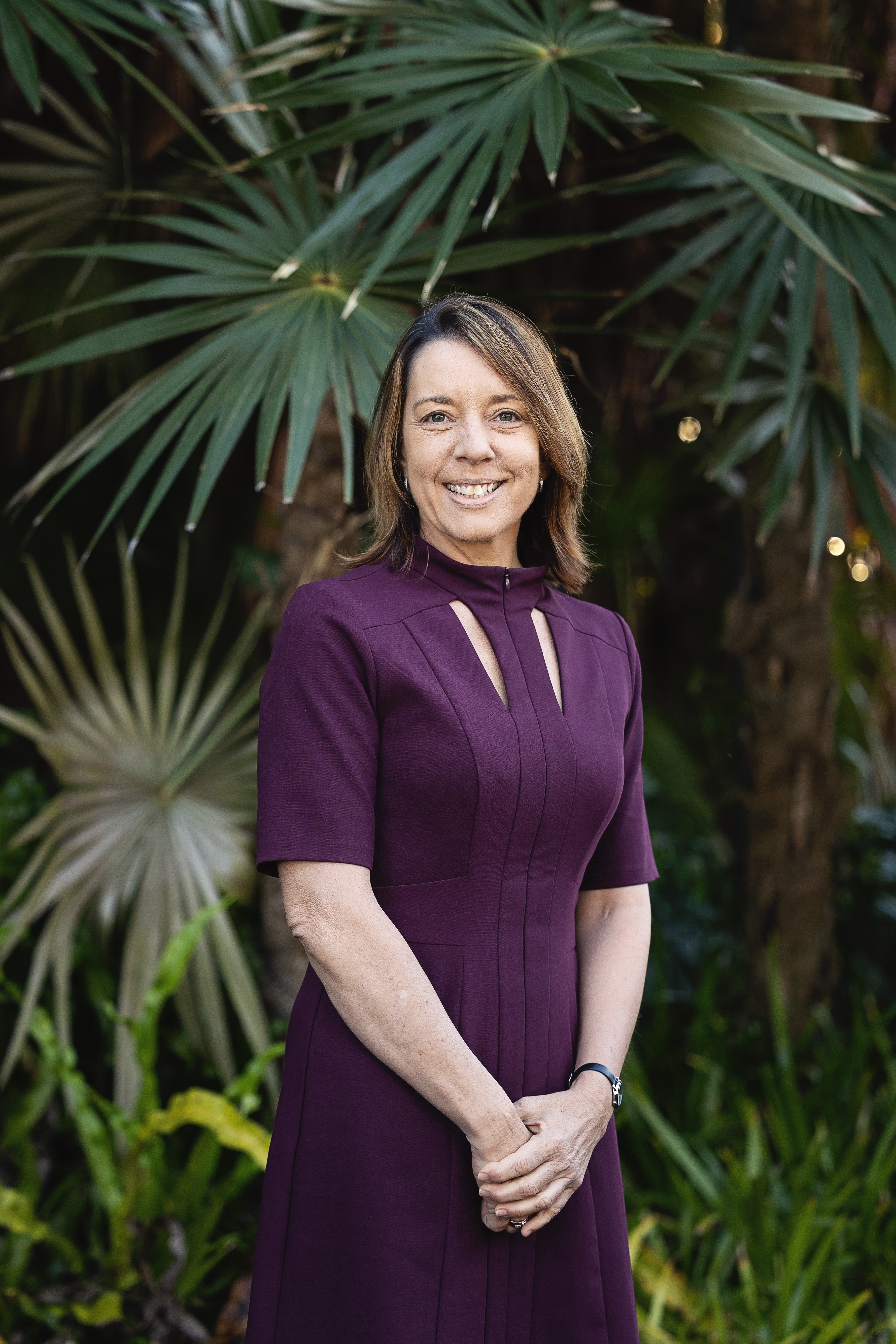
Council is calling on residents to have their say on the draft Mackay Region Housing Strategy 2025–2030, which sets out a roadmap to ensure future housing supply meets the community’s changing needs. Council recognises that housing needs vary across life stages, household types and income levels, and community input is essential to ensure our future housing reflects these diverse needs.
The strategy responds to a growing imbalance between the types of homes people need and the ones currently available. Around 60 per cent of Mackay households now consist of one or two people, yet 85 per cent of homes are detached dwellings – and almost all of those have three or more bedrooms. This mismatch makes it harder for singles, older residents and small families to find homes that are both suitable and affordable.
Over the next twenty years, the region is expected to welcome another 36,000 residents. The draft strategy aims to plan for that growth by encouraging more diverse housing types – including townhouses, villas, apartments and dual occupancies – in areas close to jobs, transport and services. It also seeks to maintain the unique character of Mackay’s neighbourhoods while improving choice and affordability.
Another key issue identified is the large number of undeveloped lots that already have planning approval. There are currently around 5000 approved lots sitting idle. The strategy proposes exploring incentives and reforms to bring more of these lots to market, such as reviewing infrastructure charges and rates on vacant land, and working with developers to understand the barriers.
Council is also advocating for an increase in public and social housing, with a target of at least 500 new dwellings over the next five years. Housing supply is critical to the region’s economic future – without a range of housing options, it becomes much harder to attract and retain the workforce our growing industries need. This strategy is about ensuring Mackay remains an affordable, liveable and inclusive place for everyone.
The draft Housing Strategy is open for public feedback until Wednesday, 30 October 2025.
Residents can read the strategy and complete the online survey at connectingmackay.com.au/housing-strategy, or request a printed copy by emailing engagement@mackay.qld.gov.au, or calling 1300 MACKAY.
Cr Belinda Hassan
Let’s Chat – Council Connect
Residents can catch up with councillors in person at upcoming Let’s Chat - Council Connect sessions held across the region. The next session will be at Seaforth Bowls Club from 5.30pm to 6.30pm on November 5.
Details on upcoming sessions can be found on the Connecting Mackay website.
For many, retirement means slowing down: lazy mornings, long lunches, time to finally relax. Yet Australians are increasingly reimagining this stage of life as a chance to rediscover purpose, deepen connections, and embrace passions set aside during the busier years.
Purpose, after all, is powerful. Those who feel their days have meaning enjoy greater wellbeing, sharper minds, and stronger health. Research into the world's Blue Zones, regions where people live longest and healthiest, reveals that a shared sense of belonging and purpose is the thread that binds these communities.
And where you live matters. Environments that foster community, activity, and growth can make the difference between simply filling time and truly flourishing.
Across Queensland, Keyton's retirement communities are designed with this philosophy at heart. At Eaglemount Resort in Mackay, nestled between rolling hills and the Coral Sea, residents gather for a vibrant mix of activities—from puzzle club and indoor bowls to yoga, aqua aerobics, and the men’s shed. Whether joining the walking group or lending a hand on the social committee, they discover that purpose can be as simple as saying yes to a neighbour's invitation.
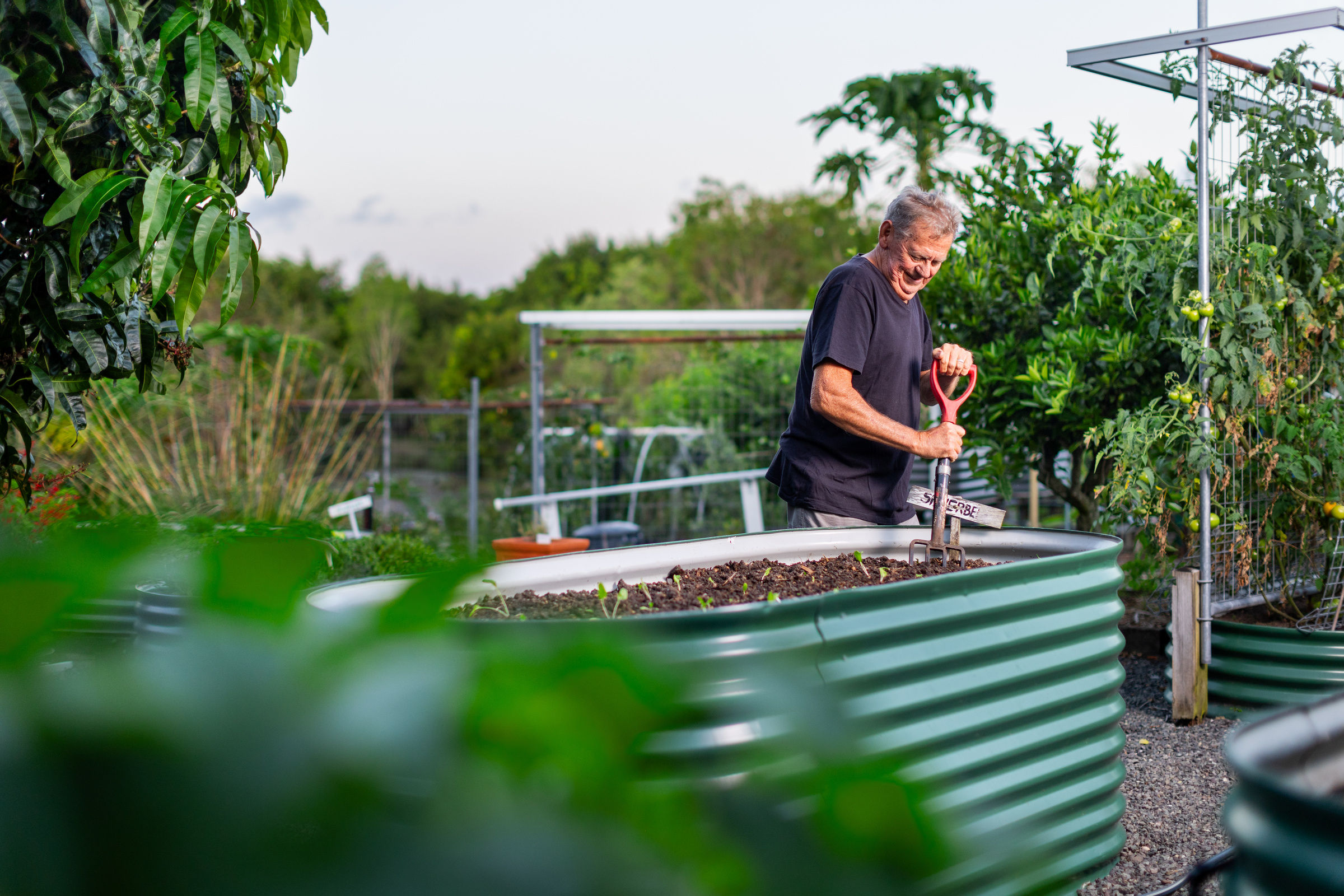
At Keyton's Sunshine Coast Bellflower Retirement Resort, resident David discovered an unexpected passion. After 50 years working in HR and admin sales, mostly behind a computer, he joined the gardening group on a neighbour's casual invitation. Now he tends the village's thriving community garden: 18 beds bursting with herbs, seasonal vegetables, and greens that residents pick fresh for their kitchens.
"I had to find something to do," David says.
"So gardening fills in that niche." Most days, he's nurturing plants, expanding his knowledge, and staying active outdoors. His advice to new residents? "Keep your mind rolling on something."
David's story isn't unique. At Hibiscus Buderim Meadows, Marilyn stepped in to lead fitness classes. At Buderim Gardens, Susan helped launch Rumours Café, now serving up to 70 people daily with volunteer residents, some over 80. For some, it's about rekindling passions. For others, it's discovering new callings.
This isn't about filling schedules with busyness. It's about creating environments where meaning emerges naturally: in trying something new, helping a neighbour, knowing you belong. Keyton CEO Nathan Cockerill says retirement village living really does bring out the best in people.
"The environment encourages wellbeing, connection and community, no matter how the residents choose to spend their time."
People thrive when they have purpose and community. What Keyton communities across Queensland offer is not just beautiful spaces to live, but thoughtfully designed places where purpose can flourish.
Retirement, then, is not the end of the story. It's the opening of a new chapter, one with space for growth, contribution, and connection. And in communities designed around shared purpose, that chapter unfolds alongside others who understand that the best years might still be ahead.
Perhaps David said it best when asked about his plans: "You might as well say there's no such thing as 'retire'."
With days spent nurturing gardens, building friendships, and discovering capabilities he never knew he had, retirement has become less about stepping back and more about stepping into possibility.

In the endless pursuit of glowing, youthful skin, many of us reach for the latest serum, cleanser, or mask—believing that the right product will fix what we see in the mirror. But growing evidence suggests that beauty really does begin within, and the health of your skin might have far more to do with your gut than your skincare routine.
This rising wellness trend, known as the gut–skin axis, is gaining traction among scientists, nutritionists, and dermatologists alike. In simple terms, it’s the idea that your digestive system and your skin are deeply connected—so when your gut is unhappy, it tends to show up on your face.
Your gut isn’t just a food-processing system; it’s home to trillions of microbes that help regulate immunity, inflammation, and even how your body absorbs nutrients. When this complex ecosystem—known as the microbiome—is out of balance, it can trigger inflammation throughout the body. According to Dermatology Times, this internal inflammation has been linked to several common skin conditions, including acne, eczema, and rosacea.
In other words, if you’re relying solely on skincare to achieve clear skin, you might be addressing the symptom, not the cause.
When gut health falters, essential nutrients like zinc, vitamin A, and healthy fats may not be absorbed efficiently—nutrients that are vital for healthy, glowing skin. Researchers from the Global Wellness Institute describe the gut–skin connection as a two-way street: gut bacteria influence skin health, and the condition of your skin can reflect what’s happening in your gut.
So, what does that mean for your daily routine? It’s time to start nourishing your body from the inside out.
Antioxidant-rich foods, like blueberries, are a good place to start. Studies show these tiny berries are packed with polyphenols that help fight oxidative stress and may even influence the composition of gut bacteria. Fermented foods such as yogurt, kefir, kimchi, and sauerkraut also play a starring role—helping to restore balance in the gut microbiome while supporting skin health in the process.
A diet high in fibre from vegetables, fruits, and whole grains is equally important. Fibre feeds beneficial gut bacteria, encouraging the production of short-chain fatty acids that calm inflammation and strengthen the gut lining. Pair that with healthy fats like olive oil, avocado, and salmon, and you have a recipe for stronger cells, smoother skin, and reduced redness.
Experts also stress the importance of consistency. Glowing skin won’t appear overnight just because you’ve swapped your cleanser for a smoothie. The gut needs time to rebalance—often weeks or even months—before the results show on your face.
The message is clear: before spending hundreds on the latest miracle cream, look at what’s on your plate. A balanced gut doesn’t just promote better digestion—it can boost your mood, energy, immunity, and yes, your skin.
.jpg)
We talk about the weather in Mackay. We talk about the sugar price, the reef, the school run, and even the potholes; but one topic that often stays off the table is menopause.
For something that every woman will go through in her lifetime, menopause is still surrounded by silence. Many women describe it as something you “just get on with.” But this natural transition can bring changes that affect your energy, mood, sleep, relationships, and confidence, and you don’t have to simply endure it.
Menopause marks the end of a woman’s reproductive years, when oestrogen and progesterone levels decline. These hormonal changes can lead to hot flushes, night sweats, mood swings, brain fog, and changes in skin, weight, and libido. The pelvic floor can also be affected, sometimes leading to bladder leaks, pelvic heaviness, or discomfort during intimacy. For many, these changes arrive gradually, often catching women off guard, especially when busy juggling work, family, and everything in between.
But here’s the good news: knowledge, movement, and support make a world of difference.
Exercise is one of the most effective and evidence-based ways to ease many menopause symptoms. Regular movement can reduce the frequency of hot flushes, improve sleep, boost mood, and help maintain muscle and bone strength, both of which naturally decline during this stage of life. Strength training and weight-bearing exercise protect against osteoporosis, while cardiovascular exercise keeps your heart and brain healthy. Even a brisk walk through the Botanic Gardens, a yoga session, or a dip at the lagoon can help balance hormones and lift your spirits.
It’s also important to remember that menopause isn’t just a physical change, it’s emotional too. Hormonal shifts can influence mood and anxiety levels, and that’s where connection matters. Sharing experiences with other women, joining local classes, or simply opening up the conversation with friends can make the transition feel less isolating.
As a pelvic health physiotherapist, I often see women who tell me they wish they’d spoken up sooner. They’ve been dealing with bladder leaks, discomfort, or pelvic heaviness for years, assuming it’s “just part of getting older.” But common does not mean normal and help is available. A pelvic floor check can identify muscle changes, guide safe exercise, and restore strength and confidence.
Menopause is not the end of vitality — it’s the start of a new season. With the right tools, movement, and support, women can feel stronger, calmer, and more empowered than ever.
This World Menopause Month, let’s bring the conversation out into the open. Ask questions. Talk to your GP or physiotherapist. Move your body. Prioritise your health.
Because in a town that talks about everything else, it’s time we started talking about menopause too; with honesty, laughter, and the confidence that comes from knowing there’s help and hope available.
Five Ways to Thrive Through Menopause
• Move your body daily – Walking, swimming, or strength training all help balance hormones and boost energy.
• Build muscle, protect bone – Include weights or resistance bands to keep bones strong and reduce fracture risk.
• Prioritise rest and relaxation – Quality sleep and stress management can ease mood swings and brain fog.
• Stay connected – Talk openly with friends, family, or your GP; you don’t have to go through menopause alone.
• Nourish yourself – Eat balanced meals with protein, calcium, and whole foods to support long-term health.
Lauren Neill
Women's, Men's and Pelvic Health Physiotherapist

By Hannah McNamara
Smiles and excitement filled the room as Shara’s Club officially opened its doors on Monday, 13th October, celebrating a landmark moment for adults living with physical or intellectual disabilities across the Mackay, Whitsunday, and Coalfields regions. The not-for-profit registered charity offers a safe, welcoming, and non-judgemental space, that’s completely free, where visitors can connect, learn, and enjoy a wide range of enriching activities.
The Open Day drew an excited crowd, including Federal Member for Dawson, Andrew Willcox MP, and Mayor of Mackay, Greg Williamson. The event celebrated not just the launch of the club, but also the dedication of its founders, volunteers, and the wider community that made it possible.
Mayor Williamson praised the club, describing it as “absolutely outstanding” and noting the thriving club atmosphere.
“I had no idea Shara’s Club was this good,” he said.
“After today, I don’t think it’s going to be a best-kept secret anymore.” He highlighted the remarkable level of community engagement, with more than 80 members already signed up to enjoy the club’s offerings.
Acknowledging the leadership and volunteers who had brought the project to life, Mayor Williamson said, “It takes a village to raise a club. It takes people in a community who are committed to seeing that community take one step forward, and that’s what we’re seeing here today.”
He also commended the Parkinson family, the volunteer committee, and sponsors for their dedication.
“This is something our district will benefit from for a long time to come,” he said.
“The foundation that has been set up, supported by volunteers and sponsors, will be embraced by our community because this club is well worth supporting.”
Federal Member for Dawson, Andrew Willcox, echoed the praise, describing Shara’s Club as a remarkable facility.
“This is a facility that caters for adults with mental and physical disabilities and it’s totally free,” he said.
“People can come, make friends, enjoy games rooms, sensory rooms, and do as much as they like. It’s open to adults who otherwise have nowhere else to go.”
The club offers a wide range of activities and spaces designed to enrich the lives of its members, including a sensory room, dedicated music room, fully equipped kitchen for baking days, karaoke and dance sessions, and seasonal or themed celebrations. The relaxed, inclusive environment allows members to participate at their own pace and form meaningful connections without fear of judgement.
Graham Parkinson, director and founder, shared the vision behind the club.
“The genesis of Shara’s Club goes back to recognising that there were few opportunities in the community for people once they finished school,” he said.
“What started as a small group of friends has grown into a club where eligible people can enjoy themselves in a safe, relaxed, and non-judgemental environment.”
He added that the Parkinson family has made significant personal contributions to fund the facility and expressed hope that external support and donations would help sustain it into the future.
The Open Day showcased the club’s vibrant and welcoming spirit, with members exploring the various rooms, enjoying music, games, and activities, and sharing smiles that reflected the positive impact of the facility.
Mayor Williamson said, “I’m sure we’re going to see a lot more from this wonderful club in the years ahead.”
Shara’s Club has now firmly established itself as a cornerstone of community inclusion, providing adults living with disabilities a space to connect, have fun, and build friendships.
Shara’s Club officially opened on 13th October, offering a free, welcoming space for adults with physical or intellectual disabilities to connect, learn, and enjoy a wide range of activities, earning praise from local leaders and strong community support. Photo credit: Hannah McNamara

The Zonta Club of Mackay, together with Mackay Women’s Service, Salvation Army, and The Neighbourhood Hub, will host the Reclaim the Night March and BBQ on Friday, 31 October 2025, from 5–7pm near Artspace in the Council Precinct.
The event will feature information from Zonta and the Mackay Police Vulnerable Persons Unit, as well as a performance of a local Reclaim the Night song written for the occasion by Rhythm Business. Walkerston Rotary Club will also provide a free sausage sizzle. Participants will march through Mackay City to promote the freedom to feel safe walking in public at any time.
Reclaim the Night (RTN) is a coordinated women’s march against sexual harassment and sexual assault. First held in Sydney and Perth in 1978, it has since become an annual event across Australia, typically on the last Friday in October. Its core message is simple: “women should be able to walk anywhere, at any time, without fear.”
Born from the women’s liberation movements of the 1970s in Europe, the UK, and North America (where it is known as Take Back the Night), RTN challenges the idea that darkness belongs to danger and that women should “stay safe” by staying home. Many marches place women at the front, flipping the script on curfews and control.
RTN highlights three key issues:
• Violence against women – sexual assault, harassment, and domestic violence
• Victim-blaming – the expectation that women restrict their movements, rather than addressing male violence
• The right to public space – walking at night without fear
Across Australia, RTN is organised at the grassroots level by collectives, universities, women’s groups, and unions. Some years see thousands marching; other years, smaller gatherings. Regardless of size, the purpose is constant: a loud, visible refusal to accept violence and silence.

Mackay VIEW Club is calling on the community to embrace the festive season spirit of giving and help raise funds for The Smith Family’s Christmas Appeal, to ensure thousands of students experiencing disadvantage can be supported in their education in 2026.
The charity aims to raise $4.9 million nationally through the appeal, which will provide more than 11,600 children with access to critical learning and mentoring programs to help them stay engaged and motivated at school.
This includes programs like student2student, which pairs younger students with young reading buddies, and after-school Learning Clubs, where students get support with their homework from trained volunteers – many of whom are VIEW Club members.
Mackay VIEW Club president, Elizabeth said this work is more important than ever as families face the ongoing effect of cost-of-living increases.
“Today in Australia, one in six children are growing up in poverty, limiting their ability to make the most of their education. Everyone is feeling the on-going effects of the cost-of-living crisis, but it is not felt equally,” President Elizabeth said.
“For families who were already doing it tough, the higher cost-of-living means having to make difficult choices between paying everyday bills and being able to support their children’s education.”
“All funds raised through donations to the Christmas Appeal will ensure students can take part in The Smith Family’s evidence-based numeracy, literacy, tutoring, digital and mentoring programs to help them catch up and keep up at school.”
Nationally VIEW Clubs currently support more than 1,800 students on the charity’s flagship Learning for Life program, which provides educational, personal and financial support.
“We love hearing about how well our students are doing on the program and receive several letters a year which detail their achievements, hopes, and dreams. We are so proud of the young people we support, and there’s no better time than Christmas to show them our generosity,” said Elizabeth.
VIEW (Voice, Interests and Education of Women) is a national women’s organisation and support network, bringing together women to enjoy social activities, develop skills, and make connections – all while supporting Australian children experiencing disadvantage.
For those who are interested to find out more about VIEW or who would like to join visit view.org.au or call Elizabeth on 0438 715 731
For more information on the appeal, go to www.thesmithfamily.com.au or call 1800 024 069. To find out more about joining VIEW, visit view.org.au or call 1800 805 366.
Photo source: Mackay View Club

Hi everyone,
It’s definitely awards season, and the excitement is building!
This Saturday marks our inaugural Life Publishing Group gala event, supporting seven regional charities. A huge thank you to our entire team for their hard work — especially our Mackay Sales Manager, Jess Clark, whose passion has driven this event from the start, and to our Whitsunday Sales Manager for coordinating donations and client support.
I can't wait to share more about the event with you next week.
This week, however, I’d like to shine a light on the Whitsunday Tourism Awards, which eight of our team attended last Saturday night.
I had the honour of presenting an award and took the opportunity to share a short speech. Walking onto the stage and hearing cheers from my team was a truly meaningful moment. That sense of support — along with my incredible husband by my side, rescuing my lost phone and driving a few of us ‘over 30s’ home — made the evening extra special.
Another standout moment was witnessing the renewed energy and enthusiasm for the awards. What felt somewhat disheartened last year was, in my view, completely revitalised this time around.
The Bob Porter Award went to someone who described it as one of their “top three life moments” — a testament to its renewed significance. And the shift away from lengthy written submissions to the Best of Queensland Experience Program has created a fairer, more accessible entry process.
While some may have felt uncertain navigating the new system, it was wonderful to see smaller businesses step into the spotlight — a refreshing change that reflects the true diversity of our tourism community.
You can read the full 16-page awards feature by turning to page 30.
Until next week,
Rach

This week’s good deed comes from someone many of you will know, Life Publishing Group’s Editor-in-Chief, Rachael Smith.
While out on a distribution run, Rachael was restocking newspaper stands at Whitsunday Plaza, hauling heavy bundles as she moved from point to point. Despite pushing through with determination, the load was visibly demanding.
As she powered through, a kind young man approached and offered to lend a hand, Rachael taken aback by the gesture stated:
“At first, I almost declined, thinking I could manage on my own, but then I saw the genuine look in his eyes and graciously accepted.”
As he helped her carry the bundles, the young man said something that stuck with her:
“That’s what we do around here in this community, we all help each other.”
"He was such a nice person," Rachael shared. "simply wanting to help and contribute to the positive environment of his community, it was lovely see someone, especially a young guy in his twenties, think to help and offer support."
What might have seemed like a small gesture had a big impact on Rachael, and when she told the story back at the office, we all agreed: this had to be our Good Deed of the Week.
We love hearing stories like Rachael’s. If you or someone you know has done a good deed or experienced one, we’d love to hear about it! Send your stories to editorial@lifepublishinggroup.com.
Publishers Indemnity. Any individual or entity that places advertising, supplies copy material, or submits editorial content to Core Life Publishing agrees and undertakes to ensure that all such material:- Does not infringe upon any copyright, trademark, or other intellectual property rights;- Is free from any content that could be considered defamatory, libelous, or slanderous;- Does not infringe upon any rights related to privacy or breach of confidence;- Contains no obscene, indecent, or otherwise unlawful material;- Complies fully with the Trade Practices Act and all other applicable laws, regulations, or statutes.Furthermore, by submitting or placing such material, these individuals or entities agree to indemnify and hold harmless the publisher, Core Publishing and Events Pty Ltd, and/or its agents from and against any and all investigations, claims, demands, liabilities, damages, costs, or judgments arising out of or in connection with the material provided. All material is believed to be accurate at the time of printing and remains the copyright of Core Publishing and Events Pty Ltd.
© 2026 Mackay and Whitsunday Life Pty Ltd.
