
Independently Owned, Locally Grown, Community Loved

A single-vehicle bus crash has sadly claimed the life of one passenger at Gumlu, north of Bowen overnight. According to initial police investigations, at approximately 4pm on Thursday 14th May, a bus with 29 people on board was travelling south along the Bruce Highway from Cairns to Airlie Beach, when it left the roadway and rolled onto its side. Several other passengers were injured and transported to Townsville, Ayr, and Bowen Hospitals. The bus driver, a 70-year-old Mackay man, was transported to Bowen Hospital with minor injuries. As of Friday morning, three patients are confirmed to be in a life-threatening condition with one assessed on the scene and two airlifted to Townsville University Hospital. Multiple people were injured and transported to Ayr Hospital before being airlifted to Townsville University Hospital by Royal Flying Doctor’s Service. There are eight stable patients in Townsville whilst one remains in a stable condition at Ayr. The Bruce Highway has reopened at Gumlu. This tragic accident comes less than two years after a fatal bus crash on the same stretch of the Bruce Highway, which claimed the lives of three women in on June 3rd, 2024. On this occasion, a Greyhound bus with 33 people on board was travelling north along the Bruce Highway, also near Gumlu, when it crossed over to the wrong side of the road and into oncoming traffic. The bus struck a Land Cruiser station wagon travelling in the opposite direction. A 56 year old Townsville woman and two German women aged 21 and 33 passed away as a result of the incident. The 52-year-old bus driver from North Ward was charged with five counts of dangerous operation of a vehicle causing death or grievous bodily harm, but was subsequently found not guilty. Anyone with relevant dash cam vision of incident last night is urged to contact police. Investigations are continuing
Read the full story
So, what’s going on with the property market? The thing about the property market is that it doesn’t stand alone in its own little world untouched by the drama going on around it. And there is a fair bit of drama at the moment. Let’s get all the dramas to form a conga line and point them out one at a time. First there’s inflation, an annoying factor that adds to the cost of living and affects people’s ability to buy real estate. Right behind inflation, and I mean very close, is its brother in arms/partner in crime/long-time bedfellow, interest rates. Interest rates have been particularly pesky lately as the Reserve Bank pushes them up in an attempt to bring inflation down. The idea is to make housing less affordable so you can make housing more affordable. Then there’s a war in the Middle East. War is very good for business if you are a weapons producer and part of the military-industrial complex but it’s not very good for everyone else. It certainly isn’t good for confidence and housing markets are pretty big on the old confidence factor. So, not good. This particular war has the additional benefit of taking place in the Persian Gulf, where a fair portion of the world’s oil is transported from Middle East oil producers to the rest of the world. The war has created a traffic jam in the Strait of Hormuz, which is restricting the supply of oil, meaning that in a world of demand and supply the price of fuel at the petrol bowser has gone up significantly. Which means our old friends inflation and interest rates give us another wave from the conga line and remind us of another impact on the property market. The conga line of dramas was joined this week by the Federal Budget and its changes to negative gearing, up until now a key driver in property investment and the supply of rental properties. Nothing changes for people who had negatively geared properties up until Budget night. My Pommy colleague Andy Collins, the Sales Manager at Gardian real estate, pointed out after the Budget that there was no way the changes would include investors’ existing properties because too many politicians own investment properties and the pollies wouldn’t do anything to hurt themselves. It’s up to you whether you think Andy is a sniping little Pommy whinger or an astute judge of human nature. Or can he be both? What Andy correctly pointed out is that from now on investors will be looking for properties that provide such good rental returns that they are positively geared, removing the need for negative gearing. That’s where Mackay’s strong rental returns come into it. Investors from southern markets have been active in the Mackay market because of those rental returns. When they can get returns like $750 a week on properties they have bought for $650,000, those southern investors realise Mackay offers better opportunities than the high-priced, low-rent options in their own cities. Andy was suggesting that it is possible that the budget changes will spur even more investment activity in Mackay because the removal of negative gearing makes investments in other markets unviable. I will delve further into the status of the Mackay market in upcoming columns but there are a few initial points to make. There is no doubt that, like every other market, the conga line of dramas has had an impact and given buyers pause for thought. But we are still seeing strong buyer activity and properties selling. As always, the buoyancy of our coal market and the jobs and business it provides will continue to be a driver of our economy and a key factor in the property market. Will the budget changes create an additional spur to our market and bring more investors in or is that conga line going to have a bigger impact? Stay tuned over the coming months.
Read the full story
With more than three decades of experience and deep roots in the land, Royce Dunn brings unmatched insight to rural property across the Mackay region. Joining Blacks Real Estate in 1991, Royce is a licensed real estate agent and auctioneer, who has spent the past 25 years as Director leading the agency’s rural department. Over that time, he has built a strong reputation for his knowledge across all areas of property sales and marketing, from farmhouses and grazing land to residential subdivisions. Coming from a rural background and operating his own small farm, Royce understands the realities of life on the land, and the expectations that come with it. That lived experience allows him to connect with clients on a practical level, offering advice that is grounded, honest and tailored to the needs of farming families. Known for his straightforward approach and strong work ethic, Royce is committed to delivering results, working closely with clients to navigate the complexities of rural property transactions and achieve the best possible outcome.
Read the full story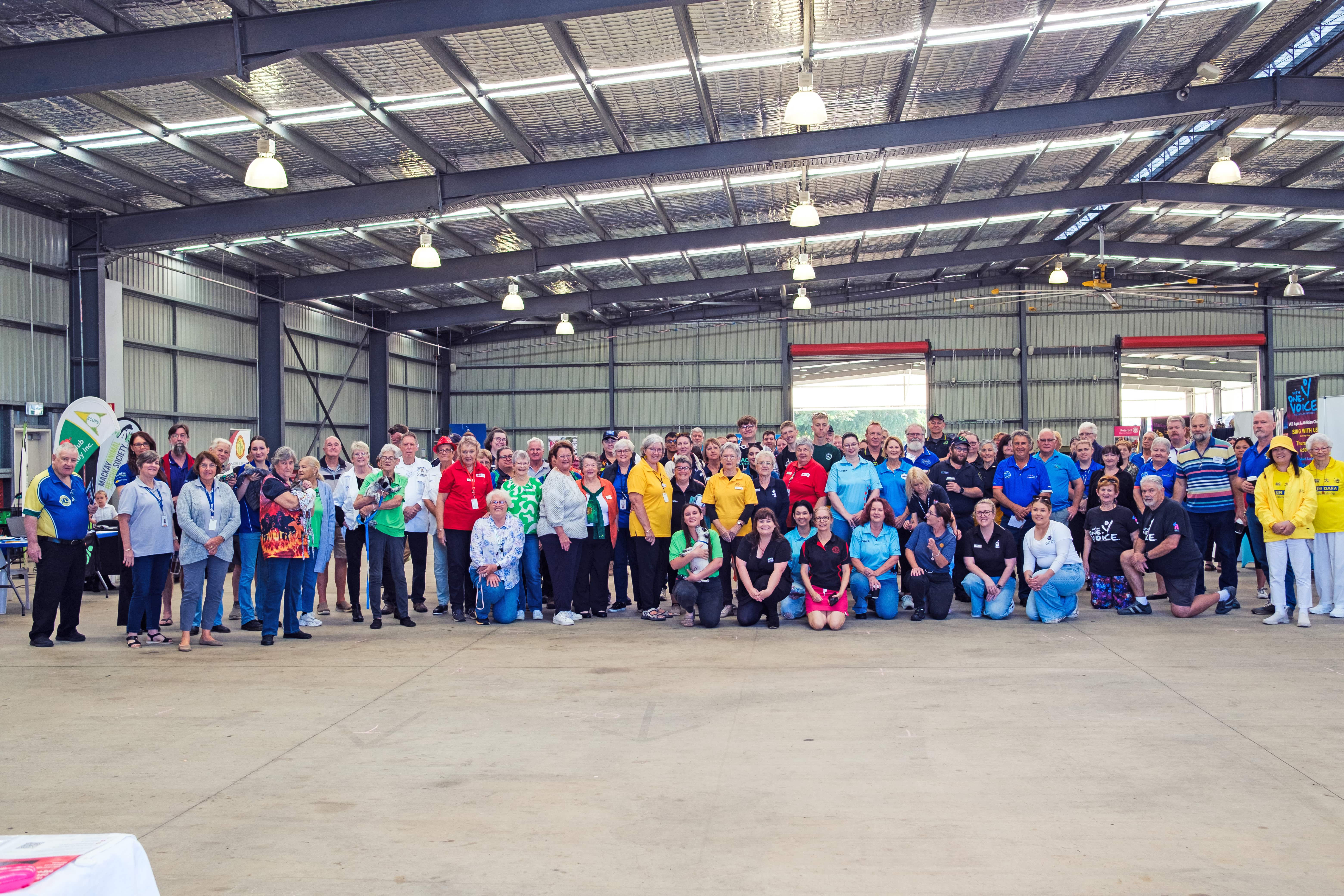
From wildlife caring, to country kitchens or supporting people with disability – a world of volunteering opportunities awaits at this year’s Volunteer Expo! This year’s event is set to be one of the biggest on record, with 55 community, support and other organisations have registered. The Volunteer Expo is being held at the Mackay Showgrounds on Sunday, May 17 from 9am until midday. Deputy Mayor Karen May said volunteering is at the heart of sustainable and supportive communities. “There are so many benefits to volunteering – from the people and organisations being supported, to those who so generously donate their time and skills. It increases community and individual wellbeing and drives positive change in the community,” Deputy Mayor May said. “What’s great about events like our Volunteers Expo is it gives people a one-stop shop to see what’s out there – and it could be something you’d never thought of,” she said. “Feedback from previous years shows how valuable this expo is to our community groups, with one organisation signing up more than a dozen volunteers on the day.” Data from Volunteering Queensland shows that for every $1 invested in volunteering, there’s a $4.70 return to the community. More than 110,000 jobs were created in 2024 through spending on volunteering – with the sector worth more than $117-billion to the state economy. Cr May said volunteering gives people to build on their passions while learning new skills and meeting new people. “It also opens up opportunities beyond the organisation a person volunteers with – it can help build new professional relationships and create new connections,” she said. “Data from Volunteering Queensland shows the overwhelming majority of people (64 percent) volunteer because they want to help others and the Volunteers Expo has dozens of options for people to help others. Entry to the Mackay Volunteer Expo is free. For more information, visit the event page on Facebook
Read the full story

With quiet strength and immense gratitude, Mackay man Les Hastie faced the toughest chapter of his life, battling both severe kidney disease and pancreatic cancer. Through every hospital visit and round of treatment, it was the steadfast love of his family and the compassionate care of Mackay Base Hospital staff that carried him through.
After his passing in March and as part of his family’s healing journey, his wife Wendy and daughter Renae visited the palliative care and renal unit teams to present a token of their appreciation for his dedicated and excellent care.
“Dad had been a regular patient at the Mackay Hospital and Health Service (HHS) over the last couple of years receiving care for his stage four kidney disease and more recently pancreatic cancer,” Renae said.
“As part of the healing process, my Mum wanted to show her thanks to the two main teams he received care from; the palliative care team and the renal unit support team under Dr Wu.
“We were able to visit both teams and deliver a little thank you basket of treats as well as get some photos with the staff.
“Throughout Dad’s health journey, he also received excellent care and support through ED, F2 and G0 and we wanted to say thank you and highlight the wonderful work the clinical staff here are doing for their patients and also their carers.”
Mackay Base Hospital renal clinical nurse consultant Chantal Jones, Renae German, renal specialist Dr Danielle Wu, nurse practitioner Dolly Ramsamy and Wendy Hastie. Photo source: Mackay Hospital and Health Service
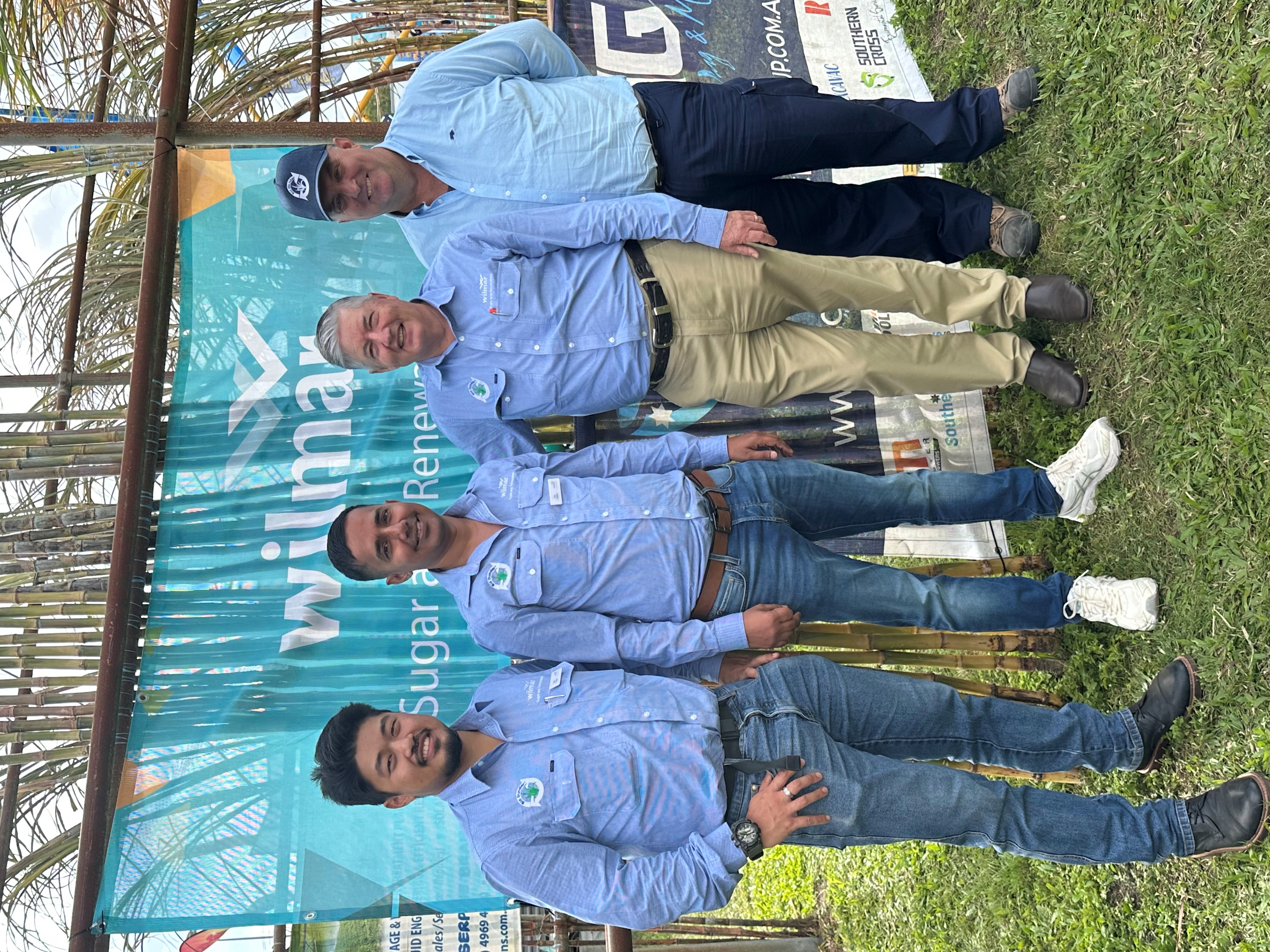
Wilmar AgServices has bolstered its agronomic services with the addition of a third agronomist to the team. Drew McGilchrist, a respected Mackay agronomist with more than 20 years' experience, joined Wilmar AgServices in June. He joins Dev Chalise, a certified practising soil scientist with a PhD, and Marc Tanizar, who graduated from the University of Queensland's Gatton Campus last year with a Master's in Agricultural Science.
AgServices Business Manager David Parker said the decision to expand the business's agronomy resources was driven by ongoing conversations with Bio Dunder customers who wanted to make more informed decisions about fertiliser.
"Our customers are trying to use fertiliser smarter by being strategic about application timings," he said.
"They're also very interested in their soils and the benefits that Bio Dunder brings to soil health compared to other products in the market."
He added that the team members are well qualified to do soil testing, provide information on soil science, and assist with Bio Dunder pricing and recommendations.
.jpg)
Pelvic floor health is often overlooked, but it’s something everyone should care about. From incontinence to pelvic pain, pelvic floor dysfunction affects millions of people — and the great news is, it’s treatable! As a local pelvic floor and continence physiotherapist, I want to help you understand how simple steps can boost your pelvic health and improve your quality of life.
Your pelvic floor is a group of muscles that support your bladder, bowel and reproductive organs. When these muscles weaken or become imbalanced, you may experience symptoms such as urinary leakage, pelvic pain, prolapse or bowel issues.
Surprisingly, pelvic floor dysfunction is common — but it’s definitely not normal. Studies show that one in three women and one in nine men will experience pelvic floor issues at some point. It doesn’t just happen with age or childbirth; it can affect people of all ages and at any stage of life.
Pelvic floor dysfunction can make simple activities like exercising, laughing or even coughing feel uncomfortable or embarrassing. But it is treatable. Current evidence recommends that individualised pelvic floor muscle training by a qualified physiotherapist should be offered as the first-line treatment. Pelvic floor physiotherapy aims to restore muscle function, improve symptoms and help you regain your quality of life. We’ll guide you through a tailored treatment plan that may include specific pelvic floor exercises, lifestyle advice and, if needed, aids or devices to support your symptoms.
While we know pelvic floor muscle training can be highly effective, doing the exercises incorrectly can make symptoms worse. Many people struggle with proper technique, so an individual assessment with a pelvic floor physiotherapist is recommended to ensure you’re performing the exercises correctly for the best results.
Additionally, many people continue to suffer from bothersome symptoms due to a lack of consistency with their pelvic floor muscle training. Staying motivated at home can be difficult — but joining a group class can help. It’s a proven way to stay on track and improve outcomes.
Thanks to the Queensland Government Sport and Recreation ActiveKit Super Round, Women’s Health Physio Mackay now offers twice-weekly, free supervised pelvic floor and abdominal exercise classes for everyone. Our Fit Floor to Core classes are evidence-based and designed to functionally strengthen your pelvic floor in a supportive group setting. All classes are live-streamed and recorded, so you can attend in person, join remotely or watch the sessions in your own time — making them accessible to our wider regional community.
Pelvic floor dysfunction doesn’t have to stop you from enjoying life. With pelvic floor physiotherapy, you can regain control, feel stronger and live your best life. If you’re experiencing symptoms, don’t wait — reach out to Women’s Health Physio Mackay today.
Your pelvic health matters — and getting the right help can make all the difference.
Lauren Neill
Women's, Men's and Pelvic Health Physiotherapist
Women's Health Physio Mackay
admin@whphysiomackay.com.au
0476 616 324
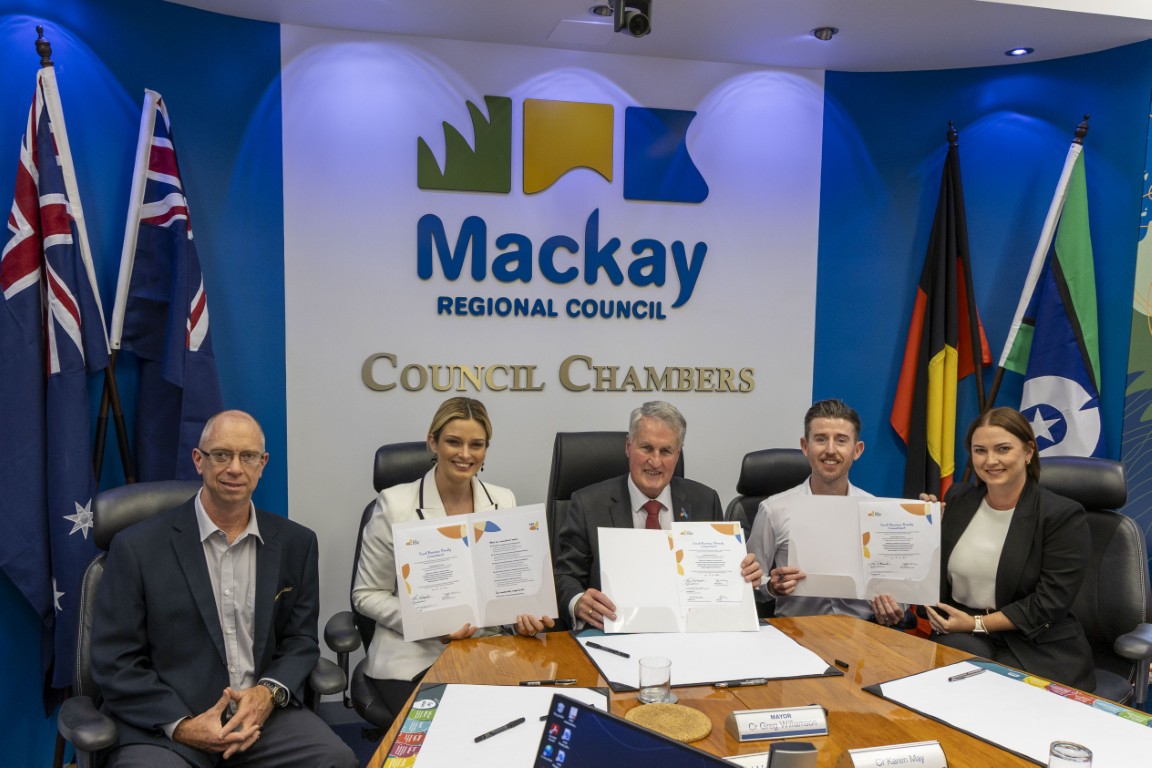
Mackay Regional Council is proud to reaffirm its dedication to supporting local small businesses by re-signing the updated Small Business Friendly Commitment.
The commitment will be co-signed in partnership with the Mackay Region Chamber of Commerce.
This renewed pledge reflects council’s ongoing role in building a resilient and thriving small business community across the region.
Originally signing the charter in March 2021, council continues to champion small business through this strengthened collaboration.
Mayor Greg Williamson said the Small Business Friendly Program had recently been revised following a comprehensive review.
“The new commitment presents a simplified, more practical and measurable framework that sets clearer expectations for members,” Mayor Williamson said.
“This is about uplifting our small business community through real action – boosting digital literacy, cutting red tape, promoting opportunity and building networks that help our businesses thrive,” he said.
Currently, 51 of Queensland's 77 councils are active participants in the initiative.
Queensland Small Business Commissioner, Dominique Lamb, will join council and Chamber representatives on Wednesday, June 18, in Mackay to mark the official recommitment, taking place after the scheduled council meeting.
Ms Lamb said small businesses were an essential part of Mackay’s economic future.
“There are more than 495,000 small businesses in Queensland who employ more than one million people and contribute more than 117 billion dollars to the economy,” Ms Lamb said.
“But more than just being a key part of our regional economies, small businesses make communities,” she said.
“Small business owners are the people who roll up their sleeves and chip in to support our community, charities, sporting clubs and just generally lend a helping hand when needed,” she said.
Mayor Williamson said the pledge reinforced council’s commitment to supporting the region’s business community.
“Small businesses are the heart of our economy – there are more than 10,000 registered small businesses in our region,” he said.
“As a council, we are proud to have spent about $147 million so far this financial year with local businesses, which is 72 per cent of all council procurement.”
“This updated commitment ensures we continue to prioritise local businesses where possible, while also delivering practical support for those who drive local jobs, innovation and services.”
The Small Business Friendly Commitment commits council to working with small businesses, industry, community and government to be more small business friendly by:
Uplifting the capability of small businesses.
Working together for small business.
Fostering ecosystems that help small businesses thrive.
Promoting small businesses and vibrant economies.
Enabling small business development and success.
Council has introduced five strategic advisory committees to enable councillors to develop the strategic directions outlined in the corporate plan. It’s important that councillors have opportunities to work with the CEO, directors and executive managers to ensure the best possible outcomes for our community.
The advisory committees also enable community members, organisations, state agencies, business and industry to inform the committees on matters that help the Mackay region to become the best region for liveability and livelihood. Committees are as follows:
Arts, Culture and Heritage Strategic Advisory Committee
Co-Chairs: Cr Namarca Corowa, Cr Heath Paton
_Responsibilities and strategic focus __
• Make recommendations regarding Reconciliation initiatives
• Enhance Arts, Culture and Heritage
• Make recommendations regarding community arts events and capacity-building opportunities
• Make recommendations regarding council Art, Museums and Heritage Collections polices and strategies
Economic Development and Growth Strategic Advisory Committee
Co-Chairs Cr Belinda Hassan, Cr Nathenea Macrae
Responsibilities and strategic focus
• Guiding diversification of the regional economy
• Facilitating development and innovation
• Investment opportunities
• Support for and growth in existing industries
• Tourism and events attraction
Sustainability Strategic Advisory Committee
Co-Chairs: Cr Alison Jones, Cr Peter Sheedy
Responsibilities and strategic focus
• Sustainability
• Natural environment
• Coastal management
• Catchment management
• Strategic planning
Regional Infrastructure Strategic Advisory Committee
Co-Chairs: Cr Karen May, vacant
Responsibilities and strategic focus
• Regional waste and recycling
• Regional transport and drainage
• Energy, water and communications
• Regionally focused parks/facilities
Liveability and Social Inclusion Strategic Advisory Committee
Co-Chairs Cr Karen May, Cr Ash-Lee Johnson
The committee is strategically focused on making recommendations regarding:
• Provision of community facilities
• Community events and place making opportunities
• Governance and regulatory mechanisms
• Locality social planning
• Community development
• Community safety
I would encourage community to reach out to councillors to discuss opportunities to have input into this important work. It is important for the community voice to be heard, and the establishment of these committees is one way for community to influence council decision making. All recommendations from the advisory committees are presented at a council meeting.
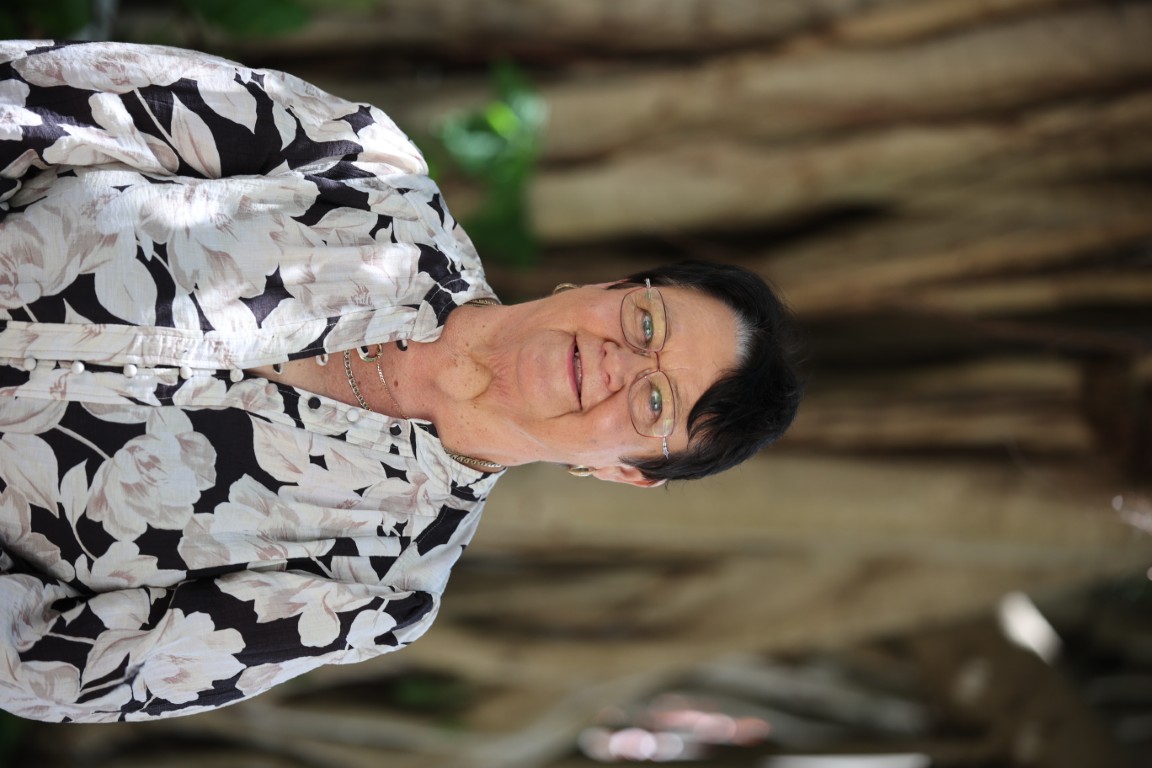
Cr Karen May
Deputy Mayor

Bowel cancer is no longer just a disease of the elderly. In Australia and around the world, there's been a concerning rise in bowel cancer cases among people under 50, and no one yet knows exactly why.
Leading cancer researcher Professor Michael Samuel – from the Centre for Cancer Biology based at the University of South Australia and the Basil Hetzel Institute for Translational Health Research – is at the forefront of a major effort to find answers.
Backed by a $573,833 grant from Bowel Cancer Australia through Cancer Australia, his team has launched a three-year research project to uncover why younger people are increasingly affected and why a significant number of patients relapse after treatment.
“We’ve come a long way in the fight against bowel cancer,” Professor Samuel explains.
“Thanks to better screening, fewer people are dying from it. But early-onset cases are growing, and that’s a mystery we urgently need to solve.”
Recent statistics from the University of Melbourne show that someone born in 1990 is up to three times more likely to be diagnosed with bowel cancer than someone born in 1950.
And the challenge doesn’t end with diagnosis.
About one-third of patients who have their bowel cancer surgically removed later see the cancer return, but there’s currently no way to predict who’s at risk. In people under 50 diagnosed with cancer, the relapse rate is closer to 50 per cent.
“That means that some people are going through intense monitoring and therapy that they might not need, while others who opt out may end up facing a relapse that could have been prevented,” says Professor Samuel.
“It’s not good enough. We need tools to predict, prevent, and personalise treatment.”
This is where the team’s breakthrough focus comes in: 10 key biomarkers. These biomarkers (chemicals produced by tumours) are being investigated as potential indicators of both the risk of developing early-onset bowel cancer and the likelihood of a recurrence.
With the investigation into the 10 biomarkers now fully underway, this research offers hope for earlier detection, smarter treatment, and ultimately, better outcomes for bowel cancer patients of all ages.
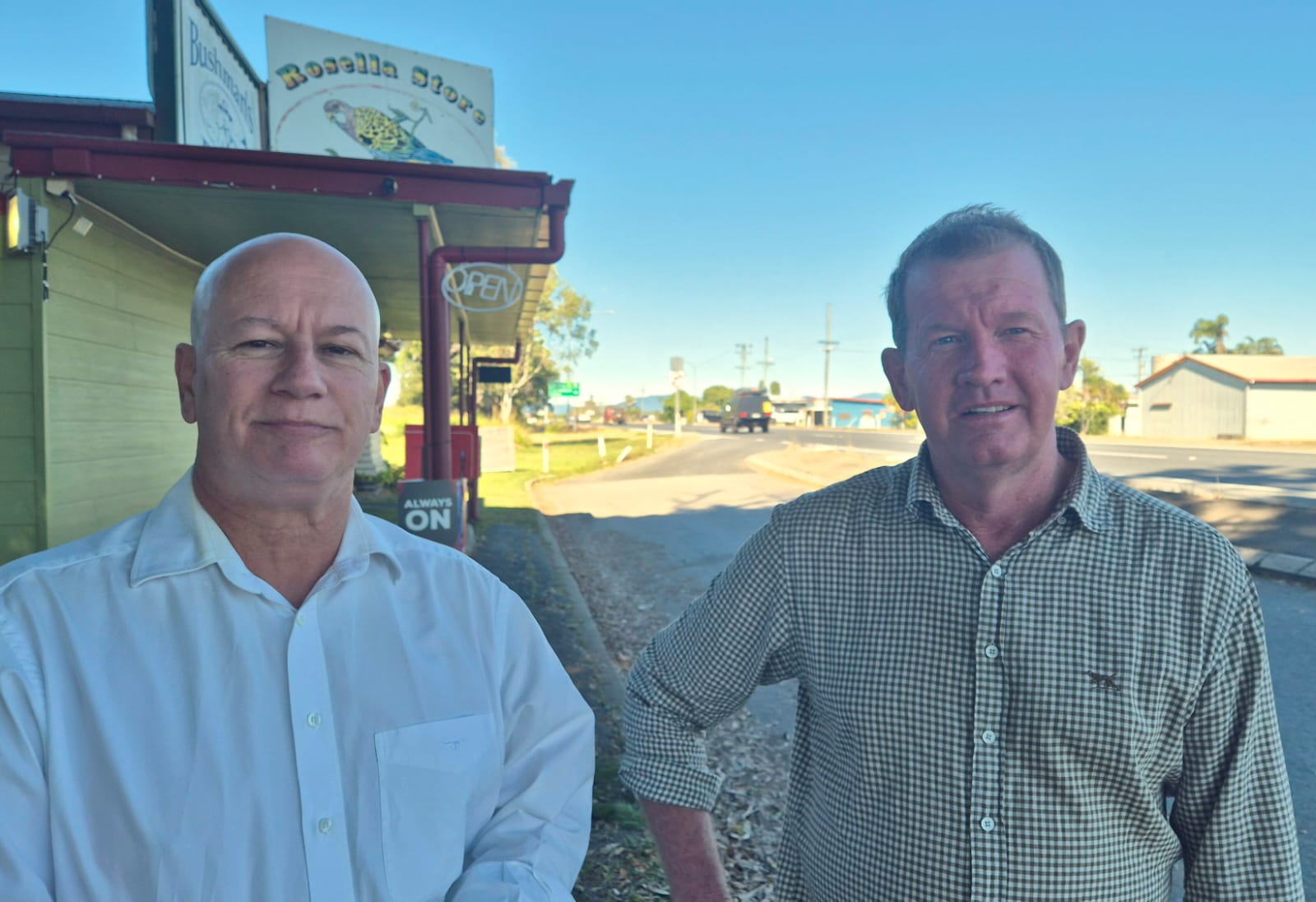
Five small and family businesses in the Mirani electorate have received a grant under the Queensland Government’s Business Basics Grants program.
The grants program provides support for small and family businesses to grow through access to professional business advice or improvements to digital and marketing systems.
Queensland has more than 495,000 small and family businesses and they employ more than 1 million Queenslanders.
One of the local recipients of the Crisafulli Government’s Business Basics Grants program is Michelle Camilleri, One Hungry Mumma Pty Ltd. One Hungry Mumma is small batch condiment business, transforming excess food into award winning condiments using locally sourced produce.
“Receiving support through the Business Basics Grant will be a game-changer for our business”
“We are passionate about transforming local produce into award-winning condiments and creating unique food experiences, this funding has allowed us to invest in the tools we need to grow, we're now in a stronger position to connect with food lovers, tourists, and our local community’’ said Michelle Camilleri owner of One Hungry Mumma Pty Ltd.
Member for Mirani said funding will assist local businesses receive professional advice and services to grow.
“We are putting small and family businesses first with the latest round of Business Basics Grants,” Glen Kelly MP said.
“Our small and family businesses are the key to driving economic growth and we want to support our businesses to thrive for years to come.
“We are supporting businesses to increase their key capabilities, embrace innovation and capitalise on high growth opportunities.”
Small and Family Business Minister Steve Minnikin said the Business Basics Grants program was part of the Small and Family Business First Action Statement providing assistance for business development activities at different stages of their lifecycle.
“Queensland small businesses are not only essential to the prosperity and economic growth of Queensland, but they are also vital in supporting communities across the country and especially in our regions,” Mr Minnikin said.
“We know small businesses continue to face challenges with rising costs, economic uncertainty, and in some cases the effects of natural disasters."
Mirani electorate successful recipients are:
EDC Accounting Pty Ltd – Ooralea
One Hungry Mumma – Finch Hatton
The Hare Boutique – Walkerston
The Childminding Co. – The Caves
Golden Hour Marketing – Ooralea
Visit business.qld.gov.au to see a full list of Business Basics Grant recipients and to find out about other upcoming business grants programs.
Glen Kelly MP and Minister Steve Minnikin
Michelle Camilleri, owner of One Hungry Mumma, is turning local produce into award-winning condiments — with a helping hand from the Business Basics Grant to grow her small batch food business. Photos supplied

What began a decade ago as a heartfelt response to a struggling community has blossomed into Central and North Queensland's largest charity golf day, consistently driving significant funds and fostering immense goodwill.
The M&P Services-Key Solutions Group Annual Charity Golf Day is celebrating its remarkable 10th anniversary, poised to shatter all previous fundraising records and cement its legacy as a true community pillar.
How a Passion for Golf Paved the Way for Community Support
From humble beginnings in its inaugural year, raising a commendable $6,000, the event has seen an extraordinary surge in support, culminating in over $61,000 raised in its 9th year. This year, the ambition is even grander: to surpass an incredible $75,000, which would push the total funds raised over the past decade to more than $350,000 – a truly monumental achievement for the community.
The genesis of this beloved event traces back to a challenging period.
"The annual golf day was born in the downturn," explains Max Lamb Jr, Director of M&P Services.
"Businesses were really feeling the pinch in 2012 and 2013, and by 2015, charities were truly suffering."
Max, who previously hosted other supplier/client annual events that saw waning interest, sought a new avenue for impact.
"I thought of a golf day, which linked a personal passion of mine with something I could make truly special," he recounts. And special it has become.
Over the years, the M&P Services-Key Solutions Group Charity Golf Day has taken off, now widely regarded as the pinnacle of fundraising combined with fun in the community. It's a day for everyone, attracting both men and women, with workplace groups of women increasingly showing the men how it's done on the greens.
Beyond the friendly competition, every swing and every putt is in the name of charity. Participants can test their luck at the popular "Hit and Hope" hole, “Putt for Dough” or contribute to the "Dry Village" hole, where pledges for tents directly support Chances House for the homeless. The generosity doesn't stop there, with over $30,000 in incredible raffle prizes up for grabs. Imagine winning your very own "Club House”, kitted out with a 65-inch Smart TV along with all the luxuries in a 29m2 cyclone-rated modular building! Other coveted prizes include kayaks, wheelie bins full of groceries, BBQs, flight vouchers, sailing trips, a generator, and much more. For those seeking unforgettable moments, there are awesome experiences too, like weekend getaways and VIP experiences.
Max Lamb Jr is quick to acknowledge the vital partnerships that make the day possible.
"We couldn't do this without the incredible support of our sponsors and enthusiastic participants," he states.
"I want to specifically thank Frank Attard from Key Solutions Group, our joint naming rights sponsor, along with all our other major and minor sponsors. Their commitment is what allows us to ensure that 100 per cent of the funds raised go directly to those in need in our region.”
As the 10th M&P Services Charity-Key Solutions Group Golf Day prepares to tee off, it's abundantly clear that this isn't merely a pursuit of birdies or an avoidance of the dreaded rough. It's a masterclass in driving change, one perfectly (or hilariously imperfectly) struck ball at a time.
This annual gathering has consistently proven that when a community collectively swings for a cause, the resulting impact is anything but par for the course. Indeed, it's a decade-long hole-in-one for Mackay, demonstrating that even a slice can lead to a substantial sum for those who need it most.
WHAT:
10th Annual M&P Services Charity Golf Day
WHEN:
Friday, 25th July 2025
WHERE:
Mackay Golf Club
Mackay Bucasia Road

The Bluewater Lagoon will close next Monday (June 30) for its winter maintenance period.
The facility will undergo important upgrades to the plant room, including pump and instrument upgrades, during that time.
Contractor Dowdens Pumping and Water Treatment will be carrying out the upgrades and are expecting works to be completed by mid-September 2025.
Works will be carried out Monday to Friday from 6.30am to 6pm and Saturday from 7am to 5pm, as required.
There may be some noise associated with these works. However, appropriate controls will be implemented to minimise any impact to residents.
The works within this project will ensure this facility continues to serve the needs of the community well into the future and it is expected to increase the longevity of the lagoon.
Other council pools, including the Mackay ARC, will remain open during this period. For opening hours, head to council's website
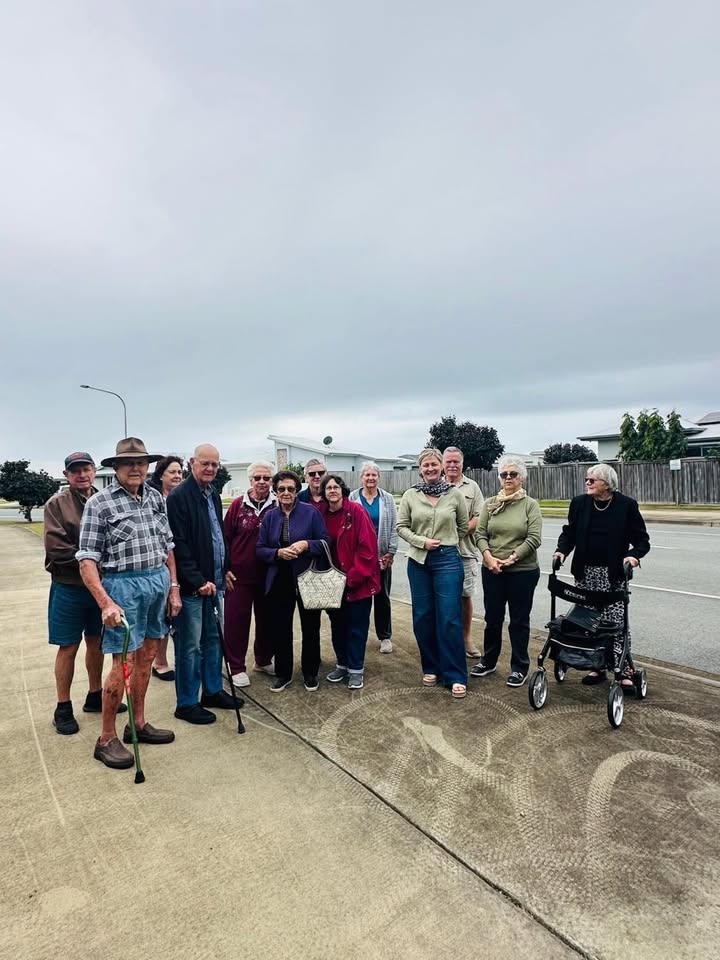
Calls for improved public transport access in Mackay’s growing Beaconsfield area have been brought to the attention of state leaders, with Member for Whitsunday and Minister for Seniors, Hon Amanda Camm MP, recently meeting with Margaret Lane and residents of Kerrisdale Gardens to hear their concerns.
Ms Camm said, “After listening to the needs of the Kerrisdale community, I will take the matter forward to the Minister for Transport, TransLink and Mackay Regional Council to progress greater accessibility for our senior population and community who want to utilise 50 cent fares.”
Residents are now advocating for an extension of the current bus route and the installation of a new bus stop to better serve the needs of locals, staff, and the broader Kerrisdale community.
State leaders are considering improved bus services for Mackay’s Beaconsfield area after residents of Kerrisdale Gardens raised concerns about accessibility and affordable fares. Photos supplied
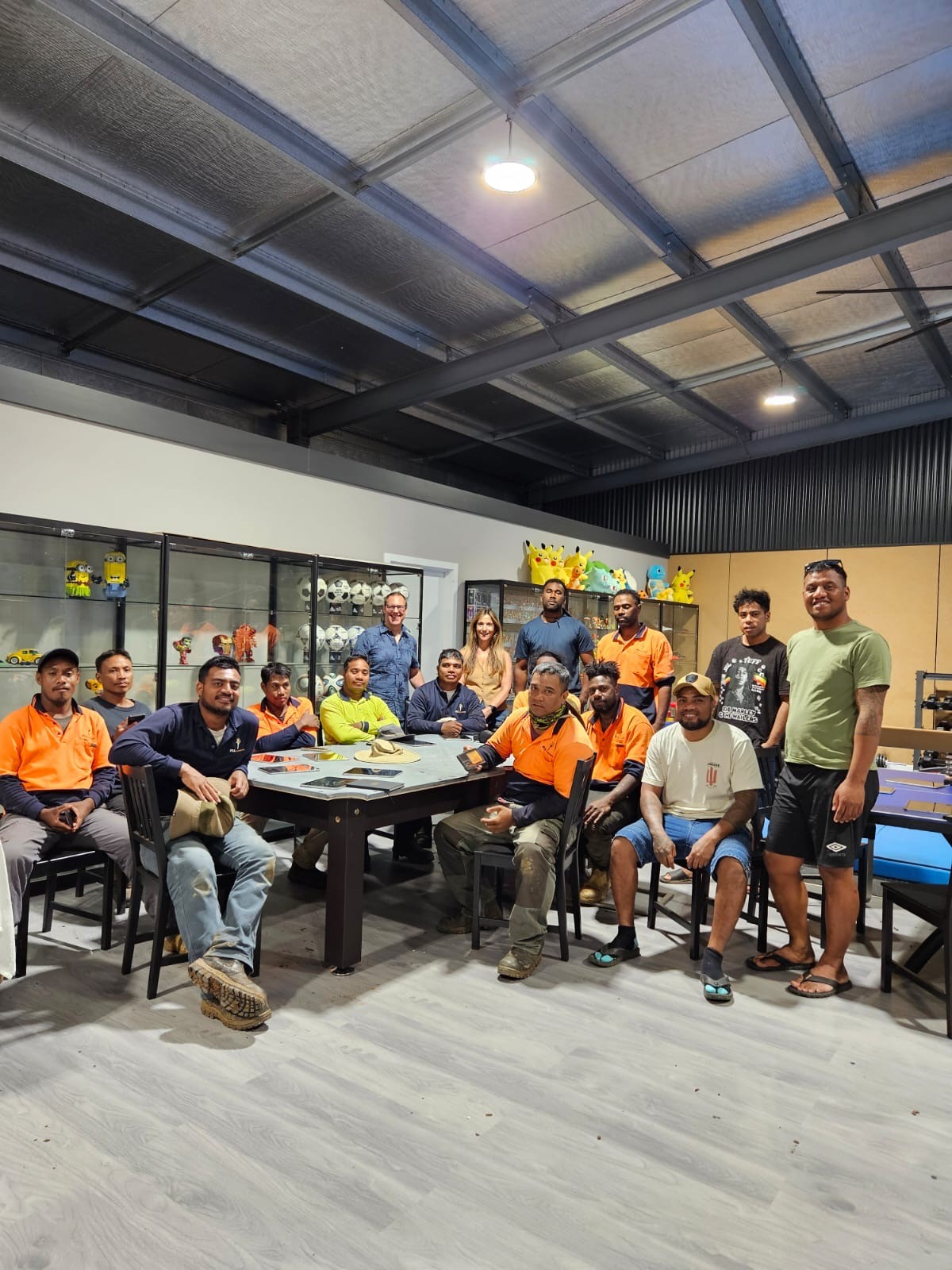
Finance experts are calling on the Federal Government to make it easier for Pacific and Timor-Leste workers that come to Australia to access unclaimed superannuation once their visa expires.
More than 31,000 workers participated in the Pacific Australia Labour Mobility (PALM) scheme in rural and regional Australia in March 2025, helping to fill labour gaps in agriculture, aged care, hospitality and tourism.
PALM workers on a nine-month visa can typically accumulate between $3000-4000 in superannuation before tax, while those on four-year visas can accumulate up to $16,000. It can only be claimed after their visa expires and they’ve returned to their home country, and the process of accessing the funds is difficult and time consuming.
UniSA Senior Lecturer and Manager of the UniSA Tax Clinic, Dr Rob Whait, says the Australian Tax Office holds millions of dollars of unclaimed superannuation owned to workers from the PALM scheme.
“Completing the required paperwork requires workers to be proficient in English, seeing as the forms aren’t available in other languages. It also requires access to a computer and the internet as the forms can’t be downloaded and need to be completed online, then emailed to the relevant authority,” he says.
“In PALM countries, English is a second language, and the internet is not as readily accessible as it is here. The responsibility for making a claim lies solely with the worker, and there is no obligation for the employer here in Australia to provide information about how workers can claim their superannuation.”
Dr Whait and Dr Connie Vitale from Western Sydney University are recommending policy reforms to make it easier for PALM workers to have their superannuation directly paid into their own super fund in their home country while working in Australia, or have the funds paid as part of their wages in lieu of superannuation.
Analysis by Dr Whait and Dr Vitale of the issue revealed several recommended policy reform options to make it easier for PALM workers to claim their superannuation once their visa expires. It was found that allowing workers to automatically have their superannuation paid directly into their own fund in their home country while working in Australia would be the most logical option.
The two researchers travelled to PALM worker locations across SA and NSW late last year to support workers to prepare their Departing Australia Superannuation Payments (DASP) claims and other documentation before leaving Australia.
He says the recent visits to the PALM worker locations revealed that paying superannuation into a super fund in their own country was not the most preferred option by the workers themselves and that payment added up front to their wages was most desired.
“A leader among the PALM workers said that he would prefer Australia to follow the New Zealand approach where superannuation is not paid at all, and instead, they get all their money paid as wages. Another PALM worker said that the superannuation funds in their country are not being managed in their best interests,” Dr Whait says.
“If done correctly, PALM superannuation policy reform presents Australia with an opportunity to rebuild and strengthen relationships with its Pacific neighbours.”
Pacific and Timor-Leste workers have become a vital part of regional Australia’s workforce, but experts say the system for claiming their superannuation after returning home is too complex and urgently needs reform. Photo supplied
.jpg)
Aspiring home owners in Queensland will have access to a new shared equity program designed to lower the entry barrier to the property market.
Expressions of interest open July 1 for the Boost to Buy scheme, which allows eligible first home buyers to purchase a home with as little as a 2 per cent deposit, thanks to a government equity contribution of up to 30 per cent for new homes and 25 per cent for existing properties.
The initiative, unveiled in the 2025–26 State Budget, is targeted at singles earning up to $150,000 and couples with combined incomes of up to $225,000. It applies to properties valued up to $1 million.
The scheme is backed by $165 million in funding, which the state government says will support up to 1,000 households. The government’s equity will be secured in the home itself, and buyers will not be required to repay this contribution unless they sell or refinance the property.
Premier David Crisafulli described the scheme as “nation-leading”, arguing it will bring home ownership within reach for more Queenslanders, particularly younger buyers and those without access to family financial support.
“This is about helping Queenslanders who are locked out of the housing market not because they can’t afford repayments, but because they can’t get over the deposit hurdle,” Mr Crisafulli said.
“This initiative, along with our expanded $30,000 First Home Owner Grant and the removal of stamp duty for first home buyers on new builds, forms part of our commitment to turning around Queensland’s low home ownership rate.”
According to the most recent data, Queensland has the lowest home ownership rate in Australia at just 63.5 per cent.
Treasurer and Minister for Home Ownership David Janetzki said the scheme was part of a broader plan to improve affordability and rebuild trust in government-led housing support.
“We’re delivering exactly what we promised and that’s unlocking the door to home-ownership for Queenslanders,” Treasurer Janetzki said.
“This is about making Queenslanders’ home ownership dream a reality, delivering a place to call home.
“Boost to Buy comes on top of the first home buyer support we’ve already delivered, including the extended $30,000 First Home Owner Grant and abolishing stamp duty for first home buyers purchasing a new build.”
The LNP Government has pointed to the state’s low home ownership rate and rising cost-of-living pressures as evidence that previous policy settings under Labor had failed to keep pace with community needs.
Opposition figures, however, have pushed back on this narrative. Former Shadow Treasurer Shannon Fentiman has defended Labor’s record, citing a stable credit rating during their tenure and questioning the LNP’s projected debt levels.
While the new scheme has been welcomed by industry advocates for providing an alternative pathway to ownership, some housing economists have cautioned that shared equity models are not a silver bullet, and broader supply-side issues still need to be addressed.
Nonetheless, Boost to Buy represents a significant shift in Queensland’s approach to supporting first home buyers — one that will be closely watched as the government moves to implement its broader housing agenda over the coming months.

You might laugh at the term Netflix Bum, but Australia’s growing obsession with streaming, scrolling and sitting is no joke.
Whether it’s back-to-back episodes or endless TikTok loops, the hours we spend glued to our screens are quietly taking a toll on our health – and our backsides.
According to leading physical activity researcher Professor Corneel Vandelanotte, this modern-day lounge room phenomenon (known to weaken the gluteal muscles) is a symptom of a much bigger problem: Aussies are sitting too much, moving too little, and unknowingly putting themselves at risk of a range of chronic diseases.
“Prolonged sitting is associated with a wide range of health risks, including musculoskeletal problems, heart disease, type 2 diabetes, obesity, and even some cancers,” Professor Vandelanotte said.
“It can also negatively impact mental health and increase the risk of premature death.
“Breaking up prolonged periods of sitting with movement is crucial for mitigating these risks.”
The average adult now spends more than 6 hours each day glued to screens – from streaming services and smartphones to computers and social media.
Professor Vandelanotte said the Australian Government is taking the issue seriously, with new 24-hour movement guidelines for adults set to be released later this year.
“The new guidelines will recommend a good balance between time spent sitting, being active and sleeping,” he explained.
“Regular moderate to vigorous physical activity can offset many of the health problems caused by prolonged sitting.”
The 10,000 Steps program, led by CQUniversity and supported by the Queensland Government, continues to encourage Australians to take simple, proactive steps to break up their sedentary time.
Tips include standing or stretching every 30 minutes, taking walking meetings or lunch breaks, using standing desks, or building movement into screen time by standing or pacing while watching TV.
Professor Corneel Vandelanotte

By Hannah McNamara
A grassroots movement in Mackay is punching beyond barriers in the fight against domestic violence, not just with words, but with gloves, grit and a dash of pink.
Last Wednesday, Project Pink held its official opening and activewear fundraiser at the CWA Hall on Gordon Street, offering locals a chance to support the cause with every $5 item sold helping fund vital programs for women and teen girls affected by domestic violence.
Founded by local mother and entrepreneur Charlotte Heller, Project Pink is a not-for-profit organisation that empowers women and teen girls affected by domestic violence through boxing and self-defence, while offering a safe, supportive environment for healing.
“Project Pink is our not-for-profit organisation that is dedicated to helping women heal either during or post-domestic violence,” Charlotte said.
“We focus on dealing with the trauma, anger, the emotional toll and then also the mental health impacts that are associated with domestic violence.”
With mental health at the core of the program, Project Pink combines physical activity with peer support and life skills to rebuild lives fractured by fear and abuse.
“That is just one part of our program,” she explained.
“That is the physical aspect that I think you can outwork a lot of trauma and anger, as well as lowering mental health impacts by about 20%.”
The vision took shape in February 2022 when Charlotte spotted a building and knew it had to become a haven for victim-survivors.
“I actually saw a building that I was obsessed with, and I was like, I need to have a boxing gym in there, for women affected by DV.”
Three years and countless late nights later, juggling two children and running a business, Charlotte says it’s been “a labour of love,” crediting a beautiful team that have put in countless hours of help.
Project Pink’s impact even goes beyond the gloves. Through parenting programs, daily life coaching, and a community-driven approach, it supports women as they rebuild from the ground up.
“Our mission is to create a safe and empowering space for women impacted by domestic violence,” Charlotte said.
“Through specialised boxing and self-defence programs… we aim to equip women with the physical and mental tools to regain control of their lives.”
Charlotte encourages others to speak up.
“I want to help remove the stigma, and the shame, guilt, and the feelings that are associated with domestic violence for so many where they are kept silent,” she said.
“I think the way that we can break the power that domestic violence has on so many women and so many families is by bringing it to light… and the way we do that is through truth.”
The team is currently seeking community and business support to secure a permanent space.
“We welcome support from local individuals and businesses who share our vision, as every contribution helps us bring our full program to life and reach more women in need.”
For more information, visit Project Pink on social media.
Charlotte Heller and Rose Dee from Project Pink at the official opening and activewear fundraiser last Wednesday. Photo credit: Hannah McNamara

If you’ve ever wished for firmer, clearer, or more youthful-looking skin without going under the knife, there’s a breakthrough worth knowing about — and it’s right here in Mackay.
Skin Transformations is one of only six clinics in Australia to use and recommend the cutting-edge Fusion Plasma USA device. Made in Turkey, this non-invasive plasma treatment is designed to rejuvenate, tighten and heal the skin using advanced argon gas-powered plasma technology. It works by enhancing collagen production — the key to smooth, resilient, and radiant skin — while also addressing a range of common concerns.
Key Features:
Hot & Warm Plasma
Lifts and firms sagging skin
Stimulates collagen for smoother texture
Reduces acne scarring, stretch marks, pigmentation and unwanted lesions
Cold Plasma
Delivers antibacterial and anti-inflammatory benefits
Aids in acne treatment, eczema relief and wound healing
Supports hair stimulation and fungal nail treatment
🌟 Exclusive Offer: Mention this column and receive a free Plasma Treatment Consultation (valued at $95).
Skin Transformations
15 Stephanie Court, Glenella, Mackay Q 4740
📞 (07) 4942 8193 | ✉️ info@skintransformations.com.au
Publishers Indemnity. Any individual or entity that places advertising, supplies copy material, or submits editorial content to Core Life Publishing agrees and undertakes to ensure that all such material:- Does not infringe upon any copyright, trademark, or other intellectual property rights;- Is free from any content that could be considered defamatory, libelous, or slanderous;- Does not infringe upon any rights related to privacy or breach of confidence;- Contains no obscene, indecent, or otherwise unlawful material;- Complies fully with the Trade Practices Act and all other applicable laws, regulations, or statutes.Furthermore, by submitting or placing such material, these individuals or entities agree to indemnify and hold harmless the publisher, Core Publishing and Events Pty Ltd, and/or its agents from and against any and all investigations, claims, demands, liabilities, damages, costs, or judgments arising out of or in connection with the material provided. All material is believed to be accurate at the time of printing and remains the copyright of Core Publishing and Events Pty Ltd.
© 2026 Mackay and Whitsunday Life Pty Ltd.
