
Independently Owned, Locally Grown, Community Loved
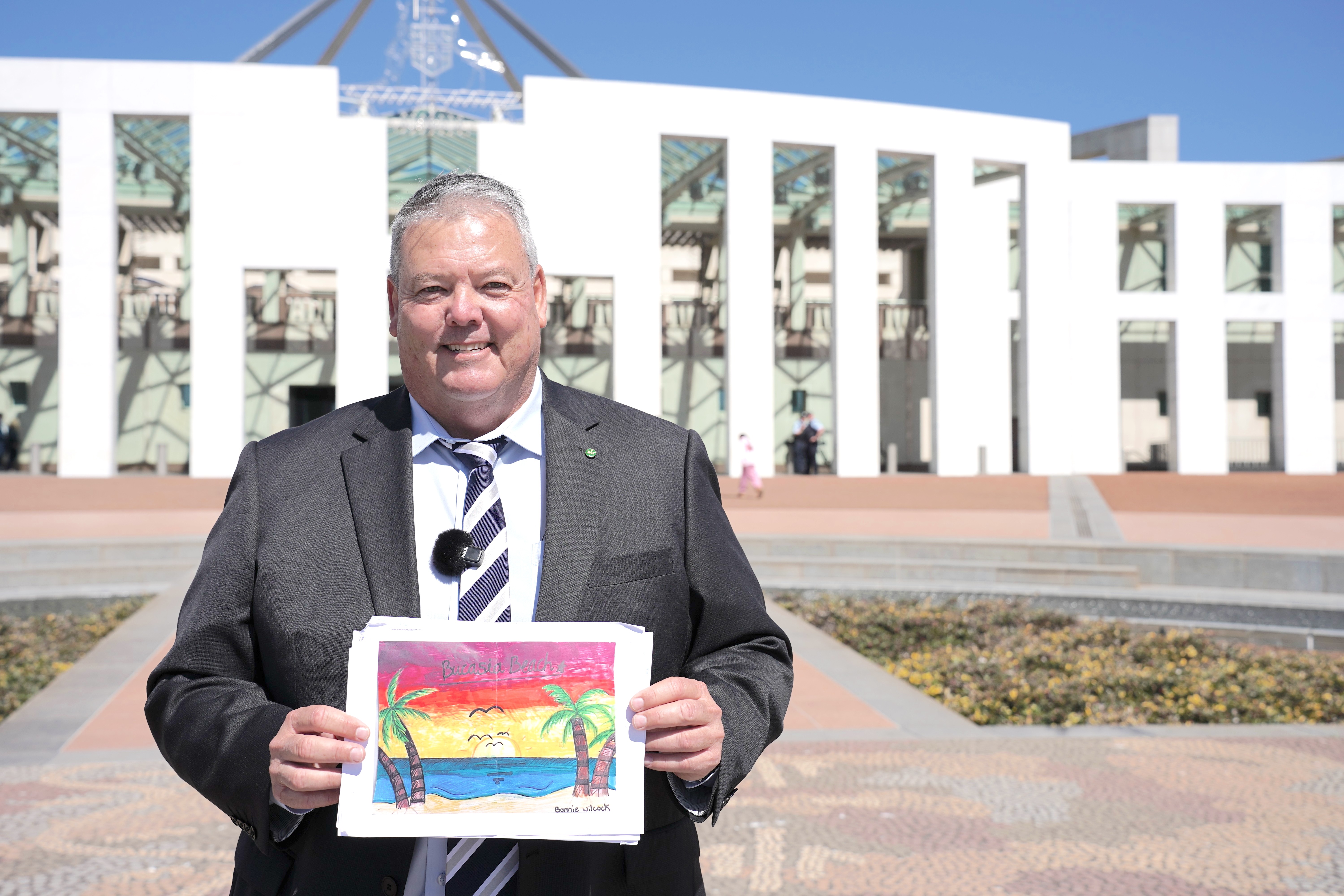
Students with a creative flair are being encouraged to step forward and submit their artwork for the chance to see it projected onto the façade of Australian Parliament House. The opportunity is open to creative students in Years 5 and 6 across Dawson, with selected artworks set to feature as part of Canberra’s Enlighten Festival 2027, which will run from February 26th to March 8th and celebrate light, art and creativity. As part of celebrations marking 100 years of Parliament in Canberra, artworks from every Australian state and territory will be projected onto the Australian Parliament House façade. Federal Member for Dawson Andrew Willcox MP said the opportunity would allow young artists to showcase what makes the Dawson region special. “Our part of Queensland is pretty hard to beat when it comes to inspiration,” Mr Willcox said. “We have the Great Barrier Reef, cane fields, beaches, rainforest, rivers, farmers, fishing, wildlife and some of the most unique communities in the country. “There is plenty there to put on the big screen, and in this case, the screen is Parliament House itself.” From the natural beauty of the Great Barrier Reef and cane fields to local wildlife and communities, students are being encouraged to draw inspiration from the places, people, animals, plants and landscapes that make their part of Australia unique. Mr Willcox said he would love to see Dawson represented among the artworks selected for the national display. “I would love to see a slice of Dawson among them,” Mr Willcox added. “Imagine walking around Canberra at night and seeing Parliament House illuminated with artwork created by a student from Dawson. “That would be something to be proud of.” The program also provides students with an opportunity to engage with civics and learn more about the home of Australia’s democracy. Mr Willcox is encouraging schools, teachers and parents across Dawson to support creative Year 5 and 6 students to take part. Submissions close Thursday, October 29th. A student toolkit containing tips and templates, along with a fact sheet for parents, is available through the Parliament House website at aph.gov.au/StudentArtwork. Federal Member for Dawson Andrew Willcox MP is calling on creative Year 5 and 6 students across the region to submit their artwork for the chance to feature on Australian Parliament House during Enlighten Festival 2027. Photo supplied
Read the full story
Mackay’s CBD and St Patrick’s Church on River Street were filled with officers in blue last Tuesday 29th September, as Queensland Police Service officers gathered alongside local representatives and members of the public to honour the lives of those who never came home from their shift. A march through the Mackay CBD was followed by a memorial service at St Patrick’s Church for National Police Remembrance Day. Officers and staff from across Mackay joined members of the community to honour those who lost their lives in the line of duty and reflect on their courage, dedication and sacrifice. Mayor Greg Williamson spoke about the community’s appreciation for police and the important role officers play across the region. He highlighted how police are often the first people the community turns to when there is a safety concern, while also recognising officers as members of local families and communities. “The people of Mackay call them when there's community safety at risk. And so, today, there's a chance for us, as a community, to join with the police force and say, We, as a community, really appreciate what you do.” “To the people who put their hand up to be in the police force, thank you. Thank you for what you are doing for us as a community, and for Queensland in general.” “Quite often, we take the police for granted, but that's who we call first, when there's a community risk apparent.” Mackay Whitsunday District Officer Superintendent Dean Cavanagh spoke about the officers who made the ultimate sacrifice and the lasting impact their deaths have had on families, friends, colleagues and the wider community. He also reflected on the strong attendance at the memorial and the respect shown towards those being remembered. “Today we come together as one voice to remember those officers who made the ultimate sacrifice.” “We gather not only to remember their courage, but also to acknowledge the profound impact their loss has had on families, friends, colleagues, and this community.” “It’s a privilege to see such a strong attendance here today, and it always demonstrates the enduring respect held for those that we remember.” “Please remember that today’s an opportunity to recognise the values of service, sacrifice and a reminder that behind every badge is a person.” “With honour they served.” On Tuesday 29th September, Mackay police officers, local representatives and community members gathered for National Police Remembrance Day. Photo credit: Hannah McNamara
Read the full story
A one-year-old girl has tragically died following a fatal traffic crash in Dysart on Sunday, 27th September. Emergency services were called to Golden Mile Road at about 9.05am after a single vehicle left the road and rolled. The one-year-old girl was declared deceased at the scene. A five-month-old boy also sustained serious injuries in the crash. The driver, a 22-year-old Moranbah woman, sustained minor injuries. Police are appealing for anyone who may have information, including dashcam or CCTV footage, to come forward. The Forensic Crash Unit is investigating the circumstances surrounding the crash. There were no further updates at the time of print.
Read the full story
A thoughtful act of kindness is helping bring a little extra warmth to premature babies and their families at Mackay Base Hospital. My Hospital Foundation recently expressed their gratitude to the team Mackay Youth Justice Services, for a delivery of hand-knit premature baby beanies. The cosy hats were knit by a young person in connection to the service as part of their community hours, with help from Indigenous Service Support Officer Jackie T. “These beautiful handmade gifts have been donated to babies at Mackay Base Hospital and will bring comfort to families during a very special time,” a spokesperson said. “Acts of kindness like this make a real difference in our community. Thank you for your generosity and support.” The beanies are a reminder that even small gestures can make a big impact, with the young person's time and effort helping to support local families when they need it most.
Read the full story
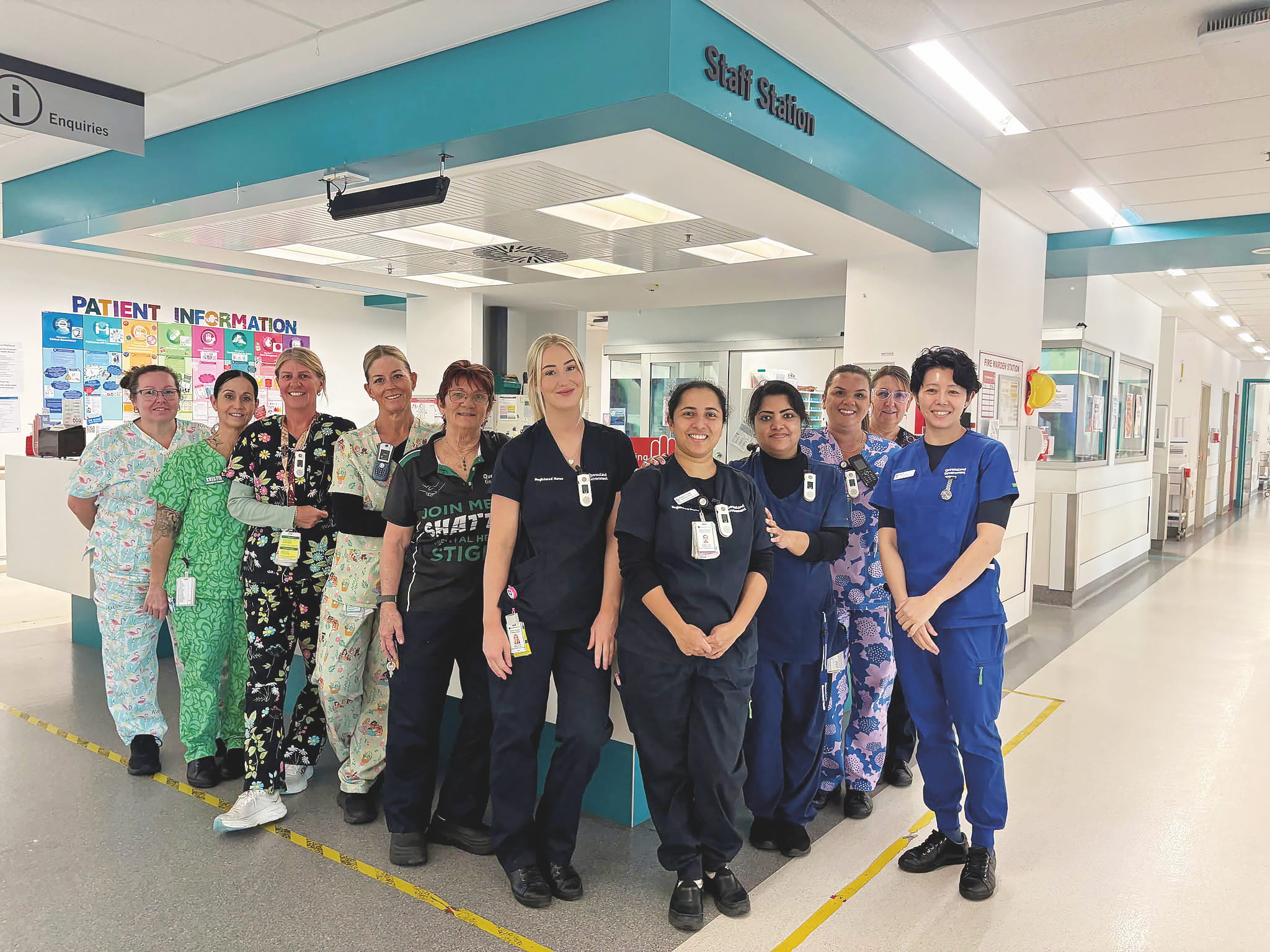
Photo source: Mackay Hospital and Health Service
Mackay Hospital and Health Service (Mackay HHS) is celebrating the people and teams who make a difference in the lives of patients and the wider community through its annual Let’s Celebrate Mackay HHS People Awards.
The awards provide an opportunity to recognise those who consistently go above and beyond in their work.
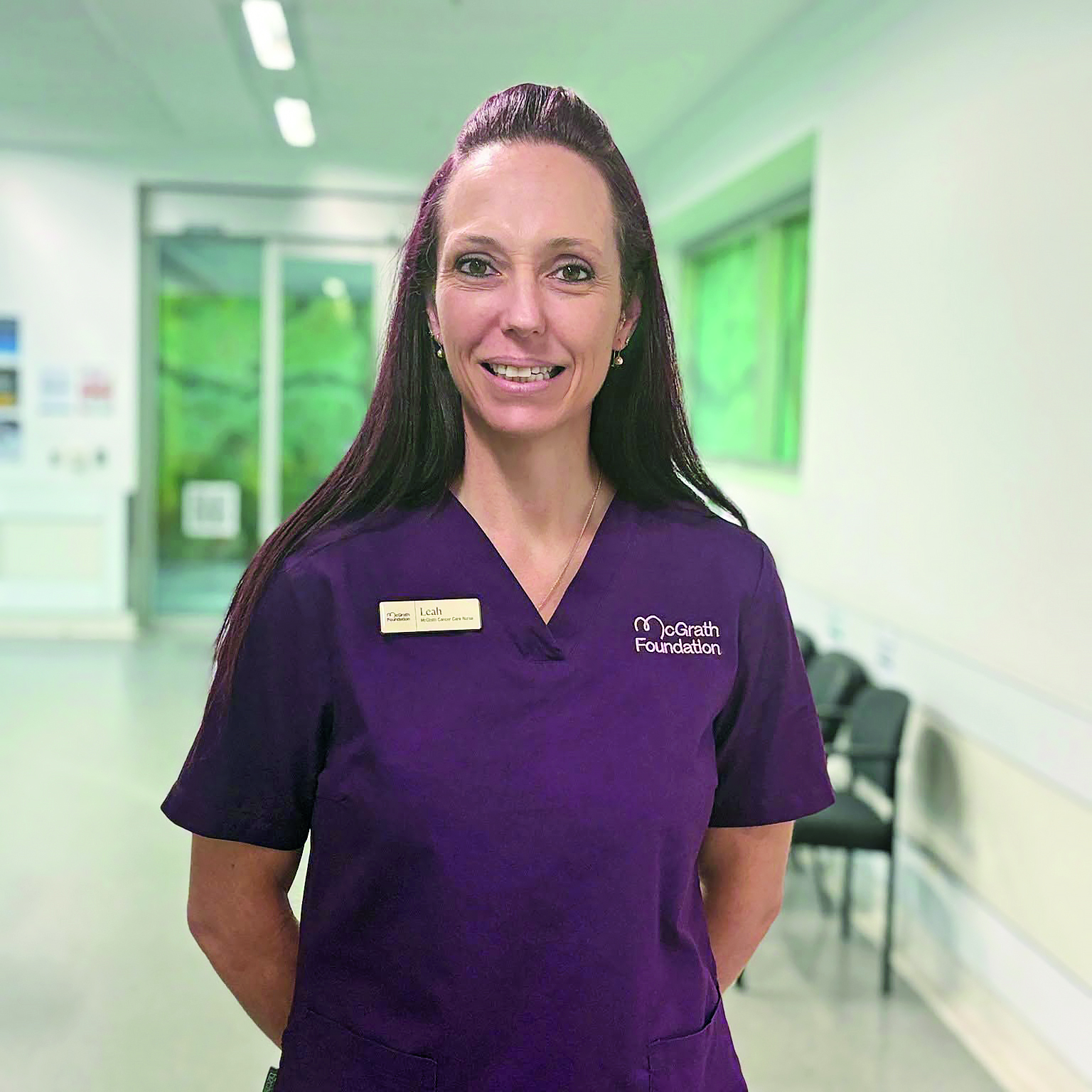
The finalists for the 2026 People’s Choice Award were nominated by patients and community members.
The finalists are:

Mackay HHS congratulated all finalists, noting their recognition as a significant achievement and a testament to the positive impact they have within the Mackay HHS.
The organisation will celebrate those who contribute to the community at its annual staff awards evening next month.
We service our cars. We take our pets for annual check-ups. We visit the dentist before a small problem becomes a big one.
Yet when it comes to our own bodies, many of us are experts at putting things off.
A little bladder leak when you laugh. Constipation that comes and goes. Rushing to the toilet “just in case.” Painful periods you’ve always assumed were normal. A feeling of heaviness after a long day. They might seem like small inconveniences, easy to brush aside in the busyness of everyday life.
But what if these small symptoms are actually important messages?
As a pelvic health physiotherapist, I hear the same phrases every week: “I thought it was just part of getting older,” or, “I thought everyone experienced that.” Sometimes they do. But common doesn’t always mean normal.
Around one in three women experience urinary incontinence during their lifetime, yet many delay seeking help because they believe it’s simply something they have to live with. The reality is that conservative treatments, including pelvic floor physiotherapy, are highly effective for many people.
Our bodies are remarkably adaptable. Rather than stopping us immediately, they often compensate for months or even years before symptoms become difficult to ignore. Those small changes can be the body’s way of letting us know something isn’t working as well as it could.
That doesn’t mean every symptom signals something serious. In fact, many pelvic health concerns are highly treatable. Recognising early signs often means simpler treatment and may help prevent symptoms becoming more disruptive over time.
Take constipation. Affecting around one in seven Australians, it’s often dismissed as “just one of those things.” Yet regular straining places repeated pressure on the pelvic floor and can contribute to bladder symptoms, prolapse, or pain. Likewise, rushing to the toilet “just in case” can gradually train the bladder to signal urgency before it’s actually full.
Pain is another important message. Whether it’s persistent pelvic pain, pain with intimacy, or severe period pain, discomfort shouldn’t simply be accepted because it’s always been there. Many people with persistent pelvic pain wait years before receiving an accurate diagnosis or appropriate treatment.
Listening to your body doesn’t mean becoming worried about every ache or twinge. It means becoming curious.
Notice when symptoms occur. What makes them better or worse? How long have they been happening? These observations provide valuable clues and help guide the right treatment.
One of the most powerful things we can do is stop normalising symptoms simply because they’re common. Bladder leaks, ongoing constipation, pelvic heaviness, or pain aren’t things you simply have to put up with. Early support can make a significant difference.
So perhaps it’s time we looked after our bodies the same way we look after the other important things in our lives. We don’t wait until the engine fails to service the car, or until a tooth breaks before visiting the dentist.
We only get one body. Unlike a car, we can’t trade it in when something starts to wear out.
So listen to the whispers before they become shouts. Your body is talking. Are you listening?
In today's digital world, it's easier than ever to launch a business. With thousands of website templates, AI-generated logos, and ready made social media graphics available at the click of a button, almost anyone can create something that looks polished in a matter of hours.
The problem is that "looking good" and "building a brand" are two very different things.
Templates are designed to appeal to the masses. By their very nature, they are reused, repurposed, and replicated across industries. While they can provide a quick and affordable starting point, they rarely capture what makes a business genuinely different. Scroll through enough websites or social media feeds, and you'll quickly notice the same layouts, fonts, stock photography, and predictable messaging appearing again and again.
When every business looks the same, customers have little reason to remember one over another.
Professional brand marketers take a completely different approach. Rather than beginning with colours or logos, they start by understanding the business itself. What is its purpose? Who is its audience? What problems does it solve? Why should customers choose it instead of the competition?
The answers to these questions shape every aspect of the brand, from its visual identity and tone of voice to its customer experience and long-term marketing strategy.
A professionally developed brand isn't simply attractive; it's intentional. Every element works together to create recognition, trust, and emotional connection. Customers don't just remember the logo they remember how the business made them feel and why it mattered.
Templates can save money in the short term, but they often create hidden costs. Businesses frequently outgrow them, spending valuable time trying to make generic designs fit unique needs. Many eventually invest in a complete rebrand after realising their identity fails to communicate their value or stand apart in a crowded market.
Investing in professional brand marketing is not about creating something expensive. It's about creating something authentic. It's the difference between borrowing someone else's identity and discovering your own.
Successful brands don't succeed because they have the latest template or the trendiest design. They succeed because they communicate a clear promise, deliver a consistent experience, and give customers a compelling reason to return.
In a marketplace where consumers are bombarded with choices every day, standing out has never been more important. A template may help you get online, but professional brand marketing helps you get remembered. And in business, being remembered is often the first step toward being chosen.
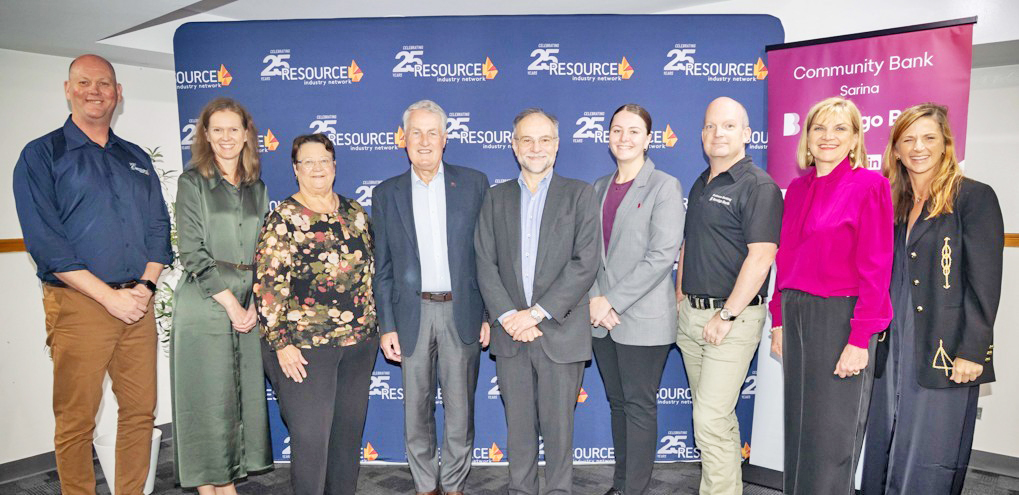
(L-R) Dean Kirkwood (General Manager, Resource Industry Network), Margot Brandenburg (National Manager, Bendigo Bank Business Banking), Karen May (Chair, Community Bank Sarina), Cr Mayor Greg Williamson, David Robertson (Bendigo Bank Chief Economist and Head of Economic and Markets Research), Josie Dahtler (Customer Relationship Manager, Community Bank Sarina), Luke Sheppard (Senior Business Relationship Manager Nth QLD Bendigo Bank), Maree Franettovich (Deputy Chair, Community Bank Sarina) and Harriet McLennan (Manager Qld & NT, Bendigo Bank Business Banking).
Business leaders from across the Mackay region recently heard firsthand from Bendigo Bank Chief Economist and Head of Economic and Markets Research, David 'Robbo' Robertson, who returned to Mackay following the strong response to his visit last year.
Robbo presented his 2026/27 financial year outlook at a NFY (New Financial Year) Outlook Breakfast hosted by Community Bank Sarina Bendigo Bank, in partnership with Resource Industry Network (RIN).
Known for making complex economic trends easy to understand, Robbo's engaging style has earned him a strong following. With more than two decades at Bendigo Bank and a career spanning senior roles across major financial institutions, he brings a wealth of knowledge and experience.
Community Bank Sarina Board Chair Karen May said bringing a nationally recognised expert to the region was part of their commitment to supporting the long term resilience of the business community.
"Our region is heavily influenced by the resources sector, so understanding the economic outlook is critical not only for mining businesses but also for the many businesses that support them," Mrs May said.
"Bringing Robbo to Mackay is one way we're investing in the knowledge and capability of local businesses, supporting these organisations to prepare for the opportunities and challenges that lie ahead."
Included in Robbo's outlook for the year ahead (dependent on the duration of the Iran conflict) were:
Robbo’s visit formed part of a regional tour, ensuring business leaders across Mackay and the Whitsundays had access to trusted economic insights to help them future proof their businesses.
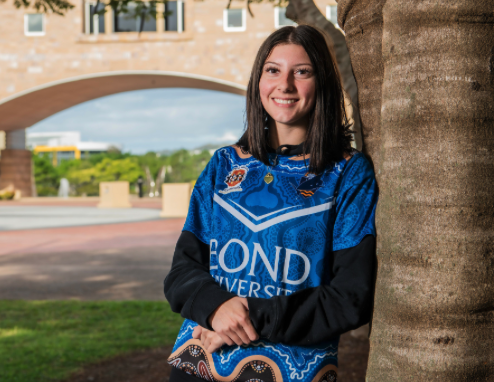
Moranbah State High School Year 12 student Ella Oldfield discovered a passion for real estate through Netflix property shows and is now pursuing her dream career after attending the National Indigenous Business School at Bond University.Photo supplied
What started as evenings spent watching Netflix property shows with her mum has turned into a career ambition for Moranbah student Ella Oldfield.
The Year 12 student from Moranbah State High School is already gaining hands-on experience in the real estate industry through an internship with Century 21 Coast to Coalfields, after discovering a passion for property in an unexpected way.
"Honestly, it was my mum – she was really into it and watches all the shows on Netflix," Ella said.
"Watching with her, it was really interesting to me, the industry and the people and the relationships."
Ella's interest quickly grew beyond the television screen. After completing work experience with Century 21 Coast to Coalfields in Year 10, she has continued building practical skills in the industry through an internship.
"I first did work experience with them back in Year 10," she said.
"I like getting to learn and do hands-on activities with the team, even going out to the houses and doing inspections."
Growing up in Moranbah has also given Ella a unique perspective on the fast-moving property market, where the constant movement of workers in and out of the mining region creates a busy rental landscape.
While Ella had always envisioned a future in real estate, university was never part of that plan.
That changed after she was selected to attend the National Indigenous Business School program at Bond University, where she spent a week exploring university life, connecting with business leaders and learning about future study pathways.
"Before I came here, I actually didn't want to go to uni at all," she said.
"I thought it was a waste of time, but now that I'm here, I actually do want to go."
The experience has inspired Ella to consider studying a Bachelor of Property after finishing school, providing a clear pathway towards a career in the industry she has grown to love.
Ella was one of just 22 Aboriginal and Torres Strait Islander students from across Queensland selected to participate in the week-long program, which aims to broaden educational opportunities and encourage future business leaders.
Now preparing to complete Year 12, she hopes other Indigenous students will embrace similar opportunities.
"I'd definitely encourage them to apply," she said.
"You meet new people, have new experiences and it can inspire you to go to uni. It's a really good opportunity."
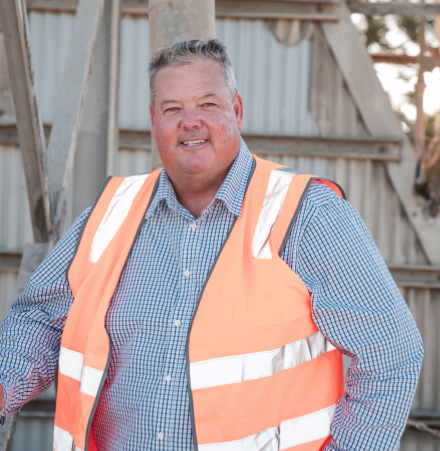
Andrew Willcox MP said hosting QME in Mackay reinforces the Dawson electorate's standing as the industrial engine room driving the nation.
Federal Member for Dawson Andrew Willcox MP welcomed thousands of resource sector leaders, contractors, and innovators to Mackay for the 2026 Queensland Mining & Engineering Exhibition (QME) between July 21st-23rd.
Held at the Mackay Showgrounds, QME is the largest regional mining event in Australia.
Marking the start of its fourth decade in the region, the 2026 iteration of QME featured an expanded 9,000 square metre exhibition floor that sold out months in advance. Over 300 suppliers showcased cutting-edge mining equipment, heavy machinery, and technology.
The 2026 event also features the highly anticipated QME Mining Pavilion, the Hitachi Construction Machinery Leadership Series, and coincides with the Bowen Basin Mining Club’s Queensland Mining Awards held in Mackay.
Nationally, the mining sector remains the cornerstone of Australia's economic strength, contributing over 10 per cent to national Gross Domestic Product (GDP) and generating more than 57 per cent of the country's total export earnings.
Mr Willcox said hosting QME in Mackay reinforces the Dawson electorate's standing as the industrial engine room driving the nation.
"It is fantastic to welcome QME back to Mackay, bringing together over 300 world-class exhibitors and thousands of delegates to the absolute heart of Queensland's mining sector," Mr Willcox said.
"Mackay is not just a gateway to the Bowen Basin; it is the service, engineering, and technological hub that keeps Australia’s resources moving."
Mr Willcox added that Mining contributes nearly 11 per cent to our national GDP and delivers almost 60 per cent of Australia's export earnings.
“But its true value is felt right here in our local communities," Mr Willcox said.
"From Mackay to Townsville, the resource sector keeps local engineering workshops open, supports family-owned businesses, and puts food on the table for thousands of hard-working regional families.”
Mr Willcox said the Coalition has a policy to back our resource sector and ensure regional communities get their fair share.
"We need to dig and drill to pay down the debt bill, turning our natural resources into long-term strength for future generations," Mr Willcox said.
"Since coming to office, the Labor Government has received almost half a trillion dollars in revenue upgrades, mostly driven by higher resource prices delivered by our miners. Instead of paying down debt and building our nation, Labor has squandered these resource profits with self-indulgent spending.
"The Coalition will establish a Future Generations Fund to ensure resource windfalls are used responsibly. Where resource tax revenues are higher than forecast, we will bank 80 cents in every dollar into the Future Generations Fund.
“The Fund will help pay down Labor’s trillion dollars of debt and invest in nation-building infrastructure.
"Crucially, 25 per cent of all infrastructure flows from the Fund will directly support the regions that fuel, feed, and power our nation.
“This is about basic responsibility to our children and grandchildren: it is about making sure today’s good fortune builds tomorrow’s strength."
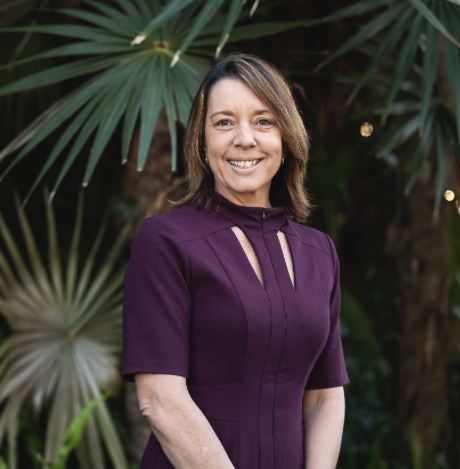
By Cr Belinda Hassan
Following the recent adoption of Mackay Regional Council’s 2026–2027 Budget, there has understandably been plenty of discussion about rates and what council should – and shouldn’t – be spending money on.
With an average residential rates increase of 7.16%, I understand why people are asking questions. I also understand the call for council to get “back to basics” – often described as “roads, rates and rubbish”. These are fundamental services, and they must remain a priority.
But I believe there is another important part of this conversation.
With only about 54,000 rateable properties across our region, there is a finite number of ratepayers contributing towards an ever-growing cost of maintaining infrastructure and delivering the services our community expects.
If we want to ease that pressure over the longer term, we need to grow our region.
That means attracting new residents, investment and development – expanding our economic and ratepayer base rather than expecting existing ratepayers to continually carry an increasing burden.
Council’s Corporate Plan sets an ambition for Mackay to become the best region for liveability and livelihood and a number of our initiatives are designed with exactly that in mind.
Our Facilitating Development in the Mackay Region Policy, for example, is specifically designed to attract investment and stimulate growth. It targets developments that create jobs and investment, improve housing diversity, strengthen our economy and provide important regional services. Eligible developments can receive assistance including a dedicated Council contact, accelerated assessment and, in some circumstances, incentives relating to infrastructure charges and other fees.
Since 2015, the Invest Mackay Events and Conference Attraction Program has supported 313 events and conferences, injecting an estimated $221 million into our local economy. These events bring visitors who stay in our accommodation, eat in our restaurants and spend money with local businesses.
Sometimes the benefits are even more direct. Council’s partnership with the Gold Coast SUNS helped introduce Certainty Wealth to our region through a business delegation. The result? A planned investment of more than half a billion dollars over seven years, including residential development, retirement living, childcare and commercial centres.
And securing the Australian premiere of Disney: The Exhibition – A Century of Magic, running in Mackay from December 2026 to May 2027, puts our region on a national stage and creates another opportunity to attract visitors and showcase Mackay.
These initiatives may not fit neatly into the traditional definition of “roads, rates and rubbish”, but economic development is not about spending for spending’s sake. Done well, it is an investment in growing our economy, broadening our ratepayer base and strengthening our region.
Going back to basics and planning for growth are not mutually exclusive. We need to do both – because building a stronger Mackay today is one of the best ways we can protect the affordability and liveability of our region tomorrow.

Men's Grief Support Group facilitators Joshua Hart, Rod Francisco and Nick Bennett are encouraging local men to seek support as the peer-led group prepares to resume in September. Photo source: Shutterstock
By Chelsea Ravizza
When three Mackay men launched the region's first dedicated Men's Grief Support Group earlier this year, they knew building trust would take time. Founded in February by Rod Francisco, Joshua Hart and Nick Bennett, the peer-led initiative was created to provide a safe, confidential space where men could talk openly about grief and loss without judgement.
Several months on, Mr Francisco said the response from the community has confirmed the need for such a space, even if many men remain hesitant to take the first step.
"The response has been notable, but men are appearing to be reluctant to engage, which is not surprising," he said.
"We have been contacted by men themselves, partners, families but there is a reluctance or apprehension on attending."
Rather than seeing the hesitation as a setback, Mr Francisco said it reflects the challenges many men face when it comes to grief and asking for support.
"There's a mix of issues and one of the worst is that men get told they don't grieve like women," he said.
"Grief is not a gender thing as we all grieve in different ways, and we all have different types of loss so it is about breaking down those barriers and creating a space where men can just chill and express themselves anyway they want. Sometimes just knowing you are not alone in this is all someone might need."
While the group itself has only recently begun meeting, Mr Francisco said conversations outside the sessions have reinforced why the initiative matters.
"The moment when someone says 'this is needed' in a softer voice followed by silence. Then you know you are touching in the right places for the support this group can provide."
He believes attitudes towards men discussing grief and vulnerability are beginning to shift, particularly in regional communities where expectations around masculinity can often discourage emotional openness.
"There is a perception of immutable stoic strength in men in the regions when a lot of them, in my experience, just want an opportunity to be vulnerable and to be able to express themselves."
Facilitating the group has also been a personal journey for Mr Francisco, who said one of the biggest lessons has been gaining a deeper understanding of his own grief.
With sessions set to resume in September, he hopes men who may be struggling silently will consider reaching out before deciding whether to attend.
"Drop us a note when we post the session details," he said.
"We can always have a chat beforehand so there is no need to go in cold."
The Men's Grief Support Group is a free, peer-led initiative facilitated by volunteers and offers a confidential space for men to share, listen or simply be around others who understand the experience of loss. To find out more, contact Mr Francisco via emailing rod_francisco@hotmail.com.

Keynote Speaker Delivers Powerful Message At DBI Literary Dinner
Few people have the ability to silence a room full of hundreds of people. It takes skill, but more importantly, it takes a story. All eyes and attention were on Jelena Dokic last Friday night at the DBI Literary Dinner hosted at the MECC, as she did exactly that.
As she spoke of a little girl who fell in love with tennis after her father handed her a racket at just six years old, to how she quickly rose to fame as one of Australia's top tennis players, she also shared the heartbreaking reality that beyond the courts, she endured years of extreme physical and emotional abuse at the hands of her father.
Ms Dokic addressed guests as the keynote speaker at the Whitsunday Voices Literary Dinner, sharing how she once felt powerless but has since turned her past into purpose. Through sharing her story and writing books, she now encourages not only the next generation, but anyone with a story, to find their voice and help end domestic and family violence.
“My biggest highlight and achievement was finding my voice through sharing my story,” she said.
“It literally saved my life.
“I would not be here today if I didn't find my voice and share my story.”
Today, Ms Dokic said she uses that voice “to call out injustice, to advocate for change,” describing her journey as one from “victim to survivor, but most importantly, now a thriver.”
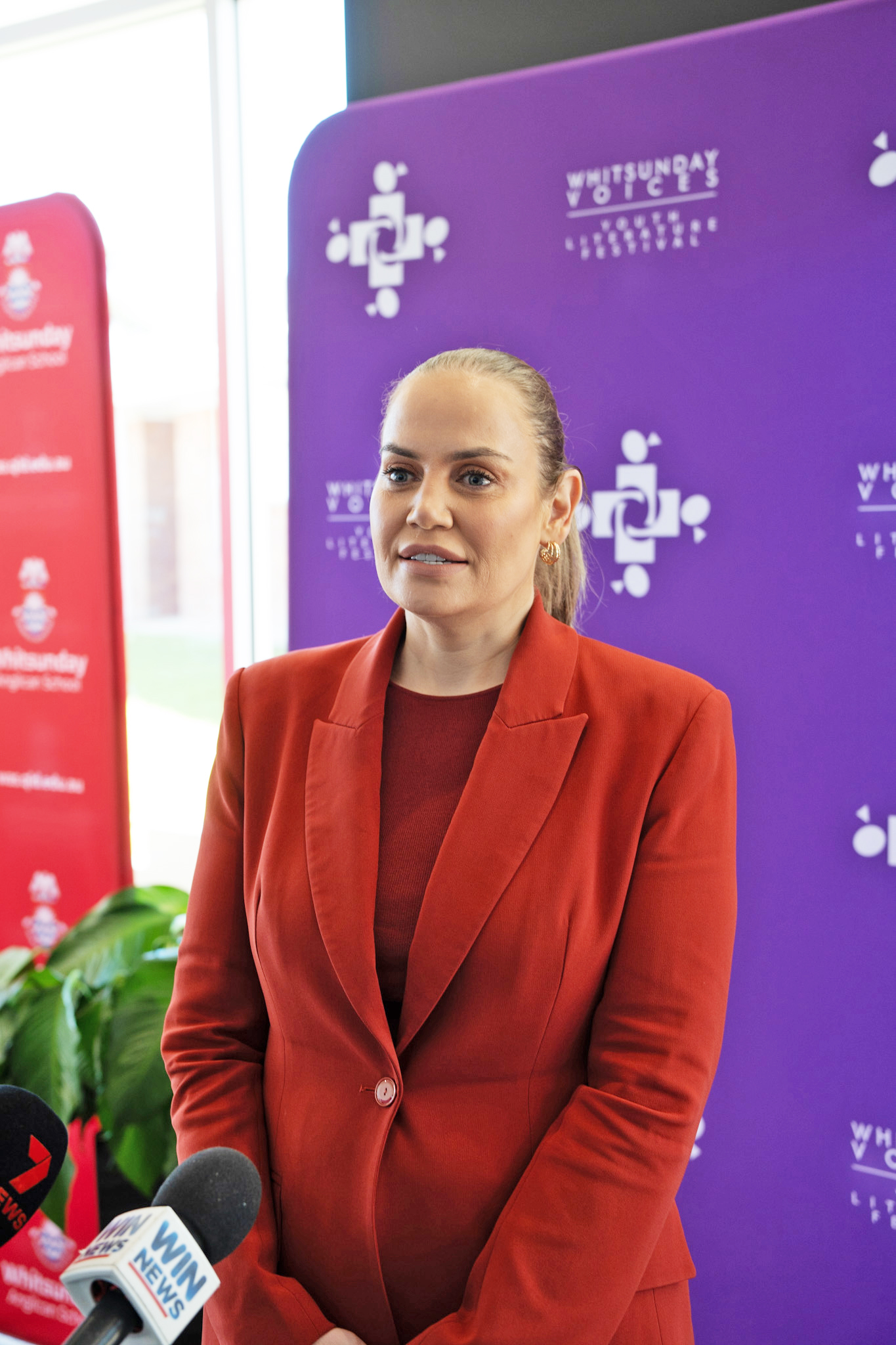
Earlier that day, Ms Dokic was one of 17 authors who inspired students through author talks, workshops and presentations as part of the 2026 Whitsunday Voices Youth Literature Festival at Whitsunday Anglican School.
Now in its 22nd year, the festival welcomed more than 7,000 students, teachers and supporters from more than 80 schools across Central Queensland, cementing its place as one of the country's leading youth literacy events.
Mackay Mayor Greg Williamson said Whitsunday Voices had become “one of Australia's icon literacy events” and highlighted the importance of reading and storytelling in an increasingly digital world.
“Literature and literacy is all about experiences... it's about a range of emotions, and what humans can actually experience,” he said.
“AI can put words together, they can't give the lived experience.”
Mayor Williamson said the event continued to thrive because of its lasting impact on young people, and noted that it was, “exceptionally important to get kids involved in reading and literature at any stage in their life.”
Isaac Regional Council Mayor Kelly Vea Vea said the festival ensured students from rural and remote communities had the same opportunities as those in larger centres.
“Everyone's got a story to tell,” she said.
“Their story is important.”

She said events like Whitsunday Voices “really do break down the barriers” by creating access to literature and empowering students to contribute their own stories.
One student travelled six hours from his remote rural hometown to attend the Literature Festival, an opportunity that would otherwise be unavailable as he completes his education through online learning. Despite the distance, he enjoys the lifestyle of his hometown and values the chance to connect with fellow students and teachers through initiatives such as The Winchester Foundation.
The foundation provides funding and support for rural students, helping bridge the gap between location and opportunity by enabling them to participate in experiences such as the Whitsunday Voices Youth Literature Festival.
Festival Manager Liz Russell said bringing the festival together was a year-long effort supported by a dedicated team and the Whitsunday Anglican School community.
“It's a big job that takes us about a year to put together,” she said.
Ms Russell said students were leaving the festival with experiences they could only gain through Whitsunday Voices, with authors, illustrators and presenters inspiring creativity across every age group.
“What they're taking away back to their classrooms... is something that they can only get here.”
A record crowd of 500 guests attended the DBI Literary Dinner, where Ms Russell described the turnout as another “major milestone” for the much-loved festival.
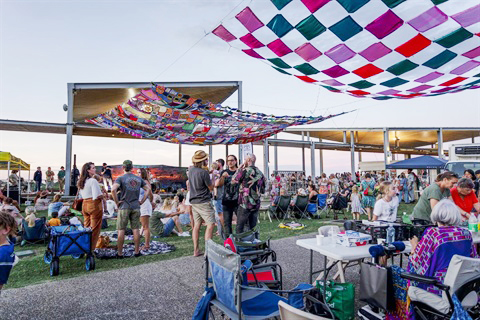
Photo supplied
Fresh opportunities are now available for community groups, businesses and creatives with bold ideas to bring Mackay's City Centre or Waterfront to life, as council opens applications for its Make Your Place Mackay Waterfront Grant Program.
Grants of up to $7,500 are available to help deliver community-focused projects and activations that transform public spaces.
The program supports projects and activities that connect the local community and create vibrant, welcoming places where people want to gather, visit and spend time.
Mayor Greg Williamson said the placemaking grants were designed to help turn creative ideas into projects that enhance the city's public spaces and strengthen community connections.
“We know some of the best community initiatives start with a simple idea,” Mayor Williamson said.
“The Make Your Place grants give local organisations, businesses and community members the opportunity to bring those ideas to life and create experiences that make our City Centre and Waterfront even more vibrant and welcoming,” he said
Under the program, grants of up to $7500 are available for larger community-led projects, while microgrants of up to $1500 are available for smaller pop-up activities and activations.
Previous initiatives have included community events, live entertainment, creative activations and other projects that add vibrancy to the precinct.
In addition to the Make Your Place grants, council is also offering two complementary funding programs:
Together, the three grants support local businesses, organisations and community members to create vibrant, safe and welcoming places while enhancing Mackay’s City Centre and Waterfront precinct.
Applications for all grants are now open and close at 11.59pm on August 28th.
Application forms, guidelines and eligibility information are available at mackaywaterfront.com.au.
Applicants are encouraged to discuss their project with the Mackay City and Waterfront team prior to submitting an application.
To help applicants prepare competitive submissions, the Mackay City and Waterfront team will host a day of community briefing sessions.
Date: Thursday 30th July
Venue: Aligned Corporate Residences – Level 1 Conference Room, Macalister Street, Mackay.
Session times: 7.30am, 8am, 12.30pm and 2.30pm.
The team will also be available throughout the day from 7.30am to 4.30pm to answer questions and provide guidance.
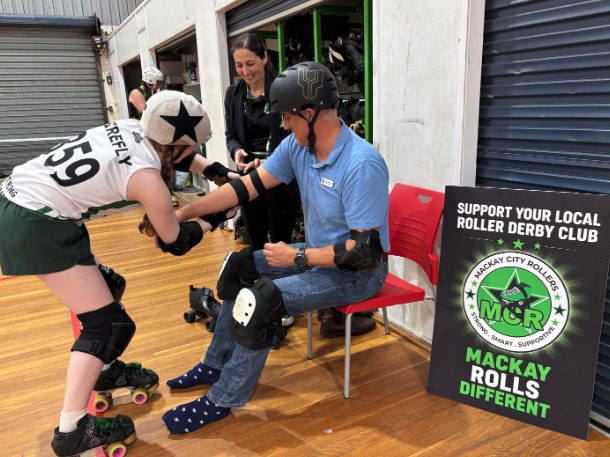
Nigel visiting The Mackay City Rollers who received $10’000 from The Gambling Community Benefit Fund
As July wraps up and we head into August, I can’t quite believe we’re already in the last month of winter.
The past month has been a busy one, from Parliament sittings and community events to school visits and my latest mobile office at Caneland. Every conversation helps keep me connected with what matters most to our community.
July also saw Mackay welcome two Ministers and both the Premier and Deputy Premier, with a strong focus on delivering local projects and backing our region's future.
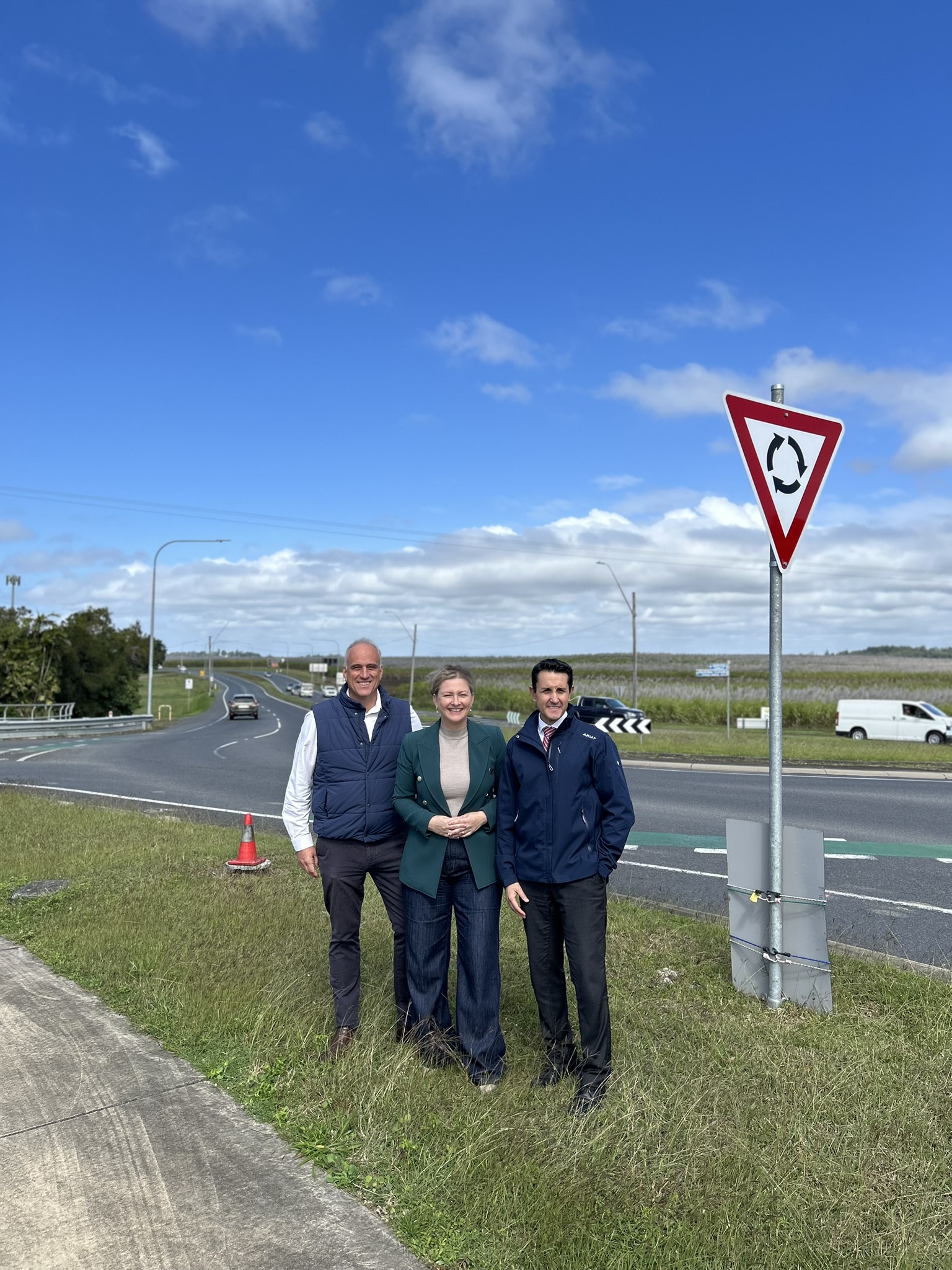
One announcement that generated plenty of discussion is the planned upgrade to the Golf Links Road and Bucasia Road intersection. After extensive community consultation, the upgrade will include intelligent traffic signals with AI technology, additionalturning lanes and an additional left-turn lane on Golf Links Road, designed to reduce congestion and improve traffic flow through one of Mackay's busiest intersections.
Alongside Glen Kelly MP, I was also pleased to help bring the Parliamentary Primary Industries Committee to Mackay. It was an important opportunity for local producers and industry representatives to have their voices heard without travelling to Brisbane, ensuring the committee could hear directly about the opportunities and challenges facing our region.
Public submissions on the proposed Circuit Breaker program have now closed. The feedback received will help inform the next stage of the proposal, which aims to introduce a court-ordered youth rehabilitation program in a rural setting, helping turn young lives around while improving community safety. Alongside this, we’ve strengthened youth justice laws, including the new "Breach Bail, Go to Jail" legislation.
One of my election commitments is also nearing completion, with the new shed for the Mackay Comedy Players now receiving its finishing touches. I'm looking forward to seeing the group make full use of the new facility.

It has also been great to get out and visit some of the latest recipients of the Gambling Community Benefit Fund. Every organisation has a different story, and it's always rewarding to see how these grants are being put to good use—whether it's new equipment, upgraded facilities or helping local volunteers continue the fantastic work they do in our community.
Social media has been keeping me on my toes lately too. I threw the decision over to Facebook on whether I should wear a kilt to the Scottish Bluewater Fling... and the people spoke! Before I knew it, I was kilted up and joining in the fun. Safe to say it was one of the highlights of the month.
Looking ahead, National Pyjama Day is on Friday 1 August and I'll be hosting a Pyjama Day fundraiser at the Memorial Swimming Centre. Pull on your favourite PJs, enjoy a pie and a bowl of soup, and help raise funds for The Pyjama Foundation, supporting children in foster care through learning and mentoring.
Schools across Mackay will also be taking part in National Schools Tree Day, and I'll be joining local students to plant a tree and help leave a positive mark on our environment.
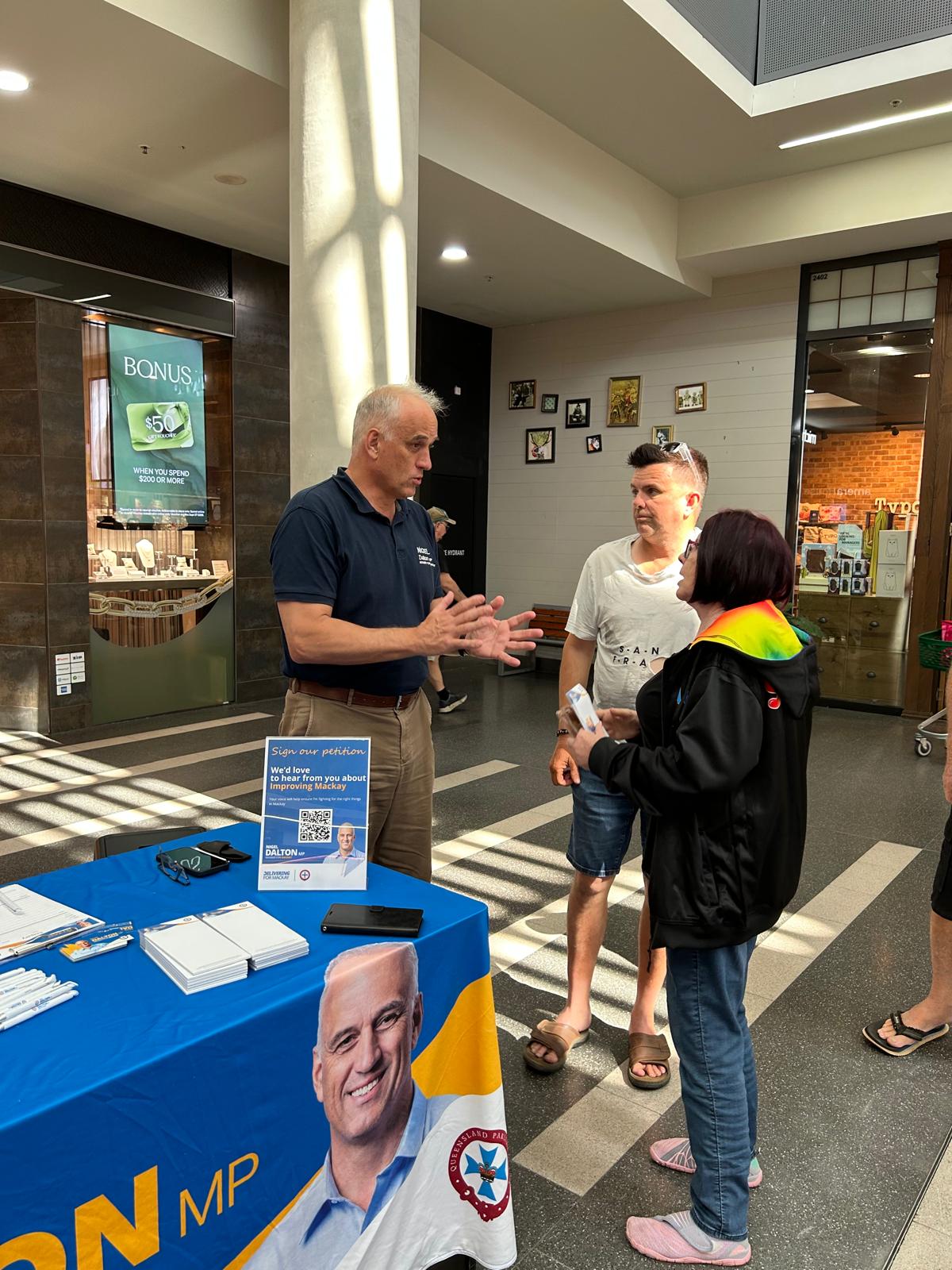
Another milestone on the calendar is Victoria Park State School's Centenary Celebration. Reaching 100 years is an incredible achievement, and I look forward to celebrating the school's rich history alongside students, staff, families and the wider community.
As always, thank you to everyone who has stopped for a chat over the past month. Whether it's at a community event, school visit or mobile office, I appreciate hearing your ideas and concerns and look forward to catching up with many more of you over the coming weeks.
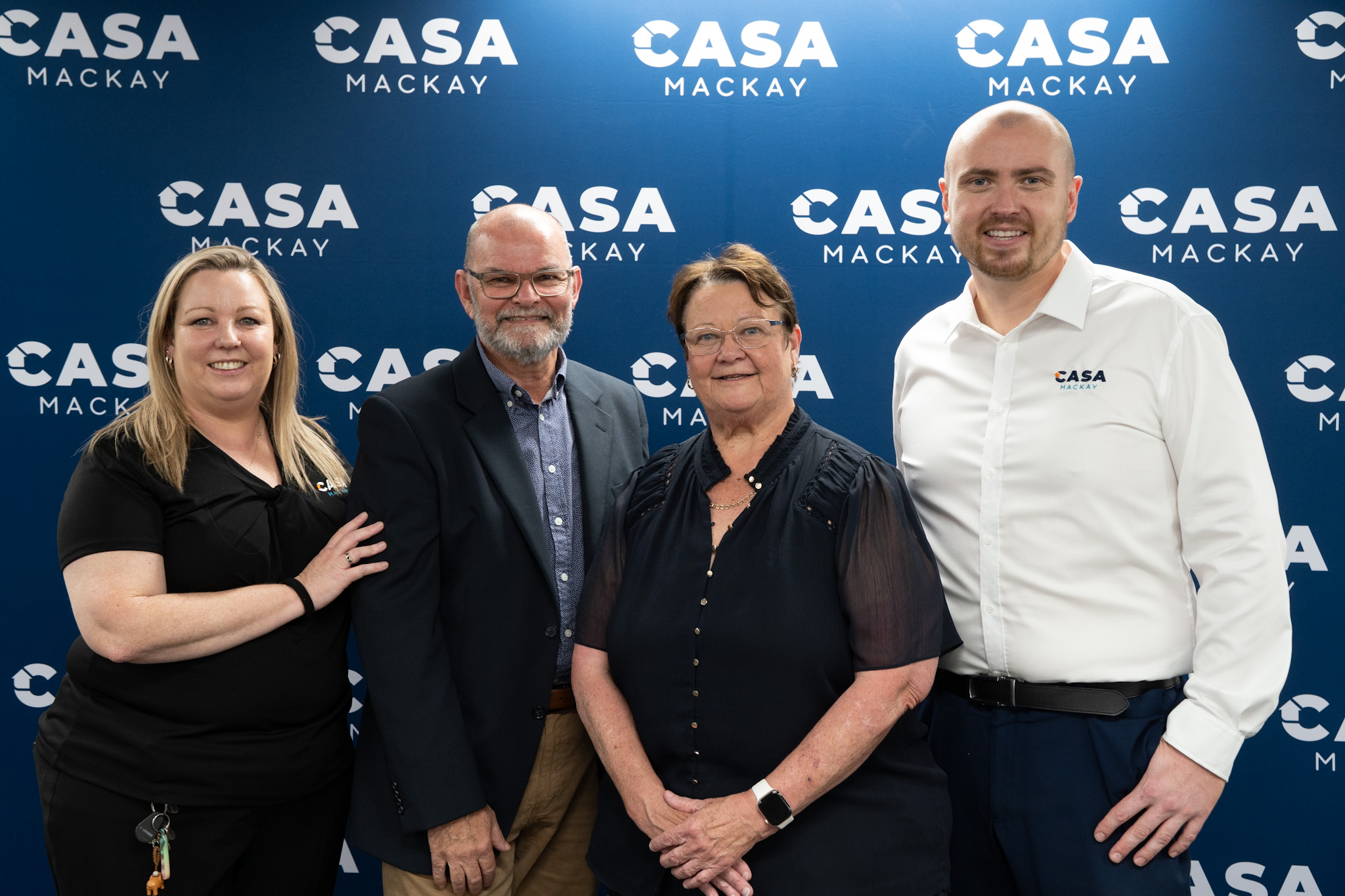
Left to Right – Operations Manager, CASA Mackay Kim Bishop; Board Chair, CASA Mackay Robert Ryan; Deputy Mayor, Mackay Regional Council Karen May; and General Manager, CASA Mackay Will Stafford. Photo Credit: Hannah McNamara.
A growing demand for housing and homelessness support has prompted CASA Mackay to take a significant step forward, moving into new premises designed to strengthen its ability to support the community.
Deputy Mayor Karen May was among many supporters and community representatives in attendance as CASA Mackay celebrated the milestone, which follows significant growth for the organisation, including an expanded service offering, increased staffing, a move to larger premises and the launch of a refreshed brand.
Founded in 1983, CASA Mackay has grown into a Tier 3 Community Housing Provider, delivering a broad range of housing and support services.
General Manager William Stafford said the new premises marked an important step forward following significant work behind the scenes.
"Expanding our services and growing our team has better equipped us to provide the right assistance, at the right time, for the people who rely on us.
“We’ve done a lot of work in the last 2.5 years behind the scenes, strengthening service delivery, expanding staff numbers, and investing in our services,” he said.
“We came to the point where there was a real disparity between the professionalism and the number of our staff, the seriousness of our mission, and the space that we were working out of. So, it was time for a move.”
The new premises is said to be double the size of CASA Mackay’s previous location, including dedicated reception and intake areas, a conference room and centralised storage for furniture and goods distributed to people in need.
“We wanted a space where services could come together. We want to be a hub for planning and building, and collaborating in the Mackay community around housing,” Mr Stafford said.
The location is expected to improve the organisation’s efficiency when distributing support and goods to people establishing a tenancy or experiencing cost-of-living pressures.
“Having a centralised storage area really helps with asset management and improving efficiency for our clients,” he said.
The larger premises also provides room for CASA Mackay to grow, with the organisation open to co-locating with smaller services that may not have their own space.
“We take very seriously the mission of growing to meet the growing challenge of homelessness.”
Mr Stafford said CASA Mackay continued to see the effects of low vacancy rates, cost-of-living pressures and issues including health, mental health, substance abuse, family breakdown and domestic violence.
Board Chair Robert Ryan said the organisation’s focus remained on building a strong and sustainable future.
“As a Board, our responsibility is to ensure CASA remains strong and sustainable so we can continue supporting our community as its needs evolve,” Mr Ryan said.
“We're proud of what our team has achieved, and we'll continue making decisions that ensure CASA can support the community for many years to come.”
Anyone seeking support, or wanting to learn more about CASA Mackay's services, can visit the team at their new office at 1/38 Wellington Street or contact the team on 4951 4299.
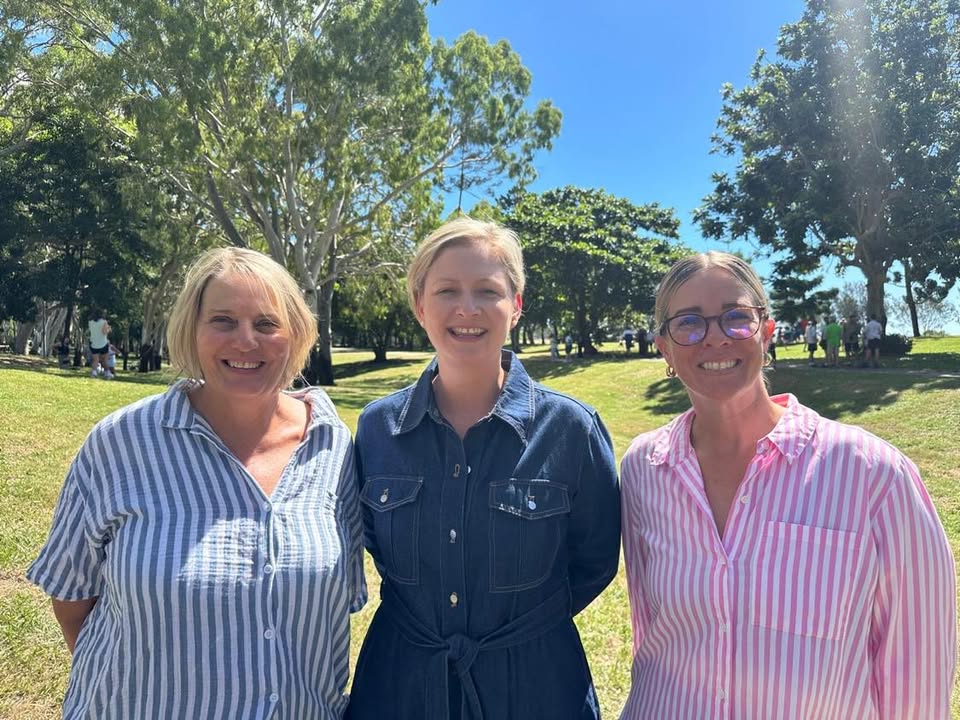
Amanda with local changemakers Antoinette and Rebecca
Contributed by the office of Amanda Camm MP, Member for Whitsunday
The strength of the Northern Beaches community comes from the people who quietly give their time to help others.
Across the community, volunteers are creating opportunities for people to connect, stay active and feel part of their community.
They are the people setting up marquees before an event, cooking at the community barbecue, coaching junior sport, checking on neighbours, organising playgroups and creating activities for residents of all ages.
Local organisations including the Mackay Northern Beaches Lions Club, Rotary, Neighbourhood Watch and the Northern Beaches Community Network all play an important part in bringing people together.
The same community spirit can be seen through our sporting clubs, Seaview parkrun, local playgroups, seniors’ activities and groups such as the Bucasia Beach Quilters.
Much of this work happens quietly and without recognition, but its impact is felt throughout the community.
As the Northern Beaches continues to grow, these local connections become even more important. A strong community is not measured only by the infrastructure it has, but by the way its people look out for one another and work together.
I want to thank every volunteer who gives their time, shares their skills or simply puts up their hand when help is needed.
Whether you contribute every week or assist with one community event each year, your efforts make the Northern Beaches a more welcoming and connected place to live.
Our volunteers truly are the local legends of the Northern Beaches-and our community is stronger because of them.
Amanda Camm MP, Member for Whitsunday, is encouraging Northern Beaches residents to attend the next community meeting on Tuesday 28th July, from 5.30pm to 7pm at Club Northern Beaches. The meeting will provide an opportunity to connect with others, discuss local priorities and share ideas for the growing community.
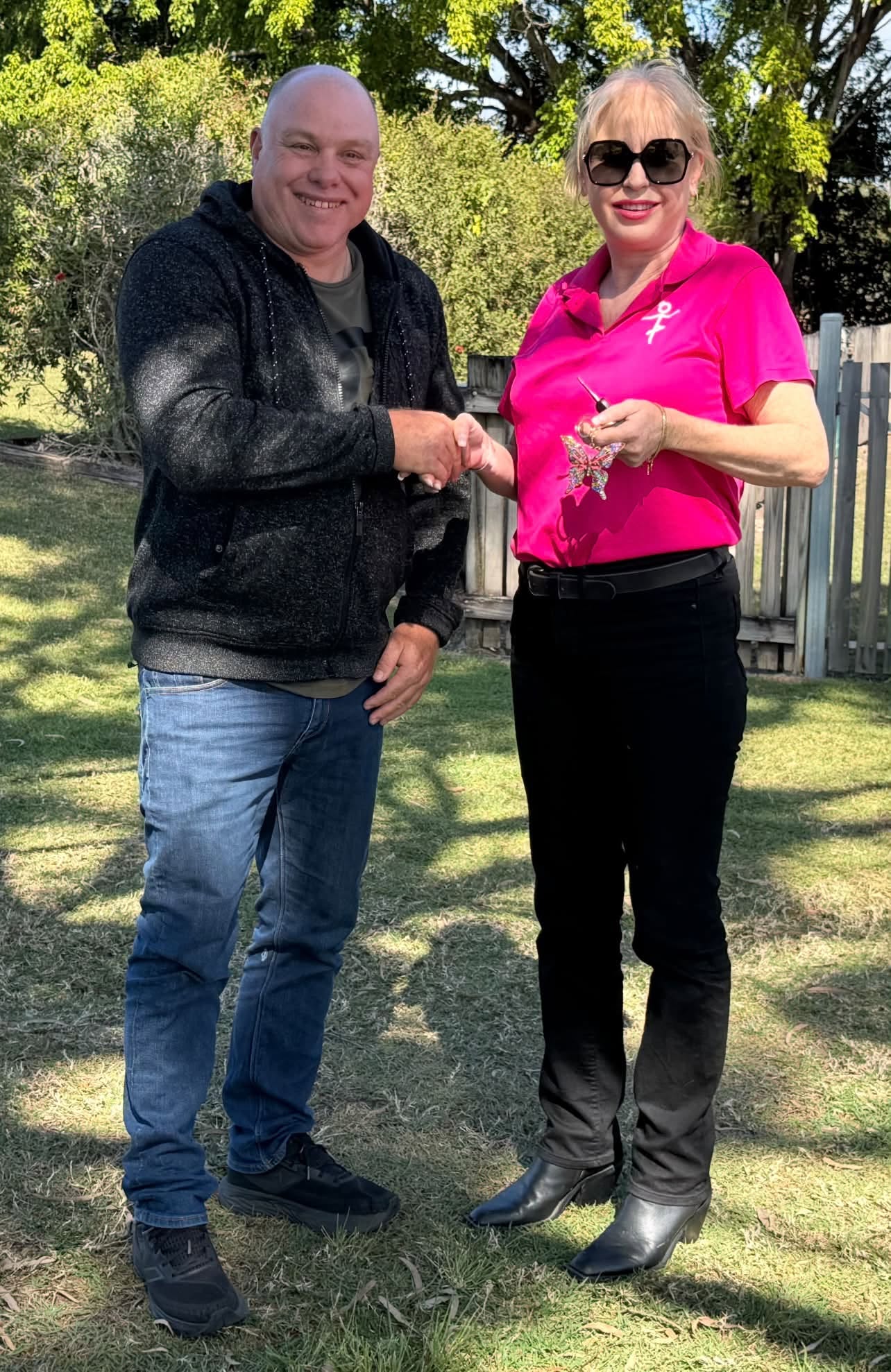
Photo source: Broken Ballerina Inc
A generous community partnership has helped provide a fresh start for a Mackay woman rebuilding her life after escaping domestic and family violence.
Broken Ballerina Inc (BBI), a local not-for-profit organisation supporting victim survivors of domestic and family violence, recently celebrated a special milestone after handing over the keys to a fully refurbished vehicle to a courageous survivor.
The car was donated through the efforts of Car Resurrection Ministry, with volunteers dedicating their time to restoring the vehicle and preparing it for its new owner. The generous donation also included one month’s insurance and six months’ registration, helping remove another barrier for a woman beginning the next chapter of her life.
BBI thanked Hippie and Eric from Car Resurrection Ministry, along with the volunteers involved in the refurbishment, and acknowledged the support of Church of Christ, who chose BBI as the recipient of this meaningful initiative.
For BBI founder Jules Thompson and supporters, the moment carried a personal significance, recognising the impact practical support can have during difficult times.
“To be able to gift a car to a victim/survivor, was a very special moment indeed, as I was a single mum, without a car, once upon a time.”
The organisations hope the initiative will continue to grow, with more vehicles planned to support victim survivors and women in need.
Car Resurrection Ministry is currently seeking assistance to secure a car hoist to continue their valuable work.
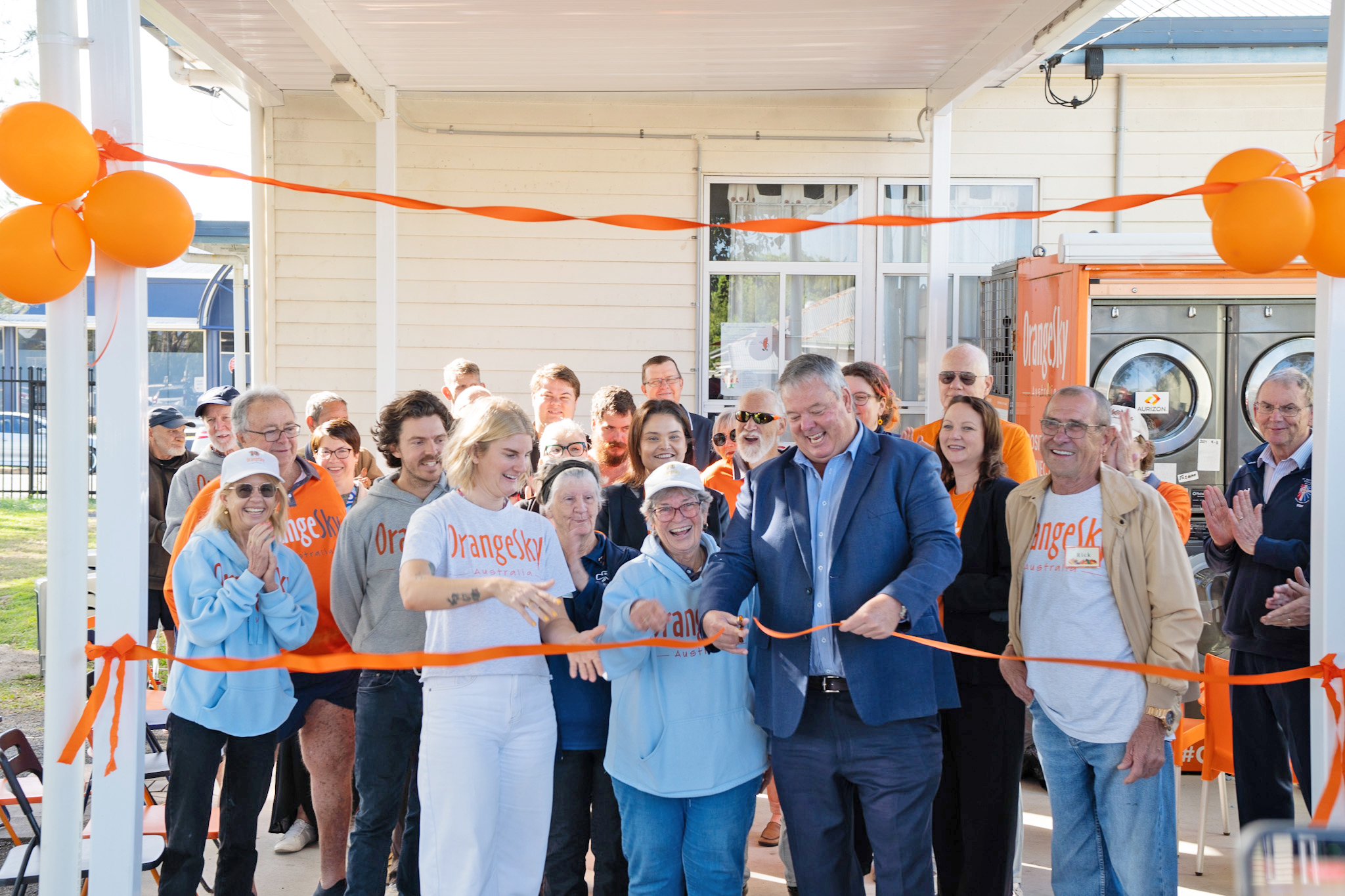
Orange Sky Mackay has officially unveiled its upgraded service space, offering a safe place to access free laundry services and connection. Photo credit: Hannah McNamara
Orange Sky homelessness support has celebrated the completion of major upgrades to its Mackay service, supported by $40,000 in grants from Mackay Regional Council and the Mackay Community Fund, at an official grand opening held on Wednesday22nd July
Part of the funding was secured by Federal Member for Dawson Andrew Willcox MP for the facility and its awning, providing a sheltered space where people can stay protected from the rain and sun.
The upgrades included a new patio, giving users a clean, safe and sheltered space to sit, connect and chat while accessing Orange Sky’s free laundry service.
Orange Sky has supported the Mackay community for nine years, with volunteers completing 13,561 washes and providing 24,632 hours of connection and non-judgemental conversation since the service launched.
“It just takes a lot of their anxiety away that they know that they can come and get their washing done in a friendly and safe environment,” Mr Willcox said.
“They leave here and feel really good about themselves, and that makes me feel good. This is why I support initiatives like this, and do what I do.”
Orange Sky Co-Founder Nicholas Marchesi said demand for the service had grown over the past year.
“To now have an amazing location alongside the Girl Guides, where people can sit down, put their washing on under shelter, is really a massive step forward in us delivering our service,” he said.
For service user Brendan, the service provides practical support during a difficult period.
“Washing your clothes at a laundromat is expensive, and the fact that this exists really eases that section of my life. The people here are great,” he said.
Publishers Indemnity. Any individual or entity that places advertising, supplies copy material, or submits editorial content to Core Life Publishing agrees and undertakes to ensure that all such material:- Does not infringe upon any copyright, trademark, or other intellectual property rights;- Is free from any content that could be considered defamatory, libelous, or slanderous;- Does not infringe upon any rights related to privacy or breach of confidence;- Contains no obscene, indecent, or otherwise unlawful material;- Complies fully with the Trade Practices Act and all other applicable laws, regulations, or statutes.Furthermore, by submitting or placing such material, these individuals or entities agree to indemnify and hold harmless the publisher, Core Publishing and Events Pty Ltd, and/or its agents from and against any and all investigations, claims, demands, liabilities, damages, costs, or judgments arising out of or in connection with the material provided. All material is believed to be accurate at the time of printing and remains the copyright of Core Publishing and Events Pty Ltd.
© 2026 Mackay and Whitsunday Life Pty Ltd.
