
Independently Owned, Locally Grown, Community Loved

There are new things to consider when buying real estate in Australia. Up until last month, people buying real estate in Sydney really only considered the capital growth they were expecting to create within just a few years of making their purchase. Paying $1.2 million for an inner-city two-bedroom apartment didn’t matter so much if it was going to be worth $1.5 million two years later. It didn’t really matter that the crap rental returns you got for that price didn’t go anywhere near covering the mortgage because the old negative gearing benefit meant you could claim the losses on your tax. Things have changed. Negative gearing has gone and prices are dropping in Sydney … so that $1.2 million apartment doesn’t look so enticing any more, even though it’s now $1.1 million. Other cities have also been hit hard. Melbourne is now one of the cheapest cities in Australia to buy real estate. Although there are special Victorian reasons that come into play in that state. Victorians were bullied during COVID in a way that impacted small businesses in a disastrous way. The state’s debt is exorbitant, and no one seems to know how it gets paid back. Tobacco shops keep getting blown up by some underworld gang thing that the Government can’t control. They have metal boxes where people can hand in their machetes and that doesn’t appear to instil peace of mind in anyone. Terrible Governments end up having an impact and it definitely has had one on property prices in Victoria. A quick scan of on-line property sites shows you that you can pick up a decent two-bedroom unit in an inner-city suburbs like St Kilda and Collingwood in the $400,000s. I saw a three-bedder in St Kilda advertised in the $500,000s. While those prices might seem like great value, there are reasons the market is so low. People don’t trust the state Government and its management of the economy and the obvious concern would be that even though the prices might be low, there is no guarantee of capital growth. Capital growth has offered a warm embrace for investors in Australian real estate over many years. There has been an expectation that prices will go up. Obviously they will go up again but the questions is: Where will they go up, when and by how much? Unfortunately I don’t have the answer to that but I do find that when things get a bit blurry and uncertain, it’s good to stick to what you know … which, for me, is Mackay. We have several advantages over many other markets. Our median price for houses, in the $600,000s, is a lot lower than bigger cities so more affordable for local people who, by the way, still need somewhere to live. And, with the end of negative gearing and the banning of borrowing for property out of self-managed super funds, lower prices and strong rental returns should become a key factor in real estate investment. Yes, investors want capital growth but I feel the focus will probably shift more to rental yield and the monthly return on investment. Mackay’s rental returns are good and the purchase prices relatively low compared to other markets so there seems to me a good chance that our market will continue to be buoyed by those wanting to take advantage of that. Meanwhile the Mackay economy seems to be going well, driven by that crucial resource that is dug out of the ground and exported to countries that make steel. I got strong offers on three properties this week so there is a feeling that while there has certainly been a change driven by national political factors, our market is moving through it, adjusting to the new information and still bubbling along. The only thing I would say is that if any of you bump into David Crisafulli tell him to dump those high-level coal royalties.
Read the full story
Queensland’s top real estate professionals and agencies are being called to step into the spotlight, with nominations now open for the Real Estate Institute of Queensland’s (REIQ) 2026 Awards for Excellence. REIQ CEO Antonia Mercorella said the awards remained the state’s highest professional recognition in real estate and continued to adapt alongside the profession itself. “The REIQ Awards for Excellence are the pinnacle of professional recognition in Queensland real estate, and each year we ensure the program remains contemporary, inclusive and reflective of the full scope of our profession,” Ms Mercorella said. “This year, we’re delighted to add a new Multi-Office Network of the Year category, recognising real estate agencies that operate as a unified multi-office network. “It’s a category our members asked for, and it’s a great example of how the awards continue to evolve alongside the structure and sophistication of Queensland real estate businesses.” Ms Mercorella said there was even more incentive for members to nominate this year, with a pathway from the outset to national recognition in eligible categories through the Real Estate Institute of Australia’s (REIA) National Awards for Excellence (NAFE). The REIQ Awards for Excellence span individual and agency categories, with some split into regional and SEQ areas, across residential and commercial sales, property management, buyer’s agency, auctioneering, business broking, multimedia, innovation and community contribution. Ms Mercorella said real estate professionals throughout Queensland could now start preparing and polishing their award nominations with the clock now ticking down. It’s time to shine! Nominations close on Sunday 12th July 2026, with the winners announced at a spectacular awards gala on Saturday 31st October 2026 at The Star Brisbane. Nominate now via awards.reiq.com
Read the full story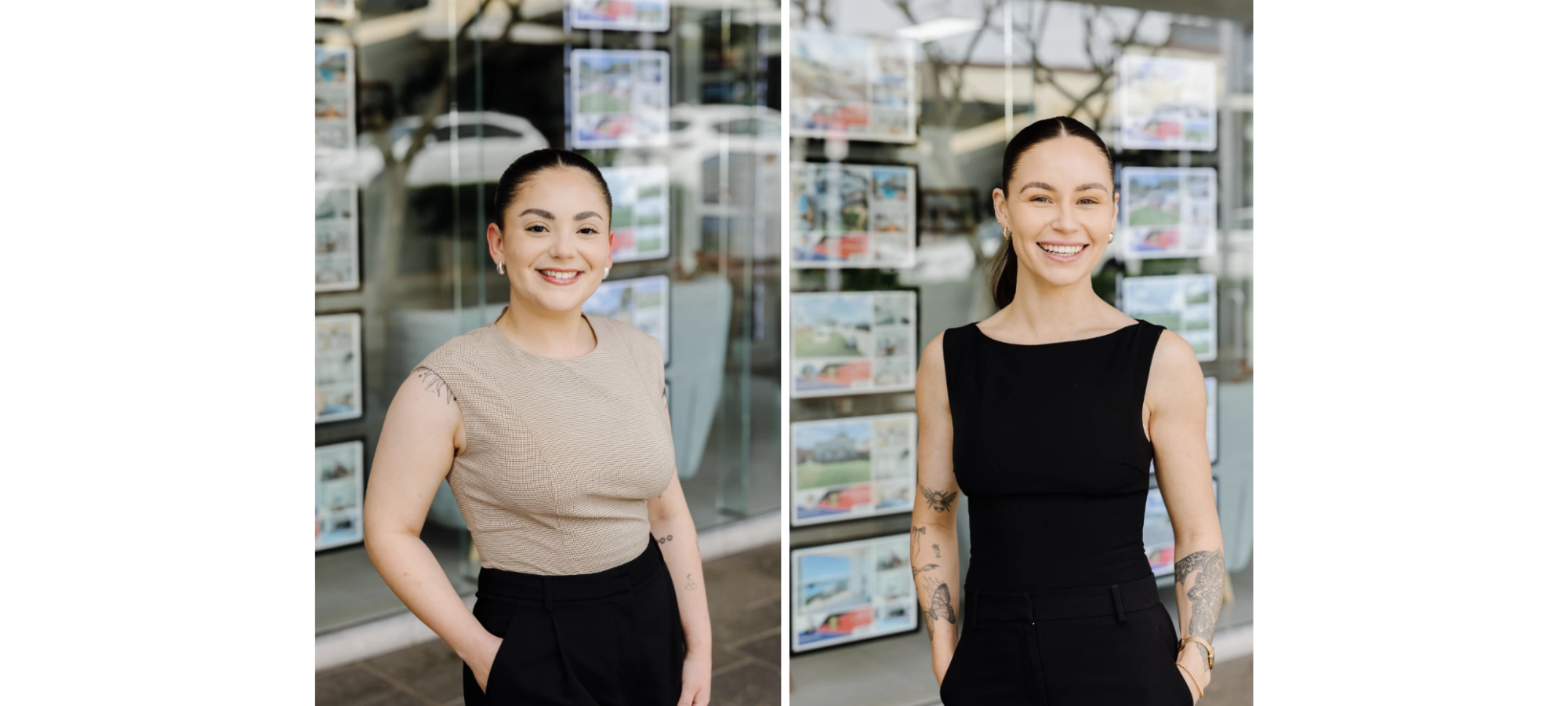
Makayla Groves and Bianca O'Brien are part of the commercial property team at Blacks Real Estate, supporting landlords, tenants and business owners across the Mackay region. Working as Commercial Property Managers, Makayla and Bianca assist with the day-to-day management of commercial properties, helping clients navigate leasing and property management requirements across retail, office and industrial spaces. Based at the agency’s Wood Street office, the pair work closely with business clients throughout the region as part of Blacks Real Estate’s commercial division. Makayla Groves can be contacted on 07 4963 2522, while Bianca O’Brien can be contacted on 07 4963 2525. CAPTION: Bianca O'Brien works with Blacks Real Estate as a Commercial Property Manager. Photo supplied Makayla Groves works as a Commercial Property Manager with Blacks Real Estate. Photo supplied
Read the full story
The Coalition has pledged to make the Northern Australia Infrastructure Facility (NAIF) a permanent institution, arguing the move would provide long-term certainty for regional investment, infrastructure and jobs across Northern Australia, including Mackay. The announcement follows the Federal Government's decision to extend the NAIF for a further 10 years, rather than permanently removing its sunset clause. Leader of The Nationals Matt Canavan said while the Coalition would support Labor's legislation, it believed the independent review's recommendation to make the facility permanent should be adopted. “The Developing Northern Australia is a proud LNP achievement,” Senator Canavan said. “Despite naysayers at the time, Northern Australia has remained on the agenda ever since. I am personally proud to have introduced the original Northern Australia legislation in 2016, with the policy built on the work that was done by LNP Members of Parliaments such as former Senator Ian Macdonald and former MP Warren Entsch. “Unfortunately, Labor is now kicking the can down the road. Northern Australia shouldn’t have to fight every decade to prove it is worthy of investment. “The independent review recommended making the NAIF permanent because it works. The Coalition established the NAIF in 2016, and we will make it permanent because Northern Australia should have long-term certainty for investment, jobs and economic growth.” Since its creation, the NAIF has supported 33 projects with $4.3 billion in finance commitments, helping deliver more than 18,000 jobs and an estimated $33 billion in public benefit across Northern Australia. Those investments include upgrades to airports in Darwin, Alice Springs, Townsville, Cairns and Mackay, along with projects supporting agriculture, mining and manufacturing. Shadow Minister for Northern Australia Senator Susan McDonald said permanent funding would continue to drive regional development. “Labor talks about Northern Australia, but the Coalition backs it with lasting investment,” Senator McDonald said. “The NAIF has transformed communities, unlocked private investment and created jobs across the North. Making it permanent sends a clear message that the Coalition believes in Northern Australia’s future and won’t treat its development as a temporary priority.” “Governments come and go, but Northern Australia’s importance will never diminish,” she said.
Read the full story
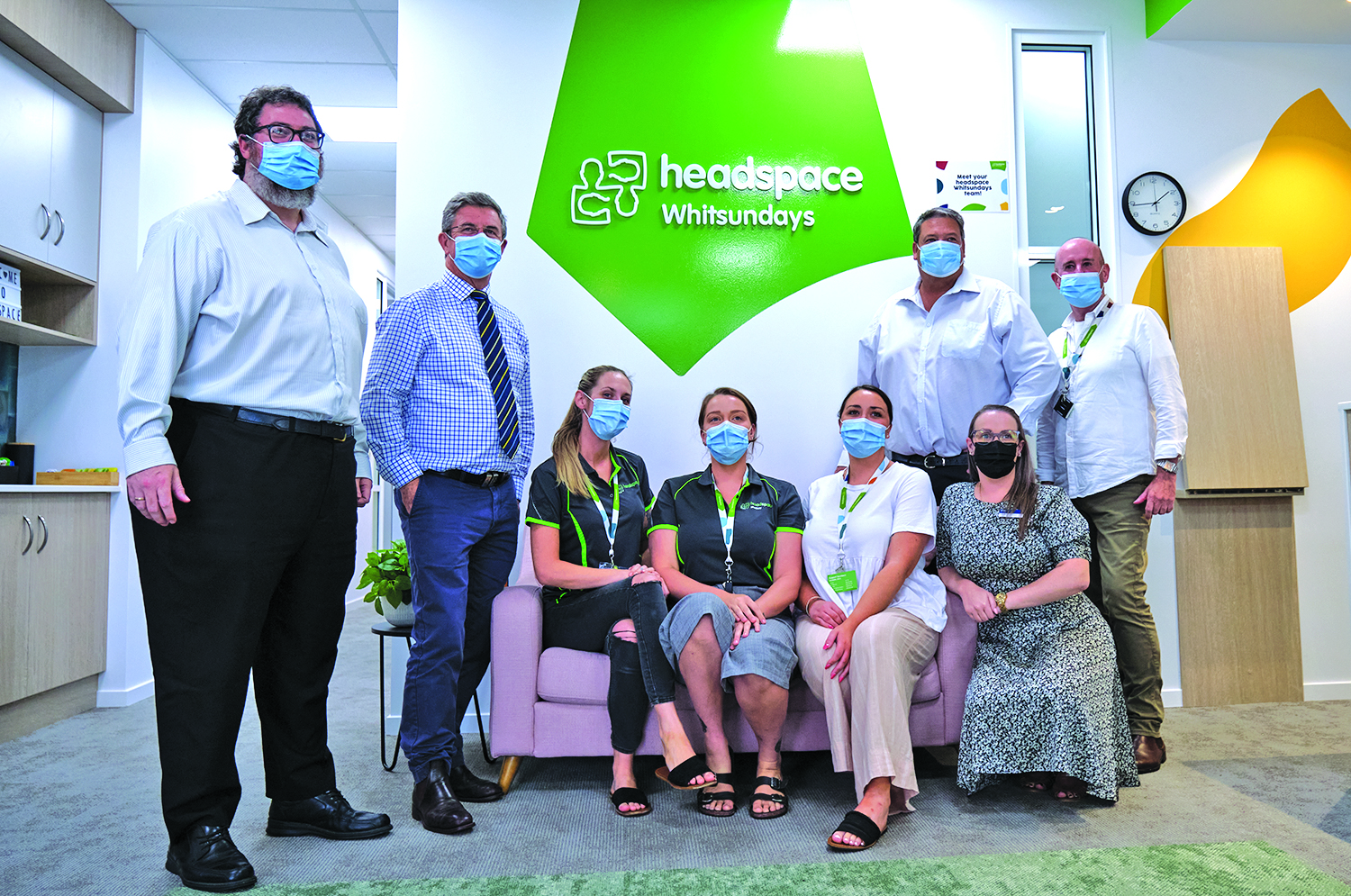
“Mental health is the single biggest health issue facing young Australians and the Whitsundays region is no different,” North Queensland Primary Health Network (NQPHN) CEO Robin Whyte said on the opening of Proserpine’s new mental health service on Monday.
Located on Proserpine’s Main Street, the headspace Whitsundays building is a new ‘satellite centre’ operating under the headspace Mackay banner and commissioned by NQPHN, removing the need for Whitsunday residents to have to travel down to the Sugar City or up to Townsville for mental health services.
Headspace is the national Youth Mental Health Foundation which provides early intervention mental health services for 12- to 25-year-olds, each year helping thousands of young people access services like counselling in 140 communities across Australia.
The centre will provide free, confidential health services with a key focus on mental health, alcohol and other drugs, education and employment support and physical and sexual health.
Member for Dawson George Christensen MP, Whitsunday Regional Council Mayor Andrew Willcox, and Regional Health Minister the Honourable Dr. David Gillespie MP visited the centre on its opening day.
Mayor Andrew Willcox reflected on years past in Proserpine when there were an unfortunate number of suicides within a short period of time.
“I contacted the federal member and said, what can we do about this, and to be standing here today is a really good result,” Mayor Willcox said.
“I encourage anybody, if they’re struggling or someone they know is struggling, come down and have a yarn to the clinicians, because a problem shared is a problem halved.”
Dr Gillespie travelled from NSW to see the opening and said that ensuring young Australians can access the mental health care they need is a priority, especially in the wake of the ongoing Covid-19 pandemic.
Young Australians needing support can access free services through their local headspace or online through eheadspace headspace.org.au/eheadspace.
The Proserpine headspace will operate on Mondays, Tuesdays, and Thursdays, with walk-ins encouraged.
.jpg)
It takes great bravery to stand up to a big corporation when you know something is wrong, especially one you work for, but that’s exactly what Peter Russel did back in 1961.
Holding a senior position with James Hardie, one the world’s largest building companies, Mr Russell began suspecting that asbestos was killing people and, worse than that, the company he worked for was covering it up.
“It was very well hidden,” recounts Mr Russell.
“And it would have been easy not to step forward, but I thought – this is murder, and I am not prepared to be an accomplice.”
Saying goodbye to a company where he had worked for 22 years, Mr Russell became one of the original whistle blowers, an expert witness at more than 50 asbestos cases.
His actions allowed the families of those effected by asbestos related health issues to receive the compensation they deserved and also helped change the laws to prevent future deaths.
Mr Russell also featured in a book entitled Killer Company which exposed the damage caused by James Hardie.
“Some people were aware I could have been a target, advising me to be careful in case I had an accident,” said Mr Russell.
“But I wasn’t worried because I had a prominent position in the company, and I was cheeky!”
Now 92-years-old, Mr Russell remains sharp and quick-witted, sharing his story as if it were yesterday.
He remembers leaving Sydney after resigning from his job at James Hardies, sacrificing his entire career to help speak-up against the injustice that was taking place.
It was 1970 and Mr Russell and his wife, Velma, had four children aged between six and 14 years.
The family owned their house out-right and had no debt and Mr Russell commends them for all being ‘flexible’ when he asked them to travel up the highway in their caravan to Cook Town where he had heard of a potential business opportunity on a cashew plantation.
The family decided to leave the plantation after six months and travelled down to Bowen, making a life here in the Whitsundays.
“I’ve always flown by the seat of my pants!” he said.
“And I’ve had a very interesting life.”
An entrepreneur at heart, when they arrived in Bowen, he bought two houses and a toy shop which he operated and then sold.
Deciding to venture south, Mr Russell purchased a 160-acre property in Airlie Beach, site un-seen, where he was hoping to place a fence and farm cattle.
When he arrived at the property, however, he realised it wasn’t the flat land he had been expecting, in fact it was hilly terrain.
Never to be beaten, Mr Russell simply subdivided the land into 18 five acre lots which he then sold.
One day soon afterwards, he picked up a Canadian hitch hiker who was about to sail around the Whitsundays on a charter boat and after a conversation in the car, Mr Russell was convinced to join his companion on the sailing adventure.
On the jetty when he was farewelling his wife, Mr Russell mentioned that they were looking for a house and the skipper of the charter boat informed him he had one for sale.
By the time the boat returned, Mr Russell had bought the house.
Unfortunately, at the same time the real estate had already found a buyer who had cash ready, so Mr Russell lost the house - but in a twist of fate, the skipper managed to convince him to buy the charter boat instead!
Now the proud owner of a trimaran called Trinity, one of only three charter boats operating from Airlie Beach at the time, Mr Russell became a skipper, taking 22 people around the Whitsundays.
He operated the boat business for seven years.
Now retired and living in Bowen with his wife, Velma, who is turning 90 this week, Mr Russell is content to have lived a wonderful life and says he has a ‘lucky family’.
When asked about his OAM he said this:
“It wasn’t something I was striving for, and it was very out of the blue!”
“It does give me great satisfaction to some extent - the decision I made was pretty difficult – I had to give away an interesting career, but I knew that I wouldn’t be able to live with myself if I hadn’t brought it to a head.”
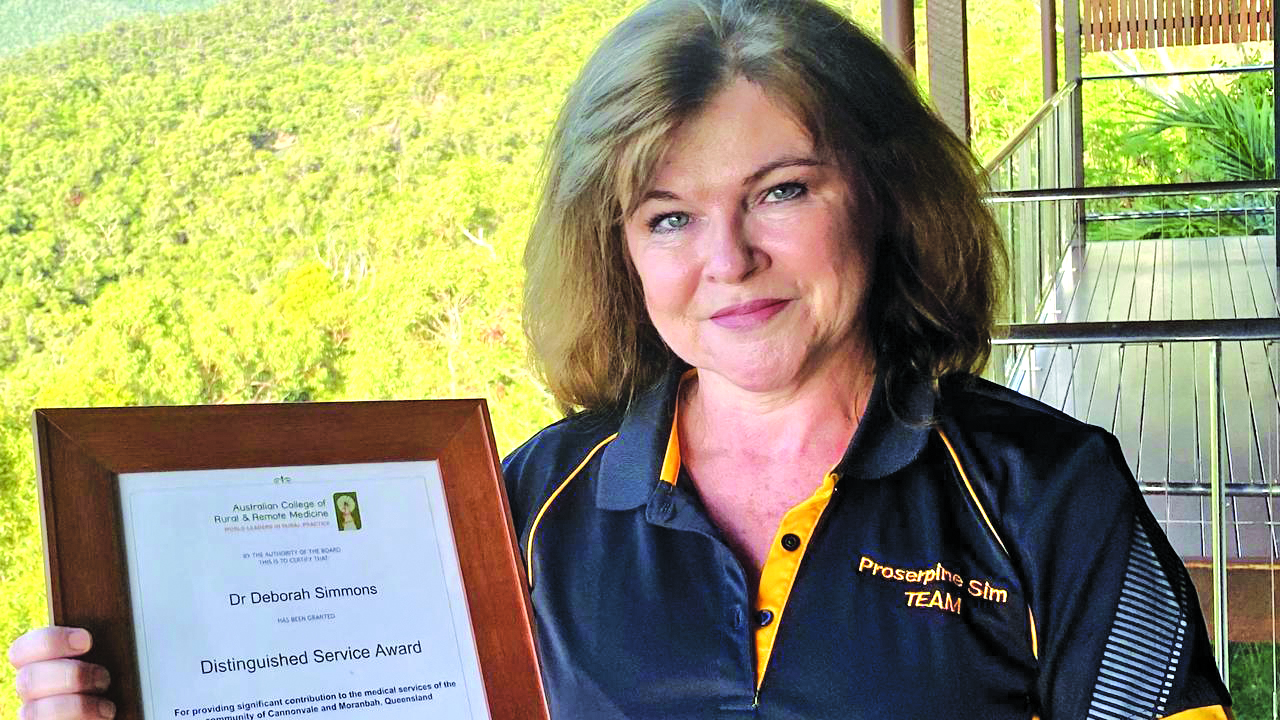
Loved and respected by all that meet her, Dr Deborah Simmons has been a Rural Generalist at Proserpine Hospital for the past seven years and received a Medal of the Order of Australia (OAM) on Australia Day for her service to rural communities.
This is a huge achievement for any individual and even more so for Dr Simmons who, by the age of just 15, had lost both her parents and was taken in by another family.
At this early age, she had to leave school to pursue full-time employment, working as a barmaid and checkout chick.
She became manager of a coffee shop soon after and it was then that she began to wonder whether this was as far as life would take her.
At 20, Dr Simmons decided to go back to school to become a nurse and studied the equivalent of year 11 and 12.
She quickly realised that her academic results not only qualified her for nursing but would enable her to study a degree in medicine.
Completing her doctorate, she took a fellowship and became an anaesthetist for liver transplants and dedicated her life to the fast-paced world of large-scale hospital life.
Then, 10 years ago, when her husband thought she could be burning out, the couple decided to move to the Whitsundays and shortly afterwards Dr Simmons took on some work as a locum at the Proserpine Hospital.
Falling in love with the rural environment where everyone works together across multiple platforms, she asked if there was a position as an anaesthetist but unfortunately there were none.
This, however, prompted Dr Simmons to follow a new career path as a Rural Generalist, a field where she now thrives.
“It’s the best step I’ve ever made,” she said.
“I never felt quite fulfilled [as an anaesthetist] and now that I am a rural generalist I feel incredibly fulfilled – I can help everyone who comes in.”
Dr Simmons has since excelled in the field, writing a course for the Australian College for Rural and Remote Medicine (ACRRM) which is now used around the nation, as well as being awarded an ACRRM Distinguished Service Award in 2020.
On a local level, she has been a pivotal presence in many trauma events at the Proserpine Hospital, taking on triage responsibilities as the team leader in the bus crash on Shute Harbour Road in 2016, which claimed one life and saw nine people admitted into the hospital.
When speaking of her OAM, Dr Simmons remarked that she was humbled and said that she did not feel any more deserving than any other rural generalist.
Caption: Dr Deborah Simmons
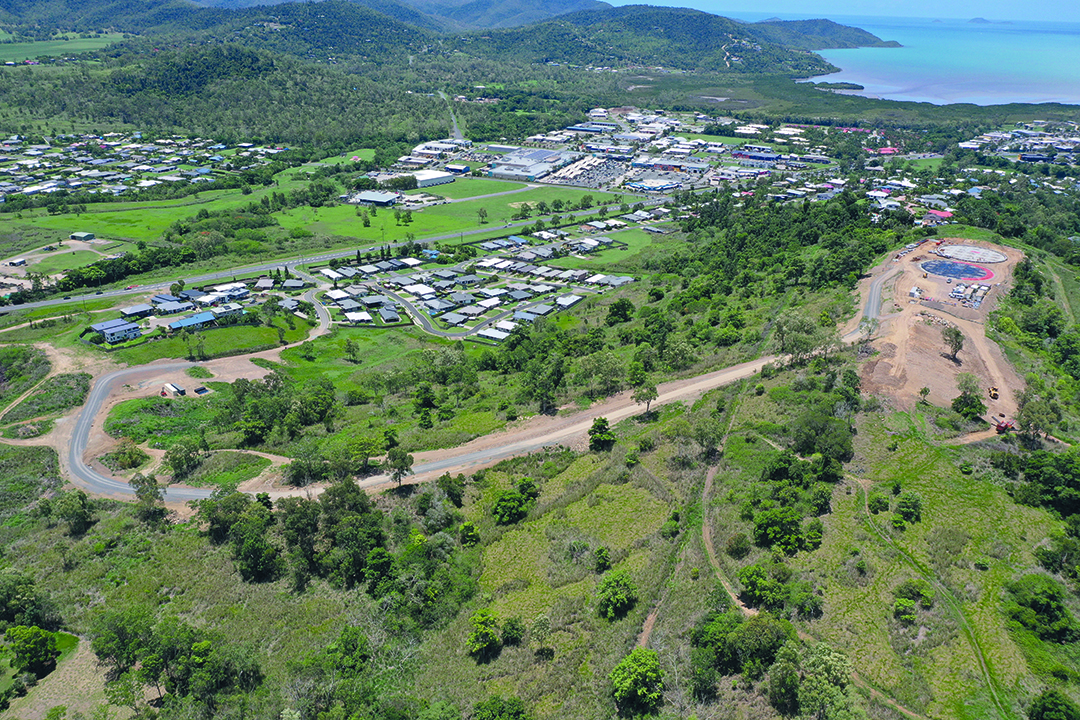
The $7.5 million reservoirs that will provide our region with increased water security and provision for the future growth of the area are due to become operational from April.
The concrete on the two Cannon Valley reservoirs was poured in December and it is expected the first will become active in April with the second due to follow at the end of May.
Capital Works Project Manager for Whitsunday Regional Council, Malcom Broidy, said that this will mean we are not so vulnerable during disaster season.
“If we had a major cyclone and lost that one reservoir it would become extremely difficult to maintain water supply to the community,” he said.
“The immediate impact of the additional reservoirs is that we have more security for our region.”
The current reservoir in Cannon Valley was damaged in the 2017 Cyclone Debbie and once the others are operational it will allow maintenance crew to repair the structure.
Over the next few weeks, the wall panels to the two new reservoirs will be set into place.
Using a post-transition system, 4x12 metre panels will be cast, concrete will be poured into the curved slabs which will then be stitched together to form the wall.
After this, the roof will be put into place.
The project is jointly funded by the government and Whitsunday Regional Council and delivered by LEED Engineering and Construction pty ltd.
An aerial photo of the Cannon Valley Reservoir
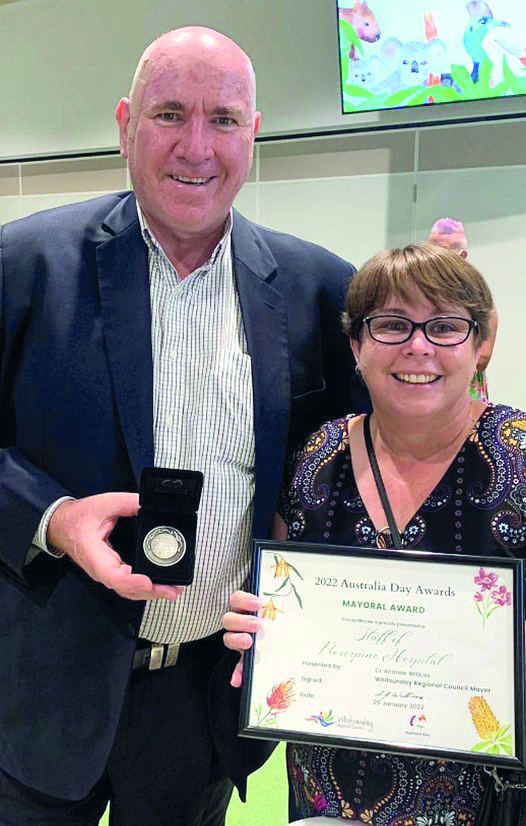
Every member of the Collinsville, Bowen and Proserpine hospital team received an Australia Day Mayoral Award to acknowledge their dedicated service throughout the unprecedented challenges of the COVID pandemic.
Mayor Andrew Willcox took the time to recognise healthcare workers for ensuring the community had access to excellent health care while working in difficult circumstances, commending staff for their dedication that has ensured services continued in extreme circumstances.
Nurse Unit Manager Lisa Milne and Medical Superintendent Dr Shaun Grimes accepted the award on behalf of the hospital staff, congratulating everyone for their efforts.
“What an amazing family of superheroes you all are. Day after day you show up smiling and committed to serve our community,” Dr Grimes said.
“Thank you to you all, for the roles each of you has played in getting us through these last two years and will continue to play in the coming years.”
He also acknowledged how deeply he appreciated receiving a thank you from the Mayor, and passed the sentiment onto the rest of the team.
“A thank you given freely and with sincerity means so much – it’s free to give but its value should never be underestimated - share your thanks and your masked smile,” he said.
“Every day we are thankful to each and every one of you for your commitment to service and for your commitment to each other as one health service family.
“One day soon we will again be able to share a barbecue lunch and celebrate with each other!”
“What an amazing family of superheroes you all are. Day after day you show up smiling and committed to serve our community,” – Shaun Grimes
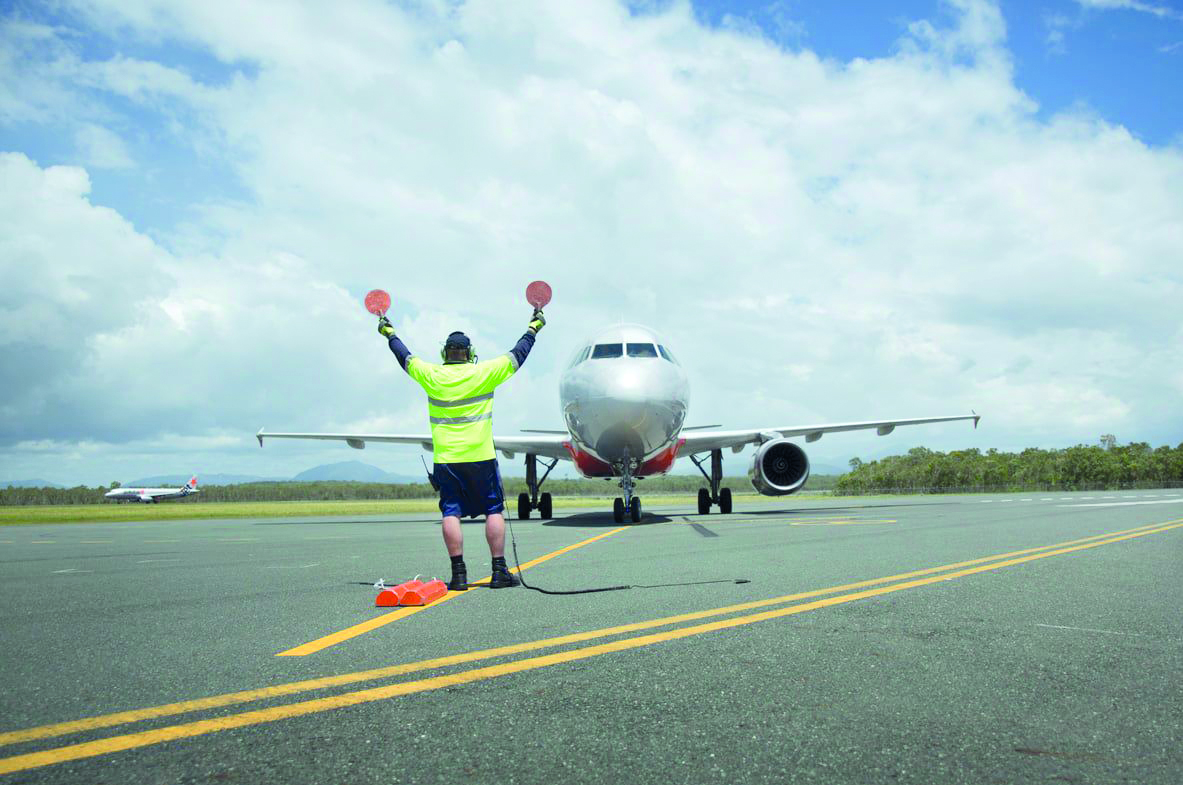
Boasting record numbers of flights over the school holiday period and now shipping live seafood directly to the Sydney Markets, our regional airport is punching well above its weight and quickly becoming known as one of the busiest regional airports in Australia.
During the month of December 37,000 people passed through Whitsunday Coast Airport and, at its busiest, 10 flights a day were landing on the tarmac, an impressive 70 flights a week.
Chief Operating Officer Aviation and Tourism, Craig Turner, said that the load capacity of each flight has been around 75 per cent and that he expects this high demand to continue over the coming months.
“In February there are normally 20 flights arriving per week, but we are expecting 50 flights per week throughout the month,” he said.
“March and the lead into Easter indicates that the next six months will also be really strong which will be great for our region.”
In addition to the domestic travellers arriving at the airport, Mr Turner said that following a newspaper article published last year, he had several producers call him directly and ask about the live exports.
“The article written in Whitsunday Life Newspaper last year generated huge interest and I had several calls from interested producers wanting to understand more about it,” he said.
“We are hoping to send more produce from the Whitsundays soon – this means mud crabs caught here in the Whitsundays at 10am can be on a flight by 1pm and out to the Sydney Markets by 5pm –they are fresher for the customer and our producers can command a better price.”
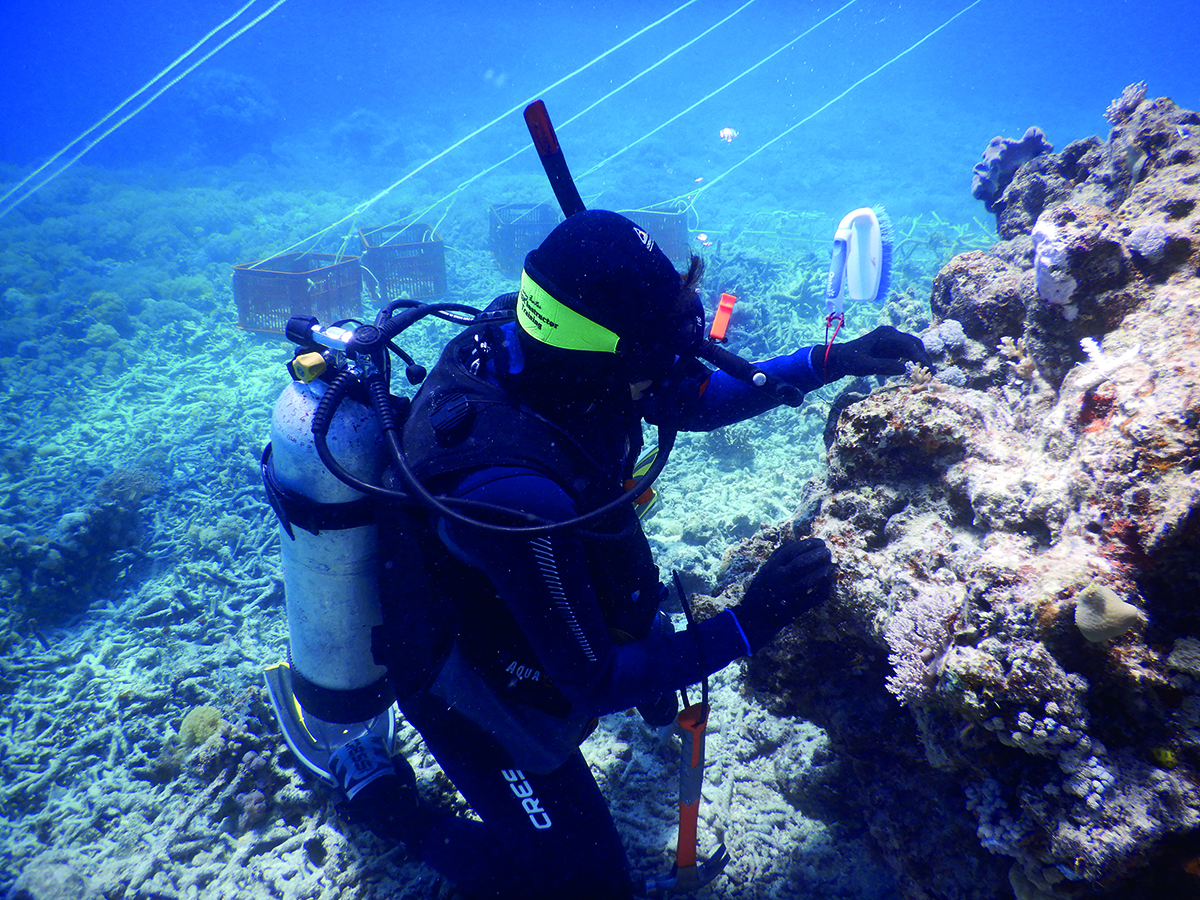
The Whitsundays could soon see the implementation of many conservation projects that will improve water quality and overall reef health thanks to $1 billion worth of funding for Great Barrier Reef which was announced by the federal government last week.
The funding is part of the Reef 2050 Plan and will be rolled out steadily over a nine-year period.
The announcement is extremely timely as the government are submitting a report to UNESCO this week, detailing how they will protect the Great Barrier Reef and avoid it being placed on the ‘In Danger’ list.
At the end of last year, UNESCO gave the government one last chance to avoid this categorisation and it is expected they will be sending out scientists to sit down with marine parks people in the next few months to make their decision.
Many people have called the government funding a ‘golden band-aid’ that does not address the real problem of global warming and, Tony Fontes, reef spokesperson for the Whitsunday Conservation Council agrees.
“No-one is going to say this is a bad thing – it is a very good thing!” he said.
“We have significant water quality issues here in the Whitsundays and crown of thorns is an issue, so it certainly ticks many of the boxes – but all the money in the world would not mitigate the impacts of global warming on the reef.”
Mr Fontes went on to explain that global warming is currently at 1.2 degrees and if it gets to 1.5 degrees it would be at the higher end of what the reef can tolerate.
“We have the next 10 years to do something about this and we are wasting it,” he said.
On a positive note, he recognises that the funding will definitely see the implementation of vital projects to help Natural Resource Management (NRM) groups like Reef Catchments and Land Care initiate projects that will improve the health of the reef.
“Funding will support scientists, farmers and traditional owners, backing in very latest marine science while building resilience and reducing threats from pollution in our oceans and predators such as the Crown of Thorns starfish,” said Prime Minister Scott Morrison.
“We are backing the health of the reef and the economic future of tourism operators, hospitality providers and Queensland communities that are at the heart of the reef economy.”
Diver attaching live coral fragments to Reef - just one of many projects that may get further funding. Photo by Tony Fontes
Coral bleaching

Southerners on a sea change are moving to the Whitsundays in droves, buying up houses and, as a result, rentals are either scarce or the prices are skyrocketing, leaving many Airlie Beach locals struggling to find suitable accommodation.
Three of Emma De-Lisle’s six years in Airlie Beach were spent in the same rental apartment in Cannonvale until six months ago when the property sold.
She looked for housing for almost five months, finding either that the choices were well out of her budget, or that the homes were “almost derelict.”
The housing situation in the Whitsundays had Emma looking at the prospect of sleeping in her car with her two daughters aged 18 months and four years.
Emma received the notice to leave on the December 23 and was given eight weeks to vacate.
“I had applied for, I don’t know how many properties and most of them were run down and they still wanted $420 a week,” Emma said.
“Even then, I wasn’t getting any responses from agents or anyone.”
Emma said she thinks that out of towners were coming and offering well over and above, or paying six months in advance, which she said she’s not in the position to do.
“I was just being priced right out,” she said.
In desperation, she took to Facebook in a last-ditch effort to find a place for her and her two daughters and the community soon took charge.
“I posted and Ben and Shannon reached out and said they might be able to help me out,” Emma said.
The couple offered Emma and her daughters suitable accommodation and she is due to move in this month.
“I can’t thank the community enough – that’s just what the community up here is all about – I had so many people come out and offer me things after that post.”
Airlie Beach has lost a significant number of its rental properties to purchases, creating a tight rental market.
Natalie Stuchbree, Senior Property Manager of Taylors Property Specialists said that many people in the area have been struggling to find rentals and that with the price of properties going up over the last two years, especially over the last 12 months, it has been a challenging time for many residents.
“Usually, what we would see is the number of rental properties increase, but they’re maintaining somewhat of a status quo,” she said.
Loved and respected by all that meet her, Dr Deborah Simmons has been a Rural Generalist at Proserpine Hospital for the past seven years and received a Medal of the Order of Australia (OAM) on Australia Day for her service to rural communities.
This is a huge achievement for any individual and even more so for Dr Simmons who, by the age of just 15, had lost both her parents and was taken in by another family.
At this early age, she had to leave school to pursue full-time employment, working as a barmaid and checkout chick.
She became manager of a coffee shop soon after and it was then that she began to wonder whether this was as far as life would take her.
At 20, Dr Simmons decided to go back to school to become a nurse and studied the equivalent of year 11 and 12.
She quickly realised that her academic results not only qualified her for nursing but would enable her to study a degree in medicine.
Completing her doctorate, she took a fellowship and became an anaesthetist for liver transplants and dedicated her life to the fast-paced world of large-scale hospital life.
Then, 10 years ago, when her husband thought she could be burning out, the couple decided to move to the Whitsundays and shortly afterwards Dr Simmons took on some work as a locum at the Proserpine Hospital.
Falling in love with the rural environment where everyone works together across multiple platforms, she asked if there was a position as an anaesthetist but unfortunately there were none.
This, however, prompted Dr Simmons to follow a new career path as a Rural Generalist, a field where she now thrives.
“It’s the best step I’ve ever made,” she said.
“I never felt quite fulfilled [as an anaesthetist] and now that I am a rural generalist I feel incredibly fulfilled – I can help everyone who comes in.”
Dr Simmons has since excelled in the field, writing a course for the Australian College for Rural and Remote Medicine (ACRRM) which is now used around the nation, as well as being awarded an ACRRM Distinguished Service Award in 2020.
On a local level, she has been a pivotal presence in many trauma events at the Proserpine Hospital, taking on triage responsibilities as the team leader in the bus crash on Shute Harbour Road in 2016, which claimed one life and saw nine people admitted into the hospital.
When speaking of her OAM, Dr Simmons remarked that she was humbled and said that she did not feel any more deserving than any other rural generalist.
Dr Deborah Simmons
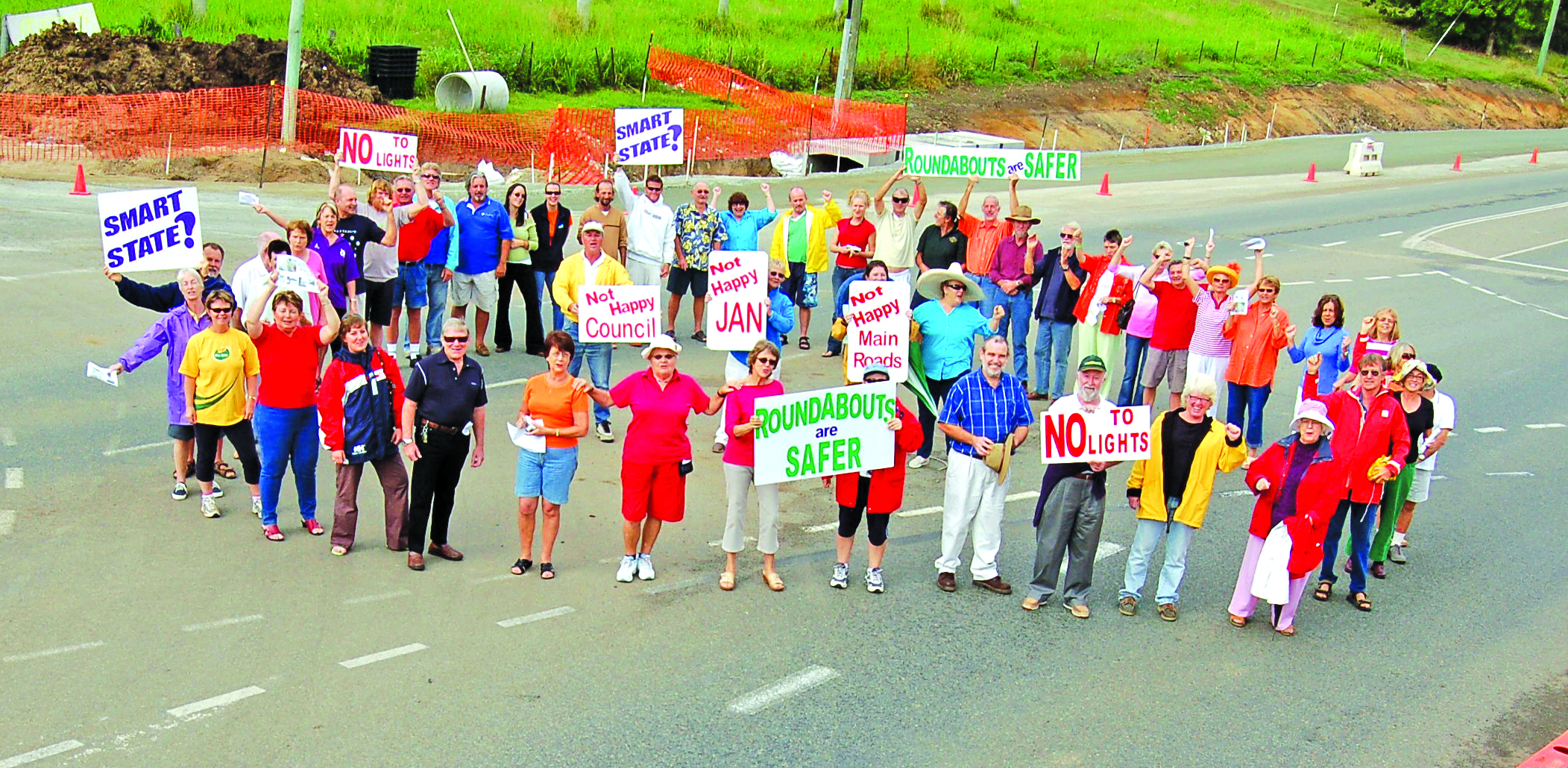
Despite ongoing protest by the Residents Traffic Action Group (RTA) it is looking likely that Transport and Main Roads (TMR) will be moving forward with installing traffic signals at intersections along Shute Harbour Road upon the completion of the $31.6 million duplication project.
The location in question is on Shute Harbour Road in Cannonvale where, between the intersection at Paluma Road and Tropic Road there will soon be four lanes, allowing for increased traffic flow.
At this time, TMR have plans to install traffic lights at William Murray Drive and MacArthur Drive intersections.
Since 2006, the RTA have been campaigning for roundabouts instead of traffic lights on the roads entering Airlie Beach, with view that roundabouts are more in-keeping with our ‘village’ feel.
“This approach to the Whitsundays is what our visitors see first,” said Faye Chapman, President of the RTA.
“It is part of the Whitsundays that we have fought so hard to keep and there has been absolutely no community consultation from TMR – the first we heard of their plans was just by chance.”
In response to this, TMR state that that they have “consulted with impacted stakeholders Whitsunday Regional Council and TransLink in assessing the intersection options during the design phase of the project” and that the decision was made with safety in mind.
“Traffic signals at intersections allow for safe pedestrian crossings while promoting traffic flow,” said a TMR spokesperson.
“Safety is our number one priority when carrying out works on all of our roads.”
Ms Chapman asserts that roundabouts were in the plan from 2019 and TMR concur, saying that during the design phase they were considered but ultimately traffic lights were deemed the best option.
A traffic modelling study was undertaken by TMR identified that coordinated, signalised intersections would reduce overall travel time for road users on this section of road, particularly at William Murray Drive and Paluma Drive.
Most disappointed with the lack of community consultation and querying the modelling used to ascertain traffic counts, Ms Chapman took the issue to an independent company, Pekol Traffic and Transport, who saw 14 separate issues with the current plan.
Following this review, Ms Chapman has taken the matter to the state government and received a message last Friday confirming that the Queensland Ombudsman has decided to investigate the complaint about lack of community consultation.
There is now a small window where community consultation may provide a clearer representation of what local residents need.
2006 Residents Traffic Action peaceful protest at Shute Harbour and Paluma Road intersection which is now signalised
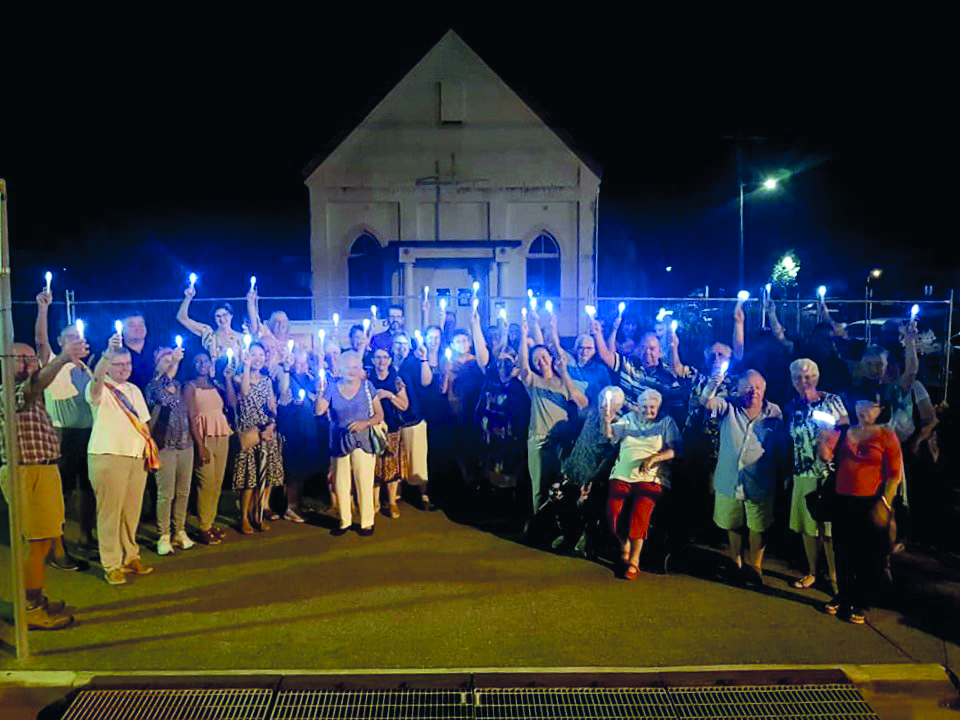
St James’ Uniting was the first church ever built in Proserpine, and in December, after over 100 years of standing proud on the corner of Herbert and Main Street, it was demolished.
The once local heritage site was de-registered in April last year and, having received immense structural damage during Cyclone Debbie, a full investigation deemed the structure unsafe.
The Proserpine Uniting Church Committee came to the decision to rebuild the church on the same sight and in mid-December, Proserpine said goodbye to one of its oldest buildings.
In a candlelight service, the Uniting Church congregation held a moving ceremony, recalling all the wonderful events that had happened over their 86-year tenancy at the church.
The Church Committee now have a building planning group who are working on designs and how to develop the space.
“Initially, we’re going to do some garden beautification until we have surveyors, architects and all of that,” Reverend Suzy Sitton.
“It won’t just be a church building, it will be something multi-purpose, and a space that provides a sense of well-being, peace, and an area that people can ask questions.
Reverend Sitton said that the building will be “signed, sealed, delivered” by November 2023.
“We’ve still got work ahead of us with the initial stages, but we’re underway now,” she said.
The church has reached out to its worshipers in Proserpine for over a year, seeking the opinion of the community in what they would like the space of worship to be like.
“It’s not going to be a quick project because we’re engaging with community to find exactly the needs for our community,” Reverend Sitton said.
“We had a lot of conversation leading up to Christmas, and people from the community were able to engage and talk to us about that.”
Quoting Ecclesiastes 3:1 in the Bible – “For everything there is a season, and a time for every matter under Heaven” - Proserpine worshippers now welcome in their new season of beginning.
Services are currently held at the old hall behind where the church stood and will continue to be held there until the new building is finished.
Proserpine Uniting Church held a goodbye candlelit ceremony before the demolition of the old church building in December
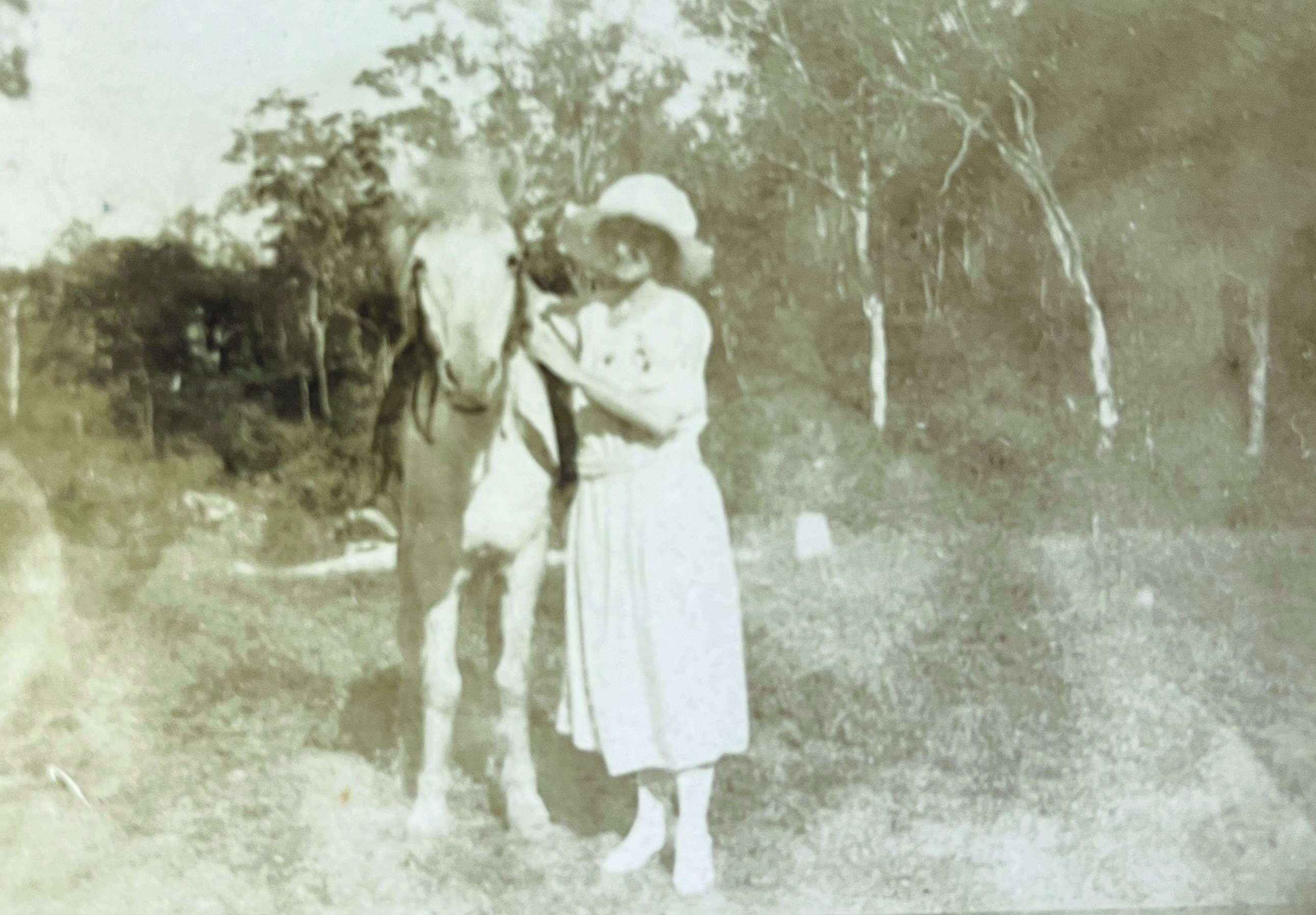
Windermere School (1922 – 1942) – The school that travelled to the children!
On March 21 this year, it will be 100 years since Windermere School opened with Miss Fanny Hancock as teacher and fourteen pupils – Eva, Robert and Edward Barr; Agnes and James Fraser; Margaret and Nell Holmes; Thelma, Cyril and Harold Lee; Florence and Herbert Lee; Frederick and James Pepper.
The school commenced in the Cannon Valley Hall where it operated for twelve months until the closed school at Palm Grove in the Conway district was transported and re-erected on land donated by Mr H. W. Holmes. Fittingly, it took its name, Windermere, from the name of Mr Holmes’s farm. The school and the Cannon Valley Hall were situated on either side of what is now known as Robinson’s Road.
The first teacher, Miss Hancock (1922 – 1924), made a lasting impression. During her first year of teaching which was in the Cannon Valley Hall, things were fairly hectic on weekends when dances were to be held. Dances were significant fund raisers for communities – as well as important socially. Everyone available had to work to move all the school gear out for the dance and then set it up in time for Monday morning’s school.
Times were challenging – Miss Hancock taught seven different grades in her little bush school with few aids other than a blackboard, slates and slate pencils.
Recollections from past students paint a picture of a wonderful school environment. When the Palm Grove school was re-erected, gardening began in earnest and through the combined efforts of both girls and boys, a lovely flower garden was established. Friday afternoon was devoted first to sewing (both boys and girls participating) and then it was into the garden to beautify the surroundings.
Many of the children rode horses to school as there was plenty of room in the new school grounds for their horses to graze. Pupils took part with enthusiasm in concerts, plays and maypole dancing.
In its twenty years as a school, there were only five different teachers – Miss Fanny Hancock, Miss Morris, Miss Connie Hopkins, Miss Flegabein and Mr Pearce. As was the case in the early days, all these teachers boarded locally.
On June 25, 1942 the Department of Public Instruction informed the secretary of the school committee that it was necessary to close the school as from June 30. The school had not met the department’s requirement of an average attendance of at least nine pupils. Petitions in 1944 to have the school re-opened were unsuccessful.
The Windermere School building remained unused for several years and in 1945 a decision was made to remove and re-erect the building at Proserpine State School (then situated behind the Entertainment Centre) to be used as a classroom for the students attending the High School Top and as extra classrooms for the primary school until students transitioned to the new building in Sterry Street. It was subsequently used as the Proserpine Kindergarten until 2013.
After many years, the land was handed back to the Holmes family.
Story and photo courtesy of Proserpine Museum and “Enlightened Horizons” by Neville Smith.
Fanny Hancock and horse called Old Girl circa 1922
Windermere class in the late 1930s
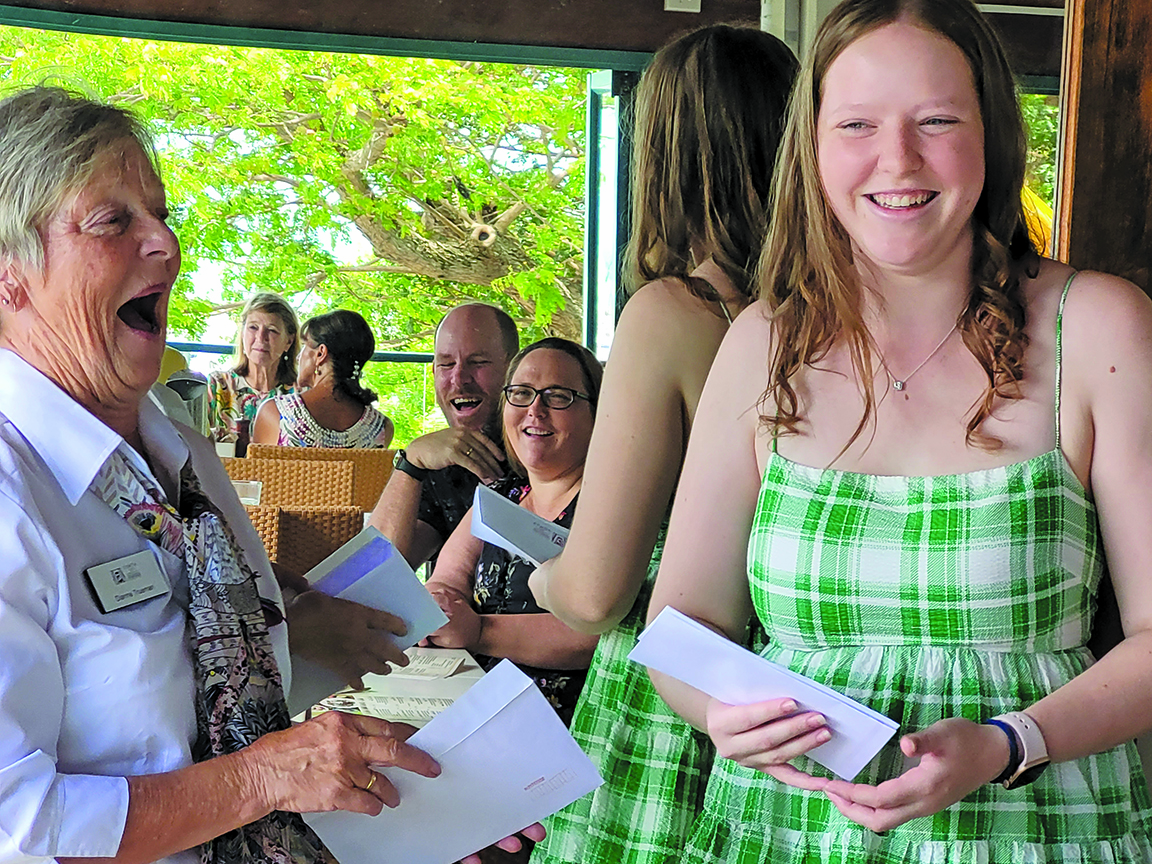
A Year 12 graduate from Whitsunday Christian College was announced the lucky recipient of the Laura Morrison Memorial Bequest Scholarship at an intimate ceremony hosted by the Zonta Club of the Whitsundays on Sunday.
Madison Braddock, 18, is heading to James Cook University in Townsville to study Occupational Therapy on the February 6 this year.
Last year, Maddison’s mum encouraged her to apply for the $2000 scholarship to assist with the financial costs involved with pursuing the next stage in her studies.
The scholarship is provided by the late Laura Morrison, who was treasurer of the Zonta Club of the Whitsundays for eight years and passed-away suddenly in 2020.
Remembered for her generosity, love of the Zonta Club, and desire to support the education of women, Ms Morrison’s legacy lives on as part of this three-year scholarship package.
Maddison used the kind donation to purchase a new laptop computer which she says she will use every day to assist with her studies and assignments.
Always excelling academically, Maddison loves helping people and works long hours at the Airlie Beach Hotel to help fund her studies.
These are just some of the credentials that made her application successful.
“Her application was an absolute winner,” said Secretary of the Zonta Club of the Whitsundays, Janice Lake.
“Her academic achievements and community involvements demonstrate the Zonta ideals of women’s rights and education for women.”
The Laura Morrison Memorial Bequest Scholarship will run for three years with $2000 going to a worthy community member each year and it is hoped that the Zonta Club of the Whitsundays will be able to fund future years.
The presentation was held with morning tea at the Rainbow Bakery at Shingley Beach, with Maddison’s parents looking on proudly as she accepted the bequest.
“Thank you so much for your support and I hope to see you all again soon,” said Maddison.
The Zonta Club of the Whitsundays with Maddison Braddock and her parents
President of the Zonta Club of the Whitsundays, Dianne Truman presents Maddison with the bequest

Junior Sports Award
Abby Plate
A passionate equestrian, Abby excels in barrel racing and has a team of 12 horses which are all home bread and trained by herself and her father, Robert.
In 2021, Abby travelled and competed with four of her horses in over 15 different events and still finds the time to encourage her younger peers, always willing to share her knowledge with others.
Abby Plate with one of her horses
Arts and Culture Award
Collinsville Youth Centre’s Gwada Murals Project
Local youth assisted Martin from Gwada Murals to create some beautiful artwork for the community to enjoy.
The project created a bright space for the youth of the Collinsville and Scottville community, expressing the many reasons they love to live in the Whitsunday Region.
The Gwada Mural
Collinsville Community Association’s Volunteer of the Year Award
Nathan Reinke
Known for his dedication and passion, Nathan is one of Collinsville’s most hard-working volunteers with his ideas, input and enthusiasm proving instrumental in may events.
From the CSHS Bacon Busters event, the Weetalaba Campdraft Clinic, local youth group and playing one of the scariest roles in the CYC Haunted House of Horrors – Nathan is a local legend.
Nathan Reinke
Community Event of the Year
CSHS P&C Bacon Busters Event
For the past seven years a passionate group of staff, parents and students have been running this popular community event which is a fun family day out for everyone to enjoy.
All proceeds are reinvested back into the high school and gate entry donations are given to a worthy charity each year.
Noah Brand with Councillor Michelle wright at the 2021 Bacon Buster Event
Young Citizen of the Year
Sarah Wilson
While continuing with full-time study, Sarah manages to find the time to inspire and teach younger children through her tireless work at her mum’s dance school.
She takes pride in establishing a fun and safe environment for her students to learn and teaches the children in tolerance, discipline and friendship.
Sarah Wilson
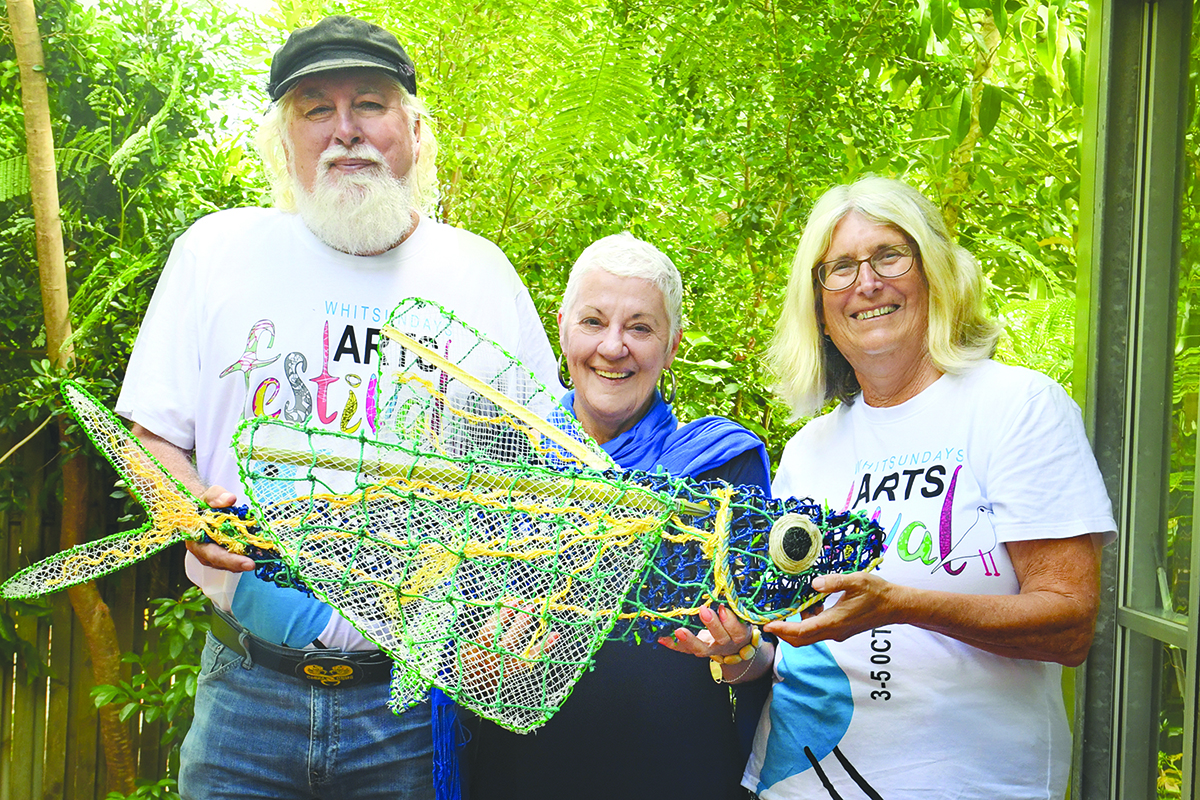
Arts and Cultural Award
Jessica Begun from Whitsunday Arts Festival
Jessica, along with Cathy Knezivic and Tom Casey, founded the Whitsundays Arts Festival due to host its third annual event in September this year.
The festival brings together local artists and broadens our cultural, engaging with the younger generations through partnering with schools, which Jessica, and by extension her team, have been honour for.
Tom Casey, Cathy Knezivic and Jess Begun
Environmental Achievement Award
John Gaskell
Described as the real life “Aquaman” by his peers, John is currently the Program Manager for the Great Barrier Reef Foundation’s Whitsunday Reef Island Initiative – focusing his time on reef rehabilitation.
He previously developed the Daydream Island Coral Restoration Facility and Living Reef Underwater Observatory and has an immense passion for studying, photographing, and protecting the Great Barrier Reef.
John Gaskell
Senior Sports Award
Marteaka Hoffman
Marteaka is not only a valuable netball player at the Whitsunday Netball Club, but she has been a valuable volunteer for the past 10 years.
From coaching to mentoring the younger players, travelling to carnivals, umpire development and writing grant submissions, Marteaka is a dedicated sports woman, as well as a dedicated member of the club community.
Young Sports Award
Jy Parkinson
Excelling both in the water and on the field, Jy enjoys swimming, cross country, and football.
He has been awarded Sportsman of the Year at Saint Catherine’s Catholic College in Proserpine for the past three years, and this year winning Gold for backstroke at the Qld Schools Swimming State Championships followed by Bronze at a National Level.
Jy shows maturity beyond his years and has demonstrated great leadership amongst his peers, always encouraging them to do their best and leading by example.
Jy Parkinson
Community Event of the Year
Proserpine State High School’s “We Will Rock You” musical production
This professional standard school musical was received with acclaim from across the region and demonstrated the love and passion of all involved.
There were over 60 students, 20 staff and more than 20 community members participating, and many young people had the opportunity to gain valuable experience in the industry and perform in the sold-out shows.
The cast of “We Will Rock You”
Volunteer of the Year Award
Wally Hinschen
An active and valued member in a range of emergency services, Wally spent 15 and a half years with Queensland Fire and Emergency Services before his retirement on his 65th birthday.
He continues to volunteer for the SES, VMR and the Cannonvalley Rural Fire Brigade giving him a combined total of over 30 years’ experience attending rescues, fires, land and water searches, boat rescues.
Young Citizen of the Year:
Declan Coull
Racing in the Formula 3 series in Australia, Declan has been behind the wheel since he was nine years old.
Given the “Future Star Award” in the Senior Karts and “Local Sporting Champion” by the Australian Institute of Sport, Declan is also a “racing for road safety” ambassador with Safe Drive Training (SDT) mentoring young drivers about responsible vehicle usage and is also a Defensive Driving Instructor.
Declan Coull with Mayor Andrew Willcox
Publishers Indemnity. Any individual or entity that places advertising, supplies copy material, or submits editorial content to Core Life Publishing agrees and undertakes to ensure that all such material:- Does not infringe upon any copyright, trademark, or other intellectual property rights;- Is free from any content that could be considered defamatory, libelous, or slanderous;- Does not infringe upon any rights related to privacy or breach of confidence;- Contains no obscene, indecent, or otherwise unlawful material;- Complies fully with the Trade Practices Act and all other applicable laws, regulations, or statutes.Furthermore, by submitting or placing such material, these individuals or entities agree to indemnify and hold harmless the publisher, Core Publishing and Events Pty Ltd, and/or its agents from and against any and all investigations, claims, demands, liabilities, damages, costs, or judgments arising out of or in connection with the material provided. All material is believed to be accurate at the time of printing and remains the copyright of Core Publishing and Events Pty Ltd.
© 2026 Mackay and Whitsunday Life Pty Ltd.
