
Independently Owned, Locally Grown, Community Loved


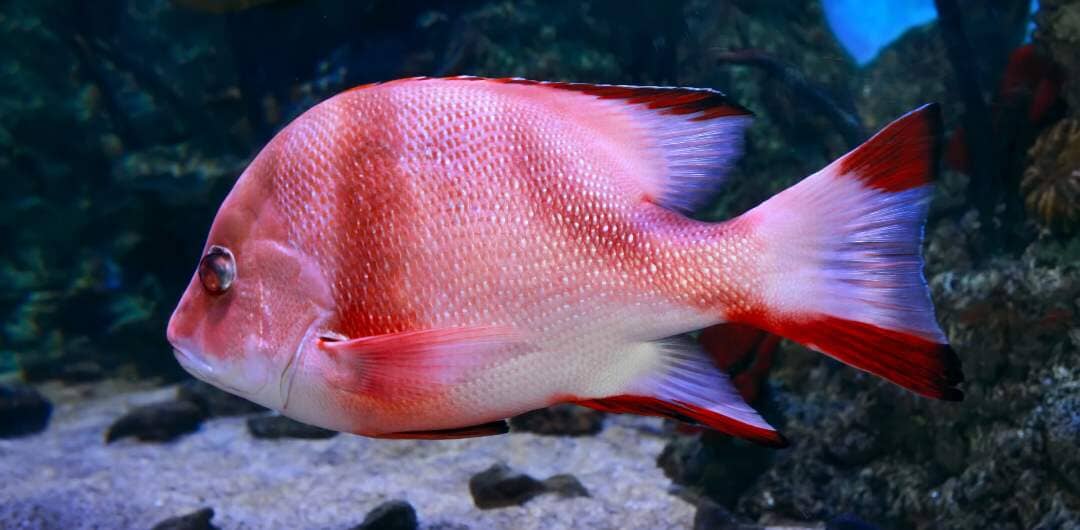
Scientists have long understood that thriving fish communities are essential for healthy coral reefs. Now, new research has revealed just how important fish are in protecting the Great Barrier Reef from one of its most destructive natural threats: the crown-of-thorns starfish.
A major study by Australia’s national science agency, CSIRO, and the Australian Institute of Marine Science (AIMS) has found that one of the nation’s largest-ever marine conservation efforts has significantly reduced the likelihood of crown-of-thorns starfish (COTS) outbreaks across the Reef.
A Natural Predator with Plague Potential
Crown-of-thorns starfish are native to the Great Barrier Reef and form part of its natural ecosystem. But under certain conditions, their numbers can explode into plague proportions. When that happens, they become one of the leading causes of coral loss, devouring living coral tissues at a rate that reefs cannot keep up with.
For decades, scientists have debated what drives these outbreaks. While many questions remain, evidence is mounting that human activities over the past 40 years have made outbreaks more frequent or more severe.
Two leading causes stand out:
· Nutrient runoff from land, which boosts phytoplankton levels in the Reef’s lagoon. This provides extra food for larval COTS, improving their survival and resulting in more starfish reaching adulthood.
· Overfishing of key predators, such as fish and invertebrates that eat juvenile starfish. Fewer predators mean young COTS have a much greater chance of surviving and growing into adults.
Fewer Predators, More Starfish
Predatory fish like emperors and groupers are known to feed on crown-of-thorns starfish, playing an important role in controlling their numbers. Recognising this, reef managers acted early. In 2004, major protective measures were introduced to rebuild predatory fish populations. These included increasing no-take zones to 33 per cent of the Reef and tightening fishing regulations.
The new study shows just how critical those decisions were. Without them, grouper and emperor numbers would have continued to decline under fishing pressure, creating ideal conditions for increasingly frequent — and potentially continuous — starfish outbreaks.
Instead, the protections helped stabilise and rebuild predator populations, restoring an important natural check on COTS.
Avoiding a Tipping Point
Researchers believe these conservation efforts may have prevented a catastrophic ecological tipping point. Without enough large predatory fish, the Reef could have entered a cycle of ongoing COTS outbreaks, leaving far less living coral and undermining the resilience of the entire ecosystem.
Long-term monitoring now confirms the benefits: crown-of-thorns outbreaks occur far less often in protected zones where fish populations are healthier.
Science + Management = Results
The findings offer powerful evidence that reef protections are working. They also highlight the importance of long-term monitoring programs, which provide the data needed to understand how the Reef is changing and what actions are making a difference.
For this, we can thank the ongoing work of CSIRO and AIMS scientists — decades of research that continue to guide reef management today.
The Next Big Challenge
Protecting fish populations is only part of the solution. To fully safeguard the Great Barrier Reef, we must also improve water quality by reducing nutrient runoff from the land. Cleaner water means fewer phytoplankton blooms — and fewer opportunities for crown-of-thorns starfish to thrive.
Healthy fish, healthy water, healthy coral: all three are needed to give the Reef the best chance of survival in a changing world.
Contributed with thanks to Whitsunday Conservation Council.

Publishers Indemnity. Any individual or entity that places advertising, supplies copy material, or submits editorial content to Core Life Publishing agrees and undertakes to ensure that all such material:- Does not infringe upon any copyright, trademark, or other intellectual property rights;- Is free from any content that could be considered defamatory, libelous, or slanderous;- Does not infringe upon any rights related to privacy or breach of confidence;- Contains no obscene, indecent, or otherwise unlawful material;- Complies fully with the Trade Practices Act and all other applicable laws, regulations, or statutes.Furthermore, by submitting or placing such material, these individuals or entities agree to indemnify and hold harmless the publisher, Core Publishing and Events Pty Ltd, and/or its agents from and against any and all investigations, claims, demands, liabilities, damages, costs, or judgments arising out of or in connection with the material provided. All material is believed to be accurate at the time of printing and remains the copyright of Core Publishing and Events Pty Ltd.
© 2026 Mackay and Whitsunday Life Pty Ltd.