Independently Owned, Locally Grown, Community Loved

Bioenergy opportunities from Queensland’s sugarcane industry are back in focus, with the Inquiry into Sugarcane Bioenergy Opportunities holding another public hearing in Brisbane last month.
The latest hearing follows sessions in Mackay and Townsville, as well as three earlier hearings in Brisbane. The parliamentary committee is expected to table its final report in March.
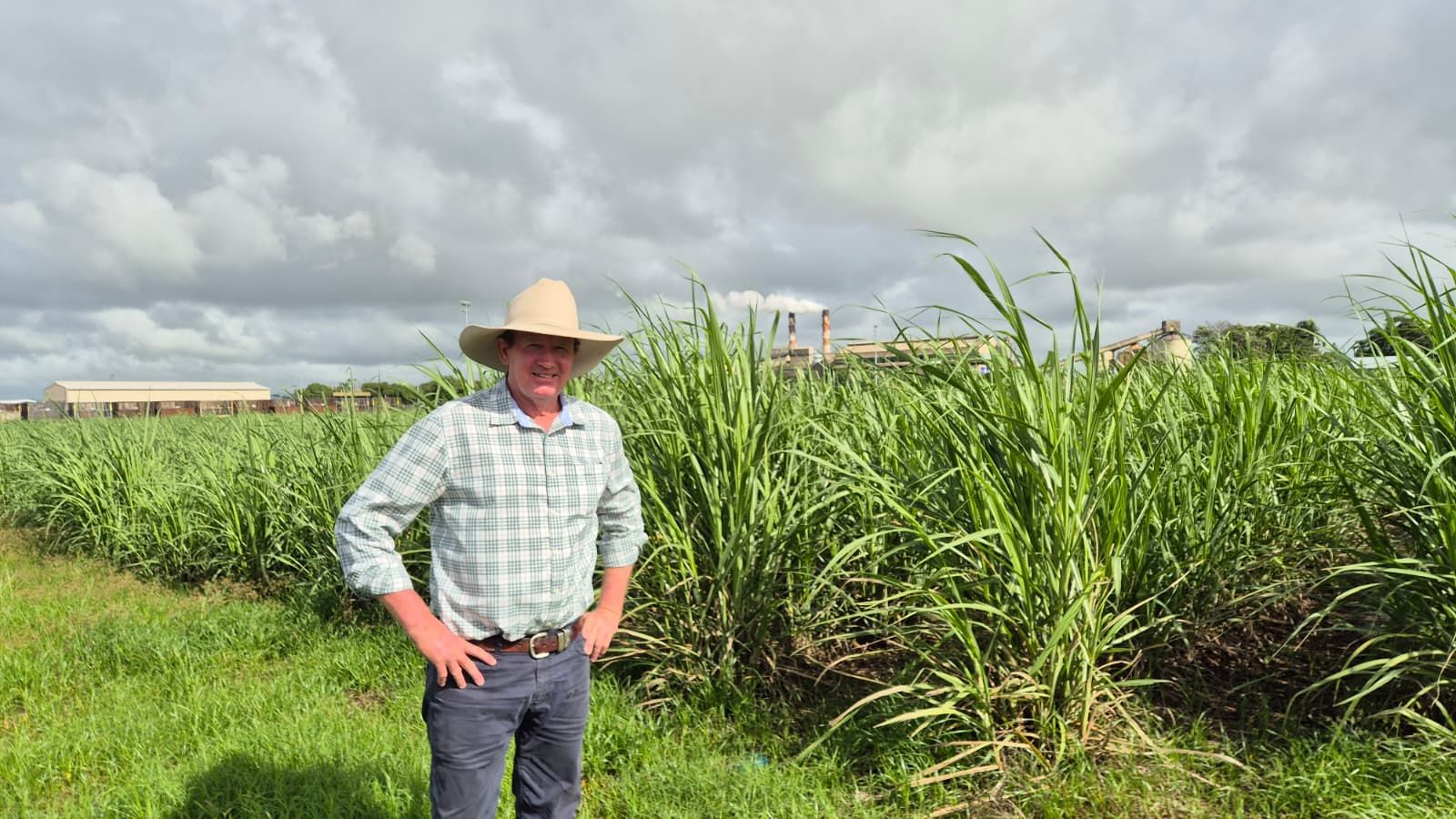
Member for Mirani, Glen Kelly, said the inquiry is a crucial step toward identifying new growth opportunities for the sugarcane sector and strengthening Queensland’s agricultural future.
“This is about making sure that our sugar industry has room to expand, and to ensure that we have viable alternative baseload energy options in our Queensland grid as part of our Energy Plan,” Mr Kelly said.
He said regional communities, particularly around Mackay, stood to benefit if biofuels could be unlocked as a viable option for sugar mills.
“We’ve seen mill closures elsewhere around Queensland, leaving those sugarcane farms stranded, if we can unlock biofuels as an opportunity for our millers that means more guarantee for our farmers around Mackay,” he said.
Mr Kelly highlighted the industry’s importance to local employment, noting that the sugar sector employs about 1,650 workers in and around Mackay.
“The sugar industry employs roughly 1650 workers in and around Mackay, and that’s a number we don’t want to see going down, and finding ways to utilise bioenergy and biofuels from sugarcane will help ensure that those jobs are secure,” he said.
He also pointed to the potential for bioenergy to protect mills during downturns in the global sugar market, while supporting emissions reduction.
“We don’t want to see our mills closing because there’s a glut of sugar in the market, so being able to create fuels from sugarcane at competitive prices while reducing CO2 emissions would be a major win for Mackay,” Mr Kelly said.
The inquiry has been running since June and is examining how sugarcane cogeneration could contribute to Queensland’s electricity mix. It is also considering regulatory and market barriers that may be limiting increased bioenergy and biofuel production from sugarcane.
To date, the committee has held five hearings and received 42 submissions from sugar industry representatives, farmers, bioenergy and biofuel groups, and individual stakeholders. The final report is expected to be tabled in Parliament in March.
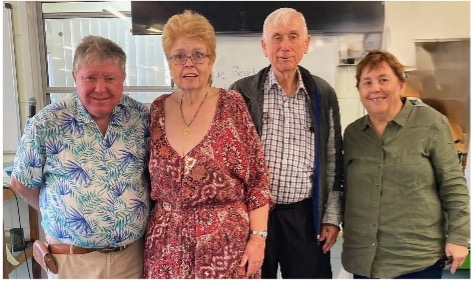
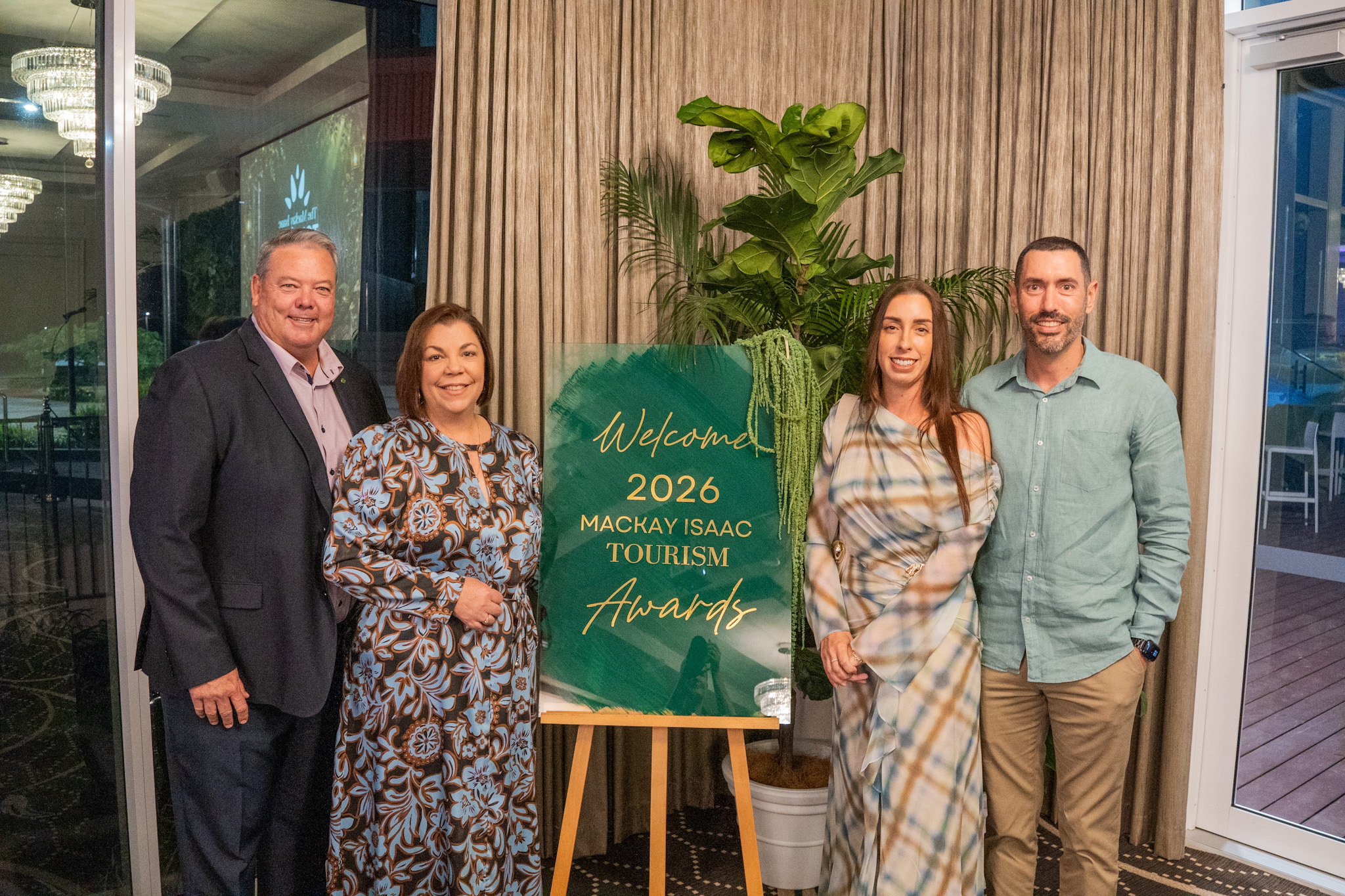
Member for Mirani, Glen Kelly, believes regional communities will benefit greatly from the proposed bioenergy opportunities. Photo supplied
Publishers Indemnity. Any individual or entity that places advertising, supplies copy material, or submits editorial content to Core Life Publishing agrees and undertakes to ensure that all such material:- Does not infringe upon any copyright, trademark, or other intellectual property rights;- Is free from any content that could be considered defamatory, libelous, or slanderous;- Does not infringe upon any rights related to privacy or breach of confidence;- Contains no obscene, indecent, or otherwise unlawful material;- Complies fully with the Trade Practices Act and all other applicable laws, regulations, or statutes.Furthermore, by submitting or placing such material, these individuals or entities agree to indemnify and hold harmless the publisher, Core Publishing and Events Pty Ltd, and/or its agents from and against any and all investigations, claims, demands, liabilities, damages, costs, or judgments arising out of or in connection with the material provided. All material is believed to be accurate at the time of printing and remains the copyright of Core Publishing and Events Pty Ltd.
© 2026 Mackay and Whitsunday Life Pty Ltd.