Independently Owned, Locally Grown, Community Loved
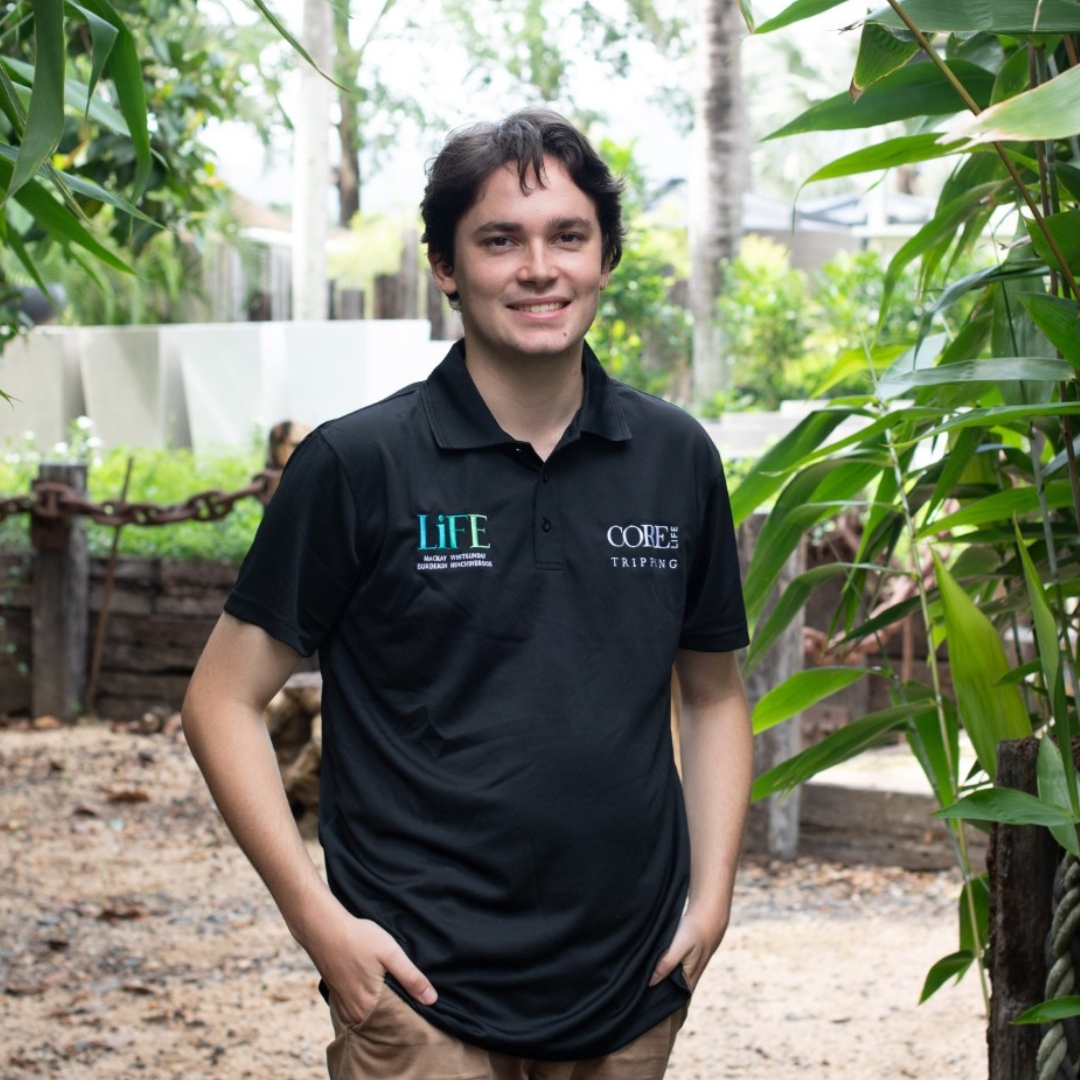
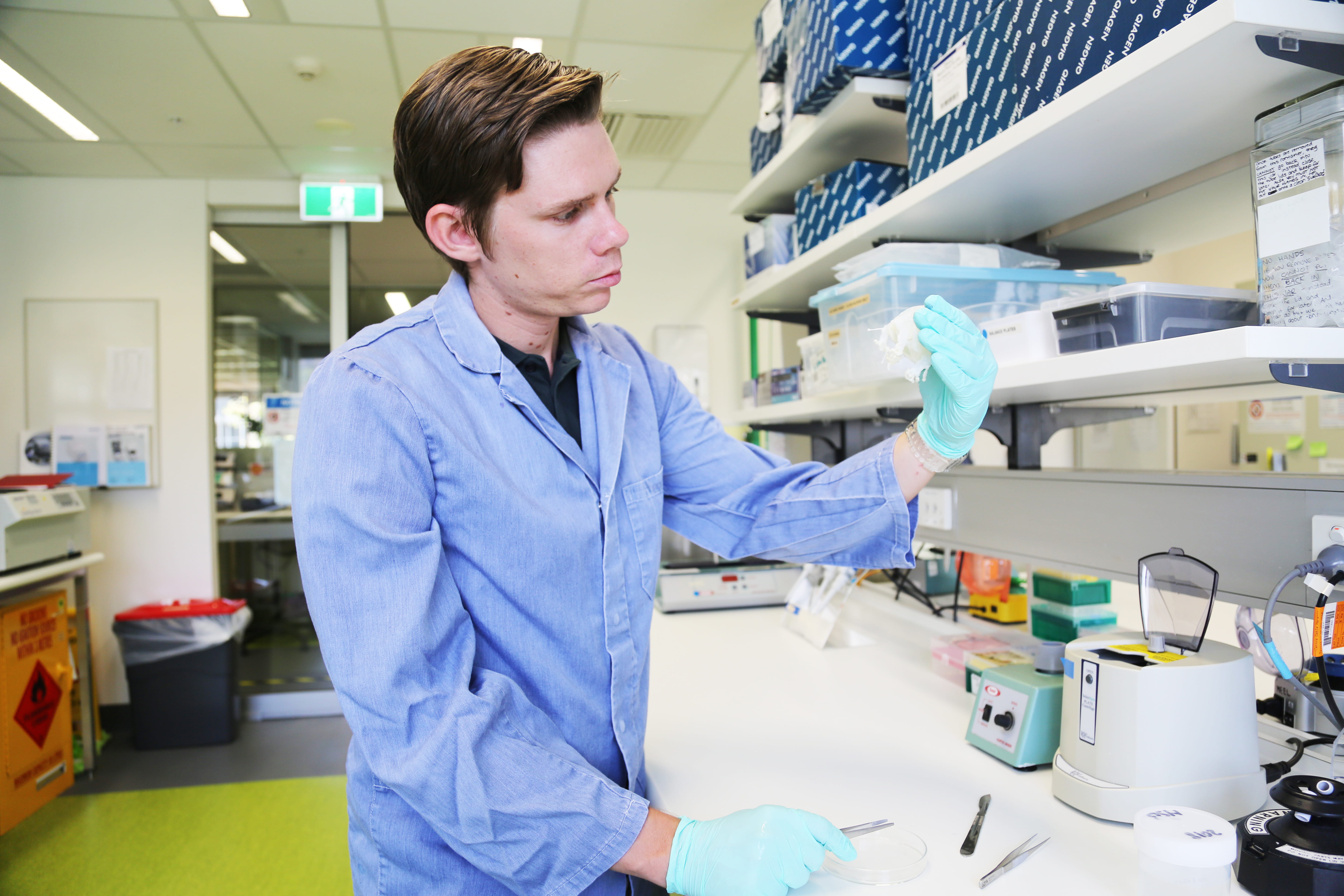
Scott AKA Dr Morrissey – hard at work. Photo supplied
Residents of the Greater Whitsunday Region are no stranger to the burden of box jellyfish. They have no brain; they pose a deadly threat and have been nearly impossible to detect in the water – at least until now.
Growing up in Bowen, Dr Scott Morrissey’s passion for marine life was fostered by the town’s beautiful beaches and the opportunities they provided for underwater exploration.
“I spent as much time as I possibly could underwater. I wanted to learn as much as I could about what I was seeing,” Scott said.
With a robust education courtesy of Bowen State High School, Scott was able to foster his passion for marine life.
“Chemistry is okay but it’s like cooking to me. Physics was too much math. Biology was what I really enjoyed. It’s about building an understanding of how everything works together and why things are happening in the environment. It’s great learning biology because you can go outside and apply what you’ve learnt immediately. It definitely resonated with me.”
Scott’s classic North Queensland grievances towards the threat of box jellyfish influenced a unique study path that eventually led him to producing groundbreaking research.
“Box jellyfish are a huge pain in the backside, especially in summertime when you want to snorkel. The more I looked into jellyfish, the more I realised we actually know very little about them considering the threat they pose. So thought it would be a pretty coolplace to start asking questions.”
Following his undergrad studies at James Cook University in Townsville, Scott pursued further studies through a PhD leading to monumental research breakthroughs in the realm of jellyfish.
“Jellyfish are basically invisible in the water. We know very little about what causes them to appear, when they’re going to appear and how many of them will be there. I wanted to try and create a new way to be able to detect them.”
Scott applied general characteristics of biology to investigate the phenomena further.
“When animals move through an environment, they leave behind their DNA in the form of things like skin, snot or blood. It’s like how forensic scientists scan for DNA at a crime scene. Our method is quite similar. We take two litres of water and filter it down, leaving us with a soup of DNA that’s been left behind by all animals in the area. We search through that and look to see if there is any jellyfish DNA and we use that as a means of detection.”
This research will aid in risk management and monitoring safety around beaches.
“The more we understand about them and what they’re doing – the better equipped we are to assess and manage risk. With normal species there is so much information related to population figures and movement that we don’t have with jellyfish. If we’re able to fill in that gap of knowledge, then we will have a complete understanding so that we can actually forecast likelihood of jellyfish in the area with greater accuracy.”
The research is will also have broader application on both national and international levels.
“We’ve been working with another group in Western Australia. They also have really nasty Irukandji jellyfish that love to sting tourists. We’ve been able to apply the technology to that species and it’s starting to be picked up internationally. There’s work being done in Thailand. The hope is we can continue the research and start looking at things such as are box jellyfish moving South.”
Scott shows no signs of slowing down as he continues to consolidate his work.
“I would love to be able to conduct our lab work on site to reduce delays. If we can test the water straight away, then we can get an answer on site in three hours as opposed to the three to four days it would take in a lab. I would love to get the process down to an hour or even 45 minutes. It would be great to even develop some sort of user-friendly tool that anyone could use.”
Scott expressed gratitude to the support he’d received for his work.
“I need to say thanks to Lions Australia, they fund 99% if this research.”
The Bowen and greater Whitsunday community look upon Dr Morrissey with pride and keenly anticipate the amazing work he will no doubt continue to do.
Publishers Indemnity. Any individual or entity that places advertising, supplies copy material, or submits editorial content to Core Life Publishing agrees and undertakes to ensure that all such material:- Does not infringe upon any copyright, trademark, or other intellectual property rights;- Is free from any content that could be considered defamatory, libelous, or slanderous;- Does not infringe upon any rights related to privacy or breach of confidence;- Contains no obscene, indecent, or otherwise unlawful material;- Complies fully with the Trade Practices Act and all other applicable laws, regulations, or statutes.Furthermore, by submitting or placing such material, these individuals or entities agree to indemnify and hold harmless the publisher, Core Publishing and Events Pty Ltd, and/or its agents from and against any and all investigations, claims, demands, liabilities, damages, costs, or judgments arising out of or in connection with the material provided. All material is believed to be accurate at the time of printing and remains the copyright of Core Publishing and Events Pty Ltd.
© 2026 Mackay and Whitsunday Life Pty Ltd.