Independently Owned, Locally Grown, Community Loved

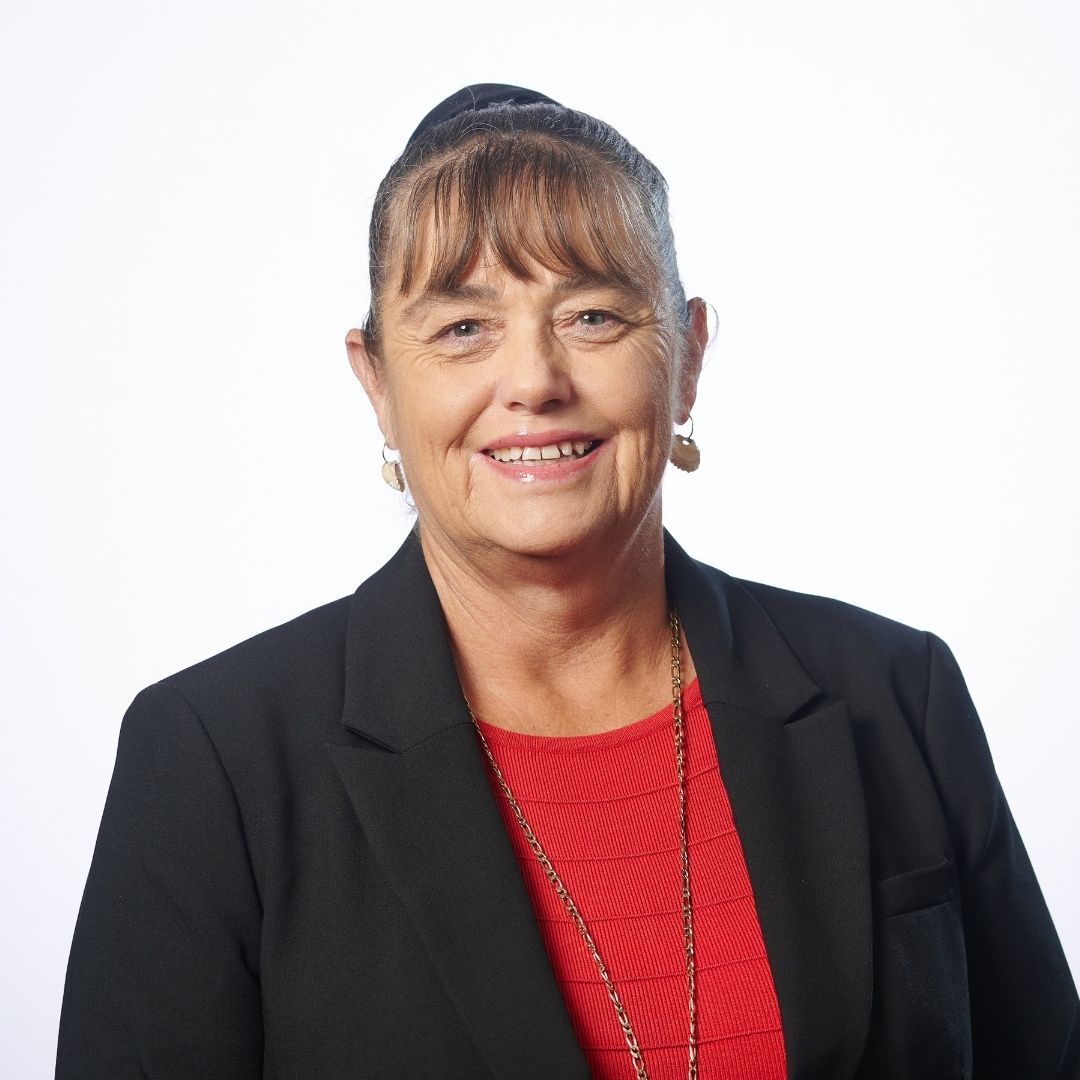
Council budgets are complex; we work on small margins, but at their heart they are about balancing affordability for ratepayers with the need to maintain essential services, renew ageing infrastructure and plan responsibly for a growing community.
This year’s budget highlights the significant cost of delivering services across the region. Employee costs for about 1200 staff are budgeted at $124.932 million, with materials and services at $149.189 million. These include everyday essentials such as contractors, electricity, insurance, gravel and other consumables that keep council operations running.
Council will also pay about $4.9 million – $970K in annual interest on loans and $3.479 million on the unwinding discount on rehabilitation provisions, while depreciation on assets including buildings, roads and underground pipe systems is $107.892 million. While depreciation is not always visible, it reflects the ageing of essential infrastructure residents rely on daily.
Capital expenditure is budgeted at $127.352 million, including new infrastructure such as the Northern Beaches Community Hub and renewals of existing assets. These investments are needed as our region grows and ageing infrastructure must be repaired, renewed or replaced.
Council has worked hard to keep rates lower than many Queensland councils over the past decade. That has helped households, but it also creates pressure. Like a family on a tight budget, council must make careful choices, look for savings and avoid spending beyond its means. Remembering wants versus needs.
In some areas, council has had to reduce activities, services or delay work. I believe we now need to focus strongly on getting core services back to where they should be, while being clear about wants versus needs.
At the same time, the community rightly expects investment in places to live, gather, play and connect. The Northern Beaches, now home to more than 20,000 people, is a clear example of why long-term planning matters. Community infrastructure can take many years to move from an idea and business case through planning, design, funding and construction.
Rate increases are never easy, but they are necessary to meet rising costs, protect essential services and build for the future. My commitment is to keep asking questions and seeking answers about how council can approach future budgets differently. If we keep doing the same thing, we will get the same result. Before the real number crunching begins later this year, we need to be clear about what the next budget should look like and how we can deliver positive change for a liveable, connected and growing region.
Publishers Indemnity. Any individual or entity that places advertising, supplies copy material, or submits editorial content to Core Life Publishing agrees and undertakes to ensure that all such material:- Does not infringe upon any copyright, trademark, or other intellectual property rights;- Is free from any content that could be considered defamatory, libelous, or slanderous;- Does not infringe upon any rights related to privacy or breach of confidence;- Contains no obscene, indecent, or otherwise unlawful material;- Complies fully with the Trade Practices Act and all other applicable laws, regulations, or statutes.Furthermore, by submitting or placing such material, these individuals or entities agree to indemnify and hold harmless the publisher, Core Publishing and Events Pty Ltd, and/or its agents from and against any and all investigations, claims, demands, liabilities, damages, costs, or judgments arising out of or in connection with the material provided. All material is believed to be accurate at the time of printing and remains the copyright of Core Publishing and Events Pty Ltd.
© 2026 Mackay and Whitsunday Life Pty Ltd.