Independently Owned, Locally Grown, Community Loved


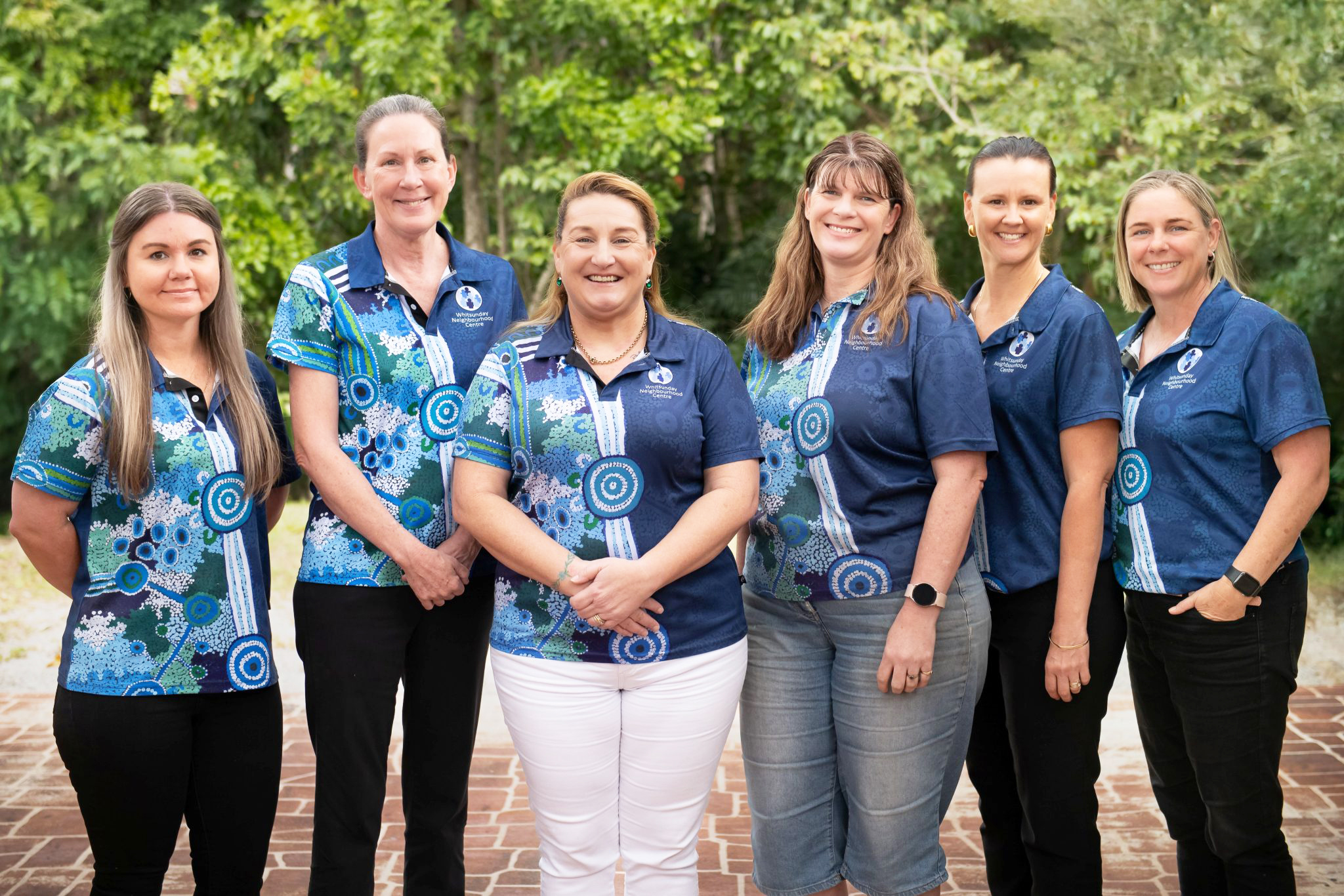
Whitsunday Neighbourhood Centre Executive Officer Rebecca Woods says connection, inclusion and community support are more important than ever as local families continue to navigate rising living costs and housing pressures. Photo source: Whitsunday Neighbourhood Centre
By Chelsea Ravizza
As cost-of-living pressures, housing insecurity and social isolation continue to impact more local families, Whitsunday Neighbourhood Centre Executive Officer Rebecca Woods says community connection has never been more important.
“Connection is at the heart of everything we do,” Ms Woods said.
“Watching people move from crisis toward hope and connection is a powerful reminder of why community-based support matters so much. Sometimes even small acts of support, kindness and human connection can have a lasting impact and while crisis support is important, we also know that strong communities are built through relationships, inclusion and opportunities for people to feel they belong.”
One story that has remained with the team involved a local family who first became connected with the Centre through volunteering opportunities. What began as a chance for the eldest son to build employment skills and confidence gradually evolved into something much greater, with both his sister and mother later becoming involved as well.
Ms Woods said the experience highlighted the powerful ripple effect community support can have, with the family gaining confidence, social connection, improved wellbeing and a renewed sense of purpose through their involvement with the Centre.
“Stories like this remind us that the impact of community support extends far beyond immediate assistance,” she said.
“Sometimes the greatest outcomes come from creating spaces where people feel valued, included and empowered to grow.”
Across the Whitsundays Shire, many individuals and families are struggling to keep pace with rising living costs, including rent, groceries, fuel, electricity and insurance, while housing insecurity and a shortage of affordable rentals continue to place enormous pressure on households. Accessing support services can also prove challenging in regional communities, particularly for those experiencing social isolation, limited transport options, mental health concerns, family stress or domestic and family violence.
Ms Woods said demand for support services had increased significantly in recent years, particularly following the impacts of COVID-19, ongoing housing shortages and rising living costs.
“We are seeing more people seeking emergency relief, financial assistance, referrals, advocacy and help navigating increasingly complex systems,” she explained.
Importantly, Ms Woods said the demographic of people seeking assistance had also broadened, with more working individuals and families now requiring support despite being employed.
“Housing stress is one of the most consistent issues we encounter,” she said.
“Even people with stable incomes are finding it difficult to secure affordable accommodation, and that uncertainty affects every aspect of wellbeing — from mental health to family relationships and employment stability.”
Despite the growing challenges, Ms Woods said the Centre continued to focus not only on crisis support, but also on fostering connection, inclusion and belonging throughout the wider community.
“The Neighbourhood Centre provides welcoming spaces where people can come together, participate in programs, share experiences, build friendships and access support without stigma,” she said.
“Whether it’s through workshops, volunteer opportunities, social groups or even informal conversations over a cup of tea, these moments of connection help reduce isolation and strengthen community wellbeing.”
Beyond direct support services, the Centre also hosts a broad range of outreach programs, allied health services, support groups and community-led activities aimed at improving local access to support while encouraging social connection. These include employment support services, counselling programs, health and wellbeing initiatives, volunteer Justice of the Peace services, fitness and social activities for seniors, children’s programs, creative groups and community gatherings.
Ms Woods said providing a central and welcoming community hub helped ensure residents could access important services locally, particularly those experiencing financial hardship, disability, transport limitations or social isolation.
“For many people, simply knowing there is a safe and supportive place they can walk into makes a real difference,” she said.
Looking to the future, Ms Woods said her hope was for a Whitsundays community where everyone feels supported, connected and able to access help when challenges arise.
“We want to see greater housing stability, stronger mental health supports, increased opportunities for young people and families, and a community where no one feels alone during difficult times,” she said.
Ms Woods encouraged locals to support the work of the Neighbourhood Centre through volunteering, donations, attending community events, supporting local initiatives or simply checking in on neighbours who may be struggling.
“Community wellbeing is everyone’s responsibility, and some of the most meaningful change happens when people come together with kindness, understanding and a willingness to help,” she said.
“At the same time, there is a strong sense of resilience within our community. People genuinely care about one another, and we continue to see neighbours helping neighbours during difficult times.”

Publishers Indemnity. Any individual or entity that places advertising, supplies copy material, or submits editorial content to Core Life Publishing agrees and undertakes to ensure that all such material:- Does not infringe upon any copyright, trademark, or other intellectual property rights;- Is free from any content that could be considered defamatory, libelous, or slanderous;- Does not infringe upon any rights related to privacy or breach of confidence;- Contains no obscene, indecent, or otherwise unlawful material;- Complies fully with the Trade Practices Act and all other applicable laws, regulations, or statutes.Furthermore, by submitting or placing such material, these individuals or entities agree to indemnify and hold harmless the publisher, Core Publishing and Events Pty Ltd, and/or its agents from and against any and all investigations, claims, demands, liabilities, damages, costs, or judgments arising out of or in connection with the material provided. All material is believed to be accurate at the time of printing and remains the copyright of Core Publishing and Events Pty Ltd.
© 2026 Mackay and Whitsunday Life Pty Ltd.