Independently Owned, Locally Grown, Community Loved
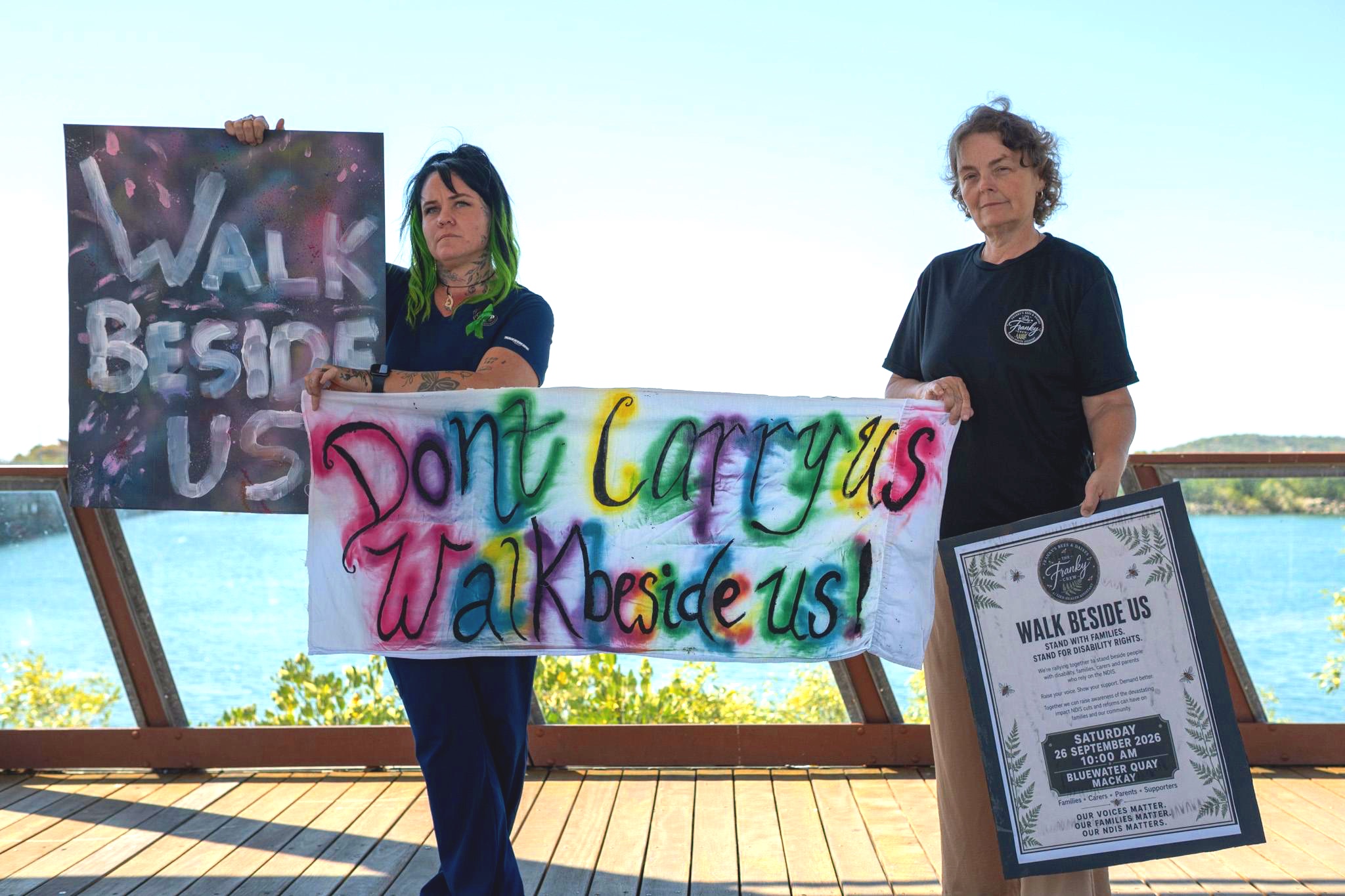

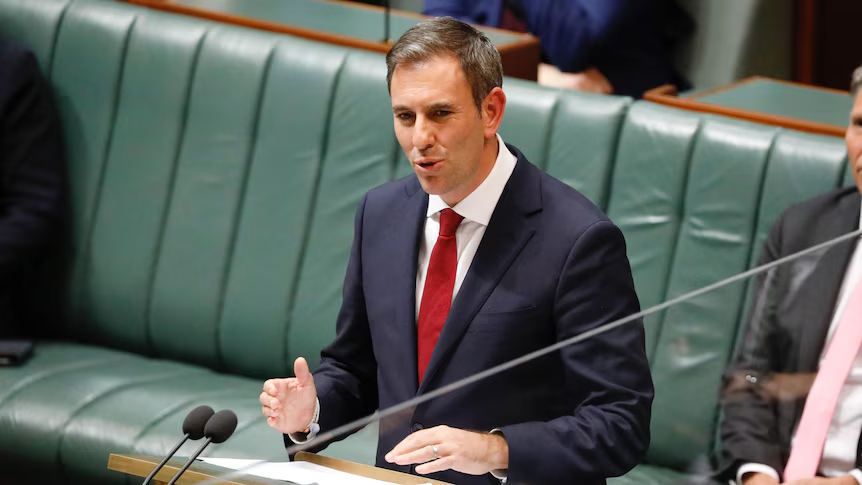
Federal Member For Dawson Andrew Willcox called the 2026 Federal Budget a ‘slap in the face.’ Photo supplied

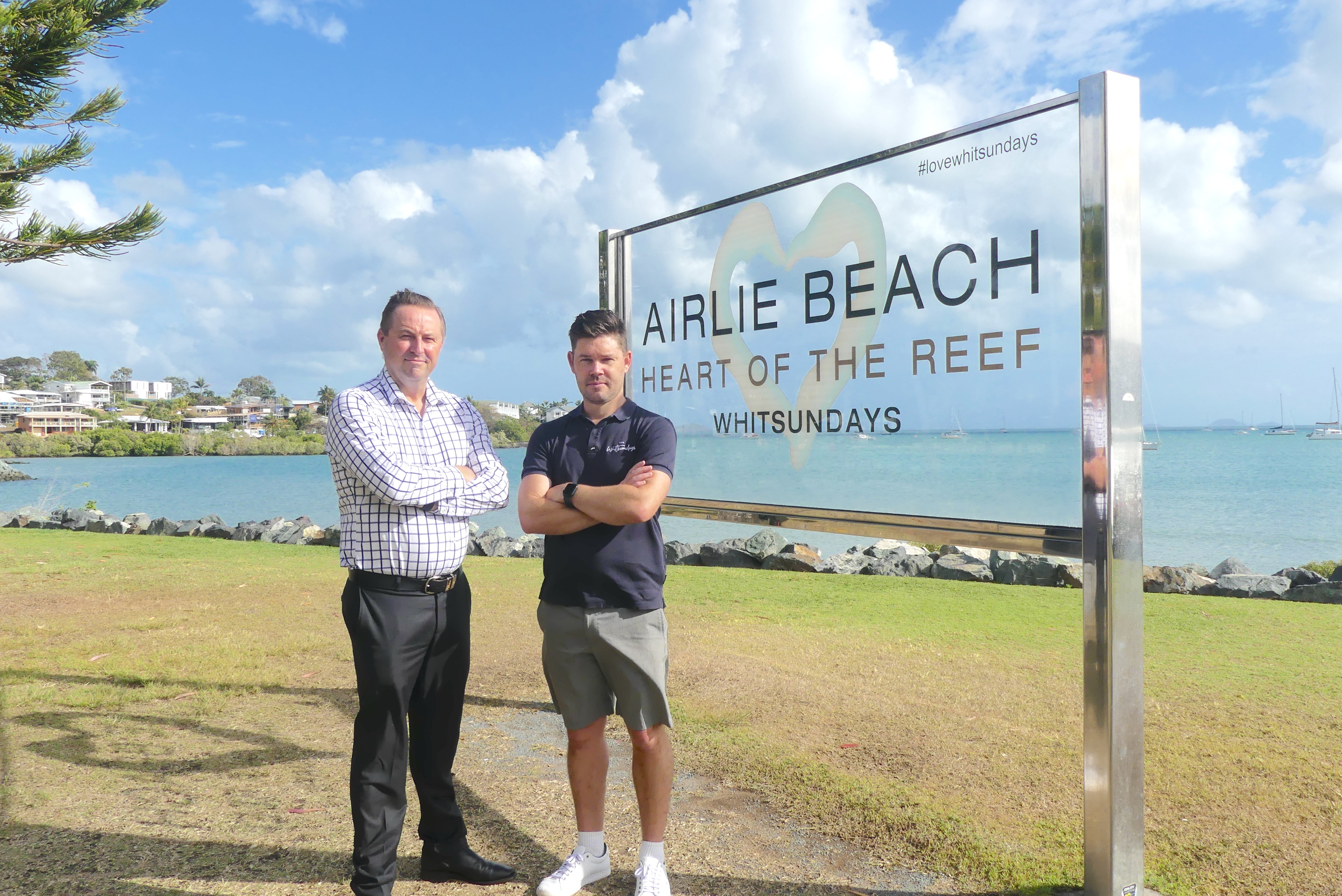
The Federal Government has committed almost $92 million towards protecting and restoring the Great Barrier Reef in Tuesday night’s Federal Budget, in a move expected to deliver flow-on benefits for tourism communities across the Whitsundays, Mackay and North Queensland.
The Budget includes $91.8 million over two years from 2026–27 for reef protection and restoration activities, including funding for reef restoration projects, sustainability initiatives and tourism stewardship programs.
Funding allocations include:
The measure extends previous Reef 2050 sustainability and reef restoration funding programs announced in earlier Federal Budgets and election commitments.
Budget papers showed additional environmental funding measures across the Climate Change, Energy, Environment and Water portfolio, including:
Additional funding for reef protection through the Great Barrier Reef Marine Park Authority includes $20.3 million in 2026–27 and $14.6 million in 2027–28.
The Federal Government said the funding would continue activities aimed at protecting reef ecosystems while supporting long-term tourism sustainability.
The announcement is expected to be welcomed by tourism operators across the Whitsundays, where the reef remains a major economic driver supporting marine tourism, hospitality and local jobs.
Alongside environmental spending, the Federal Government said the Budget focused heavily on cost-of-living relief, fuel security, housing affordability and productivity reforms amid ongoing global economic pressures.
Prime Minister Anthony Albanese said the Budget was aimed at helping Australians manage rising costs while building long-term economic resilience.
“This is a responsible Budget that is all about resilience and reform,” Mr Albanese said.
“It’s all about getting Australians through the global oil shock and building an economy that works for more people.”
Among the headline national measures announced were new tax relief for workers through a $250 Working Australians Tax Offset, a $1,000 instant tax deduction, temporary fuel excise relief, housing supply initiatives and expanded healthcare access.
The Government also unveiled a $14.8 billion fuel resilience package, including a $7.5 billion Fuel and Fertiliser Security Facility and a $3.2 billion Australian Fuel Security Reserve.
However, while reef funding featured prominently, there was little direct infrastructure spending announced specifically for the Mackay or Whitsunday regions in the Budget papers released Tuesday night.
One of the largest Queensland transport commitments announced was $812.5 million for Stage 2 of the Bruce Highway upgrade between the Gateway Motorway and Dohles Rocks Road in South East Queensland.
The absence of major new Bruce Highway commitments for regional North Queensland is likely to fuel ongoing concerns around road safety, freight reliability and flood resilience on northern sections of the highway frequently used by Mackay and Whitsunday residents.
The Budget also included $1 million over two years from 2026–27 for the Australian Securities and Investments Commission to maintain the North Queensland home insurance comparison website, aimed at helping residents navigate rising insurance premiums across cyclone-prone regions.
Additional funding measures announced for Far North Queensland included $1.1 million in 2026–27 to Cape and Torres Health Commissioning Ltd to continue providing culturally appropriate healthcare services for First Nations people in Far North Queensland.
The Government will also extend the delivery timeframe of the Preventive Health Programs in Far North Queensland election commitment by one year to 30 June 2027, to finalise delivery of locally tailored preventive health services in Cairns and Far North Queensland.
Federal Member for Dawson Andrew Willcox criticised the Budget, describing it as a “budget of broken promises and cuts” that failed regional Queensland.
“Regional Australians in Dawson are the innocent victims of Labor’s all-out assault on aspiration,” Mr Willcox said.
He described the Budget as a “high-tax, high-spending blueprint” that abandoned regional Australians.
“Labor is attempting to distract families with a $250 tax benefit that most people won’t even see in their bank accounts until 2028,” he said.
“This is a slap in the face, it doesn't even cover the promised $275 power bill reduction that Anthony Albanese failed to deliver.”
Across the Budget, Mr Willcox claimed regional Australians faced more than $11 billion in cuts, including:
Mr Willcox also criticised the Government’s renewable energy and migration policies.
“This Budget reveals that Labor will spend another $18.2 billion on net zero,” he said.
“Labor’s net zero spending now equals at least $80 billion. Labor plans for almost 300,000 people to migrate to Australia next financial year.
“Labor has flown the white flag on trying to increase the wealth of Australians. This Budget does not invest in new roads, new dams and new mines to increase Australia’s economy.”
Treasurer Jim Chalmers described the budget as "the most important and ambitious in decades”, delivering "a fairer tax system for workers, first home buyers and future generations”.
According to Mr Chalmers the plan focuses on ‘reform’, to ‘level the playing field for first home buyers’, and support workers through "the most meaningful, permanent increase to the effective tax-free threshold since Labor last increased it more than a decade ago.”
In his speech Mr Chalmers also highlighted that the budget delivers the largest savings package "on record", with $63.8 billion in savings.
Further details on regional funding allocations and project delivery are expected to emerge in coming days as councils, tourism bodies, industry groups and Federal MPs continue analysing the Budget’s impact on Mackay, the Whitsundays and wider North Queensland.
Publishers Indemnity. Any individual or entity that places advertising, supplies copy material, or submits editorial content to Core Life Publishing agrees and undertakes to ensure that all such material:- Does not infringe upon any copyright, trademark, or other intellectual property rights;- Is free from any content that could be considered defamatory, libelous, or slanderous;- Does not infringe upon any rights related to privacy or breach of confidence;- Contains no obscene, indecent, or otherwise unlawful material;- Complies fully with the Trade Practices Act and all other applicable laws, regulations, or statutes.Furthermore, by submitting or placing such material, these individuals or entities agree to indemnify and hold harmless the publisher, Core Publishing and Events Pty Ltd, and/or its agents from and against any and all investigations, claims, demands, liabilities, damages, costs, or judgments arising out of or in connection with the material provided. All material is believed to be accurate at the time of printing and remains the copyright of Core Publishing and Events Pty Ltd.
© 2026 Mackay and Whitsunday Life Pty Ltd.