Independently Owned, Locally Grown, Community Loved
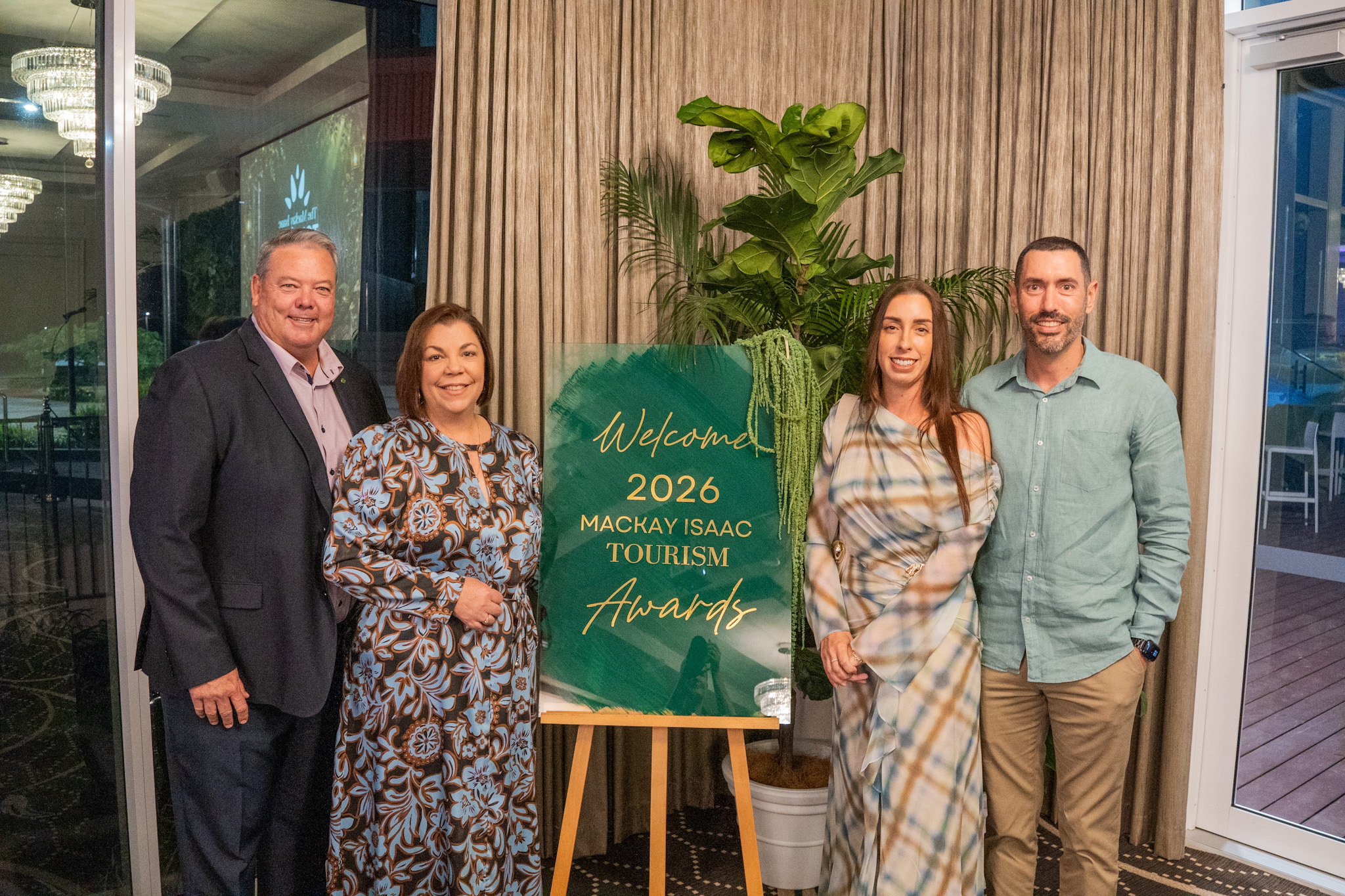


Federal Member for Dawson Andrew Willcox with Mackay RSL Sub-Branch President Ken Higgins OAM.
Government claims changes will support larger, ongoing veteran health investment.
Federal Member for Dawson Andrew Willcox has labelled the Australian Government’s budgetary decision to cap the Department of Veterans’ Affairs (DVA) allied health services to an annual limit of $5000 “a profound betrayal of the men and women who have sacrificed so much for our nation.”
The Australian Government stated that the cap was instated to support a larger investment in Veteran health, pledging $169.7 million over five years from 2025–26 (and $58.8 million per year ongoing), to increase allied health provider fees for Veteran Card holders from 1st July 2027.
They call it “the largest investment in veteran allied health provider fees in more than 20 years,” which “will improve choice and availability of services for veterans and families of veterans.”
According to the DVA, the cap will redistribute funds, whilst aiming to target overservicing from providers.
“Under this arrangement, Veteran Card holders will continue to access the treatment they need, while ensuring they are not taken advantage of by providers looking to increase profits through overservicing,” the DVA published.
“DVA is committed to supporting the health and wellbeing of veterans and recognises that health care needs are individual and can change over time. That is why this measure includes flexibility for DVA to fund allied health services above $5,000 amount where there is a valid clinical need, ensuring veterans receive the care they require.”
Mr Willcox has spoken out about the change, calling the cap a “cruel cost-shifting measure.”
“Getting regular help from an exercise physiologist or a psychologist is a massive part of preventing veteran suicide,” he said.
“It gets men and women sorted before they hit rock bottom. Keeping veterans well on the frontline saves lives, and it stops them needing much more expensive medical treatment down the track."
“To see this critical funding degraded is deeply disappointing.”
Publishers Indemnity. Any individual or entity that places advertising, supplies copy material, or submits editorial content to Core Life Publishing agrees and undertakes to ensure that all such material:- Does not infringe upon any copyright, trademark, or other intellectual property rights;- Is free from any content that could be considered defamatory, libelous, or slanderous;- Does not infringe upon any rights related to privacy or breach of confidence;- Contains no obscene, indecent, or otherwise unlawful material;- Complies fully with the Trade Practices Act and all other applicable laws, regulations, or statutes.Furthermore, by submitting or placing such material, these individuals or entities agree to indemnify and hold harmless the publisher, Core Publishing and Events Pty Ltd, and/or its agents from and against any and all investigations, claims, demands, liabilities, damages, costs, or judgments arising out of or in connection with the material provided. All material is believed to be accurate at the time of printing and remains the copyright of Core Publishing and Events Pty Ltd.
© 2026 Mackay and Whitsunday Life Pty Ltd.