Independently Owned, Locally Grown, Community Loved

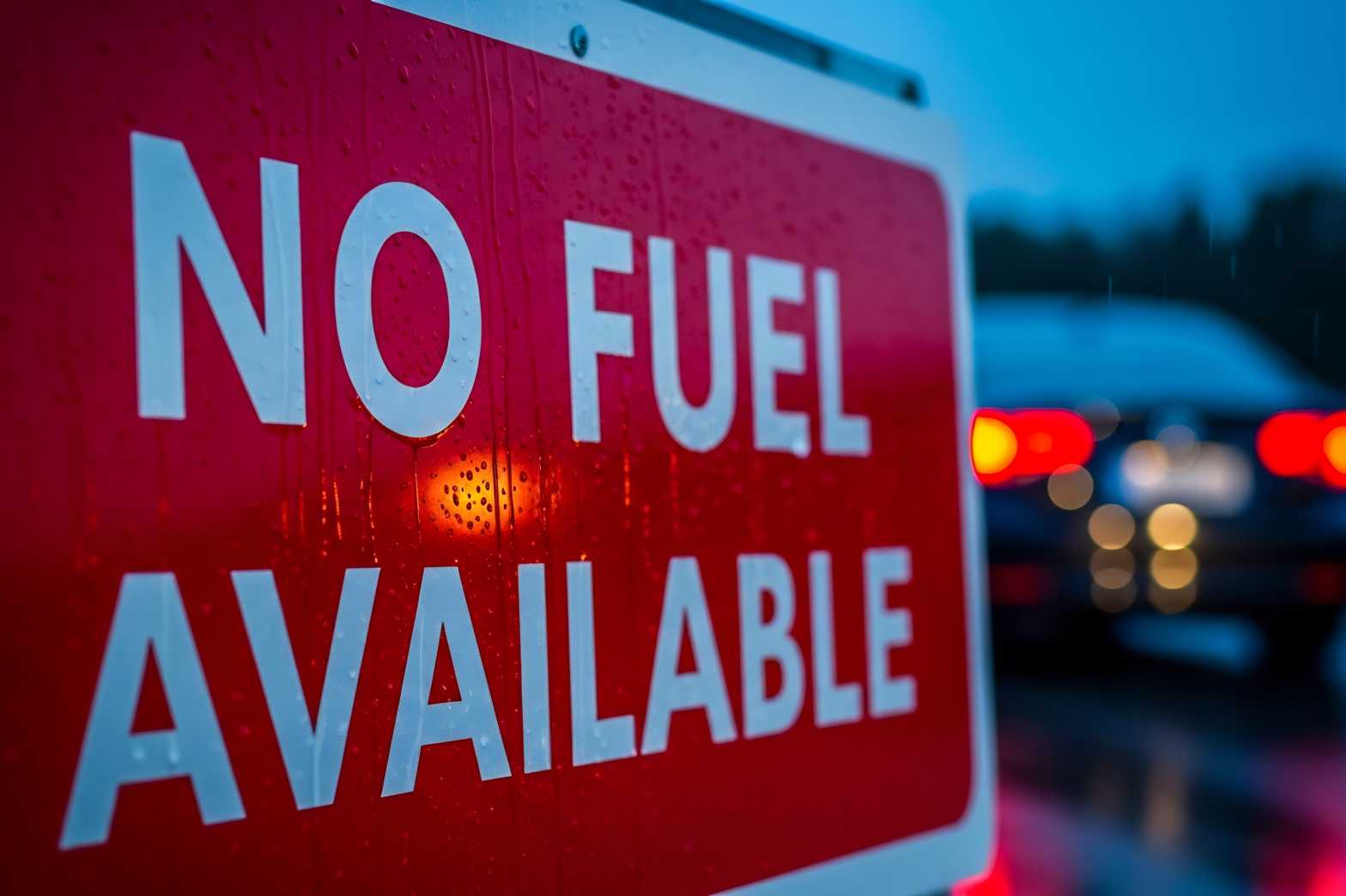
Australia’s sugarcane industry is facing mounting pressure just weeks out from harvest, with growers reporting they have access to only around five per cent of the fuel required to complete the crush.
At the same time, fertiliser supply is becoming increasingly uncertain, raising concerns not only about this year’s harvest, but the viability of next season’s crop.
A new supply chain impact report compiled by CANEGROWERS, with input from industry organisations and farmers across Queensland and New South Wales, paints a stark picture of the challenges facing the sector. The report reveals that uncertainty around fuel and fertiliser is already influencing on-farm decision-making, with growers reassessing plans in response to rising costs and limited availability.
CANEGROWERS surveyed growers across Queensland and worked alongside NSW Cane Growers and sugar manufacturers to develop a national overview. The findings show up to 98 per cent of growers are concerned about shortages and escalating prices, with the cost of key inputs now exceeding the global sugar price many producers are exposed to.
Fuel has emerged as the most immediate concern, with almost a quarter of growers unable to secure the volumes they require. Meanwhile, nearly 90 per cent say they are already altering or reconsidering farm operations due to ongoing uncertainty.
CANEGROWERS CEO Dan Galligan said the findings confirmed that global supply pressures are now being felt directly on Australian farms.
“This is not a theoretical risk – it is already changing how growers make decisions on farm,” Mr Galligan said.
"And that shows how astute their risk management practices are, and how fair ahead farmers need to plan. This is about income at risk this season and production at risk next season."
He warned the consequences would extend well beyond the farm gate.
“When production drops, the impact doesn’t stop at the farm gate – it flows through to harvesting contractors, transport operators, sugar manufacturers and local businesses right across regional Queensland and Northern NSW.
“At a broader level, reduced production means less export income and more pressure flowing through the economy at a time when Australia can least afford it.”
Mr Galligan said CANEGROWERS was working closely with government and industry to minimise disruption and ensure agriculture is prioritised in fuel supply decisions.
“Our job is to make sure growers are not left at the back of the queue when supply tightens,” he said.
“We’re working directly with State and Federal governments to ensure agriculture is prioritised in fuel supply decisions, provide real-time data on shortages, and coordinate an industry-wide response so there are no gaps in how the sector responds.”
Efforts are underway across multiple levels, including engagement with the Queensland Government’s Emergency Management Response Group, collaboration with the National Farmers’ Federation, and coordination with manufacturers, marketers and terminal operators across the sugar supply chain.
However, Mr Galligan said the situation had exposed deeper structural issues, prompting frustration among growers.
“Australia is not short of fuel options, but we are not using them effectively,” he said.
“We have domestic capacity – particularly in ethanol – sitting underutilised, and without clear policy settings that will not change.
“A properly enforced national E10 mandate would help drive investment, increase domestic production and reduce our reliance on imported fuel and a strategy driver for diversification into biodiesel and rebuilding domestic fertiliser production is clearly needed.”
He said without decisive action, similar challenges would continue to threaten the industry.
“If we want to avoid being in this position again, fuel and fertiliser security need to be treated as a national priority, not an afterthought, issues we have known but seen ignored for decades, now we are paying the price.”
CAPTION: Events in the Middle East might seem a long way from Queensland’s cane paddocks, but they are a timely reminder of how exposed Australia is when it comes to fuel. Photo source: CANEGROWERS
Publishers Indemnity. Any individual or entity that places advertising, supplies copy material, or submits editorial content to Core Life Publishing agrees and undertakes to ensure that all such material:- Does not infringe upon any copyright, trademark, or other intellectual property rights;- Is free from any content that could be considered defamatory, libelous, or slanderous;- Does not infringe upon any rights related to privacy or breach of confidence;- Contains no obscene, indecent, or otherwise unlawful material;- Complies fully with the Trade Practices Act and all other applicable laws, regulations, or statutes.Furthermore, by submitting or placing such material, these individuals or entities agree to indemnify and hold harmless the publisher, Core Publishing and Events Pty Ltd, and/or its agents from and against any and all investigations, claims, demands, liabilities, damages, costs, or judgments arising out of or in connection with the material provided. All material is believed to be accurate at the time of printing and remains the copyright of Core Publishing and Events Pty Ltd.
© 2026 Mackay and Whitsunday Life Pty Ltd.



.jpg)