Independently Owned, Locally Grown, Community Loved


The Queensland Government has confirmed major progress on its fully funded Hospital Rescue Plan, unveiling clear timelines for hospital upgrades and new facilities across the state — with Mackay set to benefit as part of a strengthened regional health network.
The plan has reached a significant milestone, with masterplans finalised for key hospital projects including Townsville University Hospital, Toowoomba Hospital, Coomera Hospital, Redcliffe Hospital and Bundaberg Hospital, alongside confirmed planning details for major upgrades at hospitals across Queensland.
The Government said the plan was introduced after inheriting what it described as a failed and under-funded health infrastructure program, which resulted in major delays, missing services and $7 billion in cost blowouts.
Under the Hospital Rescue Plan, the government is delivering a coordinated and fully costed approach to hospital construction and upgrades, aimed at restoring health services and delivering urgently needed hospital beds across Queensland.
While Mackay is not listed for a major hospital expansion under the current tranche of projects, the region is expected to benefit directly through the Queensland Cancer Plan, which will establish Mackay as one of several specialist cancer service hubs across the state. The network will support regional hospitals and improve access to cancer care for communities outside Brisbane.
As part of the statewide plan, specialist cancer hubs will be established in Cairns, Townsville, Mackay, Wide Bay, Darling Downs, Brisbane and the Gold Coast, helping reduce the need for patients to travel long distances for treatment.
Across Queensland, the Hospital Rescue Plan will deliver at least 2,600 additional hospital beds through new hospitals, expansions and upgrades, representing the largest hospital infrastructure investment in the state’s history.
Major hospital projects are already moving forward, including expansions at Townsville University Hospital, which will deliver at least 165 new beds by 2028, and Bundaberg Hospital, which is set to receive more than 200 new beds along with an expanded emergency department and improved maternity services by 2031.
Minister for Health and Ambulance Services Tim Nicholls said the government was focused on delivering hospital beds and services when Queenslanders need them most.
"Our fully-funded Hospital Rescue Plan is delivering new and expanded hospitals, 2,600 new hospital beds and health services when Queenslanders need them most," Minister Nicholls said.
"After Labor’s decade of decline that left the system in crisis and without a credible path to building the hospital beds needed, Queenslanders are starting to see the results of getting our hospital build back on track with masterplans, designs and construction moving forward.
"We’ve put to bed the poor planning, delays and cost blowouts we inherited and we’re now delivering the hospital beds Queensland needs now and into the future."
Queensland Health Implementation Lead Sam Sangster said extensive planning was underway to ensure hospital projects met the needs of local communities across the state.
“These masterplans mark an exciting first step in the process where Queenslanders will begin to see work intensifying on sites across the state,” Mr Sangster said.
“It’s important to take the time to properly plan these major projects to ensure we leave a lasting legacy through sustainable infrastructure that caters for staff, clinicians, patients and their families.”
The Queensland Government said the Hospital Rescue Plan marked a turning point for health infrastructure delivery, providing certainty for communities like Mackay through improved access to specialist services and a stronger statewide hospital network.
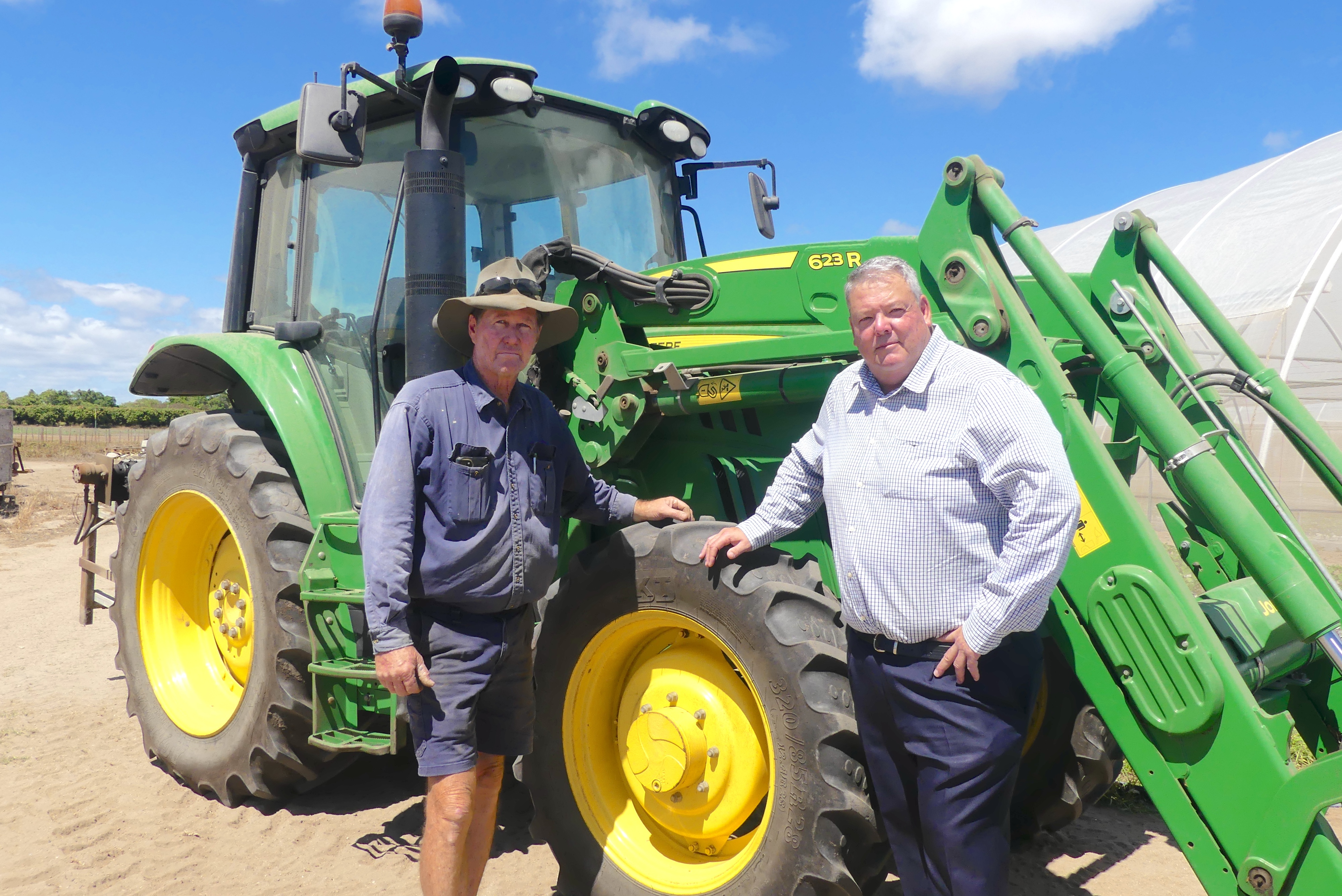
The Government is determined to deliver the resources Queensland hospitals need. Photo supplied
Publishers Indemnity. Any individual or entity that places advertising, supplies copy material, or submits editorial content to Core Life Publishing agrees and undertakes to ensure that all such material:- Does not infringe upon any copyright, trademark, or other intellectual property rights;- Is free from any content that could be considered defamatory, libelous, or slanderous;- Does not infringe upon any rights related to privacy or breach of confidence;- Contains no obscene, indecent, or otherwise unlawful material;- Complies fully with the Trade Practices Act and all other applicable laws, regulations, or statutes.Furthermore, by submitting or placing such material, these individuals or entities agree to indemnify and hold harmless the publisher, Core Publishing and Events Pty Ltd, and/or its agents from and against any and all investigations, claims, demands, liabilities, damages, costs, or judgments arising out of or in connection with the material provided. All material is believed to be accurate at the time of printing and remains the copyright of Core Publishing and Events Pty Ltd.
© 2026 Mackay and Whitsunday Life Pty Ltd.