Independently Owned, Locally Grown, Community Loved
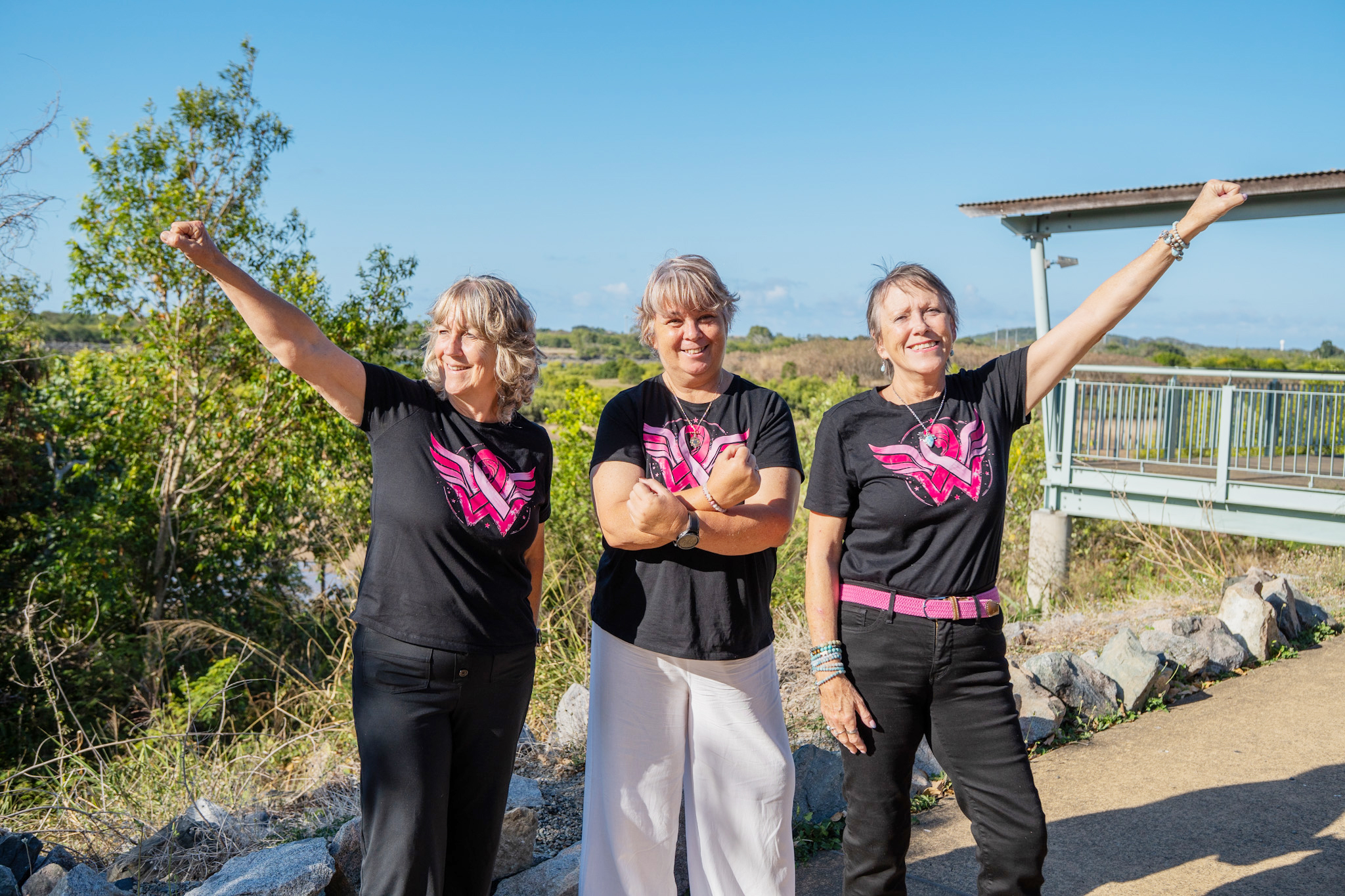

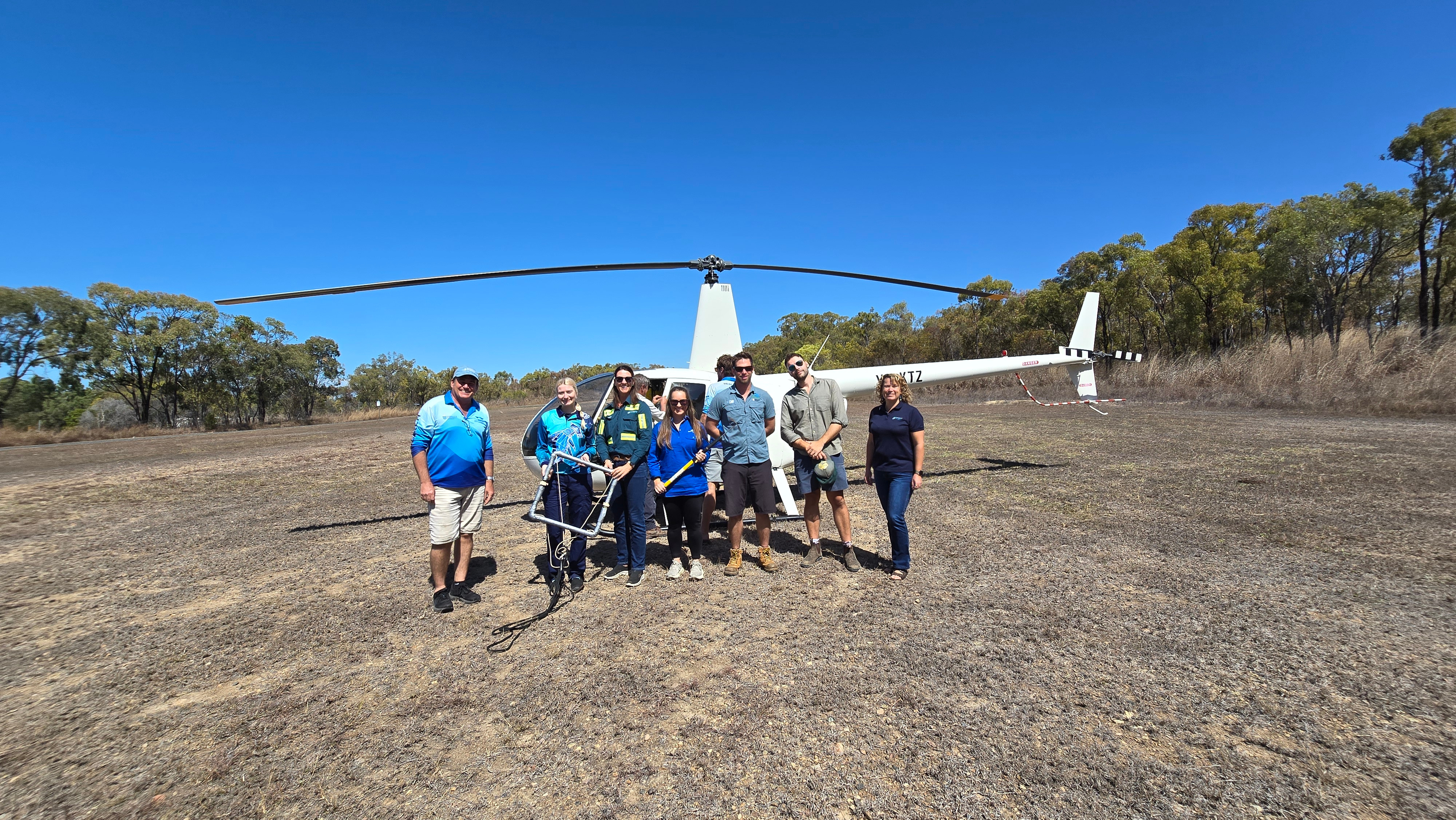
Whales of the Whitsundays team celebrating when the Whitsundays was formally recognised as a Whale Heritage Site. Photo supplied
There are a lot of things that make the Whitsundays special. Beautiful islands, the great barrier reef, a wonderful community. But in addition to all of that – this region has special ecological features that the rest of the country can look upon with envy. Every year, the Whitsundays serves as a breeding ground and cohabitation spot for one of planet earths most magnificent creatures: the whale.
A few years ago, a huge effort was put forward by the Whitsunday Conservation Council and Whale of the Whitsundays to make the area a Whale Heritage Area – resulting in a resounding success.
This was particularly special because the Whitsundays was the first whale heritage site located in a UNESCO world heritage area and now features a special whale protection area zone.
“It’s a major birthing zone for humpbacks. A lot of locals don’t realise how many humpbacks visit the area, let alone how significant the East coast population is,” said Kellie Leonard, Master Reef Guide and Whale of the Whitsundays member.
Every year humpback whales migrate from the Antarctic to the warm water of the Great Barrier Reef – this is due to take place in just a few weeks.
In 2009, researchers discovered that whales gave birth right here in the Whitsundays. The Whitsundays is proven to be a perfect location for breeding thanks to deep troughs close to shallow reef, where whales can give birth and then move their calves to shallow water. In shallow water there is less chance of predator attack from below and the mother can support the calf near the surface so it can breathe.
The establishment of thriving breeding ground is incredible for a species that were almost wiped out decades ago due to mass illegal whale culling.
“They recovered amazingly from the whaling in the 60s. Their comeback is quite a remarkable story,” shared Ms Leonard.
Another fascinating and beautiful aspect of whales and whale research, is whale’s songs.
The local organisations in collaboration with Queensland University has carried out significant research into one of nature’s most interesting phenomena.
“We have been recoding humpback whale songs in the Whitsundays during the past two whale seasons. The songs are submitted to the University of Queensland, specifically the Centre for Marine Science,” added Ms Leonard.
With the help of the director – Professor Michael Noad and PhD student Genevieve Williams, the research has provided incredible findings.
“The songs of these whales are one of the most complex acoustic displays of any animal known. Social sounds are made by all whales; however only male humpback whales sing songs.”
%20Glen%20Bradford%20Whale.jpeg)
The songs even have a structure.
“There are seven individual populations of humpback whales in the southern hemisphere. The Australian East Coast humpback whales are a single population. Amazingly, all males in one population sing the same song.”
Humpbacks can be located based on the content of their song. They listen to each other’s song and incorporate each other’s evolutions as part of their social learning.
Songs are recorded through a hydrophone – an underwater microphone connected to an amplifier and recording device. Humpback whales can be recorded from 5 to 10 kilometres away.
%20Jo%20Chook.jpeg)
Kellie has personally recorded whale song off the coast of Hamilton Island and posted it to Facebook.
“Often, I’m in the water with a hydrophone. I can’t see them, but I know they’re there.”
Whale research and sighting may seem reserved for experts, however, Whale of the Whitsundays are actively urging the broader community to get involved.
“There is an app called Eye of the Reef. All you need to do is upload photos and videos of sightings you have.”
Whale of the Whitsundays will be hosting an information night on the 19th May at the Whitsunday Sailing Club at 6.30pm.
WHAT: Whitsunday Whale Heritage Area Information Night
WHEN: 19th May, 6.30pm
WHERE: Whitsunday Sailing Club
Publishers Indemnity. Any individual or entity that places advertising, supplies copy material, or submits editorial content to Core Life Publishing agrees and undertakes to ensure that all such material:- Does not infringe upon any copyright, trademark, or other intellectual property rights;- Is free from any content that could be considered defamatory, libelous, or slanderous;- Does not infringe upon any rights related to privacy or breach of confidence;- Contains no obscene, indecent, or otherwise unlawful material;- Complies fully with the Trade Practices Act and all other applicable laws, regulations, or statutes.Furthermore, by submitting or placing such material, these individuals or entities agree to indemnify and hold harmless the publisher, Core Publishing and Events Pty Ltd, and/or its agents from and against any and all investigations, claims, demands, liabilities, damages, costs, or judgments arising out of or in connection with the material provided. All material is believed to be accurate at the time of printing and remains the copyright of Core Publishing and Events Pty Ltd.
© 2026 Mackay and Whitsunday Life Pty Ltd.