Independently Owned, Locally Grown, Community Loved


Mackay sugarcane growers are playing a key role in major new research aimed at securing effective and sustainable canegrub control, as current chemical options face potential restrictions.
Canegrubs are among the most costly pests affecting sugarcane, with moderate infestations reducing yields by 10–20 per cent and severe outbreaks cutting production by more than 40 per cent — the equivalent of around 30 tonnes of cane per hectare. Across the industry, unchecked canegrub damage is estimated to cost up to $60 million annually.
Neonicotinoid insecticides are currently the primary control option. However, these products are under review by the Australian Pesticides and Veterinary Medicines Authority, with strong indications their use could be restricted or phased out by 2028–29.
In response, Sugar Research Australia (SRA) is leading a major project to identify alternative insecticides. Following laboratory screening of 23 products, up to 10 promising options have progressed to large-scale field trials, including sites in Mackay.
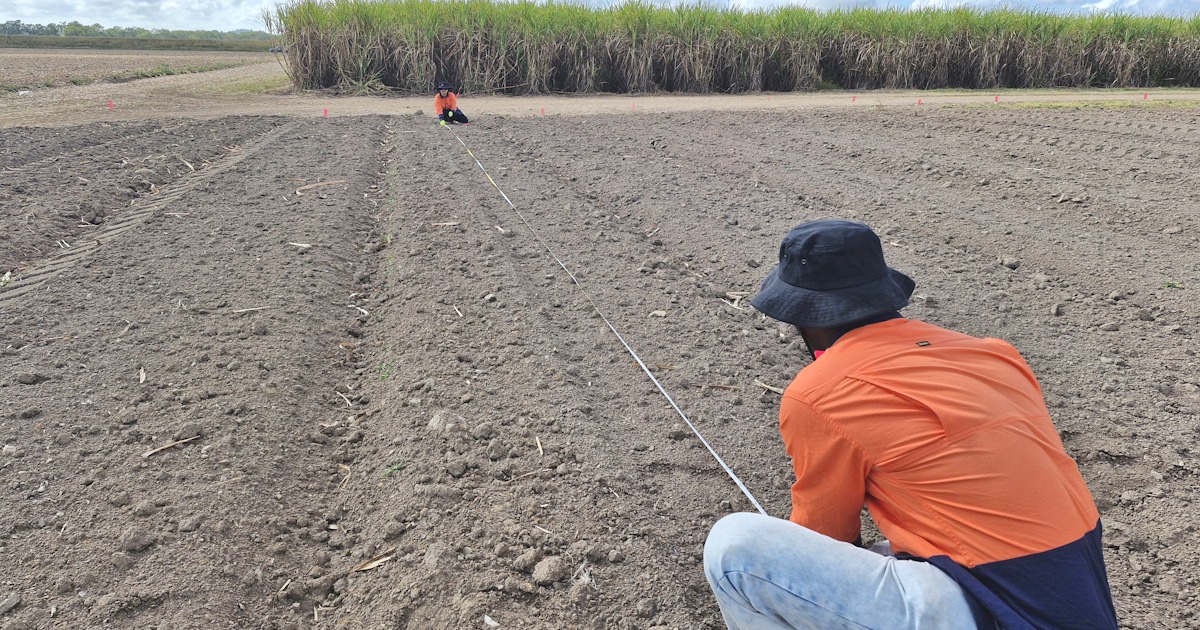
Chemical applications were completed in November across 12 trial sites statewide, with treatments applied to both plant cane and first ratoon crops. Throughout 2026, the Mackay trials will be closely monitored to assess effectiveness, yield protection, soil persistence, and water mobility, ensuring any future recommendations meet environmental standards. Preliminary field results are expected by the end of the year, with full datasets ready by 2028.
The research is expected to deliver new tools that protect Mackay cane yields, reduce long-term costs, and support sustainable farming into the next decade.
The research project ‘Beyond imidacloprid’ now has many sites treated across Queensland. Photo source: SRA
Publishers Indemnity. Any individual or entity that places advertising, supplies copy material, or submits editorial content to Core Life Publishing agrees and undertakes to ensure that all such material:- Does not infringe upon any copyright, trademark, or other intellectual property rights;- Is free from any content that could be considered defamatory, libelous, or slanderous;- Does not infringe upon any rights related to privacy or breach of confidence;- Contains no obscene, indecent, or otherwise unlawful material;- Complies fully with the Trade Practices Act and all other applicable laws, regulations, or statutes.Furthermore, by submitting or placing such material, these individuals or entities agree to indemnify and hold harmless the publisher, Core Publishing and Events Pty Ltd, and/or its agents from and against any and all investigations, claims, demands, liabilities, damages, costs, or judgments arising out of or in connection with the material provided. All material is believed to be accurate at the time of printing and remains the copyright of Core Publishing and Events Pty Ltd.
© 2026 Mackay and Whitsunday Life Pty Ltd.