Independently Owned, Locally Grown, Community Loved

Mackay Regional Council is taking a step toward a greener future, launching a new trial aimed at cutting carbon emissions from equipment used by outdoor crews.
The initiative will see more than a dozen battery-powered tools put to the test, as council explores both the cost and environmental benefits of transitioning away from traditional petrol-powered machinery.
Mayor Greg Williamson said the modelling done by council officers is very encouraging.
“We estimate that in a five-year period, council could reduce their CO2 emissions from this kind of equipment from almost 11 tonnes to about three tonnes,” Mayor Williamson said.
“With the current volatility of fuel prices, any reduction in our reliance on petrol will offer a financial benefit to ratepayers, with electricity charging costs at about $0.24 per kilowatt hour. That’s significantly less than the current cost of fuel,” he said.
“If 100 petrol tools were replaced with battery-electric equivalents, we could see cost savings of about $28,000 over five years and more than 800-tonnes of CO2 emissions reduced.”
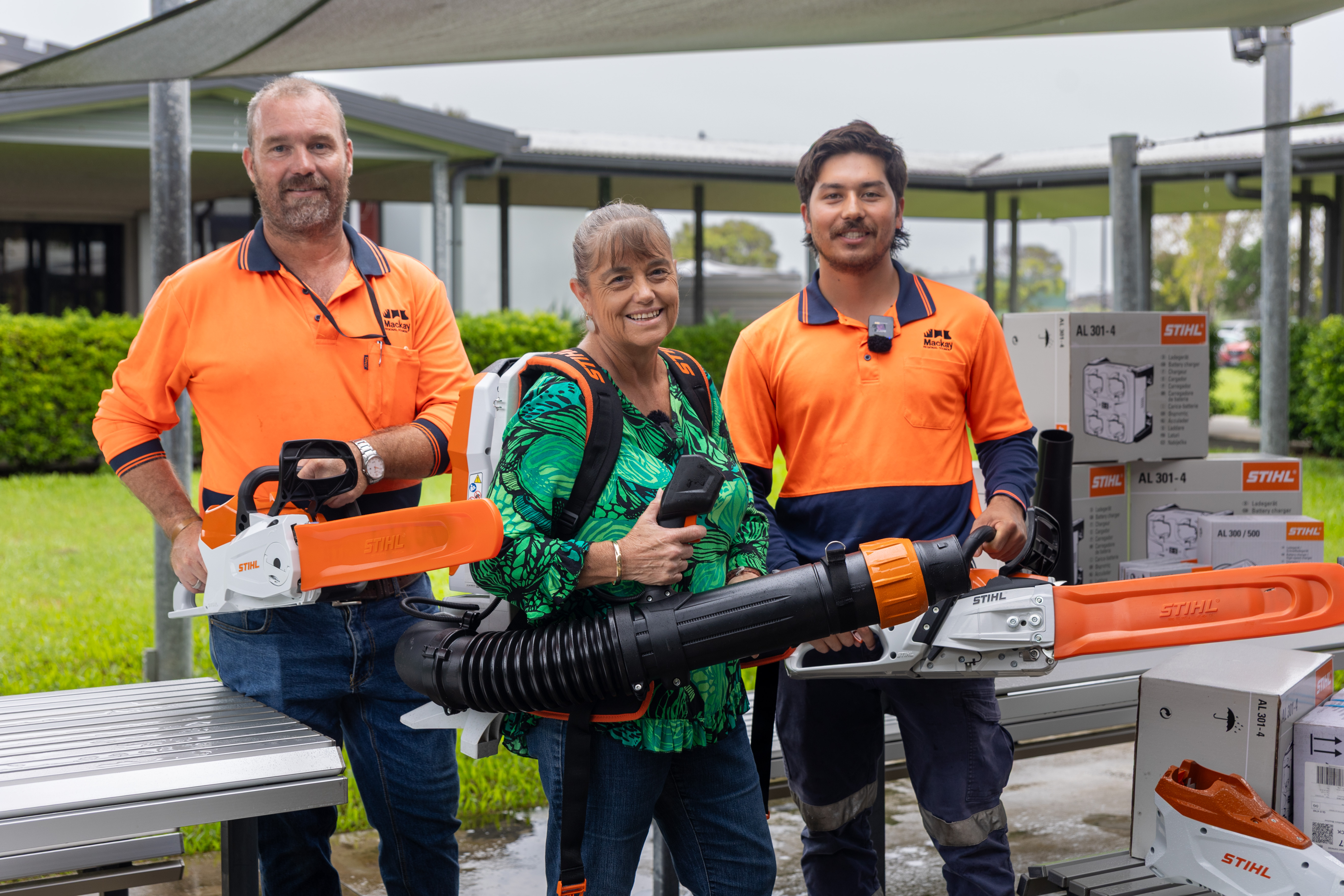
Among the equipment purchased for the trial is brush cutters, whipper snippers, blowers and chainsaws.
Sustainability Strategic Advisory Committee co-Chair Cr Alison Jones said there are other benefits to the community and staff.
“Often the equipment is lighter than petrol-powered – reducing strain and fatigue on staff, and by moving away from fuelled equipment we are removing any workplace hazards around airborne particulates,” Cr Jones said.
“The battery-powered equipment is also quieter, meaning that council staff can use them at expanded times and locations.”
The trial aims to determine if projections around cost and CO2 emissions reductions are correct and if the equipment is fit for purpose.
It’s also part of council’s goal to reduce emissions and achieve net zero by 2050, in line with Australia’s international commitments.
The trial will run for three years, with council officers to review how many tools and batteries are still viable and which tools are preferred and fit-for-purpose
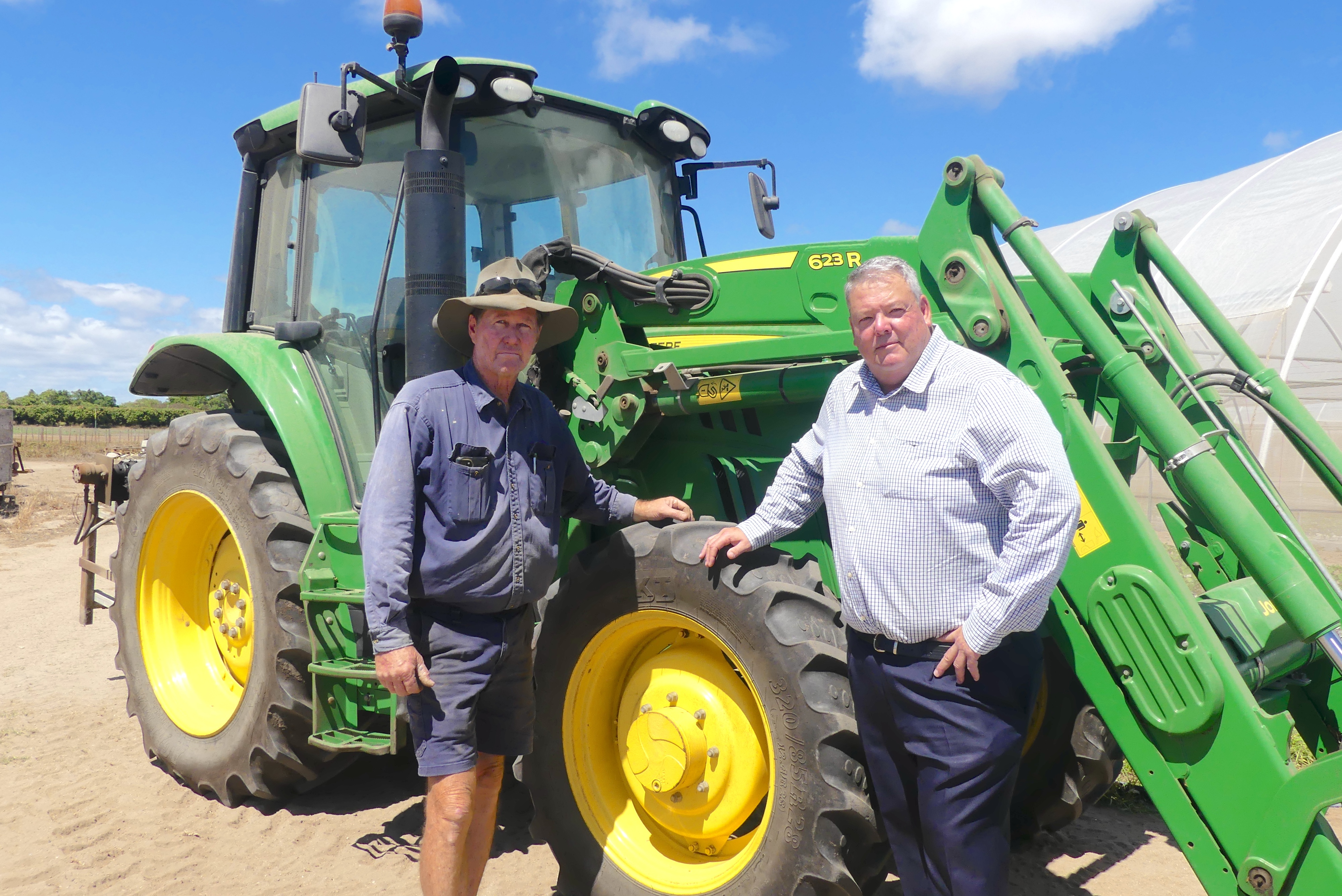
The three-year trial will evaluate the long-term viability of the powered tools and batteries. Photo supplied
Publishers Indemnity. Any individual or entity that places advertising, supplies copy material, or submits editorial content to Core Life Publishing agrees and undertakes to ensure that all such material:- Does not infringe upon any copyright, trademark, or other intellectual property rights;- Is free from any content that could be considered defamatory, libelous, or slanderous;- Does not infringe upon any rights related to privacy or breach of confidence;- Contains no obscene, indecent, or otherwise unlawful material;- Complies fully with the Trade Practices Act and all other applicable laws, regulations, or statutes.Furthermore, by submitting or placing such material, these individuals or entities agree to indemnify and hold harmless the publisher, Core Publishing and Events Pty Ltd, and/or its agents from and against any and all investigations, claims, demands, liabilities, damages, costs, or judgments arising out of or in connection with the material provided. All material is believed to be accurate at the time of printing and remains the copyright of Core Publishing and Events Pty Ltd.
© 2026 Mackay and Whitsunday Life Pty Ltd.