Independently Owned, Locally Grown, Community Loved
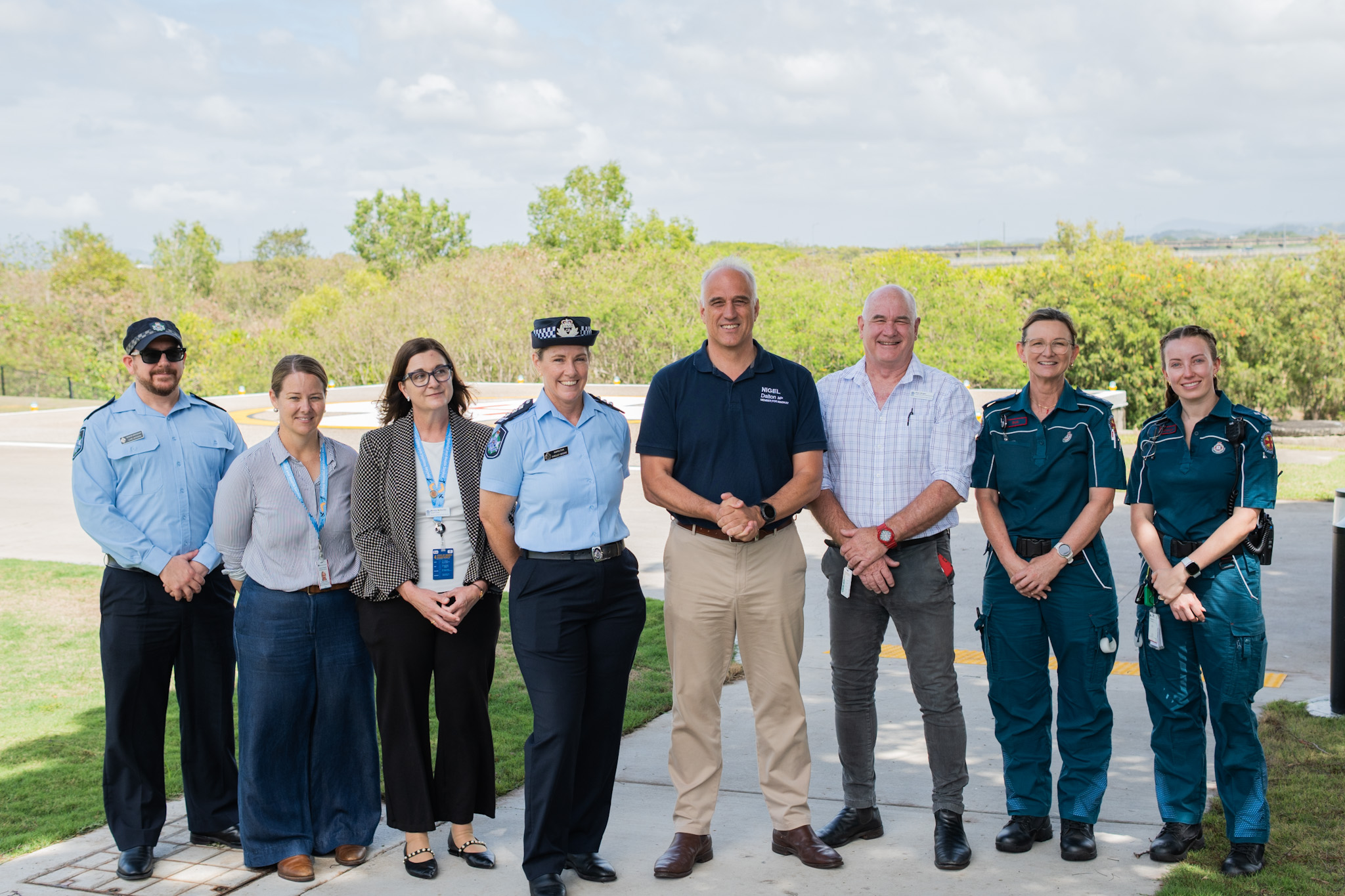


CANEGROWERS says growers support strong environmental protections but want greater clarity around how proposed changes to federal environmental laws could affect routine farming activities. Photo source: ABC
Mackay businesses, landholders and community groups are being encouraged to have their say on proposed changes to Australia's national environmental laws, with the Queensland Productivity Commission (QPC) opening public consultation on the economic impacts of reforms to the Environment Protection and Biodiversity Conservation (EPBC) Act.
The independent inquiry will examine concerns around compliance costs, project delays and regulatory uncertainty, as well as the potential impacts of excluding resource projects from the EPBC National Interest Fast Track Assessment Pathway.
Mackay is one of seven regional centres selected to host consultation events as part of the review, with submissions open until 13th July.
Queensland Treasurer David Janetzki said the inquiry would help assess how the proposed federal changes could affect key industries across the state.
"Queensland's economic strength has been built on the industries that feed, fuel and supply markets right across the world," Mr Janetzki said.
"Creating jobs, lifting productivity and ensuring environmental policy strengthens our economy is firmly in the national interest."
Mr Janetzki said the State Government wanted to ensure environmental policies supported economic growth while maintaining strong environmental standards.
The consultation is seeking input from stakeholders across the agricultural, housing, construction and resources sectors, alongside environmental organisations and community members.
While the federal approval process is not typically a major issue for day-to-day cane farming operations in the Mackay region, CANEGROWERS says growers are closely watching the proposed changes and the potential implications for agricultural landholders.
CANEGROWERS Chief Executive Officer Dan Galligan said growers supported effective environmental protections but wanted greater certainty around how the laws would apply to routine farming activities.
"Cane growers understand the importance of strong environmental protections, but any regulation has to be practical, clear and proportionate," Mr Galligan said.
"Our concern is that these proposed changes could create further uncertainty around normal farming operations, future land use flexibility and long-term investment decisions."
Mr Galligan said growers should not be left uncertain about whether routine activities such as drainage maintenance, erosion repair, firebreak management, flood recovery works or returning agricultural land to production could trigger additional federal approvals.
"What we would like to see is greater clarity for landholders, proper recognition of Queensland's existing environmental regulations, and a more practical approach to continuing agricultural use and routine farm management," he said.
CANEGROWERS will encourage members to participate in the consultation process and provide feedback on how the proposed changes could affect farming businesses.
An interim report from the inquiry is expected in November, with a final report to be delivered to the Queensland Government in April next year.

Publishers Indemnity. Any individual or entity that places advertising, supplies copy material, or submits editorial content to Core Life Publishing agrees and undertakes to ensure that all such material:- Does not infringe upon any copyright, trademark, or other intellectual property rights;- Is free from any content that could be considered defamatory, libelous, or slanderous;- Does not infringe upon any rights related to privacy or breach of confidence;- Contains no obscene, indecent, or otherwise unlawful material;- Complies fully with the Trade Practices Act and all other applicable laws, regulations, or statutes.Furthermore, by submitting or placing such material, these individuals or entities agree to indemnify and hold harmless the publisher, Core Publishing and Events Pty Ltd, and/or its agents from and against any and all investigations, claims, demands, liabilities, damages, costs, or judgments arising out of or in connection with the material provided. All material is believed to be accurate at the time of printing and remains the copyright of Core Publishing and Events Pty Ltd.
© 2026 Mackay and Whitsunday Life Pty Ltd.