Independently Owned, Locally Grown, Community Loved


Sugar Research Australia (SRA) has taken a major step forward in sugarcane research with the installation of a new DNA extraction robot at IRIS Laboratories, a move expected to significantly speed up the development of superior cane varieties.
The advanced equipment will dramatically increase the number of DNA extractions that can be completed each year for genotyping — the process used to identify specific sugarcane traits — allowing researchers to analyse far more plants in a much shorter timeframe.
The robot operates using a multi-channel pipette system, processing eight tubes with 96 wells simultaneously. Sugarcane leaves are macerated and centrifuged by the machine, streamlining what has traditionally been a highly labour-intensive task.
Variety Development Manager Dr Garry Rosewarne said the investment formed part of SRA’s expanding use of genomics within its breeding program and represented a major boost in efficiency.
“Done manually, somebody in the laboratory must grind up leaf tissues by hand using liquid nitrogen and then centrifuge the contents to separate them to extract and sequence the DNA. The total number of plants that can be analysed is around 1,000 in a fortnight,” Garry said.
“However, with a DNA extraction robot that figure can be increased to 10,000 completed in two to three weeks while the technicians can be employed in more strategic tasks.”
The genotypic data collected will be added to SRA’s growing database, which already includes information from 8,000 clones, encompassing all parent plants in the crossing plot at Meringa and FAT clones from the past decade.
“This ‘training population’ has been grown in the field to establish the strength of the traits in the field compared with the data we have collected in the laboratory,” Garry said.
“The result is the development of ‘prediction equations’ for each sugarcane trait which can then be used for analysing new seed that has just been crossed at Meringa.”
Key traits currently being prioritised include tonnes of cane per hectare, CCS, fibre content, and resistance to smut and Pachymetra. Looking ahead, the same technology could be used to identify additional traits such as disease resistance, plant height, tiller number and maturity.
As Garry put it, “The future just got closer!”
Local growers are encouraged to share which sugarcane traits matter most on their farms and what they would like to see developed next by writing in and having their say.
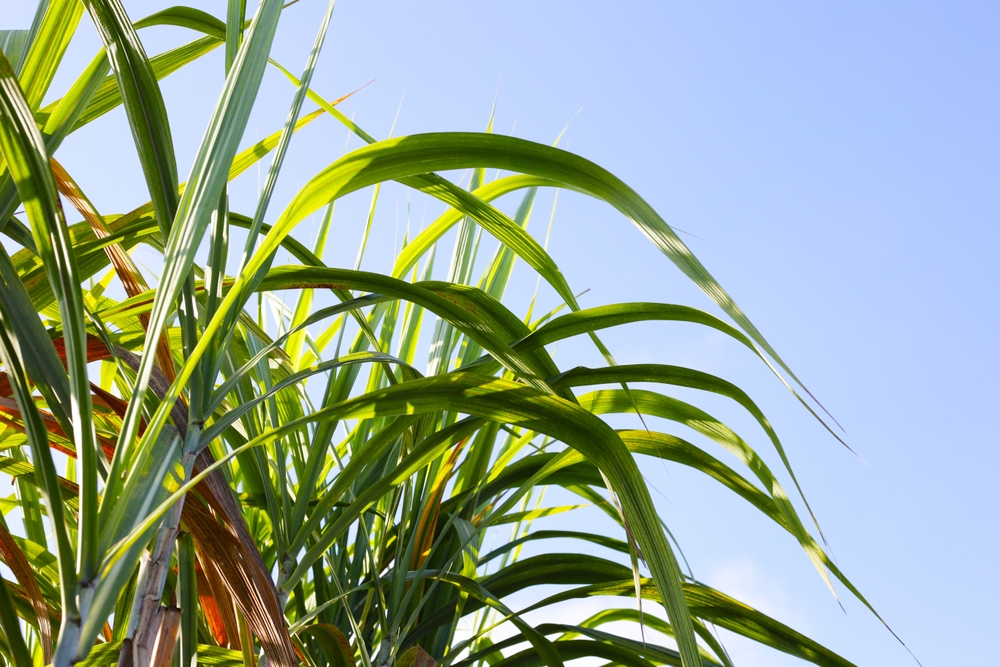
Sugarcane leaf samples, like these, are used for DNA testing to help identify and develop stronger, higher-yielding cane varieties. Photo credit: Bowonpat Sakaew
Dr Jenny Sun, Genomics Scientist in Variety Development at SRA’s IRIS Laboratories will work with the new robot. Photo source: SRA
Publishers Indemnity. Any individual or entity that places advertising, supplies copy material, or submits editorial content to Core Life Publishing agrees and undertakes to ensure that all such material:- Does not infringe upon any copyright, trademark, or other intellectual property rights;- Is free from any content that could be considered defamatory, libelous, or slanderous;- Does not infringe upon any rights related to privacy or breach of confidence;- Contains no obscene, indecent, or otherwise unlawful material;- Complies fully with the Trade Practices Act and all other applicable laws, regulations, or statutes.Furthermore, by submitting or placing such material, these individuals or entities agree to indemnify and hold harmless the publisher, Core Publishing and Events Pty Ltd, and/or its agents from and against any and all investigations, claims, demands, liabilities, damages, costs, or judgments arising out of or in connection with the material provided. All material is believed to be accurate at the time of printing and remains the copyright of Core Publishing and Events Pty Ltd.
© 2026 Mackay and Whitsunday Life Pty Ltd.