Independently Owned, Locally Grown, Community Loved


.jpg)
January has a way of making us feel like our bodies need a reset. New routines, new goals, new expectations. The message is everywhere: start again, do better, fix what’s “wrong.” But the truth is, your body didn’t start fresh on January 1 — and that’s not a problem. It’s a strength.
Our bodies carry stories. They remember pregnancies and births, surgeries, stress, injuries, long workdays, sleepless nights, hormonal changes, and years of simply getting on with life. The pelvic floor is no exception. This group of muscles quietly adapts to everything we ask of it, day after day, often without complaint; until it can’t.
Many women head into the new year with goals to “get fitter” or “get stronger,” only to be held back by incontinence (aka leaking), pelvic heaviness, pain, or discomfort. Others feel disconnected from their core or unsure how to move confidently again. It’s easy to assume these issues mean weakness or failure. But in reality, they usually reflect a body that has been trying to cope for a long time.
The pelvic floor doesn’t forget what it’s been through. It responds to how we live, not just how we exercise. Years of holding tension, pushing through fatigue, or prioritising everyone else can leave these muscles overactive, under-supported, or poorly coordinated. And squeezing harder isn’t always the answer. True pelvic floor health is about balance, knowing how to engage when needed, and just as importantly, how to relax.
This is where a kinder approach to New Year intentions can make a real difference. Instead of aiming to overhaul your body, what if the goal was to understand it better? To move with confidence instead of fear. To return to exercise without worrying about leaks. To lift kids, groceries, or laundry without that uncomfortable sense of pressure or heaviness.
Strength, in this context, looks different. It’s not about pushing harder or doing more. It’s about supporting the body you already have. Research consistently shows that tailored, progressive exercise supports pelvic floor function, reduces symptoms, and improves quality of life across all stages of a woman’s life; from postnatal recovery to menopause and beyond.
As a pelvic health physiotherapist, I often hear women say they wish they’d sought help sooner. They’ve lived with symptoms for years, assuming they were just part of ageing or motherhood. But common does not mean normal.
If something doesn’t feel quite right as you head into the new year, you don’t have to push through or guess your way forward. A pelvic floor assessment can provide clarity, reassurance, and a personalised plan to help you move with confidence again. If you’re ready to feel more supported in your body, call us today to book an assessment, we’re here to help.
The new year doesn’t need to be about fixing yourself. Your body isn’t broken, it’s been adapting. This year, consider choosing support over pressure, curiosity over criticism, and care over comparison.
Because a new year with the same body isn’t something to fear. It’s an opportunity to work with it, trust it, and feel more at home in it than ever before.
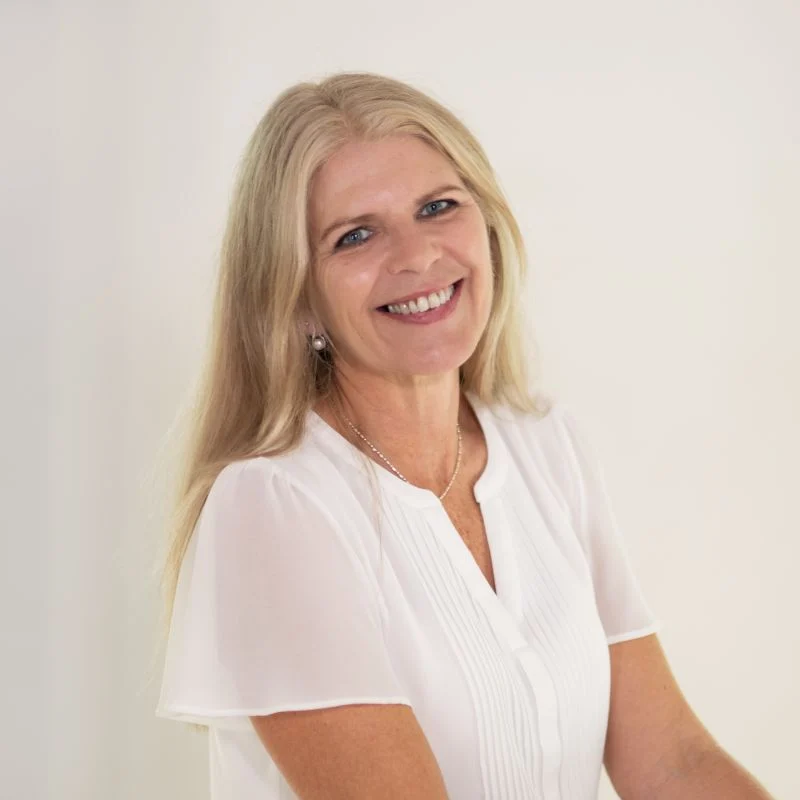
Lauren Neill
Titled Women’s, Men’s & Pelvic Floor Physiotherapist
Women’s Health Physio Mackay
0476 616 324
admin@whphysiomackay.com.au
Suite 2, 5 Discovery Lane, Mount Pleasant.

Publishers Indemnity. Any individual or entity that places advertising, supplies copy material, or submits editorial content to Core Life Publishing agrees and undertakes to ensure that all such material:- Does not infringe upon any copyright, trademark, or other intellectual property rights;- Is free from any content that could be considered defamatory, libelous, or slanderous;- Does not infringe upon any rights related to privacy or breach of confidence;- Contains no obscene, indecent, or otherwise unlawful material;- Complies fully with the Trade Practices Act and all other applicable laws, regulations, or statutes.Furthermore, by submitting or placing such material, these individuals or entities agree to indemnify and hold harmless the publisher, Core Publishing and Events Pty Ltd, and/or its agents from and against any and all investigations, claims, demands, liabilities, damages, costs, or judgments arising out of or in connection with the material provided. All material is believed to be accurate at the time of printing and remains the copyright of Core Publishing and Events Pty Ltd.
© 2026 Mackay and Whitsunday Life Pty Ltd.