Independently Owned, Locally Grown, Community Loved
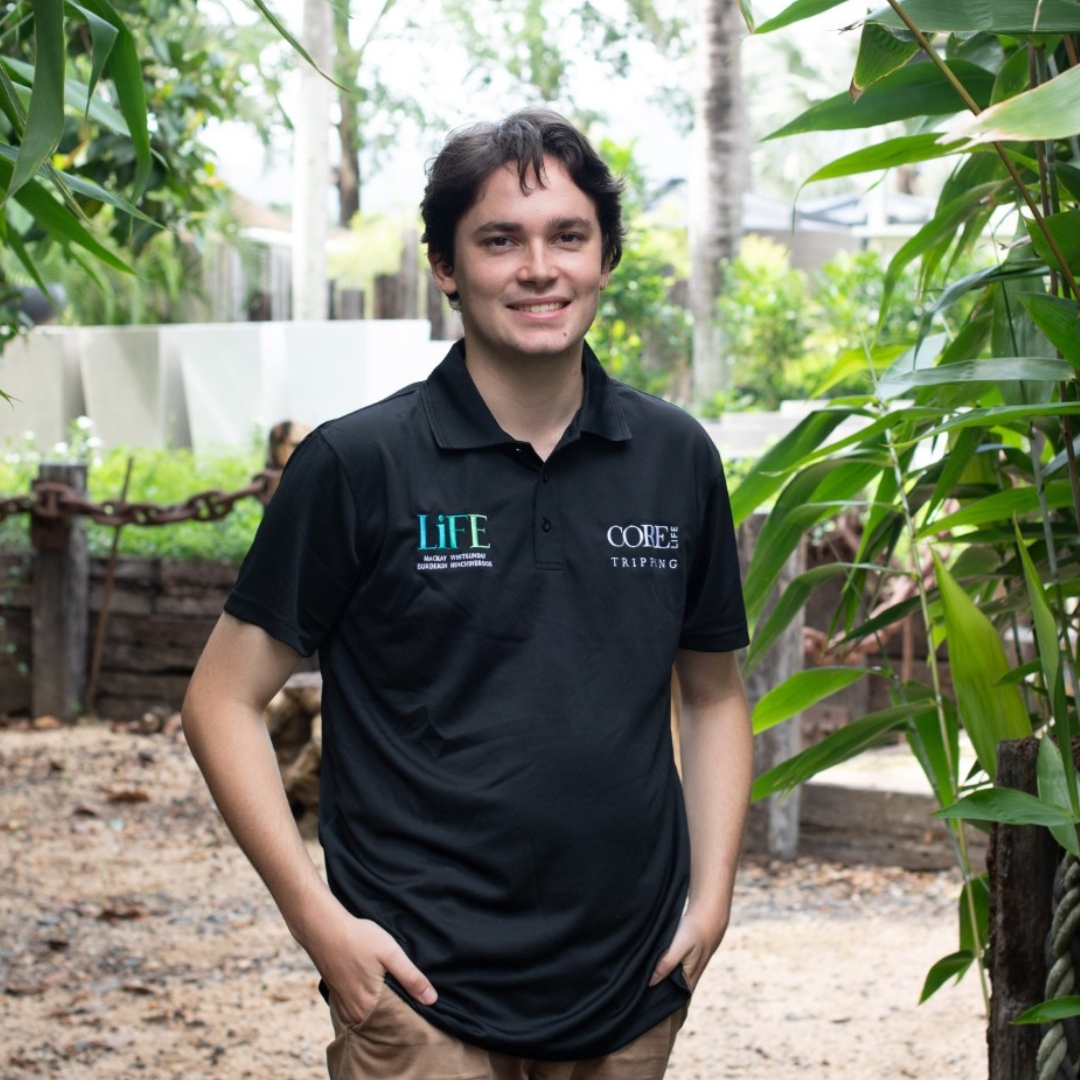
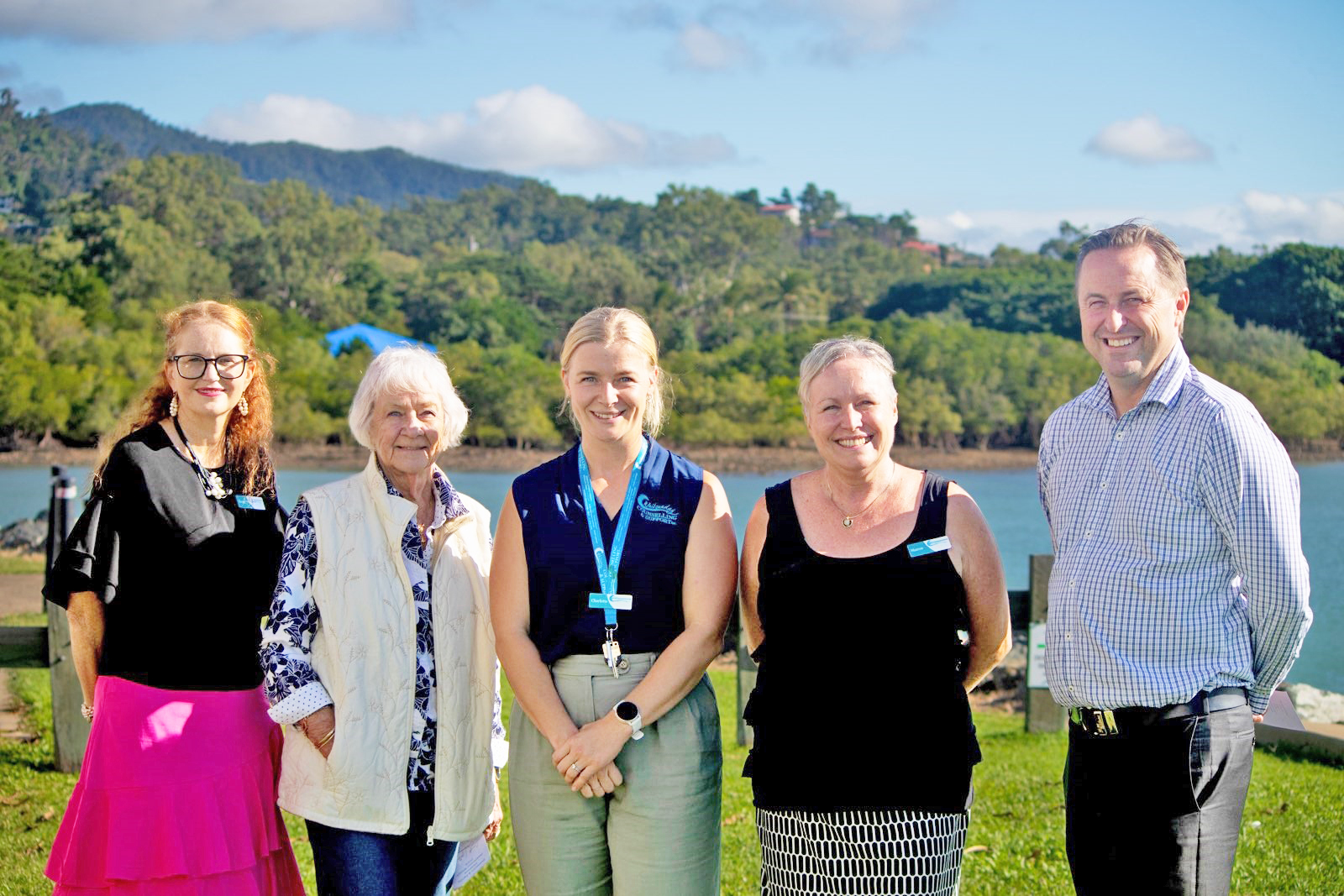
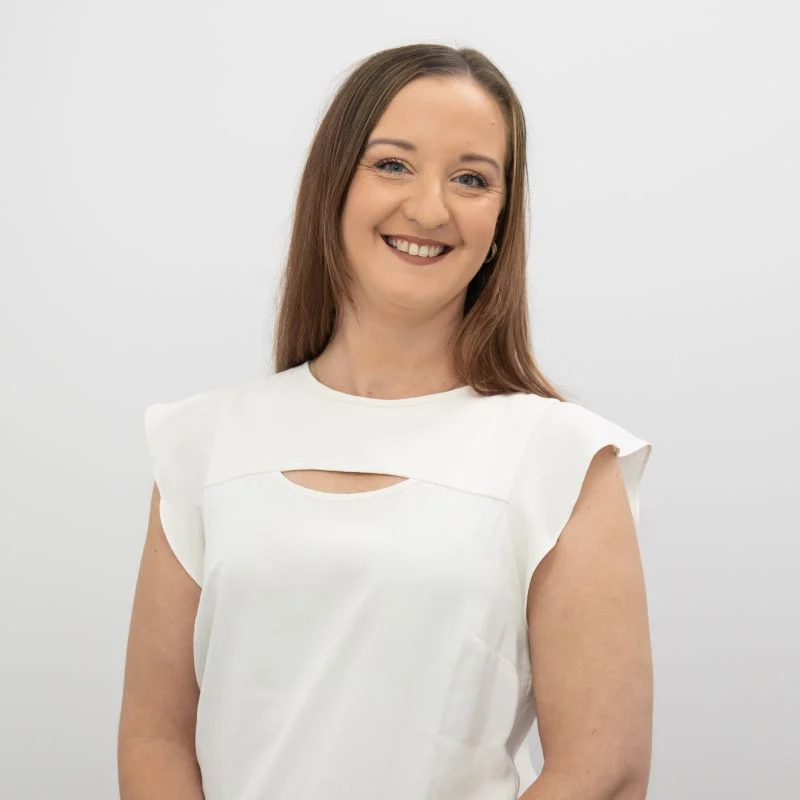
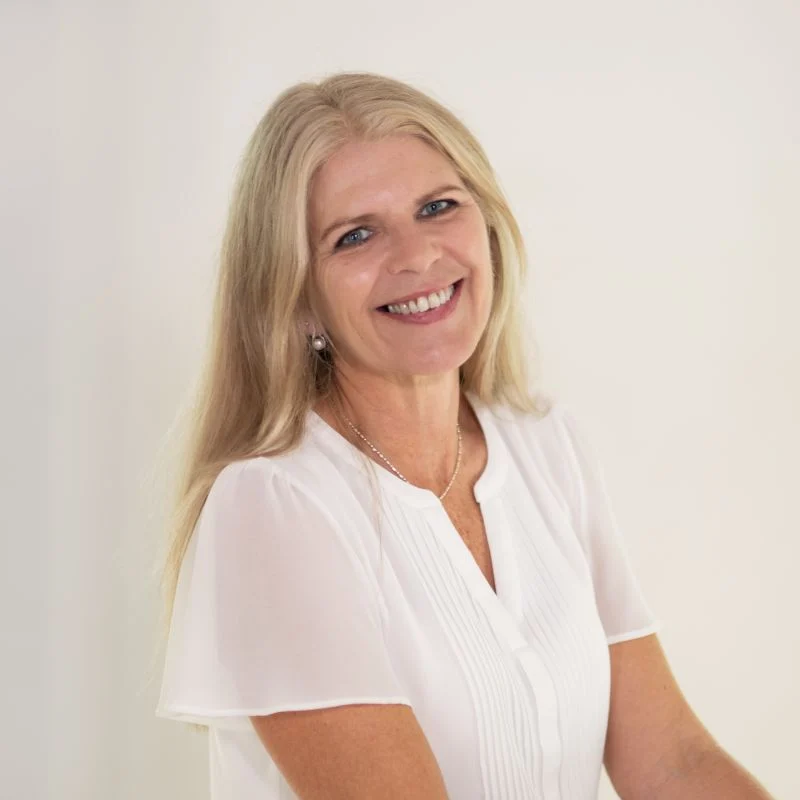
The Whitsunday Counselling and Support team with Mayor Ry Collins and Councillor Jan Clifford.
Last week the Whitsunday Counselling and Support organisation hosted their annual Candle Lighting Ceremony in Cannonvale to mark the beginning of Domestic and Family Violence Prevention month.
Each May, the annual initiative aims to raise awareness of domestic and family violence and coercive control. The theme for 2026’s DFV month is: Together Queenslanders can prevent domestic and family violence.
The event saw attendance from Mayor Ry Collins, Cr Jan Clifford and representatives from the Whitsunday Police Station and Whitsunday Counselling and Support.
An acknowledgement of country was provided by Vicky Brimble (Koa Banburi) with music performed by Nicke Di Gregorio.
Manager of Counselling Services at Whitsunday Counselling and Support Sharon Parker presented a powerful speech as she memorialised those lost, and put forward a call to action.
“In our commemoration today, I would ask you to not just think about these deaths as statistics, but to reflect on the people behind the statistics,” Sharon said.
“These were real people, with lives that mattered. They mattered.”

Clothes were displayed to mark the individuals who tragically lost their lives to domestic violence. A list was provided of individuals across Australia who had lost their lives to domestic and family violence over the past two years, with many of the cases still ongoing.
“This is not a comfortable thing to do,” Sharon said.
“I know that whilst compiling this list I got emotional thinking about the victims. However, commemoration is important, as without discomfort, we are rarely moved enough emotionally to make change.”
Sharon defined domestic and family violence, to improve awareness across the region.
“Domestic and family violence is behaviour that occurs between people who are, or have been, in a domestic or family relationship. It is not just physical violence. It can include abuse that is emotional, financial or sexual. Tragically, it can have fatal consequences.”
The speech touched on societal factors that contribute to domestic and family violence.

“We did not arrive here suddenly. This harm has been shaped over time by gender inequality, rigid power structures and attitudes that have normalised control, silence and excuse making,” Sharon shared.
“Misogynistic beliefs and patriarchal standards – when left unchallenged – can normalise control, silence and violence, particularly within homes and relationships.
“Such attitudes can affect women’s safety both at home and in public. Many women live with the risk of domestic and family violence and often are making constant decisions with behaviour, routine or clothes – just to feel safe.”
Sharon has also addressed the impacts of patriarchy and misogyny on men.
“For men it is also harmful. It creates pressure to fit into narrow ideas of masculinity which may discourage men from expressing feelings, showing vulnerability or asking for help. These expectations can negatively affect men’s mental health, relationships and wellbeing. Patriarchy can also limit men’s freedom take on caring roles, seek support or live in ways that don’t fit traditional gender stereotypes.”
Sharon then put forward a call to action, advising community members on how they could show their support.
“Each of us has a role to play. Speaking up matters. We must all challenge sexist or violent language. Refusing to make excuses matters. Listening, believing and supporting survivors matters. Changes comes when individuals choose to reject attitudes that devalue, dismiss or endanger others.
“So today, I challenge you with this call to action. I challenge you to reflect on how you view domestic and family. I challenge you to examine everyday behaviours, attitudes and conversations – and to choose to do better. Real change happens when individuals are willing to challenge what feels familiar and take responsibility for creating safer, more respectful relationships and communities.”
On Thursday, a roundtable was led by the DFV Prevention Council at Shute Harbour Marine Terminal. The stakeholder roundtable focused on domestic and family violence (DFV) primary prevention, with a strong emphasis on community-led approaches and collaboration across the region.
The session brought together a range of local leaders and stakeholders, including representatives from council, police, community services and state agencies, to discuss opportunities for strengthening prevention efforts across communities including Airlie Beach/Cannonvale, Proserpine and Bowen.
The focus was to identify local drivers of DFV, map community strengths and resources and explore practical, place-based solutions to help prevent violence before it starts.
If you or someone you know is in a dangerous or life-threatening situation, call Triple Zero (000). If you don’t want to speak to the police you can also call DV Connect on 1800 811 811 or 1800 RESPECT on 1800 737 732 (24 hours, 7 days a week). You can also go to the Domestic and Family Violence Prevention Month website for more details and support.

Publishers Indemnity. Any individual or entity that places advertising, supplies copy material, or submits editorial content to Core Life Publishing agrees and undertakes to ensure that all such material:- Does not infringe upon any copyright, trademark, or other intellectual property rights;- Is free from any content that could be considered defamatory, libelous, or slanderous;- Does not infringe upon any rights related to privacy or breach of confidence;- Contains no obscene, indecent, or otherwise unlawful material;- Complies fully with the Trade Practices Act and all other applicable laws, regulations, or statutes.Furthermore, by submitting or placing such material, these individuals or entities agree to indemnify and hold harmless the publisher, Core Publishing and Events Pty Ltd, and/or its agents from and against any and all investigations, claims, demands, liabilities, damages, costs, or judgments arising out of or in connection with the material provided. All material is believed to be accurate at the time of printing and remains the copyright of Core Publishing and Events Pty Ltd.
© 2026 Mackay and Whitsunday Life Pty Ltd.