Independently Owned, Locally Grown, Community Loved

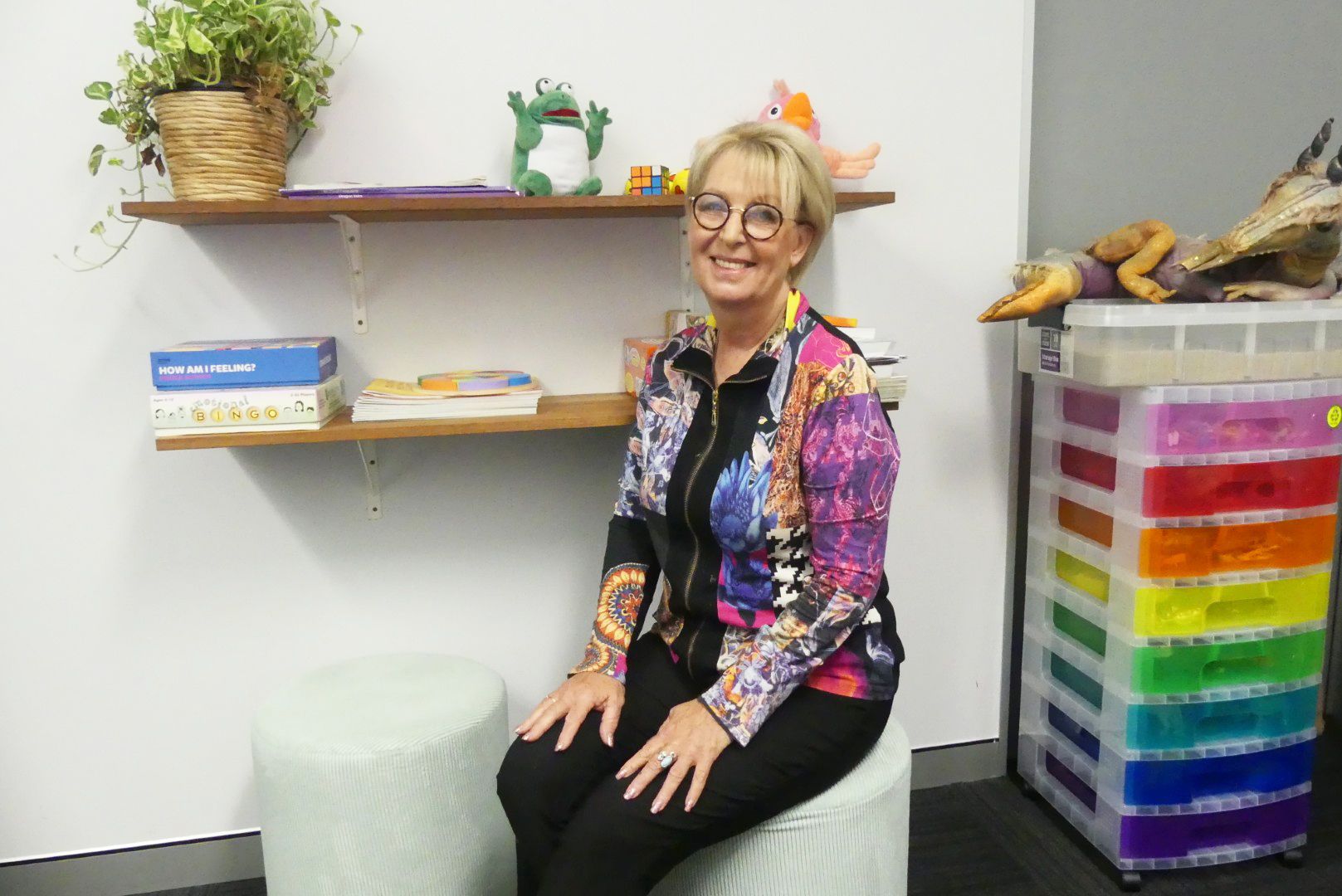
Sharon Ashman
When we talk about helping children and adolescents thrive, we often focus on academic success. Yet, it’s the everyday skills, such as how they manage emotions, make decisions, and connect with others, that shape their long-term wellbeing.
Life skills are the practical, social, and emotional abilities that allow individuals to navigate challenges, build relationships, and respond to life with flexibility. These include self-awareness, empathy, problem-solving, communication, and stress management. Together, they form the foundation for resilience.
For many young people, these skills don’t develop automatically. They are shaped through experience, guidance, and opportunities to practice in safe, supportive environments. Those who can recognise when they feel overwhelmed, pause, and ask for help are already building a protective factor against future mental health difficulties.
Importantly, life skills are not about being “perfect” or always making the right choice. They are about learning how to reflect, adjust, and try again. This is especially relevant in today’s world, where young people are navigating social pressures, digital environments, and increasing expectations.
Providing opportunities to build life skills early creates lasting benefits: it builds confidence in expressing themselves, adaptability when things don’t go to plan, and increased capacity to form healthy relationships. These are not just “nice to have” skills—they are essential for wellbeing, independence, and a meaningful life. See next fortnight for practical tips in building life skills
“If you’d like more support, visit my website https://www.personaltransitions.com.au/ or give me a call 0418708214.”NDIS FRIENDLY
Publishers Indemnity. Any individual or entity that places advertising, supplies copy material, or submits editorial content to Core Life Publishing agrees and undertakes to ensure that all such material:- Does not infringe upon any copyright, trademark, or other intellectual property rights;- Is free from any content that could be considered defamatory, libelous, or slanderous;- Does not infringe upon any rights related to privacy or breach of confidence;- Contains no obscene, indecent, or otherwise unlawful material;- Complies fully with the Trade Practices Act and all other applicable laws, regulations, or statutes.Furthermore, by submitting or placing such material, these individuals or entities agree to indemnify and hold harmless the publisher, Core Publishing and Events Pty Ltd, and/or its agents from and against any and all investigations, claims, demands, liabilities, damages, costs, or judgments arising out of or in connection with the material provided. All material is believed to be accurate at the time of printing and remains the copyright of Core Publishing and Events Pty Ltd.
© 2026 Mackay and Whitsunday Life Pty Ltd.