
Independently Owned, Locally Grown, Community Loved

Three artificial intelligence (AI) initiatives are part of council's new budget to be adopted next week. These initiatives are the latest proactive steps from council to help mitigate significant financial pressures while continuing to deliver reliable, high-quality services to the community. Mayor Greg Williamson said the 2026/27 Budget reflected both the challenges facing local government and council’s commitment to modern, efficient service delivery. “Like many councils across the country, we are facing rising costs and reduced external funding,” he said. “Our focus is on finding smarter, more sustainable ways to deliver services without compromising quality for our community.” Council has seen a startling increase in a costs over recent years, including: An additional $665,000 increase in waste service costs due to reduced Queensland Government Waste Levy Subsidy and higher levy fees. A $1.1 million increase in waste expenses in the previous budget. A $5.92 million rise in depreciation costs this year alone. A $6 million shortfall from decreased Federal Assistance Grants in this budget contributing to a total reduction of more than $27 million in Financial Assistance Grants funding since 2016. An estimated $3 million annual increase in fuel costs. These pressures highlight the ongoing challenge of balancing affordability for residents with the real cost of delivering essential services. To help offset these impacts, council is investing in practical, targeted AI solutions that improve efficiency and reduce operating costs. A key initiative is the introduction of a new after-hours digital assistant, LUNA, which will operate from 4.30pm to 8.30am daily and all weekend from July 1. Replacing a previous afterhours model which used an outsourced, third-party call centre, LUNA will provide consistent, auditable responses using council-approved information. It will improve how afterhours calls are triaged, especially urgent and emergency enquiries, and will allow routine requests to be handled without delays or manual intervention. The transition follows changes in the external provider market and is expected to deliver about $80,000 in annual savings, while maintaining service quality and improving response consistency. Mayor Williamson said this initiative demonstrated council’s commitment to innovation while managing costs. “We’re using proven technology to deliver services more efficiently while maintaining the high standard our community expects,” Mayor Williamson said. Council is also expanding AI use in key service areas to address increasing demand and resource constraints. In Development Planning, automation of high-volume, low-complexity administrative tasks will reduce processing backlogs and allow skilled staff to focus on more complex work. A similar outcome will be achieved by using Agentic AI to enhance internal corporate services, allowing council’s staff to tackle more complex issues. This will help council maintain service levels despite workforce and cost pressures. Mayor Williamson said council was adopting a scalable approach to AI, building on existing systems to deliver improvements across multiple service areas rather than one-off solutions. “This approach ensures responsible and sustainable adoption of new technologies,” he said. “By reducing repetitive manual work and improving consistency, we can better manage costs while maintaining strong governance and oversight.” While efficiencies from these initiatives will be realised progressively, council’s immediate focus is on improving reliability, reducing inefficiencies and supporting a sustainable workforce model. These actions form part of council’s broader commitment to ensuring services remain efficient, accountable and future-ready, even as financial pressures continue to grow. Mayor Williamson said innovation would be key to navigating future challenges. “Innovation is essential to navigating the challenges ahead. By investing in smarter ways of working now, we are helping protect the services our community relies on into the future while putting downward pressure on rate rises.” Photo source: Mackay Regional Council
Read the full story
Set on the elevated hillside of this 21-acre property, the beautifully crafted, fully airconditioned residence enjoys a breathtaking north-facing 27m x 4.2m covered deck, offering ample room for entertaining or peaceful contemplation while taking in the stunning ever-changing vista. A large covered tiled patio adjoins the deck and living area, creating additional outdoor space overlooking the firepit and orchard. The Property At A Glance Spacious open plan living, dining and kitchen area with central fireplace, opening onto two stunning outdoor spaces Modern galley-style kitchen with stone benchtops, induction cooktop, rangehood, pyrolytic self-cleaning oven and dishwasher Media room with projector, with potential to serve as a fourth bedroom Three generous airconditioned bedrooms, including the master suite with walk-in robe and ensuite Modern family bathroom with shower over bath and separate toilet Laundry with excellent storage and external access Airconditioning and ceiling fans throughout North-facing covered hardwood deck, measuring 27m x 4.2m, with stunning views West-facing 9.5m x 6.5m tiled patio overlooking the firepit and plentiful orchard The home is set within a fully fenced house yard, complete with a secure electric front gate at the road. There is an abundance of water across the property, including four dams, a bore with solar-operated submersible pump (not currently connected), three rainwater tanks with a combined capacity of 62,000L, and town water to the residence. Water is also plumbed to the orchard, stables and other areas throughout the property. Additional features include fully covered walkways connecting the carport to the home, wireless NBN and full mobile signal coverage. Infrastructure And Improvements 7m x 7m carport with electric roller door at the home 14m x 7m high-clearance shed with four roller doors and service trench Adjoining 12m x 6m tool shed Stables and pig pens A lush and abundant orchard with avocados, citrus and tropical fruits, along with a well-established beehive Optional machinery includes a Fiat 750 tractor with slasher and rotary hoe, 2000 SE5 backhoe, Hustler 54" zero turn ride-on mower, assorted tools and other plant and equipment. This stunning property is a true gem in the heart of the beautiful Pioneer Valley, offering the opportunity to settle in, relax and enjoy, or get creative and explore the endless possibilities on offer. Gargett is located in the Pioneer Valley, just 15 minutes from the Finch Hatton Mountain Bike Trail and the beautiful Finch Hatton Gorge. The local Gargett Store is only a short drive away, while the nearest shopping centre is 20 minutes to Marian and 50 minutes to Mackay. It is also an easy drive to the Bowen Coal Basin, Airlie Beach and The Whitsundays, with ample opportunities nearby for fishing, crabbing, prawning and boating. Rates: Approx. $1660 per half year Zoning: Rural Price: $1.6M Block Size: 8.88 hectares (21.75 acres) Builder: Brad Kirkpatrick, 2015
Read the full story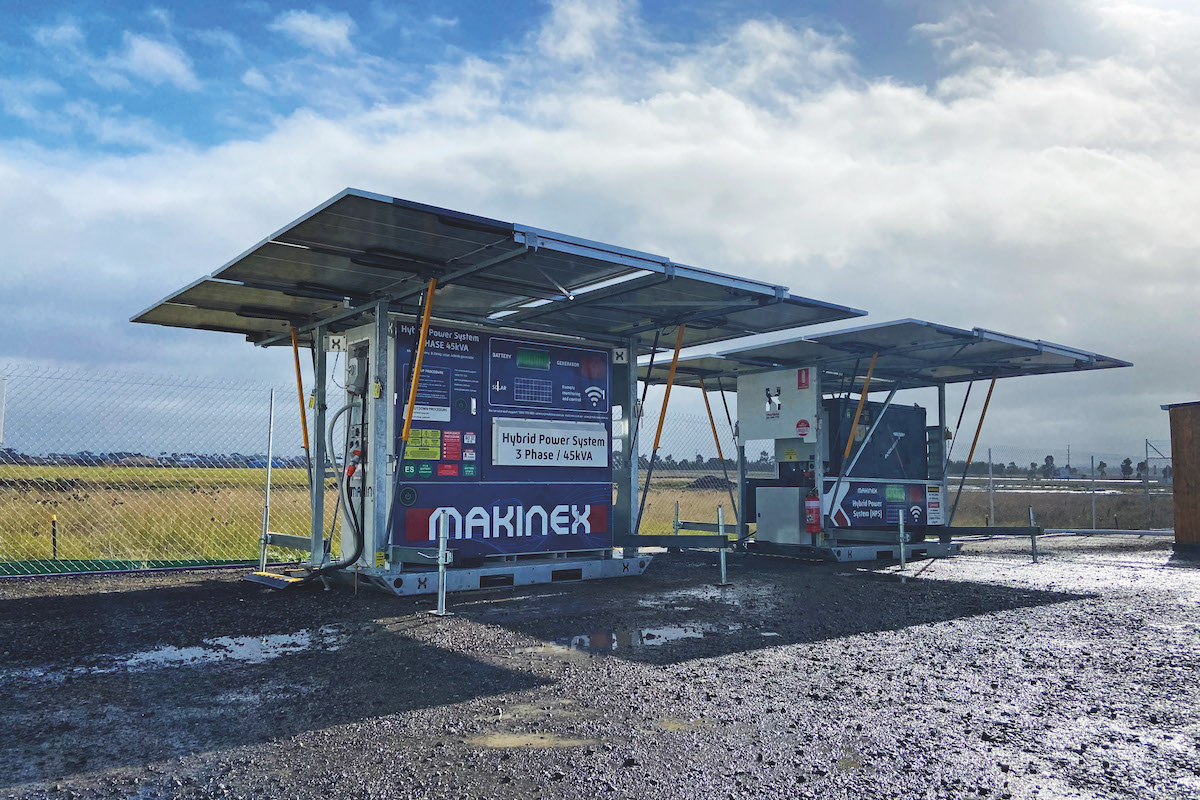
Makinex Renewables is setting an ambitious target, saving 100 million litres of diesel in five years. In an industry long reliant on traditional diesel generators, the Australian-made and owned company is helping reshape how remote and off-grid operations power their sites. Focused on Hybrid Power Systems, Battery Energy Storage Systems and deployable solar arrays, Makinex Renewables is working with customers to lower fuel costs, reduce emissions and improve operational efficiency, while maintaining the dependable power their operations require. “The 100 million litre target gives us a clear and measurable objective to work towards while highlighting the impact renewable energy solutions can have across industries that traditionally rely on diesel power,” the company said. “It’s a goal that keeps us focused on developing practical solutions that deliver real-world results for our customers.” Designed for businesses operating in remote environments, Makinex Renewables’ modular systems can be deployed as standalone units, integrated together, or incorporated into existing site power setups. The company’s solutions are already delivering measurable results in mining. Following a trial installation, a mine site adopted Makinex Renewables’ Hybrid Power System and additional solar arrays, reducing generator runtime from 24 hours a day to approximately six to seven hours. Since the HPS45 was deployed in February, the site has cut generator fuel use by 125 litres a day, delivering annual diesel savings of around $91,000 and projected savings of $640,000 over the site’s seven-year life. Brad Cliff, Director of Generator Services Australia, said the project highlighted the benefits of continuing to challenge traditional ways of thinking and finding better solutions to longstanding industry challenges. To learn more about Makinex Renewables’ solutions, visit the team at the Queensland Mining and Engineering Exhibition in July.
Read the full story
Most Reverend Daniel Meagher, the 11th Bishop of the Roman Catholic Diocese of Rockhampton, made his first visit to St Patrick's College on Wednesday, beginning the day alongside students and staff at the College's Brekky Van outreach service. The visit provided an opportunity for Bishop Daniel to experience the College's commitment to living its Catholic values through service to the wider community before officiating the blessing and official opening of newly completed building and refurbishment works. During the ceremony, Bishop Daniel addressed those in attendance. “We really are here to pray and bless the students and teachers who will use the buildings,” he said. The redevelopment has delivered contemporary learning spaces designed to support learning, wellbeing and faith formation while reflecting the College's commitment to providing high-quality educational opportunities. Assistant Principal: Mission, Mrs Andrea Crocker, said the occasion was a proud moment for the College community. “We’re finally getting to showcase our wonderful new facilities and the way the hard work of so many different people has come to fruition,” she said. The blessing and opening marked the culmination of years of planning and investment, with the new facilities set to benefit Mercy Campus students for years to come. Photo supplied
Read the full story
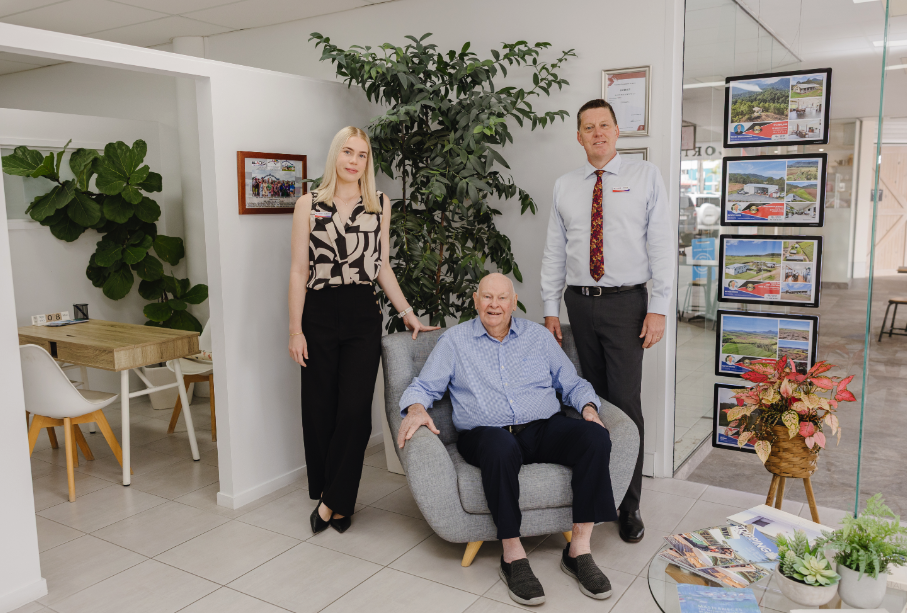
When it comes to real estate, the Hall and Francis families are proof that some callings are just meant to be. Spanning three generations and more than six decades, their rich family legacy and journey details a story of persistence, innovation, and an honest commitment to people.
Over the years, the family have grown and evolved their business from cars and insurance in the 1960s to today’s dynamic property market to serve the community with a strong focus on building trustful connections through hard work, and a real care for clients.
It all began with the late 1960s sales career of Claudia Francis’ grandfather, Ron Hall. Starting as a fitter and turner, he soon found his stride in sales, first with Volkswagen and Holden vehicles, and later in the insurance sector. By the mid-1960s, he had already been named Australian Salesman Recruit of the Year with Legal and General, before taking up a long career with AMP. His adventurous spirit saw him relocate to Papua New Guinea in 1970 to establish his own insurance agency, covering the vast and roadless region by learning to fly and purchasing his own aircraft. For seven years he sold insurance across the country, earning five consecutive President’s Awards along the way.
Returning to Mackay in 1977, he entered the real estate industry, later purchasing TJ Leonard Realty in 1991, which became a RE/MAX office. After nearly three decades in property, he retired, proud to see that the profession would continue through his children and grandchildren.
One of those to follow in his footsteps was his son-in-law, Peter Francis. Moving to Mackay with his wife Kylie in 2003, Peter embraced the region as his family home. Today, he is both Director and Sales Consultant at Blacks Real Estate, bringing more than 22 years of experience and an impressive list of achievements. From residential homes to rural properties and large subdivision projects, Peter has proven himself as a trusted professional, earning a Hall of Fame Award and a Top 30 International Achievement Award.
Peter’s approach to real estate is built on integrity, strong communication, and a genuine understanding of the Mackay market. Beyond his career, he is a proud father of five, passionate about the region’s lifestyle, and dedicated to giving back to the community whether through foster care, family time outdoors, or involvement in local activities. As a leader within the business, he has become known not only for his results, but for mentoring others and ensuring clients feel supported at every stage of the sales process.
The newest generation to join the industry is Peter’s daughter, Claudia Francis, who officially became a sales consultant at Blacks Real Estate in 2023. Claudia studied a Bachelor of Business at Brisbane’s Queensland University of Technology (QUT), majoring in Marketing. After returning to Mackay and completing her degree online, she joined the Blacks Real Estate team as her father’s assistant before stepping into a sales role of her own.
With a strong background in marketing, including her own marketing business, Claudia brings fresh, modern strategies to real estate.
“I’ve always wanted to work in a creative and fast-paced industry, and real estate has definitely ticked those boxes,” said Claudia.
“I really enjoy the role… every day is different”
While each generation has developed their own strengths and styles, there are clear threads that tie them together: a strong work ethic, a positive attitude, and an ability to connect with people.
“My grandfather and father have a friendly, and trustworthy nature - I’ve learned from both of them and added my own style, especially with marketing and social media.”
From a grandfather who once sold insurance from the cockpit of his own aircraft to a father who has helped shape Mackay’s modern real estate landscape, to a daughter now bringing a new perspective to the industry, this family has created a proud legacy. At its heart is a shared belief that success in real estate is not just about sales, but it’s about people, and in Mackay, three generations of the one family have proven that this remains true.
The Hall and Francis family, L-R: Claudia Francis, Ron Hall, and Peter Francis. Photo supplied

Pioneer Nursing Services has been a cornerstone of the Mackay Shire for many years and hopes to soon become the first choice in disability care through setting new standards for holistic support and environment.
With an extremely dedicated and caring team, the Brisbane Street home care provider fosters inclusivity, innovation, and a sense of belonging each and every day to greatly benefit the lives of their clients, their families and the broader community.
Pioneer Nursing Services’ Founder and Director, Simon McMahon has supported the lives of countless families as a Registered Nurse and now offers superior healthcare to the local Mackay Shire.
“Pioneer Nursing are proud to have a dedicated team of experienced support workers and nurses who deliver quality care with a personal touch,” explained Simon.
“Being local means our team can visit you in your own home, offering care that’s personal, and responsive without the stress of long call centre waits or complicated websites – we also employ local staff, which not only supports our community through jobs, but ensures you’re cared for by people who know and understand the region.”
A registered home care provider under My Aged Care and the Department of Veterans’ Affairs, Pioneer Nursing will make their official debut at the annual Mackay Seniors Expo next Tuesday, the 14th of October.
“Although we’ve been supporting the community for over two years, this is our very first Seniors Expo,” Simon said.
“We wanted to be part of it to raise awareness about Pioneer Nursing Services as a local home care provider and to connect face-to-face with more seniors and their families.”
The friendly Pioneer Nursing staff hope to warmly welcome attendees next week to share clear, honest advice about the care and services available in the community and to answer any questions and guide attendees through each of their options.
“Don’t be afraid to ask questions. The more you ask, the better you’ll understand the support that’s available to you and your family,” Simon urged.
The Mackay Seniors Expo will provide the community with an opportunity to connect directly with care providers in person to make learning about essential services far more accessible and personal than through a computer screen.
“Compassion and respect are at the heart of everything we do,” added Simon.
“Our support workers and nurses are reliable, treat every person with dignity, and respect the fact that they are coming into your home to provide care and support.”
Pioneer Nursing are committed to staying engaged with the local community through regular contact with clients, local providers and offering services directly available to veterans and their families.
“By working closely with local RSL sub-branches, we hope to strengthen connections and ensure veterans and their loved ones receive the support they need,” said Simon.
To find out more about the work of Pioneer Nursing Services, visit pioneernursing.com.au or pop on over to the Mackay Showgrounds’ Big Shed next Tuesday between 9am and 12pm to have a chat with the friendly team. Additional details on the expo are available online at www.mackay.qld.gov.au/community/events/mackay_seniors_expo.
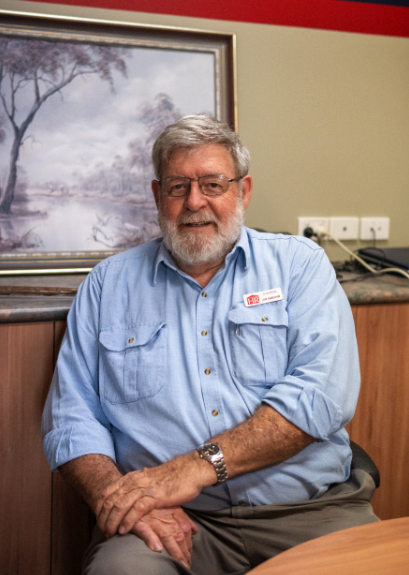
For Jim Kenneth Brown, real estate isn’t about flashy deals. It’s about people, principles, and delivering the best possible outcome. After 20 years with Hugh Reilly Real Estate, he’s known for his straight-talking honesty, steady nature, and the kind of integrity you can’t fake.
Born in Ipswich and raised on a hardworking family farm, Jims’ journey to real estate was one of purpose, and perseverance. From serving nine years in the Royal Australian Air Force as an engine and airframe fitter on the F-111C – including work on top-secret laser bomb targeting trials – to earning degrees in Arts and Theology and becoming a Presbyterian minister, his path has been marked by his service, and faith.
In 2005, Jim was guided by a friend into real estate, a role in which allows him to blend compassion with practicality. He values the flexibility of his work and the reward that comes from helping people find the right property for their stage of life.
In respect of the late Hugh Reilly, he upholds the same motto: “I’d rather lose a sale than lose my integrity.”
Outside the office, he’s a devoted husband, father, and grandfather who loves travel, history, and a good family meal.
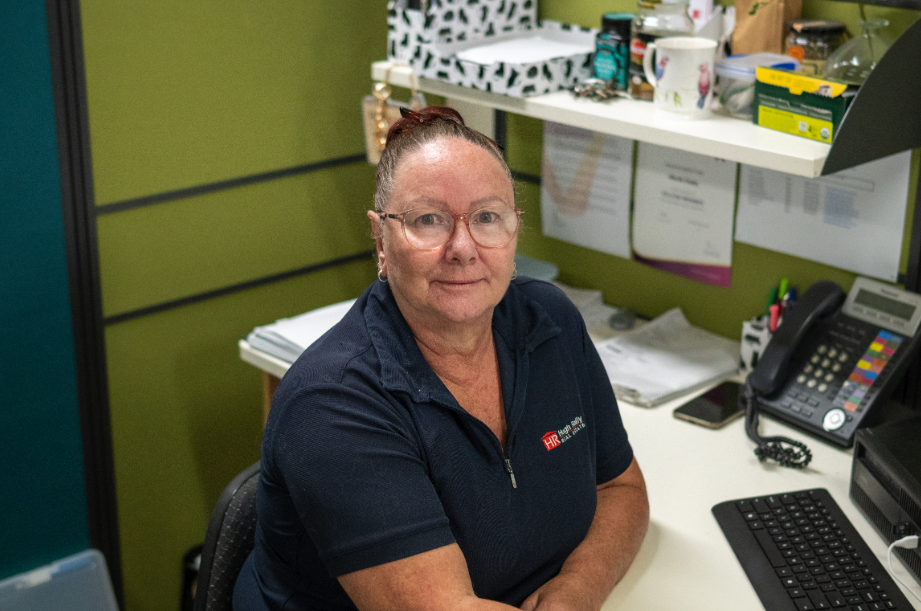
When it comes to property management in Mackay, Wendy Chatto doesn’t just do the job. She lives it. As Partner and Senior Property Manager at Hugh Reilly Real Estate, Wendy has spent over 30 years turning the challenges of property management into opportunities to connect with people, solve problems, and deliver results with integrity.
Wendy’s journey into real estate began in 1991. Originally working for the council in Bowen, an unexpected opportunity in real estate presented itself, and she embraced it, sparking a career that has spanned more than 30 years across Mackay and the Whitsundays. Her experience covers every aspect of property management, from conducting routine and vacate inspections to organising and managing complex tenant and landlord requirements.
“Every day is different,” Wendy says.
“There never seems to be enough hours in the day, but do what I do because I love talking to people and helping solve the challenges that arise.”
In October 2022, Wendy’s commitment to property management deepened when she became a partner at Hugh Reilly Real Estate. Her organised approach, combined with sharp attention to detail, allows her to deliver for landlords while ensuring tenants are treated fairly and professionally.
Wendy’s connection to the team is equally strong on a personal level. Her friendship with colleague Josey spans more than 30 years, predating their professional collaboration at Hugh Reilly. Her daughter has also been part of the team, further reflecting the family-oriented nature of the business. Within the office, Wendy is known for her calm, stress-free, and straight-forward approach, making her a trusted figure for both colleagues and clients.
Outside of work, Wendy embraces her passions with the same dedication she brings to property management. A keen gardener, she enjoys nurturing her green thumb and spending time with her furry companions. She also lives by the motto, “Don’t stress,” a philosophy she applies both in life and in the ever-challenging world of property management.
Wendy’s impact is felt not only through her professional achievements but also through the strong relationships she builds with landlords, tenants, and the wider Mackay community. As a Partner at Hugh Reilly Real Estate, she is instrumental in upholding the agency’s proud reputation, delivering outcomes with care, integrity, and professionalism.
For anyone looking for a property manager who combines expertise and compassion, Wendy Chatto is the one to call.
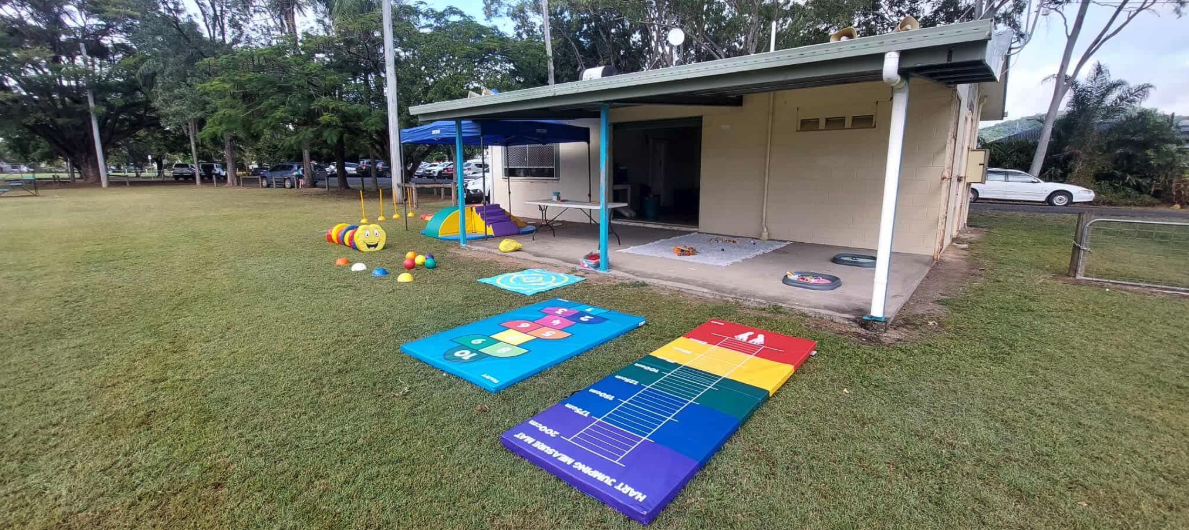
Sarina Athletics Club has celebrated a strong 2025 season, with more than 60 members returning to the Clubhouse this year. Community Bank Sarina Bendigo Bank has continued to be active in sponsoring the Club’s rebuilding and ongoing growth.
Steady participation across the season highlights the Club’s commitment to providing an inclusive environment where children and families can engage in sport and develop valuable life skills.
Athletes have enjoyed a year of development, with several travelling to Bowen to represent Sarina Athletics Club and returning with medals as well as valuable experiences that will shape their sporting journey.
Sarina Athletic Club Fundraising Coordinator Nicole McCowan said the Club has had a “busy year bringing the community together, thanks to the sponsorship support by Community Bank Sarina”.
“This year we hosted several local school and district carnivals, giving children the chance to get active close to home,” Ms McCowan said.
“The support from Community Bank Sarina, including their $5,000 sponsorship, has assisted us in strengthening our programs and creating even more opportunities for our members.”
Part of the rejuvenation was the introduction of the Squirts Program for children aged 2–5. The Athletics program continues to provide parents with the opportunity to get involved.
Another key part of reestablishing the Club has been enhancing its facilities and community services, including security screens for the canteen, crash bars on roller doors, security cameras and a new automatic external defibrillator (AED) accessible 24/7, providing potentially life-saving support and reinforcing the Club’s role as a safe and inclusive space for the broader community.
With the ongoing support of Community Bank Sarina, these events provide hundreds of local children the opportunity to participate in sports close to home, encouraging connection and a sense of belonging within our region.
Sarina Athletics Club will kick off its 2026 season after Easter, running across Terms 2 and 3. For updates on season start dates and Club activities, visit: Sarina Athletics Club Facebook.
To learn more about how Community Bank Sarina supports local initiatives and contributes to the community, visit: Community Bank Sarina Facebook.
The Sarina Athletics Club. Photo supplied

We are proud to be part of this year’s Seniors Expo and to showcase the warm, values-led care provided at Good Shepherd Lodge and Kerrisdale Gardens. For over 50 years, we have been supporting older people in Mackay and the Whitsundays with residential aged care, independent living, and respite services designed to meet individual needs and support wellbeing.
Our approach is centred on compassion, respect, and dignity. We believe aged care should feel like home where residents are safe, supported, and connected to community. From engaging lifestyle activities and wellness programs to nutritious meals and personalised clinical care, everything we do is focused on enhancing quality of life.
We are also proud of our dedicated and caring staff who go above and beyond every day to make a difference. They are the heart of our service, and their commitment ensures residents and families feel valued and respected.
Come and visit our booth at the Expo to meet our team, ask questions, and learn more about how we can support you or your loved one on the journey of ageing well. Together, we can create a future of care you can trust.
Services we offer include:

Sarina State High School student, Joel Raward, was given an unforgettable behind-the-scenes experience at the Helicore BMA CQ Rescue Helicopter base last month on Thursday, 18 September.
Joel was treated to a full tour of the CQ Rescue facility, where he explored the control room and gained insight into how the coordination team manages life-saving missions across the region. He also had the chance to sit inside the helicopter itself, learning how the crew operates during critical rescue and aeromedical emergencies.
Operating 24 hours a day, 365 days a year, the BMA CQ Rescue helicopter serves as a lifeline for Central and North Queensland, reaching even the most remote locations. From urgent medical transfers to search and rescue operations, the skilled crew is always ready to respond when every second counts.
This vital community service depends heavily on public support to stay in the air. Donations help ensure that CQ Rescue can continue delivering rapid-response care when it’s needed most.
To learn more or contribute, visit www.cqrescue.org.au
Sarina student Joel Raward toured the BMA CQ Rescue base, gaining insight into its vital life-saving operations. Photo source: Sarina State High School (Facebook)

This year Queensland Mental Health Week starts from 4-12 October and is the perfect time to come together and raise awareness about mental health and wellbeing.
One in five Australians aged 16-85 (22%) are estimated to have experienced a mental disorder in the last 12 months, while more than two in five (43%) have experienced one in their lifetime.
The theme of the year – ‘connect for mental health’ - invites us all to reflect on the importance of connections – with ourselves, others, our community, and nature, and how it can positively impact mental health.
selectability is proud to be a vital part in enhancing the mental wellbeing of regional Queenslanders.
With a strong focus on tailored support, the team are committed to fostering community connections by providing accessible support through a wide range of services, programs, and initiatives.
Nicole Guzowski, selectability regional coordinator for Mackay and Sarina, said programs like the Clubhouse offer a safe and welcoming environment for individuals to build new skills, share experiences, and work towards improved mental wellbeing.
“Whether it’s getting involved in self-reflection activities, engaging with others through fishing and games, or connecting with the community and nature through wellness walks and BBQs,” said Nicole.
“These activities are designed to foster connection and support but also reduce loneliness.”
For anyone over 18 seeking support to improve their mental wellbeing, there are a range of NDIS packages available, and funding options for those not on the scheme. To find out more contact the team on 07 4864 3000.
This year, thanks to Tropical Petography, Mackay’s dogs have been given the chance to shine on the international stage as part of the Tails of the World book project.
Tails of the World is an annual international photography book celebrating dogs from around the globe. Featuring stunning portraits by professional pet photographers, each edition showcases local dogs in their hometowns – from bustling cities to breathtaking landscapes. Founded by Caitlin J.
McColl, the project brings together photographers with a shared mission, to make a difference for pets in need and to spread joy through beautiful photography and heartwarming stories.
Now in its latest edition, this years project features the work of 81 photographers from 15 countries around the world. To date, over US $170,000 has been raised for animal rescue charities around the world.
Gee Emm of Tropical Petography said, "I was honoured to be chosen this year as Mackay’s representative photographer, contributing portraits of 14 much-loved local dogs in some of our region’s most scenic spots.
“From our stunning beaches to the leafy paths of the Mackay Regional Botanic gardens, these images capture the spirit of Mackay dogs while showcasing the beauty of our region.”
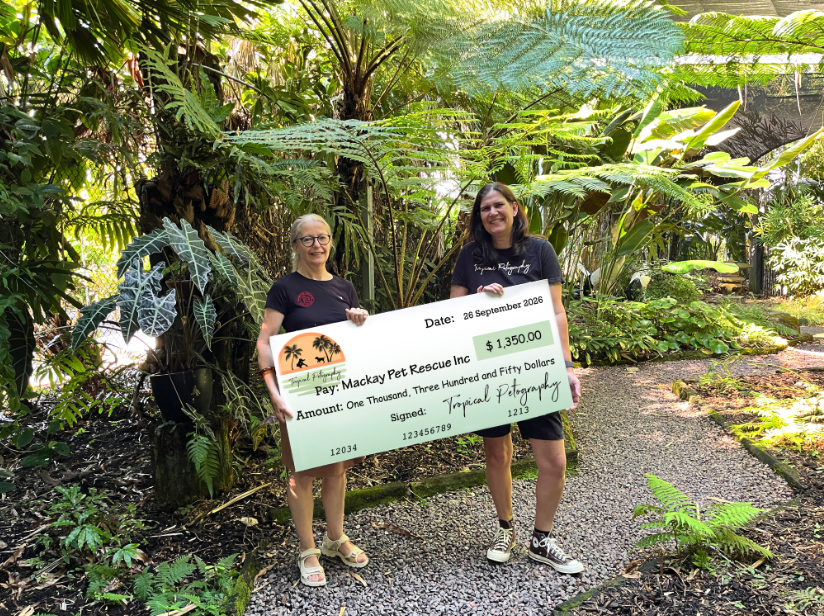
Each participating family paid a session fee, with 100% of that going directly to Mackay Pet Rescue Inc. to support their work rehoming and caring for dogs in need. The finished book not only celebrates pets but also provides real, lasting help for animals in need.
With hundreds of dogs from around the world brought together in one beautifully crafted hardback edition, Tails of the World is proof of the joy, love, and connection that canine companions can bring into our lives – no matter where we call home.
Copies of Tails of the World -2025 edition will be available for purchase later this year, with all proceeds from book sales being donated to Geelong Animal Welfare Society.
All 14 dogs that will be included in the book.
Gee Emm (L), Photographer from Tropical Petography, handing over the donation to MPRI Secretary Janet Ambrose (R). Photos supplied
If you’ve ever thought about writing your memoir but wondered how to move beyond personal reflection, this free workshop is for you.
Memory, Meaning, and the World Around You: Deepening Your Memoir will be held at the Dudley Denny Library on Saturday 18 October, and is designed for anyone aged 15 and up who wants to bring greater depth, honesty, and perspective to their life story.
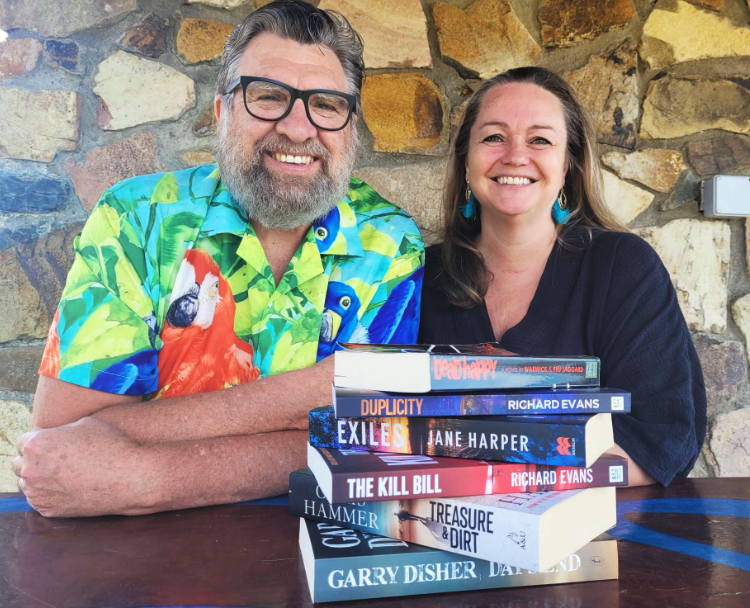
This interactive two-hour session – presented by publishing consultant and 852 Press director Dr Julia Evans, together with Richard Evans, accomplished author of ten crime thrillers (inspired by true events) – is perfect for writers at any stage of their memoir or family history journey.
The workshop will explore how to enrich personal narratives by drawing on letters and correspondence, situating stories in their cultural and historical context, and navigating the complexities of memory and writing about others.
Through short, practical exercises and guided discussion, participants will:
• Learn how to use and interpret personal letters to uncover emotional truths and historical detail.
• Explore techniques for weaving major historical events and cultural shifts into a personal narrative.
• Discuss ethical and creative approaches to writing about family, friends, and others in your story.
• Discover strategies for handling memory gaps while maintaining authenticity and coherence.
No experience is necessary—just bring your preferred writing device, copies of letters and photos you want to write about, and a curiosity to explore your own story.
Event Details
What: Memory, Meaning, and the World Around You: Deepening Your Memoir
When: 9:30am-11:30am Saturday 18 October 2025
Where: Dudley Denny City Library, 134 Victoria Street, Mackay
Admission: FREE. Open to ages 15+. Limited to 40 participants.
What to bring: Preferred writing device and copies of letters and photos.
Spots are limited, so book early with the Mackay Regional Council Libraries: https://mackay.events.mylibrary.digital/event?id=164962

James Cook University (JCU) researchers are calling for urgent government support to protect the spectacled flying-fox from extinction as new and escalating threats push the species closer to the brink.
Despite their reputation as noisy and messy neighbours, spectacled flying-foxes play a vital role in the survival of Australia’s rainforests, travelling vast distances to pollinate flowers and spread seeds at levels unmatched by any other species.
JCU adjunct associate professor Noel Preece said recent research shows long-term threats such as land clearing and human persecution are now being compounded by climate change and invasive ants, leaving the species increasingly vulnerable.
“The spectacled flying fox is a keystone species,” Prof Preece said.
“It’s one of the great travellers in distributing seeds across the wet tropics and Cape York landscapes, and a major pollinator of the forest.
“They can fly over 100km from their roost to find food and return home, flying over 200 kilometres in a single night. They move fruit around, pollinate trees and prevent tree inbreeding, and they have evolved with the rainforest, so they play a vital role in the Wet Tropics.
“It will be truly catastrophic to our rainforests if they are gone.”
CSIRO monitoring has already highlighted a dramatic decline, with numbers dropping 75 per cent between 2004 and 2017. Preece said the lack of consistent government support for monitoring and conservation programs is alarming.
“There’s no indication that the population decline has turned around. There’s nothing to suggest that, and no reason we can think of that it would just turn around,” he said.
“We do need to get the government to support this as a long-term program.”
While flying-foxes have long struggled with public perception, Preece said many issues can be easily managed.
“The problems they cause can be managed, and their ecological value far outweighs the nuisance.”
JCU-led research researchers calls for urgent government support to protect the spectacled flying-fox from the threat of extinction (Photo Supplied)
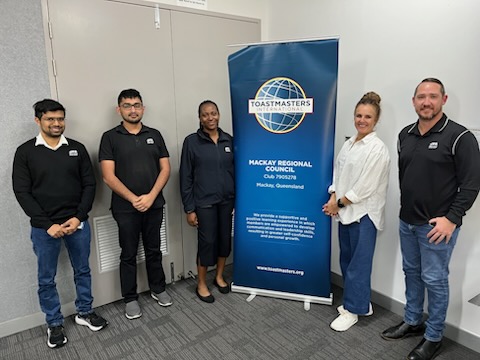
The Toastmasters Area 14 Conference will take place on Saturday, 25 October 2025, hosted by the Mackay Regional Council Toastmasters Club. This year’s theme is “The Art of Speaking Stronger Together.
The event will showcase the very best in public speaking, with contestants from the Mackay Clubs competing in four contests: Impromptu, where speakers think quickly on their feet; Evaluation, demonstrating the art of constructive feedback; Humorous, guaranteed to bring plenty of laughs; and the prestigious International Speech Contest, where powerful and inspiring messages are shared.
Winners from the Area 14 Conference will go on to represent the region at the Northern Division Conference with Toastmasters from Rockhampton to Cairns attending, being held in Mackay on the 7th February 2026. From there, competitors have the chance to advance all the way to the Toastmasters International World Championship of Public Speaking held in America.
Mackay is home to five Toastmasters clubs, each offering a supportive environment to grow communication and leadership skills. Members gain confidence in public speaking, learn how to deliver effective feedback, and develop skills that are invaluable in both work and everyday life.
Whether you’re interested in competing, improving your skills, or simply seeing some of the best speakers in action, the Area 14 Conference is an event not to be missed.
Mackay Regional Council Employees, developing their contest skills in preparation for the Area 14 Conference. Left to right: Beno Benty, Muxith Habib, Linda Egbo, Tara Lambert, and Luke Cimpa. Photo supplied

Mackay’s warm tropical climate brings sunshine almost year-round, making it a great place to enjoy the outdoors. However, the strong sun in North Queensland comes with health risks that should not be overlooked. Too much exposure can lead to sunburn, dehydration, heat stress, and an increased risk of skin cancer.
UV levels in Mackay are rated as extreme for much of the year, even when it's cloudy or cooler. You can get sunburnt in as little as 10 minutes during peak UV hours, usually between 10am and 3pm. UV radiation is invisible, so it’s not always obvious when your skin is at risk. That’s why using protection every day is so important.
Queensland has one of the highest rates of skin cancer in the world, and people in this region are particularly exposed due to the climate and lifestyle. Preventive steps are simple but essential. Wear a long-sleeved shirt, apply SPF30 or higher sunscreen every two hours, wear a wide-brimmed hat, stay in the shade when possible, and use sunglasses that meet Australian standards.
It’s also important to stay hydrated. The heat and humidity can quickly lead to dehydration or heat-related illness. Keep a water bottle on hand, take breaks, and know the early signs of heat stress such as dizziness, nausea or fatigue.
By building sun safety into your daily routine, you can enjoy the best of Mackay’s lifestyle while protecting your health now and into the future.
By Hannah McNamara
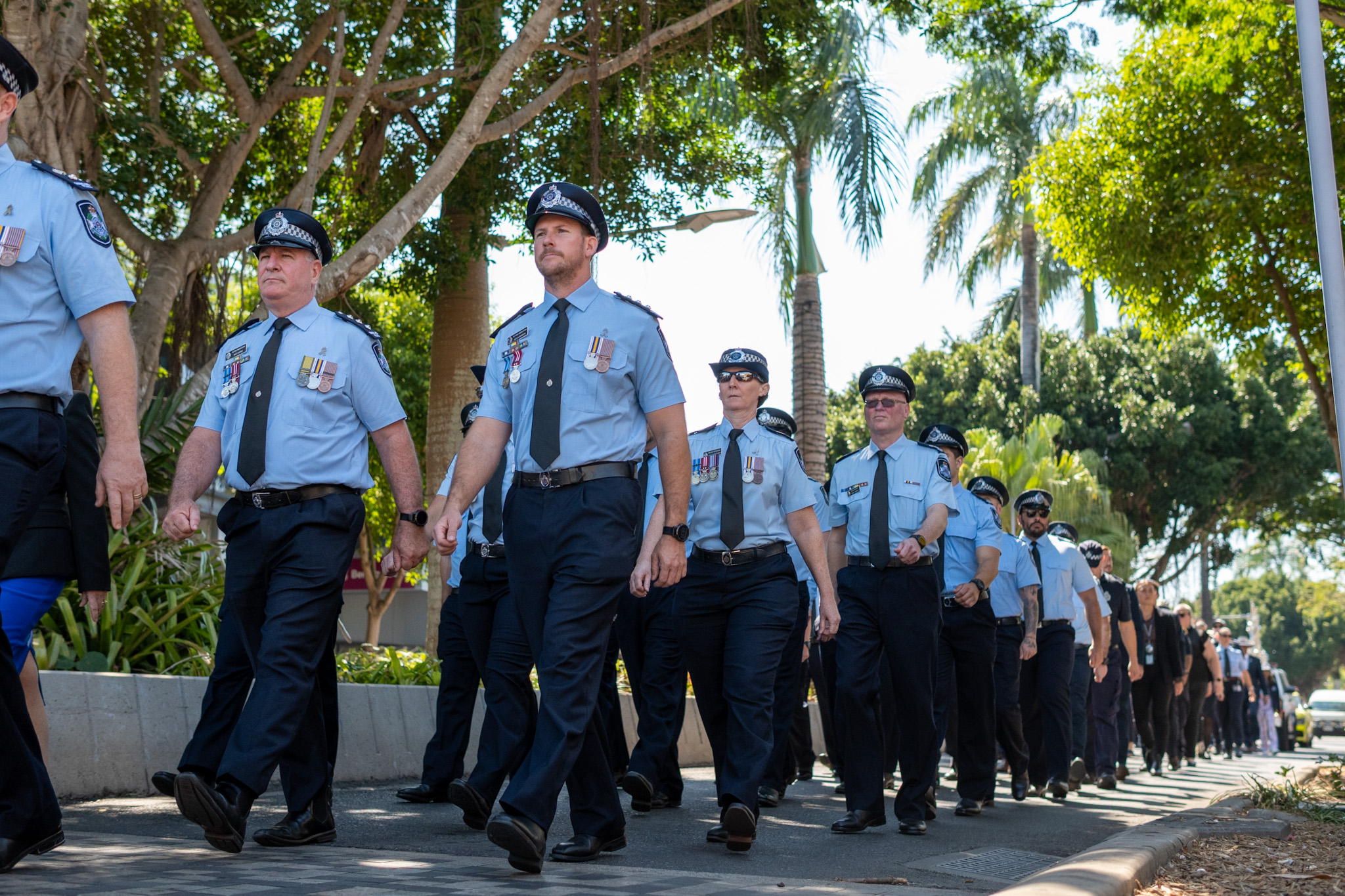
Mackay paused in quiet respect as police officers, past and present, marched through the city in a heartfelt tribute to colleagues who lost their lives in service. On Monday, 29 September, the streets from Brisbane Street to St Patrick’s Catholic Church were filled with the steady presence of the blue family, joined by friends, families, and community members from across the region, marking National Police Remembrance Day.
Earlier in the week, a candlelit vigil at Old Town Hall Park offered a moment of reflection, allowing the city to honour the fallen and consider the sacrifices made by officers and their loved ones.
Superintendent Dean Cavanagh described the day as a solemn reminder of both loss and solidarity, highlighting the enduring strength of the police community and the support of the wider public. Retired officer and Member for Mackay Nigel Dalton reflected on the courage and dedication of those who continue to serve.
Mackay came together in solemn tribute on National Police Remembrance Day, with officers, families, and community members honouring fallen colleagues through a candlelit vigil and city march. Photo credit: Hannah McNamara
By Hannah McNamara
Throughout Mackay’s CBD, the sound of polished boots echoed down Brisbane Street, accompanied by the solemn notes of bagpipes, as serving and retired officers, families, and friends marched in tribute to the men and women in blue who gave their lives protecting the community.
On Monday, 29 September, Mackay’s city heart turned blue as members of the Queensland Police Service, alongside retired officers and community supporters, made their way from Brisbane Street to St Patrick’s Catholic Church. The march brought together officers and community members from near and far, to honour National Police Remembrance Day.
A few days earlier, on Thursday evening, Mackay Police hosted a vigil at Old Town Hall Park on Sydney Street, where the soft glow of candlelight offered quiet moments of reflection ahead of Monday’s march.
Superintendent Dean Cavanagh said, “The blue family of the Queensland Police Service extends well beyond our current serving members.
“It includes retired officers, both sworn and unsworn, as well as the friends and families of every police officer who has served before.”
He said while the day carried a sense of sadness, it was also an opportunity to acknowledge the unity that binds officers and the communities they serve.
“It can be a very sad and solemn day, but it’s also an important moment to stop and reflect… to look around and see the community, family, friends, and colleagues who come together to remember our lost officers and acknowledge that we’re part of a strong and supportive community.”
Superintendent Cavanagh said policing could be both dangerous and rewarding, and days like this highlighted the importance of solidarity.
“We gather not only as the blue family but alongside the community, supporting each other through the good times and the bad,” he said.
While the Mackay Whitsunday District has lost officers in the past, Superintendent Cavanagh said no new names were added to the roll of honour this year, and it’s a hope he wishes will continue.
“We stop, reflect, and remember their legacy and service. Our wish is that no more names are added to that honour roll.”
“It’s wonderful to see such strong support from both the service and the public,” Superintendent Cavanagh said.
Member for Mackay Nigel Dalton, a retired police officer, also reflected on the day’s meaning.
“As a retired police officer, this day holds deep significance. I reflect on the courage, sacrifice, and quiet strength of those we've lost — and the heavy toll it leaves on their families and fellow officers.”
“To those still wearing the badge — thank you for your unwavering dedication, your resilience, and the tireless work you do to protect our communities every single day.”
With Honour They Served
Superintendent Dean Cavanagh
Mayor Greg Williamson and Member for Mackay Nigel Dalton MP laying a reef for the fallen police officers.
Officers, families, and community members marched through Mackay’s CBD to St Patrick’s Church, honouring fallen police. Photo credit: Hannah McNamara
.jpeg)
Hi lovely readers,
Can you believe it’s October already? Cue all the Christmas fanatics cheering and unpacking their boxes of decorations, ready to adorn their homes early! My mum is one of those early Christmas fans – but I love her for it (lol).
It’s been a busy week, with an even bigger month ahead, with plenty of fun activities and community events on the calendar. You might just spot me with my camera at this Saturday’s Mackay Family Carnival… so get ready to say cheese!
On another note, it’s been a big week for our region, with the official opening of the $18M Queensland University of Technology (QUT) Mackay-based Pioneer Biopilot – fascinating stuff! You can read more about it on page 3.
Sport in Mackay is thriving as always – our BMX riders have been smashing out Queensland titles, our surf lifesaving legends continue to impress, and the Mackay Tennis Association recently hosted a lively tournament. Our regular sporting contributors, including Bridge and Road Runners, never miss a beat either! Catch all the action on pages 31–33.
Last Thursday and Monday, I attended two ceremonies honouring the Queensland Police Service and all officers in blue who have lost their lives while protecting their community.
Let it be a reminder to always count our blessings, and I pray you all have a wonderful week ahead!
Publishers Indemnity. Any individual or entity that places advertising, supplies copy material, or submits editorial content to Core Life Publishing agrees and undertakes to ensure that all such material:- Does not infringe upon any copyright, trademark, or other intellectual property rights;- Is free from any content that could be considered defamatory, libelous, or slanderous;- Does not infringe upon any rights related to privacy or breach of confidence;- Contains no obscene, indecent, or otherwise unlawful material;- Complies fully with the Trade Practices Act and all other applicable laws, regulations, or statutes.Furthermore, by submitting or placing such material, these individuals or entities agree to indemnify and hold harmless the publisher, Core Publishing and Events Pty Ltd, and/or its agents from and against any and all investigations, claims, demands, liabilities, damages, costs, or judgments arising out of or in connection with the material provided. All material is believed to be accurate at the time of printing and remains the copyright of Core Publishing and Events Pty Ltd.
© 2026 Mackay and Whitsunday Life Pty Ltd.
