
Independently Owned, Locally Grown, Community Loved
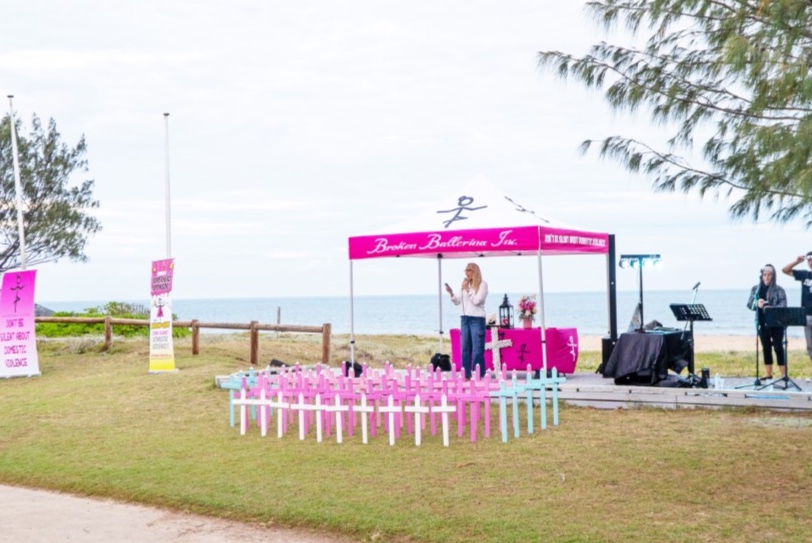
Last week the Whitsunday Counselling and Support organisation hosted their annual Candle Lighting Ceremony in Cannonvale to mark the beginning of Domestic and Family Violence Prevention month. Each May, the annual initiative aims to raise awareness of domestic and family violence and coercive control. The theme for 2026’s DFV month is: Together Queenslanders can prevent domestic and family violence. The event saw attendance from Mayor Ry Collins, Cr Jan Clifford and representatives from the Whitsunday Police Station and Whitsunday Counselling and Support. An acknowledgement of country was provided by Vicky Brimble (Koa Banburi) with music performed by Nicke Di Gregorio. Manager of Counselling Services at Whitsunday Counselling and Support Sharon Parker presented a powerful speech as she memorialised those lost, and put forward a call to action. “In our commemoration today, I would ask you to not just think about these deaths as statistics, but to reflect on the people behind the statistics,” Sharon said. “These were real people, with lives that mattered. They mattered.” Clothes were displayed to mark the individuals who tragically lost their lives to domestic violence. A list was provided of individuals across Australia who had lost their lives to domestic and family violence over the past two years, with many of the cases still ongoing. “This is not a comfortable thing to do,” Sharon said. “I know that whilst compiling this list I got emotional thinking about the victims. However, commemoration is important, as without discomfort, we are rarely moved enough emotionally to make change.” Sharon defined domestic and family violence, to improve awareness across the region. “Domestic and family violence is behaviour that occurs between people who are, or have been, in a domestic or family relationship. It is not just physical violence. It can include abuse that is emotional, financial or sexual. Tragically, it can have fatal consequences.” The speech touched on societal factors that contribute to domestic and family violence. “We did not arrive here suddenly. This harm has been shaped over time by gender inequality, rigid power structures and attitudes that have normalised control, silence and excuse making,” Sharon shared. “Misogynistic beliefs and patriarchal standards – when left unchallenged – can normalise control, silence and violence, particularly within homes and relationships. “Such attitudes can affect women’s safety both at home and in public. Many women live with the risk of domestic and family violence and often are making constant decisions with behaviour, routine or clothes – just to feel safe.” Sharon has also addressed the impacts of patriarchy and misogyny on men. “For men it is also harmful. It creates pressure to fit into narrow ideas of masculinity which may discourage men from expressing feelings, showing vulnerability or asking for help. These expectations can negatively affect men’s mental health, relationships and wellbeing. Patriarchy can also limit men’s freedom take on caring roles, seek support or live in ways that don’t fit traditional gender stereotypes.” Sharon then put forward a call to action, advising community members on how they could show their support. “Each of us has a role to play. Speaking up matters. We must all challenge sexist or violent language. Refusing to make excuses matters. Listening, believing and supporting survivors matters. Changes comes when individuals choose to reject attitudes that devalue, dismiss or endanger others. “So today, I challenge you with this call to action. I challenge you to reflect on how you view domestic and family. I challenge you to examine everyday behaviours, attitudes and conversations – and to choose to do better. Real change happens when individuals are willing to challenge what feels familiar and take responsibility for creating safer, more respectful relationships and communities.” Following on from the vigil on Thursday 14th, a roundtable was led by the DFV Prevention Council at Shute Harbour Marine Terminal. The stakeholder roundtable focused on domestic and family violence (DFV) primary prevention, with a strong emphasis on community-led approaches and collaboration across the region. The session brought together a range of local leaders and stakeholders, including representatives from council, police, community services and state agencies, to discuss opportunities for strengthening prevention efforts across communities including Airlie Beach/Cannonvale, Proserpine and Bowen. The focus was to identify local drivers of DFV, map community strengths and resources and explore practical, place-based solutions to help prevent violence before it starts. If you or someone you know is in a dangerous or life-threatening situation, call Triple Zero (000). If you don’t want to speak to the police you can also call DV Connect on 1800 811 811 or 1800 RESPECT on 1800 737 732 (24 hours, 7 days a week). You can also go to the Domestic and Family Violence Prevention Month website for more details and support. https://www.qld.gov.au/community/getting-support-health-social-issue/support-victims-abuse/need-to-know/i-want-to-help-someone/practical-steps-to-help-someone-experiencing-dfv/taking-community-action/domestic-and-family-violence-prevention-month#:~:text=Each%20May%2C%20Queensland%20marks%20Domestic,Violence%20(DFV)%20Prevention%20Month. – can designers make into QR Code please. Domestic and Family Violence is an ongoing issue across the country. Change is required at an individual level to make a difference on a national scale. The Whitsunday Counselling and Support team with Mayor Ry Collins and Councillor Jan Clifford. Constable Christina Smith speaking about domestic and family violence. Photos supplied
Read the full story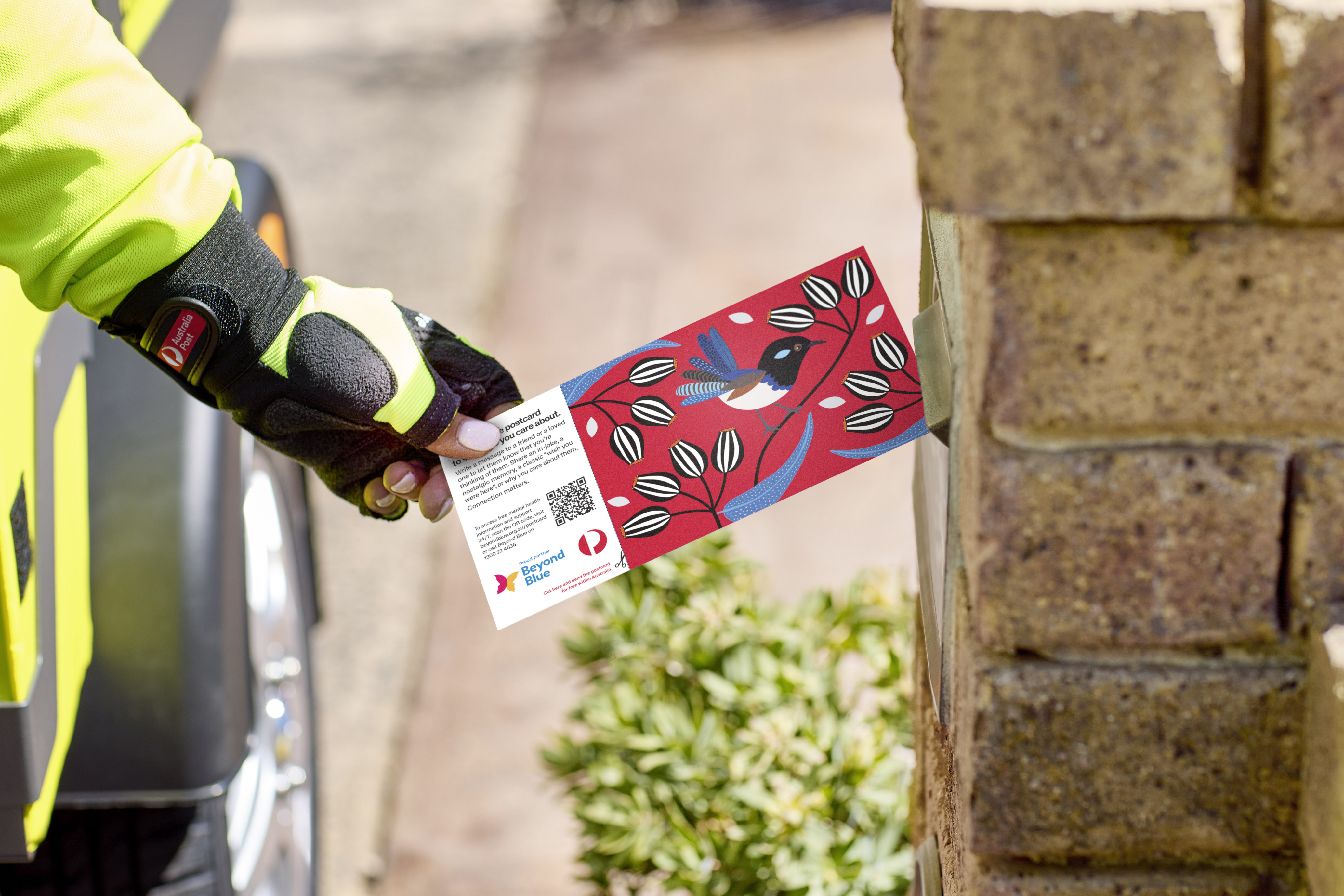
Millions of Australians, including households across the Mackay Shire, are being encouraged to reconnect with loved ones as Australia Post and Beyond Blue mark a major milestone in their national Connection Postcards campaign. This month, four million prepaid postcards are being delivered to letterboxes across the country, with Queensland receiving more than 824,000 cards as part of the initiative aimed at tackling loneliness and social isolation. The campaign also celebrates two significant milestones, the delivery of the 25 millionth Connection Postcard since the initiative began in 2021, and 25 years of Beyond Blue supporting Australians’ mental health. Australia Post General Manager Community and Stakeholder Engagement, Nicky Tracey, said the campaign comes at a time when many Australians are feeling increasingly disconnected from their communities. “More Australians are saying they’re feeling disconnected, and that sense of isolation can have a real impact on wellbeing,” Ms Tracey said. “This year is particularly exciting as we celebrate 25 years of Beyond Blue supporting Australians’ mental health and deliver the 25 millionth Connection Postcard since the campaign began. “Connection Postcards are a simple way to reach out, to let someone know you’re thinking of them, and to remind people they’re not alone.” Recent research from Beyond Blue found only one-third of Australians feel a sense of belonging within their local community, with loneliness and isolation particularly affecting regional and remote areas. The issue is especially significant for farming communities across regional Queensland, where financial pressures, cost-of-living challenges and extreme weather events continue to impact mental health and wellbeing. Beyond Blue CEO Georgie Harman AO said simple acts of connection can play a powerful role in supporting mental health. “Staying connected with others is so important for our mental health, but too many Australians, particularly those in regional and rural communities, are feeling lonely or disconnected,” Ms Harman said. “Simple, everyday interactions that foster connection, like writing a postcard or saying hello to people in our neighbourhood, are some of the most effective ways to support mental wellbeing and strengthen the relationships we rely on for our mental health.” Connection Postcards are available through participating Australia Post outlets and can also be ordered online through Beyond Blue’s Connection campaign page. The campaign encourages Australians to send a handwritten message to a friend, family member or neighbour as a reminder that support and connection matter. CAPTION: Australia Post and Beyond Blue are encouraging Mackay region residents to reconnect with loved ones through the nationwide Connection Postcards campaign, which this year celebrates the delivery of its 25 millionth postcard. Photo supplied
Read the full story
When it comes to CPAP therapy, there are plenty of myths that can stop people from getting the sleep they need. The reality is that modern CPAP technology is quieter, smaller and more comfortable than ever. Let’s separate fact from fiction. Myth 1: CPAP is for old, overweight men Fact: Obstructive Sleep Apnea (OSA), doesn’t discriminate based on age, gender or body type. While excess weight can often make symptoms worse, a 2025 meta-analysis suggests that roughly 60–70% of people with OSA are not obese at all. Meanwhile, Men are often diagnosed easier and earlier due to classic symptoms like loud snoring or choking during sleep. Women, also suffer from sleep apnea and tend to be overlooked or misdiagnosed as their symptoms differ. Women tend to present with more subtle signs such as insomnia, morning headaches or fatigue especially when approaching menopause. Myth 2: CPAP machines are loud and bulky Fact: Modern CPAP machines are quiet, compact and designed for convenience, with features like auto-adjusting pressure and ramp settings to improve comfort. There are even ultra-portable travel CPAP devices that are small enough to fit in your pocket! Myth 3: CPAP masks are uncomfortable to wear Fact: Whilst the mask is the most important part of your CPAP setup, technology has made them smaller, lighter and more minimalistic to maximise comfort. Some masks even use ultra-soft memory foam cushions that gently conform to your face. Most people adjust to modern CPAP masks within a few weeks of starting therapy. The bottom line? CPAP therapy is supper common and the upsides of a great night sleep make it worth a try. At CPAP Direct, we regularly help fit, active individuals, as well as women of all ages, who never expected sleep apnea to be the cause of their symptoms. Ready to start a trial? Visit www.cpap.com.au or call 1300 133 298 to chat with CPAP Direct’s crew.
Read the full story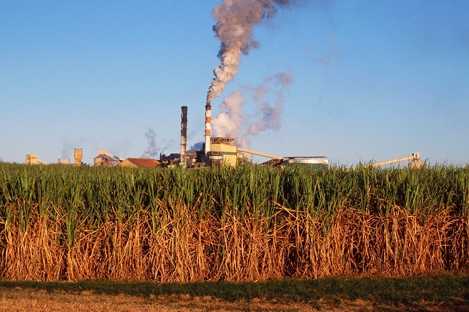
Biofuels Push Could Unlock New Future For Mackay Cane Industry Queensland’s push to kick-start a domestic biofuels industry could unlock significant new opportunities for Mackay’s sugarcane sector, according to CANEGROWERS CEO Dan Galligan. Mr Galligan welcomed the Crisafulli Government’s recent $25 million investment into biodiesel production at Ampol’s Lytton Refinery in Brisbane, describing it as an important first step towards building a stronger and more resilient economy while paving the way for future growth across regional industries. “While this project may not directly involve sugarcane, it’s an important step in establishing the kind of industry that, with the right investment and policy settings, can unlock significant opportunities for cane growers,” Mr Galligan said. Queensland’s sugar industry has long advocated for the expansion of a domestic biofuels sector, with the potential to significantly increase ethanol production, generate more green electricity through sugar mills and eventually produce advanced biofuels such as sustainable aviation fuel. With the Mackay Shire recognised as one of Australia’s largest sugar-producing regions, Mr Galligan said local growers could play a major role in helping power Queensland’s renewable fuel future. “This is about more than cleaner energy – it’s about building a stronger, more resilient economy, creating new markets for growers, adding value to every tonne of cane, and backing regional jobs and investment,” he said. “It’s also about fuel security. Recent global disruptions have shown how exposed Australia is to supply shocks, and building a domestic biofuels industry helps reduce that reliance.” Mr Galligan said ensuring sugarcane remained central to future biofuel production would be critical to delivering the industry at scale and strengthening long-term opportunities for regional Queensland communities. The announcement comes amid growing national discussions around fuel security, regional manufacturing and reducing Australia’s reliance on imported fuel supplies. In recent weeks, the Queensland Government announced plans to strengthen the State’s fuel security through expanded local drilling, refining and storage capacity, including unlocking additional infrastructure opportunities at ports across Queensland. Official expressions of interest have also opened under the new Accelerating Fuel Infrastructure Program, inviting industry proposals for fuel refining and storage projects on government-owned land and ports in Townsville, Mackay, Gladstone, Abbot Point, Bundaberg and Brisbane. Minister for Natural Resources and Mines and Minister for Manufacturing Dale Last said the focus was now on future-proofing the industry and creating long-term opportunities. "We know what the challenges are and I’m looking at the opportunities going forward, because that's where we can make the greatest change and get the most benefit," Mr Last said. Federal Member for Dawson Andrew Willcox said recent fuel shortages had exposed critical gaps in Australia’s fuel storage capacity, particularly for regional and agricultural communities. “This crisis has exposed Australia’s vulnerability to global supply shocks of critical liquid fuels, including in Dawson,” Mr Willcox said. “We must protect our economic foundations by scrapping the Safeguard Mechanism costs on refineries and lifting the minimum stockholding obligation. This is the only way to ensure that during global disruptions, our tractors keep moving and our supermarket shelves stay stocked.” CANEGROWERS said it would continue working with government and industry partners to ensure momentum in the biofuels sector translates into practical outcomes for growers and regional communities across Queensland. CAPTION: CANEGROWERS says Queensland’s growing biofuels industry could create major new opportunities for Mackay cane growers. Photo source: CANEGROWERS
Read the full story

One of CANEGROWERS’ primary roles is services to industry, and we have been tackling the issue of high valuations and rates applied to peri-urban agricultural land in Mackay region for several years now.
Council says the valuations set the pace for rates, but it is well known that there are many levers they can pull, structural changes like banding and capping. Residential properties are banded, but when it comes to rural rating, there is only Canefarming and Other Rural. The Cane-farming rate in the dollar is akin to a shopping complex or a commercial/industrial property. Other Rural is half the amount, be it aquaculture, high intensity horticulture, grazing, hay production. Mackay’s rural rating system is a blunt tool that literally canes one sector of agriculture. Whitsunday, for example, has eight banded rural categories across a variety of production types.
Over these past few years, we’ve had several meetings with council, including a recent meeting including a group of the affected growers. Yes, there was a small drop in the cents in the dollar rate, but this did not address the bigger problem. Cane should not be council’s cash cow, but it does seem to be addicted to the sugar hit.
It is a fact that councils across Queensland are trapped in an antiquated funding model with limited means of raising revenue. The budgeting seems to require that the cane sector pay the high rate. But equity an rural rating is paramount in ensuring a viable industry.
Frankly, it is a struggle to get council’s understanding on the pressure this places on the sugar industry. Yes, council did apply a rate reduction that resulted in a decrease for growers, but did not alleviate the pressure placed on growers near the edge of the city, with those people facing around 150-250 % increases in their rates bill since the last round of state land valuations.
In real terms, that can see these growers facing rates bills upwards of $6000 and beyond into the teens. One grower has said that it is a cost of the first $3 a tonne of his cane goes to paying his rates bill. Cane farms are small family businesses, by and large. In most cases, these properties are generational farms, and peoples homes as well. The city has grown out around them, with housing developments spreading the suburban footprint. Also, more people are going for lifestyle blocks, with affording high prices upwards of $41,900/ha made possible by high incomes from other industries but consequently skewing property valuations.
For the farmers, this increased nominal value is not something they will realise. Ideally, farms are passed down through generations or perhaps sold on retirement if there is no family succession.
Council has said that large rates increases “only” affect six growers. We have a list of 20+ growers whose cost of production has been severely impacted by steep rates increases, and we know that the footprint of affected cane land in the peri-urban space is around 5000ha in Mackay. Why does that matter? Two of our Mackay mills (Racecourse and Farleigh) are within that peri-urban footprint. Not only is the alluvial plain around the Pioneer some of our most productive agricultural land, it is also the closest to the mill, therefore the most affordable for the mills to transport for processing. Pushing farming away from the city increases costs for the millers, and incrementally challenges viability.
It is a fact: not all ag land is created equally and some places are more productive than others. They produce more tonnes to the hectare.
Cane is a big part of our regional economy, and potentially a massive part of a future biocommodities sector including fuels, fibres and food. So, it is worth supporting that with sound ratings practices that encourage industry viability. No mill means no growers, insufficient tonnes means no mill.
If we continue to drive a wedge between industry infrastructure and good quality agricultural land, our industry will certainly suffer, and the regional economy along with it.
Last of all. Mackay’s character – used prolifically in marketing the region - features a city flanked in cane, where green cropping spaces are part of the town’s character.
The sugar industry is what Mackay is built on. If we drive that away, it can never be recovered.
Is that what we want as a region?
Much cropping land has been lost over time around Mackay’s expanding city edge This image is of The Sugar Research Institute in the 60s, showing cane where modern-day Paget now stands. Photo credit: MCL Archive

Community Bank Sarina Bendigo Bank is proud to provide essential support to grow the impact of Mackay Hospital Foundation (MHF) volunteers. Through its ongoing sponsorship, Community Bank Sarina remains committed to supporting MHF volunteers in their vital work within the community.
MHF General Manager Kristi Algate highlighted the impact of Community Bank Sarina’s support.
“It’s been just over 12 months since MHF volunteers donned their new Community Bank Sarina-branded polo shirts, with the sponsorship supporting volunteers throughout Mackay Hospital and Health Service," Ms Algate said.
“These wonderful people donate their time assisting in all areas of the hospital and provide a positive first impression at the information desk."
From Oncology, the Specialist Outpatient Department, Rehabilitation, Eat Walk Engage, the Emergency Department, the Children’s Unit, Library and Convenience Trolleys, the Gift Shop and driving Patient Transport, the volunteers are an integral part of the hospital community.
“From wayfinding to companionship, the dedicated volunteers brighten the lives of those who are experiencing trauma or simply make someone’s day a little better," Ms Algate said.
"In 2024, volunteers worked approximately 8,563 hours supporting patients and visitors at Mackay Base Hospital.”
With 100 volunteers across the Mackay, Isaac and Whitsunday regions, the bank’s sponsorship remains a huge benefit to our local hospitals. MHF’s volunteers provide 12 services within Mackay Base Hospital, as well as Sarina, Proserpine, Moranbah, Dysart, Clermont, Bowen and Collinsville hospitals.
At Clermont Hospital, 21 volunteers assist in Montcler Aged Care, while in the Whitsundays, volunteers operate the Whitsunday Patient Transfer service.
Across the Mackay Hospital and Health Service, more than 340,000 patients annually attend appointments, admissions and births or receive treatment in the Emergency Department.
“Community Bank Sarina’s sponsorship of our hospital volunteers enables them to interact with and assist a significant number of visitors to our local hospitals," Ms Algate said.
"In many cases, the impact volunteers have on the people they interact with daily is incredibly profound.”
Mackay Hospital Foundation volunteers, proudly supported by Community Bank Sarina Bendigo Bank, continue to make a meaningful difference in local hospitals through their dedication and compassion. Photo supplied
.jpg)
The ports of Mackay, Hay Point and Abbot Point contribute an impressive $31.7 billion annually to the State’s economy (Gross State Product), a new economic impact study has revealed.
The study, conducted by independent experts Prominence and commissioned by North Queensland Bulk Ports (NQBP), also found the three east coast ports support around 40,000 jobs across the mining, construction, transport and wholesale trade industries.
NQBP CEO Brendan Webb said the report shines a light on the economic importance of the Mackay Isaac Whitsunday region to the State’s economy.
“The Port of Hay Point, one of the largest metallurgical coal ports in the world, helps inject more than $21 billion annually into the Queensland economy and facilitates around 30,000 jobs,” Mr Webb said.
“The Port of Mackay, which not only plays a critical role in the mining supply chain but is the cornerstone of the region’s powerhouse sugar industry, which contributes more than $1 billion annually and supports more than 2,000 jobs across Queensland.
“The Port of Abbot Point is Queensland’s most northern coal export terminal, supporting global energy markets and contributes nearly $10 billion annually and facilitates more than 8,000 jobs."
Mr Webb said the report also revealed the combined contribution of all NQBP’s four ports – Hay Point, Mackay, Abbot Point and Weipa.
“Together, our ports and the people who power them make a mighty contribution to the Queensland economy,” Mr Webb said.
“Our ports serve as critical gateways, but it is through our port partners—our terminal operators, customers, tenants, supply chains, and local businesses— that this contribution truly benefits Queenslanders.
“The ports handle over 54 per cent of Queensland’s international trade by volume; contribute $35 billion annually to Queensland’s Gross State Product and facilitate more than 47,000 jobs across the state.”
The study, released today at a breakfast hosted by NQBP in conjunction with the Resource Industry Network, shows total annual trade passing through NQBP ports is approximately $53 billion in value and around 150 million tonnes in volume. Metallurgical coal - a primary ingredient in steel making - is by far NQBP’s biggest trade by volume (86 per cent), followed by exports of thermal coal, bauxite and sugar.
The employment impact is greatest in regions where trade facilitated by the export of metallurgical coal drives significant economic activity.
While exports make up the bulk of NQBP’s trade, import volumes have grown by more than 25% since 2019. Imports for the region come through the Port of Mackay and while fuel makes up the majority, diversity of imported goods is increasing including break bulk cargo.
“NQBP sees Mackay as a critical port to enable future economic development of the Greater Whitsunday region and is investigating key capital improvements at the port,” Mr Webb said.
“These potential investments, including extending Wharf 1’s cargo handling capabilities and establishing purpose-built laydown areas, will facilitate competitive port services for the region’s existing industries and provide confidence to proponents of new projects whether they are in mining, agriculture, future fuels, tourism, Defence or renewable energy.”
NQBP’s economic contribution to Gross State Product (GSP) accounts for 44 per cent of total GSP contribution from all Queensland ports.
“This report is a fantastic initiative from North Queensland Bulk Ports, that focuses in on the local impact of these ports,” said Ports Australia CEO Mike Gallacher.
"As the data emphasises, NQBP plays a crucial role not only in the national economy but also in supporting regional economies and their investment back into these communities.”
In identifying the resources sector’s contribution to Queensland’s economy, Resource Industry Network general manager, Dean Kirkwood acknowledged that the ports are a key piece of infrastructure enabling this significant contribution.
“NQBP is an impeccable corporate citizen that is truly focussed on ensuring the continued prosperity of the Mackay Isaac Whitsunday region,” Mr Kirkwood said.
Mr Webb added that the trade results were only possible because of the commitment and hard work of the men and women from across the port supply chain.
“From terminal operators, customers and marine pilots, to miners, cane growers and so many more – safe and efficient ports are only possible because of the collective efforts of the pioneering people of our regions.”
Mr Webb said NQBP believed in a bright future for NQBP’s ports and the regions.
“With a track record of infrastructure improvements over the past decade, we will continue to invest in our ports, people and operations in support of the vital role they play in the prosperity of Queensland.”
Assistant Minister of Regional Development, Resources and Critical Minerals Bryson Head MP, Trade and Investment Queensland CEO Justin McGowan, Mackay Regional Council Mayor Greg Williamson, Ports Australia CEO Mike Gallacher, NQBP Board Chair Jane McTaggart, NQBP CEO Brendan Webb, Member for Mackay Nigel Dalton, Member for Mirani Glen Kelly, and Resource Industry Network General Manager Dean Kirkwood at the launch of NQBP's Economic Impact Study. Photo supplied

By Amanda Wright
She came in like a wrecking ball—and left with the mirror ball trophy.
In a night filled with dazzling performances, surprise victories, and more than a few jaw-dropping moments, the 2025 Dancing with Heart event saw Usadee Phiraphak take centre stage with an electrifying routine to Miley Cyrus’ ‘Wrecking Ball.’ The Revolution Electrical representative left it all on the dance floor, proving that passion and perseverance can outshine even the most seasoned performers.
The crowd at the MECC was on their feet as the winner was announced, but no one was more shocked than Usadee herself. The moment was punctuated by a joyful shriek—an audible mix of disbelief and sheer excitement—echoing through the packed venue. The result of months of gruelling rehearsals, her triumph was all the more extraordinary given that she had never stepped onto a stage for a dance performance before.
The MECC was alive with glitz, glamour, and an overwhelming sense of community as ten brave dancers took to the stage for the 2025 Dancing with Heart competition. Organised by the Mackay Hospital Foundation (MHF), the annual event saw competitors from across the region step out of their comfort zones in the name of charity.
The competition was fierce, with standout performances including Jason Barrett’s dynamic take on Rihanna’s ‘Umbrella,’ which earned him the People’s Choice Award, and Stacey Brownsey’s fundraising prowess, securing an incredible $9,111 for the cause. But it was Usadee Phiraphak’s breathtaking performance that sealed the deal, securing her the prestigious mirror ball trophy, presented by last year’s champion, Zach Spencer.
MHF General Manager Kristi Algate praised the dedication of everyone involved, particularly choreographer Dolly Louw from Fame Talent School, who worked tirelessly to turn complete beginners into stage-ready stars.
“Dolly puts her heart and soul into this event each year to choreograph participants’ routines, with many having no previous dance experience whatsoever,” Ms Algate said.
“We are so proud of what she achieves year after year, and the Fame Talent School backup dancers do an amazing task of helping to finesse each dance.”
The judging panel—Cathy Sullivan from Mt Pleasant Centre, Detective Inspector Emma Novosel from the Mackay Whitsunday District Queensland Police Service, and Josh Smith from Elders Insurance—had their work cut out for them, as each contestant brought energy and enthusiasm to the stage.
With each dancer tasked with raising $5,000, the event exceeded expectations, bringing in more than $85,000 to support local hospitals.
Ms Algate was quick to acknowledge the commitment of the participants and the broader community.
“To each of the dancers, the backup dancers, to Dolly Louw, prize donors, sponsors, and everyone who attended Dancing with Heart, we owe a huge gratitude to all for supporting the dancers and this event but most importantly, for supporting our local hospitals,” she said.
“These dancers are incredibly brave for putting their hand up to support a cause that benefits our entire community. The amount of hours dedicated by Dolly and each participant hasn’t gone unnoticed, and we are immensely grateful.”
With the 2025 competition now in the books, the countdown has already begun for 2026. As Ms Algate hinted, “With Dancing with Heart 2025 behind us, it won’t be long before we’re recruiting dancers for 2026. We can hardly wait.”
One thing’s for sure—next year’s competitors will have some big dance shoes to fill.
Usadee Phiraphak brought the house down with her powerful "Wrecking Ball" performance, leaving the audience in awe and securing the Dancing with Heart 2025 crown. Photo credit: Marty Strecker Photography
Capturing the energy, passion, and unforgettable performances of Dancing with Heart 2025, as local stars took the stage in support of Mackay Hospital Foundation. Photo credit: Marty Strecker Photography
By Hannah McNamara
If there’s one thing Australians are known for, it’s their unshakeable determination and might in the face of adversity. Eighty-three years ago, Aussie soldiers fought on the frontline of Tobruk during World War II in 1941. Though Nazi propaganda attempted to belittle them by calling them the ‘Rats of Tobruk,’ these soldiers carried the name with an inspiring sense of pride.
Living in underground dugouts and tunnels, they endured relentless bombardments, dust storms, and dwindling supplies – yet they refused to surrender. Instead, they wore the title as a badge of courage, resistance, and resilience.
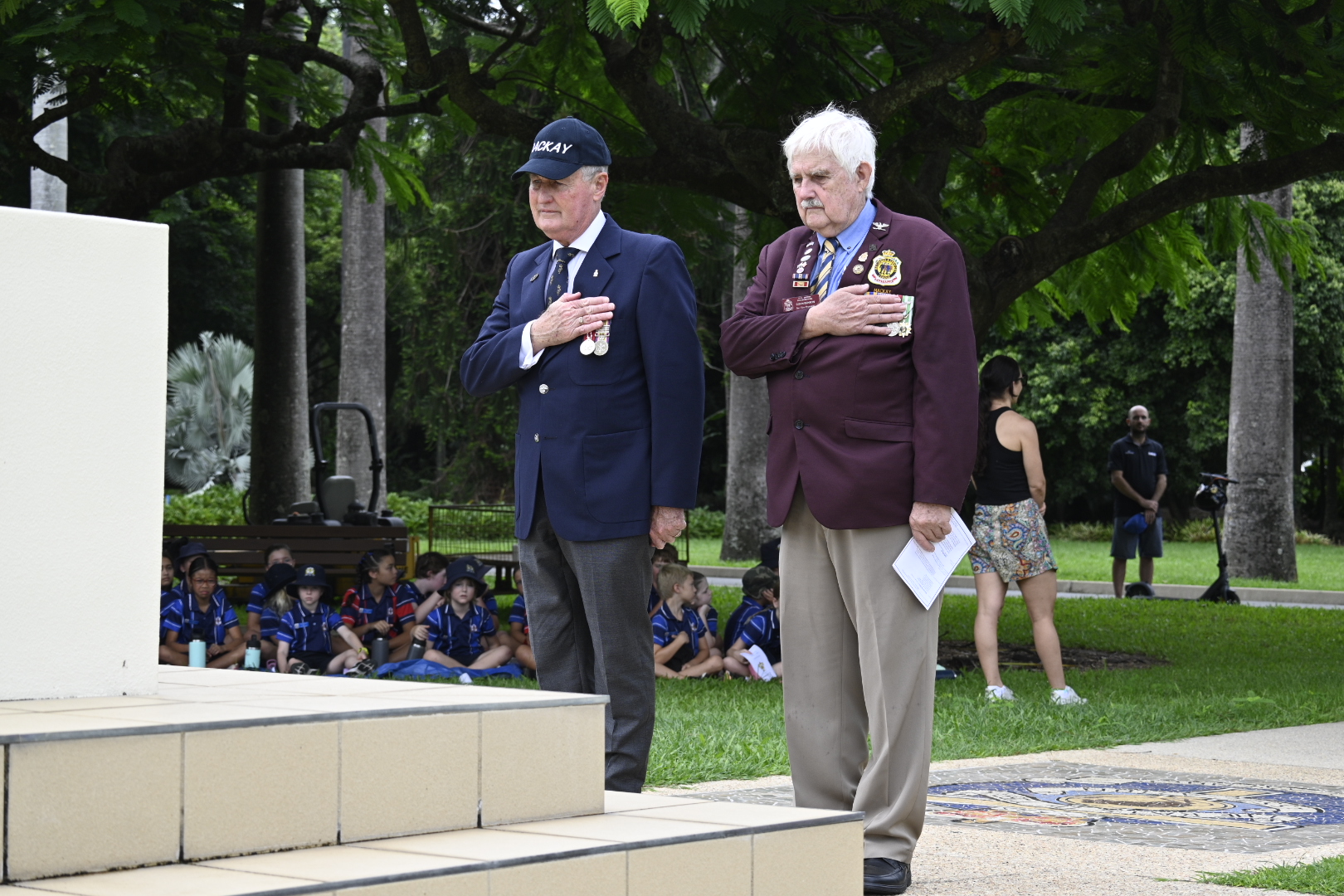
Now, four local schools gather each year at Queens Park, Mackay, to commemorate the heroes who served and ensure their sacrifices are never forgotten. Students from St Patrick’s College, Victoria Park State School, Mackay North State School, and Whitsunday Anglican School proudly honour their legacy.
Mayor Greg Williamson reflected on the significance of the occasion, standing before the Tobruk monument replica.
"It's eighty-three years ago that the battle took place… and here we are in Mackay standing before a replica of the Tobruk monument, which is in the cemetery of Tobruk,” he said.
“For 25 years now, students of the Rats of Tobruk schools in Mackay have come together to make this occasion very, very special.”
Drawing a powerful connection between past and present, Mayor Williamson noted that the courage of these soldiers continues to inspire today’s Australian Defence Force members.
“Just as they stood firm against terror, their courage and commitment continue to inspire serving men and women in Australia's military forces today.
“They lived in dugouts in the ground. They sheltered under whatever they could get, as the propaganda said, like rats in the night.”
Despite these conditions, the soldiers refused to be broken. In a true act of defiance, they even fashioned their own medals from captured German aircraft parts.
“That resilience, that determination, that bravery, is something that modern Australian soldiers, sailors, and airmen and women emulate today,” he said.
Most importantly, Mayor Williamson emphasised the duty of all Australians to honour this legacy for generations to come.
"What we must do to find that respect is ensure that their legacy is never forgotten."
Lest We Forget
Mackay students gathered to honour the courage and legacy of the Rats of Tobruk, whose resilience in WWII continues to inspire generations. Photo credit: Hannah McNamara
.jpg)
Tammy Laval has cemented her place in the real estate industry, with integrity, humility and heart during her 17 years working behind the scenes with a highly prominent team.
As the heart of Mackay City Property, she manages the essential and support tasks that often go unnoticed, working 'under the radar' to drive the team's success. Notably, the team recently secured the Rate My Agent awards for No.1 Property Management Team and Top 5 Property Sales Team for Mackay 2025.
Tammy believes this success stems from three key pillars: people, passion, and purpose.
“I love our team, and the people within it,” she says with a smile.
“We’re like a family, within a family.”
In 2007, Tammy and her husband, Chris, made the bold decision to split from a business partnership and relaunch as a family-run agency. In 2021, they transitioned from a franchise group to an independent business, giving them the freedom to create something unique of their own.
Interestingly, Tammy’s entry into real estate wasn’t exactly planned. Following her family's sudden heartbreaking loss of her mother to cancer, she stepped up and into the business to assist with its operational and administrative setup.
“I had no experience in real estate – I just winged it,” she laughs. But her background in hospitality, event management, marketing, and small business operations later laid the foundation for success.
“Currently, the scope of my work centres around an operational role, collaborating with bookkeepers, accountants, advertisers, computer technicians, and other like professionals to ensure the effective delivery of our team's services.
“The diversity makes each day slightly different, and I love that,” she says.
“When things go wrong, it keeps me on my toes and it helps me to stay creative in solving problems.”
Whether it’s watching her children thrive, or celebrating milestones with her team, Tammy believes challenges ultimately pave the way for greatness.
“Every challenge comes with a reward,” she says.
“They circle each other, and that’s how I see it.”
Above all, Tammy loves working within her community. In fact, recently, she had the honour of helping revive Mackay’s art trail with The Bee Mindful Mural, and even led the Chinatown project with Mky City Heart Collective as project leader.
“It was lovely to bring back some of Mackay’s history that many weren’t aware of,” she says.
“The project had so much heart and soul.”
It’s no surprise her name was nominated for the Just Saying Project’s Magic Muse Awards 2025, set to take place in March.
Tammy sees life as a beautiful cycle of growth, giving back, and discovering new adventures.
“I think you go through stages – finding yourself, building your career, then focusing on family – and eventually, you reach a point where you can give back.
“When you give to the community, you feel that love return, and to me, that’s interchangeable… that’s where you’ll see the shine in me.”
mackaycityproperty.com.au
Photo credit: Alyce Holzy

Federal Member for Dawson, Andrew Willcox has announced a funding commitment of $500,000 to the Eastern Swans AFL Club if a Liberal National government is elected.
"I’m thrilled to announce this funding for vital upgrades to the Eastern Swans AFL Club, which will ensure supporters and volunteers have access to modern, compliant and inclusive amenities, including new male and female change rooms and toilets and a new shed,” Mr Willcox said.
“The current amenities on the grounds are dilapidated and unusable, and this has forced the club to hire donga toilets which is obviously costly and unsustainable.
"The club's membership base is growing rapidly, and this also increases the need for expansion and enhancement of the club's facilities.
“This investment in Eastern Swans AFL reflects the important role local sporting clubs play in fostering community spirit, participation, and healthy lifestyles.
“By upgrading the facilities, we're ensuring this club continues to grow and helping to keep the cost of membership down and lessening the need to fundraise for capital works, at a time when families are doing it tough due to Labor’s cost-of-living crisis.”
Peter Kiegerl, Eastern Swans AFL Club President, said “We have been trying to improve facilities for more than ten years as currently our club change-rooms and toilets are condemned, and we have had to spend $40,000 a year in hiring portable toilets for home games.
“The club is over the moon with this announcement, and the money we will save on the portable toilets will allow us to grow and enhance the club well into the future.”
Peter Kiegerl, Eastern Swans AFL Club President (left) and Federal Member for Dawson, Andrew Willcox. Photos supplied
The dilapidated and unusable amenities at the Eastern Swans AFL Club

Flood-affected soybean growers say the best way concerned Aussies can help growers get back on their feet is at the supermarket checkout.
For North Queensland soybean grower, Christian Lago, it has been a season of constant weather challenges and lots of uncertainty.
“Our soybean season in the Burdekin region has been a challenge from the start”, said Mr Lago.
“Before Christmas, we were struggling to get soybeans in the ground thanks to wet weather and a delayed cane harvest, and then, the paddocks we did plant have been through flooding rains in early February, followed by more heavy rainfall in late March,” he added.
Soy Australia Industry Development Officer, Judy Plath, said growers in the Mackay region had also experienced difficulties getting soybeans planted before and after Christmas due to wet weather and the late cane season.
“There has certainly been a reduction in the area of soybeans planted in the Mackay region this year due to weather challenges,” said Mrs Plath.
Soybean grower Paul Fleming says the best way consumers can help soybean growers get back on their feet is by buying Aussie-grown when they shop.
“People wanting to help can support Aussie soybean growers by making sure they put Aussie-grown soybean products in their shopping trolley,” said Mr Fleming.
Mr Fleming, who is a Board member of the peak industry body for soybeans, Soy Australia, believes most people don’t realise that a lot of soy-based foods in the supermarket are made with soy ingredients imported from places like China.
“If consumers choose brands that support Aussie farmers, they can make a huge difference to local soybean growers and help us keep afloat during difficult times,” said Mr Fleming.
“Companies like Vitasoy, for example, buy a lot of soybeans from the Northern Rivers and exclusively use Aussie-grown soybeans in their soy milk and yoghurt range,” said Mr Fleming.
“In fact, Vitasoy are the only Aussie soy milk manufacturer using Aussie-grown soybeans in their milk,” she added.
“Other brands use clever marketing to stop consumers from realising they actually use imported soy in their milks.”
“When you see wording like 'made in Australia with 99 per cent Australian ingredients' on your soy milk, then you can be confident that the company is supporting Aussie farmers,” said Mr Fleming.
“The same goes for soy-based foods like tofu or tempeh.
“The ingredient list should be virtually 100 per cent Aussie.”

If this week has shown anything, it’s that Queensland is playing for keeps—on the sporting field and in the political arena.
Let’s start with the Olympics. For anyone still calling it "Brisbane 2032," think again.
The Games are set to shine a global spotlight well beyond the River City, with Queensland’s regions getting their moment in the sun.
Mackay is poised to host Olympic cricket matches at Harrup Park, provided the sport is included in the 2032 program. Meanwhile, the Whitsundays will co-host sailing events alongside Townsville, showcasing our region's natural beauty to the world.
Premier David Crisafulli put it bluntly: "We've mapped out a plan to deliver not just the Games but generational infrastructure for every part of Queensland."
In other words, this isn’t just Brisbane’s party—everyone’s invited.
Then there’s the other big game: politics. The Federal Budget landed this week, and with an election looming, the stakes couldn’t be higher. The question is: do we tighten the belt to bring down mortgage rates, or loosen it with tax cuts to help households keep spending?
Either way, every voter will be weighing up what matters most when they hit the polls in the next few months.
Next week, we’ll break down the budget, the opposition’s reply, and—importantly—get insight from the three candidates vying for the seat of Dawson.
With everything from the cost of living to national infrastructure in the balance, this election will be a defining one.
As always, there’s a lot happening around the region this weekend. This Saturday night promises to be an inspiring one as both our Mackay Life journalist, Hannah McNamara, and I attend the JSP Women's Awards 2025 at the Mackay Entertainment and Convention Centre.
Hannah has been nominated in the Rising Star category, while I am delighted to be a nominee for the Resilient Rebel award. The event shines a spotlight on the magic-making women who bring joy, strength, and passion to our community.
Enjoy your weekend,
Amanda

You could hear the raucous laughter down the hallway as State Government ministers, lounging around the Parliament Cabinet Room, started joking about Mackay.
Politicians come up with new Mackay jokes every year around budget time and they just get funnier.
“Why did the Mackay chicken cross the road?”
“To drop off more money to the State Government!” That cracked them up.
“What is it called when we get billions of dollars from Mackay region mining and then leave them to travel on goat tracks?”
“Highway robbery!” Another good one.
You might not see the funny side as you dodge the dangers on the single lane heading south from Mackay to Rockhampton. Nor while making your way north along hundreds of kilometres of single-lane, third-rate highway.
And you’re right; it’s not funny. But it is a joke. I might have made up the joke-telling anecdote about the Queensland politicians, but it does reflect a joke that they and their federal counterparts have been playing on Mackay for years.
And, when you see how much money is produced for the state through royalties and for the nation through taxes, you wonder how it can be.
But what makes the joke pretty damn sick is the number of people, many young, who are killed on the roads north, south and west of Mackay.
This came to mind the other day when the CEO of North Queensland Bulk Ports, Brendan Webb, presented the organisation’s economic impact study to a Resource Industry Network (RIN) breakfast at Harrup Park.
NQBP’s ports, which include Abbot Point, Port of Mackay and Hay Point, facilitate 54 per cent of Queensland’s international trade by volume. The company and its tenants and trade partners, obviously including mining companies, create $35 billion a year for Queensland’s Gross State Product and 47,000 jobs.
It is not hard to note the billions of dollars our region contributes to the state and the nation and wonder why our highway makes a llama track in the Andes look safe and secure.
Apart from the massive amounts of employment and subsequent taxes that are produced, this region contributes billions in mining royalties. In the 2022-2023 financial year, coal royalties were $15 billion.
Mining creates other jobs, both in the sector servicing the mines and in other areas; miners need hairdressers and plumbers, and their kids need clothes and schools. And we have people here also pushing to diversify our economy.
The activity has created a demand for housing, both from long-term residents and recently arrived locals, as well as investors who see Mackay as a great opportunity.
People who bought property some years ago have now got greater financial security, and those who are buying now are still picking up property much cheaper than in southern markets.
Those figures that Brendan Webb produced add to the feeling of security, knowing that this is a powerful economic region in which it is worth buying a property and putting down roots.
In these strange days, dominated by the fanatical followers of the fundamentalist religion of Climate Change and its divine entity, Net Zero, there is one set of NQBP figures that should instil confidence in Mackay homeowners.
By value, 86 per cent of NQBP’s annual exports are of metallurgical coal (the stuff that makes steel) and 11 per cent is thermal coal (used for power plants).
It is true that large countries in our region, such as China, India, and Indonesia, are not slowing down on thermal coal, but there is global pressure to use alternatives.
But you can’t produce the steel for bridges, buildings and cars without metallurgical coal … and ours is the best.
Global demand for steel, particularly through Asian urbanisation, is good news for metallurgical coal demand, local jobs and Mackay homeowners.
The bad news is still the roads into and out of Mackay.

Land clearing, when managed correctly, is not about destruction but renewal. Overgrown vegetation, particularly invasive species such as lantana, guava, and dense grasses, can suffocate forests, hinder native regrowth, and create an impenetrable barrier for both wildlife and landowners. Thoughtful clearing opens the land, allowing for better control, sustainable management, and long-term environmental benefits.
One of the most effective strategies in responsible land clearing is repurposing removed vegetation into nutrient-rich mulch. Rather than allowing cleared biomass to go to waste, it can be processed and used to support soil health and regeneration. Mulch plays a crucial role in stabilising land, preventing erosion, and enriching the soil with organic matter. This is particularly important on slopes, where exposed topsoil is vulnerable to degradation.
The benefits of using mulch after clearing include:
• Retaining topsoil and reducing erosion, protecting the land from degradation
• Suppressing weed growth and limiting the return of invasive species
• Enhancing soil fertility, supporting stronger and healthier regrowth
• Conserving moisture, reducing the need for excessive irrigation
• Creating an environment that encourages the return of native wildlife
By integrating responsible clearing with strategic land management, property owners can create accessible and sustainable landscapes. This approach allows for better regrowth control, the potential for seeding high-value forage, and the restoration of natural movement corridors for wildlife.
Rather than viewing land clearing as a means to remove vegetation, it should be seen as a way to reset and restore the land. When combined with the use of mulch, the process becomes not just a solution for overgrowth but a long-term investment in the health of the environment.

Mackay Sugar has announced the resignation of Group Maintenance Manager Tasman Higgins, effective immediately.
Higgins, who joined the company in 2021, has played a key role in strengthening Mackay Sugar’s maintenance operations over the past three and a half years. His leadership and expertise have been instrumental in improving the efficiency and reliability of operations during a period of significant growth and development for the company.
In a statement, Mackay Sugar expressed gratitude for Higgins’ contributions.
“We sincerely thank Tas for his hard work, leadership, and commitment. His efforts have had a positive impact, and we wish him every success in his future endeavours.”
Interim arrangements for the Group Maintenance Manager position have been put in place as the company moves forward.

Mackay and the Whitsundays have seen a steady demand for new homes, with building costs stabilising and approvals rising over the past year. However, the latest figures show a slight dip of 2.8 per cent in the last quarter, highlighting the ongoing challenges in meeting housing supply needs.
The figures from Australian Bureau of Statistics reveal all regions except the Gold Coast enjoyed a boost in the number of approvals of new houses and units in the 12 months to January, rising by 6.3 per cent across Queensland.
The cost to build also stabilised, helping to release some of the pent-up demand for detached houses, and increasing approvals statewide by 12.7 per cent over the year. Unfortunately, this was not the case for units, where approvals continued to struggle, down -6.9 per cent.
However, the three-month breakdown from November to January disappointingly confirms a return to a downward trend. Greater Brisbane (-14.9 per cent) and Wide Bay Burnett (-11.5 per cent) clocked double-figure negatives, along with Gold Coast (-8.3 per cent), North Queensland (-7.5), and Far North Queensland (-6.4 per cent), Mackay & Whitsunday (-2.8 per cent) and Downs & Western (-2.4 per cent). Central Queensland was the only exception, with a +3.9 per cent hike.
Master Builders Queensland CEO Paul Bidwell said the state government had made significant strides forward in slashing red tape, but those efforts were yet to translate into bricks and mortar.
“We applauded the Building Reg Reno announcement in February, with steps including a freeze on the unworkable Project Trust Accounts system, and more recently, the scrapping of unnecessary financial reporting for around 50,000 small businesses. But this is only part of the story and change won’t happen overnight.
“We now have the freshly reinstated Queensland Productivity Commission, which will spotlight our industry, and home in on the challenges hampering the delivery of low-rise housing, and large unit developments.
“From scrapping the already-frozen Best Practice Industry Conditions and Project Trust Accounts, to addressing barriers to more workers joining our industry as newcomers or from interstate; and making the Queensland Building and Construction Commission operate as a more balanced and robust regulator, these are issues we have long advocated on.
“In the 12 months to January, 35,727 new builds were approved across the state – well shy of the government housing target we’ve been set of 50,000 each year.
“The numbers don’t stack up, but these measures will help shift the dial on housing supply, while keeping safety and build quality at the top of the list.”

Mackay Regional Council has announced Muller Park in Ooralea will be getting new “tower fun” playground equipment, which was chosen by residents.
The announcement comes after the original play equipment was removed late last year due to its age and poor condition.
Mayor Greg Williamson said Muller Park was a popular park that residents valued.
“Families told us loud and clear that Muller Park was a vital community space – whether that’s to ride the miniature trains, hold birthday parties and picnics, or just as a play space after school or on weekends,” Mayor Williamson said.
Extensive consultation to determine the park’s future use was undertaken with the community, including an on-site engagement session at Muller Park and an online survey.
About 114 individuals had their say on the park’s future and more than 60 per cent of those had young children.
Mayor Williamson said the community was given six options to choose from, which included tower fun, adventure climb, dig site, swing park, ninja warrior course, and jump and bounce park.
“Out of all the options, 58 per cent of residents voted for tower fun,” he said.
“Tower fun caters for a wide age range, from babies to teens of about 14, and offers many types of play that allow kids to be active and imaginative.
“The idea is that little ones will be able to explore the shaded lower-level areas, while the older kids can climb to the top.
“Online feedback also suggested the need for additional fencing around the playground.
“As a result, the new playground will be fully fenced and feature softfall underfoot.”
The detailed playground design is expected to be completed by the start of next year, with construction forecast to commence in the first half of 2026.
Visit connectingmackay.com.au to keep up to date on the project.
About 114 individuals had their say on the park’s future and more than 60 per cent of those had young children. Photo and image supplied by Mackay Regional Council

Visitors to the Mackay Regional Botanic Gardens are being urged to take extra caution following a report of a possible crocodile sighting in the lagoons over the weekend. While there has been no visual confirmation yet, the Department of Environment, Tourism, Science and Innovation (DETSI) has installed signage and will conduct investigations this week.
As a precaution, authorities recommend that visitors and their pets remain at least five metres from the water’s edge. The public is also encouraged to report any confirmed sightings to DETSI by calling 1300 130 372.
This report comes as crocodile activity in Mackay continues to make headlines. So far this year, there have been nine recorded crocodile sightings in the region. Just last month, DETSI confirmed a sighting in the freshwater above Dumbleton Weir. Wildlife officers have since baited a trap in an effort to remove the animal.
DETSI urges residents to report all crocodile sightings, whether they are a cause for concern or not, as tracking movements and behaviour helps authorities manage the presence of these reptiles. The only exception is when crocodiles are legally held in captivity, such as in farms or zoos.
For those who frequent Mackay’s waterways, staying “Crocwise” is essential. Avoiding swimming in known crocodile habitats, keeping a safe distance from the water, and remaining alert are all key steps to staying safe.
While this latest report remains unconfirmed, it serves as a timely reminder that Mackay is crocodile country. If you spot a crocodile, report it via the QWildlife app, the DETSI website, or by calling 1300 130 372.
Photo credit: Mackay Regional Botanic Gardens
Publishers Indemnity. Any individual or entity that places advertising, supplies copy material, or submits editorial content to Core Life Publishing agrees and undertakes to ensure that all such material:- Does not infringe upon any copyright, trademark, or other intellectual property rights;- Is free from any content that could be considered defamatory, libelous, or slanderous;- Does not infringe upon any rights related to privacy or breach of confidence;- Contains no obscene, indecent, or otherwise unlawful material;- Complies fully with the Trade Practices Act and all other applicable laws, regulations, or statutes.Furthermore, by submitting or placing such material, these individuals or entities agree to indemnify and hold harmless the publisher, Core Publishing and Events Pty Ltd, and/or its agents from and against any and all investigations, claims, demands, liabilities, damages, costs, or judgments arising out of or in connection with the material provided. All material is believed to be accurate at the time of printing and remains the copyright of Core Publishing and Events Pty Ltd.
© 2026 Mackay and Whitsunday Life Pty Ltd.
