
Independently Owned, Locally Grown, Community Loved
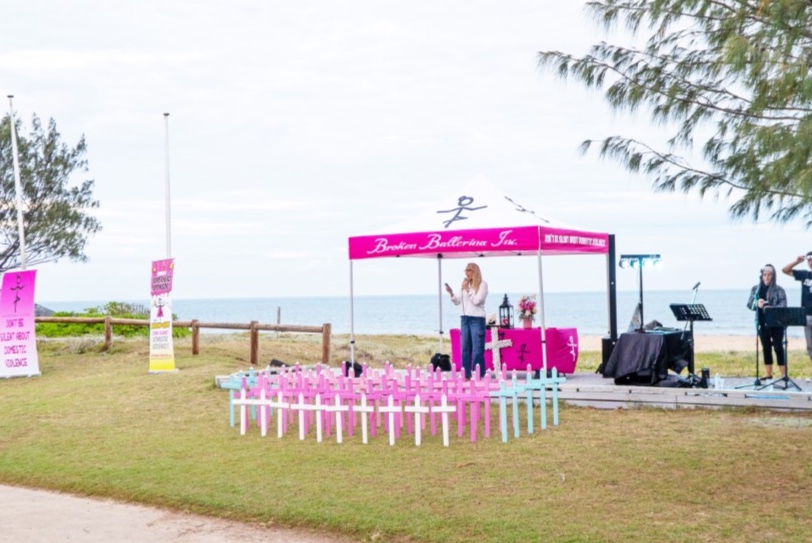
Last week the Whitsunday Counselling and Support organisation hosted their annual Candle Lighting Ceremony in Cannonvale to mark the beginning of Domestic and Family Violence Prevention month. Each May, the annual initiative aims to raise awareness of domestic and family violence and coercive control. The theme for 2026’s DFV month is: Together Queenslanders can prevent domestic and family violence. The event saw attendance from Mayor Ry Collins, Cr Jan Clifford and representatives from the Whitsunday Police Station and Whitsunday Counselling and Support. An acknowledgement of country was provided by Vicky Brimble (Koa Banburi) with music performed by Nicke Di Gregorio. Manager of Counselling Services at Whitsunday Counselling and Support Sharon Parker presented a powerful speech as she memorialised those lost, and put forward a call to action. “In our commemoration today, I would ask you to not just think about these deaths as statistics, but to reflect on the people behind the statistics,” Sharon said. “These were real people, with lives that mattered. They mattered.” Clothes were displayed to mark the individuals who tragically lost their lives to domestic violence. A list was provided of individuals across Australia who had lost their lives to domestic and family violence over the past two years, with many of the cases still ongoing. “This is not a comfortable thing to do,” Sharon said. “I know that whilst compiling this list I got emotional thinking about the victims. However, commemoration is important, as without discomfort, we are rarely moved enough emotionally to make change.” Sharon defined domestic and family violence, to improve awareness across the region. “Domestic and family violence is behaviour that occurs between people who are, or have been, in a domestic or family relationship. It is not just physical violence. It can include abuse that is emotional, financial or sexual. Tragically, it can have fatal consequences.” The speech touched on societal factors that contribute to domestic and family violence. “We did not arrive here suddenly. This harm has been shaped over time by gender inequality, rigid power structures and attitudes that have normalised control, silence and excuse making,” Sharon shared. “Misogynistic beliefs and patriarchal standards – when left unchallenged – can normalise control, silence and violence, particularly within homes and relationships. “Such attitudes can affect women’s safety both at home and in public. Many women live with the risk of domestic and family violence and often are making constant decisions with behaviour, routine or clothes – just to feel safe.” Sharon has also addressed the impacts of patriarchy and misogyny on men. “For men it is also harmful. It creates pressure to fit into narrow ideas of masculinity which may discourage men from expressing feelings, showing vulnerability or asking for help. These expectations can negatively affect men’s mental health, relationships and wellbeing. Patriarchy can also limit men’s freedom take on caring roles, seek support or live in ways that don’t fit traditional gender stereotypes.” Sharon then put forward a call to action, advising community members on how they could show their support. “Each of us has a role to play. Speaking up matters. We must all challenge sexist or violent language. Refusing to make excuses matters. Listening, believing and supporting survivors matters. Changes comes when individuals choose to reject attitudes that devalue, dismiss or endanger others. “So today, I challenge you with this call to action. I challenge you to reflect on how you view domestic and family. I challenge you to examine everyday behaviours, attitudes and conversations – and to choose to do better. Real change happens when individuals are willing to challenge what feels familiar and take responsibility for creating safer, more respectful relationships and communities.” Following on from the vigil on Thursday 14th, a roundtable was led by the DFV Prevention Council at Shute Harbour Marine Terminal. The stakeholder roundtable focused on domestic and family violence (DFV) primary prevention, with a strong emphasis on community-led approaches and collaboration across the region. The session brought together a range of local leaders and stakeholders, including representatives from council, police, community services and state agencies, to discuss opportunities for strengthening prevention efforts across communities including Airlie Beach/Cannonvale, Proserpine and Bowen. The focus was to identify local drivers of DFV, map community strengths and resources and explore practical, place-based solutions to help prevent violence before it starts. If you or someone you know is in a dangerous or life-threatening situation, call Triple Zero (000). If you don’t want to speak to the police you can also call DV Connect on 1800 811 811 or 1800 RESPECT on 1800 737 732 (24 hours, 7 days a week). You can also go to the Domestic and Family Violence Prevention Month website for more details and support. https://www.qld.gov.au/community/getting-support-health-social-issue/support-victims-abuse/need-to-know/i-want-to-help-someone/practical-steps-to-help-someone-experiencing-dfv/taking-community-action/domestic-and-family-violence-prevention-month#:~:text=Each%20May%2C%20Queensland%20marks%20Domestic,Violence%20(DFV)%20Prevention%20Month. – can designers make into QR Code please. Domestic and Family Violence is an ongoing issue across the country. Change is required at an individual level to make a difference on a national scale. The Whitsunday Counselling and Support team with Mayor Ry Collins and Councillor Jan Clifford. Constable Christina Smith speaking about domestic and family violence. Photos supplied
Read the full story
Millions of Australians, including households across the Mackay Shire, are being encouraged to reconnect with loved ones as Australia Post and Beyond Blue mark a major milestone in their national Connection Postcards campaign. This month, four million prepaid postcards are being delivered to letterboxes across the country, with Queensland receiving more than 824,000 cards as part of the initiative aimed at tackling loneliness and social isolation. The campaign also celebrates two significant milestones, the delivery of the 25 millionth Connection Postcard since the initiative began in 2021, and 25 years of Beyond Blue supporting Australians’ mental health. Australia Post General Manager Community and Stakeholder Engagement, Nicky Tracey, said the campaign comes at a time when many Australians are feeling increasingly disconnected from their communities. “More Australians are saying they’re feeling disconnected, and that sense of isolation can have a real impact on wellbeing,” Ms Tracey said. “This year is particularly exciting as we celebrate 25 years of Beyond Blue supporting Australians’ mental health and deliver the 25 millionth Connection Postcard since the campaign began. “Connection Postcards are a simple way to reach out, to let someone know you’re thinking of them, and to remind people they’re not alone.” Recent research from Beyond Blue found only one-third of Australians feel a sense of belonging within their local community, with loneliness and isolation particularly affecting regional and remote areas. The issue is especially significant for farming communities across regional Queensland, where financial pressures, cost-of-living challenges and extreme weather events continue to impact mental health and wellbeing. Beyond Blue CEO Georgie Harman AO said simple acts of connection can play a powerful role in supporting mental health. “Staying connected with others is so important for our mental health, but too many Australians, particularly those in regional and rural communities, are feeling lonely or disconnected,” Ms Harman said. “Simple, everyday interactions that foster connection, like writing a postcard or saying hello to people in our neighbourhood, are some of the most effective ways to support mental wellbeing and strengthen the relationships we rely on for our mental health.” Connection Postcards are available through participating Australia Post outlets and can also be ordered online through Beyond Blue’s Connection campaign page. The campaign encourages Australians to send a handwritten message to a friend, family member or neighbour as a reminder that support and connection matter. CAPTION: Australia Post and Beyond Blue are encouraging Mackay region residents to reconnect with loved ones through the nationwide Connection Postcards campaign, which this year celebrates the delivery of its 25 millionth postcard. Photo supplied
Read the full story
When it comes to CPAP therapy, there are plenty of myths that can stop people from getting the sleep they need. The reality is that modern CPAP technology is quieter, smaller and more comfortable than ever. Let’s separate fact from fiction. Myth 1: CPAP is for old, overweight men Fact: Obstructive Sleep Apnea (OSA), doesn’t discriminate based on age, gender or body type. While excess weight can often make symptoms worse, a 2025 meta-analysis suggests that roughly 60–70% of people with OSA are not obese at all. Meanwhile, Men are often diagnosed easier and earlier due to classic symptoms like loud snoring or choking during sleep. Women, also suffer from sleep apnea and tend to be overlooked or misdiagnosed as their symptoms differ. Women tend to present with more subtle signs such as insomnia, morning headaches or fatigue especially when approaching menopause. Myth 2: CPAP machines are loud and bulky Fact: Modern CPAP machines are quiet, compact and designed for convenience, with features like auto-adjusting pressure and ramp settings to improve comfort. There are even ultra-portable travel CPAP devices that are small enough to fit in your pocket! Myth 3: CPAP masks are uncomfortable to wear Fact: Whilst the mask is the most important part of your CPAP setup, technology has made them smaller, lighter and more minimalistic to maximise comfort. Some masks even use ultra-soft memory foam cushions that gently conform to your face. Most people adjust to modern CPAP masks within a few weeks of starting therapy. The bottom line? CPAP therapy is supper common and the upsides of a great night sleep make it worth a try. At CPAP Direct, we regularly help fit, active individuals, as well as women of all ages, who never expected sleep apnea to be the cause of their symptoms. Ready to start a trial? Visit www.cpap.com.au or call 1300 133 298 to chat with CPAP Direct’s crew.
Read the full story
Biofuels Push Could Unlock New Future For Mackay Cane Industry Queensland’s push to kick-start a domestic biofuels industry could unlock significant new opportunities for Mackay’s sugarcane sector, according to CANEGROWERS CEO Dan Galligan. Mr Galligan welcomed the Crisafulli Government’s recent $25 million investment into biodiesel production at Ampol’s Lytton Refinery in Brisbane, describing it as an important first step towards building a stronger and more resilient economy while paving the way for future growth across regional industries. “While this project may not directly involve sugarcane, it’s an important step in establishing the kind of industry that, with the right investment and policy settings, can unlock significant opportunities for cane growers,” Mr Galligan said. Queensland’s sugar industry has long advocated for the expansion of a domestic biofuels sector, with the potential to significantly increase ethanol production, generate more green electricity through sugar mills and eventually produce advanced biofuels such as sustainable aviation fuel. With the Mackay Shire recognised as one of Australia’s largest sugar-producing regions, Mr Galligan said local growers could play a major role in helping power Queensland’s renewable fuel future. “This is about more than cleaner energy – it’s about building a stronger, more resilient economy, creating new markets for growers, adding value to every tonne of cane, and backing regional jobs and investment,” he said. “It’s also about fuel security. Recent global disruptions have shown how exposed Australia is to supply shocks, and building a domestic biofuels industry helps reduce that reliance.” Mr Galligan said ensuring sugarcane remained central to future biofuel production would be critical to delivering the industry at scale and strengthening long-term opportunities for regional Queensland communities. The announcement comes amid growing national discussions around fuel security, regional manufacturing and reducing Australia’s reliance on imported fuel supplies. In recent weeks, the Queensland Government announced plans to strengthen the State’s fuel security through expanded local drilling, refining and storage capacity, including unlocking additional infrastructure opportunities at ports across Queensland. Official expressions of interest have also opened under the new Accelerating Fuel Infrastructure Program, inviting industry proposals for fuel refining and storage projects on government-owned land and ports in Townsville, Mackay, Gladstone, Abbot Point, Bundaberg and Brisbane. Minister for Natural Resources and Mines and Minister for Manufacturing Dale Last said the focus was now on future-proofing the industry and creating long-term opportunities. "We know what the challenges are and I’m looking at the opportunities going forward, because that's where we can make the greatest change and get the most benefit," Mr Last said. Federal Member for Dawson Andrew Willcox said recent fuel shortages had exposed critical gaps in Australia’s fuel storage capacity, particularly for regional and agricultural communities. “This crisis has exposed Australia’s vulnerability to global supply shocks of critical liquid fuels, including in Dawson,” Mr Willcox said. “We must protect our economic foundations by scrapping the Safeguard Mechanism costs on refineries and lifting the minimum stockholding obligation. This is the only way to ensure that during global disruptions, our tractors keep moving and our supermarket shelves stay stocked.” CANEGROWERS said it would continue working with government and industry partners to ensure momentum in the biofuels sector translates into practical outcomes for growers and regional communities across Queensland. CAPTION: CANEGROWERS says Queensland’s growing biofuels industry could create major new opportunities for Mackay cane growers. Photo source: CANEGROWERS
Read the full story

Queenslanders are being urged to update their phone settings to ‘favourite’ the Emergency Alert (EA) phone number to stay informed during an emergency or disaster.
Emergency Alert is the national telephone-based warning system used to send voice messages to landlines and text messages to mobile phones to warn people of emergencies, including dangerous weather with potentially severe impacts.
Mackay Whitsunday District Superintendent Dean Cavanagh emphasised the importance of the system.
"If you're in a certain area that might be impacted by weather events or any emergency, you will automatically receive this message."
He noted that alerts are geo-targeted, ensuring they reach those who need them most.
An Emergency Alert is just one way for authorities to warn communities of a dangerous situation in the area and is only issued when necessary. While they are not sent for every circumstance, the message will contain important, potentially life-saving directions that require immediate action.
"It is really important for us to raise awareness in relation to the emergency alert messaging system," Superintendent Cavanagh said, urging residents to be proactive in ensuring they receive warnings.
You do not need to register to receive an Emergency Alert, which is sent from caller ID number +61 444 444 444. QPS have confirmed that messages from this number are not a scam - they are official phone warnings as part of a national geo-targeting emergency alert system.
Residents are encouraged to check that the number is not blocked on their device and to add it to their ‘favourites’ to avoid missing critical alerts.
Superintendent Cavanagh reassured the public that the alerts will reach them regardless of phone settings, saying, "Even if your phone is on 'Do Not Disturb,' it will go through."
Although there is currently no immediate concern, he reminded Queenslanders to always stay prepared.
"Be prepared - that's all."
He emphasised that weather can often be unpredictable, making it crucial for locals to be disaster-ready at all times.
"Our season never finishes for disasters; we're always prepared, and we're always exercising safety," he said.
For those receiving an Emergency Alert, he advised, "If you received that warning system, it means that you're in a certain area we've targeted, so please hear that message and make sure that number is saved."
To stay informed, residents can visit the Disaster Management website for the latest Emergency Alert details and access local government disaster dashboards.
Queenslanders are urged to ‘favourite’ the Emergency Alert number to ensure they receive critical warnings, with Superintendent Dean Cavanagh stressing the importance of staying prepared for unpredictable weather and emergencies. Photo credit: Hannah McNamara

Mackay has been hit by significant flooding over the past week, with flash flooding closing roads, cutting off access to the airport, and inundating homes and businesses. The heavy rainfall is part of a broader weather event affecting communities from Mackay to Cairns and especially from Townsville north in the Hinchinbrook region, including Cardwell, Ingham, and Giru.
Federal Member for Dawson, Andrew Willcox, said the local governments of the Dawson region had been responding to a severe flooding event that had impacted much of North Queensland.
"Heavy rain moved across the electorate of Dawson, bringing more than 120mm of rainfall in Mackay over a short period," Mr Willcox said.
“A number of roads in Beaconsfield, Walkerston, Calen, Kuttabul, North Eton, and West Mackay have been cut by rising floodwaters. I urge everyone to stay vigilant and to regularly check your local disaster dashboard for a full comprehensive list of roads that are closed due to flooding.”
Heavy rainfall led to rising water levels, cutting off access to Mackay Airport and resulting in all flights being cancelled. Passengers were urged to contact their airlines for the latest flight details. Emergency services worked tirelessly to conduct evacuations, provide assistance to those in need, and ensure public safety.
Moderate to heavy rainfall had been observed across the Pioneer River catchment in the days leading up to the flooding, with minor flooding expected in Mackay due to a king tide.
Mr Willcox, who had been scheduled to fly to Canberra this week, chose to remain in the electorate to assist where possible with the flooding disaster.
“My top priority is the safety and well-being of all residents in the electorate of Dawson. This is a serious weather event, and I want to ensure that residents have access to accurate information and necessary support. I will continue to monitor this dangerous weather and am ready to provide any federal assistance I can in the coming days,” he said.
“Please stay safe and take care, and remember—if it’s flooded, forget it.”
The situation was closely monitored throughout the weekend, with warnings updated as required. Mackay then experienced another significant flooding event on February 4, particularly in South Mackay, again forcing the closure of the airport. Homes and businesses around the Juliet and Shakespeare Street areas were affected, with some businesses urging people to stay home.
Mackay Regional Council asked residents to share photos of localised flooding to help their Strategic Planning team understand stormwater behaviour during the intense rainfall.
“The team is especially interested in flash flooding that occurred on Saturday morning (February 1) in the areas around Bridge Road, Fourways, Ooralea, and the airport,” Council said in a statement.
“Any images or videos residents have would be appreciated.”
Due to heavy rain and road closures, several council facilities in Sarina were also shut until further notice, including the Sarina Customer Service Centre, Sarina Neighbourhood Centre, Sarina Youth Centre and Library, and Sarina Rural Transfer Station. Some school bus services were also cancelled, disrupting the second week of the school term.
Mackay Regional Council also reminded residents that emergency sand stockpiles were available at 14 locations across the region.
Meanwhile, the broader North Queensland region faced ongoing challenges, with authorities warning of more significant rainfall to come. Dams and river catchments from Mackay to Cairns remained swollen from a week of torrential rain, which dumped more than 1.2 metres in some locations.
More than 400 people—mostly in Townsville, Ingham, and Cardwell—were in evacuation shelters after being advised to flee, and entire towns were left without power and isolated by floodwaters. The Bruce Highway, the only connection between central, north, and far north Queensland, was rendered impassable after a bridge was washed away at Ollera Creek, between Townsville and Ingham. Emergency services performed 11 water rescues on Sunday night, while a woman in her 60s from Ingham tragically died during an attempted rescue.
Queensland Premier David Crisafulli said authorities “remain prepared for the ongoing prospect of more rain and the likelihood of more flooding.”
Floodwaters inundate streets in and around Mackay, with localised flash flooding affecting homes and businesses across the region.
Farleigh-Dumbleton Rd. Photo credit: Nicole Mills
Heidi Street, Paget. Photo credit: Naomi Tancred
Sophia Street. Photo credit: Jess Davie
Boundary Road, near Mackay Airport. Photo credit: Brent Hewlitt
Juliet Street, South Mackay. Photo credit: Andrew Payne

Member for Mirani, Glen Kelly MP, is calling for local community groups in the electorate of Mirani to apply for the Community Gambling Benefit Fund’s 123rd round of funding with applications open until 28 February 2025.
The Gambling Community Benefit Fund (GCBF) is Queensland’s largest one-off community grants program and distributes approximately $60 million each year to not-for-profit community groups.
The Gambling Community Benefit Fund funding helps these groups to provide services, leisure activities and opportunities for Queensland communities.
“This round of the Gambling Community Benefit Fund gives community groups the opportunity to receive grants of up to $35,000 to help fund different sorts of activities and investments,” Mr Kelly said.
“Funding is available for a variety of needs, including funding for community events and training, equipment (such as medical supplies), facility upgrades, machinery, printing and publications, marketing, solar improvements, vehicles, as well as workshops and conferences.”
“This fund helps support our community groups that support us, and the most recent recipients in Mirani have been Bajool School of Arts for an upgrade to their hall, the Marlborough and District Lions Club to purchase a BBQ Trailer, Oakenden State School P&C for canteen equipment, and Sarina Saints Football Club to purchase a new mower.”
“I want to see our community groups taking advantage of these grants and obtaining the funding they need to help improve what they have to offer, and the best way to do this is making sure as many groups know about it as possible.”
All applicants require 3 referees as part of their proposals, and Glen Kelly MP is willing to offer a letter of support for eligible community organisations for their applications.
For more information visit: https://outdoorsqueensland.com.au/gambling-community-benefit-fund-
2025/
Member for Mirani, Glen Kelly MP, is encouraging local community groups to apply for the Gambling Community Benefit Fund’s 123rd round of grants, offering up to $35,000 for various needs, with applications open until 28 February 2025. Photo supplied

By Amanda Wright
Every year, close to 15,000 Australians hear the words no one wants to hear: you have bowel cancer. For many, the road ahead is overwhelming, filled with medical jargon, invasive treatments, and a battle that is as much mental as it is physical. But in Mackay, there is someone dedicated to walking that road with them.
Following World Cancer Day on the 4th of February, the spotlight turns to the incredible work being done to support patients across our region. Among those making a difference is Sue Allsopp, a specialist Bowel Care Nurse at Icon Cancer Centre Mackay, who provides critical support to local patients navigating a bowel cancer diagnosis. She is not just a nurse—she is an advocate, a navigator, and a source of unwavering support for those facing one of the toughest fights of their lives.
“I have so many patients who inspire me due to their positive approaches and resilience in the face of a life-changing cancer diagnosis,” says Sue.
Bowel cancer presents unique challenges, and every patient’s journey is different. For the past six months, Sue has been ensuring that those diagnosed in Mackay do not have to face it alone. Thanks to a partnership between Bowel Cancer Australia and Icon Cancer Centre, specialist Bowel Care Nurses like Sue have been placed in select centres nationwide, bridging the critical gaps in patient care.
“Each day in my role is different as each patient with a diagnosis of bowel cancer is unique. I spend time with each patient to discuss their individual needs and support them to set realistic goals that will help them during their bowel cancer journey.”
For Karen Worcester, a 61-year-old bowel cancer patient at Icon Cancer Centre Mackay, Sue’s support has been invaluable.
Karen was diagnosed with a stage 3 rectal tumour in November 2023.She underwent radiation therapy and chemotherapy at Icon Mackay, before undergoing surgery in August 2024.
“From the moment we were introduced, Sue has been in constant touch, lining me up with stoma nurses before and after my operation, researching physiotherapists and dieticians to help my recovery, and she put me in touch with the Cancer Society for any further assistance I may need. I can’t thank her enough,” Karen shares.
“Sue’s support has been invaluable, and she has played a major part in me getting through and dealing with my cancer journey.”
Beyond patient support, Sue is on a mission to break down barriers, raising awareness and challenging misconceptions about bowel cancer. Many still believe it is a disease that only affects older adults, but the reality is stark: bowel cancer is now the deadliest cancer and the seventh leading cause of death for Australians aged 25-44.
“Early detection is so important when it comes to achieving good outcomes for bowel cancer patients,” Sue emphasises.
“I think there are still misconceptions relating to early-onset bowel cancer, which are leading to delays in diagnosis in the under 40 years age group. Bowel cancer can impact anyone at any age.”
The statistics reinforce her urgency—86% of people diagnosed with early-onset bowel cancer experience symptoms. Yet, too many dismiss those symptoms or struggle to access timely testing. This is where advocacy is critical.
According to Bowel Cancer Australia CEO, Julien Wiggins, 83 per cent of bowel cancer patients identify access to a specialist nurse as an essential resource to improve their care journey.
With Sue in Mackay, more patients now have that crucial lifeline.
Sue’s journey to this role has been one of dedication and experience. Having worked in rural and remote areas, tertiary hospitals, surgical and oncology wards, emergency, gastroenterology, palliative care, aged care education, and chronic disease management, her background is as diverse as it is specialised. She has spent over a decade in gastroenterology and inflammatory bowel disease programs and continues to build upon her expertise through oncology nursing competency training at Icon Cancer Centre.
“I felt drawn to the role because I had the clinical gastroenterology and palliative care skills to provide professional, holistic assessment and support to patients diagnosed with bowel cancer and those facing advanced outcomes,” she said.
“I have built strong professional health networks over many years within the Mackay region, and I believe those networks are essential in this role.”
Sue’s work is changing lives, offering not just medical support but hope, guidance, and reassurance.
As the world reflects on World Cancer Day, her message is clear: don’t wait to have symptoms identified, push for answers, and never ignore the signs.
Cancer doesn’t wait, and neither should you.
Sue Allsopp, a specialist Bowel Care Nurse at Icon Cancer Centre Mackay, provides advocacy and support for people diagnosed with bowel cancer
Karen Worcester knows firsthand the challenges of a bowel cancer diagnosis, but with the support of specialist nurse Sue Allsopp, she’s facing her journey with strength and resilience

By Hannah McNamara
Questions begin to surface as Mackay locals express concerns over the original intentions of Melbourne-based charity, sleepbus.
The initiative was set to deliver three buses for the Mackay and Sarina regions as part of a movement to provide “safe sleeps” for the homeless. However, a recent announcement by the Founder of sleepbus revealed that the charity will soon cease their operations on June 30, 2025 due to financial difficulty.
The three buses included one for the Mackay region, one for Sarina, and a Pink sleepbus specifically designed for women and children. The charity gained momentum in the early days, with local charities raising over $300,000 to offer a safe space for homeless men, women, and children.
SAFE Sleep Mackay is hopeful it can still secure a sleepbus for the Mackay region, despite the national sleepbus organisation winding up.
In a statement made by Safe Sleep Mackay, the initial agreement was that “sleepbus was to retain ownership of the buses and assume responsibility for ongoing operations, such as maintenance, volunteer coordination and service delivery requirements.”
However, “With that national charity winding up, Safe Sleep Mackay is now looking at options to secure a bus for the region and to operate it via a local group.”
Lisa Jamieson, of Safe Sleep Mackay, said sleepbus founder Simon Rowe had advised the group that he was winding up his charity.
“While communication with sleepbus is still open and ongoing, we are actively working towards securing the transfer of the bus purchased for the Mackay region,’’ she said.
Ms Jamieson said stakeholders, including donors, had been kept informed of the development.
“It was not the news that we wanted to be sharing, but we wanted to raise awareness of this unfortunate development with stakeholders and the broader community.
“We remain so appreciative of the generosity of Mackay people and their willingness to help make life a little easier and safer for those sleeping rough in the Mackay region.
“We will continue to provide updates on the situation as it unfolds,’’ she said.
A spokesperson for the Mackay Community Foundation, a major donor, said, “We are deeply disappointed that the sleepbus charity will be winding down, possibly impacting the delivery of the PINK sleepbus that the Mackay Community Foundation supported in funding.
“While all donations to the Mackay Community Foundation are invested and protected, and therefore have not been impacted, we are just as hopeful as other stakeholders that this can be resolved positively for our Mackay community.”
The Mackay Community Foundation spokesperson added that while this news is a setback, the foundation remains committed in supporting Safe Sleep Mackay and Australian Street Aid Project.
“Safe Sleep Mackay are looking at options to secure buses for the region to ensure a compassionate and practical solution for short-term accommodation, as originally planned.
“We encourage our donors and supporters to stay tuned to the Safe Sleep Mackay Facebook page for updates, and we will continue to share information about the PINK sleepbus on our page also.
“We also want to acknowledge that it is challenging for non-profit organisations to continue to come up with funding year on year, and we urge the Mackay community to continue supporting local non-profits as their work is vital for those in need.
Sleepbus Founder Simon Rowe said delays to rollouts were due to a number of issues, including mechanical problems, volunteer shortages, and funding challenges.
In a statement, Mr Rowe said that the cost-of-living crisis has halted donations.
“I have tried my best…I have worked my butt off but unfortunately the financial crisis we're all seeing and we're all facing has got the better of us as a small charity, and we won't be able to continue.”
He assured the community of his commitment to deliver at least one sleepbus to the Mackay region.
“My commitment is, I will do my very best to get at least one Sleepbus and I will drive it up there myself and deliver it.”
In a video on the sleepbus Facebook page, Mr Rowe posted a video specific to the Mackay situation and said that while he has received criticism as the CEO receiving money, he said “I don’t get paid so that is not the case”, and all of the money has gone towards building sleepbus vehicles and providing safe sleep.
He encourages locals to “hang in there” and “have a little bit of faith” as he tries his best to deliver for Mackay.
“I am trying my hardest…I will always do my very best.”
Mackay remains hopeful as efforts continue to secure a sleepbus for the region, despite the charity planning to cease operations in June 2025. Photo source: sleepbus (Facebook)
Sleepbus Founder Simon Rowe

Detectives from Mackay Child Protection and Investigation Unit have charged a 50-year-old man in relation to the supply of dangerous drugs and sexual assault of a child.
On January 15 police executed a search warrant at a Mackay Harbour address, where 50-year-old Bradley Jetson was taken into custody.
A quantity of dangerous drugs, drug utensils and electronic devices were seized from the address.
It will be alleged the man supplied dangerous drugs to a girl under the age of 16 and sexually assaulted her.
It will be further alleged the man groomed a second girl under the age of 16 with the intent to engage in a sexual act.
Following extensive investigations including examination of devices seized, it will be alleged the man further supplied dangerous drugs to two other children.
Detectives have charged Mr Jetson with 22 offences including six counts of supplying dangerous drugs to minor under 16 years, three counts each of rape and possess drug utensils, two counts each of grooming child under 16 years – facilitate procurement of child to engage in sexual act, use internet to procure children under 16, possess dangerous drugs, possess drug utensils and one count each of use carriage service to groom another person to make it easier to procure persons under 16 years of age, possess anything used in the commission of a crime, indecent treatment of child under 16 (procure to commit) and contravene order about information necessary to access information stored electronically.
Officer in Charge of Mackay CPIU Acting Senior Sergeant Glenn Burley said police are committed to protecting children from harm and holding perpetrators to account.
“Offences against children are some of the most despicable, and we commend those who have come forward in this case for their bravery,” Detective Acting Senior Sergeant Burley said.
“If you or someone you know has experienced sexual violence, it is never your fault, and you are not alone.
“We encourage you to come forward, there are multiple reporting and support options available to you.
“Anyone who may have any further information in relation to this matter is urged to contact police.”
If you’ve experienced sexual assault, it is not your fault and you are not alone. There are multiple ways to report what has happened to you depending on your situation.
If there’s an immediate danger, call Triple Zero (000). You can also report online via: https://forms.police.qld.gov.au/launch/SexualAssault, over the phone or face to face at a police station.
There are also Alternative Reporting Options available depending on your situation.
For confidential information, counselling and support, call the State-wide Sexual Assault Helpline on 1800 010 120 or 1800 RESPECT for 24-hour help.
Police arrested the man after executing a search warrant at a Mackay Harbour home on January 15. Image source: Queensland Police

A health service investigation has been launched into Mackay Hospital and Health Service (HHS) to examine concerns about the recruitment and credentialing for scope of practice of senior medical officers.
Director-General Dr David Rosengren has commissioned the investigation under Part 9 of the Hospital and Health Boards Act 2011.
The investigation will cover a two-year period from January 2023 to December 2024 to determine if Mackay HHS complied with processes and practices relating to senior medical officer recruitment and selection and to investigate what improvements need to be made.
This includes ensuring senior medical officers have been credentialed to practice within the bounds of their role, education, training, experience and competence.
Minister for Health and Ambulance Services Tim Nicholls said concerns had been raised about senior medical officer recruitment and credentialing, including clinical scope of practice and requirements for supervision at the Mackay Hospital and Health Service.
“It is essential Queensland Health addresses these concerns thoroughly, which is why a Part 9 has been commissioned,” Minister Nicholls said.
“While I understand the community may be concerned on hearing about this investigation, I am assured clinical reviews to date found no patient harm had occurred.”
Queensland Health Director-General Dr David Rosengren said the investigation follows concerns raised by doctors in Mackay around the uncertainty of clinical scope and requirements for supervision for non-specialist senior medical staff.
“The investigation will examine the policies and procedures currently in use to ensure they are operating effectively,” Dr Rosengren said.
“If there are shortfalls, it is critical we identify these and implement opportunities to improve so Queensland Health continues to provide world-class healthcare.”
Dr Rosengren said the investigation followed a clinical review Mackay HHS completed under Part 6 of the Hospital and Health Boards Act, examining the workload and scope of clinical practice of a senior medical officer.
“While the clinical review did not identify any specific adverse outcomes, it has identified risk associated with inadequate credentialing specificity around scope of clinical practice and supervision requirements for non-specialist senior medical officers,” he said.
“The investigation is the next step to examine processes across the entire HHS to determine if improvements can be made locally and where relevant, across the state.”
Mackay HHS Chief Executive Susan Gannon said Mackay HHS has taken important steps following the Part 6 clinical review to strengthen practices and processes.
This includes ensuring all senior surgical specialist staff and theatre managers understand the requirements for supervision of trainees, principal house officers and non-specialist senior medical officers.
“Mackay HHS has responded quickly to address concerns raised by staff and this is a demonstration of our development of a culture of safety,” Ms Gannon said.
“We will work collaboratively with investigators to further improve our processes and practices and I will continue to encourage staff to raise their concerns.”
The terms of reference for the health service investigation are available on the Queensland Health website.

A new training centre in a prime Moranbah position will help boost mines rescue capabilities and shorten response times when incidents occur in the Bowen Basin mining hub.
Anglo American and Exxaro – which own a 50-50 joint venture steelmaking coal exploration project at Moranbah South - have leased an 18-hectare parcel of land to Queensland Mines Rescue Service (QMRS).
The land, on the corner of Railway Road and Moranbah Access Road, is opposite the planned site for stage 3 of the Resources Centre of Excellence.
Anglo American Australia CEO Dan van der Westhuizen said this lease agreement reinforced the company’s commitment to safeguarding lives and elevating rescue capabilities.
"This marks a pivotal moment for the industry's preparedness and response capabilities in Moranbah and will help place the town at the forefront of mines rescue training excellence,” he said.
Queensland Mines Rescue Service CEO Tim Jackson said Moranbah was the mining hub of the Bowen Basin and relocating training facilities would result in less road travel for many crews.
“The lease allows QMRS the opportunity to expand our footprint for surface and underground mines rescue training,” he said.
“We have 450 volunteer underground team members, and 50 volunteer mine inertisation unit team members, who need to maintain their skills every two months to enable them to respond to a wide range of hazards and situations at mines.
Mr Jackson confirmed that plans for the Moranbah site have been finalised, and hopes to submit a development application in 2025, largely replicating the organisation’s bespoke centre at Boonal.
Touching on their recent achievements, Mr van der Westhuizen said “Our mines rescue team from Moranbah North recently won the national underground competition - and our Grosvenor and Moranbah North mines also competed in the International Mines Rescue Competition in Colombia in September.
“Having a bespoke training facility on our doorstep will hopefully inspire even more people to volunteer with their local rescue teams to learn essential skills.
“Being prepared for emergency situations is crucial, whether at work or in the community.”
Anglo American project manager Malcolm Smyth and Queensland Mines Rescue Service CEO Tim Jackson on the Moranbah South lease site. Photo supplied

Geospatial and Earth Observation (EO) technologies could be the next frontier for the Greater Whitsunday region’s workforce to explore.
Greater Whitsunday Alliance (GW3) has released the Greater Whitsunday Geospatial Hub Economic Impact Assessment report to provide a roadmap of Geospatial and Earth Observation opportunities and strategy.
Geospatial data identifies the geographic location and characteristics of natural or constructed features and boundaries on earth. This data can be derived from a variety of technologies including earth observation, remote sensing, land surveying and engineering surveying and hydrography which could add significant value to both legacy and emerging industries.
Greater Whitsunday Alliance (GW3) Chief Executive Officer Ms Kylie Porter said the report identifies the benefits of leveraging geospatial and earth observation technologies to support the growth of the Greater Whitsunday region.”
The report found that the deployment of geospatial and earth observation technologies and the eventual implementation of a Greater Whitsunday Geospatial Hub could lead to the realisation of up to $1.46 billion annual added value to the gross regional product by 2034.
“The mining and METS sector and the agriculture and aquaculture sectors have been identified as some of the sectors that would benefit the most from a region focused geospatial data infrastructure initiative.
“Geospatial technologies are quietly shaping the world’s economic future. With every satellite image, every map, and every data point, we can build a more resilient and prosperous regional economy for the next generation,” Ms Porter said.
Ms Porter said GW3 commissioned FrontierSI to complete an economic impact assessment around the viability of a local Geospatial Hub.
FrontierSI is a social enterprise focused on bringing the best people together to anticipate and solve large problems using space and spatial expertise.
FrontierSI Chief Executive Officer Mr Graeme Kernich said the report highlights how the Greater Whitsunday region can become a key player in Australia’s growing geospatial service sector.
“This report highlights how the Greater Whitsunday region can capitalise on geospatial and earth observation technologies and capabilities to become a key player in Australia's growing geospatial services sector, which has a projected $689 billion economic benefit by 2034, as outlined in the Geospatial Council of Australia’s recent report,” he said.
GW3 will host a webinar on Thursday, 27th February, from 10am to 11am to present key findings from the report and outline the next steps for the broader project. This session is designed for key industry stakeholders o understand the role and impact of this new technology and how they can be involved in the initiative moving forward.
To explore more, or register to attend the online briefing session, you can access the Greater Whitsunday Geospatial Hub Economic Impact Assessment report online.
Image source: Greater Whitsunday Alliance
%20Gillian%20Basnett%20(1).JPG)
As Australia fights to protect its most vulnerable wildlife, the use of 1080 baiting remains a controversial yet critical tool in managing major threats to native species. While some conservationists advocate for its role in reducing predation pressure, concerns persist over its impact on non-target species and the need for alternative control measures.
Australia has some of the most unique wildlife and biodiversity in the world, but two invasive predators, feral cats and foxes, have already snuffed out 32 native animal species and are helping to drive over 200 more to extinction.
Together with the Centre for Invasive Species Solutions, the National Feral Cat and Fox Management Coordinator, Gillian Basnett, is sounding the alarm as misinformation surrounding sodium fluoroacetate (commonly known as 1080) undermines what she calls its critical place as a lifeline for native species.
“Effective 1080 baiting is the ‘thin green line’ that protects many of our threatened and other native species from extinction,” said Ms Basnett.
“The facts around 1080 are clear: native animals have a higher tolerance to this toxin than introduced predators. Native species that live in the south-west of WA, where more fluoroacetate-bearing plants naturally occur, have an even higher natural tolerance to 1080.”
As a result, only tiny amounts of the toxin are needed for effective feral cat and fox baits. If native animals such as eagles, goannas, brush-tailed possums or quolls ingest a bait, they will not receive a lethal dose.
“It’s important to remember that baits are not 100 per cent toxin and only authorised and properly trained operators are permitted to handle 1080 and prepare baits. Each bait is carefully developed to contain the minimum amount of 1080 required for the target species, in this case a feral cat or fox,” continued Ms Basnett.
She said that a fox bait contains 3mg of 1080 and a feral cat bait 4.5mg.
“For context, in eastern Australia, a wedge-tailed eagle would need to ingest at least 10 fox baits to be lethal, spotted-tailed quoll more than three fox baits, sand goannas more than 70, southern brown bandicoots between two fox baits and five (if they were in the south-west of WA).”
She added that research projects and targeted predator 1080 baiting control programs have demonstrated its advantages, with native wildlife not only surviving but thriving as the bait reduces predation pressure.
“It is also safe for the environment as bacteria and fungi found in water and soil break it down rapidly into harmless compounds.”
For some critically endangered species, even one or two feral cats or foxes can wipe them out.
“The low risk of an individual native animal consuming a lethal dose of 1080 is far outweighed by effectively controlling these predators.”
Nationally threatened mammals that benefit from 1080 baiting for foxes and feral cats include the endangered numbats, southern brown bandicoots, woylies, western and eastern barred-bandicoots and black-flanked rock-wallabies, and the vulnerable long-nosed potoroos, boodies, greater bilbies, greater stick-nest rats, western quolls, yellow-footed rock-wallabies and golden bandicoots.
“We have a choice to make, we either protect our native wildlife or we leave invasive predators like feral cats and foxes unchecked, to eat more precious wildlife into extinction,” said Ms Basnett.
The Centre's CEO, Shauna Chadlowe, endorses the use of 1080, stating it is currently the best control tool available. Along with advocating for best practice invasive species management using current methods, the Centre prioritises humaneness and is committed to collaborating with its partners to develop new and improved control tools.
“Techniques such as gene drive, for example, have great promise but are still in the developmental stage. There are no practical, effective alternatives to 1080 for predator control over large landscapes and rugged terrain,” said Ms Chadlowe.
“Without an ability to effectively manage these invasive predators, more unique Australian wildlife will be lost.”
Precious native species like goannas and dunnarts are on the menu for feral cats and foxes. Photo credit: Gillian Basnett

By Owen Menkens
CANEGROWERS Chairman
There’s something truly special and iconic about sugarcane.
Grown along 2000km of Australian coastline, from Grafton in northern New South Wales to the fringes of the Daintree in the tropical far north, it’s been a cornerstone of Queensland’s identity for over 150 years.
In fact, so foundational is this industry that it even features on our state’s Coat of Arms.
Yet, as iconic as it is, sugarcane isn’t just part of our history – it’s a dynamic, future-focused industry that continues to evolve, innovate, and contribute to a more prosperous, sustainable Australia.
That’s why I’m excited about the release of CANEGROWERS’ new educational resources, One Plant, Many Products.
Developed with input from teachers and industry experts, these curriculum-aligned materials will bring the sugarcane story to life in classrooms across Queensland.
They’re packed with lesson plans, assessments, and engaging insights to help students and teachers explore the fascinating journey of sugarcane, from its humble beginnings to its current role as a leader in sustainability and innovation.
Sugarcane is so much more than just sugar. It can be a feedstock for renewable energy, a source of sustainable bioplastics, and even a potential ingredient in aviation biofuels.
The industry already provides green electricity to thousands of Queensland homes, but that’s only the beginning of what we can achieve if we take full advantage of this wonderful resource.
Beyond its environmental benefits, the industry also offers a world of career opportunities. Whether it’s agronomy, chemistry, logistics, or advocacy, sugarcane’s future is rich with possibilities for the next generation of Queenslanders.
And with the sector continuing to innovate, even more roles will emerge over time.
The One Plant, Many Products resources are designed to inspire students to see these opportunities and imagine their place in this remarkable industry.
Home Hill State High School teacher Louise Nicholas put it best, saying “these materials empower educators to showcase the science, sustainability, and career potential of agriculture”.
At CANEGROWERS, we believe that reconnecting young Queenslanders with this foundational industry is vital.
By sparking curiosity and highlighting the potential for innovation, we can ensure the sugarcane industry thrives for another 150 years.
So, here’s my call to action – let’s bring cane back to our classrooms and inspire the next generation to take part in shaping a sustainable future for Queensland and beyond.

QCAR Central District Manager Sonia Ball
Rain And Flood In Northern Queensland
Torrential rain across north and far north Queensland has caused immeasurable angst and damage for communities, businesses and governments with the final measure of implications and costs still to come.
Natural disasters such as these can have life-changing and long-lasting impacts. QCAR therefore is supporting members with information and resources and staying available and abreast of updates but also urgently seeking all avenues of support and assistance.
We are aware that many cane farmers impacted were still reeling from the financial and emotional burden of standover when the heavens opened with a vengeance and stayed open.
Our thoughts are with everyone in these regions, as even when the rain stops and the water subsides the ramifications will continue, and we will be there with you.
In the Central Region, at the time of writing, in some areas we too have felt the usual impacts of our oft predictable wet season however on this occasion, ‘touch wood’, we have, so far, fared far better than our northern counterparts.
We already have seen the ‘Return of the Potholes’ (always stated with an ominous drum roll) and the stain of overflowing debris and erosion. We can be sure also that with inundation we will see our soil health sapped and all the while the gale force gusts and storms lodge the larger cane that we all know should not still be there.
QCAR urges all cane farmers to touch base with their local office to ensure they have all the information they need to access assistance where it is needed.
Kelsey Creek Grower Meeting
Kelsey Creek Hall committee president Craig Valmadre, left, was thanked by QCAR Chairman Christian Lago for his hospitality at the hall. Photos supplied
QCAR Central District Manager Sonia Ball, centre, was happy to oblige Proserpine growers Ross and Jenny Rule’s requests for a grower meeting at Kelsey Creek Hall. The Rules were generous with their time and their efforts pulling the meeting together with short notice. Ms Ball said she was looking forward to returning to the hall for another grower meeting in the near future
QCAR-ACFA: driving change with action
To all our ACFA members, we’ve been reaching out and explaining the stages of the integration between QCAR and ACFA in recent weeks and that process is just about complete! Please ensure your details are up to date so we can keep you informed of the great progress we are making driving change with action across all growing regions in Queensland and into northern NSW. If you have not yet heard from Central District Manager Sonia Ball, please give her a call on 0467 573 321.
Our new magazine and e-news – Members & Businesses
All QCAR members should now have received a hard copy of our inaugural Australian Cane Agriculture and Renewables magazine. If you did not receive yours, please get in touch and we’ll get your copy out to you. If you’re interested in receiving a copy or two for your business waiting areas in Proserpine, Mackay or Sarina (Plane Creek), please let us know we’d be happy to accommodate you.
It is common that email account holders change their email address. If you are not receiving our communications in your inbox, we may have your old email address. Stay informed by making sure we have your correct details and we can make sure you are getting important updates and information.
Whitsunday Regional Council Meeting
QCAR Central District Manager Sonia Ball, second from right, met with Whitsunday Regional Council at Proserpine in late January to introduce QCAR to Mayor Ry Collins, centre, and councillors including, from left, Division 5 Councillor Gary Simpson, Deputy Mayor and Division 4 Councillor Michelle Wright and Division 1 Councillor Jan Clifford (OAM).
Ms Ball said the meeting was successful with interest shown from all at the meeting, and with Mayor Ry Collins and councillors receptive to the information provided about the new cane farmers’ representative organisation in the Central region, which encompasses Proserpine, Plane Creek (Sarina) and Mackay. Ms Ball shared information about the intentions of QCAR in the cane growing region of Proserpine and the community assuring Mayor Collins and councillors that she, and the Central District Committee were in Proserpine regularly supporting QCAR members but also supporting the community in which those members lived and worked.
“I was very appreciative of the time provided by the Mayor, Deputy Mayor and Councillors, and look forward to working with them in the future on the matters important to our members,” Ms Ball said.

Mackay could become a diabetes research hub with the potential to help accelerate
treatment breakthroughs and enable greater access to life-changing technology for
sufferers.
This is the goal of Mackay HHS endocrinologist Dr Harshal Deshmukh who, after only
10 months in the region, has secured funding to conduct a world-first study focussed
on type 2 diabetes and Diabetic Foot Disease (DFD).
The local study, which investigates technology to track blood sugar and how it can
benefit wound healing, was critical to stemming a coming “tsunami of diabetic foot
disease,” Dr Deshmukh said.
The Mackay researcher has been awarded $50,000 in funding by the Tropical
Australian Academic Health Centre (TAAHC) to conduct a 12-month study on the
effects of Continuous Glucose Monitoring (CGM) on wound healing, quality of life and
amputation rates in a high-risk diabetes foot clinic.
Dr Deshmukh said that DFD was a common complication of diabetes which affected people with both type 1 and type 2 diabetes and is defined as infection, ulceration and soft tissue destruction
of the foot.
“I am seeing three to four patients with diabetic foot disease every week here in our
high-risk clinic at Mackay Base Hospital,” Dr Deshmukh said.
“The five-year mortality rate for patients with diabetic foot is comparable to or worse
than many forms of cancer, reaching about 50 per cent in many cases.
“This research will focus investigations on patients with type 2 diabetes and diabetic
foot, so by definition, they have poorly controlled diabetes management and require
intensive glucose management.”
Dr Deshmukh said the 12-month research project would provide data on glycaemic
control in type 2 patients and its correlation to healing diabetic foot ulcers to prevent
limb amputations and prolong life expectancy.
“Limb amputation is 15 times more common in people with diabetes,” he added.
Trials using the CGM device would track patient’s blood sugar levels across the day,
providing researchers with data to inform treatment options. The CGMs would be used
for a three to six-month period across 40 patients to test blood sugar levels in a 24-
hour period.
“Having more data means we can provide evidence on how this technology can
improve health outcomes for people with type 2 diabetes, including preventing
amputations, complications and extended hospitalisations,” he said.
“This is the first study of CGMS in people living with type 2 diabetes and having a foot
ulcer and if we see a good result, we can do another much bigger study with a much
larger sample across multiple centres to get further evidence it works which may
actually help get it on the PBS.
“There’s been a lot of research done on CGMs and their benefit with type 1 diabetes,
but no research has been done on if they can assist with wound healing in diabetic
foot anywhere in the world,” Dr Deshmukh said.
CGMs are currently not subsidised for type 2 diabetes.
Dr Deshmukh said he hoped the research would pave the way for patients with type 2
having subsidised access to CGMs and ultimately, change how diabetic foot disease
was treated.
Dr. Harshal Deshmukh leads a $50,000 study in Mackay on CGM technology to improve diabetic foot care, reduce amputations, and enhance treatment outcomes. Photo supplied

William "Billy" Jarrett, 31, is thrilled to be back in the region, surrounded by family and familiar faces after a diverse and enriching career path. As a fourth-generation Mackay local, William, who hails from a family with deep roots in agriculture, is eager to contribute to the community that shaped him.
"It's great to be back in the region after all these years away," William said, reflecting on his journey from growing up in Mackay to working across regional Australia.
"I'm pretty happy to stick around for a long time."
A 2010 graduate of Whitsunday Anglican School, William's academic journey began with a passion for animals and rural life. He pursued his veterinary studies at James Cook University (JCU), graduating in 2015 and winning the prestigious JCU Cattleman’s Award.
Afterwards, William spent several years as a dairy and beef cattle vet, working in Northern Victoria and the Margaret River region of Western Australia. During this time, he discovered his interest in rural medicine, which would ultimately lead him to a career change.
"I really am interested in rural medicine, and I think a regional area with all of the smaller rural towns gives you a really good opportunity to get some training in rural general medicine," he shared.
This passion for rural healthcare was a driving force behind his decision to switch careers and pursue medicine. While JCU didn’t offer a four-year medical doctorate, he enrolled in a medical degree at Notre Dame University in Perth, completing his studies in November 2024 with distinction.
Having lived in places like Weipa, Kyabram, and Kununurra, he appreciates the challenges and rewards of working in remote areas.
"I’m not really going out of the Mackay Whitsundays for a long, long time," he said with certainty.
As an intern starting a 22-week stint at Proserpine Hospital, William looks forward to applying his training in rural medicine. He finds particular joy in connecting with people from all walks of life, especially the older generation.
"My favourite part of the job is definitely talking to people, particularly the older generation.
“I think it's all of our duty to look after our elders, no matter who you are," he said.
Having been accepted into the Queensland Health Rural Generalist GP program, William is committed to improving the lives of regional people.
"There's so much to achieve and so much to be part of in the rural and regional lifestyle," he added.
With his experience and enthusiasm, it's clear that William is keen to make a lasting impact in the Mackay region.
William "Billy" Jarrett, 31, a fourth-generation Mackay local, is excited to return to his roots and contribute to his community through rural medicine after a diverse career journey. Photos supplied

Simon Hood, Wilmar Manager, Grower Marketing
The wash-up of the 2024 season is all but done, with only a portion of growers still to price out the balance of their 2024 crop.
The recent recovery in prices following the dip due to India announcing 1 million tonnes of export quota is welcome. We still see tight trade flow for raw and whites into this quarter which may stretch into the second quarter depending on how quickly Brazil comes back online and the current Indian and Thai crop cut out.
Growers have until 18 April 2025 to finalise their 2024 season Target and GMPRS pricing. We recently released our December quarterly Pool Performance and Comparative Outcomes for the 2024 season. Even with our forecasted pool returns pulling back, due to the fall in the sugar price, the performance of the allocation account is holding firm.
We continue to secure strong physical premiums for the balance of the sugar exported, which will flow back to growers though the net premium in the allocation account. Additionally, we have been able to export more sugar to the US market this season, which increases the percentage of grower’s GEI exposure priced by this lucrative market.
Contact your local Grower Marketing consultant for a copy of the December quarterly report and keep an eye out for our forward pricing analysis – there are some interesting insights for growers who use all mechanisms for GEI pricing. Focusing on the year ahead, we currently have the AUD sugar swap price pushing into the low 600s.
Looking across at our growers who use the Target pricing mechanism, we have a lower percentage of GEI sugar exposure priced than normal for this time of the year. Our current longer-term outlook for prices is not overly optimistic.
While the Indian crop may disappoint this year, we think that next year’s crop will be significantly larger.
Additionally, we have pencilled in another large Brazilian crop for 25/26 as the incentive to maximise sugar over ethanol production increases. If we do see 2025 season prices being dragged up by a rise in nearby prices, growers should have target levels in mind where they would be willing to increase their percentage of price hedging.
With cash flows tight at this time of the year, our Pre-Season Payment is proving useful. Growers who have nominated Wilmar as their GEI marketer for the upcoming 2025 season can take advantage of an advance payment of $5/t of cane. The payment is recouped as cane is delivered to our mills, with interest charged at 6%.
It’s a very easy process and you can nominate online via Wilmar’s GrowerWeb up until 10 May.
Publishers Indemnity. Any individual or entity that places advertising, supplies copy material, or submits editorial content to Core Life Publishing agrees and undertakes to ensure that all such material:- Does not infringe upon any copyright, trademark, or other intellectual property rights;- Is free from any content that could be considered defamatory, libelous, or slanderous;- Does not infringe upon any rights related to privacy or breach of confidence;- Contains no obscene, indecent, or otherwise unlawful material;- Complies fully with the Trade Practices Act and all other applicable laws, regulations, or statutes.Furthermore, by submitting or placing such material, these individuals or entities agree to indemnify and hold harmless the publisher, Core Publishing and Events Pty Ltd, and/or its agents from and against any and all investigations, claims, demands, liabilities, damages, costs, or judgments arising out of or in connection with the material provided. All material is believed to be accurate at the time of printing and remains the copyright of Core Publishing and Events Pty Ltd.
© 2026 Mackay and Whitsunday Life Pty Ltd.
