
Independently Owned, Locally Grown, Community Loved

Three artificial intelligence (AI) initiatives are part of council's new budget to be adopted next week. These initiatives are the latest proactive steps from council to help mitigate significant financial pressures while continuing to deliver reliable, high-quality services to the community. Mayor Greg Williamson said the 2026/27 Budget reflected both the challenges facing local government and council’s commitment to modern, efficient service delivery. “Like many councils across the country, we are facing rising costs and reduced external funding,” he said. “Our focus is on finding smarter, more sustainable ways to deliver services without compromising quality for our community.” Council has seen a startling increase in a costs over recent years, including: An additional $665,000 increase in waste service costs due to reduced Queensland Government Waste Levy Subsidy and higher levy fees. A $1.1 million increase in waste expenses in the previous budget. A $5.92 million rise in depreciation costs this year alone. A $6 million shortfall from decreased Federal Assistance Grants in this budget contributing to a total reduction of more than $27 million in Financial Assistance Grants funding since 2016. An estimated $3 million annual increase in fuel costs. These pressures highlight the ongoing challenge of balancing affordability for residents with the real cost of delivering essential services. To help offset these impacts, council is investing in practical, targeted AI solutions that improve efficiency and reduce operating costs. A key initiative is the introduction of a new after-hours digital assistant, LUNA, which will operate from 4.30pm to 8.30am daily and all weekend from July 1. Replacing a previous afterhours model which used an outsourced, third-party call centre, LUNA will provide consistent, auditable responses using council-approved information. It will improve how afterhours calls are triaged, especially urgent and emergency enquiries, and will allow routine requests to be handled without delays or manual intervention. The transition follows changes in the external provider market and is expected to deliver about $80,000 in annual savings, while maintaining service quality and improving response consistency. Mayor Williamson said this initiative demonstrated council’s commitment to innovation while managing costs. “We’re using proven technology to deliver services more efficiently while maintaining the high standard our community expects,” Mayor Williamson said. Council is also expanding AI use in key service areas to address increasing demand and resource constraints. In Development Planning, automation of high-volume, low-complexity administrative tasks will reduce processing backlogs and allow skilled staff to focus on more complex work. A similar outcome will be achieved by using Agentic AI to enhance internal corporate services, allowing council’s staff to tackle more complex issues. This will help council maintain service levels despite workforce and cost pressures. Mayor Williamson said council was adopting a scalable approach to AI, building on existing systems to deliver improvements across multiple service areas rather than one-off solutions. “This approach ensures responsible and sustainable adoption of new technologies,” he said. “By reducing repetitive manual work and improving consistency, we can better manage costs while maintaining strong governance and oversight.” While efficiencies from these initiatives will be realised progressively, council’s immediate focus is on improving reliability, reducing inefficiencies and supporting a sustainable workforce model. These actions form part of council’s broader commitment to ensuring services remain efficient, accountable and future-ready, even as financial pressures continue to grow. Mayor Williamson said innovation would be key to navigating future challenges. “Innovation is essential to navigating the challenges ahead. By investing in smarter ways of working now, we are helping protect the services our community relies on into the future while putting downward pressure on rate rises.” Photo source: Mackay Regional Council
Read the full story
Set on the elevated hillside of this 21-acre property, the beautifully crafted, fully airconditioned residence enjoys a breathtaking north-facing 27m x 4.2m covered deck, offering ample room for entertaining or peaceful contemplation while taking in the stunning ever-changing vista. A large covered tiled patio adjoins the deck and living area, creating additional outdoor space overlooking the firepit and orchard. The Property At A Glance Spacious open plan living, dining and kitchen area with central fireplace, opening onto two stunning outdoor spaces Modern galley-style kitchen with stone benchtops, induction cooktop, rangehood, pyrolytic self-cleaning oven and dishwasher Media room with projector, with potential to serve as a fourth bedroom Three generous airconditioned bedrooms, including the master suite with walk-in robe and ensuite Modern family bathroom with shower over bath and separate toilet Laundry with excellent storage and external access Airconditioning and ceiling fans throughout North-facing covered hardwood deck, measuring 27m x 4.2m, with stunning views West-facing 9.5m x 6.5m tiled patio overlooking the firepit and plentiful orchard The home is set within a fully fenced house yard, complete with a secure electric front gate at the road. There is an abundance of water across the property, including four dams, a bore with solar-operated submersible pump (not currently connected), three rainwater tanks with a combined capacity of 62,000L, and town water to the residence. Water is also plumbed to the orchard, stables and other areas throughout the property. Additional features include fully covered walkways connecting the carport to the home, wireless NBN and full mobile signal coverage. Infrastructure And Improvements 7m x 7m carport with electric roller door at the home 14m x 7m high-clearance shed with four roller doors and service trench Adjoining 12m x 6m tool shed Stables and pig pens A lush and abundant orchard with avocados, citrus and tropical fruits, along with a well-established beehive Optional machinery includes a Fiat 750 tractor with slasher and rotary hoe, 2000 SE5 backhoe, Hustler 54" zero turn ride-on mower, assorted tools and other plant and equipment. This stunning property is a true gem in the heart of the beautiful Pioneer Valley, offering the opportunity to settle in, relax and enjoy, or get creative and explore the endless possibilities on offer. Gargett is located in the Pioneer Valley, just 15 minutes from the Finch Hatton Mountain Bike Trail and the beautiful Finch Hatton Gorge. The local Gargett Store is only a short drive away, while the nearest shopping centre is 20 minutes to Marian and 50 minutes to Mackay. It is also an easy drive to the Bowen Coal Basin, Airlie Beach and The Whitsundays, with ample opportunities nearby for fishing, crabbing, prawning and boating. Rates: Approx. $1660 per half year Zoning: Rural Price: $1.6M Block Size: 8.88 hectares (21.75 acres) Builder: Brad Kirkpatrick, 2015
Read the full story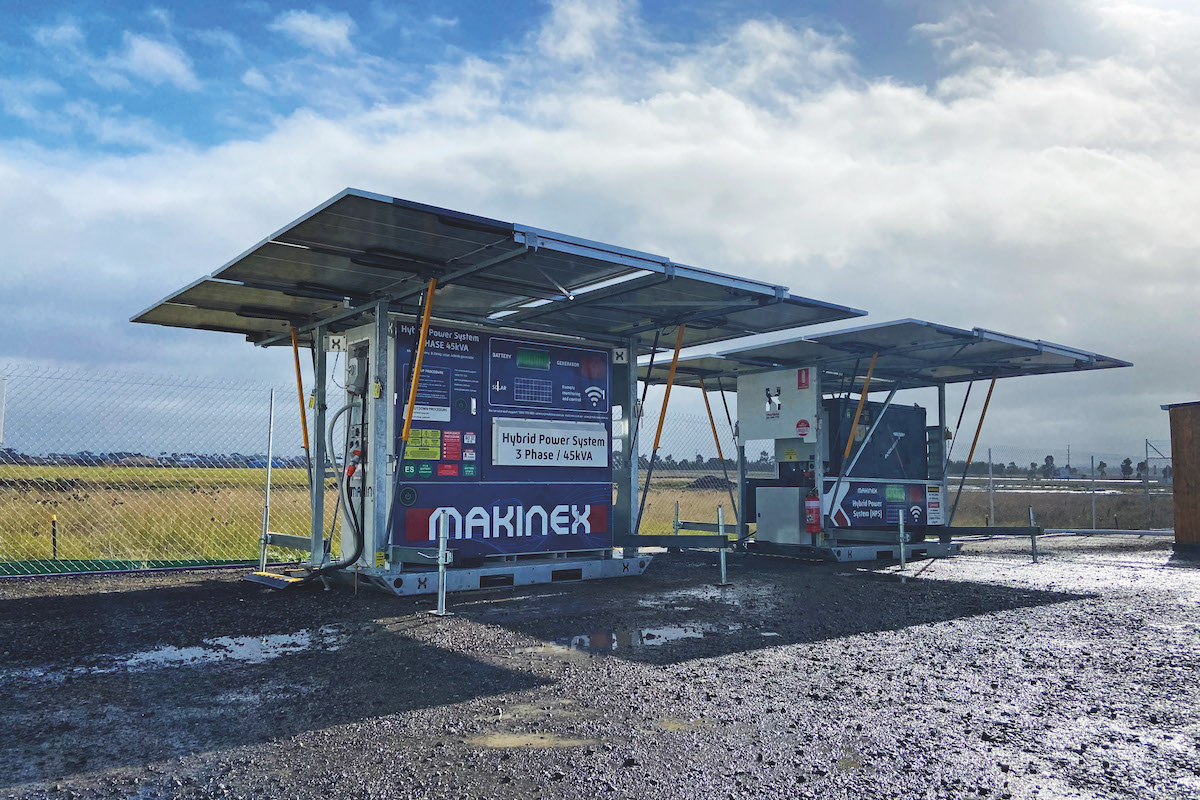
Makinex Renewables is setting an ambitious target, saving 100 million litres of diesel in five years. In an industry long reliant on traditional diesel generators, the Australian-made and owned company is helping reshape how remote and off-grid operations power their sites. Focused on Hybrid Power Systems, Battery Energy Storage Systems and deployable solar arrays, Makinex Renewables is working with customers to lower fuel costs, reduce emissions and improve operational efficiency, while maintaining the dependable power their operations require. “The 100 million litre target gives us a clear and measurable objective to work towards while highlighting the impact renewable energy solutions can have across industries that traditionally rely on diesel power,” the company said. “It’s a goal that keeps us focused on developing practical solutions that deliver real-world results for our customers.” Designed for businesses operating in remote environments, Makinex Renewables’ modular systems can be deployed as standalone units, integrated together, or incorporated into existing site power setups. The company’s solutions are already delivering measurable results in mining. Following a trial installation, a mine site adopted Makinex Renewables’ Hybrid Power System and additional solar arrays, reducing generator runtime from 24 hours a day to approximately six to seven hours. Since the HPS45 was deployed in February, the site has cut generator fuel use by 125 litres a day, delivering annual diesel savings of around $91,000 and projected savings of $640,000 over the site’s seven-year life. Brad Cliff, Director of Generator Services Australia, said the project highlighted the benefits of continuing to challenge traditional ways of thinking and finding better solutions to longstanding industry challenges. To learn more about Makinex Renewables’ solutions, visit the team at the Queensland Mining and Engineering Exhibition in July.
Read the full story
Most Reverend Daniel Meagher, the 11th Bishop of the Roman Catholic Diocese of Rockhampton, made his first visit to St Patrick's College on Wednesday, beginning the day alongside students and staff at the College's Brekky Van outreach service. The visit provided an opportunity for Bishop Daniel to experience the College's commitment to living its Catholic values through service to the wider community before officiating the blessing and official opening of newly completed building and refurbishment works. During the ceremony, Bishop Daniel addressed those in attendance. “We really are here to pray and bless the students and teachers who will use the buildings,” he said. The redevelopment has delivered contemporary learning spaces designed to support learning, wellbeing and faith formation while reflecting the College's commitment to providing high-quality educational opportunities. Assistant Principal: Mission, Mrs Andrea Crocker, said the occasion was a proud moment for the College community. “We’re finally getting to showcase our wonderful new facilities and the way the hard work of so many different people has come to fruition,” she said. The blessing and opening marked the culmination of years of planning and investment, with the new facilities set to benefit Mercy Campus students for years to come. Photo supplied
Read the full story

Pioneer Valley is experiencing significant growth, with its population rising by 16% since 2013. Local resident Erin Sinnamon believes the time is right to better serve the community by establishing an ambulance station, and she has launched a petition that now has the support of Member for Mirani, Glen Kelly.
Currently, the nearest ambulance stations are located in Finch Hatton and Paget, leaving some areas—such as Marian—with response times exceeding 20 minutes.
Mr Kelly expressed his backing for the petition, emphasizing that he understands the urgent need for an ambulance presence in the Valley.
“These communities are right smack in the middle of the coverage area of two other ambulance
stations, that can cause delays in response time,” Mr Kelly said.
“This region is growing, and there’s more houses to come over the next few years so there’s
definitely a growing demand.
“With council planning on expanding the mountain bike trail up the mountain, there’s definitely a
risk that the ambulance from Finch Hatton could be out on a call and another needed up in there, so
having one here in the Valley would be a way to expand that accessibility.
“This is something that there’s been multiple attempts over the years to try and get for the Valley,
because of how long it takes to get from Paget out to places like Mirani and Marian.
“The Pioneer Valley is one of the places that people can live, and having the surety of these services provides confidence to people building and moving out to the area.”
Erin’s petition has garnered over 1600 signatures on change.org thus far.
“There have been a couple of separate pushes over the years to get an Ambulance Station in the
Valley, but there’s been population increases in the area, and all it takes is a delay and something
serious could happen,” Ms Sinnamon said.
“People have unfortunately passed away when ambulance delays have resulted in ambulances
taking up to 75 minutes to respond to an emergency in the Pioneer Valley.
“Our paramedics work hard, and all it takes for something to happen up in Finch Hatton or Eungella for the ambulance up there to get tied up and people left waiting on an ambulance.”
In 2010, a Devereux Creek man tragically passed away after following a minor heart attack with a 75 minute wait for an ambulance.
The petition is available here: change.org/p/help-bring-an-additional-emergency-
services-station-to-the-pioneer-valley-qld
1 – Erin Sinnamon and MP Glen Kelly meet to discuss the petition. Photo supplied

Contributed with thanks to the office of Federal Member for Dawson, Andrew Willcox MP
Federal Member for Dawson, Andrew Willcox MP, has welcomed the election of Senator the Hon Matt Canavan as Leader of The Nationals; asserting that the new leadership team will deliver the straight talk and fiscal discipline Australians are crying out for.
Mr Willcox said he is pleased to see a fellow Queenslander at the helm who shares his passion for regional Australia.
"Matt Canavan is a man of conviction and a proud Queenslander who understands that our country is at a crossroads. We have a fantastic working relationship; I know he will fight to ensure that regional industries, from our miners to our farmers, are never again treated as an afterthought by the city-centric Labor Government."
The change in leadership signals a shift toward a 'More Australia' policy: an unapologetic focus on Australian jobs, Australian resources, and Australian families. Mr Willcox noted that this is not new thinking for The Nationals, but rather a return to the conservative roots that the party has always championed.
"For too long, the 'all or nothing' approach to renewables has been bankrupting this nation and driving up the cost of living. We want practical environmental protection: an energy grid that uses the best models in the world by blending a solid base load of power with renewables.
“To drive down inflation, we must have real fiscal responsibility and reliable, affordable energy; not a reckless rush that leaves our manufacturers and families in the dark."
Mr Willcox, who remains the Shadow Assistant Minister for Manufacturing and Sovereign Capability, said the 'More Australia' approach is vital for the survival of local industry.
"If we want a future made in Australia, we have to reduce the crippling energy costs that are killing our factories. We also need to get serious about sovereign capability by stopping the dumping of cheap, finished steel products from overseas. Our manufacturing sector needs to be restored and revived; as Matt Canavan says, it is time to go 'hyper Australia' and bring back Aussie-made goods."
Beyond the halls of Parliament, Mr Willcox emphasised that the role of a Federal Member is about looking after the vulnerable on the ground.
"National policy is only one part of the job. My priority remains helping the people of Dawson navigate the complex systems of the NDIS, the ATO, Aged Care, Centrelink, and more. When people vote, they are looking for a representative who has their back when they are struggling with the bureaucracy.
“Only a Coalition government has the structure and the heart to hold Labor to account while providing that high level of direct assistance to the shopkeepers, the salary earners, and the families who are the bedrock of our nation."
Mr Willcox also paid tribute to the outgoing leader, David Littleproud MP, describing him as a mentor and a mate.
"David is proud by name and by nature. He has been a strong force in steering the Nationals and was a fierce voice within the Coalition; particularly in his campaign to abandon net zero and put the interests of the bush first. He has earned the right to return his focus to his family and his electorate of Maranoa, and I thank him for his years of dedicated service."
Mr Willcox congratulated the broader leadership team, including Deputy Leader the Hon Darren Chester MP and Senator the Hon Bridget McKenzie, who continues her vital role as Leader of The Nationals in the Senate.
"This is a team of patriots who will listen to the people we represent, whether it is fashionable in the city or not. We are here to defend what we believe in and to put Australians first."
L-R: Member for Dawson Andrew Willcox MP, Nationals Leader Senator the Hon Matt Canavan, and Deputy Leader the Hon Darren Chester MP; the team focused on delivering a hyper Australia that prioritises regional families, restores sovereign manufacturing, and brings back reliable, affordable energy. Photo supplied

Mackay residents have been left shaken after two sexual assaults were confirmed at a popular beach and trail area during February, prompting police to urge anyone with information to come forward.
The first incident occurred between 13 and 21 February, when a 27-year-old woman was approached by an unknown man on the Bluewater Trail near Illuka Park. The second took place on 3 February, involving a 53-year-old woman in the Town Beach area.
In both cases, the women were approached from behind and subjected to violence before being sexually assaulted.
Both matters have been reported, and the women are receiving appropriate support.
Police are appealing for anyone who may have been in the Bluewater Trail, Illuka Park, or Town Beach areas around the relevant dates and noticed anything suspicious to contact authorities.
Investigators are particularly interested in CCTV, dashcam, or other footage from nearby streets, car parks, or walking tracks.
Proactive patrols are underway in these areas as investigations continue, however, police encourage members of the public using walking trails and beach areas to remain alert and aware of their surroundings, and to consider exercising with others where possible.
Investigations remain ongoing at the time of publication.
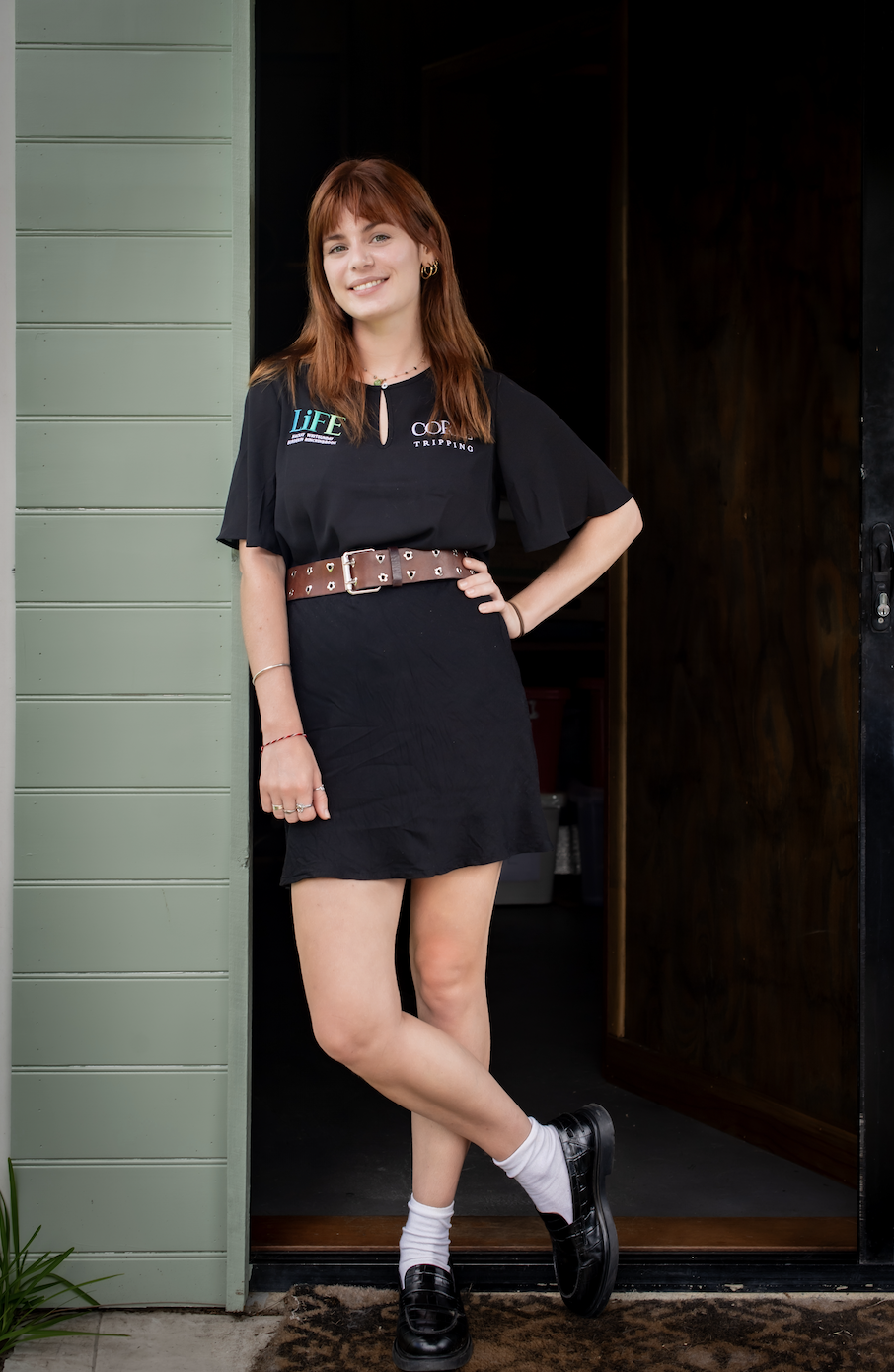
Hey Mackay!
I’m Suzanna, a new journalist with the Life Publishing team.
Having arrived here just six weeks ago from England, settling in has been a whirlwind but the welcome could not have been warmer. I am blown away by not just the beauty of the region but the sense of community here, and the richness of the stories that have been so readily shared with me.
A local boatie I interviewed on one of my first days told me that the Australian spirit was about ‘showing up, and helping a mate,’ and I see this is alive and well around Mackay.
It was so special for me to attend the launch of the Mayor’s Ball at the Neighbourhood Hub last week and meet such engaged, optimistic members of the community rallying to support the vulnerable; through the ball but also countless other initiatives including Dancing with Heart, which takes place this weekend.
The Mayor’s Ball launch event was inspiring and I was especially moved by Mayor Williamson’s speech. His voice was full of emotion when talking about the work of the ball’s newest fundraising recipient, The Neighbourhood Hub, whose team members go above and beyond in their role, feeding the hungry, providing spaces and support for children and families, and serving the community with a smile.
Life Publishing are thrilled to be the Mayor’s Ball media partner this year. We will be counting down the days to the event, and encouraging everyone we meet to grab a ticket and get glammed up.
It is an honour to be trusted with the story, as it is with every story we have the privilege of sharing.
Thanks for the warm welcome, Mackay!

Residents in the McKinlay Shire Council area impacted by recent flooding can now access financial support after the activation of Personal Hardship Assistance by the Australian Government and the Queensland Government.
The assistance, delivered through the Disaster Recovery Funding Arrangements (DRFA), provides immediate financial relief for people affected by flooding, helping cover emergency essentials and early recovery costs.
Eligible residents can access emergency hardship payments of $180 for individuals and up to $900 for families of five or more to help pay for necessities such as food, clothing and medicine.
Additional grants may also be available for some residents, particularly those who are uninsured or on lower incomes. These include assistance to reconnect essential services, replace flood-damaged whitegoods and undertake urgent repairs needed to make homes safe and habitable.
The support has also been activated for other affected regions across Queensland, including Bundaberg, Carpentaria, Doomadgee, Douglas and Western Downs, as flood impacts continue to be assessed.
Federal Minister for Emergency Management Kristy McBain said the government was working closely with the state to provide assistance to impacted communities.
“As the floodwaters recede and we learn more about the impacts, we’ll continue activating the support measures Queensland needs,” Minister McBain said.
“The financial assistance we’re announcing today will give people a start on their recovery journey and hopefully raise their spirits in the face of this adversity.
“This has been a tough start to the year for so many communities in Queensland and I want them to know that the Albanese Government has their back.”
Queensland Minister for Disaster Recovery Ann Leahy said expanding support for affected residents remained a priority.
“This disaster season has been tough for our state, but by swiftly activating support will ensure the recovery process can be smoother for those affected,” Minister Leahy said.
Residents can check eligibility or apply for assistance online at disaster.qld.gov.au or by calling the Queensland Community Recovery Hotline on 1800 173 349.
CAPTION: Several roads were cut by flood waters across the region, isolating residents in communities like those in McKinlay. Photo source: Facebook

This spectacular photograph of a Flatback Turtle was recently reported on the Eye on the Reef sightings network by a tour guide at Cape Tribulation, leading a push up and down the coast to share any wildlife sightings from the top to the bottom of the reef.
Since 1980, the Great Barrier Reef Marine Park Authority has been committed to conserving Flatback turtles through long-term monitoring of their critical nesting site. They only nest in Australian waters feeding on soft corals, sea pens and jellyfish often in the inter-reefal area (the waters between the Reef and the shore).
Who knows what wonders are waiting in our waters here in the Whitsundays?
Submitting valuable data about wildlife, reef health, and incidents out on the water can better help scientists protect our reef, so visitors and locals alike are encouraged to download the free Eye On The Reef app and share any wildlife you see.
1- A rare flatback turtle spotting drives a rally for more reporting on the reef. Photo: Facebook

New research from James Cook University (JCU) has found that winter conditions may play a significant role in determining how coral on the Great Barrier Reef responds to heat stress during the following summer.
The study, recently published in the journal Coral Reefs, suggests coral bleaching is influenced not only by extreme summer temperatures but also by ocean conditions months earlier during the cooler season.
JCU researcher Valerie Cornet, who led the study, said most forecasting tools currently focus on summer temperatures when predicting bleaching events.
“Most bleaching prediction tools focus on summer heat and assume that corals start each summer in the same condition,” Ms Cornet said.
“We wanted to see how cooler seasons, particularly winter, influence bleaching in the following summer.”
The research team analysed aerial and in-water bleaching observations along with sea surface temperature data across the central Great Barrier Reef between Townsville and Port Douglas, focusing on the 2016 and 2017 bleaching seasons.
Study supervisor Scott Heron said those years provided a unique opportunity to examine how coral responds to repeated heat stress.
“The scale and severity of these mass bleaching events were unprecedented, affecting vast areas of the reef,” Professor Heron said.
“This gave us a rare opportunity to study how repeated heat stress and recovery periods interacted, including effects before summer conditions set in.”
The research found that prolonged warmer winter temperatures can worsen bleaching in the following summer, while moderate winter warmth may actually help corals cope better with future heat.
“It’s a Goldilocks range –– it’s not too hot, not too cold, it’s just right,” Professor Heron said.
“We think that corals living in these conditions might be better prepared for a stressful summer because they are exposed to a little bit of prior heat.”
Researchers say incorporating winter conditions into reef monitoring systems could improve early warning systems and help guide future reef protection efforts.
Heart Reef View Great Barrier Reef Stock Photo 2512856481 | Shutterstock
CAPTION: 2016 and 2017 were the first consecutive years of severe bleaching on the GBR. Photo credit: Mikael Djavadi

The Great Barrier Reef is the largest coral reef system on Earth and one of Australia’s most iconic natural wonders. Stretching for more than 2,300 kilometres along the Queensland coast, it supports thousands of species of fish, corals, molluscs and other marine life. Yet alongside rising ocean temperatures, another invisible threat is increasingly affecting the Reef — ocean acidification.
Ocean acidification occurs when the ocean absorbs carbon dioxide (CO₂) from the atmosphere. The world’s oceans absorb roughly one-third of the CO₂ released by human activities such as burning fossil fuels and deforestation. When CO₂ dissolves in seawater it forms carbonic acid, which lowers the water’s pH and alters ocean chemistry. Since the beginning of the industrial revolution, the average acidity of surface ocean waters has roughly increased by 30%.
It is worth noting that even slight shifts in ocean chemistry can have major consequences for marine organisms.
Corals, the foundation of the Great Barrier Reef ecosystem, are particularly vulnerable. Reef-building corals construct their skeletons from calcium carbonate, a mineral formed using carbonate ions dissolved in seawater. As ocean acidity increases, the availability of these carbonate ions decreases. This makes it more difficult for corals to build and maintain their skeletons, slowing growth and weakening reef structures.
Scientists have already observed declining calcification rates in many reefs. Research suggests that coral calcification across the Great Barrier Reef may have dropped by roughly 15–20% since 1990. Slower growth means reefs recover more slowly from disturbances such as storms, bleaching events or outbreaks of coral-eating crown-of-thorns starfish.
Ocean acidification can also cause existing coral skeletons to dissolve more easily. In more acidic conditions, calcium carbonate becomes less stable, which can lead to erosion of reef structures over time. This weakens the physical framework that supports the entire ecosystem.
The impacts extend beyond corals themselves. Many other reef organisms — including shellfish, plankton and coralline algae — rely on calcium carbonate to form shells or skeletons. Increased acidity can reduce their growth, survival and reproductive success.
Despite these challenges, scientists emphasize that the future of the Great Barrier Reef is not yet sealed. Reducing carbon dioxide emissions remains the most important step in slowing ocean acidification. This means moving away from fossil fuels and transitioning to renewable energy as quickly as possible.
At the same time, local conservation efforts — such as improving water quality, managing fisheries, and protecting vulnerable reef areas — can help strengthen the Reef’s resilience.
The Great Barrier Reef has survived dramatic environmental changes over millions of years. However, the rapid pace of modern climate change and ocean acidification presents an unprecedented challenge. Protecting this remarkable ecosystem will require both global climate action and continued efforts to safeguard the reef locally, ensuring that future generations can continue to marvel at one of the world’s greatest natural treasures.
Contributed with thanks to Whitsunday Conservation Group.
Captions
Healthy reef
Photo supplied
This week’s newsletter ends on the Ides of March, and with no Julius Caesar in sight, it was all great news!
Starting with Tuesday the 10th, first place went to skipper John Brown, ably assisted by lead Ian Passfield, who is improving with every game, and second David Bradley, who also played well as part of a strong team effort. Second place went to the team led by skipper Tony Whitehorn with Sue Dakin, who, as a rookie, is practicing hard and developing into a classy player for our little club.
Wednesday afternoon’s Social Bowls was arranged by big John Askew after illness sidelined Mervyn Stewart. The biggest winning team of the day was led by Tony Whitehorn with lead Keith Bates and second Rene Thommen, another impressive new bowler who is improving at a rapid rate.
Wednesday night’s Business House Bowls, organised by Yvonne Spees with husband Bob Spees, saw Team Girl Power claim their sixth straight win, taking them to 18 points. Four teams remain on 14 points, with all games very close—often decided by just a single point. With all 12 teams still in contention, any team could take the title.
The Men’s and Ladies’ Singles competitions are progressing well, with results to be published next week.
No Scroungers were played this weekend due to 14 teams competing in the Mixed Pairs. By Sunday morning, four teams remained: Joan McGrath with Peter Barrett versus Margo Stanley and John Fielding; and Tony Whitehorn and Betty Whitehorn against Bobby Spees and Ladda Purdie.
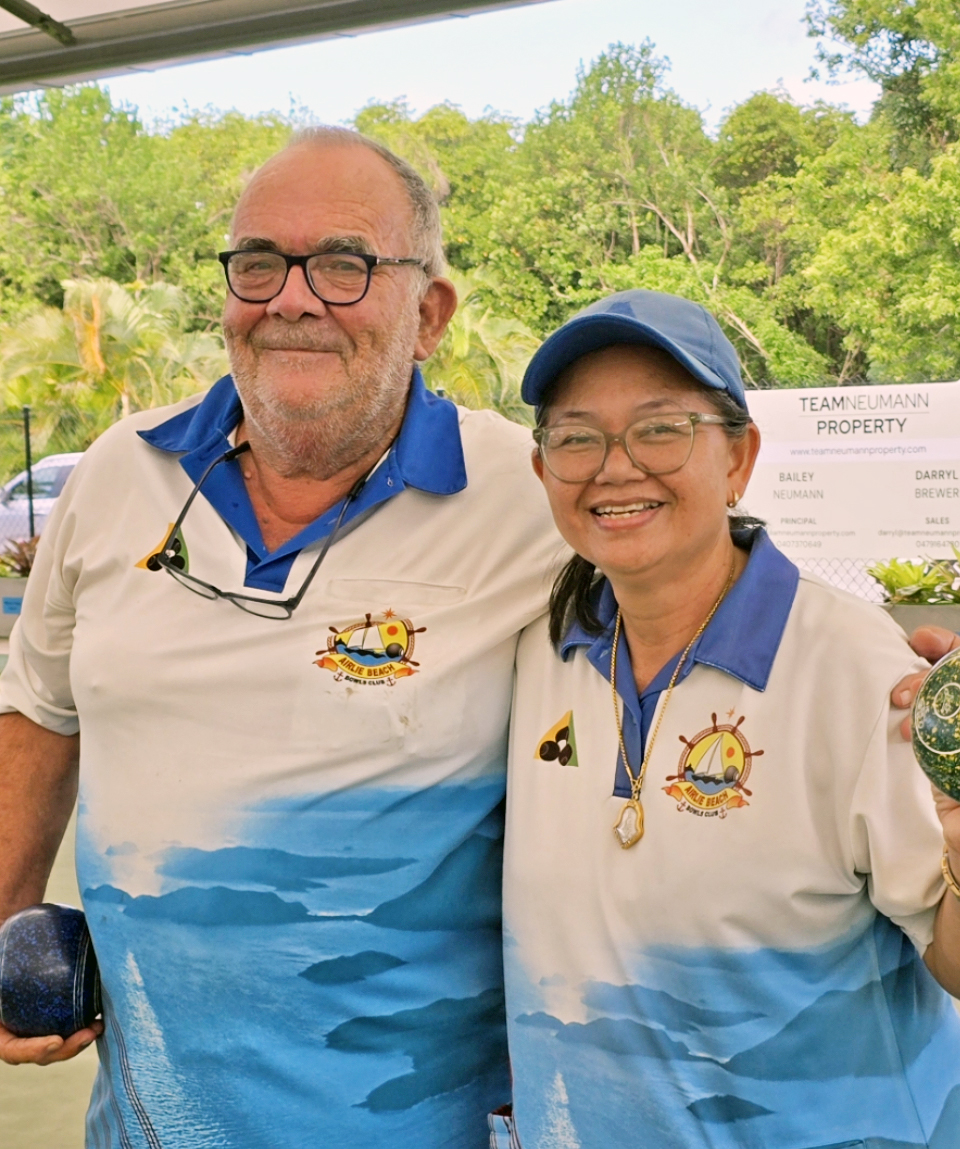
Sunday afternoon’s final was contested between John Fielding and Margo Stanley and the pair of Bobby Spees and Ladda Purdie. To everyone’s surprise, it was Ladda—who had spent the past two years nursing her husband Bruce Purdie before he sadly succumbed to diabetes—and Bobby, who had been suffering from a severe bout of vertigo and was close to withdrawing, who triumphed. A wonderful win against all odds, and they are this week’s featured photo.
Sunday afternoon also saw 20 bowlers take part in social bowls. Bar manager Fiona Greener threw the dice, awarding five points for each winning team plus one point for every end won. The winning team, with 18 points, was led by skipper Dennis Donadelli, ably assisted by Lyn Graham.
Second place went to the capable team of Andy McDougall with lead Alan Pershouse on 17 points. Third place went to the team of Mark Mawson with second Gail Simms and lead Liz McManus on 15 points, rounding out a fantastic afternoon of action.
Captions
Bob Spees and Ladda Purdie after their win in the Mixed Pairs
Photo supplied

In the vibrant real estate landscape of the Whitsundays, Melinda Butcher has built a reputation as a trusted and energetic property specialist who combines professional expertise with genuine local insight.
Known for her down-to-earth nature and friendly approach, Melinda brings enthusiasm and determination to every property journey. As a devoted mother of two and long-time local, she understands the lifestyle that makes the Whitsundays such a special place to call home. Having experienced both coastal living and larger acreage properties herself, she offers clients a practical, firsthand perspective on the region’s diverse property opportunities.
Melinda’s career spans more than two decades in leadership and sales roles, where she developed a strong customer-focused philosophy that continues to shape her work in real estate today. Her approach centres on building lasting relationships, ensuring that every client feels supported, informed and confident throughout the process.
“Real estate is more than just a transaction,” Melinda says. “It’s a journey that can be emotional, personal and incredibly rewarding.”
With that philosophy at the heart of her work, Melinda strives to bring trust, transparency and professionalism to every step — whether she’s helping a family find their dream home, guiding a seller through the market, or welcoming newcomers to the Whitsundays community.
Her strong work ethic, local knowledge and commitment to achieving results have quickly made her a valued resource for buyers and sellers across the region.
For Melinda, real estate isn’t just about property — it’s about people, community and helping others find their place in one of Queensland’s most beautiful coastal regions.

World Storytelling Day, observed on 20 March, celebrates the threads that hold families together: our stories. Stories of what people valued, how they coped in hard times, what made them laugh, who they loved, why they made certain decisions, and the lessons life taught them.
This day is also a reminder to act while we still can.
Dementia is one of the most significant health challenges facing Australia. According to Dementia Australia, around 446,500 Australians are currently living with dementia, and the number is expected to rise. For many families, dementia brings an extra layer of grief because it can take away a person’s ability to recall and share their own life story.
I understand this personally. My dad lives with dementia, and there is a particular kind of sadness that comes with it. It is the feeling of, “We missed it.” We missed the opportunity to sit down, ask the right questions, and capture his life story while his memory was still there.
Memory loss is often gradual. Over time, whole chapters can become difficult to access, and families are left with unanswered questions.
Many people plan to write things down “one day”. The problem is that “one day” might be too late.
Writing a life story is one of the most practical ways to preserve what matters. It captures the voice and personality of the person, their version of events, and the context that brings family photos to life. For children and grandchildren, it can become a source of comfort and connection for decades.
Writing your life story can begin with a few simple conversations and a handful of questions: Where did you grow up? What was school like? What work did you do? Who were your closest people? What tested you? What are you proud of? What do you hope your family understands about your life?
One memory often leads to another. As people talk, stories return. Details emerge and the shape of a life becomes clear.
World Storytelling Day is a reminder, and it is also an invitation. If there is someone in your life whose story you value, begin now.
Contributed with thanks to Natalie Stockdale – Airlie Beach Author

This weeks poem was submitted by Amelia Rutley. If you’re interested submit your poem to sebastian@lifepublishinggroup.com
She surrendered
To the slowness, to the simple
To the shuffling of priorities and the shifting of goalposts
To being at the bottom of the list with her partner.
And maybe the dog.
To scooters ridden down hallways
To catch ups at playgrounds and fragments of conversations
To sticky banana good morning kisses and soggy breadcrumbs underfoot
To crayon boxes beside dinner plates
To Disney soundtracks on repeat
To late nights, early mornings and 2am stumbles down hallways.
She surrendered.
Because to fight it would mean to be drowned by it.
And so she was swept up in the tides of change, of mess, of chaos, of love and of life.
And the sands shifted below her and the waves ebbed and flowed and crashed and calmed
around her.
Until one day she found she could stand again
In waters that felt new, but familiar at the same time.
She breathed in her surroundings - soaking in the sunlight, drinking in the details, stretching
into her space
And she lived.

Bowen musician Natalie June has released her new single ‘Ticket to Paradise’, now available on streaming services such as Spotify and Apple Music.
Natalie got her start performing shows in and around town.
“I didn’t have a lot of confidence to pursue music at first. It was just something I did quietly at home,” she said.
“Then, in the last couple of years, I started going to open mics at the Yacht Club and got more comfortable performing in front of people.”
Since then, Natalie has had opportunities to support local and touring festivals.
“Those opportunities were what really inspired me to start recording music.”
Natalie recorded all the instruments herself, using a laptop and interface. With the new release – inspired by the likes of Lana Del Ray and Nora Jones – a music video was filmed in Greys Bay with some of it also captured at Rose Bay, showing off the natural beauty of the region.
The song focuses on inner happiness and belonging. Head to YouTube to see the ‘Ticket to Paradise’ video and get a glimpse of Bowen’s great foreshores.
Captions
Photo source: Facebook
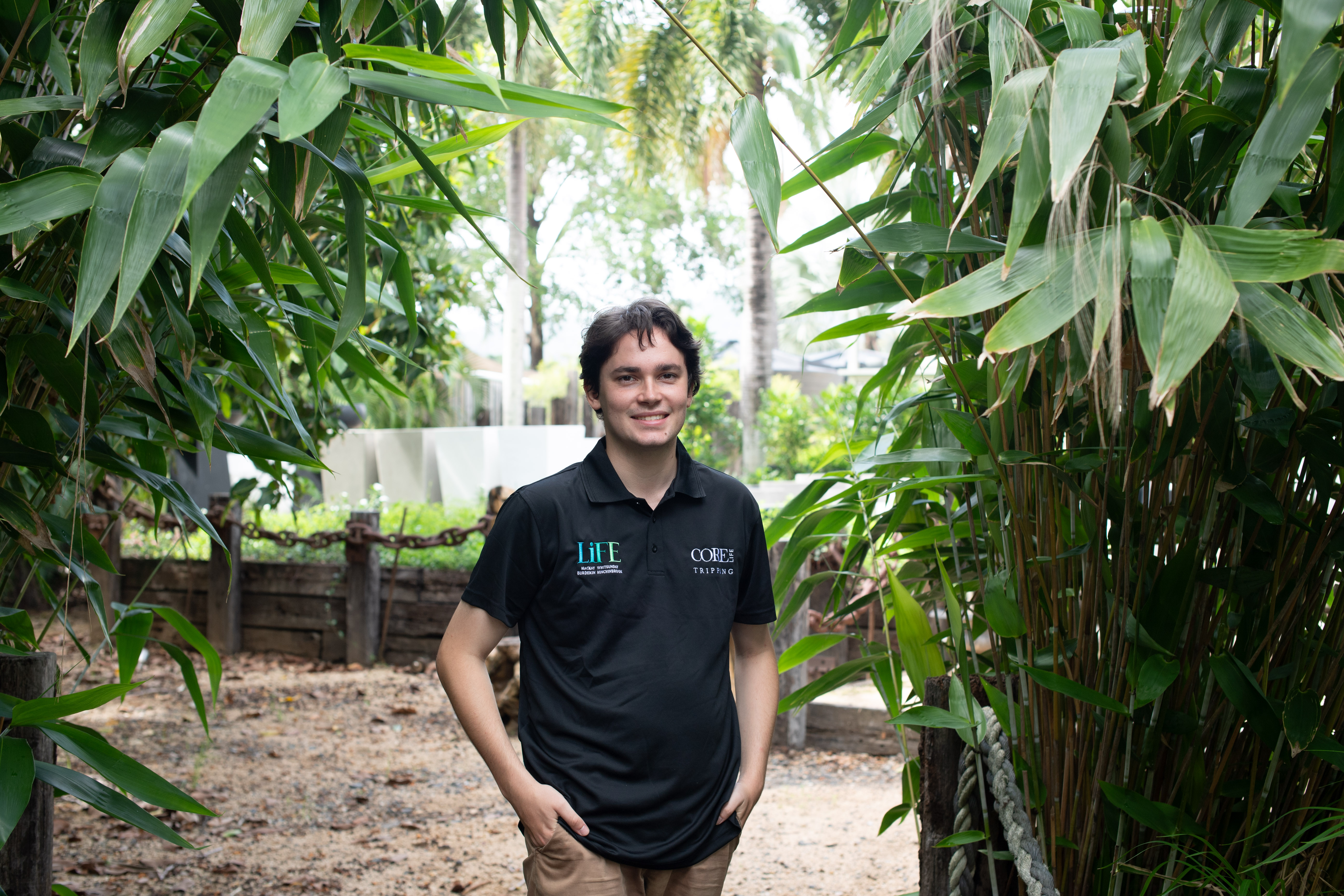
Welcome back to the creative corner. I just want to start by saying how much I appreciate the poetry submissions. In the first few weeks it seemed like it wasn’t going to work but now my inbox is flooded and I couldn’t be more excited to share people’s poetry across the region. Keep sending it in!!
I’ve decided recently that I want to read more Australian books and watch more Australian cinema. As a country that imports a lot of media and culture from overseas (mainly the US and UK), we risk losing our own sense of self by refusing to engage with our own stories. Consuming Australian-made media, and promoting its creation, allows us to better understand Australian identity and politics. It can open discussions and help people reflect on what it means to live in this country.
I recently watched ‘The Adventures of Priscilla, Queen of the Desert’ (1994), an absolute classic. Some of my favourite Australian films would have to be ‘Wake in Fright’ (1971), ‘Picnic at Hanging Rock’ (1975) and ‘Muriel’s Wedding’ (1994).
I’m currently reading ‘Cloudstreet’ by Tim Winton which I borrowed from the library and it’s absolutely incredible. His work easily rivals that of the greats on an international stage. More Australian authors I’d like to check out are Patrick White, Christos Tsolkias, Helen Garner, Richard Flanagan and Peter Carey.
Consider what your favourite piece of Australian media is.
%20Dam%20site%20pre%20construction.jpeg)
Thirty-five years ago, on March 19, 1991, the Proserpine Dam was opened by Premier Wayne Goss. Three months later, the public was treated to a gala day to celebrate its completion. For years, the district had endured severe flooding and this dam promised and delivered relief from these regular and often devastating occurrences.
Debate over the importance of a dam on the Proserpine River had a long history dating back to 1939 when the Chamber of Commerce first approached council to gain urgent consideration to provide a town water supply. Cost estimates proved too big a project for Council. It wasn’t until October 1946 that approval was given for a loan to allow the long-awaited water supply to become a reality. In 1947, damage from heavy rains which caused infrastructure and food shortages, was further proof of the need for a dam on the river.
But progress was slow. Despite numerous floods that underscored the community's vulnerability, the decision to construct the dam remained contentious. Decades of advocacy for town water supply continued, even after a fire in 1949 destroyed Main Street. It took another thirty-four years before the Shire Council was able to draw the government’s attention to the urgency of this matter. The pivotal moment came in 1983 when National Party member Mr. Geoff Muntz championed the cause and successfully initiated the dam's construction, marking a decisive step toward securing the region's future water supply and flood protection.
Approval for the dam was received in January 1985 followed by establishment of the dam village in 1986. Thiess Contractors Pty Ltd led the main embankment, spillway, and tower bridge construction, with local businesses handling walkways, shelter sheds, and barbecues. Additional project contributors included Kalanda Constructions, Transfield Corporation (Qld) Pty Ltd, VSL Prestressing (Aust) Pty Ltd, and the Water Resources Board.
The dam's construction was not without challenges. On December 13, 1988, floods destroyed infrastructure and trapped three Queensland Water Resources workers. On December 24, 1989, John Coutts was fatally struck by a reversing front-end loader. He was wearing ear plugs and apparently did not hear the huge machine approaching.
Almost five years after construction began, the $50 million dam was completed by Christmas 1990. It was expected to take several years to fill but Cyclone Joy moved in on Christmas Eve and three months later Lake Proserpine was 98% full, providing a magnificent site. It had already proved its value by saving Proserpine from potentially disastrous flooding during the wet season of 1990 – 1991 when the area received two years of annual rainfall in two months.
It would be another twenty years before the first overflow which occurred in late December 2010; a source of great relief after it had fallen to its lowest level of 10.7% in 2007. There were further overflows in March 2012 and then March 2013 and now, in March 2026, water is once again spilling over the dam wall.
The Peter Faust Dam was so named in recognition of Mr Peter Faust who, as Chairman of the Shire for over fifteen years, was instrumental in securing government support for its construction. Furthermore, about 15000 acres of land had been resumed from the Faust family’s Proserpine Station for the lake which would be formed by the dam.
Today, residents and visitors enjoy the many benefits of this dam which provides mitigation from flooding; an invaluable irrigation source for farmers; a reliable water supply for residents from Midge Point to Bowen and out to the islands; and a popular recreational facility.
Peter Faust Dam continues to be “a dam good story” …
Story and photo courtesy of Proserpine Historical Society. Information sourced from the PHMS publication, “A Dam Good Story”
Captions
%20the%20dam%20today.jpg)
Publishers Indemnity. Any individual or entity that places advertising, supplies copy material, or submits editorial content to Core Life Publishing agrees and undertakes to ensure that all such material:- Does not infringe upon any copyright, trademark, or other intellectual property rights;- Is free from any content that could be considered defamatory, libelous, or slanderous;- Does not infringe upon any rights related to privacy or breach of confidence;- Contains no obscene, indecent, or otherwise unlawful material;- Complies fully with the Trade Practices Act and all other applicable laws, regulations, or statutes.Furthermore, by submitting or placing such material, these individuals or entities agree to indemnify and hold harmless the publisher, Core Publishing and Events Pty Ltd, and/or its agents from and against any and all investigations, claims, demands, liabilities, damages, costs, or judgments arising out of or in connection with the material provided. All material is believed to be accurate at the time of printing and remains the copyright of Core Publishing and Events Pty Ltd.
© 2026 Mackay and Whitsunday Life Pty Ltd.
