
Independently Owned, Locally Grown, Community Loved

Long-awaited flood-immunity works proposed for Goorganga Plains near Proserpine are continuing to progress following years of flooding and highway closures along the notoriously flood-prone stretch of the Bruce Highway, however some residents say concerns remain about road safety through the area in its current condition. The proposed Goorganga Plains Floodplain Upgrade forms part of broader Bruce Highway resilience planning aimed at improving flood immunity, reducing closures and strengthening one of Queensland’s most important freight and transport corridors. The area has long been regarded as one of the Whitsundays region’s most flood-affected sections of highway, regularly becoming impassable during major weather events and cutting access between Mackay and the Whitsundays. However, local resident Denise Hadley said she believes the current road conditions are extremely dangerous and claims repeated attempts to raise concerns with authorities continue to go unanswered. “I’m gobsmacked. It’s infuriating, it’s disappointing, and I feel like it’s going to take somebody getting incredibly hurt for someone to listen,” she said. Ms Hadley explained she had contacted the Department of Transport and Main Roads (TMR) almost daily regarding concerns surrounding the road conditions but claimed she had received little acknowledgement in response. “It’s really not good enough. You’re [TMR] supposed to make that road safe for everybody,” she said. Ms Hadley has also contacted the Queensland Transport Minister’s office multiple times and had attempted to escalate the matter further through other government offices. “I don’t know what has to happen for someone to take this seriously,” she said. Ms Hadley claimed the road surface was rough and said reduced speed limits and temporary line markings through the area had heightened her concerns. “It’s disheartening,” she said. Despite her frustrations, Ms Hadley said she intended to continue pushing for action. “I will continue to call, and I will continue to be the squeaky wheel,” she said. “I just want all of those departments to be very aware — and I’ve written this in emails — that if somebody gets hurt out there, it’s on you. You have been made fully aware that there’s something wrong with this road.” Since first raising her concerns publicly on social media in May 2025, Ms Hadley continues to plead with authorities to investigate the stretch of highway, and has continuously echoed, she will keep campaigning until action is taken. According to publicly available project information, the proposed floodplain upgrade is intended to improve safety, flood resilience and freight reliability along the Bruce Highway corridor. Life Publishing Group has contacted the Department of Transport and Main Roads for comment regarding the concerns raised by residents surrounding the Goorganga Plains section of the Bruce Highway, with further coverage to follow next week pending a response from the department.
Read the full story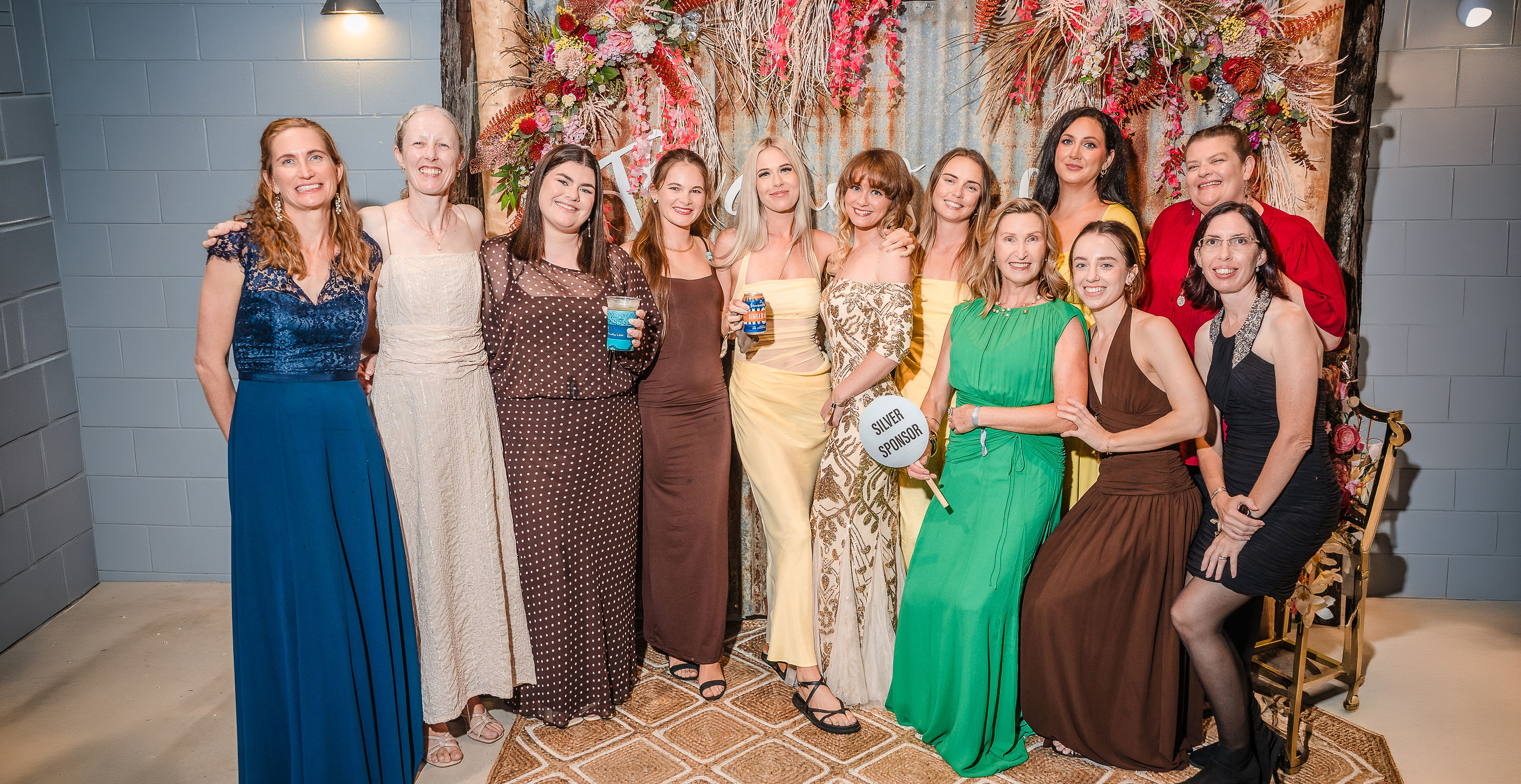
The Proserpine Showgrounds came alive on the weekend as the annual Show Ball brought locals together for a night of music, celebration, and community pride. Embracing the “Pretty in the Paddock” theme, guests arrived in formal attire, filling the venue with colour, conversation, and dance. Country star Amber Lawrence headlined the evening with a high-energy set that kept the dance floor packed, while local performer Shaun Diver showcased homegrown talent. Organisers from the Show Ball Committee said the event was a strong success, thanking attendees, volunteers, performers, and sponsors for their support. The night was hailed as a reminder of the region’s strong community spirit and love of shared celebration.
Read the full story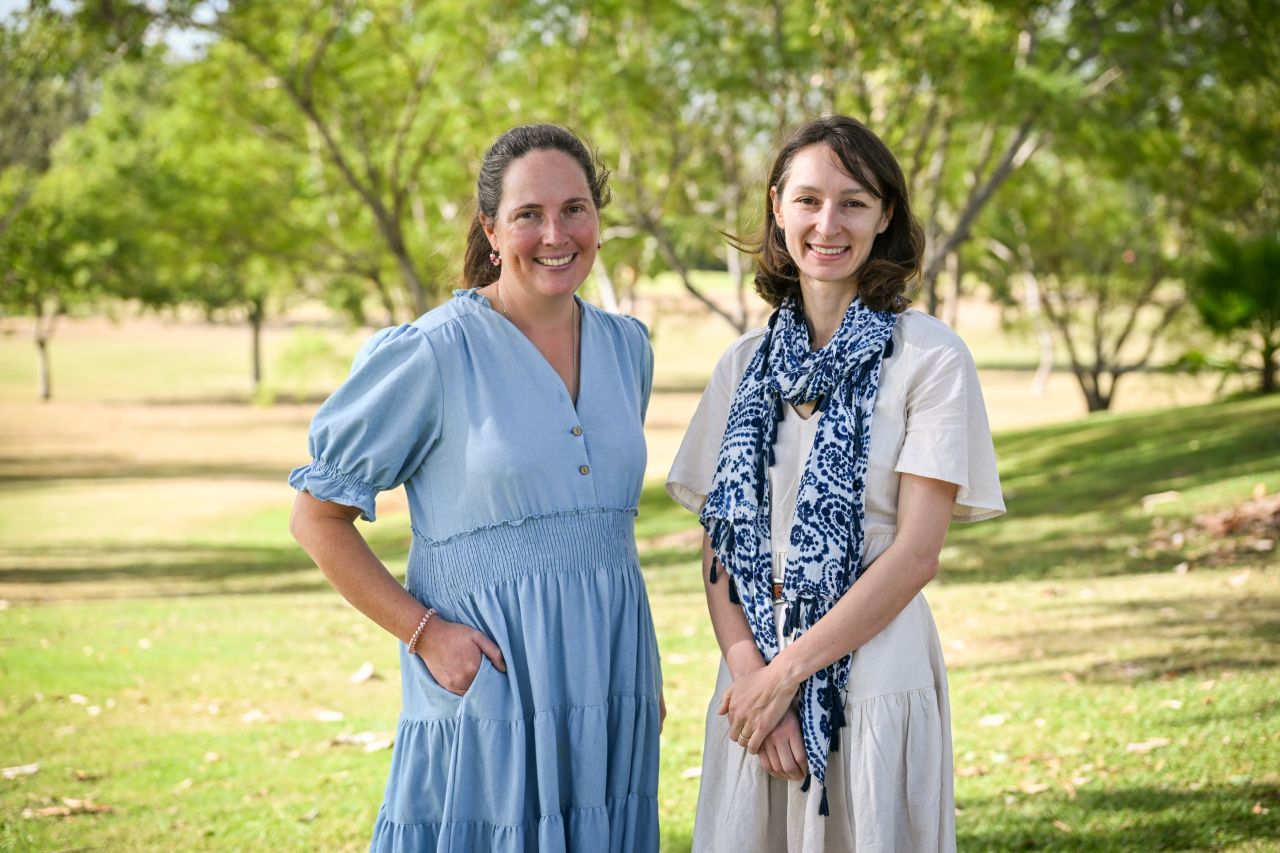
Women from across the region gathered in Collinsville this week for the Heart of the Farm Ladies Luncheon, an event focused on connection and wellbeing within agriculture. Hosted by NQ Dry Tropics through the Landholders Driving Change (LDC2) project, the luncheon featured guest speakers Steph Schmidt from Farm Life Psych and Anika Molesworth from Climate Wise Agriculture. The event combined inspiring conversations with networking opportunities, good food and plenty of laughs, leaving attendees feeling “inspired and recharged”. In a social media post following the event, NQ Dry Tropics thanked the guest speakers for sharing their stories and insights with local women involved in agriculture and regional communities. The luncheon formed part of the Landholders Driving Change project, funded by the Queensland Government through the Queensland Reef Water Quality Program. CAPTION: Guests gathered in Collinsville for the Heart of the Farm Ladies Luncheon hosted by NQ Dry Tropics. Photo source NQ Dry Tropics
Read the full story
Burnout is never weakness; it’s a condition of the strongest performers. High performers often believe they can operate at 140% forever. They push harder, take on more, solve every problem, carry everyone, and wear exhaustion like a badge of honour. The conscious mind tells them, “Keep going. We’ve got this.” But the nervous system is quietly keeping score. Burnout happens when a nervous system no longer believes its owner will protect it. It helps to think of burnout as two people living in one body. The first - your conscious mind - driven, capable and highly productive. It loves achievement, pressure and momentum, thrives on ticking boxes, solving crises and outperforming expectations. The second - your nervous system - ancient survival system designed to keep you safe and alive, which regulates stress hormones, sleep, recovery, digestion, emotional balance and energy. Unlike your conscious mind, it cares only about survival - not KPIs, outcomes and lists of achievements. Problems arise when high achievers keep the ‘pedal to the metal’ for a long, long time - never taking their foot off the accelerator long enough for the nervous system to rest and repair. Too much cortisol (stress hormone) builds up for waaaaay too long - eventually, the nervous system stops trusting its human host. At first, it whispers - poor sleep, irritability, waking at 2am with a surge of adrenaline, emotional overwhelm, brain fog and fatigue that rest no longer fixes. When whispers are ignored – it then screams! The nervous system escalates, starts pulling emergency levers, normal daily functions are near impossible, and the body begins forcing the slowdown the mind refuses to choose. It’s a small break before a complete implosion, telling you to stop right now before you can’t reverse it. Don’t let your driven employees arrive at this outcome, balancing on the edge of a precipice. Create honest, authentic check-ins with your high achievers, encourage discussions about emotional well-being, and ensure they take time off – without the phone! Contributed with thanks to Judy Porter, Shiift
Read the full story

Bowen businesses have been urged to partake in a military bonanza catering for up to 900 US military personnel involved in the defence exercise Talisman Sabre.
The call went out at the Bowen Chamber of Commerce meeting on June 14 as the town gears up for the latest and largest iteration of the multi-site biannual exercise.
The event is due to run from late July to early August, including a "slow burn" US forces-only logistical exercise for Bowen.
Bowen is one of 17 sites in Queensland, two in the Northern Territory and one each in Western Australia, New South Wales and Norfolk Island hosting Talisman Sabre's 10th iteration.
There will be exercises in multi-domain warfare capabilities, building and affirming military-to-military ties and interoperability, and strengthening strategic partnerships across the region.
About 30,000 military personnel from 13 nations will attend, although Bowen will host about 900 US troops (and up to 300 vehicles) in a test of their ability to launch from sea and sustain a campaign on foreign soil.
While previous exercises have entailed multi-nation forces "invading" the town, Lt-Col Bernie Kronen of the Australian Defence Force told the meeting this year's event had the US "slow burn" leg.
The US contingent will bivouac in Bowen where, according to Lt-Col Kronen, "soldiers need services".
US 1st Sgt Peter Rogers told the meeting that with troops aged predominantly 17 to 19, and on foreign soil for perhaps the first time, they would be seeking foodstuffs and activities popular with teenagers everywhere. "They are going to want to be involved in the community", Sgt Rogers said.
While the troops would exist largely on military rations, off duty there would be a demand for extra purchases.
"We are trying to involve you in the exercise wherever we can," Sgt Rogers told the meeting's 40-strong audience.
He also stressed that US discipline would be tight.
The US contingent will host an "open day" event as part of its commitment to community consultation.
BUSINESS CASE: (From left), US 1st Sgt Peter Rogers, Bowen Chamber of Commerce president Bruce Hedditch and Lt-Col Bernie Kronen of the ADF at the chamber's recent meeting.

Honouring global oceans on World Ocean Day, The Great Barrier Reef Foundation (GBRF) and local operators from the Coral Nurture Program (CNP) joined forces to participate in Coralpalooza earlier this month.
Created by American Coral Restoration Foundation, Coralpalooza encourages the planting of corals in global oceans.
The GBRF and the Coral Nurture Program works in collaboration with marine scientists and local tourism operators, particularly Red Cat Adventures, Kiana Sail and Dive and Ocean Rafting.
On June 10, they planted 6,726 finger-sized pieces of coral across the Great Barrier Reef.
3,000 of these coral pieces were specifically planted in areas of the reef where rehabilitation and regrowth has been slow following cyclones.
GBRF Managing Director Anna Marsden said, “Reefs are suffering from impacts of climate change like coral bleaching and severe cyclones. Hand-in-hand with reducing emissions, we need a range of efforts to give them the best chance of recovery.”
The coral planted by local tourism operators and CNP researchers was made possible by using an innovative tool called the CoralClip, a Queensland invention that allows coral to be planted quickly and have higher survival rates.
The stainless-steel clip works by stabilising the coral fragment on the reef, holding it there long enough to establish roots and flourish on its own.
After several months, the clip will corrode naturally or will be overgrown by new coral.
Dr Emma Camp, project lead and co-founder of the Coral Nurture Program, said, “This work is part of the CNP’s aim to plant more than 100,000 corals by 2024 and work with local Reef communities to develop the tools they’ll need to help key coral reef sites to adapt to climate change.”
Coralpalooza is a global effort to improve coral reefs, with 11 other countries taking part in the action, including Jamaica, Colombia, Indonesia, Costa Rica, Seychelles, Honduras, and Maldives.
“It was special, and we feel honoured to be a part of it,” said Emily Monacella, from Red Cat Adventures.
“It was spectacular to take part in something that was happening all around the world.”
Coralpalooza activities is funded by school children across Australia who participated in a Run 4 Fun program, collaborated through Australian School and Club Fundraising (ASCF).
“On behalf of the Reef, and the thousands of species of marine life that call it home, we say a huge thank you for all your hard work raising funds to restore these critical reef sites,” said Ms Marsden.
Local tourism operators and researchers joining global effort, Coralpalooza
With a goal of planting 4,000 pieces of coral, the effort exceeded expectations
Coralpalooza is a global effort to encourage conservation and regrowth of coral reefs. Photos supplied

While sugar cane farming is not what Lindsay Altmann had in mind for his career, neither is it something he looks back on and regrets.
Lindsay is a third-generation farmer, and second generation on his sugar cane farm in Strathdickie, with the farm likely to stay in the family, as two of his three sons are closely tied to cane industry.
As is happens, he didn’t grow up with the expectations of working on dad’s farm.
Rather, he became a diesel fitter by trade and spent upwards of 10 years in the mines, before coming back to the family farm and settling down.
Lindsay explained, “I enjoy it more than most farmers. Yeah, I had a great career in the mines, but I find a sense of purpose in this.”
It was a lot of learning on the job, about the different cane varieties, about soil and climate, about machinery and best practices for best yield.
On his 140-hectare sugar cane farm, Lindsay is often out in the paddocks, seven days a week, sun up to sun down, tending to the crops.
“It’s very seasonal; we have about four or five months that we’re really busy, which kicks off around February,” he explained.
In recent times, he has signed up to being a Director with Canegrowers Australia.
“We advocate for the industry and for the growers,” he explains.
“It works for the benefit of the members. We talk about the price of electricity and fuel, and the cost of fertilizer.”
As part of Canegrowers, Lindsay also works on legal disputes, including boundaries and fences, as well as the weekly audit of the sugar mill.
“Anyone who’s got a problem, they can come and see the directors or speak to the manager,” he said.
It is clear that Lindsay is proud of his work and of his farm.
“It’s a long investment and that’s what people don’t understand.
“This farm is better than it has even been.”
Now, Lindsay often works side by side with his brother, tending to the crop.
“Up until last year, we ran a contracting business. We’ve split that up now, and he’s taken the contract side, but we still work together.”
Two of his three sons often work alongside Lindsay in the industry, with one being a diesel fitter by trade and the other a cane carter.
Cane farmer Lindsay Altmann has done many things in life, and being a farmer is definitely the most rewarding. Photo credit: Bronte Hodge

This winter season, get your lawn up to scratch with a new premium lawn from Hamilton Plains Turf Farms.
For those seeking less time on the weekend pushing a lawn mower, Nara Native Zoysia is the low maintenance lawn variety that will be your best time-saving investment.
Withstanding the toughest of drought conditions with its naturally very high drought tolerance rating, Nara Native Zoysia is perfect for lawns in the Mackay and Whitsunday region and will even flourish across sandy seaside properties because of its unique salt resistant characteristic.
Nara Native Zoysia is slow growing, requiring minimal maintenance, often being able to withstand mowing for three weeks at a time in winter, and slightly more mows in summer.
Nara Native Zoysia is also an eco-friendly lawn selection for your home, that requires less fertiliser applications than couch and buffalo lawns.
You can trust the team at Hamilton Plains Turf, having Nara Native Zoysia planted in their front yard for five years now, they can vouch for the hardiness and absolute pristine appearance of this true all-rounder turf variety.
Hamilton Plains Turf will look after you, freshly harvesting your turf order with their best employee, “Bluey”, their Firefly ProSlab 1558 automated turf harvester.
Your turf order can be picked up from their farm or delivered to your home and installed by one of their friendly fellow local freight and turf installation businesses that they recommend.
Winter in the tropics is the perfect climate to install a new lawn. Photo supplied

The Proserpine Sugar Mill has experienced a slow start to the season due to commissioning problems with new machinery that has caused a lot of stop-start production during the first week of crushing.
Local farmer Gary Simpson said that farmers have become frustrated with all the delays.
“It’s been frustrating for all the harvester crews as there have been a lot of stops and starts,” he said.
“They have a lot of new gear and I believe the issues have been with commissioning problems in the pan and the fugal stages.
“I believe they also have 50 per cent new staff this year so there would obviously be a lot of training involved.”
Despite that, Mr Simpson said the industry is expecting a positive season with good weather predicted, leading to higher sugar content and easier harvesting.
“Hopefully this week goes well and if everything comes together, we will have one of the best seasons in a while,” he said.
“We’ve started slowly, but we’ve started early so time is on our side and hopefully the weather.”
Mr Simpson also states that morale is high among the farmers, with significantly higher than usual attending the pre-season meetings.
“We’ve seen the best numbers in a long time!” he said.
Proserpine Sugar Mill. Photo credit: Debbie Savy, Tropix Photography

The Whitsunday Coast Chamber of Commerce commends the recently announced FY24 Queensland State Budget for its efforts to address certain concerns of the business community, in particular the positive steps taken by the government to tackle cost-of-living pressures, high cost and complexities of doing business, energy bill relief, cyber security, and training and skills development.
With Queensland poised for significant growth and development, it is imperative that our local businesses receive the necessary support to remain competitive, seize future opportunities and flourish in the years to come.
We remain committed to advocating for the Whitsunday region’s economic prosperity and will actively engage with relevant stakeholders to address any outstanding concerns.
We trust that businesses are aware and prepared for more changes effective 1 July 2023.
The Fair Work Commission's annual wage review will significantly impact your business with a substantial increase of 5.75% to Modern Award minimum wages.
Additionally, from the first full pay period in the new financial year, the superannuation guarantee rate will also be increasing from 10.5% to 11%.
Onto internal developments and the Chamber's Board is in the final stages of finalising a new strategic direction and operational plans for the next 5 years.
We look forward to sharing news of these exciting developments in the months to come.
In the meantime, we have posted details of our events for the remainder of the 2023 calendar year on our website.
And, as we move into a new era of Chamber activity, we are delighted to offer a number of sponsorship opportunities too for those wanting to support the Chamber and connect with our members.
Jump online or get in touch.
July event - Join us for the first time in Proserpine to have your say on priorities for the region and help us build an economic Vision for the Whitsundays, connect with like-minded business owners, hear how you can get involved in Chamber advocacy and programs, and learn more about the Chamber’s new membership services.
Short announcements will be followed by an interactive, facilitated discussion on regional priorities, followed by general networking and light refreshments.
The event will be held 7am-8:30am Thursday 13 July at Filby's Motors, 62 Main Street, Proserpine.

The fourth in a series of Community Catch-ups took place in Collinsville this week, with over 30 local residents keen to share their views on matters important to them.
Facilitated by Mayor Julie Hall and Councillors, the community catch-ups are dedicated to opening the lines of communication with the community.
The Collinsville Community Catch-up took place at the Collinsville Community Centre on Wednesday morning and the main topics of conversation were the road resealing program, Ted Cunningham Bridge update and flying foxes.
Mayor Hall said the community catch-ups provide Councillors the opportunity to better connect with our smaller communities, build relationships, share information, and gather feedback on local issues.
“Face to face catch-ups allow us to facilitate a two-way flow of information, updating residents on Council projects relevant to them and listen to issues affecting the local community,” Mayor Hall said.
The next Community Catch-up will be held at Conway and Wilson's Beach on Wednesday July 5.
Catch-ups are planned, and dates are yet to be set for the following locations: Proserpine, Bowen, Scottville, Shute Harbour and Gumlu, and Cape Upstart
To keep up to date with upcoming catchups or if you have any ideas or topics you would like to discuss, checkout the Online Engagement Portal, Your Say Whitsunday - https://bit.ly/Communitycatch-ups
Over 30 people from Collinsville attended the Catch-Up with Mayor Julie Hall and Councillors on Wednesday morning. Photo supplied

Today and tomorrow, I encourage everyone to visit the 110th Show Whitsunday (Proserpine Show) at the Proserpine Showgrounds.
Our regional show has only been cancelled three times in its 110-year history – two world wars and COVID-19 – which highlights the true essence of our community spirit, resilience, and the unwavering commitment to celebrating our unique agricultural heritage.
I would like to congratulate the Show Committee, volunteers, exhibitors, and sponsors who have given countless hours of hard work, passion, and dedication to making the two-day event a success.
The Proserpine Show reminds us of the deep-rooted connection we have with our land and serves as recognition and respect for the agricultural sector, which plays such a pivotal role in sustaining our economy and way of life.
Easier access for residents and visitors wanting to ride, hike, walk or run the Whitsunday Trails through Conway National Park will be easier thanks to the Forestry Road upgrades.
The upgrades are currently underway and include improvements to the stormwater crossings plus resurfacing of the road surface with a graded aggregate seal to ensure all weather access.
Council will hand down its 2023-24 Budget next Friday at a Special Council Budget Meeting at the Proserpine Administration Building.
Mayor Julie and Councillors have worked hard to present a balanced Budget that ensures the delivery of essential services for our residents is maintained, without impacting our future financial sustainability.

Whitsunday Regional Council partners with Australia’s most powerful grant search engine, Grant Guru, to provide the ‘Greater Whitsunday Grant Finder’.
The free tool delivers a one-stop shop for business, community group, non-for-profit, and individual grants.
This site provides a comprehensive list of grant and funding opportunities available and features advanced filtering, allowing residents to narrow down their search by activity, industry, and current and future grants. All levels of grants are listed, including state, federal and private funding opportunities.
The Greater Whitsunday Grant Finder makes accessing available grants a simple process for all, making it easier than ever to find funding support.
For more information, search for Grant Finder on Council’s website: www.whitsundayrc.qld.gov.au

If you want to create change, create curiosity to change, or drive direct, positive, motivational change – tell them ‘why’!
Creating a change in our behaviour takes effort – so if you want people to change, give them the “what’s in it for me” factor (WIIFM).
Telling team members how and why they will benefit motivates them to put the effort in to change.
Without the ‘WIIFM’ factor, we have no motivation to invest our time or effort.
Not only that, knowing our “why”:
· Leads to a greater sense of purpose
· Creates a positive ripple effect in sales/customers/clients as we feel the need to share our ‘why’
Finding your own personal “why” can look like:
Being focused on the long-game – driven by what you’re doing beyond the short term
When you think of the projects you’re currently working on, do you imagine continuing that work for years to come?
If so, does that excite you beyond your bank balance?
The genuine belief that what you are doing has a greater impact than just your own footprint.
Believing that we have something of value to impart on others gives us a sense of connectedness, community and belonging.
How is your work serving others?
For most, there is far more fulfillment and personal happiness found in helping others over succeeding for personal gain.
Finding purpose in the menial tasks
Finding your “why” doesn’t mean grasping onto one true calling.
Many people will find a variety of purposes throughout life – it’s finding that purpose that keeps us going when the going gets tough (or boring / stagnating).
When we’re doing something that’s connected with “why”, we are reminded of the big picture.
We all impact and influence those we connect with each day.
By connecting with our why, we can help impact these people in a positive way.
“When your why is big enough, you will find your how” – Les Brown

As with other shires, the Whitsunday Shire has its own particular place names.
Often, even locals are not certain of the origin of the majority of these names in their district.
In the Proserpine area, place names are wide in variety - derived from Greek and Roman mythology (such as Lethebrook and Mt Pluto) to names adopted/adapted from countries of origin (such as Breadalbane from Scotland and Preston, a village in England); from early explorers (such as Cannon Valley named after a surgeon on the survey ship HMS “Salamander” 1866) to settler families, many of which have descendants who still reside in the area (such as Abell Point).
A considerable number of our street names have been so called to honour/acknowledge a person’s contribution to the community.
One such “street” is Dobbins Lane, well known today for being the location of the popular retail business, Colour Me Crazy.
Dobbins Lane was named after Arthur John Dobbins, a successful businessman.
He was born in Longreach in 1896 and led an interesting life.
The first time he came to Proserpine was in 1917, taking up farming in the Conway area until 1919.
He left Proserpine to drive a hire car in Hughenden for twelve months before returning to work in the Preston area and later at the Proserpine Sugar Mill.
He accepted a job offered to him by Mr R.C. Traill who owned a Commission Agency but when that business was later bought by Briggs and Mazlin, Arthur decided to go to Mackay for six months.
Upon his return to the area in 1926, he set up his own business – Dobbo’s Garage – in a rented building opposite the post office.
Beginning with the local agency for Buick, Oldsmobile, and Chevrolet cars, he then branched out into David Brown tractors and sold real estate.
In 1948, Arthur became the Holden dealer and by 1952, he employed eighteen staff.
Arthur Dobbins had new buildings constructed in 1948 and 1954 and these enhanced Proserpine’s business area.
He also owned a cane farm in Cannonvale and was active in land development, mainly in Airlie Beach and Cannonvale.
Arthur worked hard for the local community and was involved in many committees such as the Hospital Board, Chamber of Commerce, Tourist Association, Cannon Valley Progress Association and Ambulance Committee, of which he was made a life member in 1948.
In 1950, he had a 3000-gallon tank erected on his land in Main Street and made this available to the fire brigade – a gesture of great assistance to the town following the fires which had destroyed several Main Street businesses in 1948.
During World War Two, he and his wife, Kath, were spotters and their work identifying planes flying overhead and notifying authorities was commended.
Arthur excelled at foot running, winning events at Hughenden, Longreach and Proserpine and he was also a keen footballer.
He was one of a trio of men (others being Merv Preece and Harry Robinson) who were instrumental in establishing a bowling club in the town in 1938.
Arthur Dobbins, one of Proserpine’s leading businessmen, died in Proserpine on November 30, 1976, aged 80 years.
Story and photo courtesy Proserpine Historical Museum and “A Slice of History” by Delys Jeppesen

A case of typhoid fever has been confirmed in a young man who presented to Mackay Base Hospital this week. He has received treatment and is doing well in hospital. The Mackay Public Health Unit is tracing close contacts and testing according to national guidelines. This is to find the likely source of the infection and prevent spread to others. The risk to the general community is low.
Typhoid is usually spread through faecal contamination of food or water or among households when hygiene practices are inadequate. Typhoid is a disease of the intestinal tract caused by the Salmonella Typhi bacteria or Salmonella Paratyphi bacteria. It is uncommon in Australia and generally occurs in travellers from developing countries where the disease is established. Though it can be life-threatening, this is rare. With prompt antibiotic treatment, symptoms generally resolve within a few days.
What are the symptoms of typhoid?
Fever, headache, tiredness, abdominal pain and in some cases spots on the stomach and back.
How is typhoid spread?
It is usually spread through contaminated food or water. Preventative measures include safe food preparation and good hygiene practices to prevent the spread of infections. Always wash hands after visiting the bathroom and before preparing, serving or eating food. Dispose of waste appropriately.
Is there a vaccine for typhoid?
Yes, but unless you are travelling to typhoid-prone areas overseas you generally don’t need to be vaccinated.
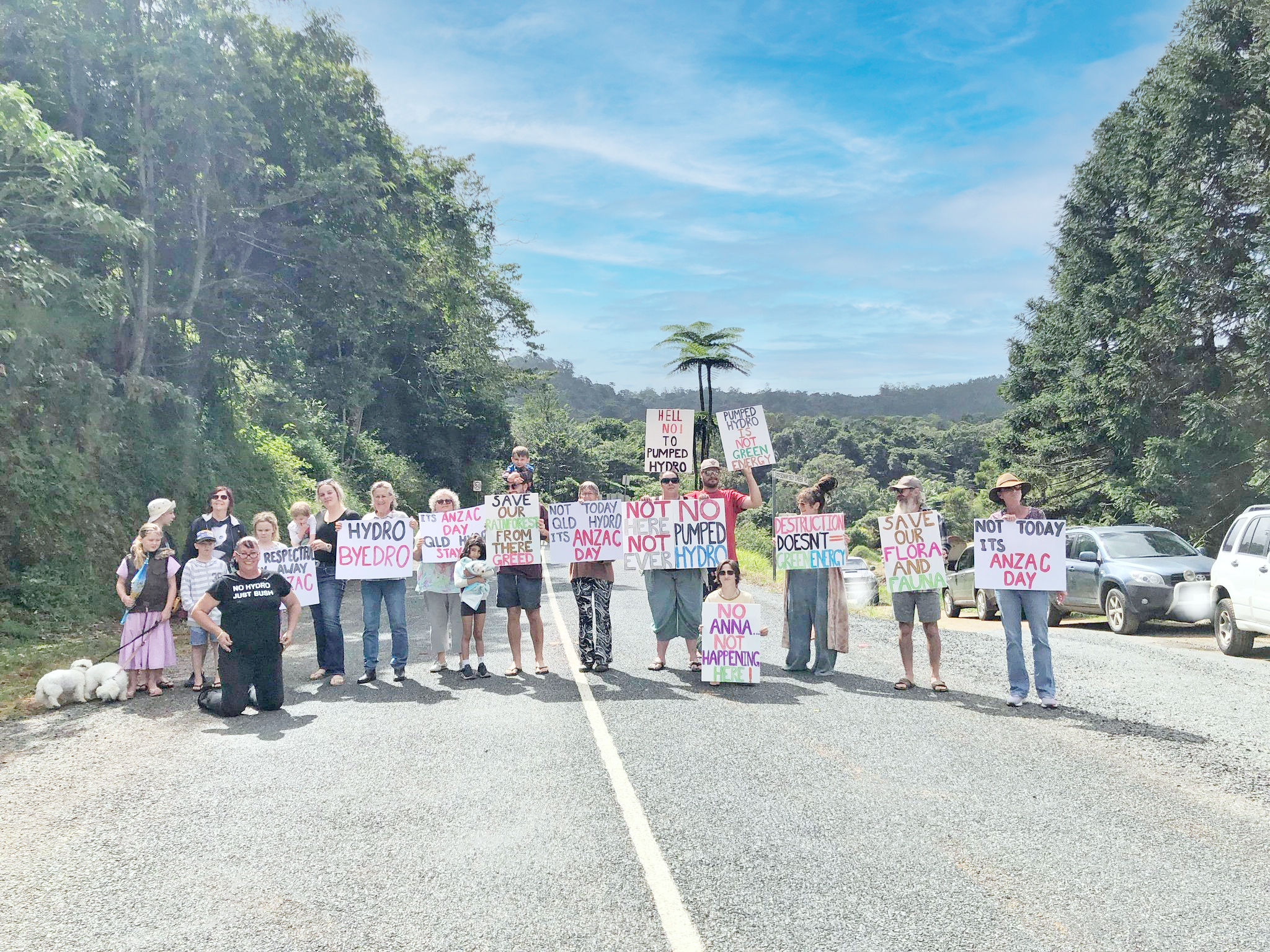
Residents in the Pioneer Valley are up in arms over the proposed Pioneer-Burdekin Pumped Hydro Project, which they claim poses a grave threat to the region's invaluable rainforest and its diverse range of endangered species. The controversial project, spearheaded by Queensland Hydro, has raised serious concerns among locals who fear the irreversible damage it may cause to this pristine natural wonder.
Save Eungella, a not-for-profit community organisation, has recently launched an aggressive campaign to raise awareness about the alleged detrimental impact the proposed hydro project could have on the region. The prospect of losing this remarkable biodiversity hotspot has ignited a passionate outcry from residents and conservationists alike, who are determined to halt the project's progression.
Residents and landowners in the Pioneer Valley are sounding the alarm as they claim the proposed Pioneer-Burdekin Pumped Hydro Project poses a grave danger to platypus and the unique natural wonders of the area. Save Eungella, a local not-for-profit organisation, has launched a website and awareness campaign to shed light on what they believe will be detrimental effects of the planned hydro project.
While not opposed to green energy or pumped hydro, concerned local resident Craig Burns emphasises that Eungella is an unsuitable location. Eungella National Park, known as Australia's longest-running rainforest, is a sanctuary for diverse flora and fauna, including rare species found nowhere else in the world and the iconic platypus.
The project's potential impact has raised significant concerns among residents, with Burns expressing his dismay, stating, "Queensland Hydro plans to use large sections of rainforest and farming land for their pumped hydro project and seem unfazed by the idea of killing platypus and destroying their habitat."
Despite legal protection under the Environment Protection and Biodiversity Act and the Queensland Nature Conservation Act, the group claims the project poses a threat to more than 20 species, some of which are endangered or vulnerable and exclusive to the Eungella region.
Advocates are calling for an alternative approach, as Craig Burns argues, "It doesn't truly qualify as green energy if rare and endangered plants and animals are sacrificed. There must be a better alternative... a better way."
Save Eungella's website (www.saveeungella.com.au) provides comprehensive information on the Eungella area and the potential consequences of the proposed project. It also hosts an online petition, which residents urge the public to sign to halt the concerning pumped hydro plan and protect countless platypus and the invaluable natural rainforest.
"We need people to sign the petition.
“We need to put a stop to this ridiculous pumped hydro plan.
“We need to save countless platypus from being killed.
“We need to preserve one of the few remaining natural and beautiful rainforests in Queensland, not destroy it."
When approached for comment by the ‘Save Eungella’ group on why the project was announced before conducting environmental studies, Queensland Hydro declined to respond. This lack of transparency raises serious concerns, as Burns highlights, "It's alarming that the Queensland Government and Queensland Hydro make announcements and plans without conducting proper research or investigations into the project's true implications."
Queensland Hydro did not respond to this publication’s request for comment, however information from their website says that the Pioneer Valley and adjacent ranges has been identified for its significant potential for a long-duration pumped hydro facility, given the topography of the area.
“The site’s proximity to high-quality wind and solar generation sources in the Central and Northern Queensland Renewable Energy Zones could unlock large volumes of renewable energy,” the website reads.
“Further studies are now required to better understand the impacts and benefits of PHES at the Pioneer-Burdekin site.
“Queensland Hydro will carry out detailed analytical studies over the next 18 months, to refine knowledge of the pumped hydro potential between the proposed upper reservoirs in the Burdekin catchment, and the lower reservoir proposed in the Pioneer Valley near Netherdale. Studies will also include geotechnical investigations, environmental, social and cultural heritage assessments.”
Fears loom that the Pioneer-Burdekin pumped hydro project may mirror the disastrous Snowy 2.0 pumped hydro project, plagued by significant delays and budget overruns. Despite the Queensland Government allocating $12 billion for the project, the group claim that experts anticipate the costs ballooning to approximately $24 billion or more, given the track record of similar ventures in Australia.
Last month, Federal Member for Capricornia, Michelle Landry, was joined by Leader of The Nationals and Shadow Minister for Agriculture, David Littleproud, to tour some of the properties that are set to be affected by the five-gigawatt, large-scale, long-duration Pioneer-Burdekin Pumped Hydro.
With 79 properties expected to be affected, Ms Landry said families were reaching breaking point as they grapple with the state government’s plans to inundate their properties for renewable energy.
“I have met with families who have broken down in tears and asked me what do they do with their lives if they’re forced off their land. Many of the properties have been in their family for generations. It’s heartbreaking,” Ms Landry said.
“It’s hypocritical of the Labor and Greens parties to scrutinise the resources industry when they are more than willing to sacrifice the environment in the name of renewable energy.”
Mr Littleproud said the community felt helpless.
“Labor’s ideology doesn’t match the practical reality and sadly it’s at the expense of Eungella locals,” Mr Littleproud said.
“It is senseless to destroy prime agriculture land and rainforest in this special part of Queensland. I urge the state government to listen to locals and to scrutinise this project properly, before it’s too late.”
Expressing disappointment in the government's handling of the situation, Burns remarks, "This entire situation reeks of a desperate premier hastily assembling a green energy plan after years of disregarding scientists and climate change activists.
“It's a grandiose, headline-grabbing quick fix that the premier and her allies have concocted in a final attempt to polish their image,” Mr Burns said.
“How can a project be greenlit without any research or consultation?
“It's evident that Annastacia either lacks knowledge of the project's threat to platypus, which she should be aware of before giving it the go-ahead, or she simply doesn't care.
“Either way, Eungella is not the place for pumped hydro."
An impromptu gathering of Eungella locals demonstrating their disdain for the proposed Pioneer-Burdekin Pumped Hydro Project. Photo: Save Eungella Facebook Page
Federal Member for Capricornia, Michelle Landry, was joined by Leader of The Nationals and Shadow Minister for Agriculture, David Littleproud, last month to tour some of the properties that are set to be affected by the Pioneer-Burdekin Pumped Hydro Project

The Queensland Government has unveiled its 2023–24 Budget, which it claims prioritises the well-being of Queenslanders by addressing the cost of living and delivering enhanced services in crucial areas such as health, housing, and community safety.
With progressive royalties and soaring coal prices, the government plans to reinvest its earnings in sectors that benefit all Queenslanders. The health sector will witness a significant 9.6 per cent increase in spending, in an effort to improve access to quality healthcare services.
Queensland Premier Annastacia Palaszczuk said the investment in health focuses on improving frontline health services. The government has committed $764 million to reducing ambulance ramping and improving access to emergency departments.
Around $224.5 million is being invested in addressing surgery and specialist clinic backlogs.
To tackle the rising cost of living, the government is providing $8.2 billion in concessions to Queensland families and businesses. Measures include a Cost-of-Living Rebate on electricity bills, amounting to $550 for all households and $700 for vulnerable households.
One cost-of-living initiative includes free kindy for all Queensland households.
Member for Mackay, Julieanne Gilbert, said “From 1 January 2024, every little Queenslander will get free kindy, regardless of if they attend a stand-alone community kindy or do kindy at a long day care.
“It will save families around $4,600 a year, easing national cost-of-living pressures.
“And it'll give every little Queenslander the best start in life.”
However, the budget didn’t appear to provide much relief to working couples or families with primary or high school aged children.
Federal Member for Capricornia, Michelle Landry, has labelled Labor’s Budget smoke and mirrors to distract Queenslanders from the cost-of-living pressures they are currently facing.
The budget's centerpiece, the Big Build initiative, will drive infrastructure development with a total capital investment of around $19 billion over the next four years. This includes investment in transport infrastructure, renewable energy projects, and venues for the Brisbane 2032 Olympic and Paralympic Games.
Ms Landry said the only ‘Big Build’ Capricornia will see is $1.208 billion in renewable energy projects which will decimate agricultural land and destroy native vegetation thriving with fauna.
“A staggering $1 billion has been allocated to the ecological disaster waiting to happen, that is the Pioneer-Burdekin Pumped Hydro Scheme. If their plans align, the stunning Eungella and Pioneer Valley will be set for destruction by 2026-27
“The sheer hypocrisy of this government to claim the resources sector is decimating land, yet we see they are more than willing to wipe out native vegetation and prime agricultural land to meet their net zero targets,” Ms Landry said.
Mackay’s Ring Road, the Port Access and Walkerston Bypass infrastructure projects were among those in the region allocated funds for significant connection projects over the next four years, however the Northern Beaches continues to be ignored with no mention of the Mackay Bucasia Road.
Treasurer Cameron Dick said, “The commitment to delivering safe and connected road and transport infrastructure reflects the government's adaptability to the ever-changing construction and job market dynamics."
However, Member for Whitsunday Amanda Camm, was unimpressed with the level of uncertainty many aspects of the budget have brought to locals, and pointed out that the major projects listed were ones that had been previously announced.
“No major road projects in our region have been announced and the fact that Mackay Bucasia Road is not included - it's a blatant disregard for the population growth in our region,” Ms Camm said.
"I live there, and I will continue to advocate for funding.”
Major Roading Highlights
Mackay Whitsunday District: $769 million program estimated to support an average of 700 direct jobs over the four-year program. Major investments include:
● $497.4 million Mackay Ring Road (Stage 1), including works between the intersection of the Mackay Ring Road and Bald Hill Road
● $350 million Mackay Port Access, Bruce Highway to Mackay - Slade Point Road, construct new two lane road
● $187.4 million towards Walkerston Bypass
● $56.5 million Bruce Highway, Emu Creek to Drays Road, various locations, widen formation
● $31.4 million Bruce Highway, Bowen Connection Road to Champion Street intersection, widen pavement
● $23 million Bruce Highway, Jumper Creek, upgrade flood immunity
● $21 million Proserpine - Shute Harbour Road, Hamilton Plains, upgrade flood immunity
● $15 million Bruce Highway (Mackay - Proserpine), Goorganga Plains, plan and preserve
● $12 million Bruce Highway (Proserpine - Bowen), Bowen Connection Road, improve intersection
● $12 million Peak Downs Highway (Clermont - Nebo), Millennium Coal Mine to Carbourough Coal Mine, construct overtaking lanes

In the recent Queensland budget announcement, much attention has been drawn to the proposed electricity rebate aimed at alleviating the burden of rising energy costs on households. While such a rebate may provide immediate relief to consumers, it raises an important question: Is it truly the solution to the underlying problem, or should the focus be on addressing the root causes of escalating prices?
One crucial aspect to consider is that many of the assets responsible for generating electricity in Queensland remain under state ownership. This control should theoretically allow for better cost management and the ability to reduce prices for consumers. However, it is disconcerting that a projected 20 per cent increase in energy prices looms on the horizon. With the state retaining ownership, one would expect better cost control and the ability to prevent such substantial price hikes.
Queensland state-owned energy companies delivered more than $5 billion in dividends to the coffers of the Labor government from 2017 to 2021, while electricity rebates worth $1.1 billion had delivered a total of $575 to each household from 2017 to 2022. In 2022, no dividends were delivered as the companies re-invested in themselves. The assets are big money-makers for the state government, at the cost of Queensland consumers.
Moreover, there is a worldwide debate surrounding the impact of renewable energy on electricity prices. This paradox raises concerns about the potential consequences of Queensland's increasing reliance on renewables.
It is essential that the Queensland government outlines a comprehensive plan to ensure that electricity prices remain affordable in the face of renewable energy expansion rather than a Band-Aid approach with a rebate.
This plan should address the complexities of electricity markets, incorporate technological solutions like grid-scale energy storage, and consider the potential impacts on transmission infrastructure costs. By carefully navigating these challenges, Queensland can strike a balance between renewable energy adoption and price control, safeguarding the interests of consumers and the environment.
Amanda
Publishers Indemnity. Any individual or entity that places advertising, supplies copy material, or submits editorial content to Core Life Publishing agrees and undertakes to ensure that all such material:- Does not infringe upon any copyright, trademark, or other intellectual property rights;- Is free from any content that could be considered defamatory, libelous, or slanderous;- Does not infringe upon any rights related to privacy or breach of confidence;- Contains no obscene, indecent, or otherwise unlawful material;- Complies fully with the Trade Practices Act and all other applicable laws, regulations, or statutes.Furthermore, by submitting or placing such material, these individuals or entities agree to indemnify and hold harmless the publisher, Core Publishing and Events Pty Ltd, and/or its agents from and against any and all investigations, claims, demands, liabilities, damages, costs, or judgments arising out of or in connection with the material provided. All material is believed to be accurate at the time of printing and remains the copyright of Core Publishing and Events Pty Ltd.
© 2026 Mackay and Whitsunday Life Pty Ltd.
