
Independently Owned, Locally Grown, Community Loved
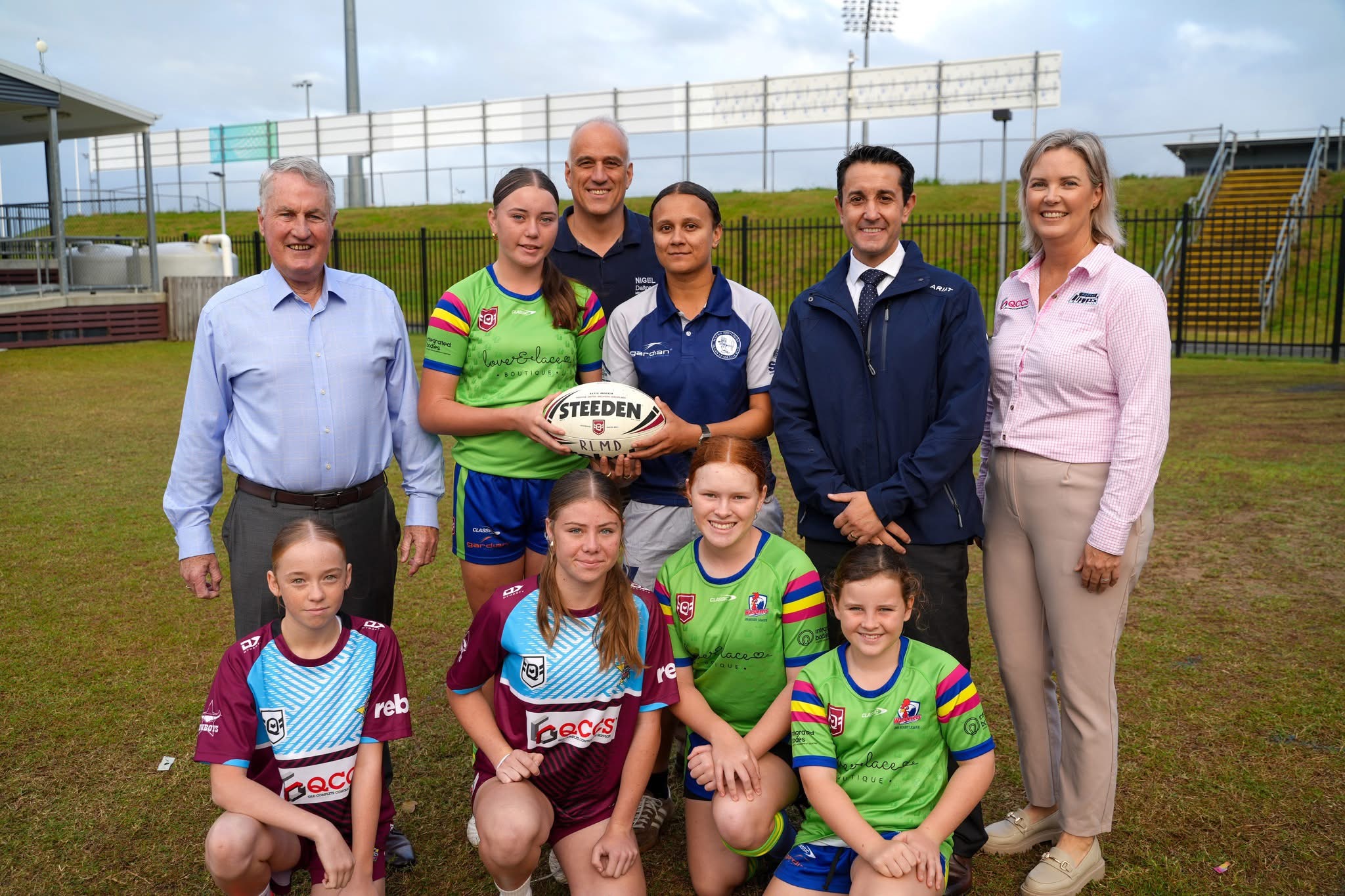
The Government have announced a $1 million project to construct women’s changerooms for the Rugby League Mackay & District playing fields in an aim to support the next generation of female players in the region amid an increasing demand for participation. The commitment to deliver the changerooms comes after local MP Nigel Dalton petitioned for the investment and was backed by more than 300 community members. The changerooms will also be adjacent to BB Print Stadium, the home of the Mackay Cutters, which is used by a range of other sports including rugby union and soccer for major fixtures. The project will be jointly funded by the state government and Mackay Regional Council and will include two fully-serviced changerooms with dedicated female amenities. Premier David Crisafulli said the new changerooms would provide greater dignity for women and girls wanting to play rugby league. “Every Queenslander who plays sport, regardless of their gender, age or ability, deserves to have access to changerooms and facilities,” Premier Crisafulli said. “Mackay is one of Queensland’s greatest rugby league nurseries and the growth of the women’s game in the region has been outstanding. “It’s imperative women and girls who play the game are made to feel as welcome as possible, and these new changerooms will make rugby league even more inclusive for the Mackay community. “This upgrade is overdue and our government is delivering the infrastructure local sporting clubs need to thrive, while creating more opportunities for women and girls to get involved in sport.” Member for Mackay Nigel Dalton said the new changerooms were a gamechanger for sport in the region. “Having the right infrastructure in place will attract more women and girls to want to play rugby league, and that is a huge win for Mackay,” Mr Dalton said. “This project is a direct result of listening to our local sporting clubs and the wider community over the past year. Time and again, people told me they wanted better facilities to support the growth of women's sport, and I'm proud we have been able to deliver on that feedback. “Having the new changerooms adjacent to BB Print Stadium means female participants using that venue, whether it be for rugby league, rugby union or soccer, will also be catered for. “This is a fantastic outcome for our community and for Mackay sport, and it's another example of what can be achieved when we listen to local people and deliver on their priorities.” Mackay Regional Council Mayor Greg Williamson said the project was a significant win for local sport. “We’re seeing strong participation in women’s sport right across Mackay, and these new changerooms will make it easier for more women and girls to get involved and stay involved in sport,” Mayor Williamson said. “The Mackay Regional Council is pleased to partner with the Crisafulli Government on a project that will deliver benefits for local clubs and the wider community for years to come.” Mackay Cutters Board Member Emma Coburn said the upgrades would allow female players access to safe, modern and inclusive facilities that support their participation in the game. “We’ve seen incredible growth in women’s rugby league across Mackay, and having modern, dedicated female facilities is essential to supporting that growth,” Ms Coburn said. “This investment will help strengthen the pathway from grassroots participation through to representative rugby league and ensure the next generation of female talent can continue to thrive right here in our region.”
Read the full story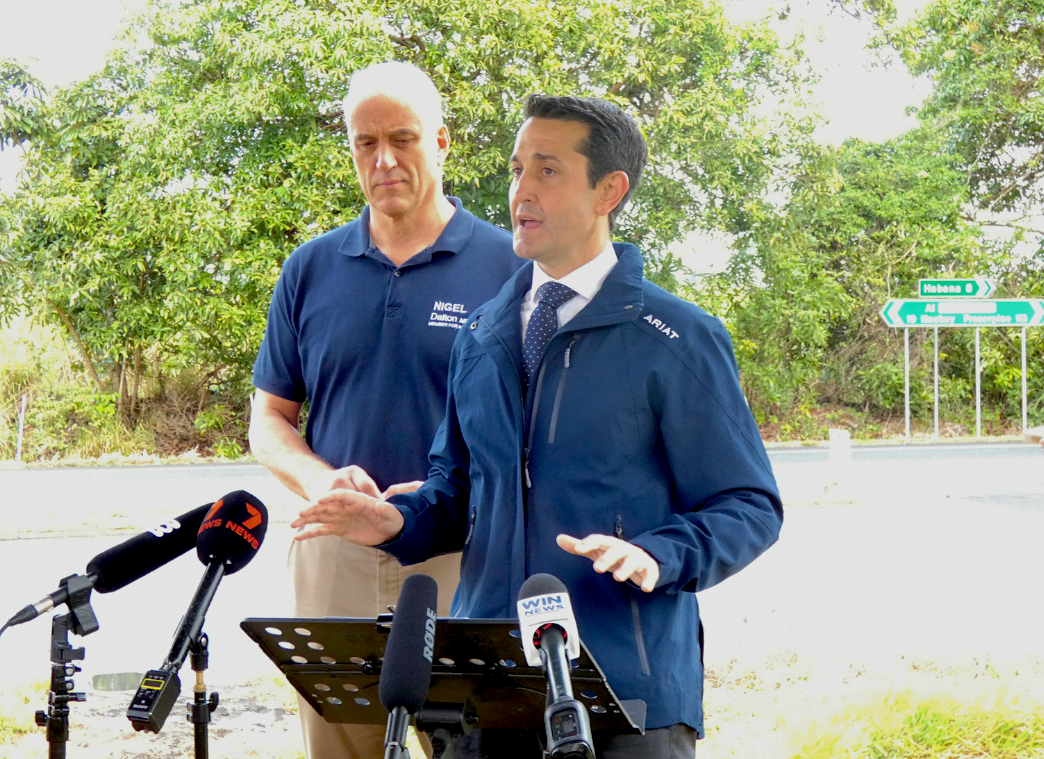
A notorious Bruce Highway intersection long considered one of the region’s most dangerous blackspots is set for a major safety overhaul, with Premier David Crisafulli announcing plans to upgrade the Habana Road junction. The project forms part of the joint State and Federal Government’s $9 billion Bruce Highway upgrade program and will include a reconfigured intersection and road widening to improve safety and heavy vehicle access. Notorious intersection to be upgraded as part of Bruce Highway upgrades Premier David Crisafulli has announced a major safety upgrade to the notorious Bruce Highway intersection blackspot at Habana Road. The Premier visited the site on the morning of June 9th to share plans for the project, which will be funded by the $9 billion Bruce Highway upgrade program jointly delivered by the state and federal Governments. The intersection will be reconfigured to improve safety and boost capacity, with the road widened to improve safe heavy vehicle access. The site is a known crash hotspot, with four hospitalisations following serious incidents in the past decade, and many more accidents reported. Planning and design will now commence for the upgrade, with construction expected to commence in 2027. “We are delivering the safer Bruce Highway that regional Queensland has demanded and waited too long for,” Premier Crisafulli said. “This is about getting Queenslanders home sooner and safer, starting with the worst blackspots to boost safety on the Bruce.” According to Member for Whitsunday Amanda Camm: “The Bruce Highway and Farleigh Habana Road intersection is notoriously dangerous, and these overdue upgrades for our community will deliver a major boost to safety,” “In addition to saving lives, this investment is ensuring we have the regional connectivity to support our tourism, mining and agricultural industries.” Member for Mackay Nigel Dalton said he was proud to be part of a government delivering for regional communities. “These upgrades to the Bruce Highway are something the community has been calling for and now thanks to the Government securing a $9 billion program, it’s getting the critical upgrades it needs,” Mr Dalton said.
Read the full story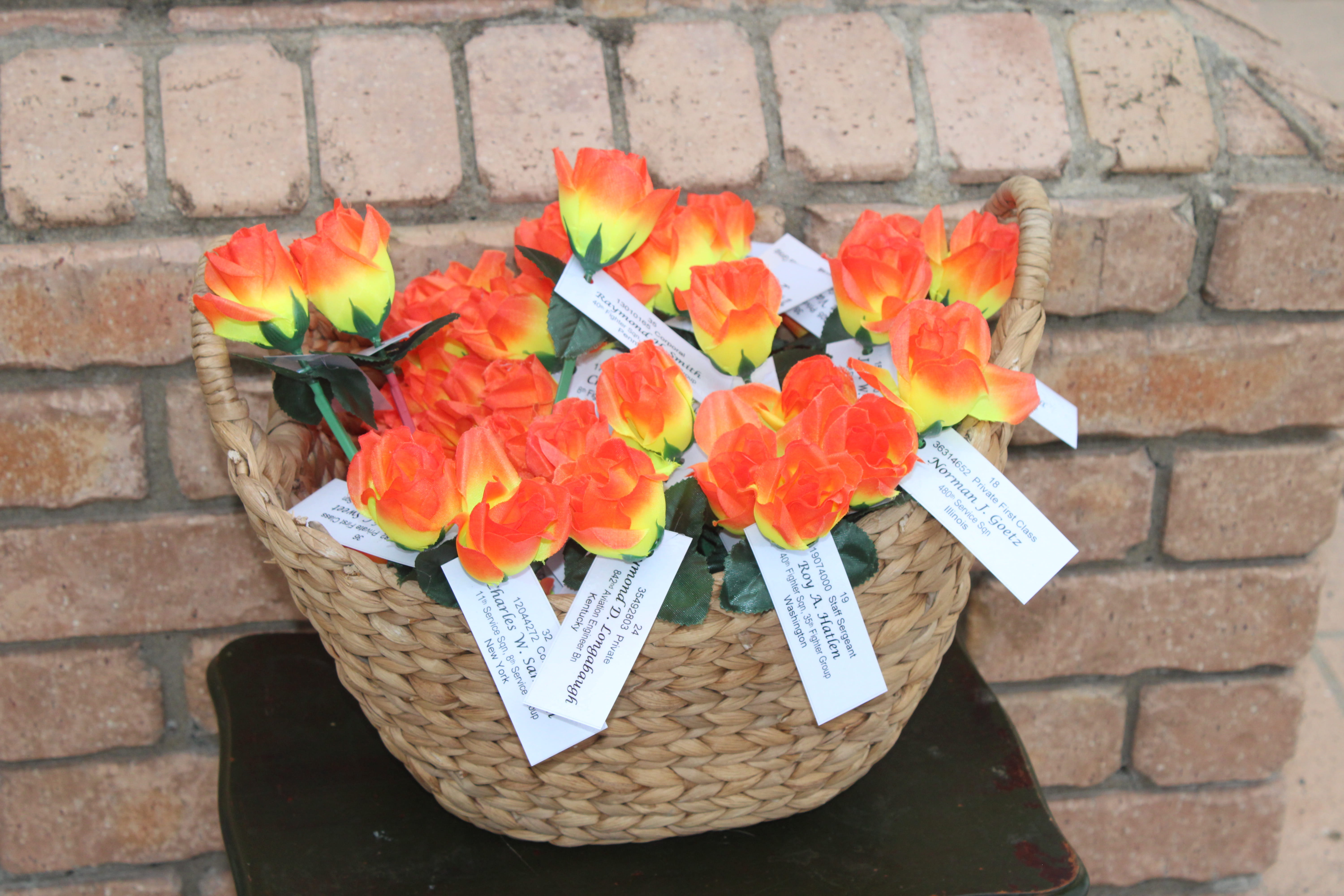
A Commemorative Ceremony marking the 83rd anniversary of Australia worst air disaster was conducted at the Bakers Creek memorial on Sunday 7th June. The B-17c Flying Fortress, a former bomber which had been converted to a transport aircraft, carrying 41 American military personnel back to ‘Maple’ (Port Morsby following their rest and relaxation leave in Mackay, crashed shortly after taking off from the Mackay airport before sunrise, at 6.02am, on the morning of 14th June 1943, in the area now occupied by the abattoir. There was only one survivor. The memorial which is located at the Bakers Creek Community Hall, less than a kilometre from the crash site, was unveiled and dedicated on 11th May 1992, and remembrance services have been conducted annually since that date. Following the arrival of special guests by WW2 Jeeps, American, Australian and 24 ‘Home State’ flags (representing the casualties) were marched on, with music provided by a band comprised of primary school students from several schools. A contingent of No.105 (City of Mackay) Squadron Australian Air Force Cadets (AAFC) followed the flags, and a guard of cadets was mounted at the corners of the memorial. The ceremony commenced with the Australian National Anthem and the American National Anthem, and an address by Mr. Greg Williamson, Mayor of Mackay Regional Council. An aerial tribute was provided by a Fly Past and ‘Dipping of Wings’ by a Tiger Moth aircraft from The Mackay Tiger Moth Museum. Piper Isaac Williamson, a member of the Mackay and District Pipe Band, played a lament as flowers of remembrance were being laid, and the last, representing the sole survivor by a staff member of the Dundula State Primary School. Taps and The Last Post were sounded by the Bugler, and the Ode to the Fallen recited following a minutes silence, after which Rouse was sounded. The ceremony concluded with a march past of the AAFC.
Read the full story
After its busiest year on record and more than 300 missions already completed in 2026, BMA CQ Rescue is calling on Mackay and surrounding communities to help ensure the region's rescue helicopter service remains ready for the next emergency. The community-funded organisation this week launched its 2026 Annual Appeal, aiming to raise $280,000 to help offset rising operational costs and maintain its around-the-clock rescue capability. Based in Mackay, BMA CQ Rescue provides critical aeromedical, search and rescue, and emergency response services across the Mackay, Isaac and Whitsunday regions, operating 24 hours a day, seven days a week. Demand for the service continues to grow. In 2025, crews responded to a record 778 missions and flew more than 339,000 kilometres across Central and North Queensland. So far this year, they have already completed more than 300 lifesaving flights. Chief Executive Officer Tim Healee said every mission represented a family facing one of the most challenging moments of their lives. “For 30 years, our crews have answered the call without hesitation, no matter the time, weather, or how remote the location,” Mr Healee said. “But every mission relies on the strength of our community. There will always be another accident, another medical emergency, another family needing help fast. And when that call comes, we must be ready.” While government funding supports part of the service, BMA CQ Rescue must still raise almost $7 million from the community each year to continue operating. The 2026 appeal centres on the story of 13-year-old Tallis Anderson, who suffered critical injuries in a serious motorbike accident near Moranbah. When the emergency call came through, BMA CQ Rescue crews responded rapidly, providing urgent medical care before transporting Tallis to Mackay for specialist treatment. For his family, the helicopter's arrival was a moment they will never forget. “You don't realise how precious they are until something like that happens,” Tallis' father Ryan said. Today, Tallis continues his recovery surrounded by family, something his parents believe may not have been possible without the quick response of the rescue crew. Mr Healee said Tallis' story highlighted why community support remains so important. “The people who need us tomorrow don't know it yet, but when that moment comes, our communities support means we can be there,” he said. This year's appeal also marks 30 years of service for the rescue organisation, which has become a vital lifeline for regional communities where distance can often mean the difference between life and death. Operating 365 days a year, the service now flies further and faster than ever before, thanks to its fleet of AW139 rescue helicopters. However, officials say continued community support remains essential to ensuring crews can respond whenever the next call for help comes. Community members can support the appeal by donating through the BMA CQ Rescue website via www.cqrescue.org.au. CAPTION: To help keep this vital service in the sky, residents are encouraged to support the 2026 Annual Appeal. Every dollar counts and could be the difference in someone’s life. Photo source: BMA CQ Rescue
Read the full story
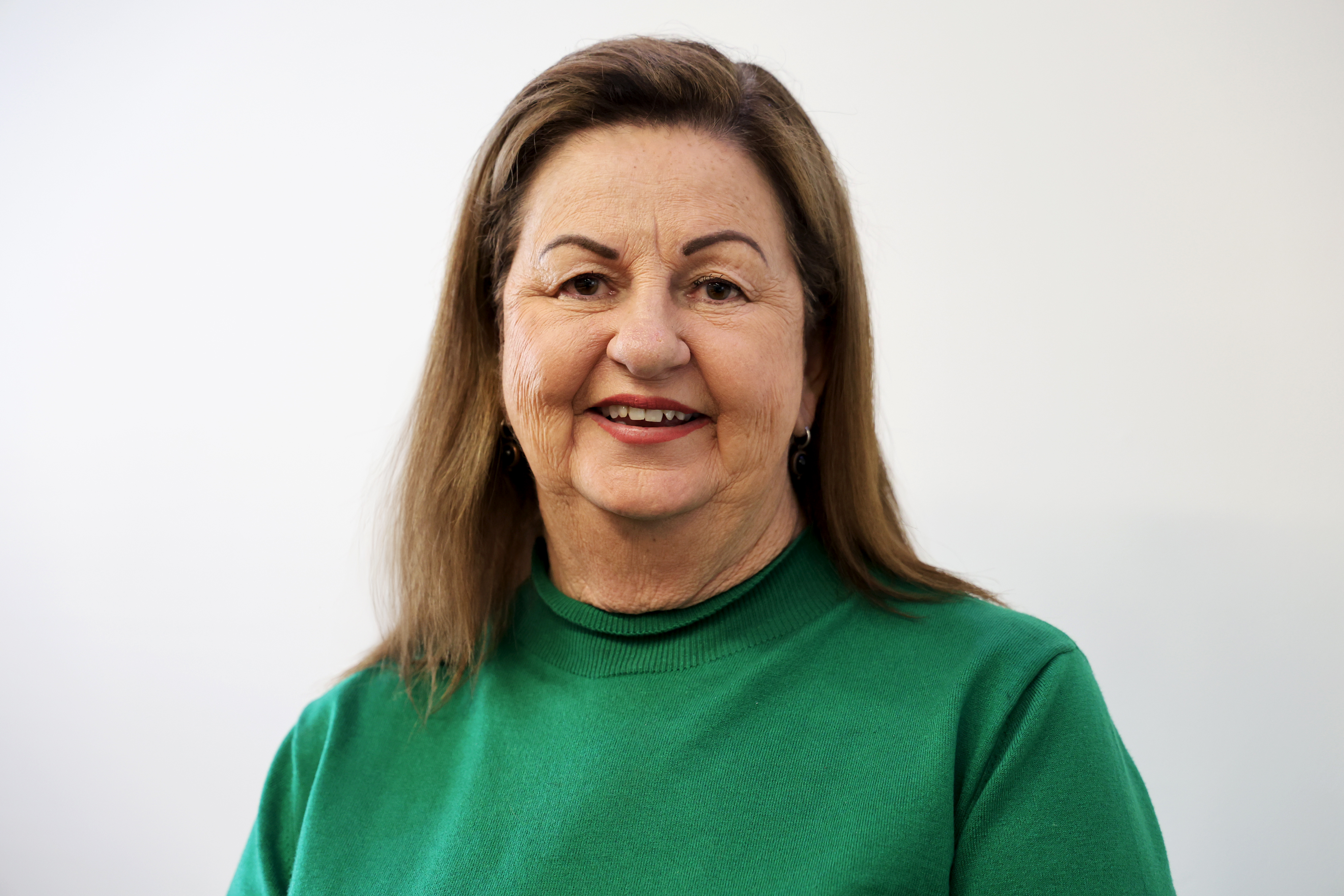
By Cr Anne Baker
Being elected in the September by-election is something I’m genuinely grateful for. Can I start by saying thank you to everyone who took the time to vote, have a conversation with me or share their thoughts along the way. Whether you supported me or simply stopped for a chat, those conversations have meant a lot.
Since being elected, I’ve done my best to get out and about across the region. I’ve attended community meetings, dropped in on local groups, and spoken to residents and business owners wherever I can. What’s been most important to me is listening. People have been open about what’s working well, what isn’t and what they want to see change – something like the good, the bad and the ugly, and I’m thankful for that honesty.
One thing that’s really stood out is just how much people care about their communities. Each area has its own character and its own priorities, but there’s a shared sense of pride and a strong desire to see the whole region move in the right direction. Those conversations have already shaped how I approach my role, and they’ll continue to guide me over the year ahead.
I stood for the by-election because I care about this place and the people who live here. I bring local government experience; however, I don’t pretend to have all the answers. I believe in being approachable, straight-talking and willing to listen. If something isn’t working, I want to know about it. If something can be improved, I want to help make that happen.
The next year will not be without its challenges, and at times local government can be complex.
I’m committed to working hard and working constructively with colleagues. Working together is integral, always keeping local voices front and centre. I want people to feel comfortable getting in touch and confident that their concerns will be taken seriously.
As Co-Chair of the Infrastructure Advisory Committee and Co-Chair of the Financial Advisory Committee as additional responsibilities, I’m optimistic, excited and looking forward to the year ahead — continuing to listen, learn and do the best job I can for the people is a priority for 2025.

Every business wants to be the best; few actually achieve it. When customers are ready to buy, they don’t open a spreadsheet to conduct a detailed comparison. They choose the brand that comes to mind first. That moment, often called the point of recall, is where buying decisions are made. If your business isn’t front and centre in that split second, you’re already playing catch-up, regardless of how good your product or service is.
Being first doesn’t mean being the biggest business in your industry. It’s about earning recognition and trust with the right audience. Consider the local café everyone recommends without thinking, or the mechanic that’s mentioned when value is a priority. Those brands don’t come to mind by accident; they earned their place through clear messaging and repetition. Brand preferences are built long before a purchase is made.
In crowded markets, memorability isn’t created by chasing trends or hoping for a viral moment. It comes from strong creative, a clear understanding of the value you offer, and consistent messaging across every touchpoint - all working together to create familiarity over time. From social media and websites to signage, uniforms, and vehicles, every interaction reinforces how a brand is perceived. Marketing is a battle for mental real estate, and if you’re not deliberately shaping how your business is viewed, your competitors will do it for you, often positioning you as second choice.
Marketing is a long game. One great campaign might generate attention, but sustained growth comes from strategy, not isolated activities. High-performing brands operate within a connected marketing ecosystem where each channel supports the next; for example, billboards to build awareness, radio to reinforce recall, digital advertising to drive consideration, and social media content to build trust. When those channels tell the same story and work together, they compound, making your brand easier to recognise. When they don’t, confusion creeps in, marketing spend leaks through the cracks, and audiences hesitate to act.
Direction matters, and it’s not something most business owners should be expected to figure out on their own. The strongest brands are led by people who know when to seek expert guidance. Strategy isn’t about doing more marketing; it’s about doing the right marketing with the right creative and messaging. A clear roadmap removes guesswork, aligns investment, and ensures every action contributes to a bigger goal rather than ad-hock decisions.
Structured marketing workshops are a great way to create clarity so that money isn’t wasted on the wrong activities. They uncover opportunity, define market position, and establish a clear framework for future decisions. Squeeze is redhotblue’s premium one-on-one brand and marketing workshop, designed to give business owners a fresh perspective. These tailored, hands-on workshops deliver clarity, confidence, and ideas to help brands outperform competitors and stay top of mind.

Volunteers across Mackay are once again being called on to support vital community services, with two initiatives highlighting just how powerful a few hours of time can be, whether its helping doctors reach patients or raising funds that directly benefit our region.
The Mackay Hospital Foundation is currently seeking friendly and reliable volunteer drivers to assist with transporting travelling doctors between the airport and Mackay Base Hospital. The role is simple but essential, helping ensure visiting specialists arrive on time and can focus fully on providing care to the community.
Volunteers are provided with a vehicle and are asked only to drive. Morning duties involve collecting doctors from Mackay Base Hospital at 8.30am before heading to the airport for a 9.00am pick-up. Afternoon drop-offs depart the hospital at approximately 3.45pm. Days vary depending on doctors’ schedules, and flexibility is appreciated.
To be eligible, volunteers must hold a current open driver’s licence, have a Blue Card — or be willing to obtain one — and bring a friendly, professional attitude to the role. Organisers say it’s a rewarding way to support the hospital and contribute directly to patient care behind the scenes.
Anyone interested in volunteering or seeking further information is encouraged to get in touch by emailing mhf@health.qld.gov.au. Organisers say even small contributions of time can make a meaningful difference.
The call for new volunteers follows another successful year of community support, with the Mackay Hospital Foundation’s gift-wrapping volunteers raising an impressive $5,472 in December last year.
Organisers acknowledged the many volunteers who generously gave their time, energy and smiles throughout the campaign, turning a simple service into a successful fundraising effort driven by the community, for the community.
The combined efforts of volunteer drivers, gift wrappers, supporters and local partners underscore the vital role volunteers play in supporting health services across the region.
As the new year unfolds, organisers are encouraging more locals to consider volunteering, whether through driving, fundraising or other support roles within the community.
Why you should get involved in your community
Local organisations, charities and community groups rely heavily on volunteers to deliver essential services and programs. From supporting health and wellbeing initiatives to assisting at community events, fundraising activities, mentoring young people or providing practical support to those experiencing hardship, volunteers are often the backbone of community-led action.
Environmental groups, sporting clubs, schools, neighbourhood centres and emergency services also welcome community members willing to contribute their time and experience. Getting involved can be as simple as reaching out to an organisation directly, following community groups on social media, or keeping an eye on notices shared through councils, libraries and community hubs.
Many organisations offer flexible roles to suit different lifestyles, including weekday, weekend and short-term opportunities, with training and support provided to help volunteers feel confident and valued.
Community leaders consistently emphasise that volunteering is not just about giving help, but about strengthening social bonds and creating a culture of care. Just as importantly, volunteers often report a strong sense of fulfilment, connection and pride in contributing to something bigger than themselves.
In a community like Mackay, where collaboration and generosity run deep, volunteering remains one of the most powerful ways individuals can make a lasting, positive difference, not only for others, but for the wellbeing and resilience of the region as a whole.
How locals can get involved in volunteering
• Contact local charities, not-for-profit organisations or community groups directly to ask about current volunteer roles
• Follow community organisations, neighbourhood centres and sporting clubs on social media for volunteer calls and events
• Register with volunteer coordination services or community hubs to be matched with suitable opportunities
• Offer skills you already have, such as driving, administration, event support, mentoring, cooking or fundraising
• Volunteer casually or for short-term projects if ongoing commitments are not possible
• Attend local events, markets or fundraisers and ask how to get involved behind the scenes
• Encourage friends, family or workplaces to volunteer together as a group
Why volunteering matters
• Helps essential community services continue to operate and reach more people
• Supports vulnerable individuals and families during times of need
• Strengthens community connection, trust and resilience
• Creates a culture of care and shared responsibility
• Builds personal skills, confidence and social networks
• Provides a sense of purpose and fulfilment
• Allows locals to directly contribute to the wellbeing and future of the Mackay community
As 2026 unfolds, now is the perfect time to tick that New Year’s resolution off your bucket list and get involved in the community!
Gift-wrapping volunteers raised an incredible $5,472 last year, and locals are encouraged to join in, share their time, and help make a positive impact in the community. Photo source: Mackay Hospital and Health Service

Sarina’s much loved Community Native Gardens are set for a major upgrade, thanks to a community grant of just over $24,000 from Community Bank Sarina Bendigo Bank.
Delivered by the Sarina Landcare Catchment Management Association (SLCMA), the Enhancing Sarina’s Community Native Gardens project will revitalise the space, improve accessibility and create new learning opportunities for people of all ages.
The project will include weatherproofing and redefining walking tracks to ensure safe access year-round, as well as installing durable interpretive signage to help visitors learn about native plants, biodiversity and sustainable gardening practices.
A dedicated page on the SLCMA website will allow visitors to explore more information via QR codes in the gardens.
SLCMA Coordinator Saskia von Fahland said the upgrades will help the gardens reach even more people across the region, “making the gardens more accessible, more informative and ultimately more inviting”.
“People will be able to explore at their own pace, learn about native plants and enjoy a space that truly reflects the beauty of our local environment. This project will create long term value for the community,” Ms von Fahland said.
Community Bank Sarina Board Chair Karen May said supporting legacy projects like this aligns with the Community Bank Sarina’s commitment to building the capacity of and strengthening the Sarina region for generations to come.
“Community spaces like the Sarina Community Native Gardens contribute so much to our wellbeing, culture and sense of connection,” Mrs May said.
“By investing in this project, we’re ensuring this wonderful space continues to grow as a place for learning, recreation and community pride.”
The project will also support local contractors, suppliers and volunteers, helping keep skills and economic benefits within the region. Longer term, the upgrades complement plans to incorporate cultural knowledge and connections through initiatives such as a yarning circle.
Works on the project have an estimated completion date of June 2026, set to deliver a lasting environmental legacy for many years to come.
Sarina’s Community Native Gardens are set for a $24,000+ upgrade, enhancing accessibility, educational features, and visitor experiences while supporting local contractors and creating a lasting community and environmental legacy by June 2026. Photos supplied

After more than 46 years of dedicated service, beloved Sarina Library team member Troy officially retired just before Christmas on the 23rd of December, closing the chapter on a remarkable career.
To mark the occasion, library staff organised a surprise morning tea to celebrate her decades of commitment.
“Troy’s commitment and passion for helping others have made a lasting impact on the library service and the Sarina community,” a library representative said.
The library and local residents extended their congratulations to Troy on an extraordinary career and wish her a happy, fulfilling retirement.
Beloved Sarina Library team member Troy retired on December 23 after 46 years of dedicated service, celebrated with a surprise morning tea by staff and the community. Photo source: Mackay Regional Council Libraries
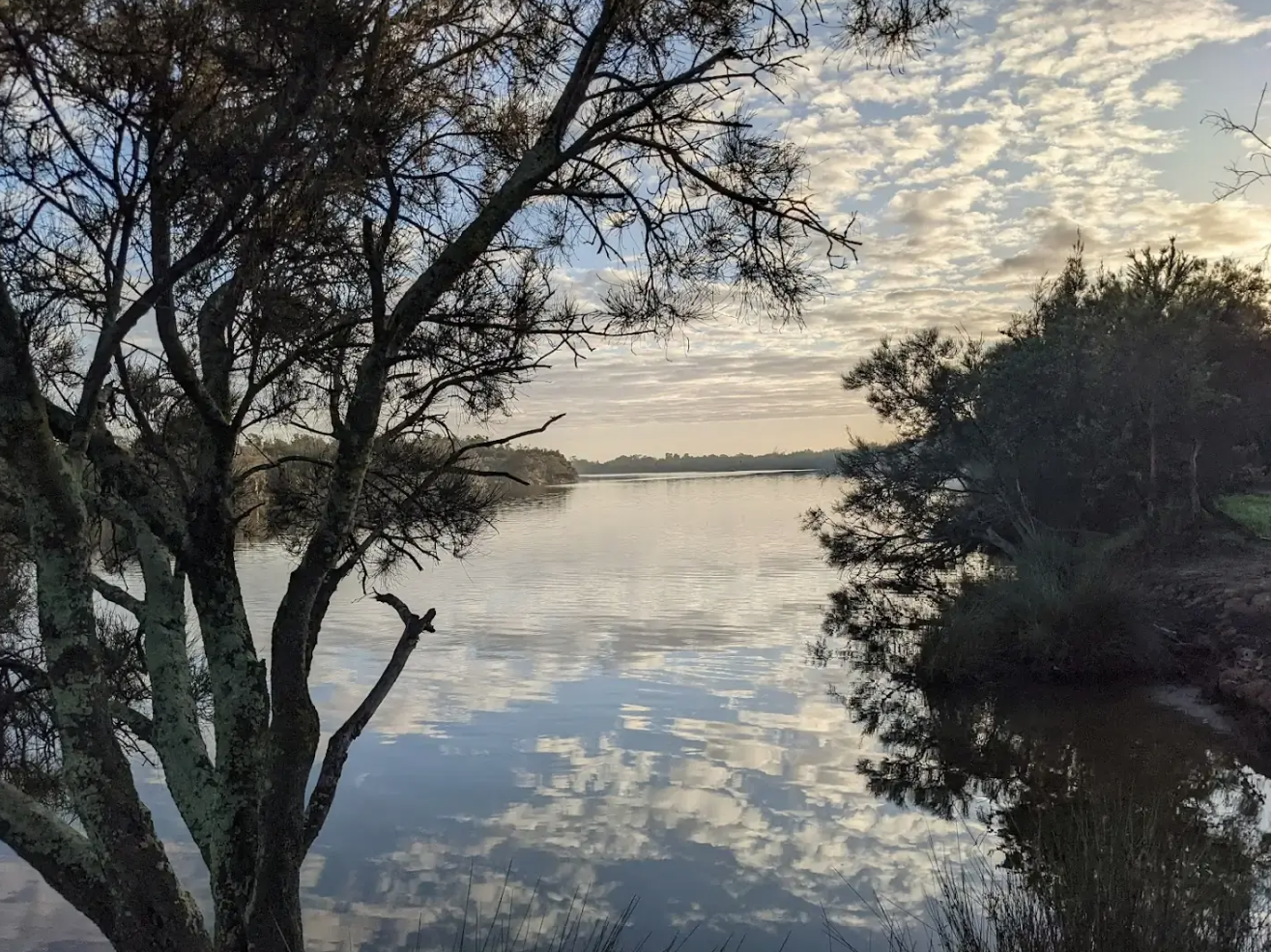
Queensland’s protected area network has grown by more than 90,000 hectares following the declaration of two new private nature refuges, including one located just north-west of Mackay.
The newly declared Urannah Nature Refuge spans 32,877 hectares around 80 kilometres north-west of Mackay and plays a vital role in protecting critical habitat for threatened species, including the elusive Irwin’s turtle. The refuge also strengthens environmental connections by linking directly with Eungella National Park, Macartney State Forest and Sandy Falls Nature Refuge, while enhancing waterway protection for the Broken River catchment.
The second refuge, Watson River Nature Refuge, covers 57,283 hectares on Cape York Peninsula, approximately 140 kilometres south-east of Weipa. It protects threatened species and regional ecosystems and provides important catchment protection for the Watson River, while improving landscape connectivity with surrounding national parks and existing nature refuges.
Both refuges were established through a joint investment by the Queensland and Australian governments aimed at boosting conservation efforts on private land.
Queensland Minister for the Environment and Tourism Andrew Powell said the new refuges highlighted the importance of collaboration between governments and landholders.
“This expansion shows Queensland is serious about protecting what makes us unique – our incredible natural environment,” Minister Powell said.
“Nature refuges are a smart way to protect what makes Queensland so special while keeping the land productive, supporting grazing, tourism and conservation side by side.”
The refuges were made possible through the $4.1 million NatureAssist Round 11 grants, jointly funded by the Queensland and Australian governments. Since launching in 2007, NatureAssist has delivered more than $19 million across 132 projects, adding thousands of hectares to Queensland’s protected area estate.
Private protected areas now make up around one-third of Queensland’s total protected network, which spans more than 14.9 million hectares. These areas are especially important for biodiversity, with 62 per cent of Queensland’s regional ecosystem types found on privately protected land.
Nature refuges are created voluntarily under the Nature Conservation Act 1992, allowing landholders to protect unique landscapes and species while continuing sustainable land use.
The Queensland Government is currently reviewing feedback from a public consultation on private protected areas, with plans to strengthen and expand the program, which marked its 31st year in 2025.
Watson River Nature Refuge (pictured) and Urannah Nature Refuge are now officially protected areas. Photo supplied
.png)
Over a million trees have been planted this year in South Australia and Western Australia, bringing the total since 2020 to 7.6 million, thanks to multi-year funding from AstraZeneca. The effort, led by Greening Australia and supported by One Tree Planted through the AZ Forest initiative, is among the largest privately-funded restoration programs in the country.
In South Australia, the biggest planting site of the year was on Eyre Peninsula, restoring critically endangered Drooping Sheoak Woodland. On Fleurieu Peninsula, crews navigated steep terrain to hand-plant and guard over 50,000 seedlings, creating habitat for the endangered Kangaroo Island Glossy Black Cockatoo.
The majority of trees planted since 2020, 3.2 million, are in Western Australia, including nearly 600,000 at two properties in the Great Southern region.
AstraZeneca Australia and New Zealand Country President Ben McDonald said, “It is great to see the enormous progress made with millions of biodiverse and locally appropriate native trees springing up in priority regions across five states. The projects being delivered in Western Australia showcase the positive impact behind the numbers, for local farmers, for communities and especially for biodiversity.”
Needilup graingrowers Quentin and Natasha Brown received trees through the initiative to buffer salt scalds and sequester carbon. Natasha said, “One of the main issues in this region is creeping salinity. Once the plantings get established, they should be able to hold it at bay to some extent, and also make some of our land that’s not very productive a little bit more so.”
Greening Australia Senior Program Officer Glen Steven added, “At Quentin and Natasha’s, we’re looking to recreate habitats including Clay Eucalypt Woodland, Sandy Mallee Woodland, and Melaleuca shrubland. There are already a few patches of bushland on this property; by putting in more trees, it means less distance for native animals to travel to find food and resources. Every bit of bushland is important.”
The plantings were established via direct seeding using locally collected native seeds and are part of a carbon project registered with the Clean Energy Regulator.
For landholders interested in biodiverse carbon plantings, visit greeningaustralia.org.au/landholders.
Greening Australia’s Glen Steven and Natasha examining a direct seeding line. Photo source: Greening Australia

The New Year will ring in a historic milestone for Queensland’s sugarcane industry, with CANEGROWERS marking 100 years of fighting for cane-farming families.
Founded in 1926, CANEGROWERS has spent a century representing growers and guiding the industry through profound change – from the hard physical labour of establishing farms and cutting cane by hand, through mechanisation and industry modernisation, and into an era of deregulation, global competition and complex trade policy.
Chairman Owen Menkens said sugarcane had helped shape Queensland’s economy, identity and regional landscape.
“The sugar industry helped build this state,” Mr Menkens said. “It was so central to Queensland’s development that sugarcane features on the Queensland Coat of Arms.
“Entire towns and cities grew up around mills and cane farms, and today tens of thousands of Queenslanders still rely on the industry for their livelihoods.”
Mr Menkens said the industry’s growth had been driven by waves of migrant families who brought skills, resilience and a strong work ethic to cane-growing regions.
“Generations of migrant families – Italian, Maltese, Greek, Indian, German, English and many others – helped build the industry we have today,” he said.
“They cleared land, cut cane, established farms and businesses, and built communities that remain at the heart of regional Queensland.”
Chief Executive Officer Dan Galligan said CANEGROWERS’ role had evolved alongside the industry itself.
“Our organisation has had to change as the industry has changed – helping guide growers through mechanisation, structural reform and deregulation, while continuing to fight for fair returns and strong regional economies,” Mr Galligan said.
“At its core, our role has always been about ensuring growers have a seat at the table on decisions that affect them, and that their voices are heard, understood and respected.
“Today, sugar remains a critical export industry, supporting regional jobs, underpinning local communities and contributing to Australia’s economy. The advocacy challenge now is ensuring the industry remains vibrant in the face of rising costs, climate risk and global trade pressures.
Mr Galligan said effective advocacy took many forms.
“Sometimes that means being a strong public voice – a megaphone for farming families when it’s needed,
“At other times, it’s about quiet diplomacy, building relationships and influencing outcomes behind the scenes. Both are essential, and both have been part of CANEGROWERS’ story for a century.”
Mr Galligan said the centenary year would highlight both the industry’s legacy and its future.
“This year is about recognising the contribution sugarcane has made to Queensland and Australia, while reinforcing the importance of strong, effective advocacy to carry the industry through its next chapter,” he said.
CANEGROWERS will mark its centenary throughout 2026 with a program of events, storytelling, education initiatives and public activities across Queensland’s 13 cane-growing regions, with further details to be announced during the year.
For more information on the Centenary year and CANEGROWERS history visit https://www.canegrowers.com.au/cane-to-coast/100
Chairman Owen Menkens. Photo supplied

Back to school season has arrived and across Mackay, families are once again preparing for early mornings, packed lunches and the excitement that comes with a fresh school year. For parents looking to simplify the process, Little Treehouse Lane in Caneland Central is making back to school shopping easier, calmer and far more enjoyable.
From the moment school bags are unpacked at home, practicality becomes a priority. One of the most popular essentials this year is Little Treehouse Lane’s range of insulated lunch bags, an ideal solution for schools without fridges, because in Mackay’s warm climate, keeping food cool is essential.
When lunches stay fresh, children are more likely to eat nutritious options such as fruit and dairy, while reducing the risk of upset tummies. Insulated lunch bags also help protect lunchboxes from spills and daily wear, making them a smart and reliable choice for those summer school days.
Alongside lunch solutions, the range also includes book covers, library bags, swim bags and pencil cases, with new additions this year such as hat clips designed for wide brim school hats that don’t fit inside backpacks.
Adding excitement to the back-to-school range is the recent introduction of the Kinnder brand. Launched in store just last month, the current selection includes the ever-popular insulated lunch bags as well as a stylish campus backpack designed for school aged children.
While back to school takes centre stage at this time of year, Little Treehouse Lane continues its long-standing commitment to supporting families from pregnancy through to the school years and beyond. Although more space is currently dedicated to school essentials, the store carries products for the whole family all year round.
Convenience is also a key focus, which is why Little Treehouse Lane’s online store is open 24 hours a day, offering click and collect for busy families. Orders placed during business hours are generally packed within five to ten minutes, with an email sent once the order is ready. Located on Level 1 of Caneland Central, parents can park nearby and collect their order hassle-free.
A store relocation is planned in the coming months, with Little Treehouse Lane expected to open in early March in a new Level 1 location opposite Factorie near the Myer entrance, however the current store will continue trading until the move.
For families navigating school routines for the first time, Little Treehouse Lane also offers organiser and responsibility charts from Prepp’d Kids, designed to help children build independence before and after school.
To help ease the cost of the school year ahead, Little Treehouse Lane runs a January Bundle and Save Sale, offering discounts when three back to school items are purchased in the same transaction.
Check out their store online or in-person today at Little Treehouse Lane Mackay!

The new school year is just around the corner, and for many families, it’s a mix of excitement and chaos. From uniforms to tech and routines, getting organised now can save stress later.
Here’s a practical guide to help students and parents start the year on the right foot!
Uniforms and Clothing
• Check sizes early: Children grow fast over the holidays—make sure uniforms still fit comfortably.
• Label everything: Clearly labelled bags, lunchboxes, and clothing reduces lost items.
• Stock up on essentials: Spare socks, hats, and sports gear mean fewer last-minute runs.
• Second-hand options: Local school uniform shops or swaps can save money and reduce waste.
Stationery and Supplies
• Create a checklist: Note required stationery items from your school’s list to avoid duplicates.
• Organise workspaces: A designated study spot at home encourages focus and routine.
• Invest in basics: Pens, pencils, rulers, and notebooks are essentials—keeping spares helps prevent mid-year panic.
• Personal touch: Encourage kids to choose colourful folders or fun pencil cases to make learning enjoyable.
Technology and Devices
• Check functionality: Charge laptops, tablets, and other devices before the first day.
• Install necessary software: Ensure educational apps and school platforms are up to date.
• Set screen limits: Create a balance between homework, online learning, and leisure screen time.
• Back up work: Cloud storage or external drives prevent lost assignments.
Routines and Schedules
• Plan early mornings: Practice waking up and leaving on time before school starts.
• Healthy meals: Stock up on breakfast items and lunchbox ingredients for a smooth start.
• Homework habits: Establish a daily routine for assignments and reading to build consistency.
• Family calendar: Keep track of school events, sports, and extracurricular activities.
Wellbeing and Mindset
• Encourage positive attitudes: Talk to children about excitement and challenges for the year ahead.
• Sleep matters: Aim for consistent bedtimes to help focus and energy during school hours.
• Stay connected: Check in with teachers and school staff to keep communication open.
• Celebrate milestones: Recognise small achievements to motivate children throughout the year.
Starting the school year prepared and organised makes mornings calmer, learning more productive, and family life smoother. By following these practical steps, students and parents can head into 2026 ready to embrace the new year with confidence and excitement.

As the calendar turns and the New Year arrives, many people feel pressure to set bold resolutions—lose weight, work harder, do more, be better. But for many Australians, especially after a busy festive season and the realities of summer heat, a softer approach can be far more sustainable.
This year, consider a reset instead of resolutions.
A reset isn’t about perfection or drastic change. It’s about gently recalibrating, checking in with yourself and making small, realistic adjustments that support your wellbeing. That might mean going for an evening walk when the sun drops, drinking more water during hot days, or simply getting back into a regular sleep routine after the holidays.
Wellbeing doesn’t have to come with a long to-do list. In fact, some of the most meaningful changes are the simplest. Saying no when you need rest. Reconnecting with friends or neighbours. Spending time outdoors, whether it’s a local beach, park, or walking track.
These small moments add up.
A reset also allows room for flexibility. Life happens, especially in Australian summers, where heat, storms, and school holidays can disrupt even the best-laid plans. A gentler mindset helps people adapt without guilt or frustration.
Community connection plays a big role too. Checking in on others, getting involved locally, or returning to shared spaces like libraries, community hubs, or sporting facilities can boost both mental and emotional wellbeing.
As the New Year unfolds, remember there’s no rush to reinvent yourself. A reset is simply permission to begin again, calmly, kindly, and at your own pace. Sometimes, that’s the healthiest place to start.

Meet pet of the week - Kobe. Kobe is an 11 month old American Staffordshire X, who is looking for his forever home.
Kobe loves to be around his people, loves to walk and run to burn off all his extra energy —and then cherishes curling up beside you at the end of the day.
Kobe is still a young pup who will need ongoing training, but lucky for his new family, he has mastered the basics already.
He lives up to his breed with excitement, but his big smile and warm heart truly make Kobe a great companion.
Kobe is desexed and up to date with all vaccinations, has also received flea tick treatment and worming, also microchipped.
He is looking for his forever family who will love him and his beautiful personality.
Contact Lucys Lucky Tags and Dog Rescue Inc for more information at: lltagsanddogrescue@gmail.com
Donations can also be made to the following details below:
Bank details: Commonwealth
Bank
Name: Lucys Lucky Tags and Dog Rescue Inc
BSB: 064-722
Account: 1069 7243
%5B100%5D.jpg.jpeg)
The BMA River 2 Reef Ride Festival, one of Mackay’s most treasured community events, has announced a major strategic overhaul for 2026.
Following participant feedback, organisers have confirmed a new event date and a massive “Community Partnership Program” designed to inject over $30,000 directly back into local sporting clubs and community groups.
A New Date: No More Father’s Day Clash
In 2026, the festival will officially move away from its traditional Father’s Day timeslot. The 2026 event will take place on August 15 and 16, avoiding clashes with family celebrations, sporting finals and the scheduled Student Free Day.
Nikki Giles, BMA River 2 Reef Ride Event Director said, “We listened to our riders. While the event is iconic, the feedback was clear that the Father’s Day weekend and the Friday student-free day were becoming hurdles for participation.
“Moving to the second weekend in August allows families to enjoy the festival without scheduling conflicts. We are also introducing later start times on Sunday for the 100km Corry Cycles Gran Fondo at 6am and 6.45am for the 25km Queensland Country Health Fund Dash and 60km City Fitness Epic distances—to make the morning more enjoyable for everyone.”
The event continues to be powered by naming rights sponsor BMA.
Over $30,000 for Local Clubs and Community Groups
In a move to turn the event into a true community festival, organisers have launched a new funding model open to local Mackay groups - not just registered charities.
The 2026 festival is offering 30 volunteer spots for local sporting clubs, schools, hobby groups and more. Each group that successfully fulfills a volunteer role (such as an aid station or corner marshal point) will receive a guaranteed cash donation between $200 and $6,750.
Additionally, clubs can earn a $5 “Kickback” for every rider who links their registration to the club or community group and $5 for every linked jersey purchase, plus compete for bonus cash prizes awarded for "Best Atmosphere" and "Best Entertainment" on the course.
“We want to turn the course into a party,” Nikki added.
“By paying local clubs to course marshal, man the aid stations and bring their cheer squads, music, and energy, we create an amazing atmosphere for the riders while helping these clubs buy new jerseys or equipment. It’s a win-win.”
Nominations close February 6, 2026, with successful nominations announced: w/c Feb 16, 2026
Jersey Design Competition
The festival is also calling on the region’s youth. A Jersey Design Competition is now open for all 2026 High School students in the Mackay, Whitsunday, and Isaac regions. The winning student will receive $500, and their design will become the official 2026 event jersey worn by hundreds of cyclists. Entries close on February 22.
Key Dates for the Diary:
• Jersey Competition Closes: Feb 22, 2026
• Registrations Open: March 16, 2026
• Event Weekend: August 15 & 16, 2026
To nominate for a share of the $30k or to participate in this year’s Youth Design Competition visit www.river2reefride.com.au. Terms and conditions apply.
Photos supplied

A strong sense of community and purpose was on full display as locals gathered early to take on the inspiring 6for6 fitness challenge, raising awareness and support for suicide prevention.
Participants came together in the early morning hours, united by a shared commitment to movement, connection and looking out for one another. The atmosphere was overwhelmingly positive and encouraging, with people pushing themselves physically while also lifting each other up, cheering and supporting one another throughout the challenge.
The 6for6 challenge is named in recognition of the average of six Australian men who lose their lives to suicide each day. Held annually, often in January, the event takes place during a time known to be particularly challenging for many, especially men. By combining physical activity with an important mental health message, the challenge aims to spark conversation, reduce stigma and remind the community that every life truly matters.
This year’s event was made possible through the leadership and dedication of the Whitsunday Brahmans RLFC, whose commitment to community wellbeing was evident in every detail of the morning. Their efforts in turning awareness into action created a meaningful and impactful experience for everyone involved.
WSPN President Matt Stokes, praised the initiative and the strong sense of unity it created among participants.
“I was extremely grateful for Harley and his team at the Brahmans for caring enough to turn good intentions into action.
"The first 6 for 6 challenge was well supported and had an instant feel of camaraderie amongst the group.
"The faster people were encouraging the slower onesand every walk back down the hill was full of conversation. The morning was full of encouragement, high fives, inspiration and the important message they used that ‘It aint weak to speak'.”
Matt Stokes also explained the meaning behind the challenge and emphasised its inclusivity.
“The 6 laps up the hill represents the 6 men on average that take their life in Australia each day. The event however is not just for men. While more men lose their lives to suicide each year, more women attempt then men per year. With this in mind, Harley and his team are encouraging men, women and children to participate in this awesome suicide awareness initiative.”
The day was beautifully captured by Tropix Photography Studio, whose images reflected both the energy of the challenge and the strong spirit of togetherness behind it. Gratitude is extended to everyone who participated, supported and helped deliver such a successful event. It was a powerful reminder of what can be achieved when a community comes together for a cause that truly matters.

Locally and globally loved Hamilton Island, is set to join Blackstone’s global hospitality portfolio. Real Estate funds managed by Blackstone (NYSE: BX) have entered into an agreement to acquire the Whitsunday Islands resort from the Oatley family, subject to customary regulatory approvals.
Located in the heart of the World Heritage-listed Great Barrier Reef, Hamilton Island spans more than 2,800 acres across two islands, around 70 percent of which remains undeveloped. The resort offers five hotels, more than 20 restaurants and bars, 20 retail outlets, a championship 18-hole golf course on neighbouring Dent Island, a marina, and its own airport. The island is a major employer in the Whitsundays, supporting a vibrant local community and regional businesses.
Chris Heady, Chairman of Asia Pacific & Head of Real Estate Asia, Blackstone, said: “Hamilton Island is an exceptional destination, and we are honored to build on the vision and dedication that the Oatley family has brought to investing in its transformation and add a standout asset to our portfolio. We are committed to investing in the long-term success of Hamilton Island, its people, and its local businesses and community.”
The Oatley family said: “We would like to thank our Board and Management for achieving this outcome, and welcome the new owners Blackstone. Hamilton Island has a special place in the hearts of many Australians. We are delighted to have a partner of Blackstone’s calibre and resources to continue the legacy, while supporting our people and island community.”
Blackstone is a leading global investor in hospitality, with major holdings across Australia, Japan, India, and the United States.
Publishers Indemnity. Any individual or entity that places advertising, supplies copy material, or submits editorial content to Core Life Publishing agrees and undertakes to ensure that all such material:- Does not infringe upon any copyright, trademark, or other intellectual property rights;- Is free from any content that could be considered defamatory, libelous, or slanderous;- Does not infringe upon any rights related to privacy or breach of confidence;- Contains no obscene, indecent, or otherwise unlawful material;- Complies fully with the Trade Practices Act and all other applicable laws, regulations, or statutes.Furthermore, by submitting or placing such material, these individuals or entities agree to indemnify and hold harmless the publisher, Core Publishing and Events Pty Ltd, and/or its agents from and against any and all investigations, claims, demands, liabilities, damages, costs, or judgments arising out of or in connection with the material provided. All material is believed to be accurate at the time of printing and remains the copyright of Core Publishing and Events Pty Ltd.
© 2026 Mackay and Whitsunday Life Pty Ltd.
