Independently Owned, Locally Grown, Community Loved

.png)
Over a million trees have been planted this year in South Australia and Western Australia, bringing the total since 2020 to 7.6 million, thanks to multi-year funding from AstraZeneca. The effort, led by Greening Australia and supported by One Tree Planted through the AZ Forest initiative, is among the largest privately-funded restoration programs in the country.
In South Australia, the biggest planting site of the year was on Eyre Peninsula, restoring critically endangered Drooping Sheoak Woodland. On Fleurieu Peninsula, crews navigated steep terrain to hand-plant and guard over 50,000 seedlings, creating habitat for the endangered Kangaroo Island Glossy Black Cockatoo.
The majority of trees planted since 2020, 3.2 million, are in Western Australia, including nearly 600,000 at two properties in the Great Southern region.
AstraZeneca Australia and New Zealand Country President Ben McDonald said, “It is great to see the enormous progress made with millions of biodiverse and locally appropriate native trees springing up in priority regions across five states. The projects being delivered in Western Australia showcase the positive impact behind the numbers, for local farmers, for communities and especially for biodiversity.”
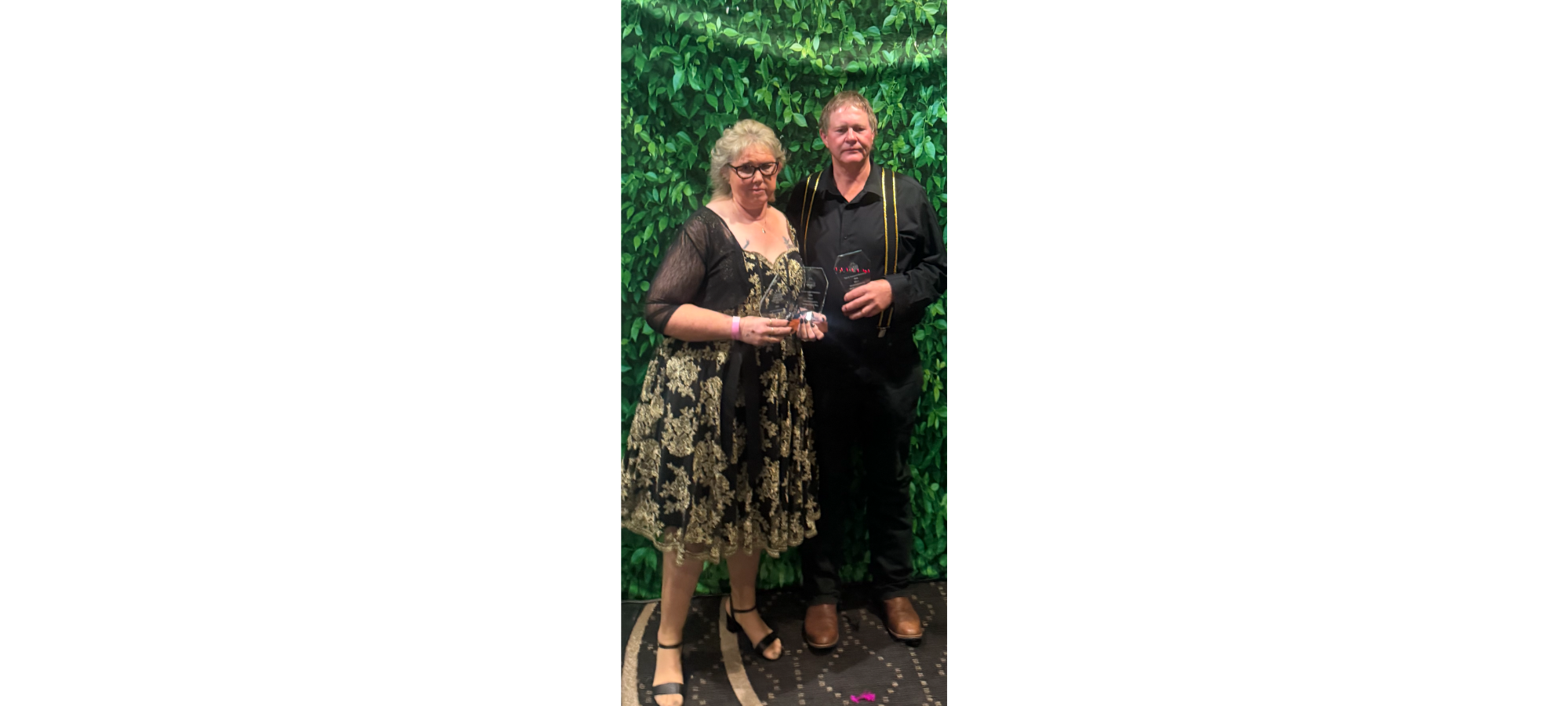
Needilup graingrowers Quentin and Natasha Brown received trees through the initiative to buffer salt scalds and sequester carbon. Natasha said, “One of the main issues in this region is creeping salinity. Once the plantings get established, they should be able to hold it at bay to some extent, and also make some of our land that’s not very productive a little bit more so.”
Greening Australia Senior Program Officer Glen Steven added, “At Quentin and Natasha’s, we’re looking to recreate habitats including Clay Eucalypt Woodland, Sandy Mallee Woodland, and Melaleuca shrubland. There are already a few patches of bushland on this property; by putting in more trees, it means less distance for native animals to travel to find food and resources. Every bit of bushland is important.”
The plantings were established via direct seeding using locally collected native seeds and are part of a carbon project registered with the Clean Energy Regulator.
For landholders interested in biodiverse carbon plantings, visit greeningaustralia.org.au/landholders.
Greening Australia’s Glen Steven and Natasha examining a direct seeding line. Photo source: Greening Australia
Publishers Indemnity. Any individual or entity that places advertising, supplies copy material, or submits editorial content to Core Life Publishing agrees and undertakes to ensure that all such material:- Does not infringe upon any copyright, trademark, or other intellectual property rights;- Is free from any content that could be considered defamatory, libelous, or slanderous;- Does not infringe upon any rights related to privacy or breach of confidence;- Contains no obscene, indecent, or otherwise unlawful material;- Complies fully with the Trade Practices Act and all other applicable laws, regulations, or statutes.Furthermore, by submitting or placing such material, these individuals or entities agree to indemnify and hold harmless the publisher, Core Publishing and Events Pty Ltd, and/or its agents from and against any and all investigations, claims, demands, liabilities, damages, costs, or judgments arising out of or in connection with the material provided. All material is believed to be accurate at the time of printing and remains the copyright of Core Publishing and Events Pty Ltd.
© 2026 Mackay and Whitsunday Life Pty Ltd.