
Independently Owned, Locally Grown, Community Loved

Member for Whitsunday Amanda Camm has stepped down from her role as Minister for Child Safety and the Prevention of Domestic and Family Violence, in an effort to prioritise her health and wellbeing. The announcement comes a fortnight after Ms Camm returned from six weeks of medical leave following major surgery, with the Whitsunday MP recognising she needed more time to recover. “This has been a considered and deeply personal decision,” Ms Camm said. “Having returned from six weeks of medical leave following major surgery I have come to recognise that my recovery still has some way to go and I need to prioritise my health and wellbeing.” “I sincerely thank the Premier for the opportunity to serve in his Government and for his support of my decision.” Ms Camm added in a presser outside of Parliament house in Brisbane, that the pressures of ministerial work had contributed to her decision to step down. This follows months of intense scrutiny over conditions for children in care and domestic violence prevention funding cuts had reinforced the importance of personal safety, especially in light of the recent attack on Victorian MP Helen Haines. “Public scrutiny and accountability are essential to democracy and to our institutions,” she said. “Harassment, threats, bullying and personal vilification are not and for the past year this has been my experience.” But during her time in the role, Ms Camm oversaw reforms to strengthen child protection, support foster and kinship carers and improve responses to domestic and family violence. Central to her child safety work was the Government’s response to the Child Safety Commission of Inquiry, which delivered 52 recommendations for improving the system. “The landmark Child Safety Commission of Inquiry was the turning point for the Child Safety system,” Ms Camm said. “There is much more work to be done, while early positive signs show we have stabilised numbers in the Residential Care system for the first time.” Her work in domestic and family violence included introducing laws for electronic monitoring of perpetrators to strengthen accountability, alongside her reporting a doubling of calls answered by DVConnect to help more people access support when they needed it. “After sitting with victims of domestic and family violence over many years through opposition and then in the ministry, I’m proud to have been part of delivering change that can help save lives,” Ms Camm said. In a statement following her decision, Premier David Crisafulli praised her work across both portfolios, describing the child safety inquiry’s reform roadmap as her greatest legacy and highlighting improved access to the domestic violence helpline. “I thank Amanda for her service to Queensland firstly as a Shadow Minister and then as a Minister,” Mr Crisafulli said. “Amanda took on an enormous task with a Child Safety system in crisis and a state in need of domestic violence reform. “With her dedication, passion and commitment, she has put Queensland on the road to repair both. “I speak on behalf of the Government, the LNP and all Queenslanders in wishing her the best in her recovery.” Ms Camm will continue serving as the Member for Whitsunday, reaffirming her commitment to the local community. “I remain committed to the people of Whitsunday as their Member of Parliament, and to supporting the Premier and the Government in delivering a fresh start for Queensland,” she said.
Read the full story
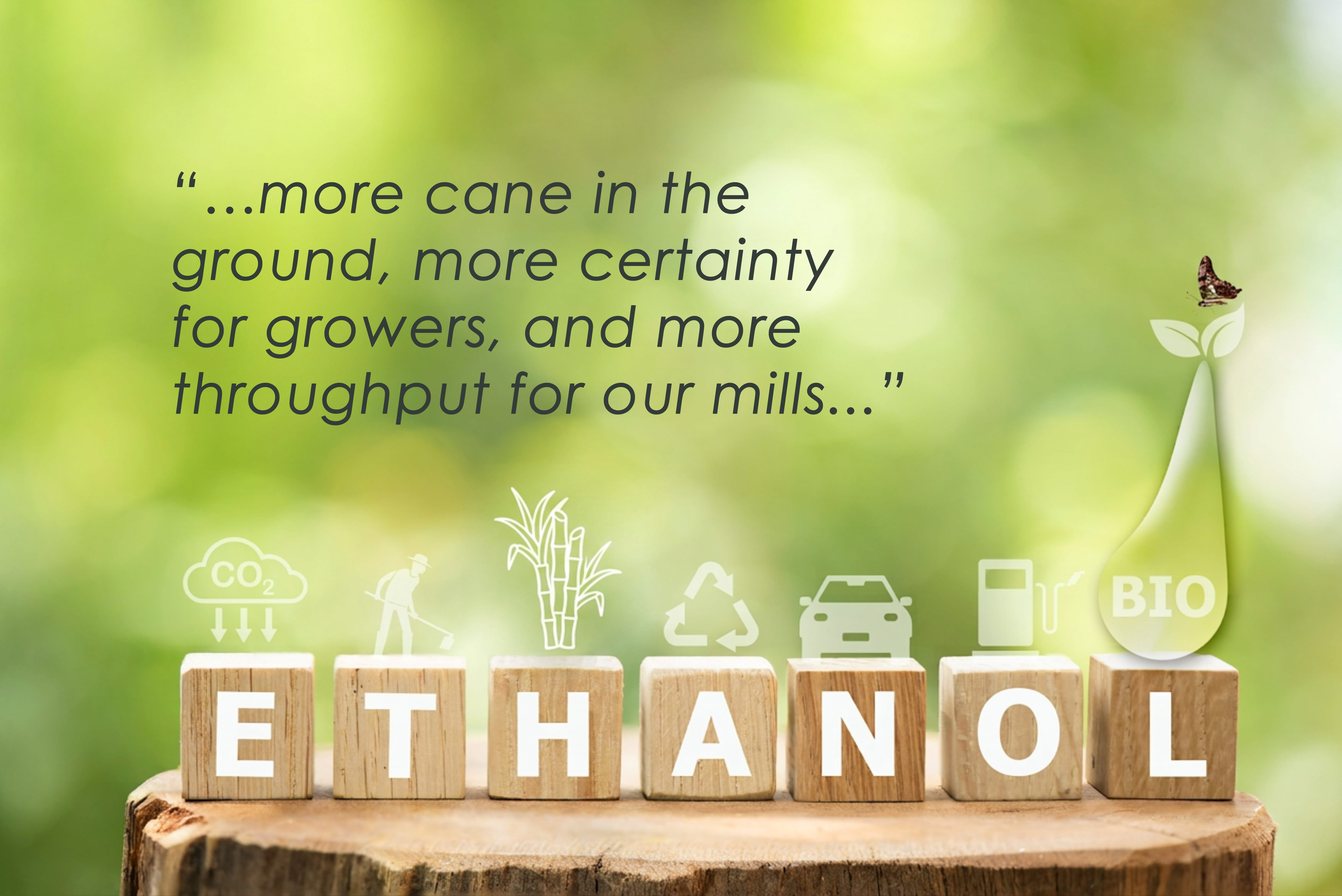
By Joseph Borg, Chairman, CANEGROWERS Mackay A firmly enforced bioethanol mandate, backed by increased local sugarcane production, is essential to strengthening Queensland’s industry resilience, regional jobs, and Australia’s long‑term fuel security. Our region holds enormous potential: not only for producing sugar, but for renewable fuel, energy diversification, and national economic security. Queensland’s sugarcane industry has always been a cornerstone of regional prosperity, but today it stands at a crossroads. Global markets are volatile and input costs are rising, and at the same time, Australia faces increasing pressure to reduce emissions, strengthen domestic fuel supplies, and build more resilient regional economies. A properly enforced bioethanol mandate is one of the most effective tools we have to meet these challenges head on. Queensland already has a mandate in place, but compliance remains inconsistent. When fuel retailers fail to meet their obligations, growers, mills, and regional communities lose out on opportunities that should rightfully be flowing into our local economy. Bioethanol is not a theoretical solution: it is a proven, practical, and immediate pathway to cleaner fuel and stronger regional industries and economies. Countries like Brazil and the United States have shown that bioethanol can reduce emissions, stabilise fuel markets, and create thousands of rural jobs. In these countries, and across the world, bioethanol forms a substantially higher portion of retail fuel sales than this country has embraced. Queensland has the same potential, but only if the mandate is taken seriously and enforced with the consistency it deserves. For Mackay, the benefits are clear. Our region is one of Australia’s most productive sugarcane hubs, with the land, infrastructure, climate, and expertise to support a thriving biofuels sector. Increased demand for bioethanol directly translates into increased demand for sugarcane. That means more cane in the ground, more certainty for growers, and more throughput for our mills, and we all know that milling is a volume game. This in turn supports jobs from the paddock to the processing line. But the opportunity extends far beyond economics. A stronger bioethanol industry enhances national fuel security, reducing Australia’s reliance on imported fuels. At a time when global supply chains are increasingly unstable, producing more of our own fuel is not just smart policy, it is essential. Every litre of bioethanol produced in Queensland is a litre of fuel Australia does not have to import. To seize this opportunity, we must also focus on increasing local sugarcane production. The industry cannot diversify, innovate, or expand into new markets without a reliable and growing supply of cane. More cane means more flexibility for mills, more investment in advanced manufacturing, and greater capacity to produce not only sugar and ethanol, but also bioplastics, green electricity, and other high value products. Growers are ready to meet this challenge. With the right policy settings from all levels of government, including a robust and enforced bioethanol mandate, we can plant more cane, improve productivity, and strengthen the long‑term viability of our region. But growers cannot do it alone. We need government to ensure the mandate is upheld, fuel retailers to meet their obligations, and industry partners to continue investing in innovation and infrastructure. Mackay has the land, the people, and the expertise to lead Queensland’s next era of renewable energy and agricultural diversification. What we need now is the policy certainty that comes from a mandate that is not only written into law but actively enforced. A stronger bioethanol mandate is not just good for growers it is good for Queensland, good for regional jobs, and good for Australia’s fuel future. The time to act is now. Bioethanol can use sugarcane by-products including molasses, bagasse, mill mud as well as plant material. Image: AdobeStock
Read the full story
Marketing strategy boils down to answering four questions: What does your business want? > The goal. Who can help you achieve your goal? > The audience. What do you need to tell your audience so that they can help you achieve your goal? > The message. Where do you need to put your message so that your audience sees it? > The delivery. But how do you actually go about answering those Q’s? Like anything, the broad strokes are more complicated in practice but it’s a good framework to come back to when you’re planning your next marketing activity. Start by drilling down + identifying a measurable goal that you can work towards. Vague + lofty goals are okay, but without a clear way to track your progress, achieving them will be pretty tough. For example, tracking how many enquiries you get + the quote conversion rate can be useful info to have as a baseline. That way, if you do a targeted campaign to attract more work, you can see if it meaningfully pushed the needle in the right direction! Next, really empathise with who can help you achieve those goals. Try to build up a target customer in your head. How old are they? What do they want from your business? What are they interested in? The more specific you are, the easier it’ll be to craft messaging that will actually appeal to that person. Once you’ve defined your goal + who can help you achieve it, you’ve got to tell them how to help you do it. Your messaging should be the key information that your audience needs to know about your business. This is where you focus on not only what your customers want to know about you, but how your business is different to all the others out there. Your messaging should change based on the people you’re targeting. Lastly, the delivery. Where does your target market frequent? Do they use socials? Are they constantly listening to the radio? Do they frequent the pub on a Friday arvo? Once you know where they go, you can start figuring out how to get your message there. While socials are a great option, they’re not the only one. Billboards, coasters, or a flyer that sits on a wall somewhere are all effective options. But if that all sounds like too much effort, you can always reach out + talk to us. We’ll help you figure it out 😉 Taren McAuley
Read the full story

A fake $50 note was reported to Police at a local business in Moranbah. Photo source: Queensland Police Service
Moranbah residents are being urged to remain vigilant after a local business reported receiving a suspected counterfeit $50 note.
The note was reported to police on Monday 12th October, after being received by a business on St Francis Drive. Moranbah Police subsequently seized the banknote for investigation.
Police said the note appeared to be missing visible security features and did not have the same feel as genuine Australian currency, raising suspicions it was counterfeit.
Residents who suspect they have been handed counterfeit money are advised to refuse the note if it is safe to do so.
Anyone who comes across a suspected counterfeit banknote should handle it as little as possible, place it in an envelope and record any relevant details about how it came into their possession.
The matter should then be reported to Queensland or Federal Police through Policelink on 131 444 or online at police.qld.gov.au/reporting.
Man Charged Following Dangerous Driving Incident
A 22-year-old man has been charged following an alleged dangerous driving incident involving a stolen vehicle on the Bruce Highway at Bloomsbury earlier this month.
Police were called to the highway on October 10th following reports of a stolen Ford Ranger utility being driven dangerously, including on the wrong side of the road.
The vehicle allegedly struck several other vehicles before being brought to a stop by police.
No injuries were reported.
A 22-year-old Beachmere man has since been charged with five counts of failing to comply with duties of a driver involved in a crash, four counts of stealing, two counts of obstructing a police officer, and one count each of unlawful use of a motor vehicle, dangerous operation of a vehicle, being adversely affected by an intoxicating substance, evasion offence and conduct causing a public nuisance.
Police are appealing for anyone with relevant information or dashcam footage of the incident to come forward.
Police Seek Public Help After Motorcycle Theft
Police are appealing for public assistance following the theft of a motorcycle from Alligator Creek over the weekend of October 10th and 11th.
A red and silver 2008 Honda CBR 100 motorcycle, bearing registration 496WF, was reportedly stolen from beside the Bruce Highway sometime between 12pm on Saturday, October 10th, and 10.30am on Sunday, October 11th.
The motorcycle had reportedly experienced a mechanical breakdown and was left at the roadside while awaiting collection for repairs.
Police are seeking information about the motorcycle's whereabouts or anyone who may have witnessed the theft.
Anyone with information is urged to contact police, quoting reference number QP2602016675.
Residents are also encouraged to report any suspicious activity to police.
Reference number: QP2602016675

Twenty-one young candidates are vying for 12 positions on Mackay’s third Youth Council, giving local young people a voice in shaping the region’s future. Photo supplied by Mackay Regional Council
Mackay’s next generation of community leaders had the chance to make their voices heard this week, as local young people headed to the polls to help shape the future of the city.
A total of 21 candidates are vying for a place on the third Mackay Youth Council, with 12 young representatives set to be elected following this week’s voting.
Young people aged between 11 and 17 can cast their vote at designated polling stations across local schools, Headspace at Caneland Central and other community venues.
Mayor Greg Williamson said Mackay had led the nation in creating opportunities for young people to become involved in civic life.
“Mackay Regional Council was the first local government in Australia to have an elected youth council as part of the Foundation for Young Australians' (FYA) Young Mayors program,” he said.
“It’s been really encouraging to see the level of engagement and commitment by all the candidates to have their voices heard on how they see the future of our region,” he said.
“The previous two youth councils have developed strong policy positions and projects around mental health, recreation, opportunities and wellbeing and I’m sure this next council will continue this fantastic work.”
Approximately 1400 young people voted in the first Youth Council election in 2023, with now more than 2500 votes for the last term.
FYA Director of Young Mayors Lachlan Preston said having an elected youth council helped ensure young people's perspectives and priorities were considered in local government decision-making.
“Local governments play a huge role in the day-to-day lives of all people in our communities, but the voices of young people are often missing from decision-making processes,” he said.
“The Young Mayors program enables young people, elected by their peers to the Youth Council, to have real influence – ensuring that council policies and programs respond to and reflect the concerns, needs and desires of local young people.”
Voting was held between October 19th and October 23rd, with votes starting to be counted on Saturday 24th October.
It’s anticipated that the 12 successful candidates will be sworn in for their 18-month term in early 2027.
For more information about the election process and the candidates visit www.fya.org.au/young-mayors-mackay/
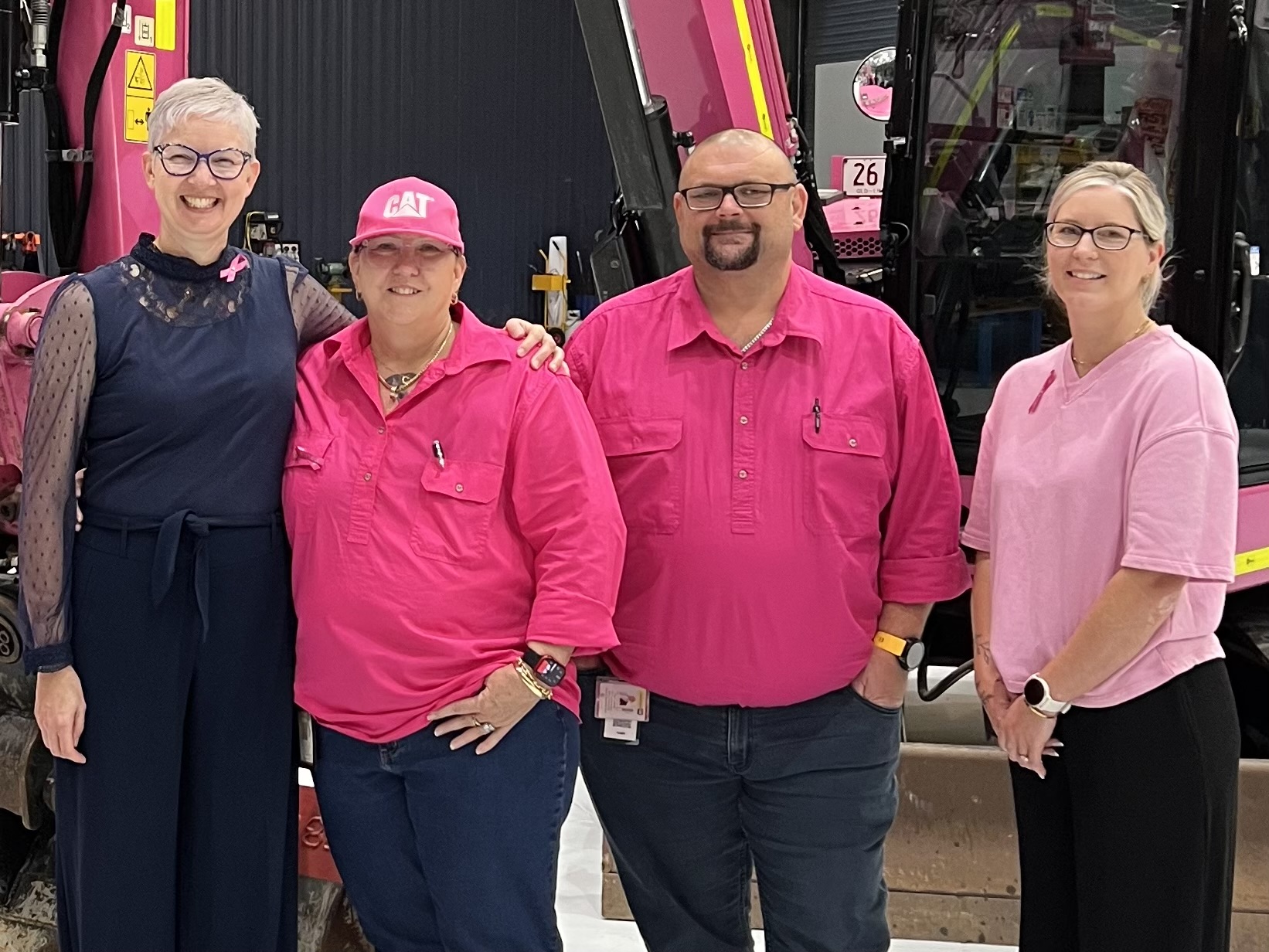
L-R - Wendela Schimmer, Raelene Brown, Andy Watson and Elly Engstrom. Photo supplied
A little extra pink has been popping up around Mackay this October, as the community comes together to show its support for those affected by breast cancer.
Around 100 people recently gathered at Hastings Deering’s Mackay base for a Breasties Brunch, setting a fundraising target of $10,000 to help support local breast cancer services.
The event featured a presentation from Mackay-based Mater breast surgeon Dr Wendela Schimmer, followed by a panel discussion and question-and-answer session covering early detection and available breast care services.
Community fundraising has also helped Mater Chicks in Pink fund a new breast care nurse position at Mater in Mackay, giving patients and their families access to additional support throughout their breast cancer journey.
Mater Private Hospital Mackay Nurse Unit Manager Elly Engstrom said the new position would help make a difficult time a little easier for those navigating a diagnosis.
“Receiving a breast cancer diagnosis can be frightening, but at Mater we are committed to supporting our patients right throughout their care journey,” Ms Engstrom said.
“Our new breast care nurse will be able to deliver an even more personal level of care for Mater patients.
“One in seven Australian women will be diagnosed with breast cancer in their lifetime, so the support from the community at events like today’s are so important, both to fundraise for better services and to rally around people impacted by breast cancer in the Mackay community.”
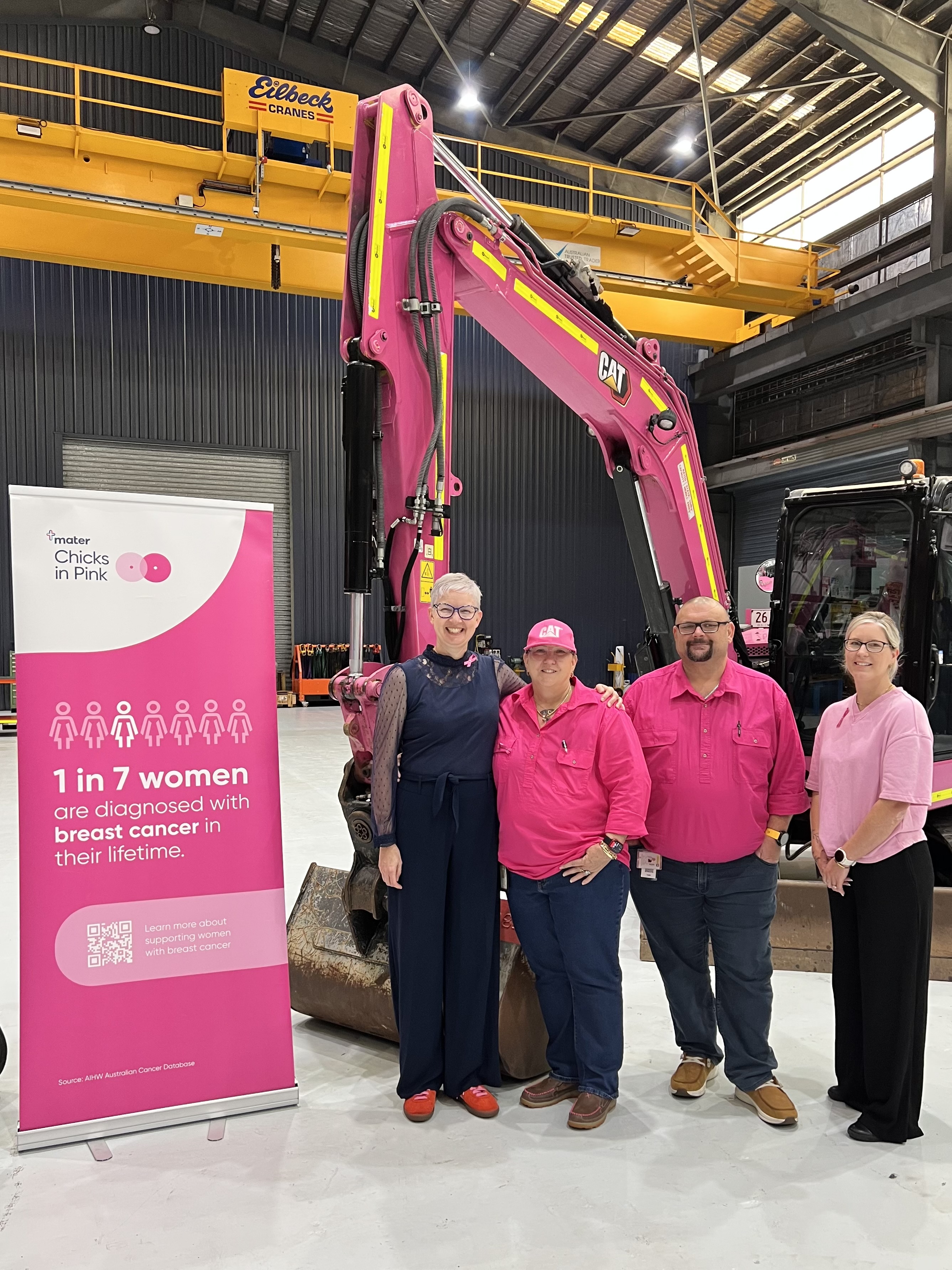
Hastings Deering Regional Manager Andy Watson said the Mackay team's involvement was part of a longer-standing commitment to supporting Mater Chicks in Pink.
“Over the past three years, our Mackay team has raised more than $20,000, contributing to a partnership between Hastings Deering and Mater Chicks in Pink that has raised more than $250,000 over the past 15 years,” Mr Watson said.
“These funds help provide specialist breast care nurses, support services and equipment that make a meaningful difference for women and families navigating a breast cancer diagnosis.
“We are incredibly proud of our ongoing commitment to this cause, and we hope our fundraising efforts encourage important conversations, support life-changing care and research, and help improve outcomes for those affected by breast cancer."
One in four Queensland women diagnosed with breast cancer will receive treatment at a Mater facility, highlighting the importance of accessible specialist care and support for patients across the state.
With community-led events continuing throughout October, locals are also encouraged to get involved by hosting their own Breasties Brunch to help raise funds for Mater Chicks in Pink.
More information is available at fundraise.mater.org.au/breastiesbrunch.

St Vincent de Paul Society Queensland State President Peter Dougherty and St Vincent de Paul CEO of Housing Sharon Shearsmith. Photo credit: Hannah McNamara
St Vincent de Paul Society Queensland has just opened a new purpose-built support hub in Mackay, aiming to lend a helping hand to the region’s most vulnerable residents experiencing homelessness, financial hardship and housing instability.
The Mackay Community Support Centre was officially opened on Monday 19th October as part of the organisation’s mission to deliver more than 500 supported community homes across the state. Over the past 12 months alone, the Society has reportedly supported more than 6,000 people across the Mackay region.
The new development features six one and two-bedroom accommodation units, including a fully accessible ground-floor home, alongside a community support centre offering food and clothing assistance, housing support, a food pantry, donation facilities and private interview spaces.
Member for Mackay Nigel Dalton welcomed the opening, recognising the longstanding contribution St Vincent de Paul has made to supporting vulnerable members of the community.
“It's wonderful to see six new units being made available through this St Vincent de Paul charity,” he said.
“It's a great recognition of all the work that many, many people have done over many years from the St Vincent de Paul Society in looking after the vulnerable.”
Mr Dalton said the development offered hope for the community, highlighting the important role faith-based and Christian organisations play in supporting people through compassion, accommodation and practical assistance when they need it most.
St Vincent de Paul Society Queensland State President Peter Dougherty said the organisation currently assisted approximately 60 people each week in Mackay through its local services, with demand highlighting the importance of continued community support.
Mr Dougherty said the Society's work was grounded in its Catholic faith and commitment to putting the Gospel into practice through compassion and practical acts of service.
“The values we try to do is live the Gospel. And that's how we demonstrate our faith,” he said.
“We're commanded to feed people, clothe people, shelter people, and that's where we draw our inspiration from.”
Mr Dougherty added that people did not need to be Catholic to become involved with the organisation, whether as a member, volunteer or through its services.
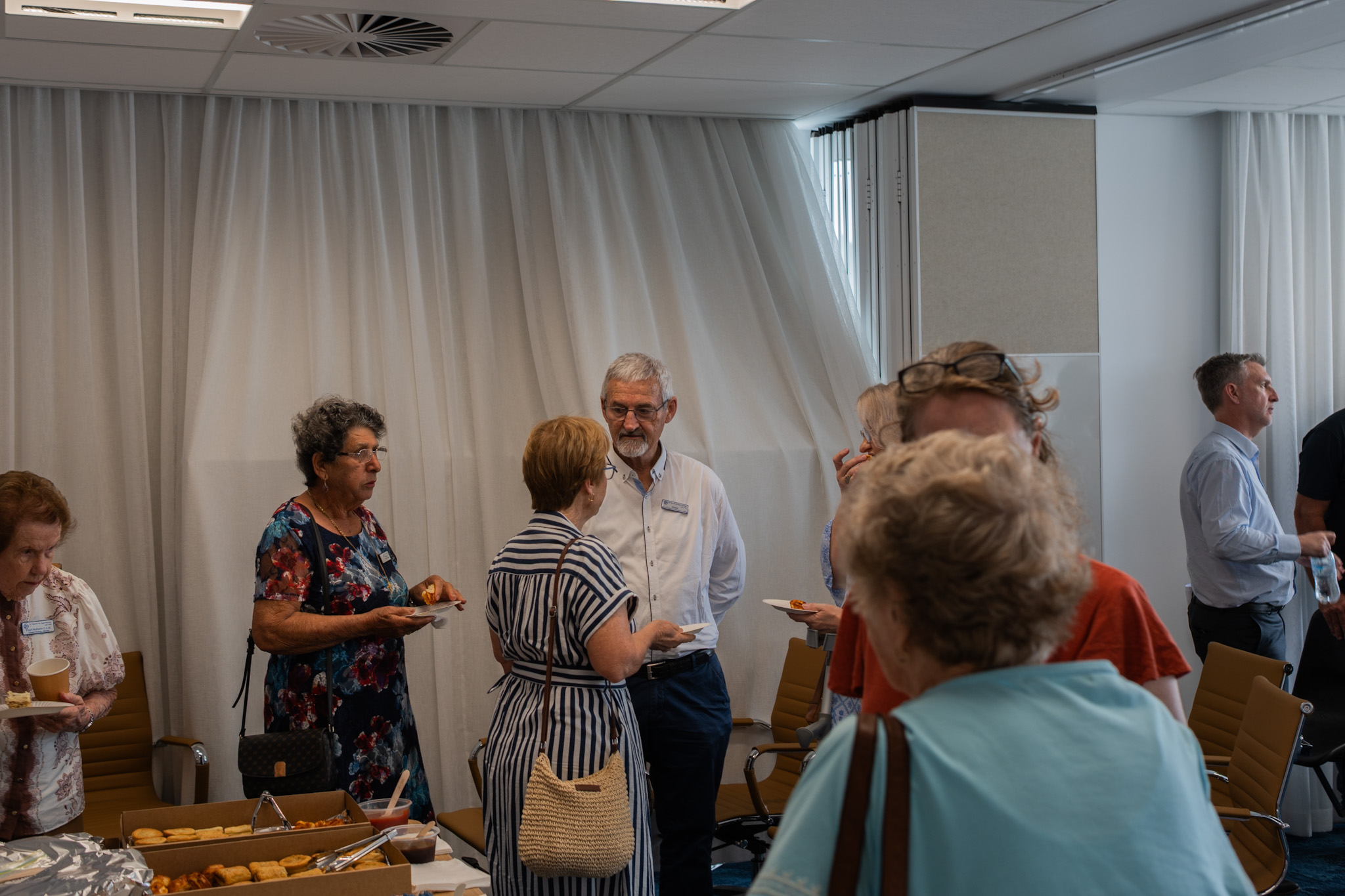
St Vincent de Paul CEO of Housing Sharon Shearsmith said the new homes came at a time when housing pressures continued to affect communities across Queensland, with Mackay experiencing increasing rental costs and demand for support.
“Across Queensland, we're finding, increasingly, that people are struggling to maintain their housing,” she said.
“Across all our services, we're constantly being approached with demand, and the system's stretched.”
At the time of the opening, four tenants were already residing in the new homes, with another expected to move in the following week. Residents have come from a range of circumstances, including homelessness and referrals through local services, St Vincent de Paul members and the Department of Housing.
Ms Shearsmith said the opportunity to provide a stable home could make a significant difference, particularly for people who had never experienced the security of having somewhere safe to live.
“Overwhelmingly, our tenants are just so grateful, so pleased to be given the opportunity for a home,” she said.
“For some people, they've never experienced a safe home.”
She said the Mackay development represented an important milestone in the Society's broader housing commitments, with further projects planned across regional Queensland.
“This is a really proud milestone moment for Vinnie's Housing and the Society,” she said.
“It's been really important for us to work with the local community, to really understand the needs of the community, but also how we can best open homes that people will feel welcome in and that will meet their needs.”
Ms Shearsmith said bringing together government and community support through developments such as the Mackay hub could help create greater opportunities for people to regain stability.
“It's really great that we have the opportunity to bring together the support of government, of the community, through sites like this, that have access to support services, to really create that hope, and that opportunity for people to get back on track.”
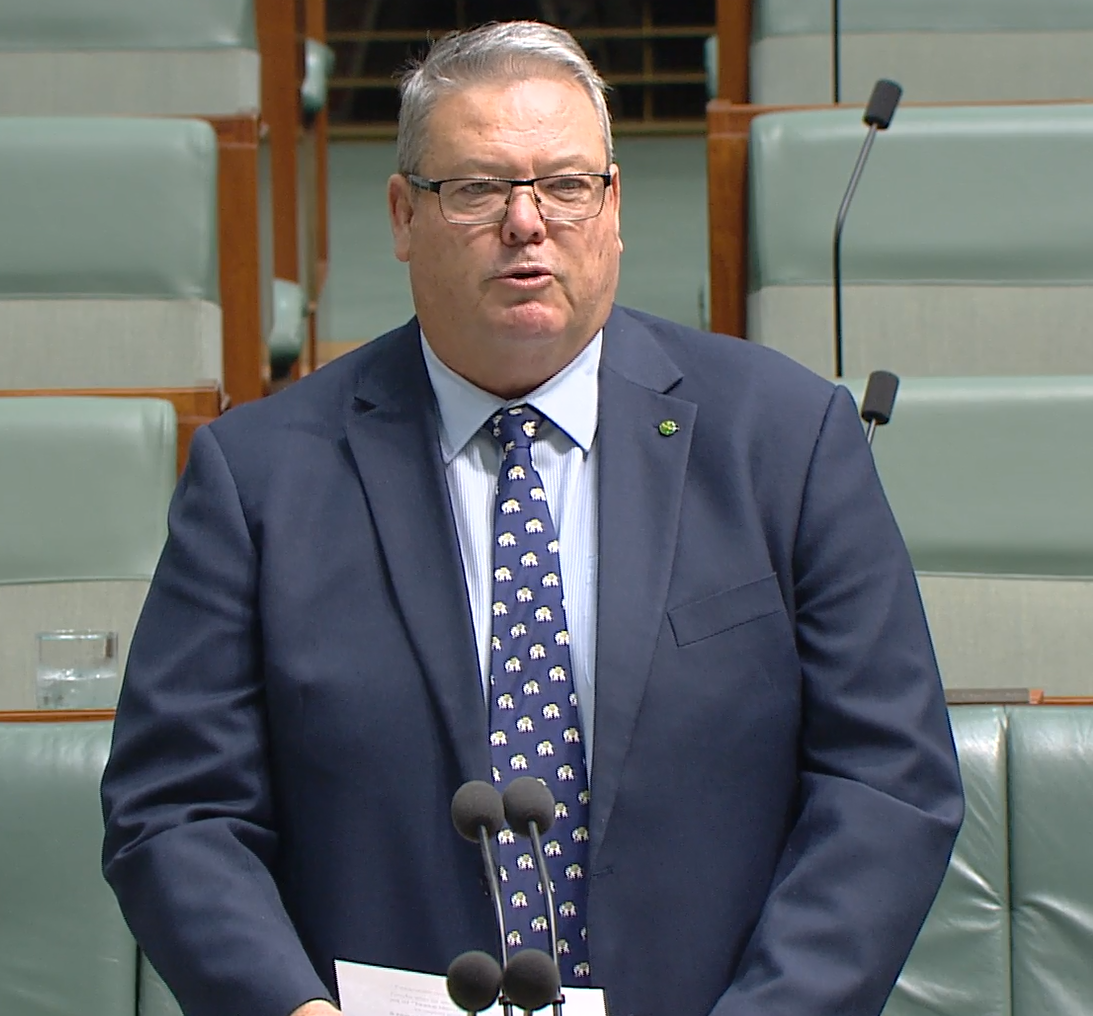
OPINION PIECE By Andrew Willcox MP, Federal Member for Dawson
In a world of social media, AI and ever-evolving technologies, the digital landscape can be imposing. We all want to feel safe online, protect our children and control what appears on their devices. Protections should be strengthened and big tech held accountable.
But the price should never be our freedom of speech and personal expression.
The Labor Government says its proposed Digital Duty of Care laws are about keeping Australians safe and giving users more control over online feeds through algorithm opt- outs. It sounds reasonable, until you dig deeper.
What the Albanese Government actually wants is control, bringing back its previously failed misinformation agenda by stealth and giving government greater influence over what Australians can view online.
During a speech at the UN, Albanese revealed just how broadly his government views these laws:
“Whilst today we're concentrating on the impact on children, the truth is this is having an impact on our entire society and how it functions with misinformation, disinformation. With the increased polarisation that we're seeing as well in the political system, where people are moving away from the centre and more and more to the extremes, be they of the left or the right. And that is why we think that this is a very positive move that's being put forward.”
That raises serious concerns about government using online safety laws to influence what Australians see, read and debate. The Government says the legislation shifts the focus from reacting to harms topreventing them. But who decides what is “harmful”?
The proposed legislation would give government regulators greater powers over how online platforms manage content.
This is too much power in the hands of government and every Australian should be alarmed.
Consider debates about climate change or the definition of gender. If platforms fear regulatory consequences for allowing controversial opinions, they may restrict lawful content rather than risk penalties.
That could stifle debate and diminish voters' access to differing opinions.
We already have laws governing what Australians can publish online. People should be free to challenge government policy, question experts and disagree with others without fear that lawful views will be suppressed.
Protecting Australians online matters. Protecting children matters. But online safety and freedom should never be competing values.
We can keep Australians safe without handing government the power to control the conversation.

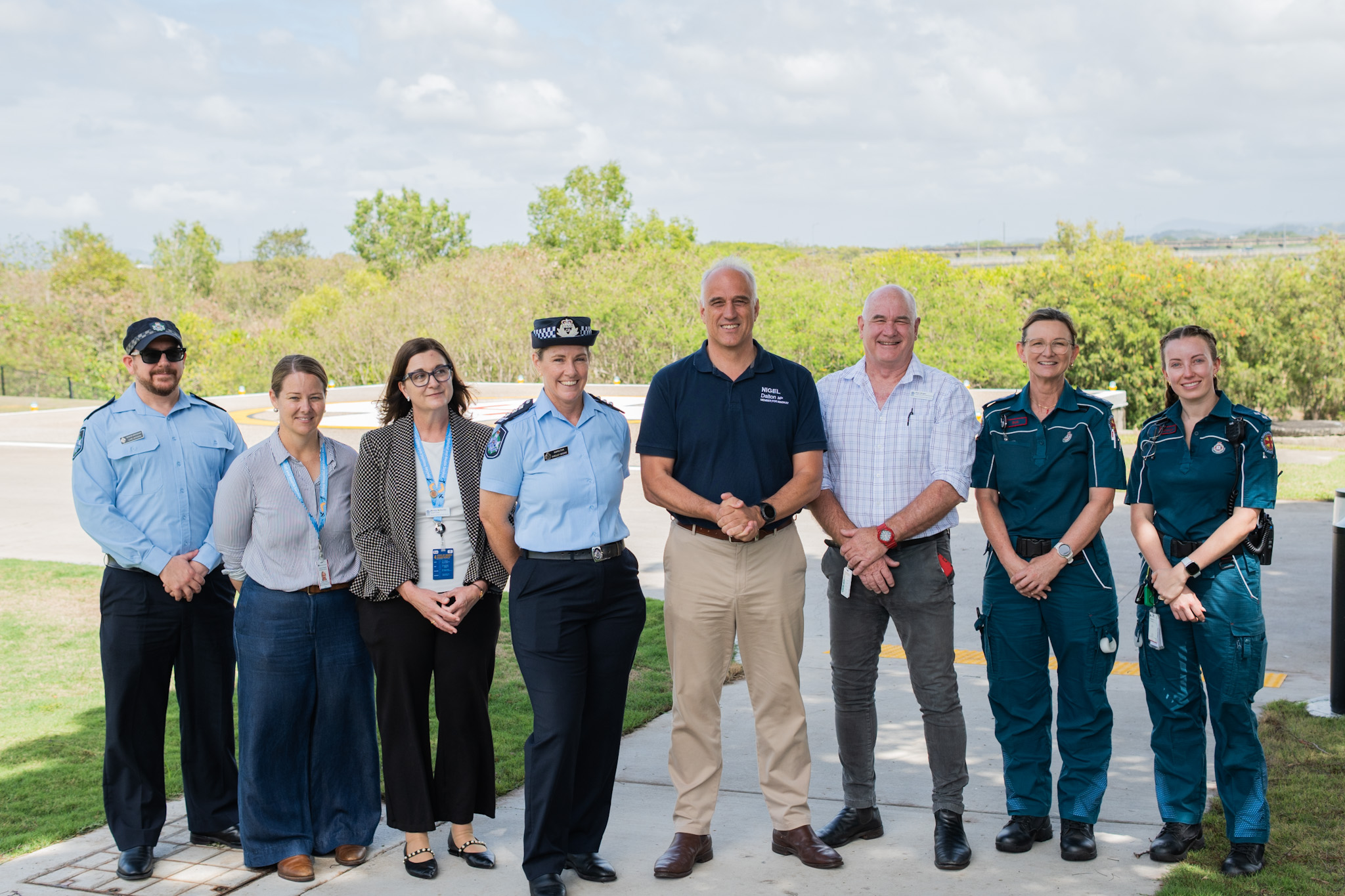
A $44.5 million Queensland Government investment in critical infrastructure is expected to unlock more than 7,200 potential new homes across Mackay and Sarina. Photo source: Jarrod Bleijie MP
More than 7,200 potential new homes could be unlocked across Mackay and Sarina following a $44.5 million Queensland Government funding announcement aimed at improving infrastructure needed to support future residential development.
Deputy Premier and Minister for State Development, Infrastructure and Planning Jarrod Bleijie visited Mackay on Friday 16th October, announcing funding for two new infrastructure projects alongside Member for Mackay Nigel Dalton, Member for Mirani Glen Kelly MP and Mackay Regional Council Mayor Greg Williamson.
In Mackay, $12.1 million will go towards upgrades to the Nebo Road Water Treatment Plant, increasing the plant's capacity to support future residential development and ensuring essential water infrastructure can keep pace with the region's growth.
The Mackay project is expected to unlock more than 6,350 homes.
Meanwhile, Sarina will receive $32.4 million for a range of infrastructure works, including stormwater infrastructure, a new sewer pump station and sewer mains, a water main upgrade, electrical infrastructure, new roads and a roundabout.
The Sarina project is expected to unlock more than 890 homes.
Mr Bleijie said the investment demonstrated the government's commitment to increasing housing supply by addressing infrastructure barriers to new residential development.
“The Crisafulli Government’s Residential Activation Fund is pulling every lever to increase housing supply, because you can’t build homes without the roads, water and sewerage infrastructure to support them,” Deputy Premier Bleijie said.
“This project will unlock more than 7,200 places to call home for Queenslanders and support the growing Mackay Region. This investment demonstrates what’s possible when government partners with councils, landowners and industry to remove barriers to new housing.
“More affordable housing starts with more supply. While also delivering a record number of social and affordable homes and support for first homebuyers, we’re delivering a place to call home for more Queenslanders.”
The announcement brings the Queensland Government's reported investment in trunk infrastructure through the Residential Activation Fund to more than $70 million across Mackay, Sarina, Marian, Mirani, Beaconsfield and Rural View.
Member for Mackay Nigel Dalton said the investment would help ensure housing supply kept pace with the region's growth.
“Mackay continues to grow, and we need to make sure housing supply keeps pace with that growth, and this investment will unlock new opportunities for housing in the region, while strengthening the infrastructure local families and businesses rely on,” Mr Dalton said.
Member for Mirani Glen Kelly said the Crossing Estate was a positive step forward for Sarina, supporting the growing community while delivering practical benefits for local families.
“One of the most significant outcomes of this development is helping resolve the longstanding issue of access to the Sarina Showgrounds, something our community has been seeking a solution to for many years.
“This is about creating more opportunities for families to build a home and a future in Sarina, while supporting local businesses, jobs and future investment.”
Mayor Greg Williamson said the investment would streamline an important part of Mackay's water network.
“The investment into the Clarifier Upgrade will strengthen drinking water quality, increase treatment capacity and improve resilience during extreme weather events, helping secure safe and reliable water services for Mackay well into the future,” Mayor Williamson said.
The Residential Activation Fund is one of several housing initiatives outlined by the Queensland Government, which says the program has already unlocked more than 174,000 new places to call home statewide.
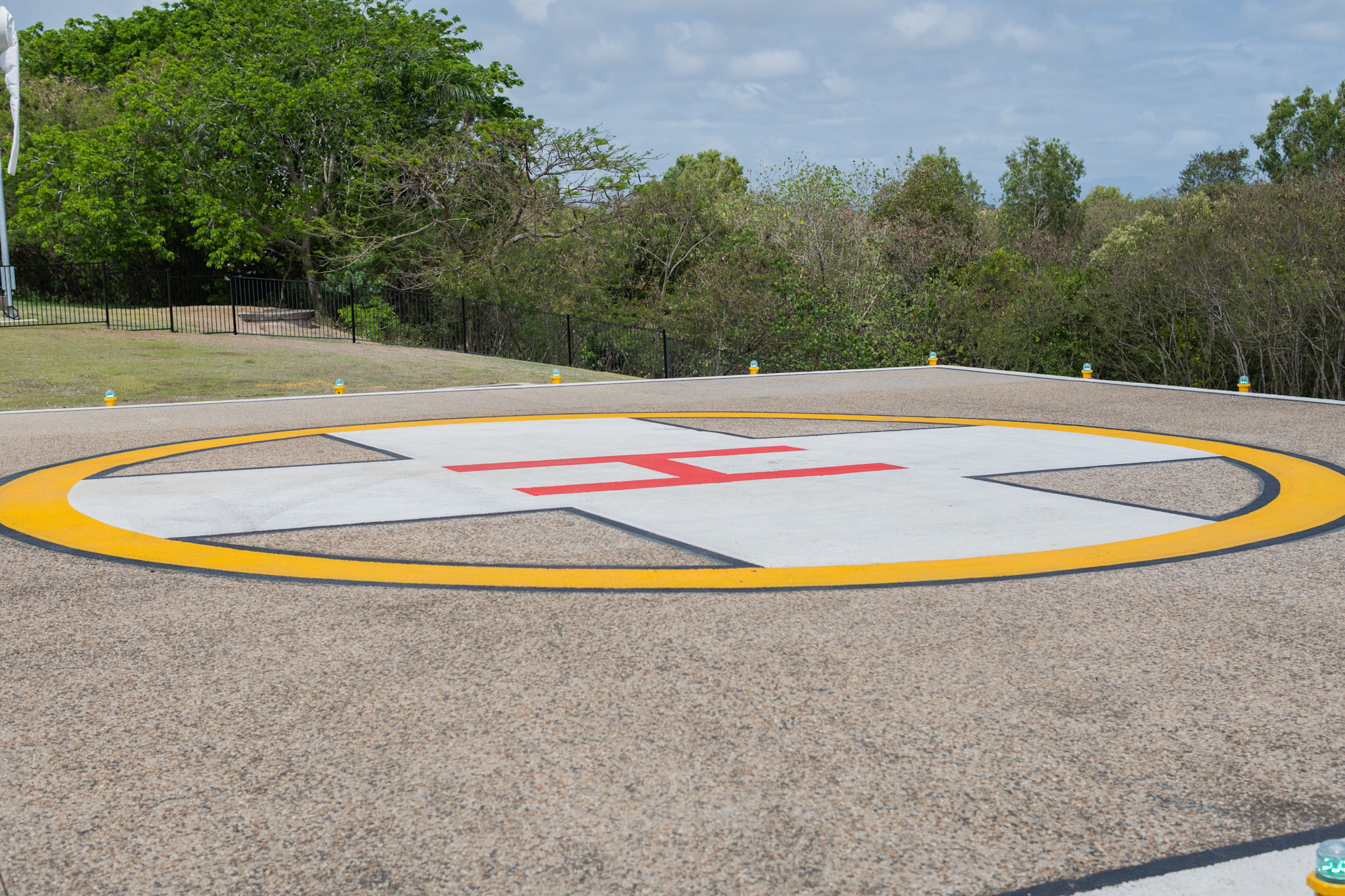
Mackay Base Hospital’s helipad has reopened after two and a half years, restoring direct aeromedical transfers and improving access to urgent care for critically ill patients. Photo credit: Hannah McNamara
As of Monday 19th October, Mackay Base Hospital’s helipad has officially begun operating after two and a half years, restoring direct helicopter transfers for critically ill patients. The reopening removes the need for additional ambulance transfers from Mackay Airport, helping patients reach urgent medical care sooner while freeing up ambulance crews to respond to emergencies across the region.
Mackay Base Hospital’s helipad officially reopened on Monday 19th October, restoring direct aeromedical retrieval services to the hospital after two and a half years.
The reopening means critically ill patients arriving by helicopter can once again be transported directly to the hospital, removing the need for an additional ambulance transfer from Mackay Airport.
The helipad has undergone upgrades to its systems, infrastructure and technology, with new safety features including automated boom gates, warning lights and locking doors activated as helicopters approach and depart.
Member for Mackay Nigel Dalton welcomed the reopening, saying it would help patients access urgent medical care sooner.
“Today, we're really excited to announce the return of the helipad to the hospital here,” he said.
“It means that if there is a need to use a helicopter to transport somebody to the hospital, it doesn't have to land at the airport, and then a transfer for the ambulance to move the patient to the emergency ward.”
Mr Dalton acknowledged community concerns about the additional transfer time over the past two and a half years, saying people had worried about the potential consequences for patients requiring urgent care.
“Over 2.5 years, I think people have been really concerned that that extra amount of time and transfer time is going to cause a serious catastrophe, which could have been avoided,” he said.
He also congratulated the hospital board, contractors and staff involved in restoring the facility.
Mackay Hospital and Health Service Chief Executive Sean Birgan said approximately 1,400 patient transfers had taken place between Mackay Airport and the hospital during the helipad's two-and-a-half-year closure, averaging around 10 each week.
He said returning helicopter services to the hospital campus would help critically ill patients reach emergency departments, operating theatres and neonatal wards more efficiently. He also said the arrangement would also benefit ambulance services by reducing the need for crews to travel between the airport and hospital, particularly during busy traffic periods.
“The sooner we can get critically ill patients to definitive care in the emergency department, or the operating theatres, or our neonatal wards, that's what we are planning to do.”
“Anytime that they can avoid [traffic], that just puts an extra ambulance on the streets to respond to emergency care for the community,” he said.
Mr Birgan confirmed the helipad would recommence operations from midday on Monday, following clinical scenario testing to prepare hospital staff for incoming patient transfers.
The current ground-level helipad is expected to remain in place for at least a couple of years, with longer-term plans to incorporate a rooftop helipad into a proposed four-storey clinical building as part of Stage Two of the hospital redevelopment.
The Queensland Government's Stage One masterplan is set to deliver 128 additional beds, birthing services, an expanded emergency department, a new clinical services building with a rooftop helipad and a 1,000-space staff car park by 2030.
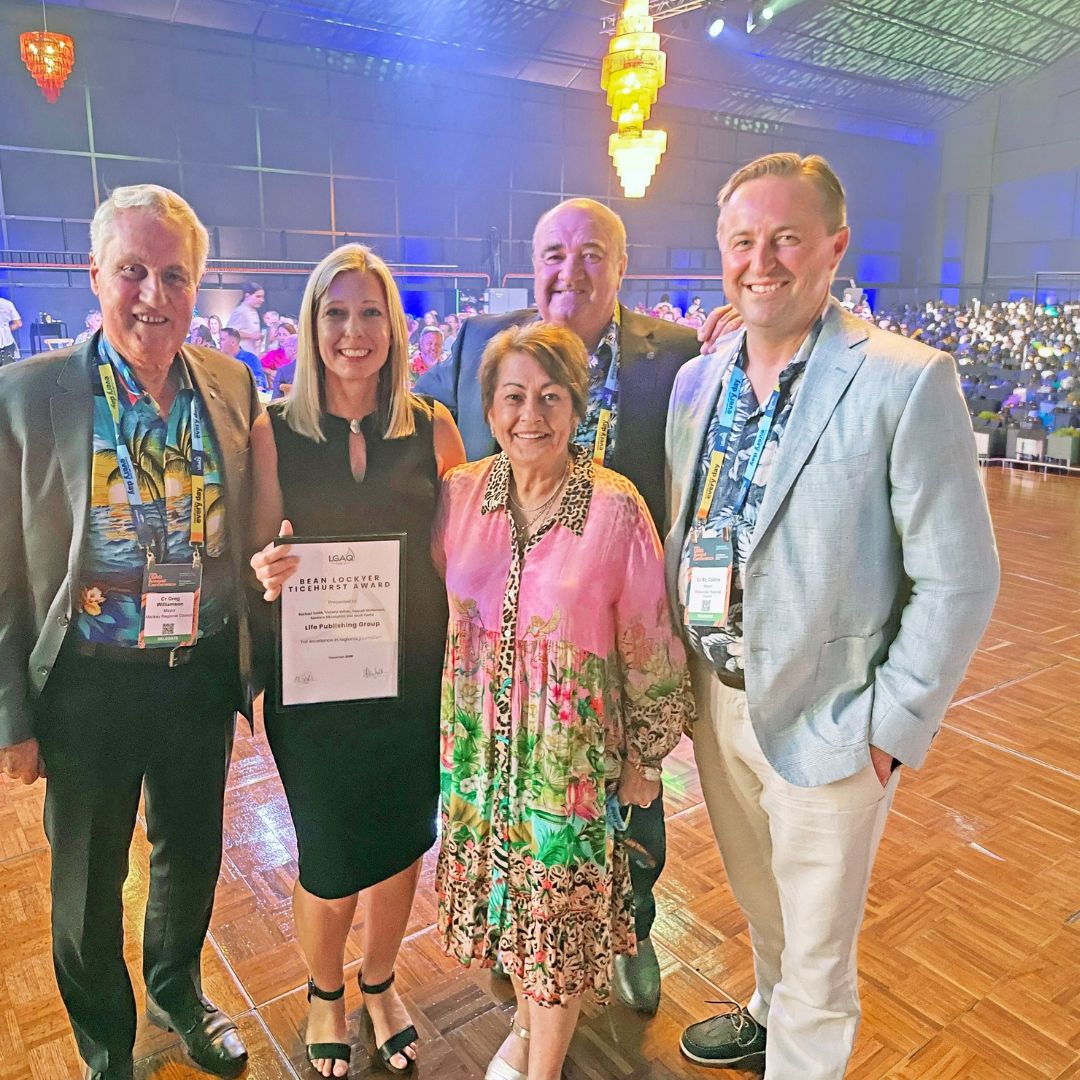
Mayor of Mackay Greg Williamson, Editor in Chief Life Publishing Group Rachael Smith, Mayor of Burdekin Pierina Dalle Cort, Mayor of Hinchinbrook Ramon Jayo and Mayor of the Whitsundays Ry Collins
Local Mayors across five regions celebrated the success of Life Publishing Group on Tuesday night following the announcement that the Whitsundays-based, independently owned publishing house had won the Local Government Association of Queensland (LGAQ) Journalism Award.
At the awards night in Cairns, the Mayors congratulated Life Publishing Group on receiving the 2026 LGAQ award for its work connecting regional communities and spreading the power of positive news throughout the regions it serves.
Life Publishing Group journalists have been recognised for their on-the-ground, hyperlocal coverage of regional areas at the LGAQ awards held in Cairns on Tuesday night.
Editor-in-Chief of Life Publishing Group Rachael Smith attended the event to accept the award on behalf of the team.
“It was an absolute honour to see the hard work of our journalists and broader team acknowledged for the incredible work they do across the regions,” she said.
“Bringing the communities we serve positive news that connects and uplifts is something we are all dedicated to achieving each and every week, and I am beyond thrilled that this has been noticed, acknowledged and now awarded.”
Life Publishing Group has been publishing Core Life Magazine and Tripping Magazine for more than a decade, and in 2020, it launched its first newspaper.
What began as Mackay Life and Whitsunday Life in 2020 expanded to Burdekin Life in 2023 and Hinchinbrook Life in late 2024. Cassowary Coast Life launched as a flipbook publication alongside Hinchinbrook Life in June this year.
“Our journalists do exceptional work in our communities,” Rachael said.
“Not only are they the only on-the-ground journalists in the regions they serve, but they are also responsible for working closely with local Mayors, Councillors, community clubs and businesses.
“We were nominated for this award by the Mayor of Hinchinbrook, and all the other Mayors were then contacted to endorse the nomination. I would like to thank all the Mayors for advocating for local journalism and the important role it plays in our regions.
“This award means so much to our team and to our communities.”
Hi Everyone,
Exciting news from the Life Publishing Group team this week – we’ve won this year’s Local Government Association of Queensland Journalism Award!
We’re particularly humbled by this achievement, especially given the competition with The Australian coming in second and the ABC third.
This state award recognises excellence in regional journalism, and our positive, community-focused, hyperlocal coverage across the group took out the top accolade.
I travelled to Cairns on Tuesday to accept the award on behalf of our team, and I would like to acknowledge all our journalists for the exceptional work they do every day across all the regions we serve.
A big round of applause goes to Hannah McNamara, Victoria Velton, Jacob Casha, Zach Houtenville and our Editorial Team Leader Suzanna McLoughlin.
As some of you may know, most of our journalists come to the regions as cadets, embarking on their first jobs in journalism. They are thrown into a new community and often become the only on-the-ground journalists covering local news.
They are then supported by our fantastic team of professionals, and together we produce the papers our communities read every week.
Every page is a team effort, from the advertising booked by our Sales Managers to the pages created by our designers, the production team bringing it all together and our journalists delivering the content.
Thank you to the whole team for everything you do and well done to each journalist for collectively producing a body of work of such a high standard that we received this top gong.
I would also like to mention the origins of this award, which are particularly meaningful.
The LGAQ established it in honour of ABC cameraman John Bean, journalist Paul Lockyer and helicopter pilot Gary Ticehurst, who tragically died in a crash while on assignment in 2011.
They were a well-liked and deeply respected crew who spent much of their time working in regional areas. Their loss sparked an outpouring of grief from regional leaders who understood the enormous contribution they made to ensuring regional Queensland was given a voice and its contribution to public life was recognised.
It is an honour to continue their legacy in our own small way, ensuring regional Queensland communities remain connected and have a strong voice through positive, local free newspapers every week.
The awards night was spectacular, with more than 500 Mayors, Councillors and local government staff in attendance and I was thrilled to meet up with five of the local Mayors from the regions we serve.
When I was called up on stage to accept the award on behalf of the team, it was a moment that made all our dedication to regional journalism feel worthwhile.
To my surprise, when I came off the stage, all our local Mayors came over to congratulate us.
I was greeted by Mayor Greg Williamson from Mackay, Mayor Ry Collins from the Whitsundays, Mayor Pierina Dalle Cort from the Burdekin and Mayor Ramon Jayo from Hinchinbrook.
I have to confess, I had tears in my eyes at that moment!
I later found out that Mayor Ramon Jayo had nominated us for the award and that every Mayor had received a phone call from the judging committee, with each vouching for the incredible work our team does every day in their regions.
Thank you to all the Mayors, including Mayor Teresa Millwood from Cassowary Coast, where we have recently expanded. It was a delight to share your table on the night!
And finally, thank you to our incredible team, our Publisher Bec Douthwaite, the LGAQ for this significant recognition, and our wonderful readers and local businesses who are part of the Life community.
Rach
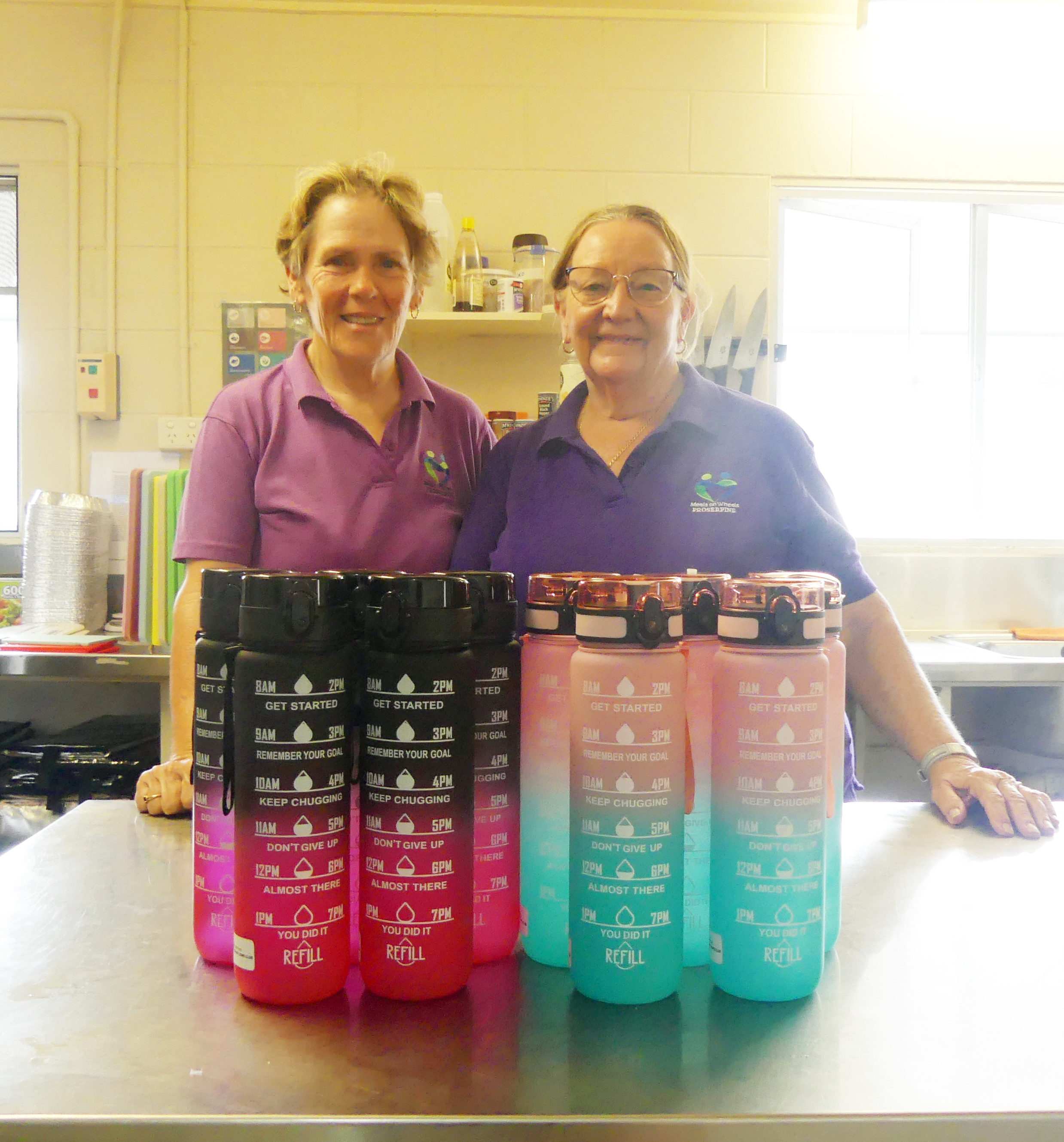
Geraldine Moore and Helen Maynard-Turner. Photo credit: Zach Houtenville
A meal delivery will soon come with a reminder to keep drinking for Proserpine Meals on Wheels clients, with Whitsunday Lions funding reusable bottles to help them stay hydrated as the weather warms.
The idea followed when a delivery driver found a client unwell at home, where an ambulance was called, and the client was taken to hospital, with dehydration being the final diagnosis.
Geraldine Moore, who works for Meals on Wheels and volunteers with Lions, approached the club to fund water bottles for the service’s roughly 70 customers, helping them serve friendly reminders to their clients while out on rounds.
“It also gives deliverers an opportunity when they’re delivering the meal … they can just say, ‘Have you filled the drink bottle up?’” Geraldine said.
The bottles will be delivered to clients with their meals, and can be kept beside a favourite chair or carried on a walker, making a drink easier to reach.
Geraldine thanked Lions for helping turn the idea into something practical for local clients.
“Lions were more than happy,” she said.
“They also thought it was a good idea, so they were more than happy to fund it.”
The donation continues Lions’ support for the service, which has also included assistance with new freezers.
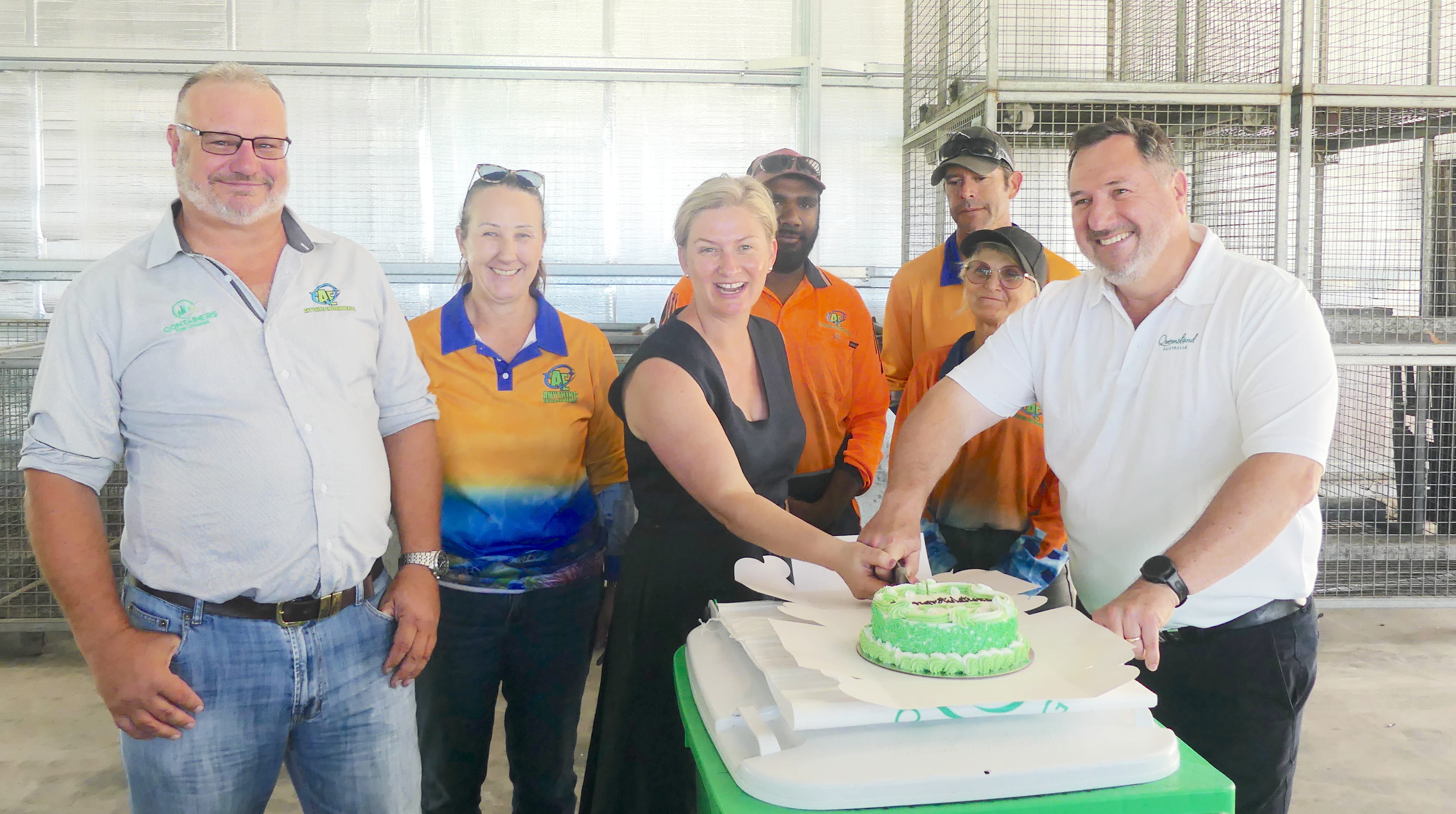
Cutting the Containers for Change Depot in Proserpine’s 1st Birthday Cake. photo credit: Zach Houtenville
Anything Environmental has proudly opened the doors to its new Containers for Change depot along the Bruce Highway in Proserpine, giving locals more reason to recycle while putting a little extra cash in their pockets.
The investment of more than $2 million has relocated Proserpine’s existing service to a new facility along the Bruce Highway, with improved safety and easier access for locals returning their bottles and cans.
Minister for the Environment and Tourism Andrew Powell MP and Member for Whitsunday Amanda Camm MP joined the community to celebrate the depot’s first birthday and the opening of its new facility.
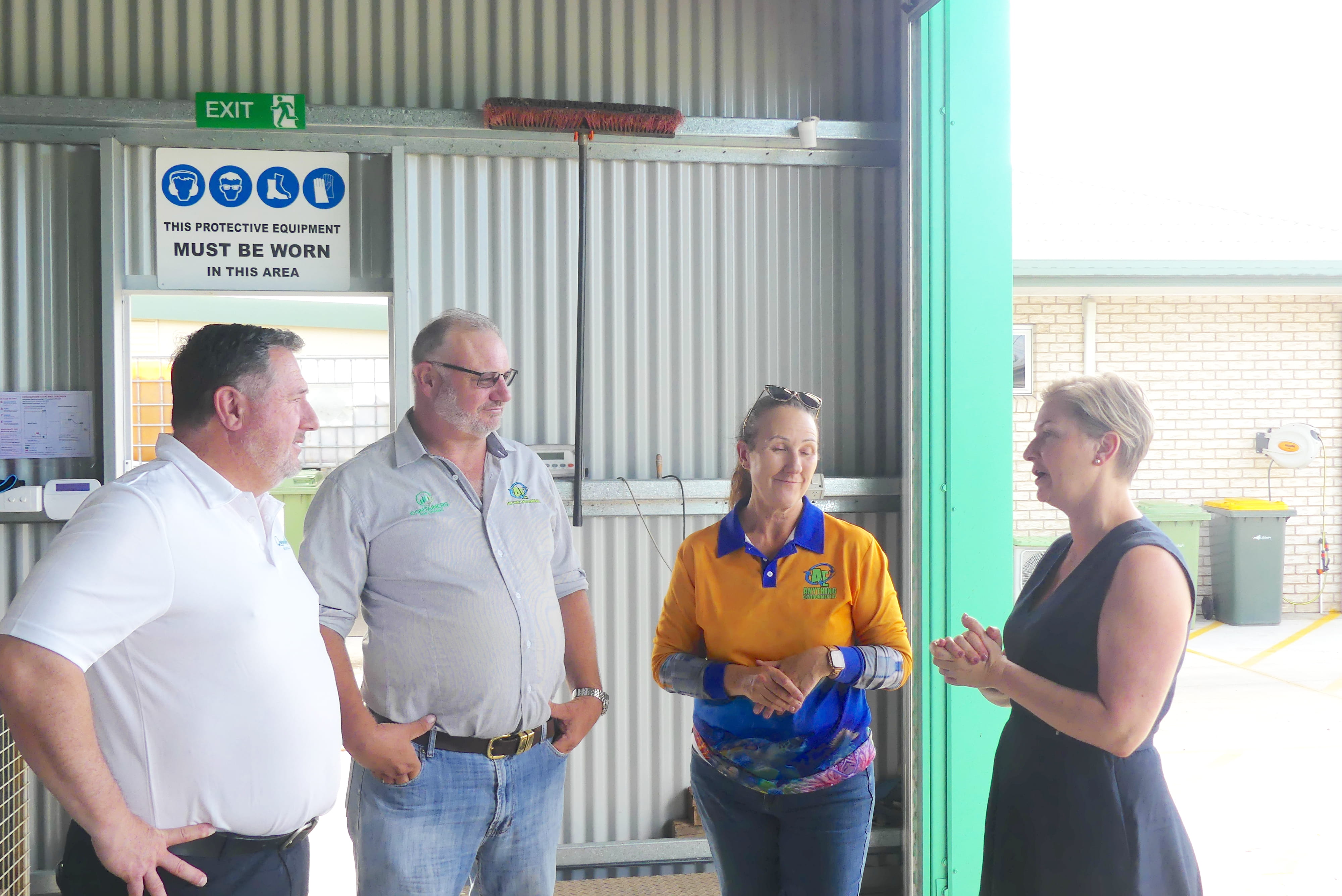
“This is really about being better located to support our community,” Member for Whitsunday Amanda Camm said.
“It was all about safety, accessibility, and really being able to showcase, I think, what a great investment in Proserpine can deliver for our community.”
“I know lots of our community groups benefit from bringing in their containers and they utilise that money to support their own organisations and charities.”
Alongside encouraging recycling, Containers for Change has helped Aussies pocket nearly $1.2 billion through its 10-cent refunds since launching back in 2018.
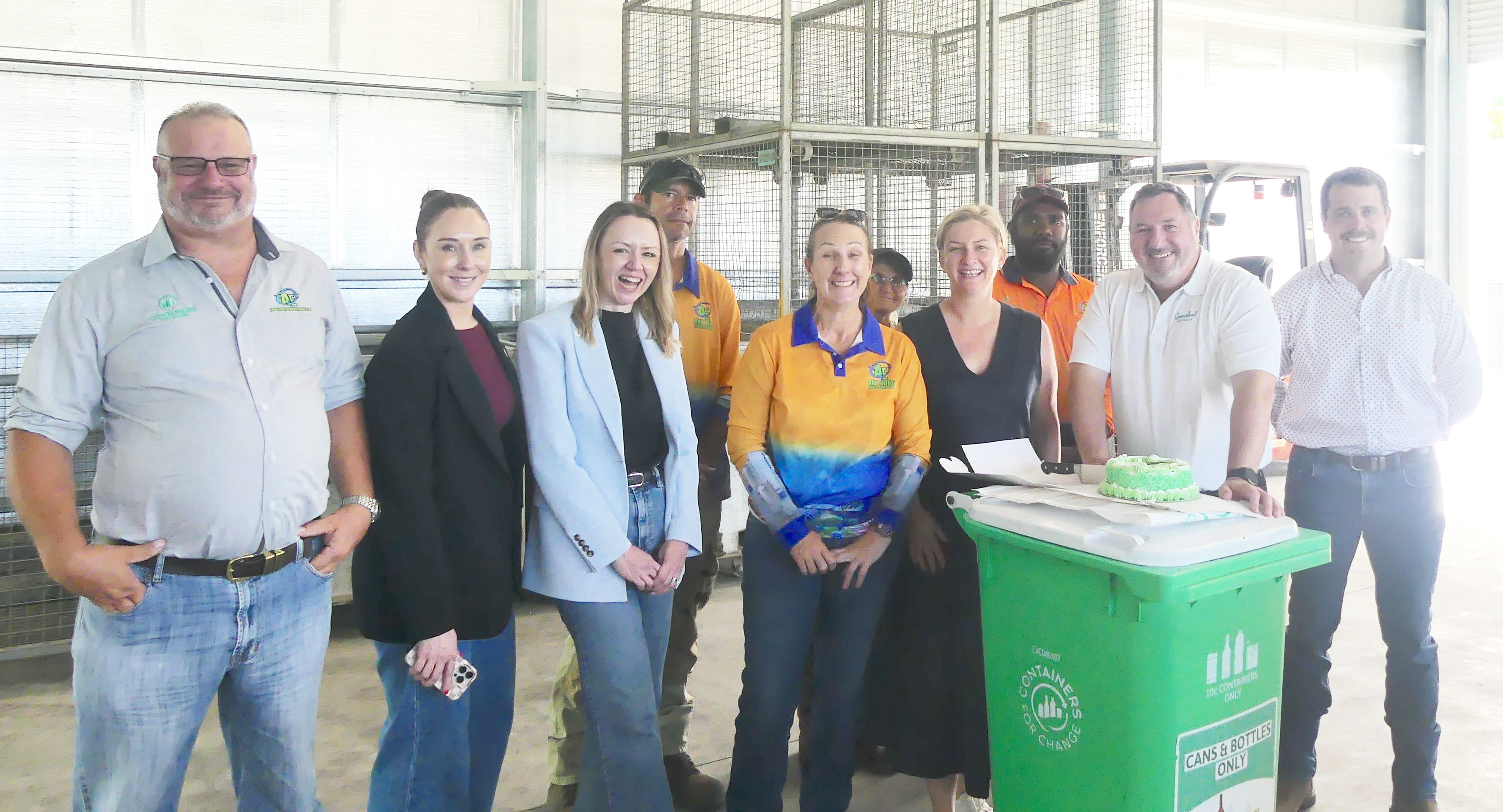
Proserpine locals seem to be already reaping the rewards, having already deposited more than 12 million bottles and cans, putting over $1.2 million back into the community.
“It’s been a lot of hard work, but when you look around and see this beautiful building, we’re tremendously proud of all the work our team has done to get it to where it is now,” said Jo Higgins, Director of Proserpine’s Containers for Change depot.
“Every ten cents counts and I know a lot of the community depend on us having this service here for them.”

Big ears, an even bigger smile and a whole lot of love to give – Troy is hoping his next adventure will be finding a family to call his own.
The one-year-old Husky x Kelpie is a playful, affectionate boy currently being fostered in through Bowen Collinsville Pet Rescue.
Troy loves his people and is great with children, making him a wonderful companion for a family looking to welcome a four-legged friend into their home. He also gets along well with other dogs and would love a doggy sibling to share his adventures with before settling down for a cuddle and a well-earned nap.
Treats are high on Troy’s list of favourite things, and he’s happy to show off his sitting skills to earn them. He also loves his rope toy and is eager to please, making him a quick learner as he continues to work on his lead manners.
Troy has also met cats and done well, although he’ll need some training and supervision around them.
Could Troy be the missing piece in your family? To express your interest, send Bowen Collinsville Pet Rescue a direct message via its Facebook page, including your name, phone number and “Troy”.
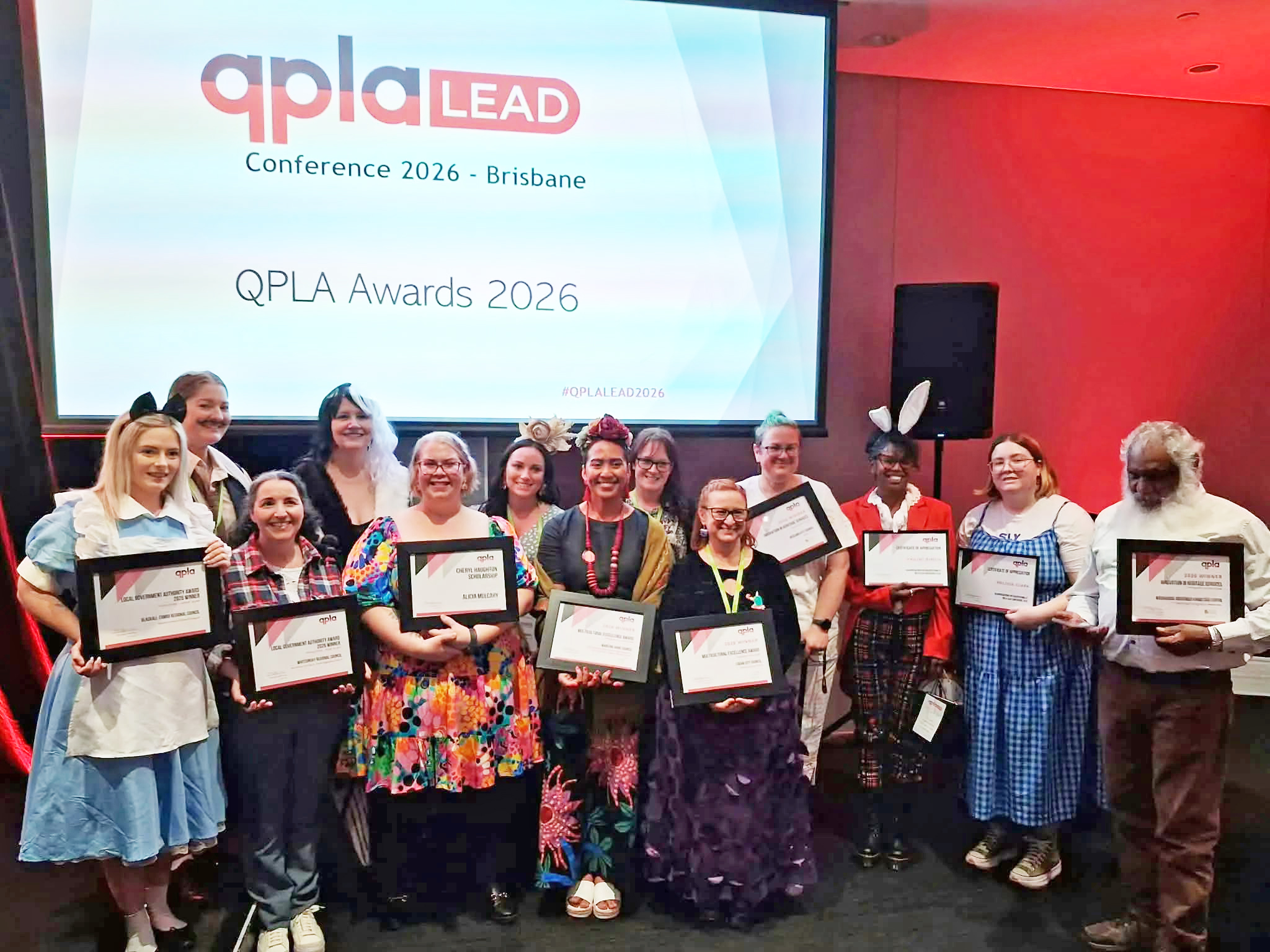
Photo supplied: Whitsunday Regional Council
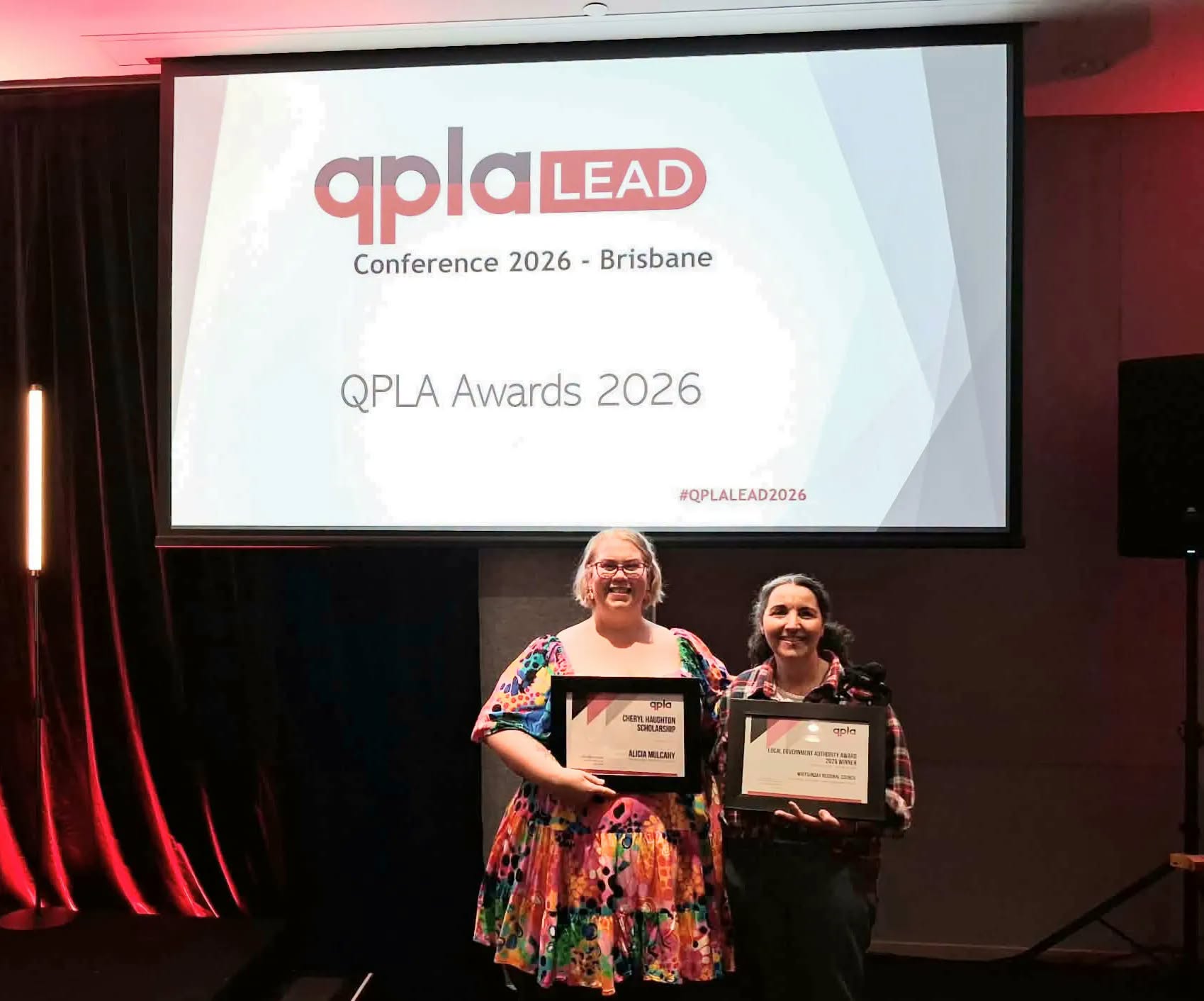
Whitsunday Libraries have earned two honours at the 2026 Queensland Public Libraries Association Conference, recognizing youth engagement as well as the contribution of local library professional Alicia Pond.
Whitsunday Regional Council won the Local Government Authority Award for populations over 35,000 for its Our Library, Our Space project, which gives young people a say in shaping library spaces and services.
Library team member Alicia Pond (Mulcahy) also had reason to celebrate, receiving the Cheryl Haughton Scholarship to explore how libraries can better show the difference they make in regional and rural communities.
Mayor Ry Collins said the recognition reflected the dedication of the libraries team and its role across the region.
“Modern libraries are so much more than shelves of books,” he said.
“They're places where people connect, kids discover new interests, young people find their voice and our communities come together.”
He praised the youth project for listening to young people and involving them in decisions about their libraries.
The honours celebrate work supporting welcoming library spaces and services for communities in Bowen, Collinsville, Proserpine and Cannonvale.
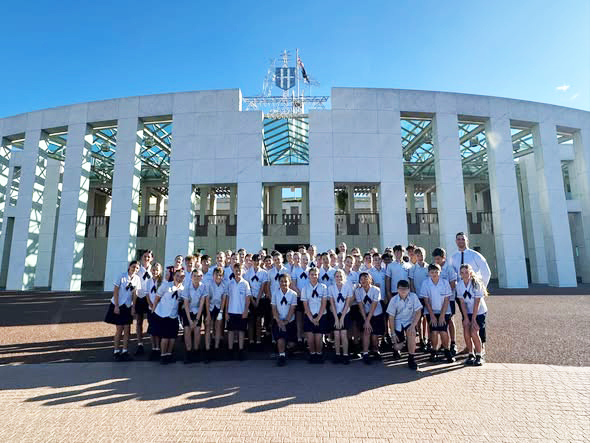
Year 7 Students in front of Parliament. Photos supplied: Whitsunday Christian College
Whitsunday Christian College’s Year 7 students took a bit of an extended field trip to Canberra, where they got a closer look at Australian democracy and plenty of stories beyond the classroom.
Day two began with views from Mount Ainslie before students tried their hand at voting during an electoral education session. A bike ride around Lake Burley Griffin encouraged some to push past their nerves, followed by visits to Geoscience Australia and Questacon.

On day three, students watched coins being made at the Royal Australian Mint and designed their own glass tiles at Canberra Glassworks.
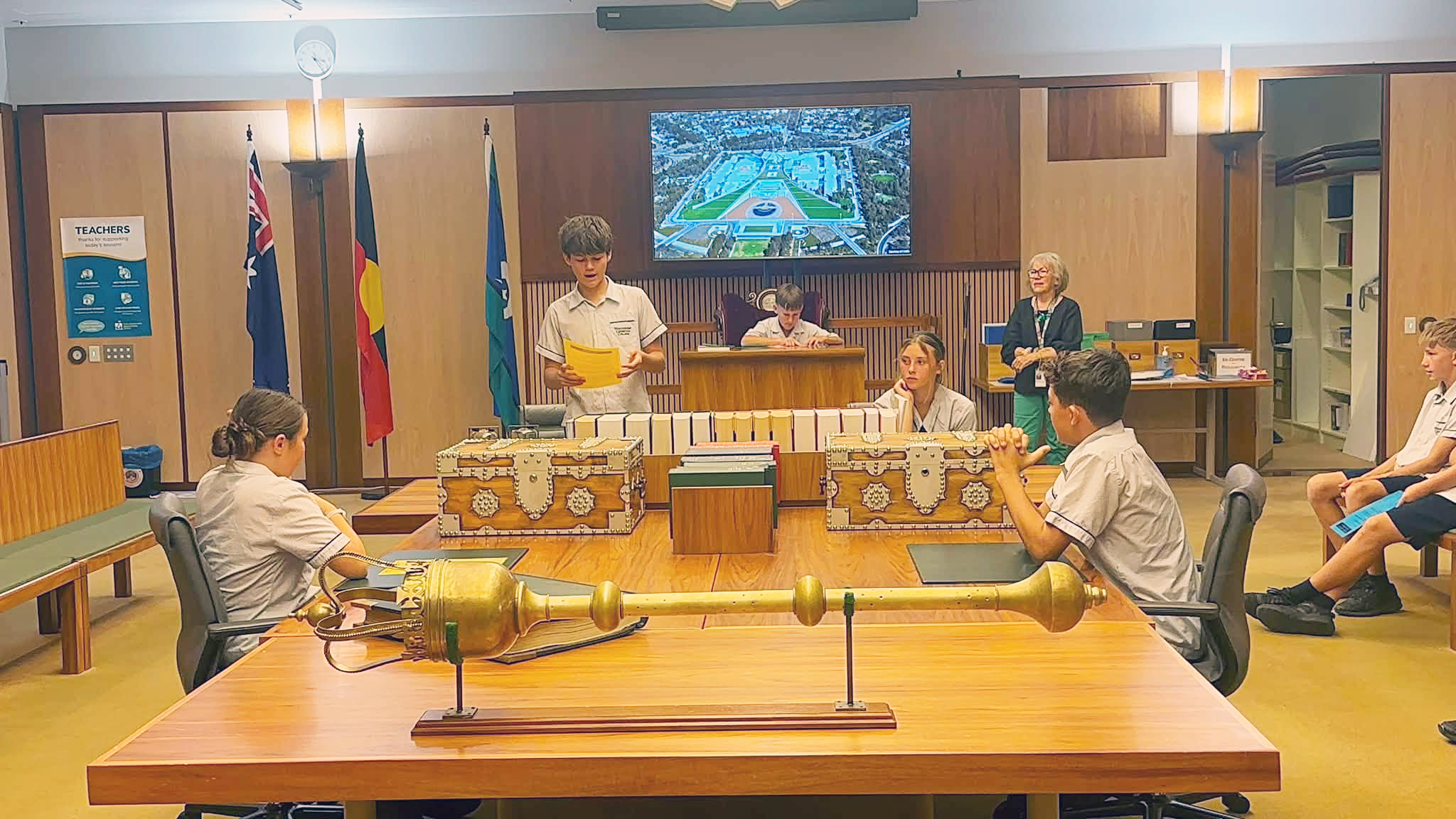
After observing a real court case at the High Court they visited Parliament House and Federal Member of Dawson Andrew Willcox, before the kids took part in a parliamentary role-play to help prepare them to watch democracy in action, including a Senate division and voting in the House of Representatives.
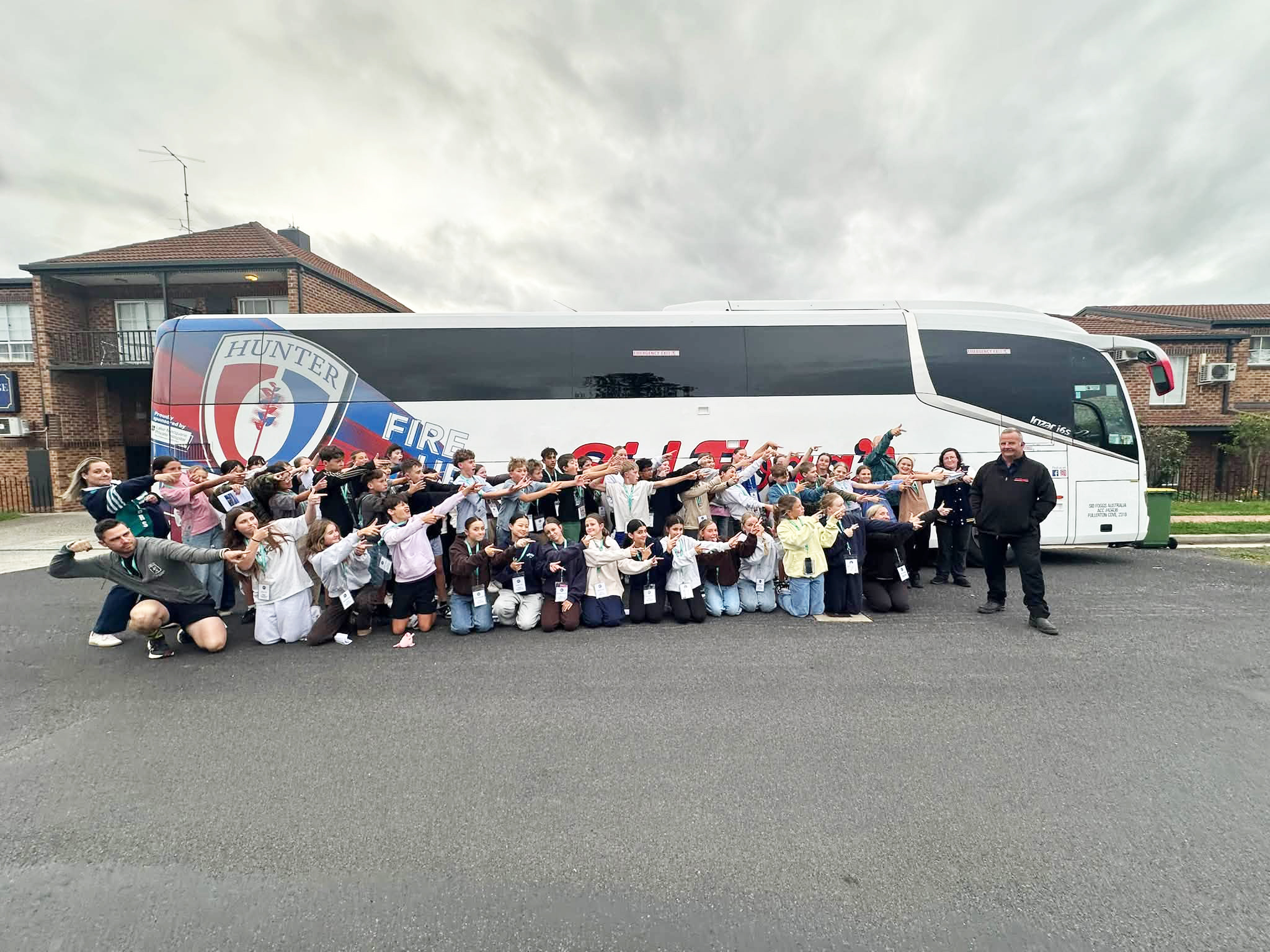
On day four and final day before heading back to the Whitsundays, students toured the Australian Institute of Sport with an athlete before pausing to reflect at the Australian War Memorial.
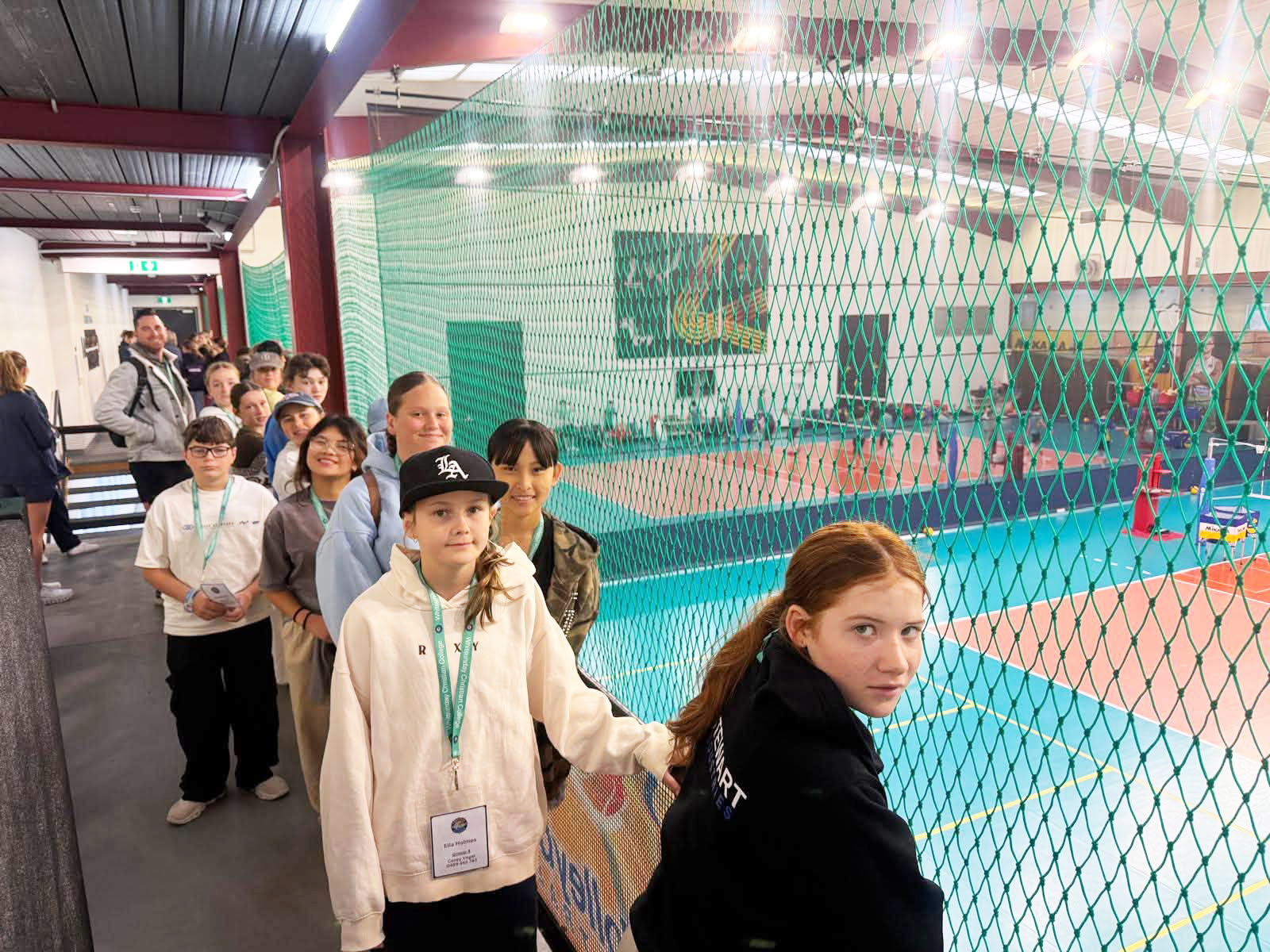
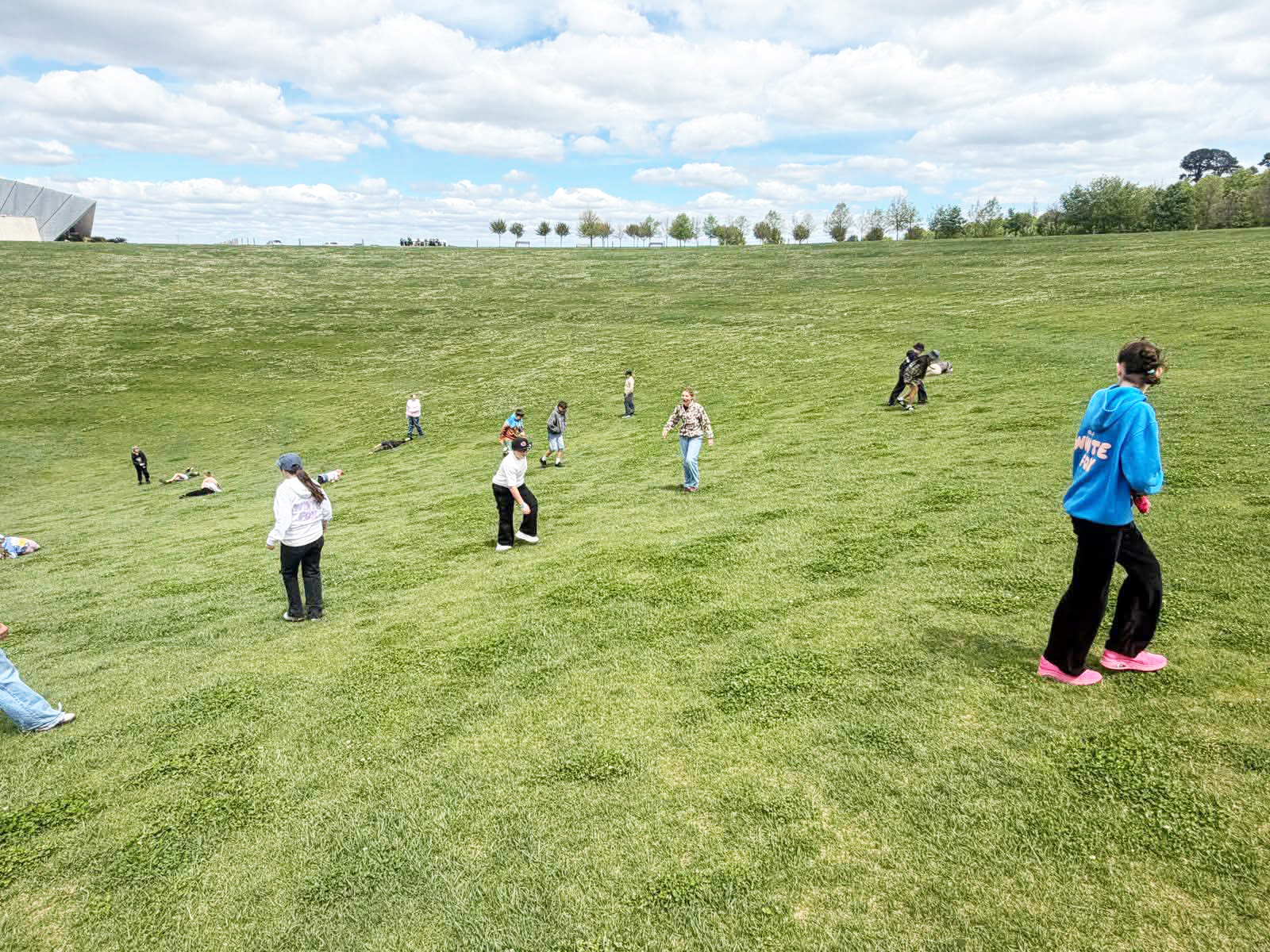
The evening then took them outdoors for orienteering and a roll down the hill at the National Arboretum, followed by a visit to the zoo for a playful finish to their time down south.
Understanding patterns and making lasting changes
Have you ever found yourself thinking, “Here we go again”? Maybe you worry about the same things, react strongly during disagreements, struggle to say no, or keep doubting your decisions. Even when you want things to change, you may return to familiar ways of thinking and behaving.
These experiences are common. Often, the difficulty is not a lack of motivation, but patterns that develop over time and shape how we interpret situations, manage emotions and relate to others.
How do these patterns develop?
Family relationships, school experiences, friendships and significant life events shape our expectations of ourselves and others. Someone who grew up believing mistakes were unacceptable may become highly self-critical. A person who has experienced rejection may struggle to trust others or avoid situations where they feel vulnerable. These responses may once have helped them cope but can become unhelpful over time.
Avoiding uncomfortable situations may bring immediate relief but prevent us from building confidence. Always putting others first may protect relationships in the short term while leaving us exhausted or resentful.
Why can change be difficult?
Recognising a pattern does not automatically make it easier to change. Familiar responses can happen almost automatically, particularly when we are stressed, tired or emotionally overwhelmed. Simply telling ourselves to stop worrying, be confident or think positively is not always enough.
Change can begin by noticing what triggers a response, what we tell ourselves and what happens afterwards. Understanding the connection between thoughts, feelings and behaviours helps us identify opportunities to respond differently.
Creating new possibilities
Small, practical changes can help us develop new habits. We might practise setting boundaries, expressing concerns more directly or viewing mistakes as opportunities to learn rather than evidence of failure.
Change takes practice, and setbacks are normal. Progress is not about getting everything right; it is about developing greater awareness and flexibility.
Psychological therapy can help people understand recurring difficulties, explore contributing experiences and beliefs, and develop more helpful ways of managing everyday challenges.
We cannot change everything that has happened to us or control every situation. However, we can recognise patterns that no longer serve us and develop different ways forward.
Sometimes, the first step toward change isn't trying harder. It is understanding ourselves a little better.
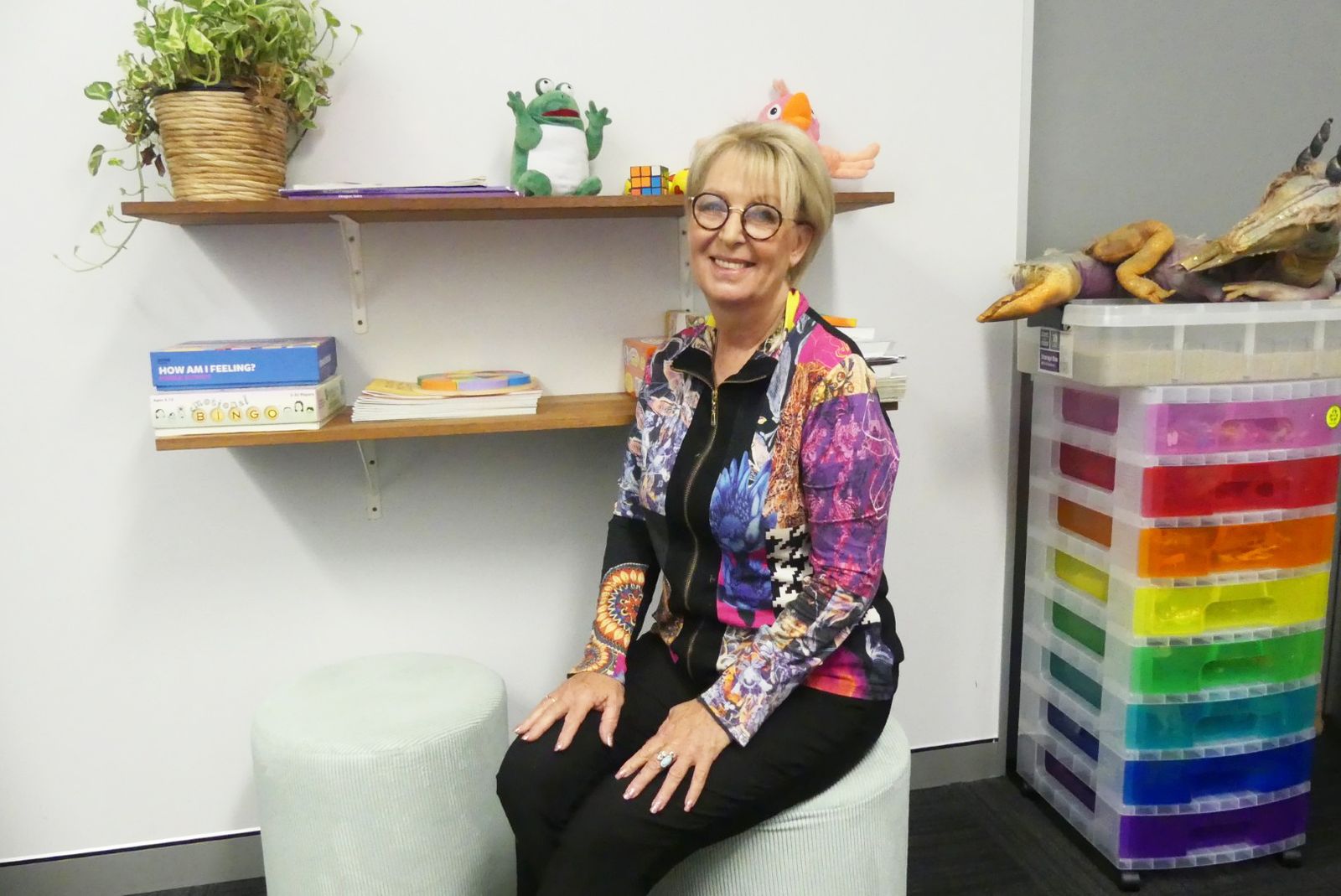
Personal Transitions supports individuals, children and families to understand difficulties, build psychological wellbeing and work towards meaningful change.
Visit Personaltransitions.com.au or contact Cristie on 0488 667 264 or Sharon on 0418 708 214.

Julie Telford, President of the Tourism Whitsundays Board, Raylene Willcox, winner of the Bob Porter Award Kev Collins, Katelyn Collins, Federal Member for Dawson Andrew Willcox, Mayor Ry Collinsand Mel Collins. Photo credit: R Jean Photography
Contributed with thanks by Tourism Whitsundays
With this weekend’s Whitsundays Tourism Awards sold out, we look forward to celebrating the people and businesses shaping our region’s tourism industry. This year’s finalists reflect the exceptional experiences and excellence that set The Whitsundays apart.
Congratulations to all finalists. We look forward to celebrating your achievements and the strength of our tourism community.
3–3.5 Star Accommodation: A & A Motel Proserpine; Bounce Airlie Beach; Colonial Palms Motor Inn; Dingo Beach Hotel; Magnums Accommodation Airlie Beach; Nomads Airlie Beach; Palm Bungalows, Hamilton Island; Reef Gateway Hotel; Shingley Beach Resort.
4–4.5 Star Accommodation: Airlie Beach Hotel; at Water's Edge Resort; Club Wyndham Airlie Beach; Freedom Shores Resort; Mantra Club Croc; Mirage Whitsundays; Reef View Hotel.
5 Star Luxury Accommodation: Beach Club, Hamilton Island; qualia, Hamilton Island; The Sundays, Hamilton Island.
Attractions: Coral Sea Marina; Cruise Whitsundays; Hamilton Island Golf Club; Hamilton Island Yacht Club; Shute Harbour Marine Terminal; The Big Mango.
Bareboating: Charter Yachts Australia; Cumberland Charter Yachts; Portland Roads Sailing the Whitsundays; Queensland Yacht Charters; Whitsunday Escape; Whitsunday Rent A Yacht.
Caravan and Holiday Parks: BIG4 Adventure Whitsunday Resort; BIG4 Whitsunday Islands Holiday Park; Discovery Parks Airlie Beach; Horseshoe Bay Resort; NRMA Bowen Beachfront Holiday Park; Tasman Holiday Parks Airlie Beach; Whitsunday Holiday Park – Proserpine; Whitsunday Holiday Parks – Lake Proserpine; Whitsunday Holiday Parks – Queens Beach Bowen.
Day Tours – On Land: Airlie Adventure Tours; Bike and Hike Whitsunday; Driftwood Tours; Falls to Paradise; Just Tuk'n Around; Skydive Australia – Airlie Beach; SKYONE Airlie Beach; Whitsunday Crocodile Safari; Whitsunday Segway Tours.
Day Tours – On Water: Cruise Whitsundays; Explore Group Australia; Iconic Whitsunday Adventures; Ocean Rafting; Red Cat Adventures; Salty Dog Sea Kayaking; Whitsunday Jetski Tours; Wings Sailing Charters Whitsundays.
Overnight Crewed Sailing: OzSail Whitsundays; True Blue Sailing; Whitsunday Expeditions.
Restaurants and Catering: Birds Fish Bar; Bommie Restaurant; Eastwoods Dining; Fat Frog Beach Cafe; Jubilee Tavern; Northerlies Beach Bar & Grill; Paradiso Airlie Beach; Reef Gateway Hotel; Sorrento Restaurant and Bar; The Garden Bar Bistro; Whitsunday Sailing Club.
Retail and Services: Above and Below Gallery; Whitsunday Holidays.
Self-Contained Accommodation: Elementa Whitsundays; Peninsula Airlie Beach; Toscana Village Resort; Waterview Airlie Beach; Whitsunday Apartments Hamilton Island; Yacht Club Villas.
Transport: Airlie Beach Transfers & Tours; Cruise Whitsundays; Heart of Reef Shuttles Whitsunday's; Scamper Island Camping.
Unique Accommodation: Cruise Whitsundays; Elysian Retreat; Palm Bay Resort; Silver Shoals Island Lodge; Whitsunday Sands Resort.
Publishers Indemnity. Any individual or entity that places advertising, supplies copy material, or submits editorial content to Core Life Publishing agrees and undertakes to ensure that all such material:- Does not infringe upon any copyright, trademark, or other intellectual property rights;- Is free from any content that could be considered defamatory, libelous, or slanderous;- Does not infringe upon any rights related to privacy or breach of confidence;- Contains no obscene, indecent, or otherwise unlawful material;- Complies fully with the Trade Practices Act and all other applicable laws, regulations, or statutes.Furthermore, by submitting or placing such material, these individuals or entities agree to indemnify and hold harmless the publisher, Core Publishing and Events Pty Ltd, and/or its agents from and against any and all investigations, claims, demands, liabilities, damages, costs, or judgments arising out of or in connection with the material provided. All material is believed to be accurate at the time of printing and remains the copyright of Core Publishing and Events Pty Ltd.
© 2026 Mackay and Whitsunday Life Pty Ltd.
