Independently Owned, Locally Grown, Community Loved


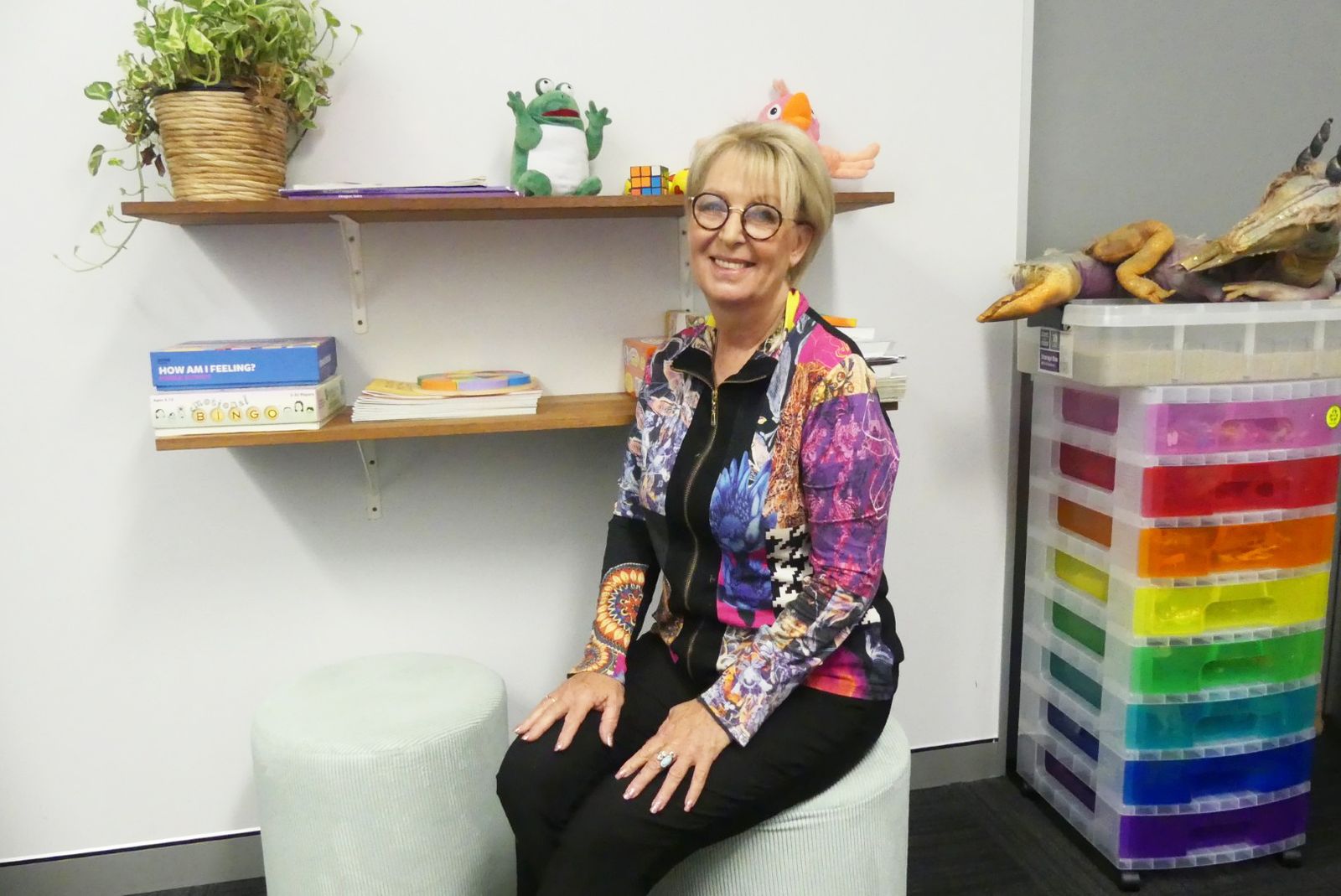
Anxiety is one of the most common mental health concerns, and it frequently drives behavioural patterns such as avoidance, reassurance-seeking and emotional withdrawal. While these behaviours reduce anxiety in the short term, they unintentionally strengthen it over time.
Behavioural change in anxiety focuses on skill-building rather than symptom elimination. The goal is not to remove anxiety entirely, but to help individuals tolerate uncertainty and discomfort without avoidance. The Royal Australian and New Zealand College of Psychiatrists suggest Cognitive Behavioural Therapy (CBT) is one of the best therapies for skill building for those with anxiety.
Avoidance teaches the brain that fear equals danger. Gradual exposure, when done safely and supportively, helps retrain the nervous system. Each time a person faces a feared situation and copes, their confidence and emotional capacity grow.
However, over-reassurance can unintentionally reinforce anxiety, while supportive encouragement fosters independence. Phrases such as “I know this is hard, and I believe you can manage it” promote resilience.
Teaching emotional literacy, problem-solving and regulation strategies strengthens long-term outcomes. Anxiety becomes manageable when people understand their body’s responses and learn how to respond differently. Changing the way we think about a situation changes the way we feel. CBT helps provide a structured way to skill build.
Behavioural change is most effective when anxiety is viewed not as a weakness, but as a signal for skill development. With the right support, you can learn to face challenges with confidence and adaptability.
For more information about managing anxiety and CBT visit my website https://www.personaltransitions.com.au/ or give me a call 0418708214.”NDIS FRIENDLY
Publishers Indemnity. Any individual or entity that places advertising, supplies copy material, or submits editorial content to Core Life Publishing agrees and undertakes to ensure that all such material:- Does not infringe upon any copyright, trademark, or other intellectual property rights;- Is free from any content that could be considered defamatory, libelous, or slanderous;- Does not infringe upon any rights related to privacy or breach of confidence;- Contains no obscene, indecent, or otherwise unlawful material;- Complies fully with the Trade Practices Act and all other applicable laws, regulations, or statutes.Furthermore, by submitting or placing such material, these individuals or entities agree to indemnify and hold harmless the publisher, Core Publishing and Events Pty Ltd, and/or its agents from and against any and all investigations, claims, demands, liabilities, damages, costs, or judgments arising out of or in connection with the material provided. All material is believed to be accurate at the time of printing and remains the copyright of Core Publishing and Events Pty Ltd.
© 2026 Mackay and Whitsunday Life Pty Ltd.