Independently Owned, Locally Grown, Community Loved


Around 100 locals attended a community forum last Wednesday night at Ocean International in Mackay, hosted by Federal Member for Dawson Andrew Wilcox MP, with special guest Senator Matthew Canavan, to discuss the implications of Australia’s Net Zero by 2050 target. The event focused on the views and concerns expressed by the speakers regarding the policy’s potential impact on energy, industry, and regional communities.
The forum provided an opportunity for attendees to engage with Wilcox and Canavan on the practical logistics, costs, and consequences of altering or abandoning the policy.
Senator Canavan opened by acknowledging the strong turnout and thanking Wilcox for his work in the region. Speaking on Net Zero, he described it as contributing to the closure of what he referred to as “reliable, affordable energy sources,” calling the pursuit an “obsessive” one.
He also shared his view that the term itself was largely rhetorical.
“This is a relatively new term… it was sort of cooked up, a marketing tool, the slogan, to try and convince people to cut back on emissions.”
Canavan outlined what he sees as the economic and practical shortcomings of the policy, telling the audience: “Net Zero is holding out our manufacturing industry. It's pushing up prices for everyday people. It's not even protecting the environment that it's reported to do. It's not really succeeding on any front.”
He also shared his perspective on electricity costs for manufacturing, comparing Australian rates with other countries, and expressed concern about the effects of carbon regulations on industry. The Senator described the federal safeguard mechanism as “just a euphemism for a carbon tax… the 200 largest emitting carbon industries… have to pay, and invariably do that by having to buy carbon credits.”
He warned that, in his view, such measures could discourage investment and affect jobs, adding: “Two taxes don’t make sense.”
Canavan also commented on Australia’s global contribution to emissions, suggesting that the policy would not significantly influence worldwide outcomes: “Even if you believe the most radical things… it’s just not going to help the world. Australia only contributes roughly one per cent of global emissions. Posing more costs is not going to help.”
He also raised concerns about land use and renewable energy infrastructure, stating that productive farmland and natural areas have been affected, in his perspective.
The forum concluded with discussions about policy alternatives, with Canavan advocating for a focus on domestic energy priorities, to: “Deliver the lowest possible electricity bills, and the lowest possible gas bills. That should be the number one goal. Not binding ourselves to get Net Zero by 2050.”
Wilcox reinforced these points, saying he believes the current Net Zero ideology imposes restrictions and costs that could harm productivity and competitiveness.
“We need to bring common sense back to the table. We cannot continue to sacrifice our standard of living for a global gesture that achieves nothing,” he said.
“It is time to put our nation, our jobs, and our regional communities first.”

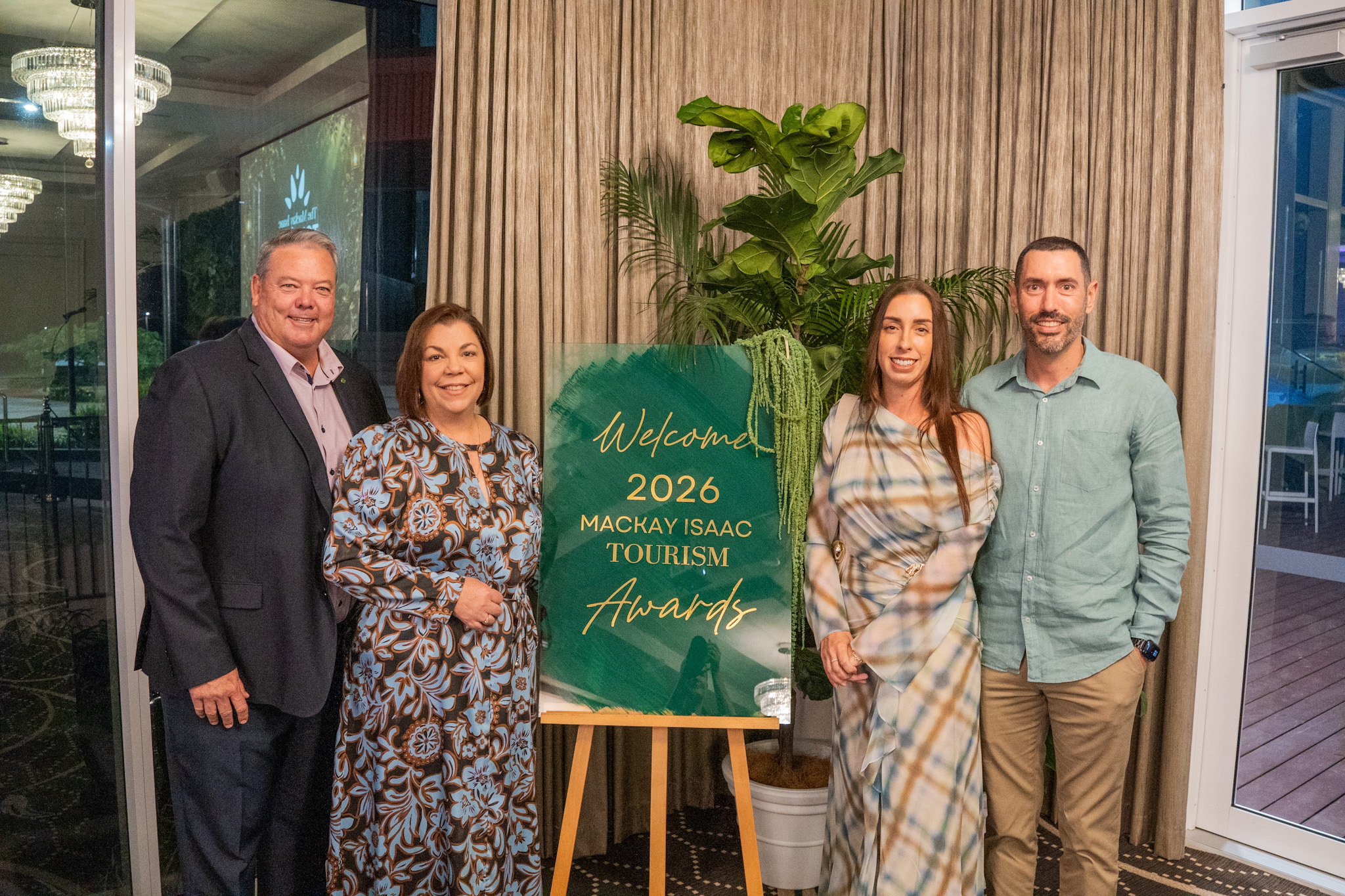
Locals attended a Mackay forum where Federal Member Andrew Wilcox and Senator Matthew Canavan shared their views and concerns about the potential economic and community impacts of Australia’s Net Zero by 2050 target. Photo credit: Hannah McNamara
Publishers Indemnity. Any individual or entity that places advertising, supplies copy material, or submits editorial content to Core Life Publishing agrees and undertakes to ensure that all such material:- Does not infringe upon any copyright, trademark, or other intellectual property rights;- Is free from any content that could be considered defamatory, libelous, or slanderous;- Does not infringe upon any rights related to privacy or breach of confidence;- Contains no obscene, indecent, or otherwise unlawful material;- Complies fully with the Trade Practices Act and all other applicable laws, regulations, or statutes.Furthermore, by submitting or placing such material, these individuals or entities agree to indemnify and hold harmless the publisher, Core Publishing and Events Pty Ltd, and/or its agents from and against any and all investigations, claims, demands, liabilities, damages, costs, or judgments arising out of or in connection with the material provided. All material is believed to be accurate at the time of printing and remains the copyright of Core Publishing and Events Pty Ltd.
© 2026 Mackay and Whitsunday Life Pty Ltd.