Independently Owned, Locally Grown, Community Loved
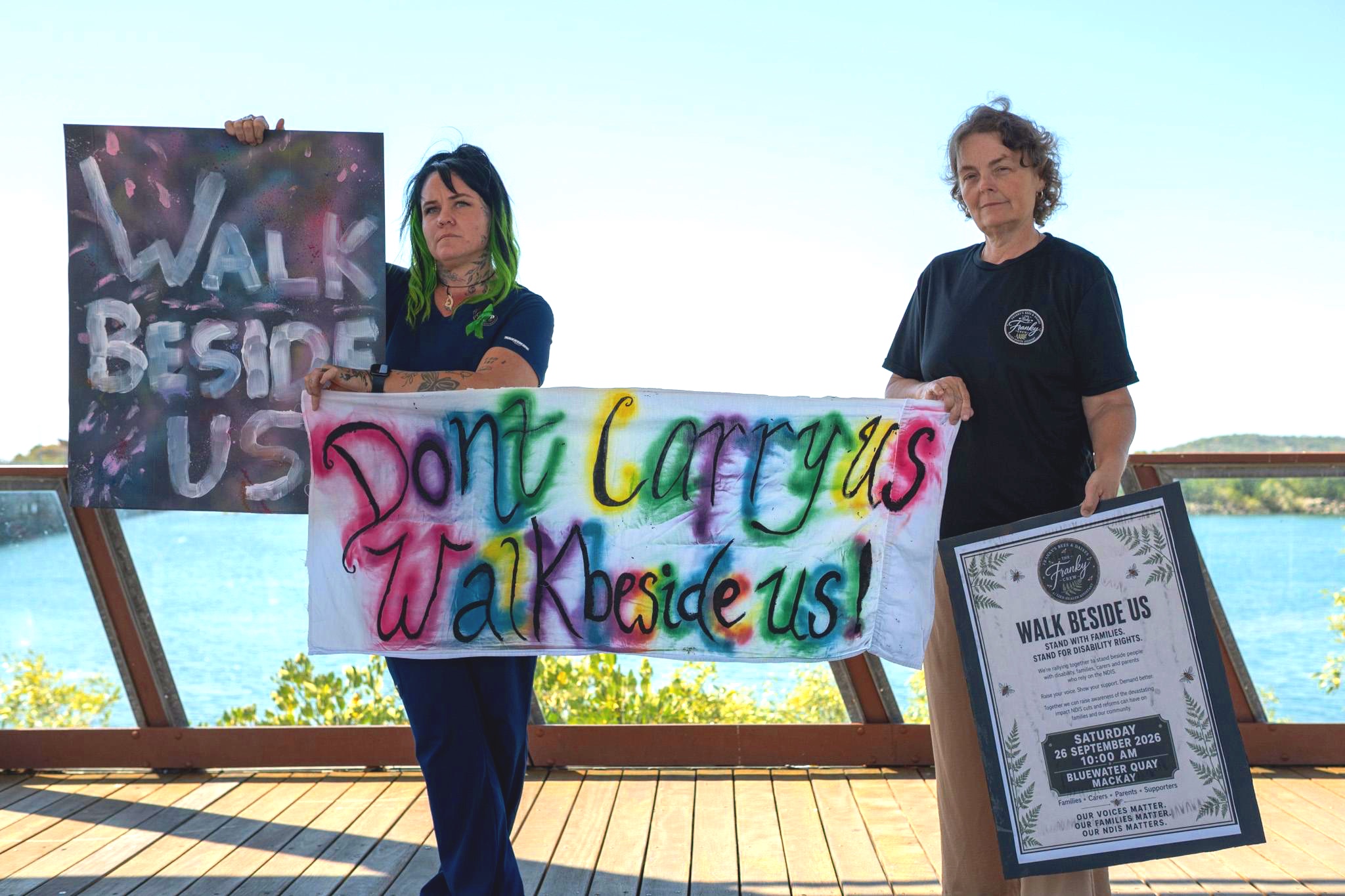


Sharon Ashman.
Anxiety can affect the way we think, feel, and respond to everyday experiences. It can create a cycle of worry, physical tension, avoidance, and reduced confidence.
While psychotherapy remains one of the most effective treatments for anxiety, research increasingly highlights the value of combining psychological strategies with regular exercise to support recovery and long-term wellbeing. Over the coming weeks we will explore why combination of psychotherapies and exercise gets the best results
Psychotherapy, such as Cognitive Behavioural Therapy (CBT), helps people understand the connection between thoughts, emotions, and behaviours. Through therapy, individuals learn to identify unhelpful thinking patterns, challenge anxious beliefs, develop coping strategies, and gradually face situations they may have been avoiding.
Exercise complements this process by supporting changes within the body and brain. Physical activity helps regulate stress hormones, improves mood-related chemicals such as serotonin and dopamine, and reduces physiological tension associated with anxiety.
Exercise can also help individuals become more comfortable with physical sensations linked to anxiety, such as an increased heart rate or faster breathing.
Together, psychotherapy and exercise create a powerful mind–body approach. Exercise does not need to involve intense workouts. Walking, swimming, yoga, gardening, cycling, or gentle strength training can all provide benefits. The goal is regular movement that feels achievable and sustainable.
For many people, recovery from anxiety is not about eliminating all anxious feelings, but learning that anxiety can be managed. Psychotherapy provides the tools, while exercise helps reinforce confidence, reduce stress, and reconnect people with their bodies.
“If you’d like more support in managing ADHD for yourself or your family, visit my website https://www.personaltransitions.com.au/ or give Cristie 0488667264 or me 0418708214.”

Publishers Indemnity. Any individual or entity that places advertising, supplies copy material, or submits editorial content to Core Life Publishing agrees and undertakes to ensure that all such material:- Does not infringe upon any copyright, trademark, or other intellectual property rights;- Is free from any content that could be considered defamatory, libelous, or slanderous;- Does not infringe upon any rights related to privacy or breach of confidence;- Contains no obscene, indecent, or otherwise unlawful material;- Complies fully with the Trade Practices Act and all other applicable laws, regulations, or statutes.Furthermore, by submitting or placing such material, these individuals or entities agree to indemnify and hold harmless the publisher, Core Publishing and Events Pty Ltd, and/or its agents from and against any and all investigations, claims, demands, liabilities, damages, costs, or judgments arising out of or in connection with the material provided. All material is believed to be accurate at the time of printing and remains the copyright of Core Publishing and Events Pty Ltd.
© 2026 Mackay and Whitsunday Life Pty Ltd.