Independently Owned, Locally Grown, Community Loved

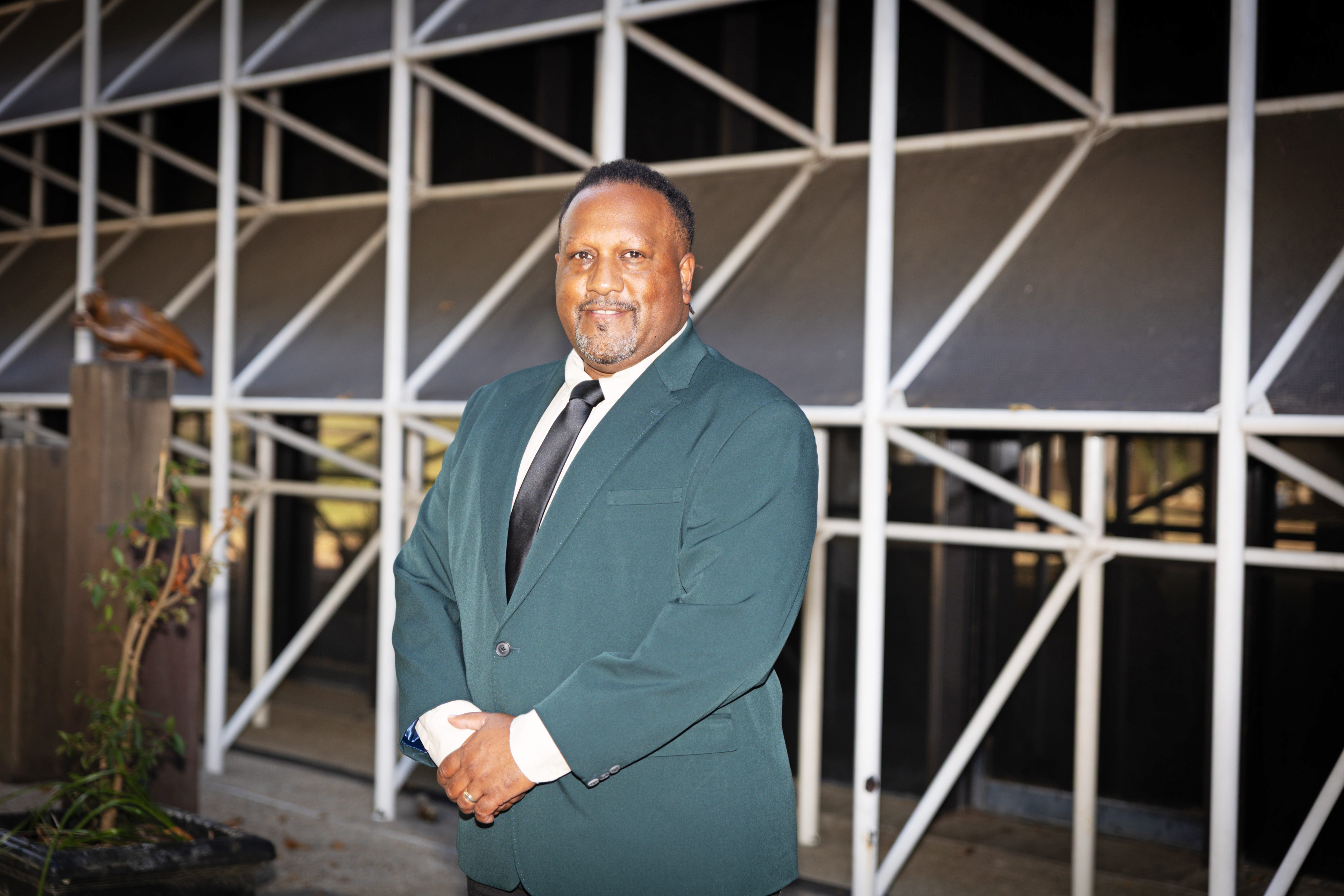
By Cr Namarca Corowa
When people think about council decisions, they often picture the vote, but the reality is quality decisions are built long before anyone enters the council chamber.
Think about buying a home. Very few people would inspect a property for five minutes and immediately sign the contract. Most of us would take time to look carefully, ask questions, compare options, speak with people we trust and reflect before making such a significant commitment.
Why? Because we know that good decisions are rarely rushed. Good decisions don't simply depend on the person making them. They also depend on the environment in which they're made.
Local government is no different.
Councils make decisions that affect thousands of people, our roads, parks, libraries, sporting facilities, planning, disaster recovery, community services and the long-term financial sustainability of our region. These are rarely simple choices with obvious answers.
That's why good governance isn't just about reaching a decision. It's about creating the conditions for good decision-making.
In my view, those conditions include timely access to important information, the opportunity to ask questions, enough time to consider different perspectives and an environment where respectful disagreement is welcomed rather than avoided.
Healthy disagreement is often evidence that people are taking their responsibilities seriously. When people with different experiences respectfully challenge one another's thinking, assumptions are tested, blind spots become visible and ideas are refined. The result isn't always agreement, but it is often a stronger decision.
The goal isn't consensus - it’s a shared understanding. Healthy deliberation doesn't eliminate disagreement it helps ensure that disagreement is informed, respectful and constructive.
We live in a world where negative news is constant. Social media, television and even everyday conversations can leave us believing that everything is broken. While it's important to acknowledge genuine challenges, it's equally important not to lose sight of the many good things happening around us.
Every day, volunteers give their time, community groups strengthen neighbourhoods, local businesses invest in our region, families support one another and countless acts of kindness happen without ever making the headlines.
If we only focus on what's wrong, we risk overlooking opportunities. If we only focus on what's right, we risk ignoring problems that need attention.
No council will ever have every answer, and no councillor will ever have perfect information. Leadership often requires making decisions with uncertainty. The challenge is finding the balance and having the conviction to make important decisions when the time comes.
Ultimately, our community doesn't elect councillors simply to vote. They elect us to ask questions, to hear the answer and consider the balance. They elect us to reflect our community’s voices. They ultimately elect us to think. That means creating an environment where understanding comes before judgement, where healthy disagreement is recognised as a strength, where optimism is grounded in reality and where thoughtful deliberation has the opportunity to occur before the vote is ever taken.
Publishers Indemnity. Any individual or entity that places advertising, supplies copy material, or submits editorial content to Core Life Publishing agrees and undertakes to ensure that all such material:- Does not infringe upon any copyright, trademark, or other intellectual property rights;- Is free from any content that could be considered defamatory, libelous, or slanderous;- Does not infringe upon any rights related to privacy or breach of confidence;- Contains no obscene, indecent, or otherwise unlawful material;- Complies fully with the Trade Practices Act and all other applicable laws, regulations, or statutes.Furthermore, by submitting or placing such material, these individuals or entities agree to indemnify and hold harmless the publisher, Core Publishing and Events Pty Ltd, and/or its agents from and against any and all investigations, claims, demands, liabilities, damages, costs, or judgments arising out of or in connection with the material provided. All material is believed to be accurate at the time of printing and remains the copyright of Core Publishing and Events Pty Ltd.
© 2026 Mackay and Whitsunday Life Pty Ltd.