Independently Owned, Locally Grown, Community Loved

Opinion Piece From the office of Federal Member for Dawson, Andrew Willcox
On July 1st, the Federal Government’s newly established National Environmental Protection Agency (NEPA) officially began operations. Armed with expanded auditing powers and the ability to issue immediate 14-day "stop work" orders, this new federal body has the ability to enforce massive new financial penalties under a radically altered Environment Protection and Biodiversity Conservation (EPBC) Act, with corporate fines skyrocketing up to $16.5 million.
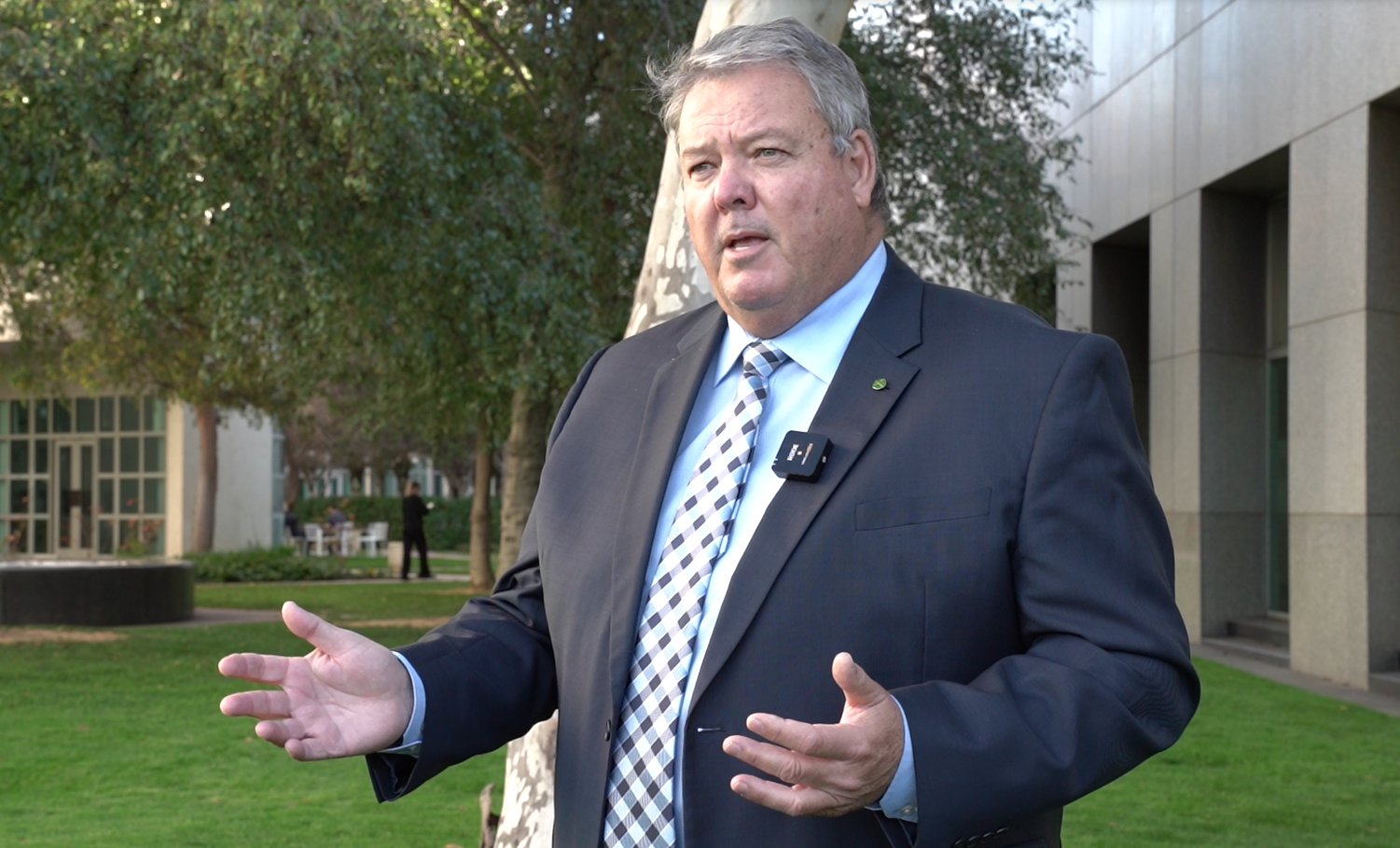
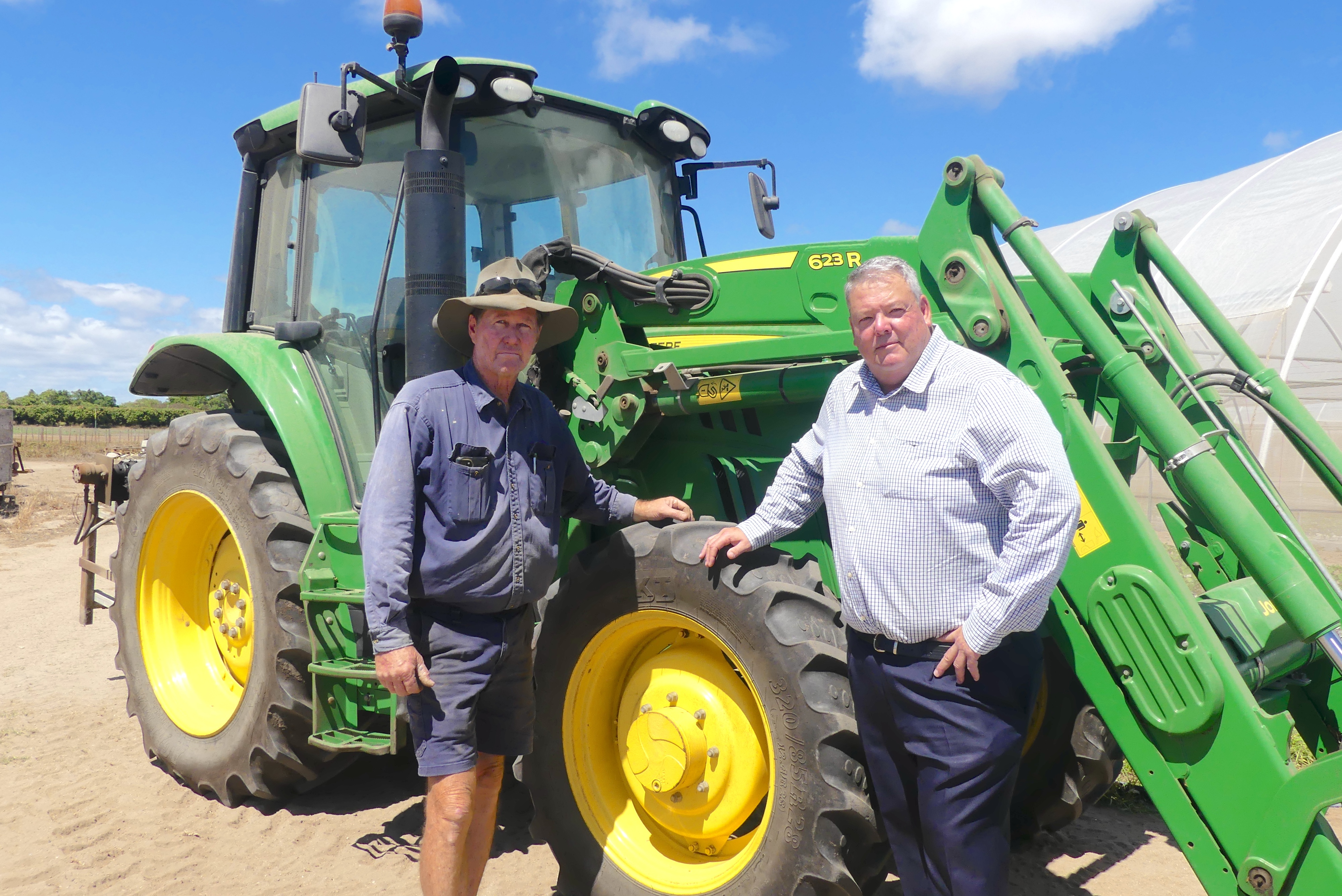
"Our local cane farmers are being forced into a bureaucratic nightmare by a government completely detached from the realities of food production," Mr Willcox said.
"I have local landowners coming into my office who are trying to manage and expand their crops on Category X land. They have done the right thing, yet they are being bullied by federal department officials who tell them their land is 'under investigation' without providing a single solid reason why. It is an absolute joke.
"Labor has rushed these laws through to secure a political win with the Greens, completely altering the 'continuous use' exemption. Now, if a farmer has regrowth older than 15 years, or if they are within 50 metres of a watercourse in the Great Barrier Reef catchment, routine activities like clearing scrub, or building firebreaks are suddenly treated like a potential federal offense."
To combat this broader federal assault on regional productivity, the Coalition has announced it will lodge a coordinated Notice of Motion to disallow the Carbon Credits Methodology Determination 2026.
Mr Willcox warned that this strategy of locking up agricultural land for carbon offsetting represents a dangerous precedent, running alongside Labor's broader plan to lock up an additional 39 million hectares of land, nearly twice the size of Victoria, to meet its 2030 targets.
"Locking up this land completely destroys its productivity, abandoning active land management and turning prime agricultural acreage into a weed-ridden haven for feral pests, like wild pigs, to breed," Mr Willcox said.
"Our local sugar mills are already locked in a severe battle against block encroachment, which is steadily reducing the total hectares of cane being grown in our region.
"A sugar mill requires a strict, massive volume of cane to remain operationally and financially viable. If our farmers are stopped from clearing their Category X land to open up new cane blocks, the total tonnage will drop below that critical threshold, and the mills will simply close.
"The profit margins for our cane farmers are incredibly slim. If a local mill shuts down, it becomes entirely cost-prohibitive to transport harvested cane to a mill further away. The transport costs alone will wipe out any return, meaning all the surrounding sugar cane farms will have to stop farming completely.
"Hundreds of landowners across this country are facing this exact same bureaucratic freeze, and it is stifling production, damaging local economies, and threatening national food security.
“Our farmers need practical support and regulatory certainty, not a centralised, Canberra-based environmental police force strangling their productivity."
Publishers Indemnity. Any individual or entity that places advertising, supplies copy material, or submits editorial content to Core Life Publishing agrees and undertakes to ensure that all such material:- Does not infringe upon any copyright, trademark, or other intellectual property rights;- Is free from any content that could be considered defamatory, libelous, or slanderous;- Does not infringe upon any rights related to privacy or breach of confidence;- Contains no obscene, indecent, or otherwise unlawful material;- Complies fully with the Trade Practices Act and all other applicable laws, regulations, or statutes.Furthermore, by submitting or placing such material, these individuals or entities agree to indemnify and hold harmless the publisher, Core Publishing and Events Pty Ltd, and/or its agents from and against any and all investigations, claims, demands, liabilities, damages, costs, or judgments arising out of or in connection with the material provided. All material is believed to be accurate at the time of printing and remains the copyright of Core Publishing and Events Pty Ltd.
© 2026 Mackay and Whitsunday Life Pty Ltd.