Independently Owned, Locally Grown, Community Loved


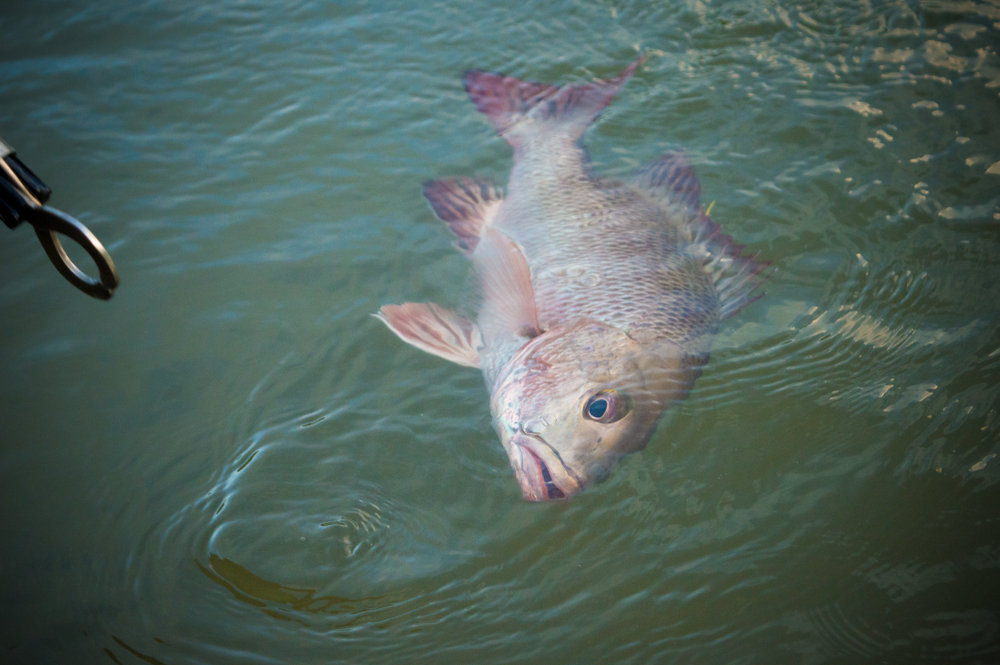
Freshwater ecosystems are facing growing pressure from climate change, invasive species, declining water quality and habitat degradation, with researchers warning some native fish species are at risk of extinction. Photo source: Queensland.com
Australia’s freshwater fish are facing an escalating extinction threat, with new research highlighting the growing pressure on waterways from invasive species, climate change and declining water quality.
Researchers from James Cook University and Griffith University assessed 22 rare and threatened Australian freshwater fish species, drawing on published research and the knowledge of regional aquatic specialists.
The study found invasive species, habitat degradation, altered river flows and climate change were among the most significant threats to native fish populations, while crossbreeding between introduced and native species was also identified as a concern.
James Cook University Principal Research Officer Dr Aaron Davis, a co-author of the study, said freshwater ecosystems were experiencing significant biodiversity loss.
"Modern extinction rates for freshwater fish are more than 100 times higher than natural extinction rates. Globally, nearly one-third of freshwater fish species are at risk of extinction, while an estimated 37% of Australian freshwater fish species are threatened," Dr Davis said.
Rainbowfish and cling gobies were among the species identified as facing the greatest risk, with several classified as being at high or very high risk of extinction.
Dr Davis said some species were particularly vulnerable because their entire populations could be confined to small catchments.
“So, their entire global population is extremely vulnerable to a range of potential catastrophic events like pollution, a major landslide upstream filling up instream habitats, a heatwave or hypoxic (low dissolved oxygen) event, or the introduction of a feral species, affecting the entire population. An event like this, which can be very local, and certainly do occur, can wipe out an entire species.”
The researchers are calling for stronger protection and restoration of critical habitat, improved riparian vegetation management, invasive species control, and targeted translocation and captive breeding programs.
"If we don't move quickly, we risk losing species found nowhere else on Earth," Dr Davis said.

Publishers Indemnity. Any individual or entity that places advertising, supplies copy material, or submits editorial content to Core Life Publishing agrees and undertakes to ensure that all such material:- Does not infringe upon any copyright, trademark, or other intellectual property rights;- Is free from any content that could be considered defamatory, libelous, or slanderous;- Does not infringe upon any rights related to privacy or breach of confidence;- Contains no obscene, indecent, or otherwise unlawful material;- Complies fully with the Trade Practices Act and all other applicable laws, regulations, or statutes.Furthermore, by submitting or placing such material, these individuals or entities agree to indemnify and hold harmless the publisher, Core Publishing and Events Pty Ltd, and/or its agents from and against any and all investigations, claims, demands, liabilities, damages, costs, or judgments arising out of or in connection with the material provided. All material is believed to be accurate at the time of printing and remains the copyright of Core Publishing and Events Pty Ltd.
© 2026 Mackay and Whitsunday Life Pty Ltd.

.jpg)