Independently Owned, Locally Grown, Community Loved


Photos supplied by Proserpine State High School.
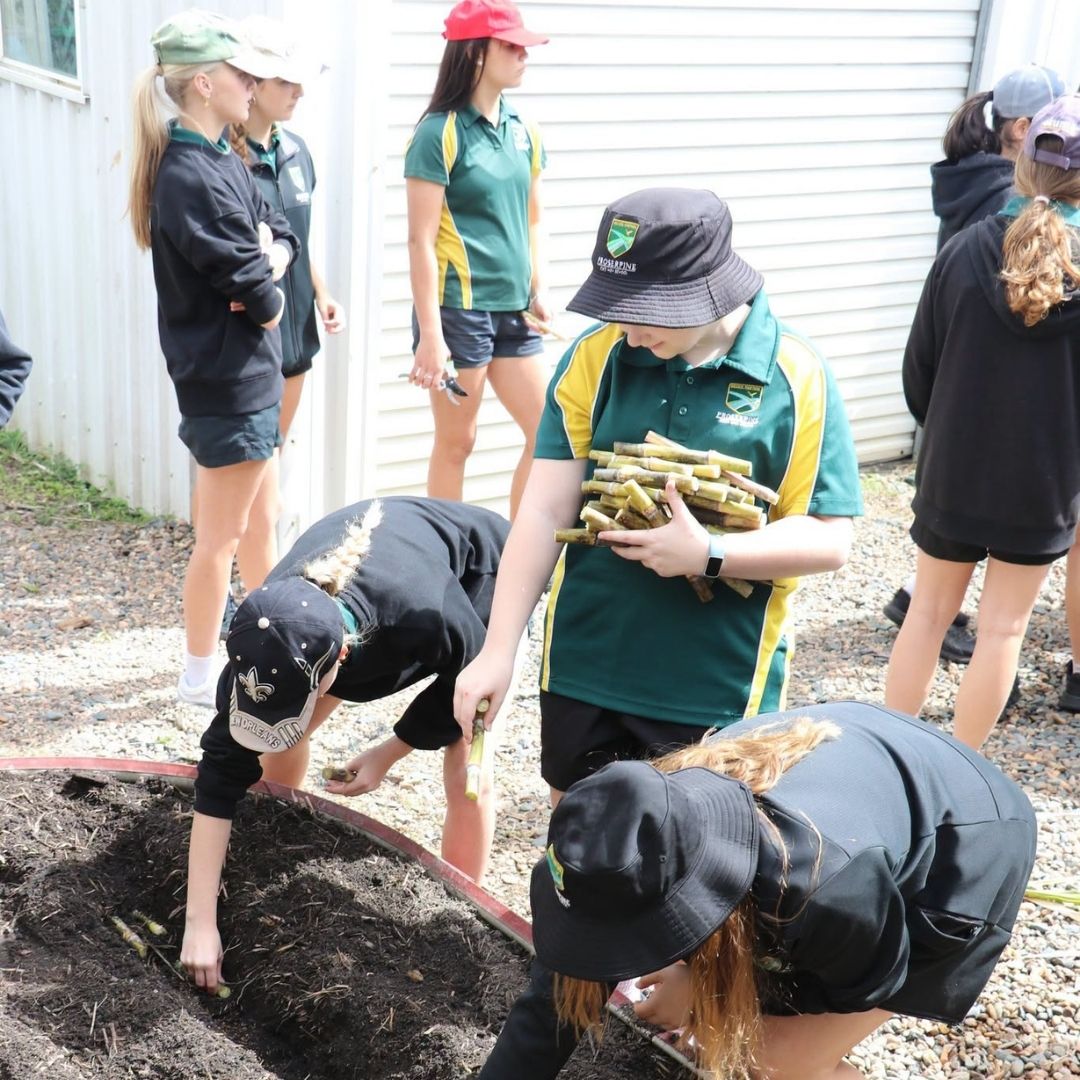
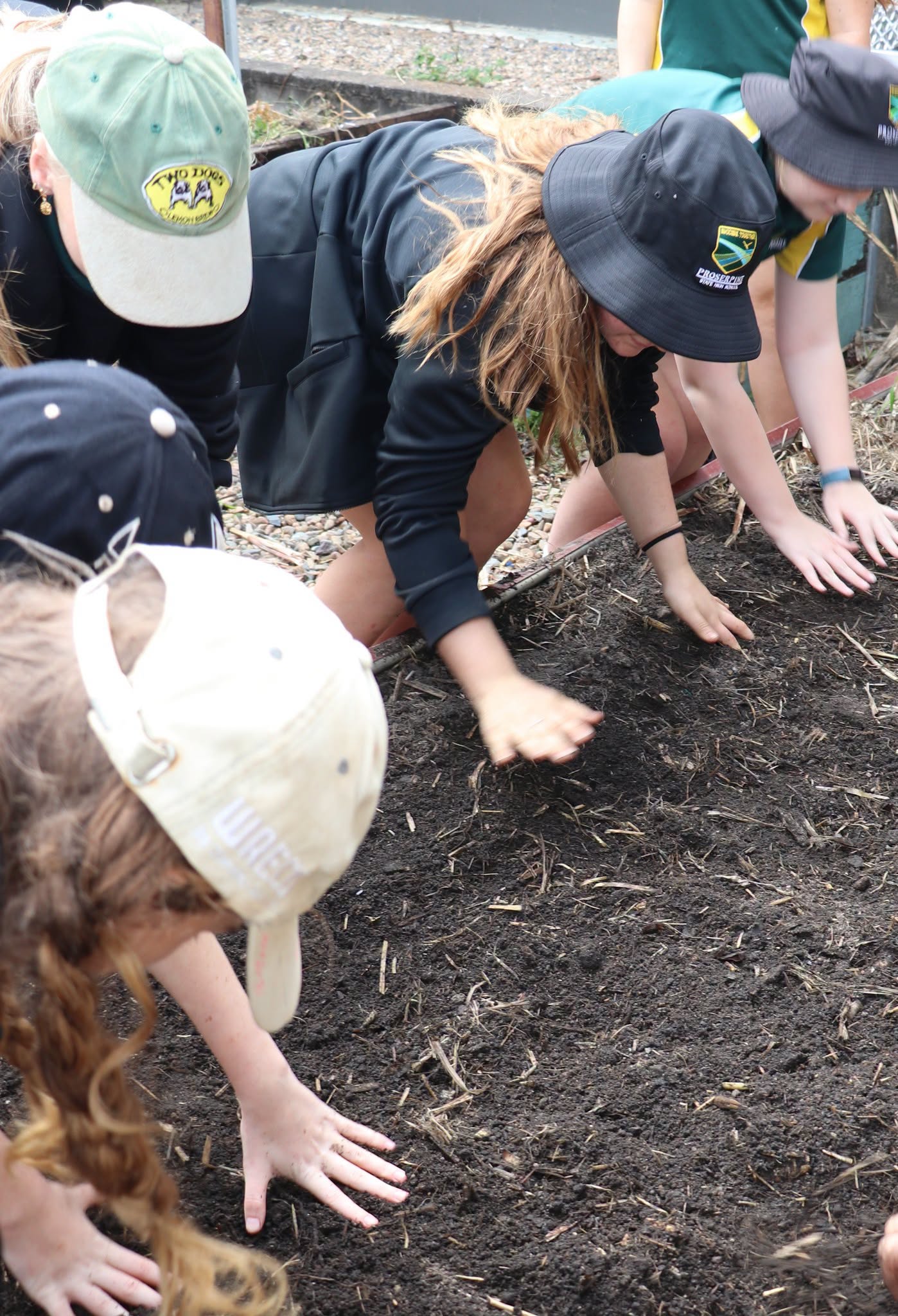
Proserpine State High School’s Grade 10 agriculture students have traded their textbooks for the cane patch, planting a new sugar crop they will care for over the next year.
With help from Canegrowers Proserpine representatives Luke Valmadre and Jess Harrison, the students got their hands dirty preparing and planting the cane, which they will care for and monitor before its sweetness is put to the test next year in the Sweetest Cane Competition.
“It’s about exposing students to what we do in the agricultural sector and giving them an understanding of what happens on the sugar cane farms surrounding their schools,” said Canegrowers Proserpine’s Brendan Northard.
“It helps bridge the gap between the towns and the farms around them, while hopefully sparking an interest in the industry.”
The Sweetest Cane Competition invites schools from across the district to plant and manage their own sugar cane crops on school grounds, with students involved throughout the growing process.
When the cane is ready, its sugar content is tested to determine which school has produced the sweetest crop, giving students a practical look at how local growers are rewarded for the quality of their cane.
“It’s a great opportunity for the students to learn about what’s actually in their own backyard and make that real-life connection from the raw product through to the finished product,” Proserpine State High School Ag Assistant Gayle Watts said.
“They also learn that the industry is not just about plants and animals, but the many different jobs associated with agriculture.”
Over the coming year, several agriculture classes will share responsibility for the crop, with each group taking on a different stage of the growing process.
Students will move from preparing and planting the cane to fertilising and monitoring its growth before harvesting, juicing and testing it for sugar content ahead of the competition.
“We’ve got the teachers, a mentor farmer who grows cane commercially, an agronomist and Canegrowers staff all involved,” Mr Northard said.
“It gives the students a bigger picture of what happens across the industry, rather than only teaching them how to grow the cane.”
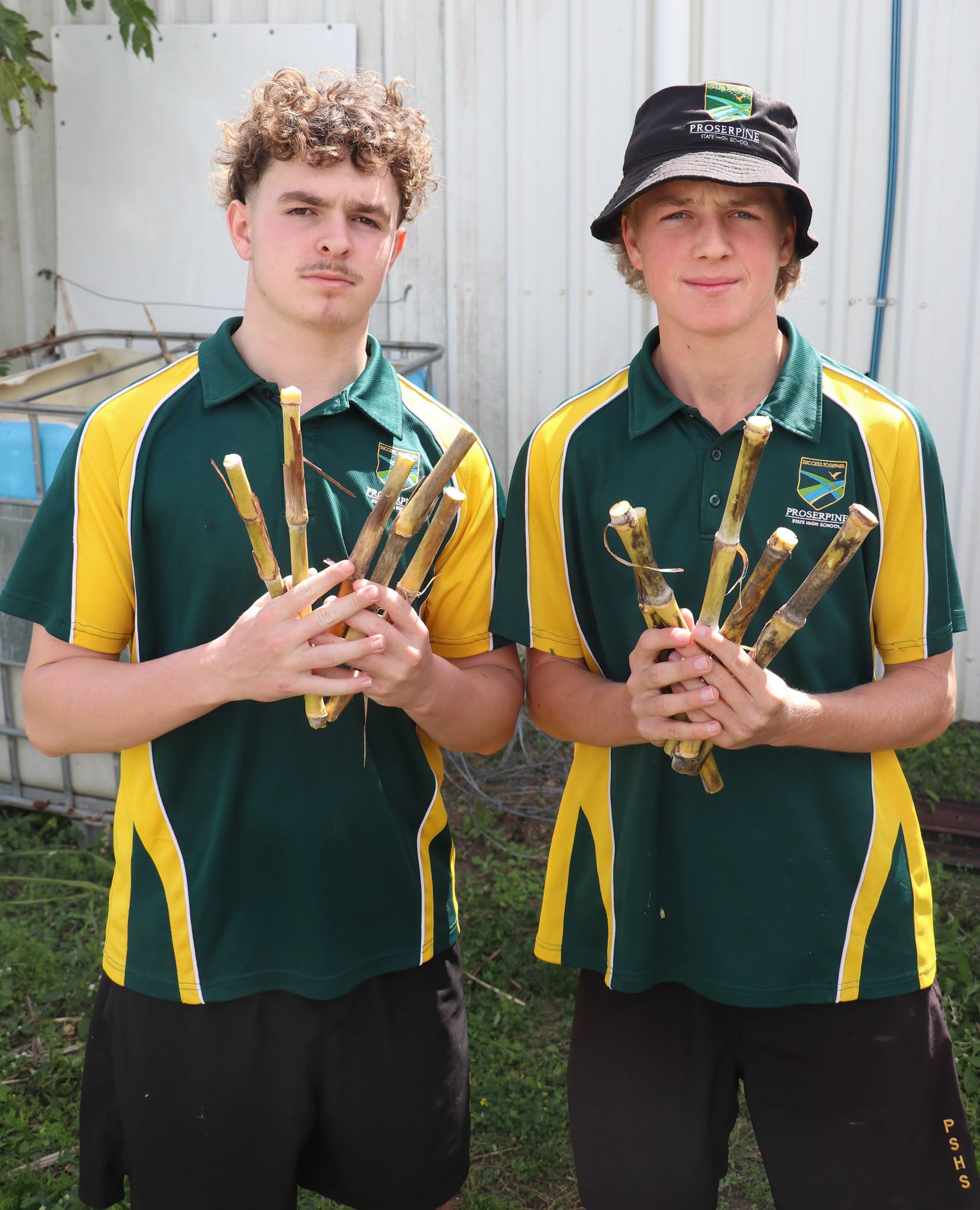
While different students will be involved along the way, each class will be able to check on the crop’s progress and take ownership of the work completed by those before them.
“It means plenty of new faces come through and get involved, so the program gives a lot of students an awareness of the industry,” Ms Watts said.
“They can look back on the work completed by earlier classes, check how the cane is growing and take some ownership of the crop themselves.”

Publishers Indemnity. Any individual or entity that places advertising, supplies copy material, or submits editorial content to Core Life Publishing agrees and undertakes to ensure that all such material:- Does not infringe upon any copyright, trademark, or other intellectual property rights;- Is free from any content that could be considered defamatory, libelous, or slanderous;- Does not infringe upon any rights related to privacy or breach of confidence;- Contains no obscene, indecent, or otherwise unlawful material;- Complies fully with the Trade Practices Act and all other applicable laws, regulations, or statutes.Furthermore, by submitting or placing such material, these individuals or entities agree to indemnify and hold harmless the publisher, Core Publishing and Events Pty Ltd, and/or its agents from and against any and all investigations, claims, demands, liabilities, damages, costs, or judgments arising out of or in connection with the material provided. All material is believed to be accurate at the time of printing and remains the copyright of Core Publishing and Events Pty Ltd.
© 2026 Mackay and Whitsunday Life Pty Ltd.