Independently Owned, Locally Grown, Community Loved
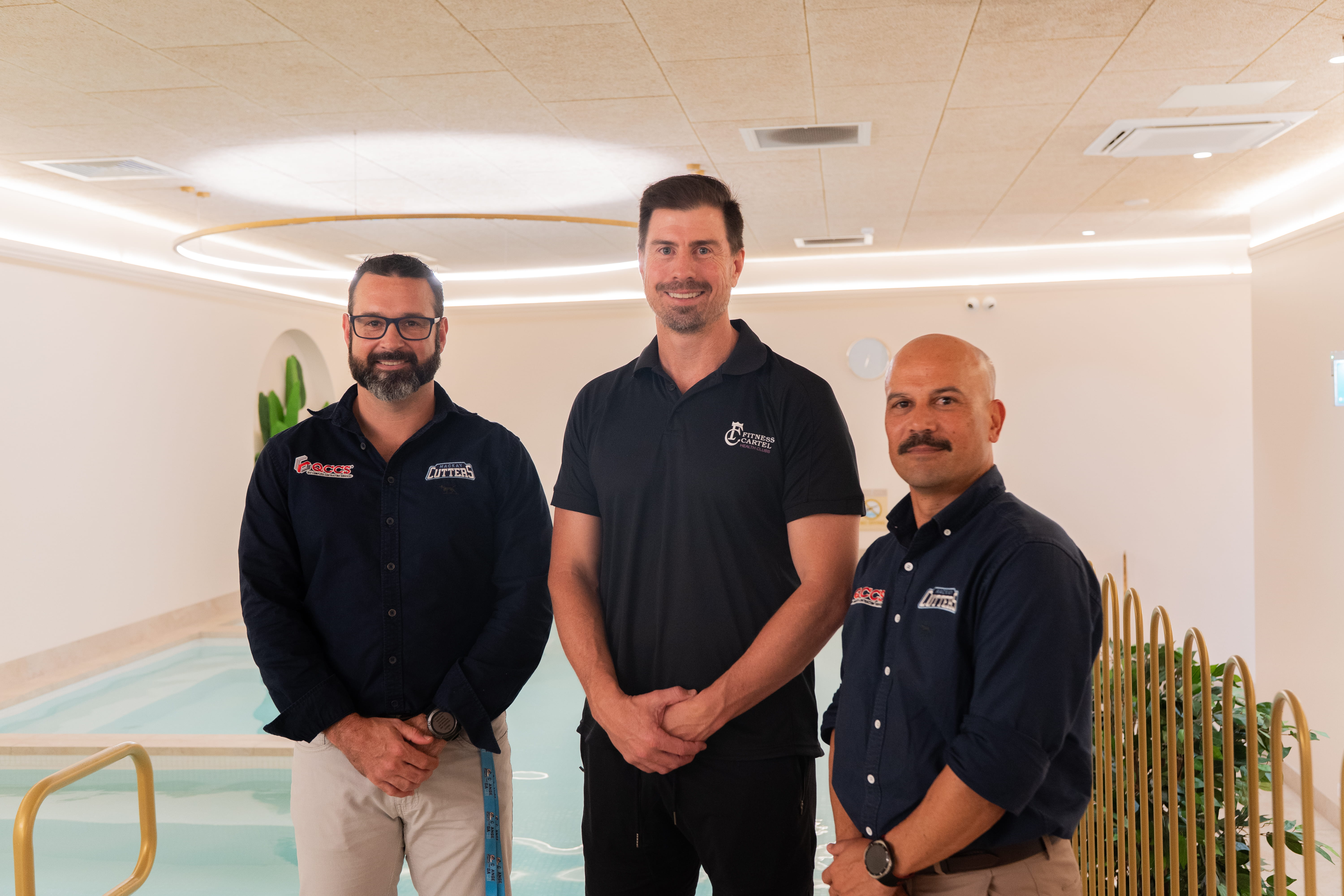
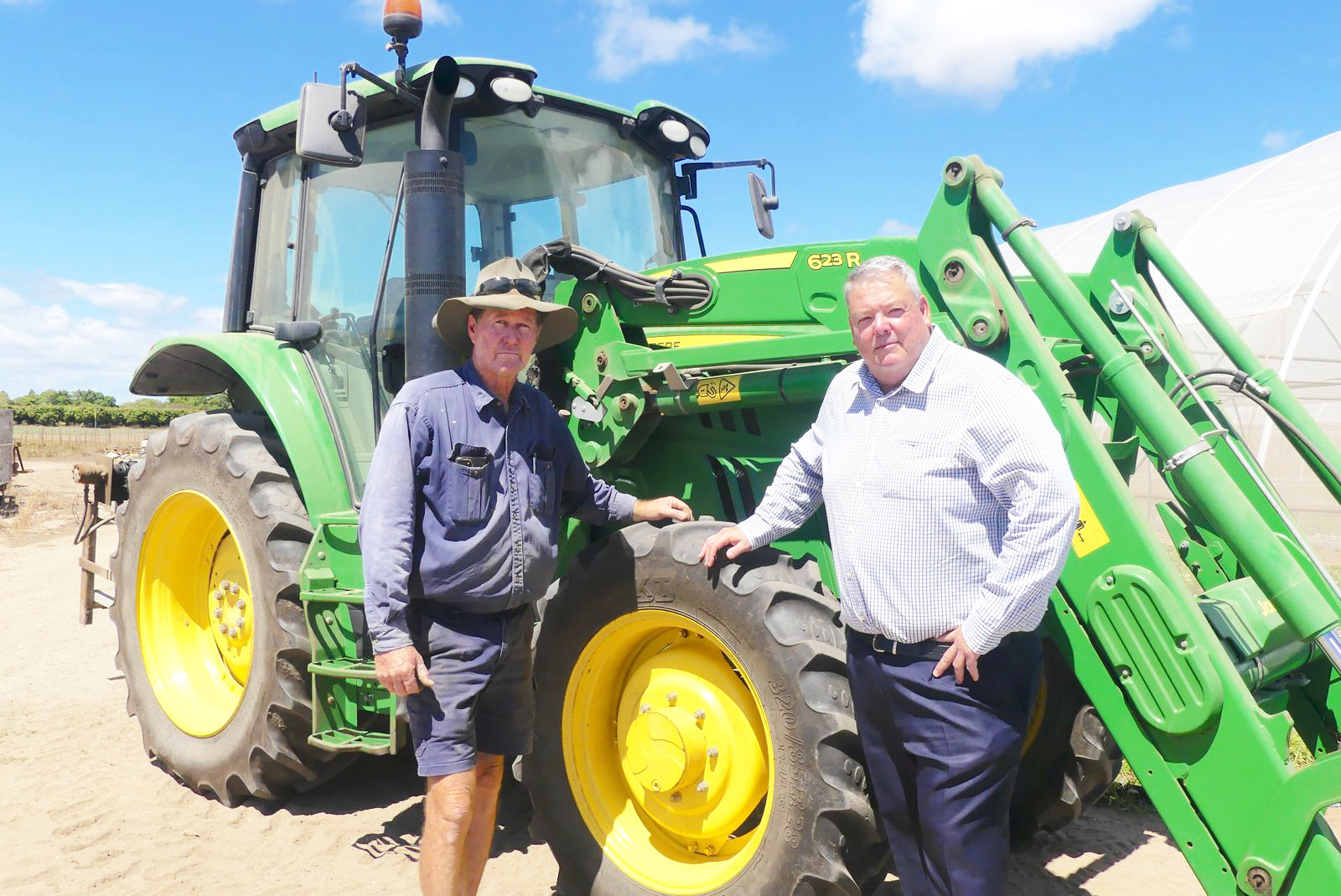
Carl Walker and Andrew Willcox. Photo Credit: Zach Houtenville
By Zach Houtenville
The Whitsundays can breathe a little easier after the federal government wound back its September working holiday visa crackdown, following pressure from industries warning the changes would leave them short of workers.
The revised changes maintain an increase of requirements for regional work, with backpackers seeking a second year now needing to complete 120 days of regional work, up from 88.
Completing that work would not guarantee their next visa, but make them eligible to enter the proposed Next Year Regional Work Guarantee Ballot, where places would be allocated through a draw. This was announced in the original September proposal, but the ballot’s introduction has now been delayed until 1st March next year.
Backpackers who complete their required regional work before that date will remain subject to the current existing rules.
The changes to the proposal follow months of pressure from agriculture, tourism and hospitality groups, with Home Affairs Minister Tony Burke telling the ABC that industry consultation had helped shape the revised package.
Mayor of the Whitsundays Ry Collins called the reversal “a win for regional Queensland and the power of collaborative advocacy.”
“It’s not everything we advocated for, but I acknowledge the Federal Government for listening and correcting the course - although better consultation could have avoided the uncertainty,” he said.
Federal Member for Dawson Andrew Willcox said he was proud of his electorate for speaking up.
However, he believes the government needs to go further by dropping the proposed ballot for second- and third-year visa places, arguing businesses cannot plan their workforce around the outcome of a draw.
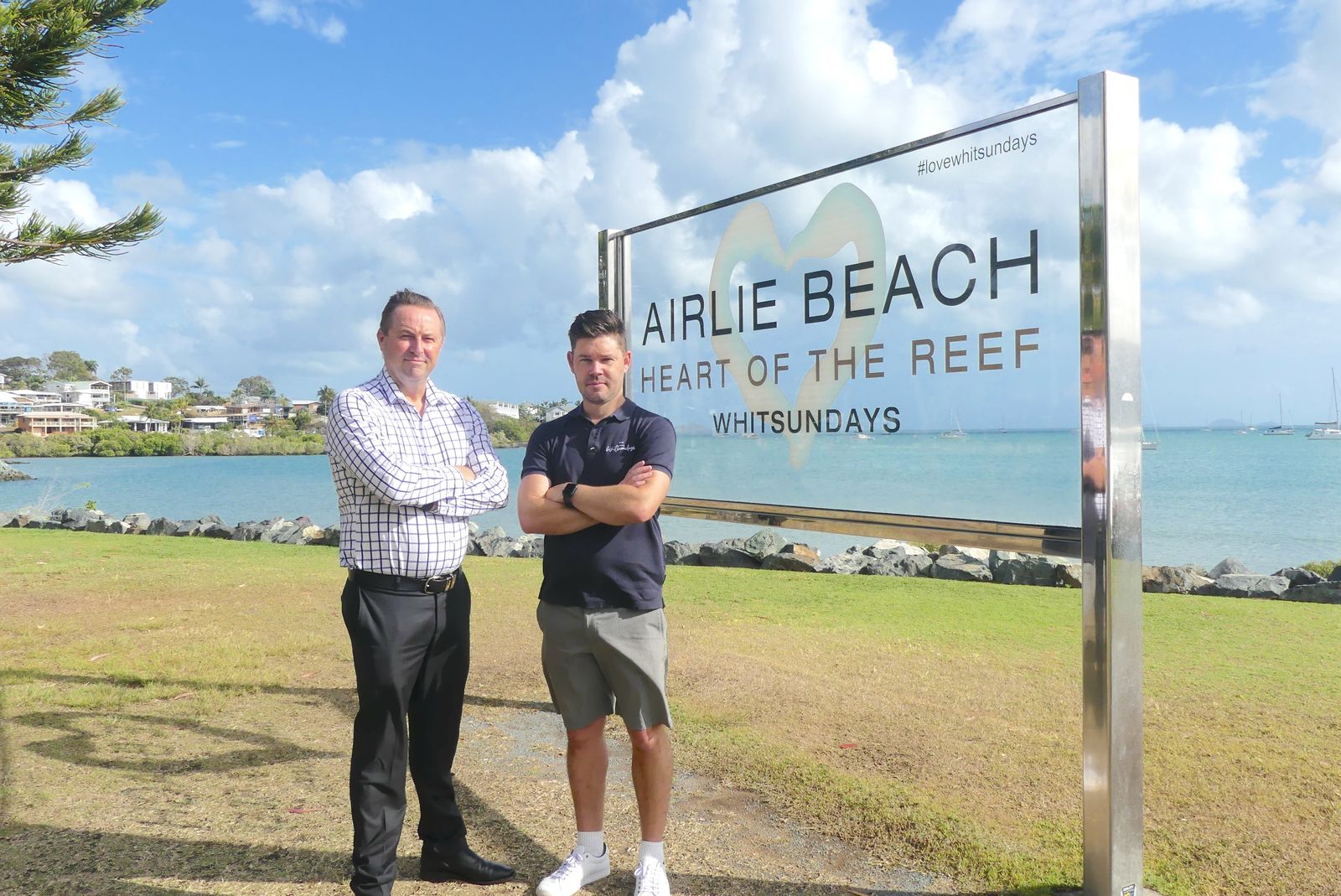
“I’m pleased with where the government’s going with this, but it needs to go further,” Andrew said.
“These businesses plan months ahead, invest their own money and depend on having staff when demand arrives.
“You can’t run a busy tourism season in the hope that enough workers might win the raffle.
“I’m calling on the government to just leave everything as it was, because our main industries deserve it.”
Tourism Whitsundays CEO Tim Booth said the revised proposal was a step in the right direction for local tourism operators, with the extra days of regional work potentially helping businesses keep staff for longer.
“What we think this will lead to for businesses is longer-term security,” he said.
“We know that we are a desired destination for workers to want to come and work from while they're travelling around Australia.
“So hopefully that will help businesses have staff stay for a longer period of time as well.”
Local Bowen capsicum farmer of 30 years and Chairman of the NQ Farmers Association Carl Walker also expressed relief at the changes but still sees flaws in the revised proposal, arguing that increasing the length of time backpackers are available doesn’t relieve the shortage of hands come harvesttime.
“Look, I think it’s great they’re increasing it from 88 days to 120,” Carl said.
“The only problem is they’re increasing the man hours, but if you need 50 people to run your farm and can only find 40, it doesn’t matter how many hours they can work a day.
“You’ve only got 40 people, but you still need 50. It’s like having 10 buses and nine bus drivers.”
Publishers Indemnity. Any individual or entity that places advertising, supplies copy material, or submits editorial content to Core Life Publishing agrees and undertakes to ensure that all such material:- Does not infringe upon any copyright, trademark, or other intellectual property rights;- Is free from any content that could be considered defamatory, libelous, or slanderous;- Does not infringe upon any rights related to privacy or breach of confidence;- Contains no obscene, indecent, or otherwise unlawful material;- Complies fully with the Trade Practices Act and all other applicable laws, regulations, or statutes.Furthermore, by submitting or placing such material, these individuals or entities agree to indemnify and hold harmless the publisher, Core Publishing and Events Pty Ltd, and/or its agents from and against any and all investigations, claims, demands, liabilities, damages, costs, or judgments arising out of or in connection with the material provided. All material is believed to be accurate at the time of printing and remains the copyright of Core Publishing and Events Pty Ltd.
© 2026 Mackay and Whitsunday Life Pty Ltd.