Independently Owned, Locally Grown, Community Loved

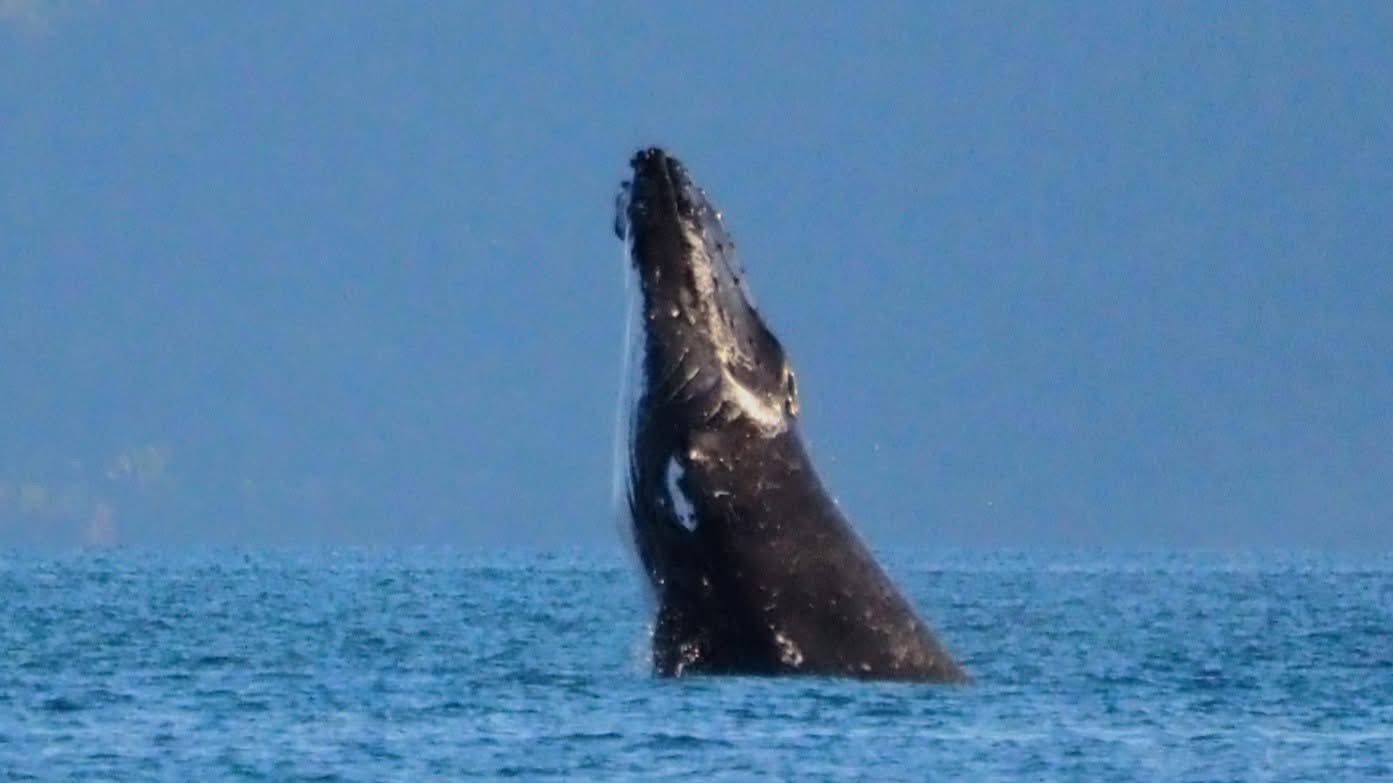
Whale from last season breaching. Photo supplied
By Zach Houtenville
As whales return to Whitsunday waters for another migration season, a newly deployed underwater hydrophone will quietly listen around the clock, helping researchers learn more about the gentle giants and the marine environment they call home.
It's that time of year when humpback whales begin returning to Whitsunday waters, with their tell-tale spouts once again appearing off the coast. While sightings have been slower than usual, strong winds are believed to be the reason.
“There's been a few sightings, but not as many as usual. However, we've had a lot of extreme wind,” said Kellie Leonard, Master Reef Guide and Whale of the Whitsundays member.
Despite the slow start, Kellie is confident the season will soon pick up and potentially be better than the years before.
“It seems that year on year the numbers are increasing,” Kellie said.
“The Whitsundays is a wild heritage site and that's because It's a major birthing ground.
“So a lot of the whales that are here first are the pregnant females who are looking to find a place where they're actually going to give birth and then they stay in that area for a few weeks afterwards.”
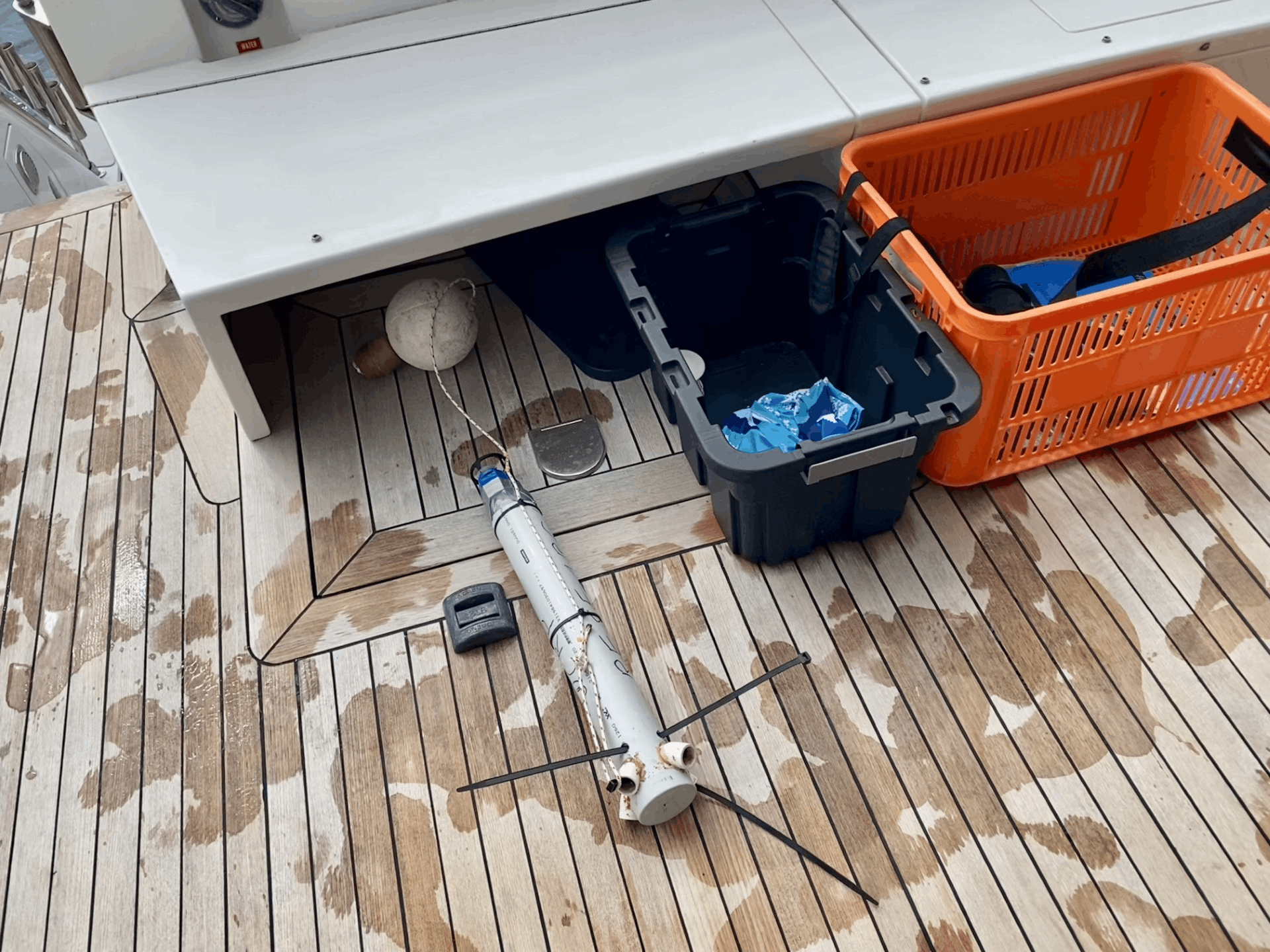
This has led to Dr Olaf Meynecke, who heads up the Whale & Climate Program at Griffith University, to partner with Whales of the Whitsundays and google AI, to come back for their second year to conduct their acoustic research on the East Coast humpback whale migration using hydrophone technology.
The technology was dropped into the ocean last week, and will use data recorded from the sounds and songs of the whales to judge the health of the ecosystem, map migration patterns, mating calls and competitive behaviours.
“It'll be down until October and then we'll go back down and retrieve it,” said Kellie.
“It can give us an idea of these other species of whales around or what's actually in the ocean that you might not normally see.”
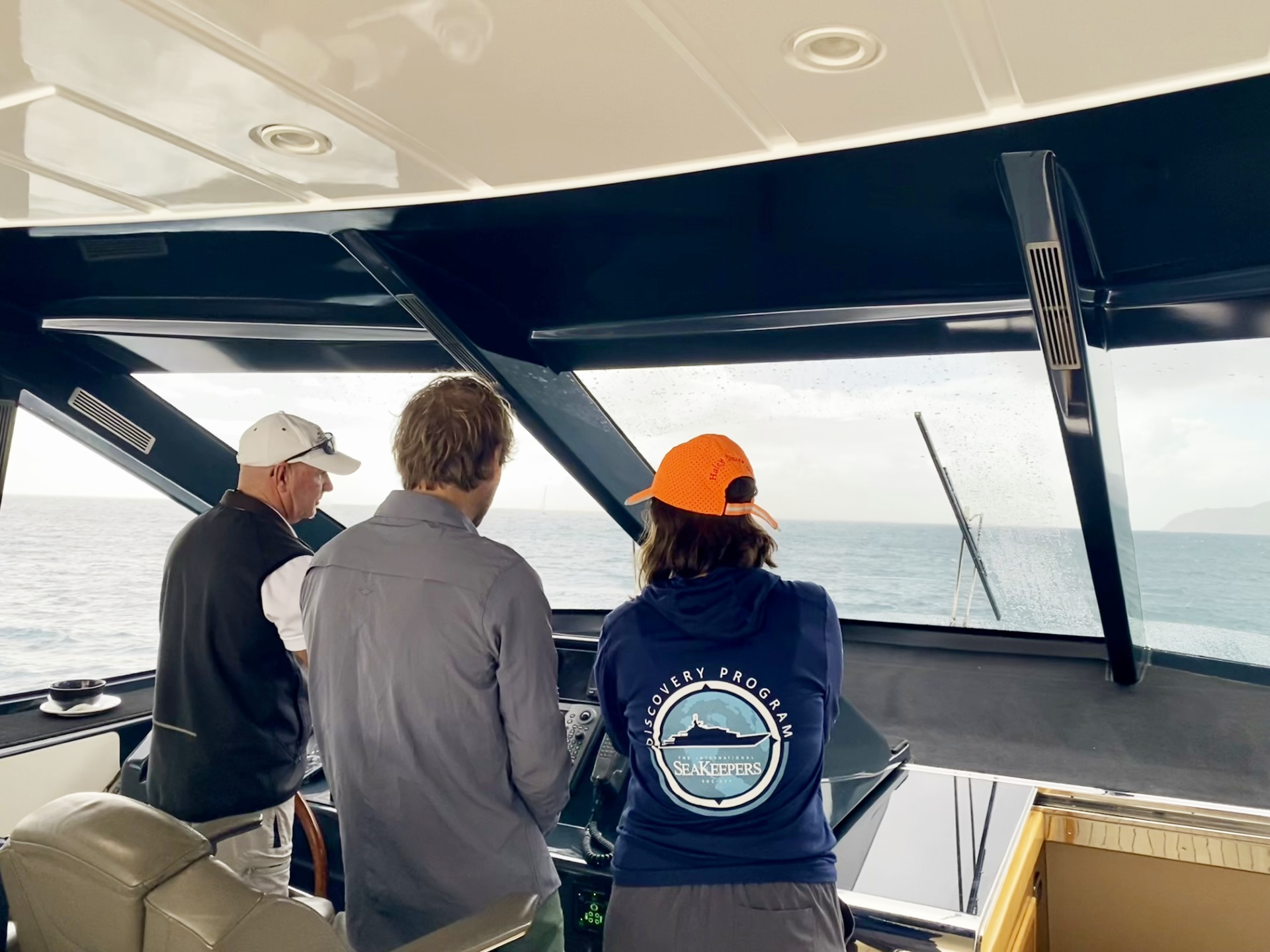
This is one of eight that have been deployed on the east coast from Batemans Bay to the Ribbon Reefs off Cooktown.
Last year's project generated more than 10 terabytes of data across 55,000 recordings, helping train Google AI to identify whale vocalisations and other marine life.
As the 2026 migration continues, researchers hope this year’s hydrophone will add more valuable recordings to the mix, helping protect one of Australia's most important humpback whale habitats while ensuring future generations can continue to experience the annual migration.
Publishers Indemnity. Any individual or entity that places advertising, supplies copy material, or submits editorial content to Core Life Publishing agrees and undertakes to ensure that all such material:- Does not infringe upon any copyright, trademark, or other intellectual property rights;- Is free from any content that could be considered defamatory, libelous, or slanderous;- Does not infringe upon any rights related to privacy or breach of confidence;- Contains no obscene, indecent, or otherwise unlawful material;- Complies fully with the Trade Practices Act and all other applicable laws, regulations, or statutes.Furthermore, by submitting or placing such material, these individuals or entities agree to indemnify and hold harmless the publisher, Core Publishing and Events Pty Ltd, and/or its agents from and against any and all investigations, claims, demands, liabilities, damages, costs, or judgments arising out of or in connection with the material provided. All material is believed to be accurate at the time of printing and remains the copyright of Core Publishing and Events Pty Ltd.
© 2026 Mackay and Whitsunday Life Pty Ltd.