Independently Owned, Locally Grown, Community Loved


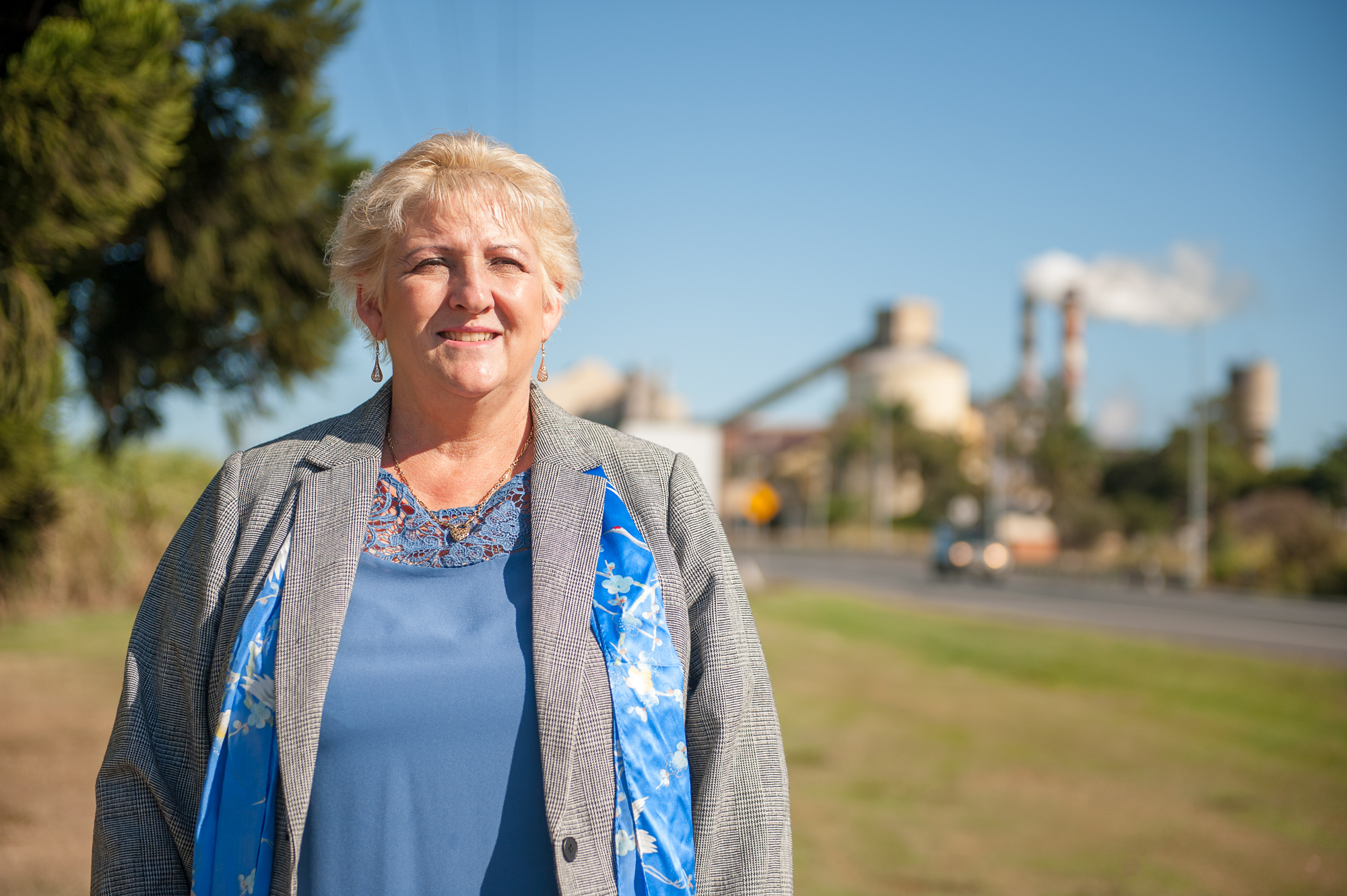
By Michelle Landry MP, Federal Member for Capricornia
Small businesses are the engine room of our economy, but many across Central Queensland could be forgiven for wondering whether Canberra understands just how difficult it is to keep their doors open.
Everywhere I go, business owners tell me about rising power bills, insurance, wages, rent, supplies and compliance costs.
Now they face another challenge following the removal of card surcharges.
While customers will no longer see a separate surcharge at the checkout, the cost of processing transactions does not simply disappear. Businesses still pay those costs and, where they cannot be absorbed, they inevitably put further pressure on margins and prices.
Then came the Australian Taxation Office’s decision to stop accepting credit card payments rather than absorb merchant costs itself.
The irony should not be lost on anyone.
If the Government’s own tax collector is unwilling to absorb these costs, how does Canberra expect a family-run café, butcher, tradie or retailer to do it?
There cannot be one standard for Canberra and another for the corner store.
Meanwhile, as temperatures rise, Central Queensland’s tourism and hospitality businesses should be preparing for a busy summer.
Instead, uncertainty surrounding the Working Holiday Maker program is creating another headache.
Working holiday makers are not simply tourists. They spend money in our communities while providing an important seasonal workforce for farms, restaurants, accommodation providers and tourism operators.
Around one in five international holiday visitors to our region are working holiday makers, representing thousands of visitors spending money with local businesses each year.
Our agricultural sector is equally reliant on seasonal workers. Mangoes and pineapples cannot simply wait because there aren't enough people available to harvest them.
That is why the Coalition’s new migration policy is about ensuring regional Australia gets the workers we need, where we need them and when we need them – particularly during critical harvest periods.
It raises a broader question: do decision-makers in Canberra truly understand what it takes to run a small business or farm in regional Australia?
Small business owners work long hours, employ local people and invest in their communities.
They don't want special treatment.
They want certainty, sensible policy and a government that understands the consequences of its decisions.
Small business needs government in its corner, not standing in its way.
Publishers Indemnity. Any individual or entity that places advertising, supplies copy material, or submits editorial content to Core Life Publishing agrees and undertakes to ensure that all such material:- Does not infringe upon any copyright, trademark, or other intellectual property rights;- Is free from any content that could be considered defamatory, libelous, or slanderous;- Does not infringe upon any rights related to privacy or breach of confidence;- Contains no obscene, indecent, or otherwise unlawful material;- Complies fully with the Trade Practices Act and all other applicable laws, regulations, or statutes.Furthermore, by submitting or placing such material, these individuals or entities agree to indemnify and hold harmless the publisher, Core Publishing and Events Pty Ltd, and/or its agents from and against any and all investigations, claims, demands, liabilities, damages, costs, or judgments arising out of or in connection with the material provided. All material is believed to be accurate at the time of printing and remains the copyright of Core Publishing and Events Pty Ltd.
© 2026 Mackay and Whitsunday Life Pty Ltd.