Independently Owned, Locally Grown, Community Loved

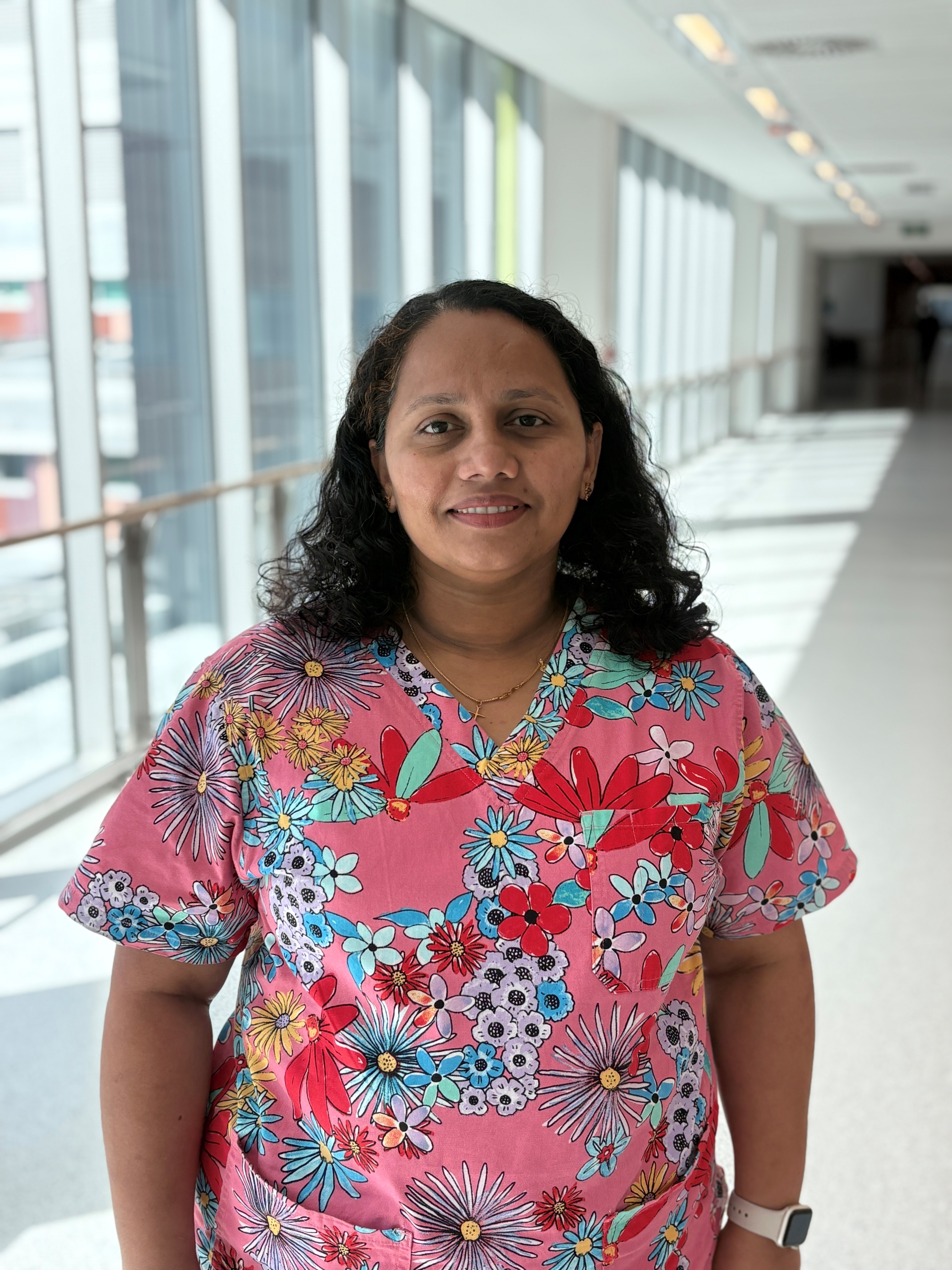
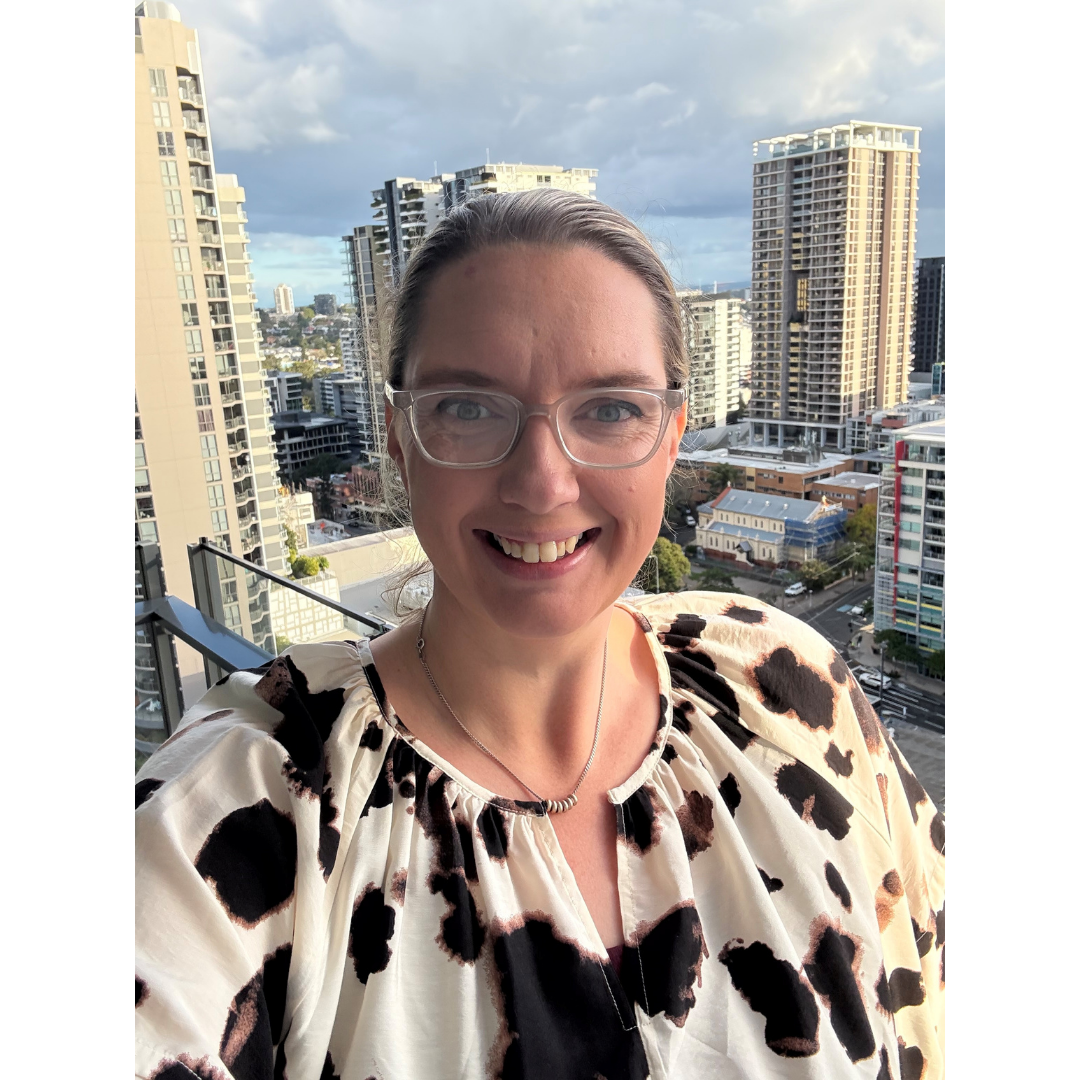
Specialist melanoma clinical nurse consultant Bini Varghese’s new role will bridge the gap between doctors and patients navigating the “rollercoaster journey” of melanoma treatment at Mackay Hospital and Health Service.
The Mackay region has one of the highest rates of melanoma in Queensland with about 170 new cases diagnosed each year. This represents a 41 per cent increase in cases locally over the last six years.
“I will be providing support, education and advanced specialist nursing care, working closely with general surgery and medical oncology to support patients throughout their treatment journey,” Bini said.
Bini brings extensive clinical experience to the role, having previously worked at Sarina and Mackay Base hospitals in the general surgery unit, as well as trauma and orthopaedics in Brisbane. The opportunity to provide specialist, ongoing support to patients was a major draw of the role.
“This is a different kind of trauma,” she said. “Every patient’s diagnosis, treatment and experience is unique.
“Diagnosis is life-changing. It becomes an emotional, financial and personal rollercoaster.
“This role is about personalising the cancer care journey, helping to minimise the impact of disease and treatment complications, and optimising patient outcomes.
“It’s also vital as a point of call for patients who experience side effects or complications, helping them get the right advice early and potentially avoid presentations to the emergency department during or after treatment.”
After breast and prostate cancer, melanoma is the most common cancer for Australians aged 20 to 39. One Australian dies from melanoma every six hours.
“It can be aggressive and fast-progressing, but if detected and treated early, there is around a 90 per cent recovery rate,” Bini said.
“Treatment times can range from 12 months to years depending on the stage of melanoma, a patient’s age and their overall health.”
Bini emigrated to Queensland from southern India in 2000 and moved to Mackay in 2011. She said sun safety in the region could not be overstated.
“Early detection of melanoma is key. Regular skin checks and investigating any changes to moles as soon as possible can save lives,” she said.
“People need to look after their skin the same way they look after the rest of their health. There are lots of resources available, and now there’s more local support too.”
Bini’s role is temporary until June and is funded by the Melanoma Institute of Australia.
She is looking forward to working closely with general surgery, day infusion, medical oncology teams and local GPs, while also connecting with other specialist melanoma clinical nurse consultants in Townsville, Bundaberg and Hervey Bay at a conference planned in June.
Bini sees patients in Specialist Outpatients (SOPD) from Monday to Wednesday, 7am to 3pm.
MELANOMA FAST FACTS
• 1300 people die from melanoma each year.
• One Australian is diagnosed with melanoma every 30 minutes
• Melanoma is most common cancer affecting Australians aged 20 to 39
• 90 per cent of melanoma can be cured by surgery if caught early.
• Overexposure to ultra violet (UV) light causes 95% of melanoma, so the best way
to prevent melanoma is to protect your skin from the sun.
Publishers Indemnity. Any individual or entity that places advertising, supplies copy material, or submits editorial content to Core Life Publishing agrees and undertakes to ensure that all such material:- Does not infringe upon any copyright, trademark, or other intellectual property rights;- Is free from any content that could be considered defamatory, libelous, or slanderous;- Does not infringe upon any rights related to privacy or breach of confidence;- Contains no obscene, indecent, or otherwise unlawful material;- Complies fully with the Trade Practices Act and all other applicable laws, regulations, or statutes.Furthermore, by submitting or placing such material, these individuals or entities agree to indemnify and hold harmless the publisher, Core Publishing and Events Pty Ltd, and/or its agents from and against any and all investigations, claims, demands, liabilities, damages, costs, or judgments arising out of or in connection with the material provided. All material is believed to be accurate at the time of printing and remains the copyright of Core Publishing and Events Pty Ltd.
© 2026 Mackay and Whitsunday Life Pty Ltd.