Independently Owned, Locally Grown, Community Loved
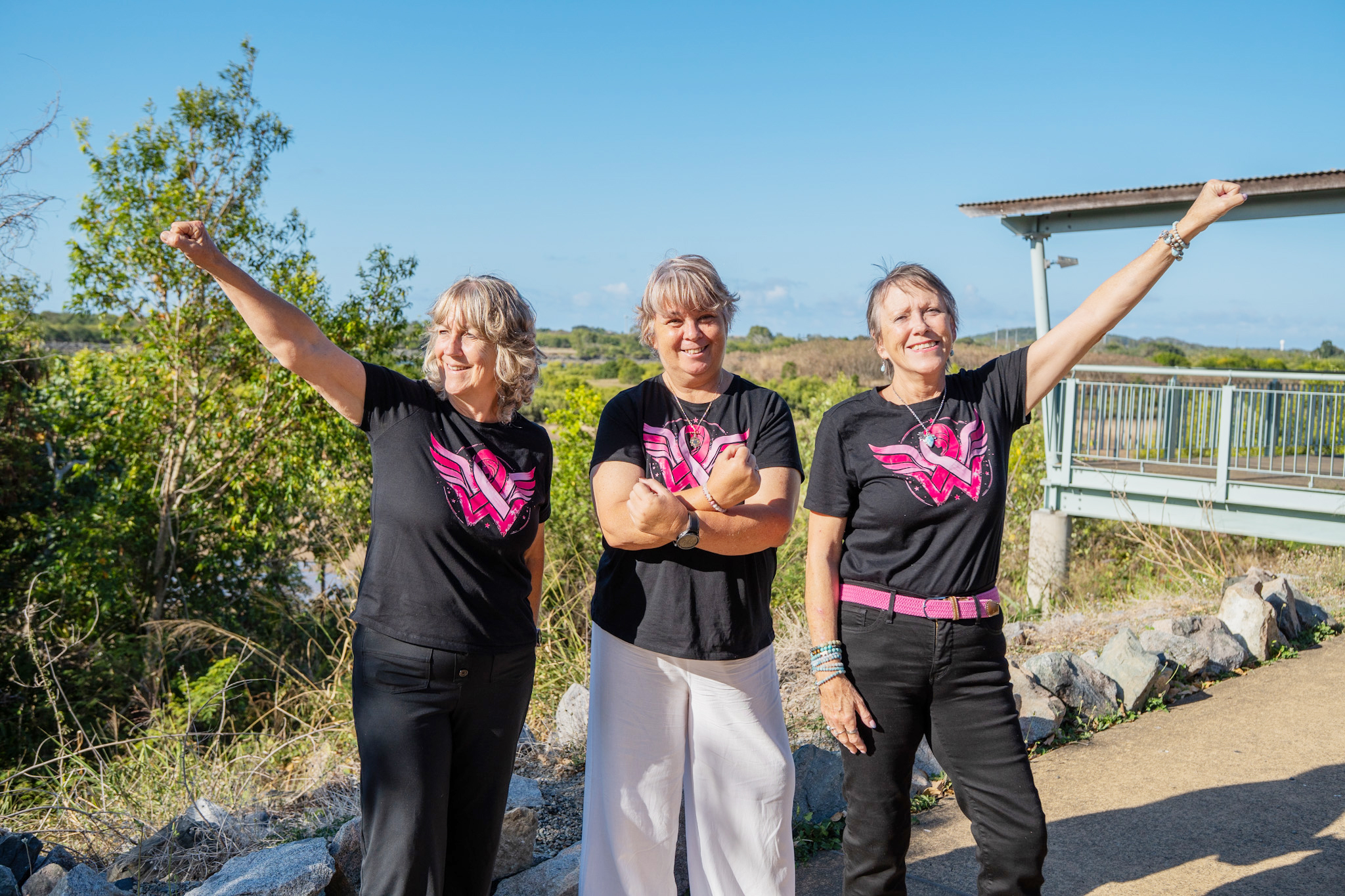


By Richard Evans, Festival Director and President Whitsundays Writers Festival
How many times have you said it? One day I'll write a book.
One day, when the kids are grown, when work settles down, when you finally feel ready. But here's the truth nobody mentions: that day doesn't arrive on its own. Fear keeps it at bay. Fear of grammar, of not having enough time, of not being "good enough." The good news? None of those barriers are as solid as they seem. Today, more than ever, the page is waiting for you. And while tools like AI can polish your language, they cannot replicate what only you possess: a life fully, specifically, irreplaceably lived.
Let's bust a few myths first.
You need perfect English. No: clarity matters far more than correctness, and editing comes later.
You need a big, dramatic idea. Wrong again: everyday stories resonate most deeply with readers.
You must write an entire book immediately. Absolutely not: start with moments, memories, and fragments.
Publishing is impossible. There are more pathways than ever: local print runs, self-publishing platforms, online communities. The gates are open. Walk through them.
So where do you actually begin?
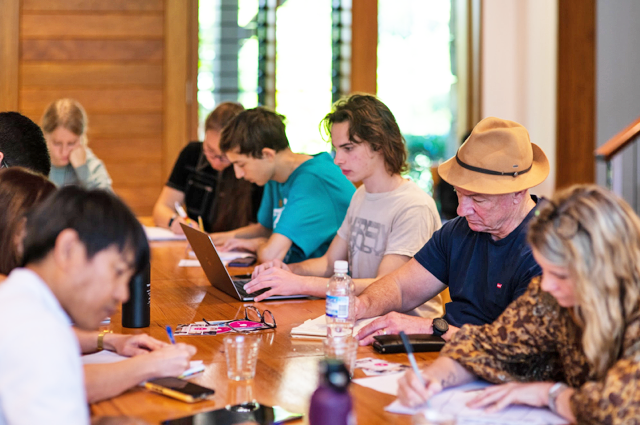
Start small. Start a daily journal. Just five to ten minutes, one memory, one observation can build writing habits without the pressure. Journaling is not about diarising events or activities, rather it is about observation and thoughts.
Personal experiences translate beautifully into short stories; rename the people, shape the narrative, and suddenly you have fiction story rooted in truth. If the blank page feels daunting, record voice notes on your phone and use AI to transcribe them. This is how Barbara Cartland worked. She strolled the beach and recorded her romance stories transcribing them later.
A retiree writing about their first job, a cyclone season, or raising a family in the Whitsundays can create vivid, locally meaningful stories that no bestseller list could replicate.
You're not too late. You never were. If not now, when?
4 Ways to Start Today
Picture it: a book resting on your knee, a salt breeze drifting in off the Coral Sea, the afternoon unhurried. Now rewind. Where did that book come from?
Did it come from a warehouse interstate, picked by an algorithm, packed by a machine? Or did it travel a shorter, more personal road. Perhaps it was hand-selected by someone who knows this coast, these readers, this community? That difference matters more than we often stop to consider.
Books travel. Here, they travel with people.
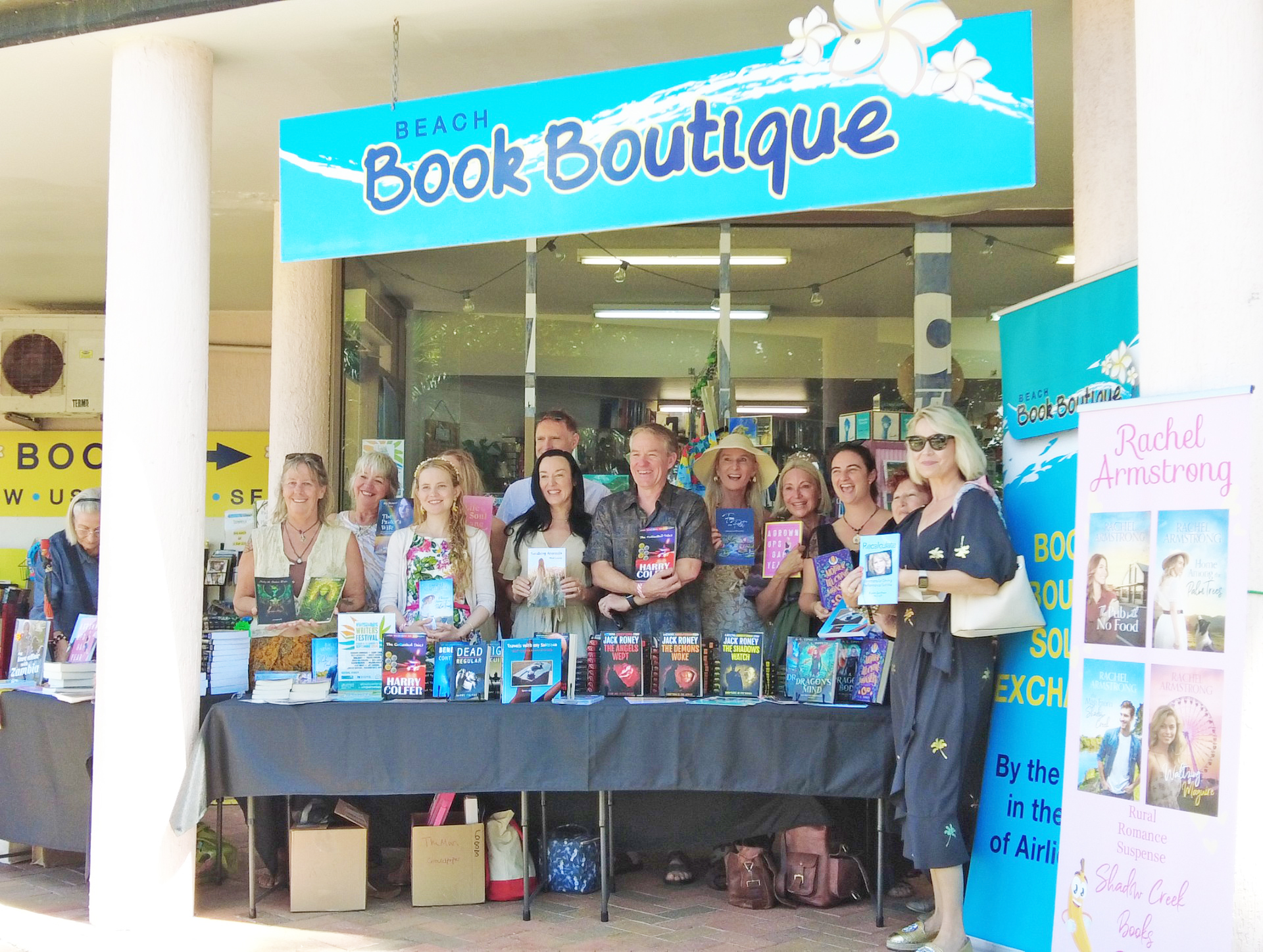
The Whitsundays has a quiet but vital reading ecosystem. Independent bookshops curate their shelves with genuine care, often knowing their regulars by name and reading history. Newsagents remain an accessible, everyday touchpoint for readers who might not seek out a dedicated bookstore.
And the region's four public libraries stand as free, inclusive gateways. Places where discovery costs nothing and everyone is welcome. These aren't simply outlets. They're spaces where conversations happen, where a staff member might press a title into your hands and say, trust me on this one.
A bookseller is not an algorithm.
Unlike a platform that tracks clicks and serves recommendations based on data, a bookseller remembers what moved you last time. They champion local and emerging authors whose books might never surface in a search result. They bridge the gap between a story that exists and a reader who needs it – a quiet act of matchmaking that keeps regional voices visible and valued.
Local writers need local readers.
Authors in this region rely on these same shops, libraries, and community networks to reach the people most likely to connect with their work. The Whitsundays Writers Festival is where that relationship becomes visible. A gathering point for writers and readers to meet, to listen, to ask questions, and to recognise that literature is not distant or abstract. It is made by people from places exactly like this one. Buying a book locally, or borrowing one from your library, directly supports the writers and the cultural life of your own backyard.
Libraries deserve a second look.
If it's been a while since you visited, go back. Libraries offer far more than borrowing. They host events, support learning, and provide community spaces that welcome everyone regardless of budget or background.
In September do something simple: attend a session at the Whitsundays Writers Festival. Meet a local author. Ask them something real. Then pick up your next read close to home.
3 Ways to Support Local Reading
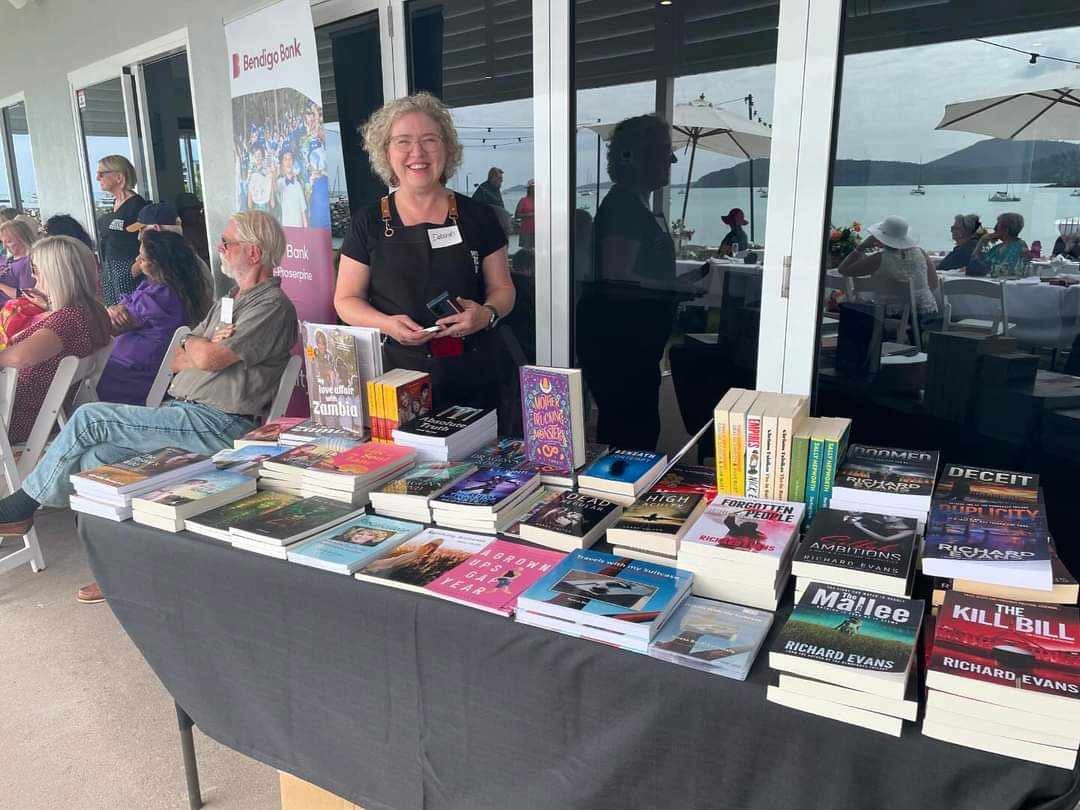
Whitsundays Writers Festival
Richard Evans
Festival Director and President
hello@whitsundayswriters.com
Book early to secure your place at the 2026 Whitsundays Writers Festival, 13 September at www.whitsundayswriters.com/2026-programme-speakers
Creative Connections Whitsunday
Glenda Brown
President
info@creativeconnectionwhitsunday.com
Visit the Community Gallery in Proserpine and save the date 30 July to 2 August for the Great Barrier Reef Festival Art Exhibition.
Together, these two organisations champion the creative spirit of the Whitsundays – supporting writers, artists, and the cultural life of our region.
Publishers Indemnity. Any individual or entity that places advertising, supplies copy material, or submits editorial content to Core Life Publishing agrees and undertakes to ensure that all such material:- Does not infringe upon any copyright, trademark, or other intellectual property rights;- Is free from any content that could be considered defamatory, libelous, or slanderous;- Does not infringe upon any rights related to privacy or breach of confidence;- Contains no obscene, indecent, or otherwise unlawful material;- Complies fully with the Trade Practices Act and all other applicable laws, regulations, or statutes.Furthermore, by submitting or placing such material, these individuals or entities agree to indemnify and hold harmless the publisher, Core Publishing and Events Pty Ltd, and/or its agents from and against any and all investigations, claims, demands, liabilities, damages, costs, or judgments arising out of or in connection with the material provided. All material is believed to be accurate at the time of printing and remains the copyright of Core Publishing and Events Pty Ltd.
© 2026 Mackay and Whitsunday Life Pty Ltd.