
Independently Owned, Locally Grown, Community Loved

The gold sitting in your jewellery box or tucked away in a drawer may be worth considerably more than you realise. At Airlie Beach Gold Buyers, the team regularly sees customers bring in old jewellery, coins and unwanted gold without knowing its current value. Some pieces might appear to be little more than sentimental keepsakes or forgotten odds and ends can have significant value based on their gold content. Owner Jesse Robinson said that this is the beauty of the business. “It's the feeling. When you see an old lady come in and expect $200 for a gold and you say ‘Oh, its really worth $10,000 plus!’ “Because we go off live prices, there's no ripping anyone off. They can do their maths before they come. “I've had ladies go to throw out coins, and it turns out, that coin there's worth $1,500. They’re like: ‘Oh, we thought it was junk. We didn't know what gold's worth these days.'” Others come in knowing exactly what the market is doing- but everyone gets a fair and honest price. Airlie Beach Gold Buyers uses live market pricing, with gold and silver weighed and tested in front of customers before a valuation is provided. Customers can check the price, ask questions and decide for themselves whether they want to sell, with no obligation. Jesse suggested that now’s the time to get your valuation, with the price of gold having almost tripled in the last five years. And the next big thing? Silver. As an investment, Airlie Beach Gold Buyers say that gold and silver is just as good as buying a house, if not better. “You can't fake gold,” Jesse said. “You can't print gold.”
Read the full story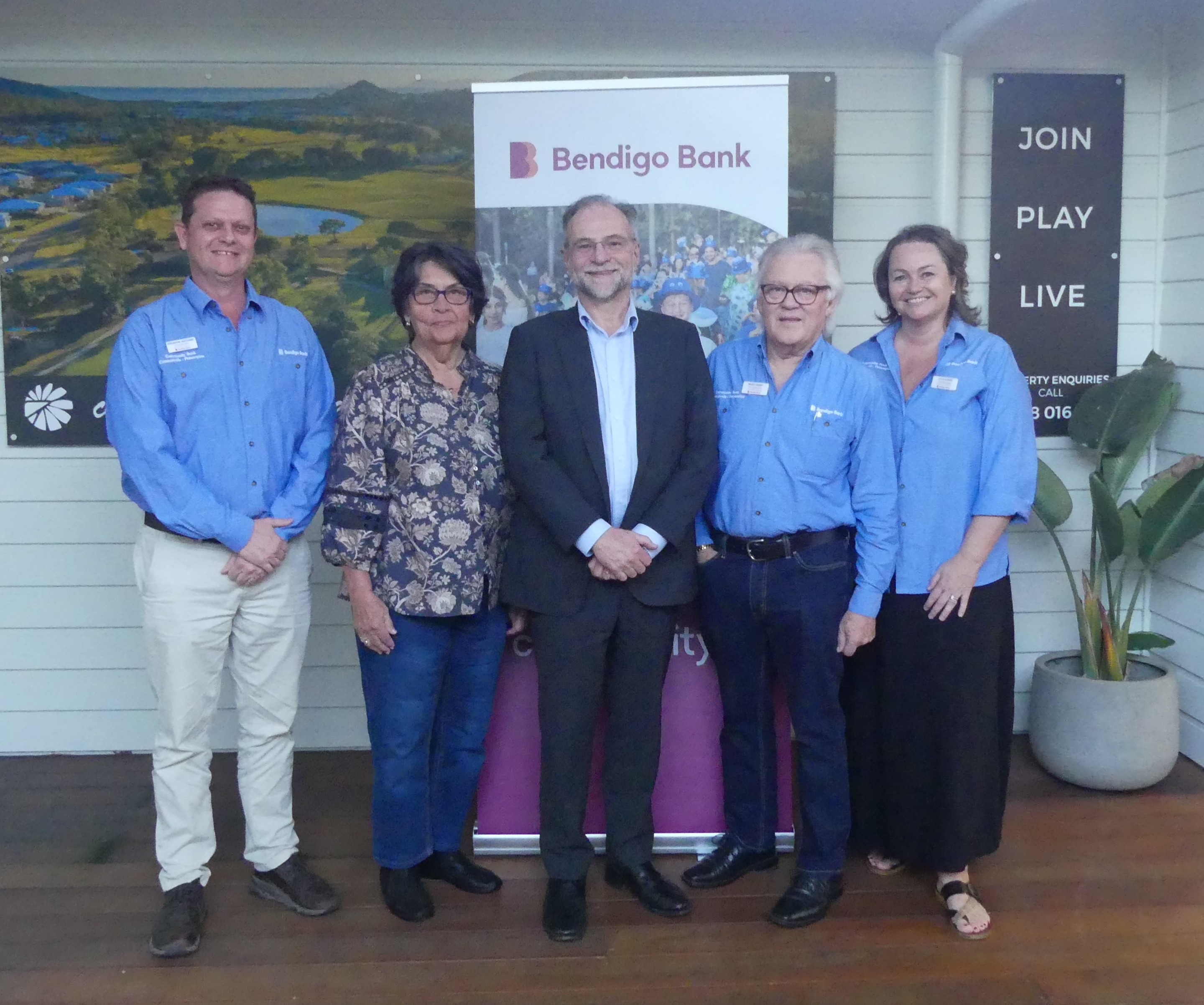
From footy fields and swimming pools to community events, schools, arts projects and local businesses, more than $300,000 generated through Bendigo Community Bank Cannonvale–Proserpine has been invested back into the Whitsundays community over the past seven years. That is the difference a local bank can make. Bendigo Community Bank Cannonvale–Proserpine was created because local residents wanted banking that could deliver more for the community they called home. The journey began in 2009, when locals raised $800,000 to establish the Community Bank. Today, that same community spirit remains at the heart of the business, with a percentage of the branch’s profits returned to the community through sponsorships, grants and community initiatives. Chair Mark Henry said it was the branch’s “profit-with-purpose” model that made the Community Bank different. “Our success is based on our profit-with-purpose model, which sees a percentage of profits invested back into the community,” Mark said. “We see every day how local organisations contribute to the strength of our community, and we’re proud to be able to support the people who are making a difference.” Over the past year, the branch has provided financial support to a wide range of Whitsunday organisations, from grassroots sporting clubs and local schools to arts and culture, community wellbeing, environmental initiatives and local business. Alongside this funding, the branch’s Community BBQ Trailer gives local clubs and community groups access to practical equipment for their own events, including BBQs, gas bottles, cooking utensils, marquees, tables, chairs and a portable PA system. Branch Manager Amanda Anderson said community impact starts with the customers who choose to bank locally. “We’re here to have conversations with our customers, understand what they’re trying to achieve and help them find the right solution,” Amanda said. The Cannonvale branch provides full banking services, including home loans, personal banking, insurance, business and commercial lending, equipment finance, merchant facilities and wealth services. Senior Business Relationship Manager Luke Sheppard also works with local businesses across their banking and finance needs. It is local banking creating local impact, helping keep more of the benefits of banking right here in the Whitsundays. Community sponsorship applications are currently open. Contact secretary@whitsundaycel.com.au to find out more. Your town. Your bank. Everything you need. Visit Amanda and the team at Whitsunday Plaza, Cannonvale (07) 4948 3599 | cannonvale&proserpinemailbox@bendigoadelaide.com.au
Read the full story
Local Queensland Police Service personnel came together with council and community members at St Martin’s Church in Cannonvale on National Police Remembrance Day to honour the courage, service and sacrifice of officers who lost their lives in the line of duty. Representatives from the fire and ambulance services and Airlie Beach PCYC were also in attendance. “The 13 names read during today’s service were a sobering reminder of the people behind the uniform - those who have served, those we have lost, and the families and colleagues who carry their memory forward,” shared Mayor Ry Collins. “To every police officer who puts on the uniform each day: thank you for your courage, professionalism and commitment to keeping our communities safe. “Your service often comes with sacrifices the rest of us don’t see, and it should never be taken for granted. “Today, we remember those who served and did not return, and we stand alongside the wider policing family.” The event echoed other services taking place across the country. “Every day, police put on their uniform knowing they may be called upon to face situations that most people never will. They do so with courage and an unwavering commitment to keeping Queenslanders safe,” said QPS Acting Commissioner Brett Pointing Acting Commissioner Pointing. “Today, we not only remember those we have passed, but we also stand with the families who continue to carry that loss. “Their names are etched into our history, but more importantly, they remain part of the Queensland police family. We remember them today, tomorrow and always.” Captions: 1 - Local emergency services personnel, councillors and community members came together at St Martin’s Church in Cannonvale on National Police Remembrance Day. Photo supplied
Read the full story
Parking in Airlie Beach just got a whole lot easier thanks to an additional 300 free carparking spaces designed to encourage visitors and locals to head into town without worrying about the added expense of parking fees This is good news for locals, workers, visitors and business owners as the newly surfaced Waterson Way Car Park now open and offering free parking spaces conveniently located close to the heart of Airlie Beach. Council says the majority of the line marking is complete and the motorists can now start using these spaces. The new car park also includes six accessible parking spaces and several motorcycle bays to cater for a range of users. “There are still a few finishing touches to come, including lighting, signage and some wheel stops, with the final area to bring more than 300 free spaces once complete,” said a Council spokesperson. “Motorists are required to follow all instructional signage and take care while the remaining works are completed.” ✅Free extended-stay parking ✅More than 300 spaces when complete ✅Easy walk into the heart of Airlie Beach Caption: The newly sealed Waterson Way Car Park is now open. Photo supplied: Whitsunday Regional Council
Read the full story

Photo source: The Neighbourhood Hub (Facebook)
August was a busy month for The Neighbourhood Hub, with a wide range of programs, workshops, community events and initiatives continuing to support people across the region.
A representative from The Neighbourhood Hub said the month was “jam-packed”, with Multicultural Month running alongside its regular activities.
The month began with Census information sessions to help community members navigate the process, while the team also attended NQ Connect Whitsundays and CASA Mackay’s Together For Shelter event, which brought housing, health, employment and wellbeing services together.
The Hub’s workshops covered practical topics including toilet training and scams awareness, while Multicultural Month included the organisation’s own Multicultural Open Day and participation in the Islamic Community Open Day.
The Hub also represented the region at the 2026 Celebrating Multicultural Communities Reception at Parliament House in Brisbane and the Queensland Multicultural Awards in Logan.
Meanwhile, preparations began for the 2026 Anti-Poverty Week Appeal, one of the organisation’s major annual campaigns.
Other August activities included the return of Drumming for Seniors Connect, additional support for Midweek Meals from DBCT and NQ Power Up Electrical, and the launch of the new Safety, Skills and Connection Program, made possible through Community Bank Sarina.
The month also included practical learning, with Treadwell Tyre Service visiting to teach the basics of car maintenance and tyre changing. The Hub celebrated Book Week at the Mackay Regional Botanic Gardens and connected with Trading Tracks Queensland at Forbidden ONYX.
Despite the packed calendar, the Hub’s regular weekly programs continued, including Ready Set Prep, Move with Maria yoga, community playgroups, Seniors Connect, the Food Diversion Program, Hello Baby and parenting programs.
The Hub said the month was a reminder of “what’s possible when we all show up for each other”, highlighting the role of community connection, practical support and shared participation in the region.

Mackay and Isaac community groups could be eligible to apply for a share of a $2 million Queensland Government funding pool aimed at strengthening multicultural communities and creating greater opportunities for young people.
Applications have opened for the 2026–27 round of the Strengthening Communities Multicultural Grants program, with individual grants of up to $100,000 available for eligible locally led projects.
The annual, open competitive grants program provides funding for projects involving culturally and linguistically diverse communities, groups and individuals, as well as the broader community, with the aim of building an inclusive, harmoniousand united Queensland.
For the purposes of the program, culturally and linguistically diverse communities include people from migrant and refugee backgrounds, people seeking asylum, and Australian South Sea Islander peoples.
The 2026–27 funding round includes two categories – Empowering Multicultural Community Projects and Youth and Community Connection Projects – with up to $100,000 available under each category.
Projects could include community-based activities such as workshops, training, skills development, knowledge and awareness raising, and activities designed to foster social connections.
The program also supports targeted activities that can increase community participation, economic independence, inclusion or access to opportunities within local communities.
To be eligible, projects must support the economic and social aspirations of people from culturally and linguistically diverse backgrounds, enhance community capacity to address emerging issues and improve access to services, increase the cultural capability of local services, or enhance the capacity of community groups to connect culturally diverse people with community activities.
Minister for Multiculturalism Fiona Simpson said the funding would support locally led initiatives across Queensland.
"We’re focused on bringing people together this month and this funding pool supports Queenslanders from all backgrounds to fully participate in community life and access the opportunities they need to thrive," Minister Simpson said.
"The Strengthening Communities Multicultural Grants drive innovative projects in communities where they have the greatest impact and aim to strengthen economic participation, build capacity, and boost the positive participation of young people.
"Whether it's helping individuals develop new skills, supporting community organisations to respond to local challenges, or broadening opportunities for people to feel connected and empowered, these projects make a real difference.
The Queensland Government has previously supported projects across metropolitan and regional Queensland through the program, with the 2025–26 round supporting 25 projects across the Far North, North, Central, South East and Western Queensland regions.
Eligible applicants include not-for-profit and charitable organisations, incorporated associations, eligible companies, cooperatives, Aboriginal and Torres Strait Islander corporations, local councils, state school P&Cs, Queensland universitiesand eligible social enterprises.
Unincorporated associations may also apply through an eligible auspice organisation.
Applications for the 2026–27 round close at 11.59pm on October 4th 2026, with projects to commence from July 1st 2027. Funded projects can be delivered over a two-year period through to June 30th 2029.
Mackay and Isaac organisations with ideas that could strengthen multicultural participation, community connections or opportunities for young people are encouraged to review the eligibility requirements and consider applying.
To apply or find out more information, visit: https://www.dwatsipm.qld.gov.au/scmg-program
In a world of instant clicks, ready-made templates and AI-generated content, creating something has never been faster. But creating something meaningful something that captures attention, builds trust and genuinely sets a business apart is another matter entirely.
Behind every successful campaign, brand or piece of creative work is a process most people never see.
It is the conversations, questions and research that happen before a concept takes shape. It is understanding the business, its audience and its competitors. It is exploring different directions, challenging the obvious and refining every detail until the final result feels clear, compelling and effortless.
That apparent simplicity is rarely simple to achieve.
At redhotblue, we understand this because we have spent 30 years doing the work behind the work. We started from the ground up, building our agency through determination, curiosity and a belief in the power of great ideas. Three decades later, we are still evolving, still creating and still leading the way from the heart of Mackay for clients across the region and nationally.
Technology has transformed our industry, and we have embraced its ability to make processes faster and possibilities greater. But technology alone cannot replace experience, intuition or the ability to recognise the difference between an idea that simply looks good and one that will genuinely work.
Ideas have power, but their value lies in the ability to execute them effectively.
That ability does not come from following the same trends, using the same templates or producing more of what already exists. It comes from knowing when to push further, when to simplify and when an idea needs to be reconsidered entirely. It comes from years of seeing what connects, what falls flat and what creates lasting value for a business.
Experience helps us ask better questions, anticipate challenges and make informed creative decisions. It allows us to look beyond the immediate brief and understand the bigger opportunity.
The finished work may be what the world sees, but its strength comes from everything behind it the thinking, the collaboration, the refinement and the courage to do something different.
After 30 years, that remains the redhotblue difference: powerful ideas, backed by the experience and ability to bring them to life.

Photo source: Shutterstock
Mackay Regional Council has adopted the Mackay Region Active Transport and Micromobility Plan 2025–2036, outlining the region’s long-term approach to walking, cycling and micromobility.
Mayor Greg Williamson said the plan would help guide future investment in pathways and active transport infrastructure, with the aim of creating a network that is safer, more connected and accessible for both residents and visitors.
"The adoption of this plan represents an important step forward in how we plan and deliver active transport infrastructure across the Mackay region," Mayor Williamson said.
"It provides council with a strategic roadmap to prioritise projects that will have the greatest benefit for our communities, improving connections between residential areas, schools, employment hubs and key destinations.
"We know from the Liveability Census, and the extensive consultation undertaken during development of this plan, that our community wants more safe and accessible pathways, and this plan responds directly to that feedback.
“This is another important step towards enhancing the liveability of the Mackay region and creating more transport choices for residents."
The new plan sets out a future for active transport that aims to make walking, cycling and micromobility more practical and enjoyable, while recognising the region’s tropical lifestyle and improving connections between key destinations.
Council developed the plan following two rounds of consultation through Connecting Mackay, complemented by input from community groups, schools, government agencies and other stakeholders.
Across the consultation process, residents and stakeholders expressed support for further investment in walking and riding infrastructure, with safer routes, better connections and improved accessibility identified as important priorities.
Liveability and Social Inclusion Strategic Advisory Committee Co-chair Cr May said the plan would bring a range of benefits for the region.
"By improving our active transport network, we're making it easier for people of all ages and abilities to move around the region safely and comfortably," she said.
"That supports healthier lifestyles, provides greater transport choice and contributes to a more liveable and sustainable community."
The plan also introduces a prioritisation framework that will help council identify and assess future pathway projects, upgrades and renewals.
Importantly, having a clearly defined strategy will strengthen council's ability to secure external funding from State and Federal Government programs.
"Grant funding is highly competitive, and having an adopted plan backed by technical analysis and strong community support puts council in a much stronger position when applying for funding opportunities," Mayor Williamson said.
"That's fantastic news for our community because it helps us maximise investment in pathway projects and deliver more outcomes for residents."
Mackay council has already increased its focus on active transport delivery, with approximately $6.6 million allocated to pathway projects in the 2026-27 financial year.
The adopted plan includes a series of actions aimed at improving network planning, infrastructure delivery and community awareness over the next decade.
For more information and future updates, visit the Connecting Mackay website online.
Mackay organisations supporting sick children and their families have just days left to apply for a share of $300,000 through the 2026 Flagon and Dragon Community Grants.
Applications for the latest round of grants will close on Wednesday 9th September, with funding available to provide equipment and resources supporting children and families throughout the Mackay region.
The $300,000 grant pool was raised during the popular biennial Flagon and Dragon luncheon held in July, with all profits from the event directed towards helping local children in need.
Flagon and Dragon Committee Chair Scott Jamieson said the grants aimed to ease some of the challenges faced by families when a child required additional treatment or care.
“Our aim is to provide support for local families when they are going through a tough time, so the family can stay here in Mackay to get the treatment and care they need,” Mr Jamieson said.
Previous recipients include the Mackay Hospital Foundation, Mackay District Special School, Mackay Mater Hospital and Victoria Park State School.
The committee also thanked the local businesses and organisations which supported the 2026 event, including McDonald’s Mackay, Brown and Bird, Mackay Land Sales, Remax Select Mackay, Pitmaster, Key Solutions Group, Club Northern Beaches Mackay, D.A.C Mining, AccuVest, Crokers Fuel & Oils, NQBE Integrated I.T., Inspec Industries and Woollam Constructions.
Applications are subject to eligibility requirements and can be submitted through the Flagon and Dragon website before the 9th September deadline.
Successful grant recipients will be formally announced through Flagon and Dragon’s Facebook page on 8th October.
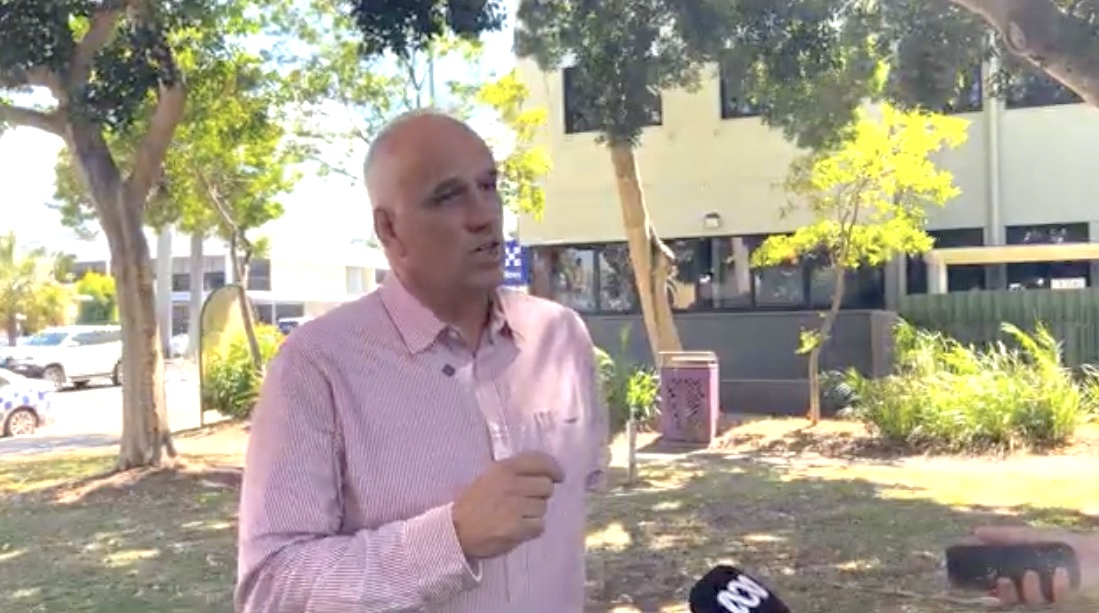
Footage supplied by the office of Nigel Dalton MP
Member for Mackay Nigel Dalton MP has backed proposed changes to Queensland’s bail laws, with the State Government introducing legislation that would create a new standalone offence for committing a serious offence while released on bail.
The Breach Bail, Go to Jail and Other Legislation Amendment Bill 2026 was introduced to Queensland Parliament last week on 27th August as part of the Queensland Government’s next stage of its Adult Crime, Adult Time reforms.
Under the proposed legislation, people who commit a serious offence while on bail could face a mandatory minimum sentence of 12 months imprisonment, to be wholly served in custody.
Mr Dalton said the reforms reflected his view that bail should be treated as a privilege and that people who breached that privilege by committing further serious offences should face consequences.
“My view has always been simple: if you breach bail by committing another serious offence, you go to jail,” he said.
The proposed standalone offence would apply to both adults and juveniles, with the reforms targeting serious repeat offenders.
For youth offenders, the changes would apply to offences covered by the Government’s Adult Crime, Adult Time laws. For adults, serious offences would include Adult Crime, Adult Time offences, as well as coercive control and Daniel’s Law child sexual offences.
Mr Dalton said the proposed changes were intended to provide a clear consequence for serious offending while a person was on bail.
“Under these reforms, serious offenders will know there is a very real consequence for committing another serious crime while on bail, with a mandatory minimum of 12 months behind bars.”
The Bill would also introduce a new “high degree of confidence” test for bail decisions involving serious offenders.
Under the proposed changes, police or a court would be required to refuse bail unless satisfied to a high degree of confidence that the person would not commit another serious offence while on bail. Defendants would also be required to show cause as to why their detention was not justified.
Mr Dalton said the reforms were aimed at prioritising community safety and the rights of victims.
“We need to stop putting the rights of serious repeat offenders ahead of the rights of victims and the community,” he said.
“If police or the courts cannot have a high degree of confidence that a serious offender will not go out and commit another serious offence, then they should not be released back onto our streets.”
Mr Dalton said the proposed laws would represent a significant change to Queensland’s bail regime and would apply across the state, including Mackay.
“This is an actual change in the regime, which we’re going to have within Mackay, within Queensland.”
He said he did not have specific figures on how many Mackay residents could be affected by the proposed laws, but had received feedback from locals following posts about the reforms on social media.
“I have had many, many comments on my social media since we started posting this. And they’re just saying, yes, absolutely, this is what we need to do.”
The Government said the reforms were designed not only to impose stronger consequences, but to deter further offending.
Mr Dalton echoed that aim, saying the expected outcome was a reduction in offences if people understood the potential consequences of breaching bail.
“What we’re hoping is that we actually see a drop in people committing offences because they know that there is a consequence for their action.”
The Queensland Government said the bail reforms would form part of a broader approach involving additional policing, early intervention and rehabilitation, and reported that victim numbers were down 9.6 per cent.
The State Government has committed to passing the stronger bail laws by the end of the year, with the Bill now before Queensland Parliament.
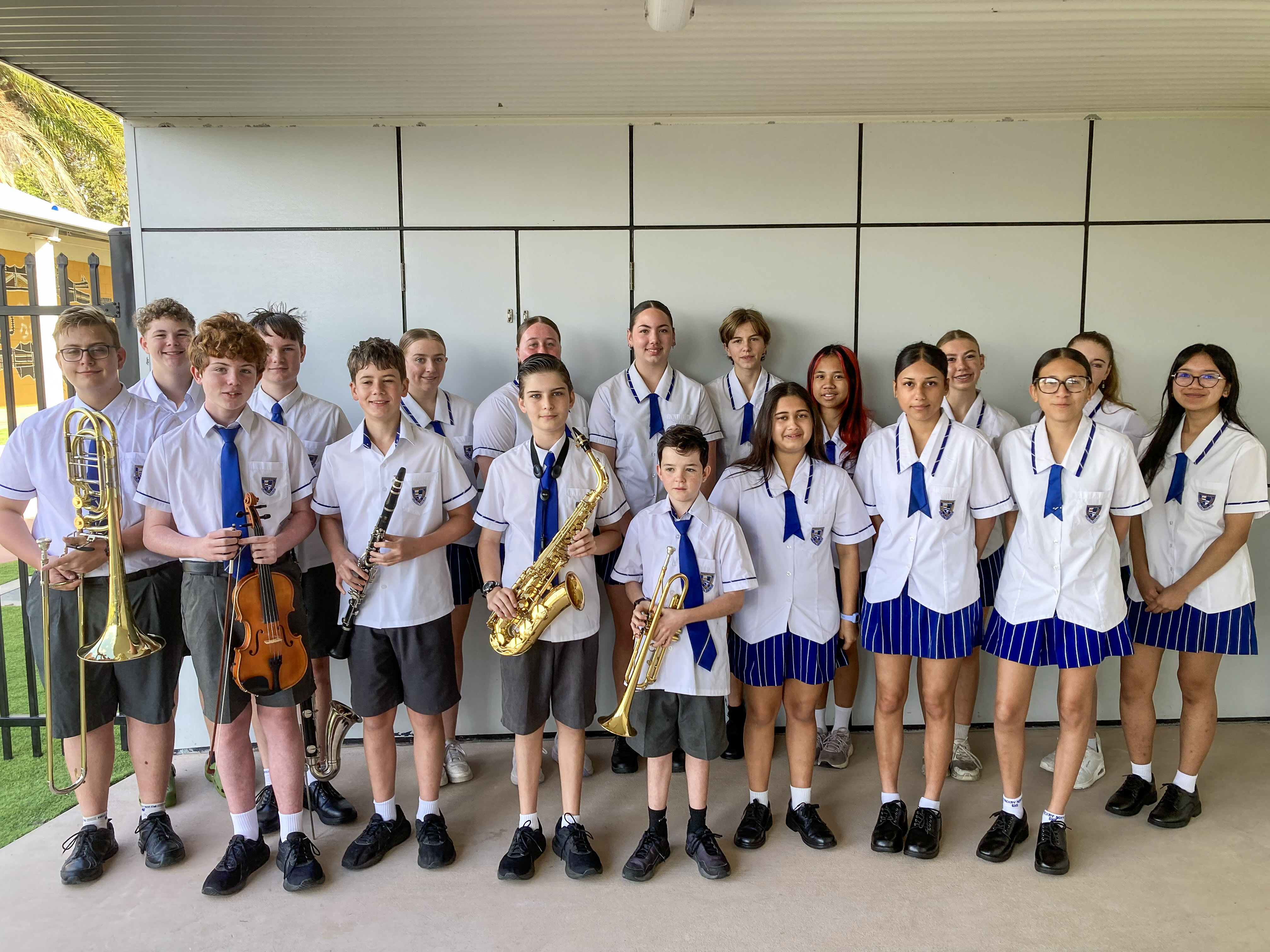
Mackay North State High School students joined 135 young musicians from more than 20 schools for Queensland Conservatorium Griffith University’s regional State Honours Ensemble Program. Photos supplied by Mackay North State High School
After just 10 hours of rehearsal, 135 young musicians from more than 20 schools came together for a Grand Finale concert at Mackay North State High School.
The performance marked the conclusion of Queensland Conservatorium Griffith University’s three-day regional State Honours Ensemble Program (SHEP), hosted at North High.
Flautist and Australian Band and Orchestra Directors’ Association National President Sharelle Guest led the band, veteran music educator and Young Conservatorium Conductor Mark Sullivan led the strings, and award-winning choral educator Dr Anthony Young led the vocal ensemble.

North High Head of Department Music Kathy George said the students “blossomed unbelievably” during their 10 hours working with the conductors.
“The standard of the Grand Finale concert on the final day — capital G, capital F,” she said with a laugh, “was just outstanding.
“The hall was absolutely full of parents, and they were absolutely raving about how much they enjoyed it and how incredible the standard was.”
Kathy described SHEP as “absolutely invaluable”, providing regional students with access to high-level music teaching that is usually available in southeast Queensland.
She said the Mackay community should feel “extremely indebted” to the SHEP team for travelling across Queensland and ensuring regional students did not miss out on the opportunity.
Since Queensland Conservatorium launched SHEP in 2001, the program has connected more than 45,000 students from over 2000 schools with conductors.
North High advocated for the program to come to Mackay and welcomed the opportunity to share the experience with musicians from across the district.
And there is already a date in mind for the next chapter.
Kathy left no doubt about North High hosting SHEP again in 2027, saying: “I’ve already locked it in.”

Mackay residents are being encouraged to lace up and take part in Lifeline’s Out of the Shadows Walk this September, helping remember Australians lost to suicide while raising funds for vital crisis support.
Held in recognition of World Suicide Prevention Day on Thursday 10th September, participants are challenged to walk nine kilometres; representing the nine Australians who die by suicide each day.
Participating in the challenge could not be easier as the walk can be completed anywhere, anytime - either on 10th September or on a date that suits you. It’s an accessible way for individuals, families, workplaces and community groups to get involved.
All funds raised through the challenge will help Lifeline continue providing 24/7 crisis support and suicide prevention services across the country, supporting the 3,600 people who contact Lifeline’s crisis support line each day.
Participants can walk in memory of a loved one, as a personal tribute, or simply to show support for anyone experiencing emotional distress. Community members can register online via www.outoftheshadowswalk.org.au and are able to fundraise individually or form a team and walk together.
What: World Suicide Prevention Day
When: Thursday 10th September
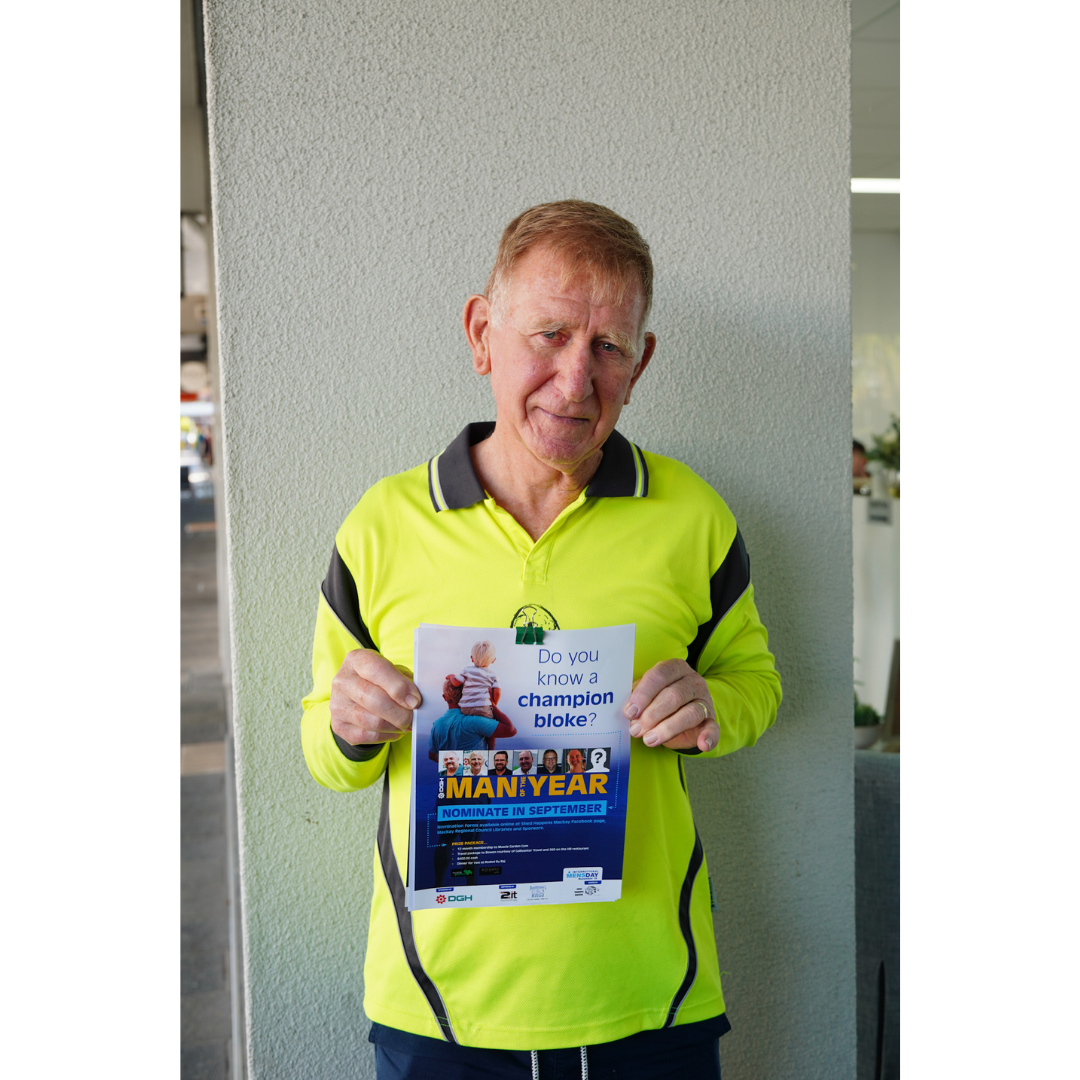
President of International Men’s Day Mackay Inc and Mackay Men’s Shed founder Frank Cowell is encouraging locals to nominate and celebrate a top bloke who goes above and beyond for his family, friends and community. Photo credit: Hannah McNamara
By Hannah McNamara
As families across Mackay come together to celebrate Father’s Day this weekend, there is one man who has made it his mission to ensure the top blokes across the region are acknowledged, celebrated and appreciated.
President of International Men’s Day Mackay Inc, Advocate, and Founder of Mackay Men’s Shed Frank Cowell is encouraging the community to recognise the everyday men who make a difference to their families and the wider community through the annual Mackay Man of the Year award.
Mr Cowell said one of the challenges men often face is recognising how important they are to their families and society. He said men can also carry a sense of guilt when they make mistakes but highlighted the importance of focusing on the good – rather than the bad – as well as forgiveness and encouragement.
“A bloke often lives in a world of guilt from even the smallest mistakes. They need forgiveness for one, and they also need to be encouraged by those around them to be the best man God wants them to be,” Mr Cowell said.
Initiated six years ago, the Mackay Man of the Year award was created to recognise an “average man” who goes the extra mile for his family, contributes to the community and is someone others can rely on.
“It is to recognise one average man in this area, who just goes an extra mile for his family, but also contributes to community in some way, and is overall a decent bloke.”
Mr Cowell said the award is about celebrating men who are dependable, while recognising that nobody has to be perfect.
“We like to recognise the sort of bloke that you can count on, who, when he gives his word, he keeps it. But also makes mistakes, as we all do.”
Nominations are now open until 30th September, with finalists to be notified by 31st October and invited to the International Men’s Day 2026 Celebratory Breakfast later this year on Thursday 19th November, where the winner will be announced.
Mr Cowell encourages the people of Mackay to provide examples of why their nominee deserves recognition.
“You can't just say he's a good bloke. You ought to say why he’s a good bloke!”
Mr Cowell said being nominated is a form of encouragement in itself, even for those who don’t become finalists.
“Just the fact that someone is nominated is encouragement as well. They might not make the cut to become the Man of the Year, but the fact that they're in the running, and were nominated for it, speaks volumes to some men who aren’t oftenappreciated.”
The winner will have their name engraved on the Mackay Man of the Year Perpetual Trophy and receive a personal trophy, along with a prize package including a travel package to Bowen courtesy of Gallivantor Travel and 360 on the Hill Restaurant, a 12-month Muscle Garden Gym membership, $400 cash and dinner for two at Roshni By Raj.
Two runners-up will also receive prizes.
This Father’s Day, while we celebrate the dads, stepdads, grandfathers and father figures who have shaped our lives, perhaps it is also worth thinking about the other men who have always shown up, quietly helped others, kept their word or simply been the bloke we could count on.
Mr Cowell emphasised that for some men, a little recognition can mean more than we realise.
Nominations can be made by COB 30th September 2026 at www.manoftheyearmackay.com.au or by filling out a form in person. For more information contact President IMDMI, Frank Cowell on 0434 908 968
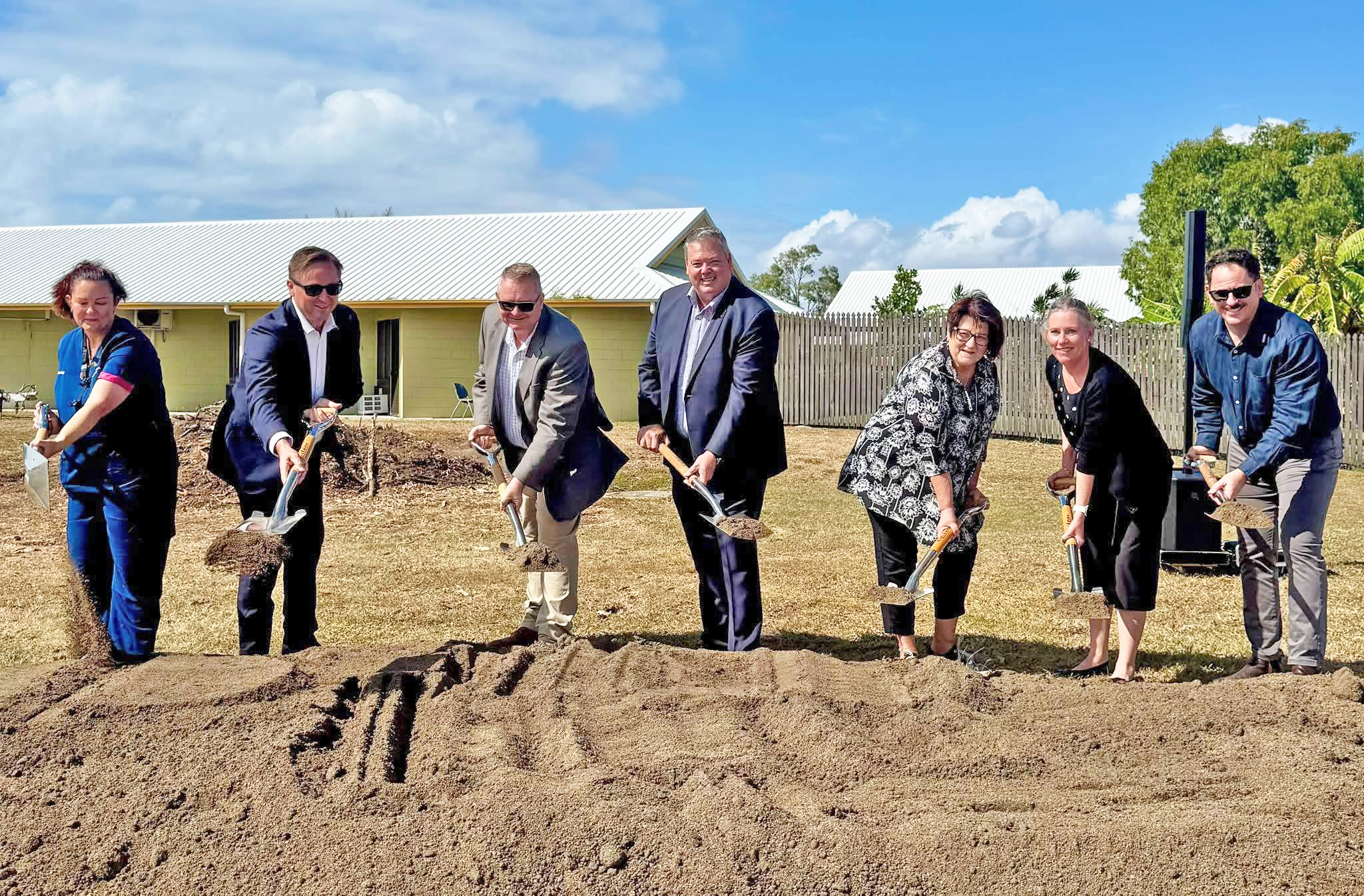
Ground has officially been broken on two major developments set to serve Whitsunday residents for generations to come.
In Bowen, Murroona Gardens has begun its $14 million expansion, delivering two purpose-built, 12-bedroom dementia care homes and a new central laundry, which will allow more residents to receive specialised support close to their families and community.
Meanwhile, construction has officially begun on the $30 million Cannonvale Community Hub at Galbraith Park, bringing together a modern library, council customer service centre, meeting rooms and flexible community spaces all in one.
Together, the projects represent a $44 million investment in care, connection and the region’s future.

Supplied by Libby Edge.
The community gathered at Cannonvale Beach on Sunday morning to watch Marissa and Bentley, two rehabilitated juvenile green sea turtles, return to the ocean.
The pair were found malnourished and covered in algae and barnacles before being taken to the Whitsunday Turtle Rescue Centre in July. After weeks of care and rehabilitation, they were declared healthy and ready to return to Whitsunday waters.
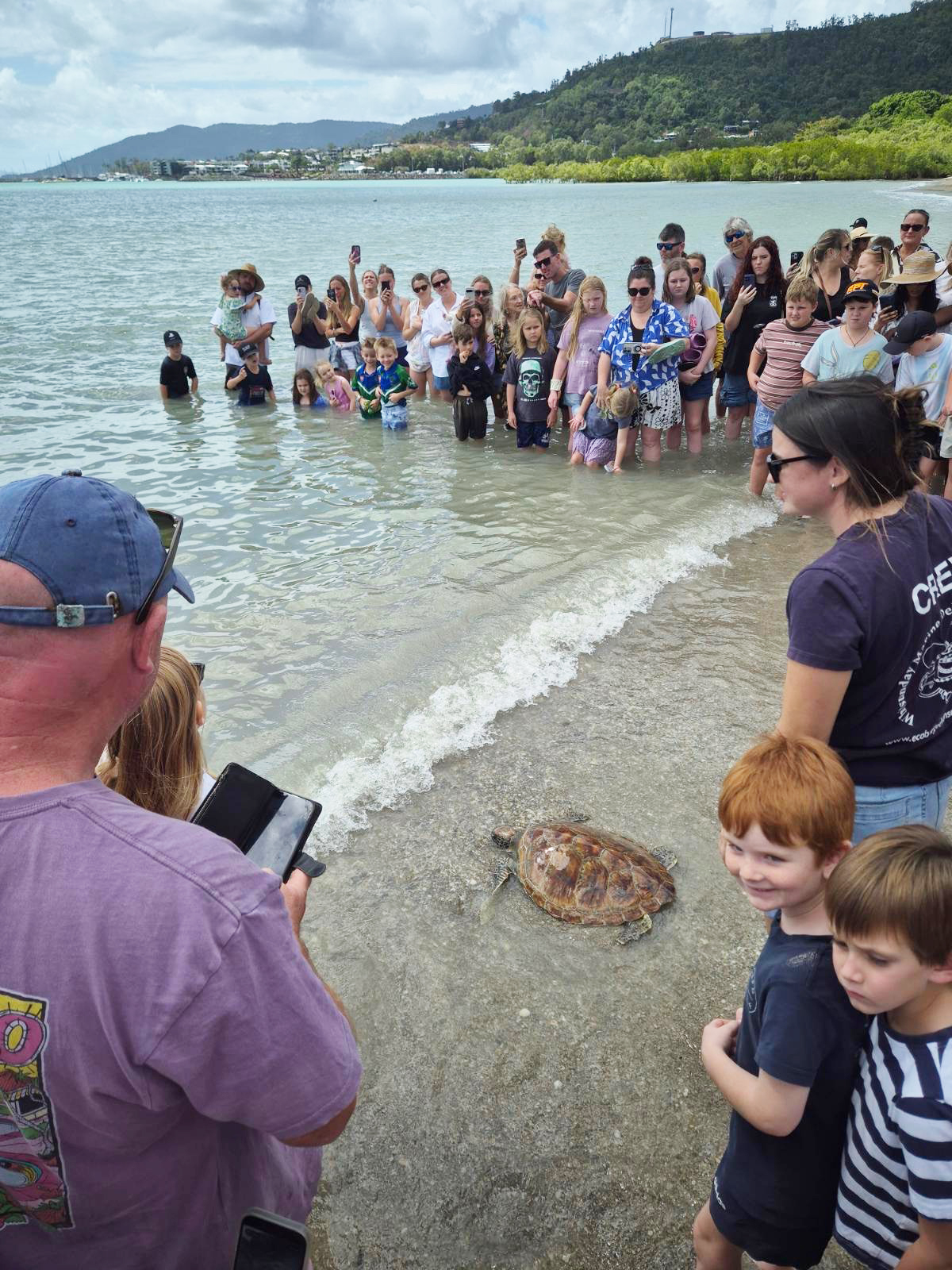
Carried down to the shoreline by their carers, Marissa and Bentley were met with cheers from the crowd as they made their way across the sand and disappeared beneath the waves.
“To see more than 250 people come together to celebrate Marissa and Bentley’s return to the ocean was absolutely heartwarming,” said Founder of Eco Barge Clean Seas Libby Edge.
“We were overwhelmed and incredibly grateful for the turnout, which was much larger than anticipated.
“I also want to say a huge and heartfelt thank you to our incredible turtle carers. They have each volunteered so many hours this year to provide our turtles with the daily food, treatment, cleaning and specialised care they need.
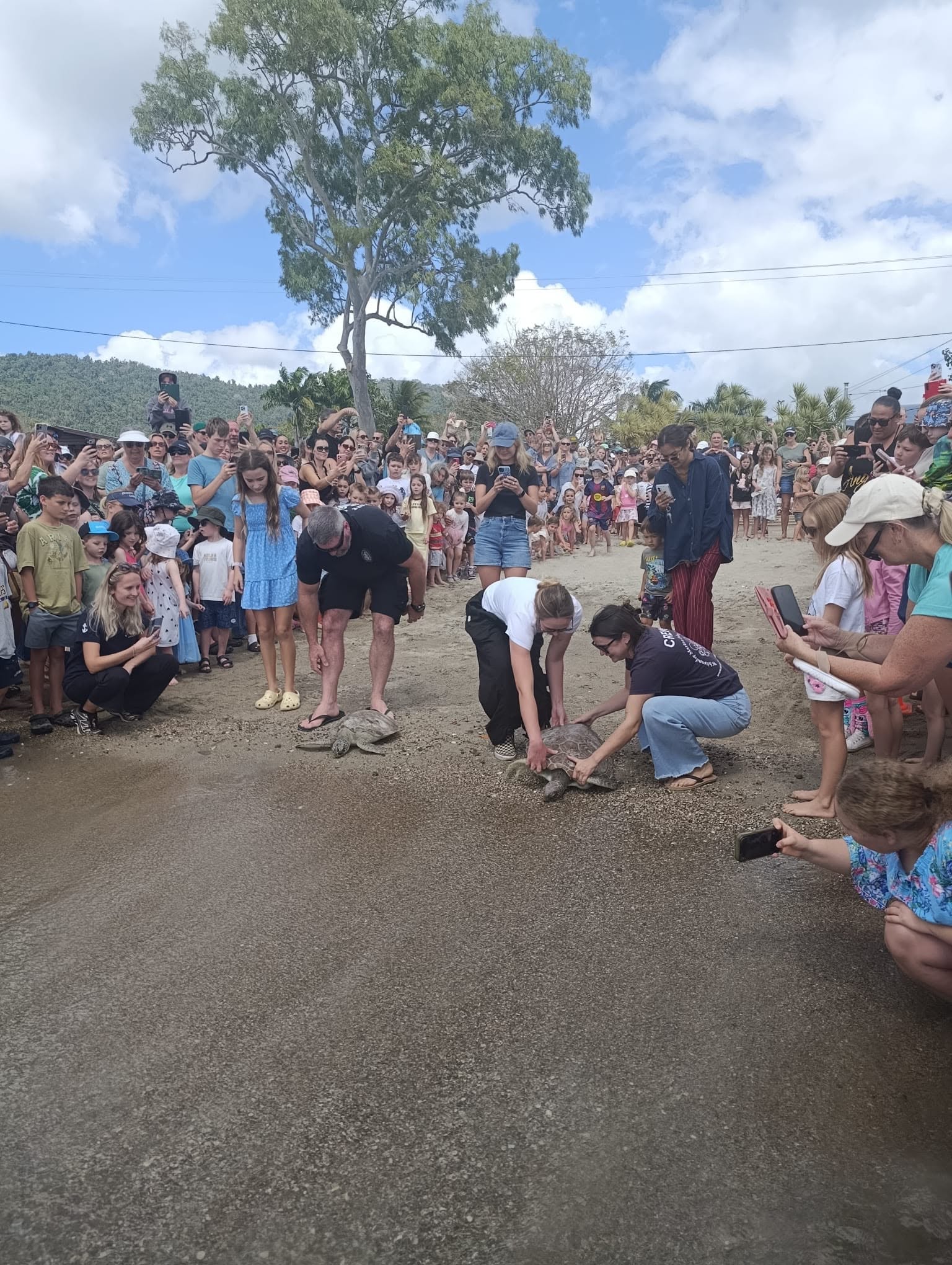
“Our carers work tirelessly behind the scenes, and Marissa and Bentley’s return to the wild would not have been possible without their dedication and compassion.”
Eco Barge Clean Seas currently has another five sea turtles receiving treatment and rehabilitation at the Whitsunday Turtle Rescue Centre.
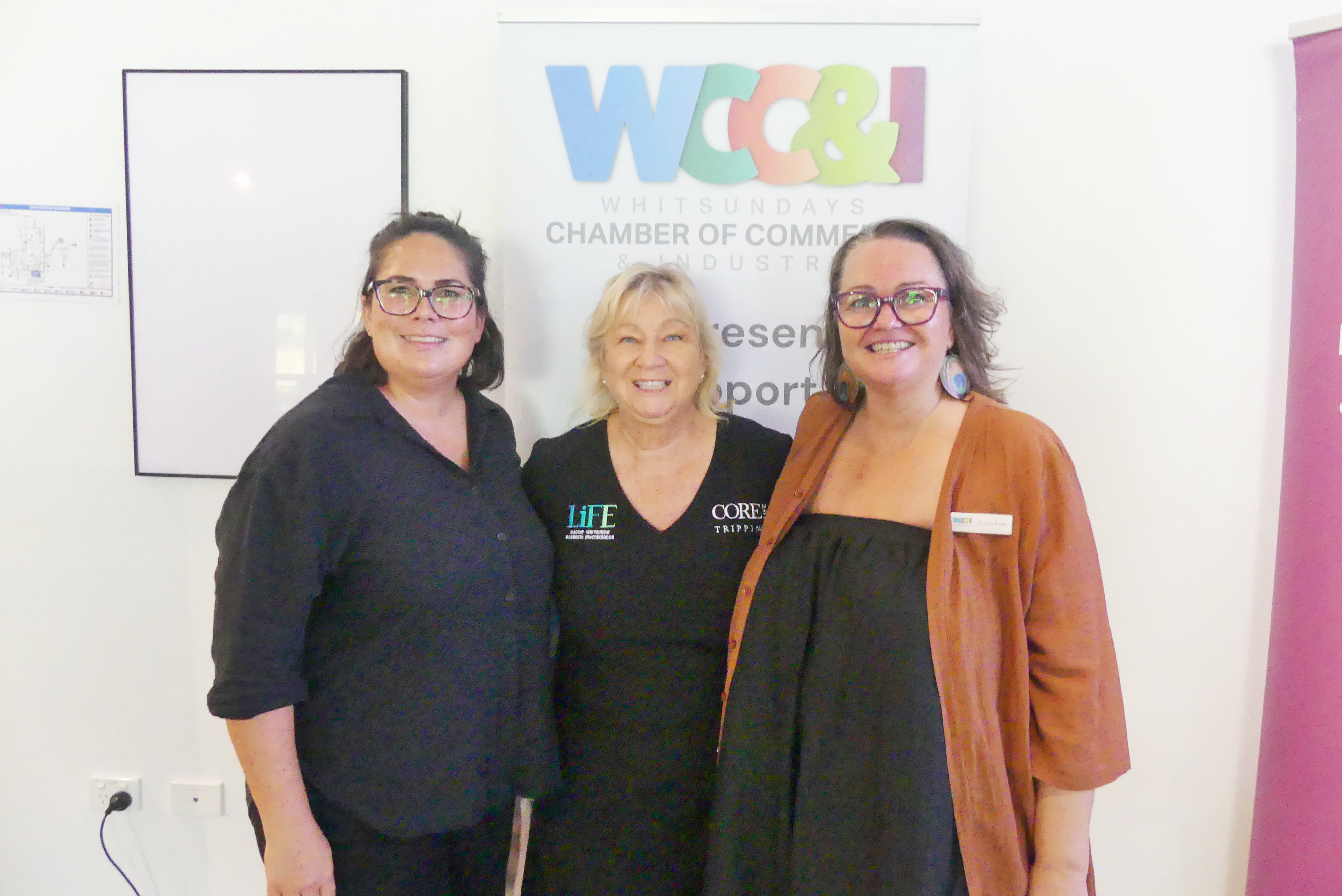
Cait Fleming, Trish Jandt and Julia Evans. Photo credit: Zach Houtenville.
The 2026 Whitsunday Business Conference brought together 120 attendees from 77 businesses for a day of practical learning, networking and collaboration.
Hosted by the Whitsundays Chamber of Commerce and Industry across PCYC Whitsunday and Club Whitsunday, with the event featuring a business expo, long lunch and an update from Mayor Ry Collins, who announced the 46 finalists for the 2026 Whitsunday Business Awards and the inaugural Chamber Games.
Media and communications expert Ian Cohen proved a highlight of the day, while five young local employees, trainees and apprentices shared what the next generation values in a workplace during the inaugural Rising Stars Panel. Attendees walked away with fresh ideas for their businesses and valuable new connections across the region.
The conference returns on Thursday, 26 August 2027. Chamber now looks forward to it’s new Look & Learn series, which will begin with a free social media session at the Proserpine Entertainment Centre on Wednesday, 9 September.
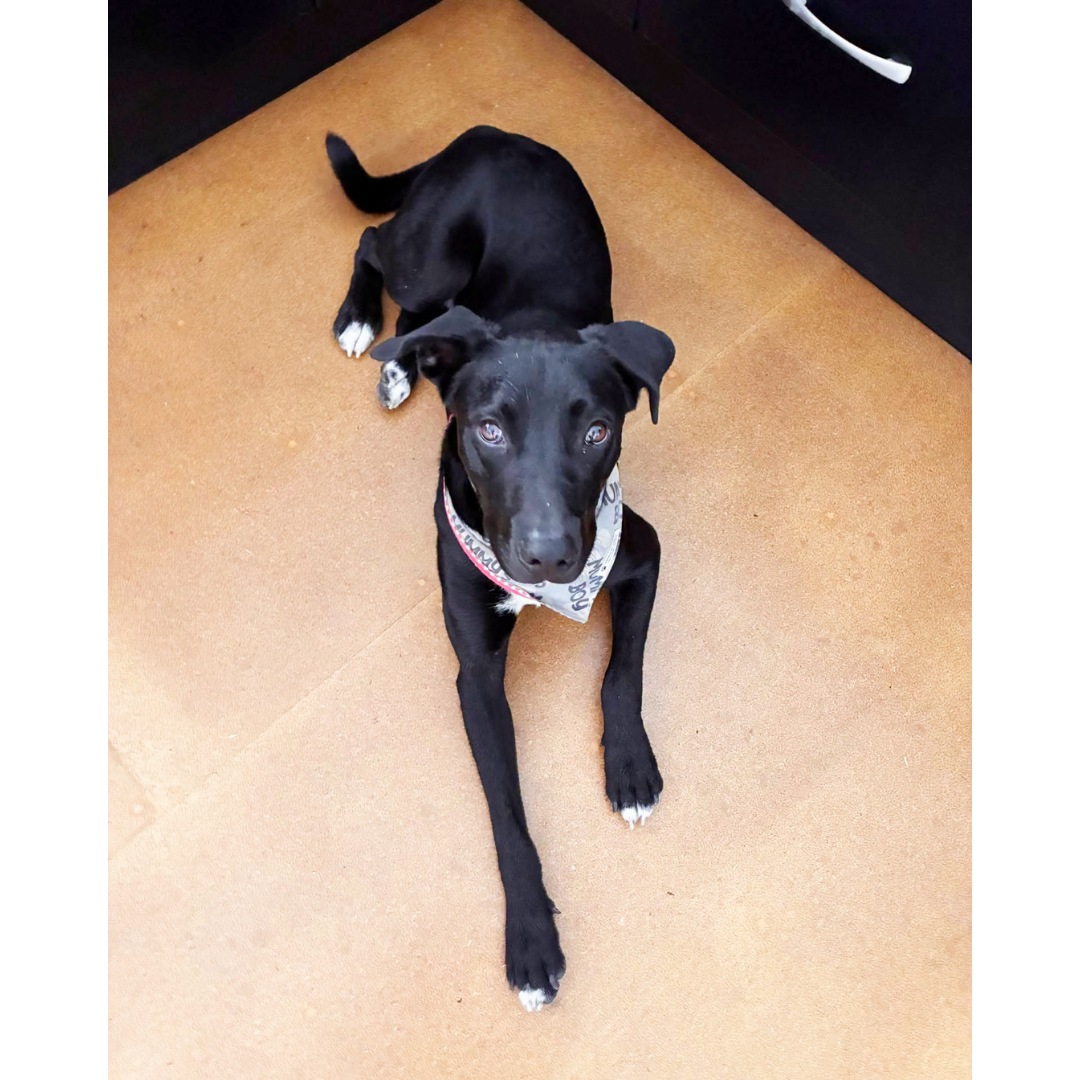
This 15 month old Kelpie Cross, Freddie, is looking for his next chapter and whoever says yes to him is going to be very lucky.
Freddie has known nothing but love his whole life. He is well trained, beautifully socialised and comes with the kind of manners that make people stop and ask how you did it. His foster mum has had to return overseas and now Freddie needs someone to carry on the love she gave him.
He is a goofball of the highest order. Food obsessed, people obsessed, he makes the funniest noises during play and will say hello to every single person at the beach before he even glances at another dog.
He walks beautifully on lead, learns new tricks in minutes if there is a treat involved and will snooze on the couch next to you once his energy is spent.
Freddie does best in an active home with a secure yard, older kids and ideally another dog to be his mate.
To adopt Freddie contact Bowen Collinsville Pet Rescue on Facebook.
About Freddie
Breed: Kelpie x (possible Lab mix)
Age: 15 months | Weight: 24kg
Desexed, vaccinated, microchipped, flea, tick and worming up to date
Heartworm negative | No known triggers | Available now
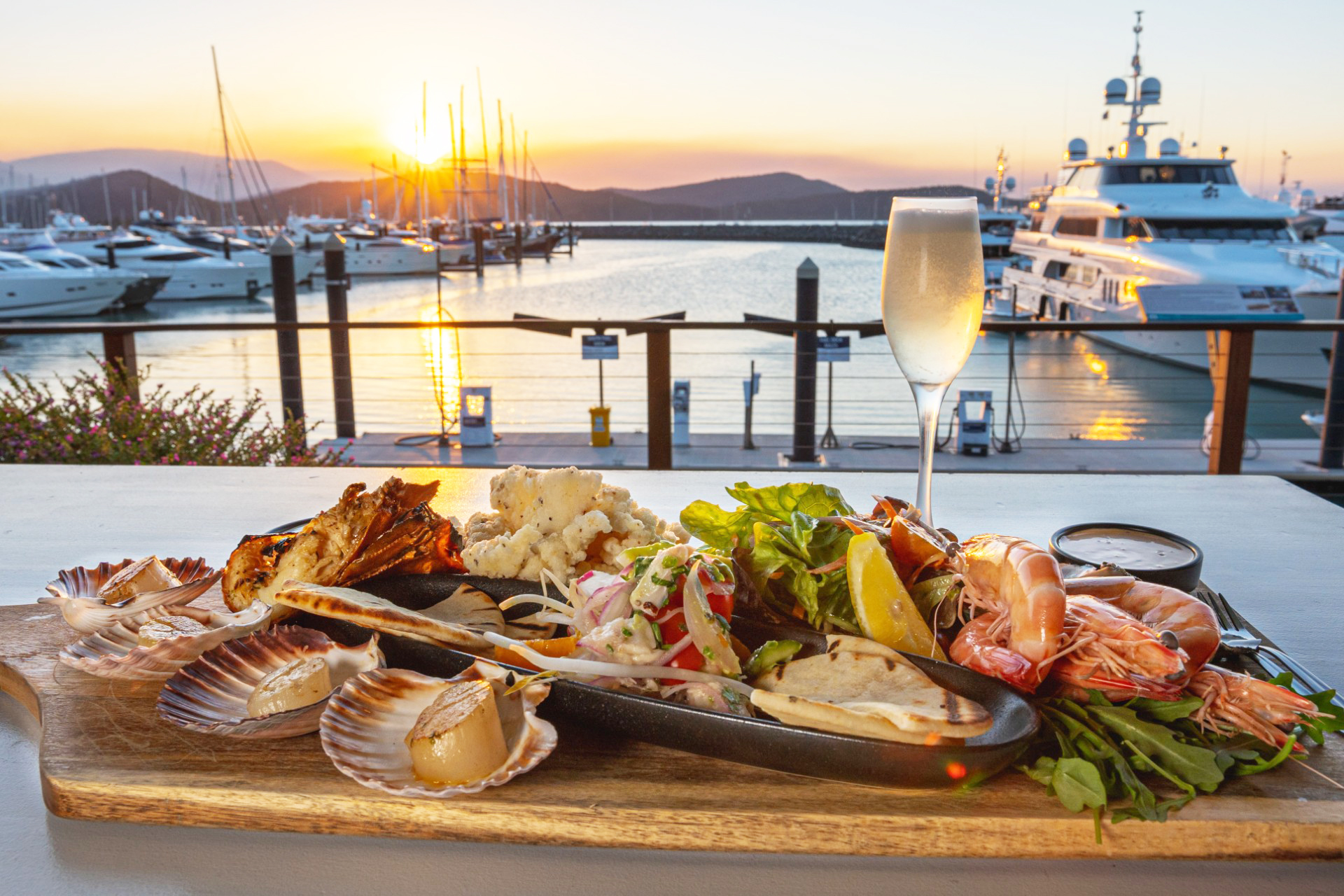
There’s a particular time of day in the Whitsundays when everything seems to slow down.
The heat softens, the light begins to change and Coral Sea Marina takes on that unmistakable late-afternoon glow. At The Garden Bar, it’s one of the loveliest times to find a table and simply settle in.
From 3pm, the Baked Brie offers an early taste of what’s to come. Served warm and gooey, drizzled with local honey and accompanied by roasted walnuts, sweet dates, crisp apples and crackers, it’s made for sharing while the afternoon unfolds.
Then, from 5pm, the kitchen opens for dinner service, inviting you to stay a little longer. The menu reflects the relaxed Whitsundays lifestyle, moving from light bites and share plates through to fresh seafood, house-made pasta and a variety of globally inspired substantial mains.
And then there’s the view.
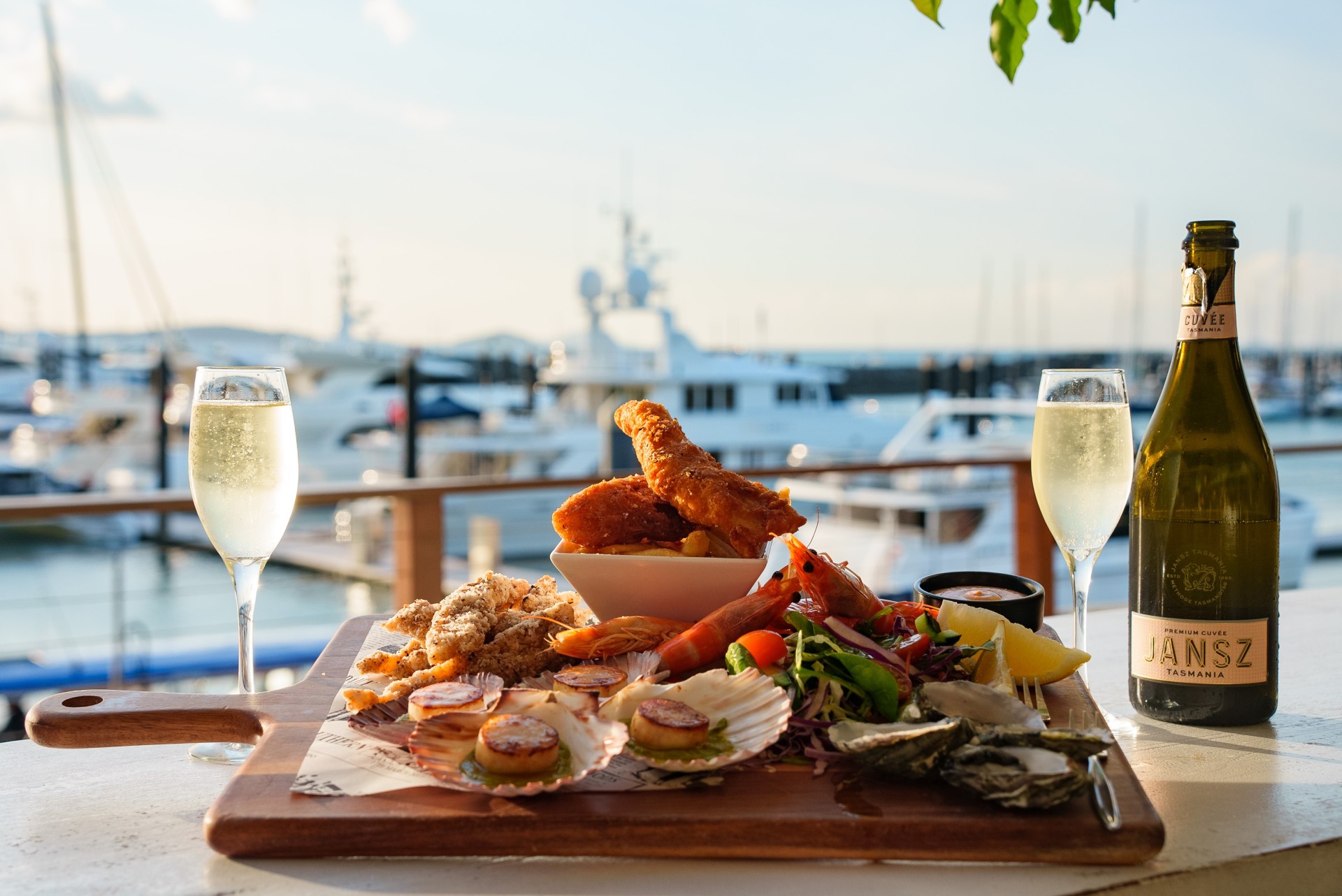
Boats make their way across the marina, the Whitsunday Islands sit beyond the water, and the sky puts on a show of its own. As daylight fades, the garden lights begin to twinkle and the yachts reflect across the water.
It’s a subtle change, but one that sets the evening atmosphere.
Perhaps you arrived for a share plate in the afternoon and found yourself staying for dinner. Perhaps you’ve come straight from a day exploring the Whitsundays, ready to slow the pace and watch the evening settle over the marina. Or perhaps you’re a local who knows that sometimes the best way to appreciate where we live is simply to stop long enough to enjoy it.
That’s part of the charm of The Garden Bar. There’s no need to rush the experience.
For visitors, it’s a chance to experience a relaxed side of Airlie Beach without an itinerary. For locals, it’s a reminder of just how special our own backyard can be.
Good food, warm hospitality, tropical surroundings and an evening unfolding by the water.
Sometimes, that’s all the plan you need.
The Garden Bar is located at Coral Sea Marina - South Village, Airlie Beach. Open Wednesday to Friday from 3pm and Saturday and Sunday from 12pm.
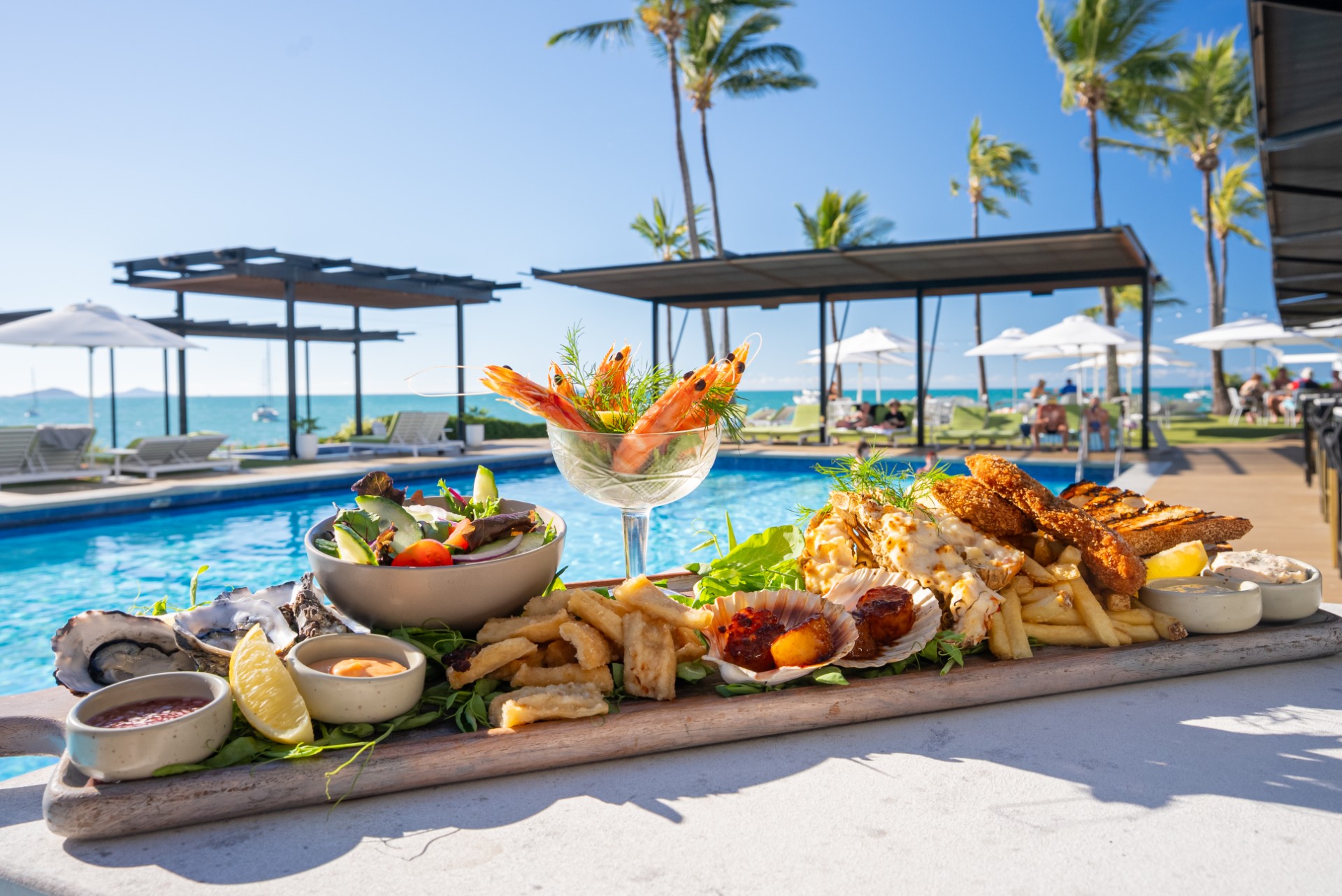
The Signature Seafood Platter.
With uninterrupted water views, fresh Australian seafood and cocktails made with that local touch, Coral Sea Pavilion is hoping more Whitsunday residents will come down and see what is on their doorstep.
Although the restaurant’s location may leave some locals thinking it is mainly there for holidaymakers, the team wants to change that perception and encourage more residents through the doors.
“We want to bring more awareness to the restaurant and show locals what we offer,” said Marketing Specialist for Coral Sea Resort Maria Markham.
The menu features plenty of fresh Australian seafood, much of it locally sourced, with Coral Sea Pavilion’s generous hot and cold seafood platter among its signature must-haves.
Behind the bar, guests will find beers on tap, a selection of wines and a mix of classic and handcrafted cocktails. Its signature range includes the Nemo, Mango Tango and Gin & Bare it, made using 74 Islands gin and vodka.
Despite first impressions with a gorgeous waterfront setting, the Pavilion remains in line with other restaurants around Airlie Beach.
“We want locals to know they don’t need to wait for a special occasion,” Maria said.
“Lunch, sunset drinks or an easy dinner, the Pavilion is somewhere they can enjoy any day of the week.”
Locals can scan the QR code below to join the Pavilion’s rewards program and receive 10 per cent off every visit, along with additional rewards each time they return.

Publishers Indemnity. Any individual or entity that places advertising, supplies copy material, or submits editorial content to Core Life Publishing agrees and undertakes to ensure that all such material:- Does not infringe upon any copyright, trademark, or other intellectual property rights;- Is free from any content that could be considered defamatory, libelous, or slanderous;- Does not infringe upon any rights related to privacy or breach of confidence;- Contains no obscene, indecent, or otherwise unlawful material;- Complies fully with the Trade Practices Act and all other applicable laws, regulations, or statutes.Furthermore, by submitting or placing such material, these individuals or entities agree to indemnify and hold harmless the publisher, Core Publishing and Events Pty Ltd, and/or its agents from and against any and all investigations, claims, demands, liabilities, damages, costs, or judgments arising out of or in connection with the material provided. All material is believed to be accurate at the time of printing and remains the copyright of Core Publishing and Events Pty Ltd.
© 2026 Mackay and Whitsunday Life Pty Ltd.
