
Independently Owned, Locally Grown, Community Loved

OPINION PIECE from the office of Federal Member for Dawson Andrew Willcox There is no question that immigration into Australia is out of control. The government’s numbers are too high, and standards are too low. A sustainable migration program must consider our capacity to provide housing, healthcare, infrastructure and the essential services everyone relies on, and Australians must come first. But Labor’s decision to target Working Holiday Makers Visa holders is not the answer. These people filling vital gaps in our workforce are not the cause of Australia’s housing crisis. In many cases, they are living in accommodation provided by the very businesses that employ them. The National Farmers’ Federation has made the point that Working Holiday Makers generally stay in hostels, caravan parks or purpose-built on-farm accommodation. Resorts usually have on-site staff quarters. They are not the source of Australia’s housing shortage. So why is Labor making it harder for them to come here, when these workers fill genuine jobs that regional Australia holds? Working Holiday Makers fill approximately one in seven farm jobs nationally and are particularly important during peak agricultural periods, which for Dawson, it is right now! Farmers rely on these workers to plant, pick, pack and harvest the produce that ends up on Australian supermarket shelves. Having run one of Australia’s largest tomato farms, at times Working Holiday Makers made up more than 50 per cent of my workforce. Without them, much of our crop simply would not have been picked in time and rotted in the paddock. Some may say, why not employ the Australians who don’t have a job and are on “the dole”? Can I say, this does not work. Most farmers will employ Aussies over travelling backpackers, but many either don’t want to do the work or don’t turn up after the first day. Who picks the fruit or veggies then? Farmers are already warning that visa delays are leaving them without workers. The NFF says approvals that once took days are now facing processing times of up to three months, and this time frame can be the difference between harvesting a crop or losing it. That should concern every Australian already feeling the pressure at the supermarket checkout. The same problem is playing out in tourism. Across Dawson, Working Holiday Makers are an important part of the workforce supporting tourism and hospitality, particularly in the Whitsundays. They help fill shifts, work in hotels and restaurants, support tour operators and keep businesses running through their busiest periods. They also contribute to the local economy. They spend money on food, fuel, attractions and tours, supporting the small businesses that depend on a strong visitor economy. That is why tourism and business leaders across North Queensland are raising the alarm. They understand what happens when a regional business cannot get enough staff: opening hours are reduced, and services are cut, creating a downward spiral. We do need to reduce migration to sustainable levels. We need stronger integrity measures, and we need to crack down on rorts. But responsible migration policy means understanding which parts of the system are creating pressure and which parts are helping Australia function. Working Holiday Makers are not the problem. They are part of the workforce solution for regional. Australia. People have had a gutful of watching their standard of living go backwards. Groceries, fuel, housing and everyday expenses are already putting enormous pressure on families. The last thing Australians need is another reckless policy that makes it harder to produce food, harder to run regional businesses and harder for tourism operators to find the workers they need.
Read the full storySomeone sold a house in Sydney last week for $9 million less than they bought it for four or five years ago. The sellers had bought the property in Sydney’s eastern suburbs for $29 million and sold it for $20 million in a sale forced by their bank. I imagine the sellers are a little disappointed by the government’s decisions on negative gearing and capital gains tax and feeling pretty hurt by the increased interest rates. Australia’s interest rates are on the rise and are now sitting at levels not seen since 2011. Increased cost of living is hurting people around the country and interest rates are playing into that. But the impact of interest rates is not felt evenly around the country. The far-higher property prices mean people in the major cities suffer much more than regional areas with the rates increase. That is certainly not to say people in Mackay are unaffected by the cost of living; it’s just that the impact of interest rates increase on a $400,000 mortgage is much less than the impact on a $1m mortgage. There are other Mackay-specific factors that are in play when discussing the current housing market. The big factor is the role of coal in our economy. Most of the coal extracted and exported from our region is coking coal, which is used to make steel. The price of coking coal is around $280 a tonne, which is about 50 per cent up. Good activity in the coal market translates to good news for the Mackay economy, as it is an economic engine that other cities and regions just don’t have. Good activity in Bowen Basin flows throughout the Mackay economy; Paget workshops, transport, suppliers and related businesses all benefit. But so do other, non-mining-related businesses as they benefit from the general confidence and spending that goes on. The strong mining activity also means mines need to keep their staff levels up and that means more people moving to Mackay. Of course, Mackay is much more than a coal mining town but if the coal sector is going well those other areas definitely benefit. It is a confidence boost for Mackay people looking to get into the housing market and those wanting to upgrade or downsize. It also means continuing strong demand from people wanting to rent a property and it will be interesting to see what sort of activity that creates from investors. Investors have walked away from the big-city markets because they can no longer use negative gearing on established properties that do not have a sufficient yield to be positively geared. Negative gearing has never been a big thing in Mackay because our prices are lower and rental returns continue to be strong so many investors have a positively geared property. Around the country everyone is nervous about the state of play and the probability of more interest rate rises. But strong coal prices and an economy that is performing well mean Mackay might just be presenting an opportunity for buyers and sellers that doesn’t exist in other parts. I remember when national confidence was flying high and Mackay prices were going up significantly that many buyers were saying “I wish we had bought a while ago when the market wasn’t so hot”. I’m not armed with a crystal ball so I’m not here to tell you what is going to happen but I suspect there is a very good buying window right now for those looking for an opportunity.
Read the full story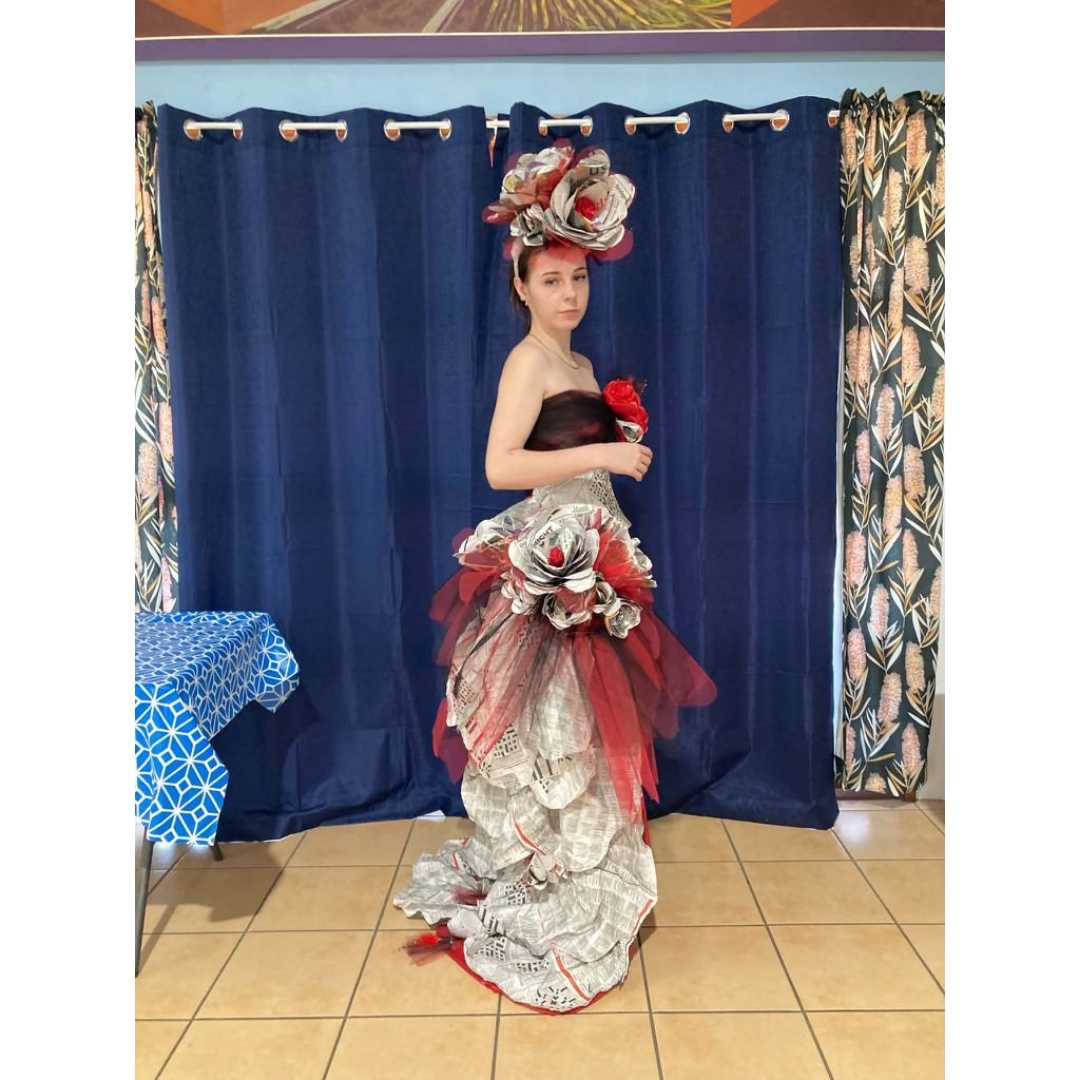
A local Mackay and Sarina based model has created a dress out of newspapers, including Mackay Life, for her upcoming pageant, representing her region and hometown on the runway as she vies for Miss Diamond International in Brisbane. Zoe Place will be competing this weekend in the three-day event, beginning this Friday 2nd October and ending on Sunday 4th October. The young model spent around a month creating her eco-fashion outfit, using old newspapers as the main material and transforming them into a bodice, skirt and flowers. Red elements were also incorporated into the design to give the dress a bold and glamorous pageant feel. Zoe said, “The entire concept was really about taking something that would normally be thrown away and turning it into something beautiful and meaningful.” Her eco-fashion creation will form part of a busy weekend in Brisbane, with the Miss Diamond International event including photo shoots, interviews, an eco-fashion show and the final pageant. Zoe has been preparing for the event by practising her strut and walking, preparing for interviews and getting comfortable in the different outfits she will wear throughout the weekend. Alongside her love of modelling, pageantry has also provided Zoe with a platform to raise awareness about causes close to her heart, including mental health, while fundraising for Beyond Blue. “Pageantry has given me more of a platform to combine my love for modelling with something that is really important to me.” “When I first started, I was more nervous about putting myself out there and worried about what others would think about me – but I’ve changed a lot through my journey in pageantry.” “Pageantry has also taught me that it’s not about how you look on stage. It’s about the person you are when you step off it.” “Every woman has their own unique journey and that journey is something we should all be really proud of.” “To me, it represents confidence, empowerment, kindness, and using your voice to make a difference.” Zoe said she was looking forward to meeting the other contestants, making new connections and creating memories. “I’m definitely looking forward to meeting all the new contestants and making new connections and creating memories that I will carry with me for a lifetime.” While Zoe hopes to eventually move to the city, her sights are set even further afield, with a dream of one day walking in New York Fashion Week. Mackay and Sarina local Zoe Place has created an eco-fashion dress from recycled newspapers, including Mackay Life, ahead of her Miss Diamond International pageant in Brisbane. Photos supplied
Read the full story
Trends, reels and the endless cycle of always wanting more has quietly bombarded the minds of countless social media users of all ages, but one former Mackay local has made it her mission to help others understand the effects of social media and find practical ways to break free from online addiction. Alexis Zahner is in Mackay over the next week to teach upcoming generations about social media and the effects it can have on the mind, particularly on identity, self-discovery, as well as the marketing strategies that get viewers hooked and influence their decisions. It is something Alexis knows first-hand can be a useful tool, but also a great disruption to authenticity and the world as we see and experience it. Alexis will hold a free meet and greet and book launch today, Friday 2nd October, at 5.30pm at the Mackay Surf Lifesaving Club, where she will give a talk and answer questions relating to her debut book, Real: Reconnecting to Yourself in a World of Likes and Lies. A former Mackay girl, Alexis spent the past 15 years working across business psychology, marketing and media, with her interest in social media influence beginning during her university studies at James Cook University in Townsville. Her own experience as a social media user, travel blogger and influencer eventually led her to question how much of her identity, decisions and values were being shaped by what she saw online. “The tipping point came for me about 3 years ago when I had this feeling that I couldn't separate influence from my own personal decision making,” she said. “I couldn't separate my own likes, dislikes, values, relationships from what I was being exposed to and being influenced by online.” “I found that I needed to take some time away from social media to recalibrate what was important to me and sort of reconnect and come back to myself.” Alexis said she understood the feeling of questioning who you are outside of social media. “I know what it feels like to live a life under the influence of social media and have that existential crisis of thinking to yourself, who am I? What do I like? What's the kind of life I want to live? and struggling to separate myself from influence.” Alexis is particularly passionate about reaching teenagers, who she says are in an important stage of identity development, and will share this message with Mackay high school students during her upcoming school talks. “Teenagers are really easily influenced by social media. So it's a really important age where we start educating them – not just on the mental health repercussions of things like social media and how it shortens their attention span, but how it actually influences who they become.” “If you're asking yourself these questions, it's not your fault. Social media is actually geared to create this impact on you.” Alexis encourages people of all ages to “start expanding beyond what you see on the platform.” “Dare to indulge in the things that you've always been curious about or things you used to love,” she said. “Don't be afraid to put the phone down to let yourself be curious and have fun.” What: Alexis Zahner's 'Real' Book launch When: 5.30pm Friday 2nd October 2026 Where: Mackay Surf Lifesaving Club Former Mackay local and author Alexis Zahner is returning home to share her experiences with social media and her debut book, Real. Photo supplied
Read the full story

Next week will mark one month since 15 innocent Australians lost their lives at one of our nation’s most iconic spots. Bondi will now forever be synonymous with the worst terror attack on Australian soil. It devastated families, shattered communities, and scarred a nation. It should never have happened.
Since December 14, many words have been spoken, yet nothing of substance has changed. The government’s response has been worse than weak. A country in mourning deserves answers, accountability, and action. Instead, Australians have been served excuses and deflection.
First, the Prime Minister blamed the guns. Then he told us events like this are “hard to legislate against.” After days of backlash came talk of tougher hate laws, yet, despite the Coalition standing ready to act, Parliament at the time of writing has not been recalled (I hope it has by the time you are reading this).
The Prime Minister’s last attempt to quiet public backlash was the announcement of a government appointed review, largely focused on security agencies. This review does not strike at the heart of the problem and it is a watered-down substitute for transparency.
The Coalition, Jewish community leaders, national figures, and sporting greats have all called for a Royal Commission. Most importantly, the families of the victims have demanded one. Even a public letter from grieving families has not moved the Prime Minister.
A Royal Commission matters because it is independent, public, and thorough. Hearings are led by judges and senior officials. Ministers, including the Prime Minister can be questioned. That level of scrutiny is essential, and it is precisely why this government is resisting it.
The government offers two excuses for not announcing a Royal Commission: concern about re-traumatising families, and time.
Well, families of the victims are asking for it, and this government has enthusiastically supported multiple Royal Commissions involving victims in the recent past.
Time, however, is the real reason. Although not because action would be delayed, because a Royal Commission does not prevent urgent laws being passed. Action can and must happen concurrently. But because a Royal Commission would keep the government’s failures in the public eye for longer.
Typically running 15 to 18 months, a Royal Commission established now would likely deliver its findings just months before the next federal election. That means sustained scrutiny of the government’s failure right up until the very moment voters are paying the closest attention. That is what Labor wants to avoid and this is the real reason the government is resisting.
The Bondi attack did not occur in isolation. For more than two years, Australians have witnessed escalating extremism, intimidation, and radicalisation. Warning signs were ignored. Hate was allowed to fester. The Prime Minister was silent as hate filled protests erupted, extremist rhetoric spread openly, and national symbols were attacked. Bondi is the consequence of that silence and inaction.
A Royal Commission will not bring back those we lost. But it could save lives in the future. A Royal Commission would tell the world Australia will not tolerate hate. It would not only explain what happened but identify holes in the current systems. It would give victims dignity not dismissal. And it would a deliver a tangible roadmap for preventing similar events.
Prime Minister, be accountable and take responsibility. Announce a Royal Commission now. Better late than never.
Australia must remember Bondi, not just today, but always.
After years of community concern about overcrowding, limited parking and pressure on local health services, Mackay Base Hospital’s long-awaited expansion is now moving into a defined planning and delivery phase, with further announcements expected in the New Year.
On December 19, 2025, Member for Mackay Nigel Dalton said the focus was on resetting the hospital’s direction and restoring confidence after what he described as a prolonged period without a workable plan.
“Today is about the hospital rescue plan… getting hospitals back on track after 10 years of decline,” Mr Dalton said.
“We’re now putting in the hard work on a plan that will make this hospital one of the best.”
“It’s about giving the community confidence in what this hospital will look like into the future.”
Health Infrastructure Queensland (HIQ) representative Sam Sangster confirmed the project is now guided by a comprehensive master planning process, designed to shape development over the next several decades.
“Today we’re talking about the re-planning that will now occur here, starting with a comprehensive master planning exercise,” Mr Sangster said.
“This was one of the projects where construction had started without a master plan, which is not how you normally plan a hospital.”
“We are now doing the work that should have been done some time ago to build this hospital for the community, for the long term.”
All elements of the hospital expansion plan will proceed, including a new hospital wing, a multi-storey car park, a helipad and a birth centre. Local builders and contractors will also have opportunities to be involved in upcoming stages of the project.
Car parking, a long-standing frustration for patients, visitors and staff, has been identified as an urgent priority.
“In the New Year we’ll commence procurement of the multi-level car park, with interim parking solutions also to be announced,” Mr Sangster said.
“Car parking is such a critical issue, particularly on this site, and we’re treating that as an urgent priority.”
When complete, Mackay Base Hospital is expected to have around 1660 parking spaces, which is approximately 600 more than currently available. An interim parking solution is being developed to ease congestion while construction of the new car park is underway.
Stage One works for the new hospital wing have already been completed, including excavation, site remediation and utilities installation. Work on the broader master plan is continuing to ensure future development meets the needs of both clinicians and the community.
Planning is also underway to deliver cancer care services locally.
“Mackay is one of the regional locations where infrastructure planning will now begin to deliver cancer care closer to home,” Mr Sangster said.
Mackay Hospital and Health Service Interim Chief Executive Sean Birgan said access, patient flow and site congestion remain major challenges.
“Patients, families and staff would all agree that car parking is one of our biggest challenges,” Mr Birgan said.
“The best healthcare we provide our patients is planned care, and the best capital planning is no different.”
Expressions of interest from local builders for construction of the multi-storey car park and other expansion works are expected to open in January 2026, with further updates to follow in the New Year.
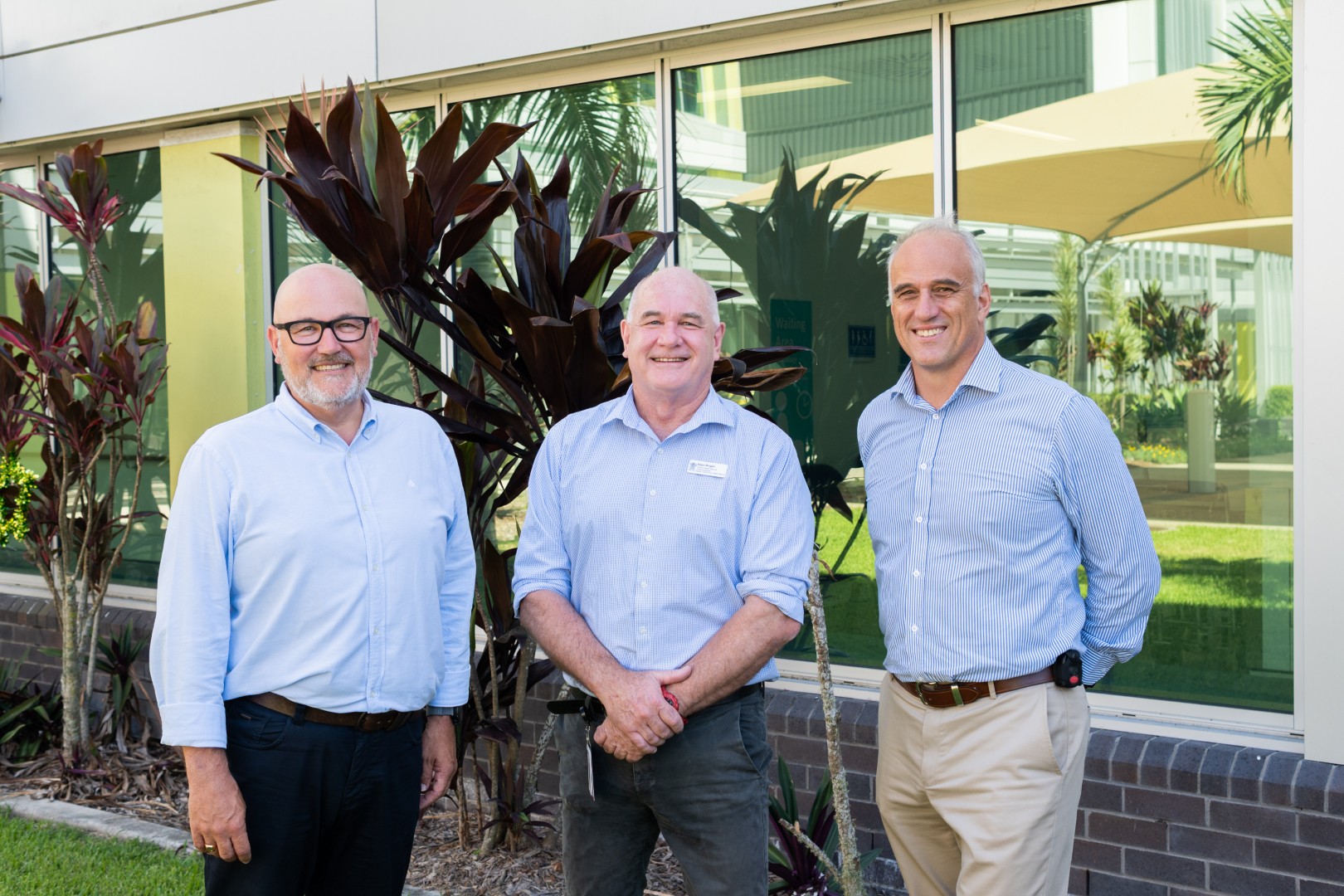
Health Infrastructure Queensland (HIQ) representative Sam Sangster, Mackay Hospital and Health Service Interim Chief Executive Sean Birgan and Member for Mackay Nigel Dalton met at Mackay Base Hospital on December 19 to discuss a 2026 rescue plan. Photo credit: Hannah McNamara
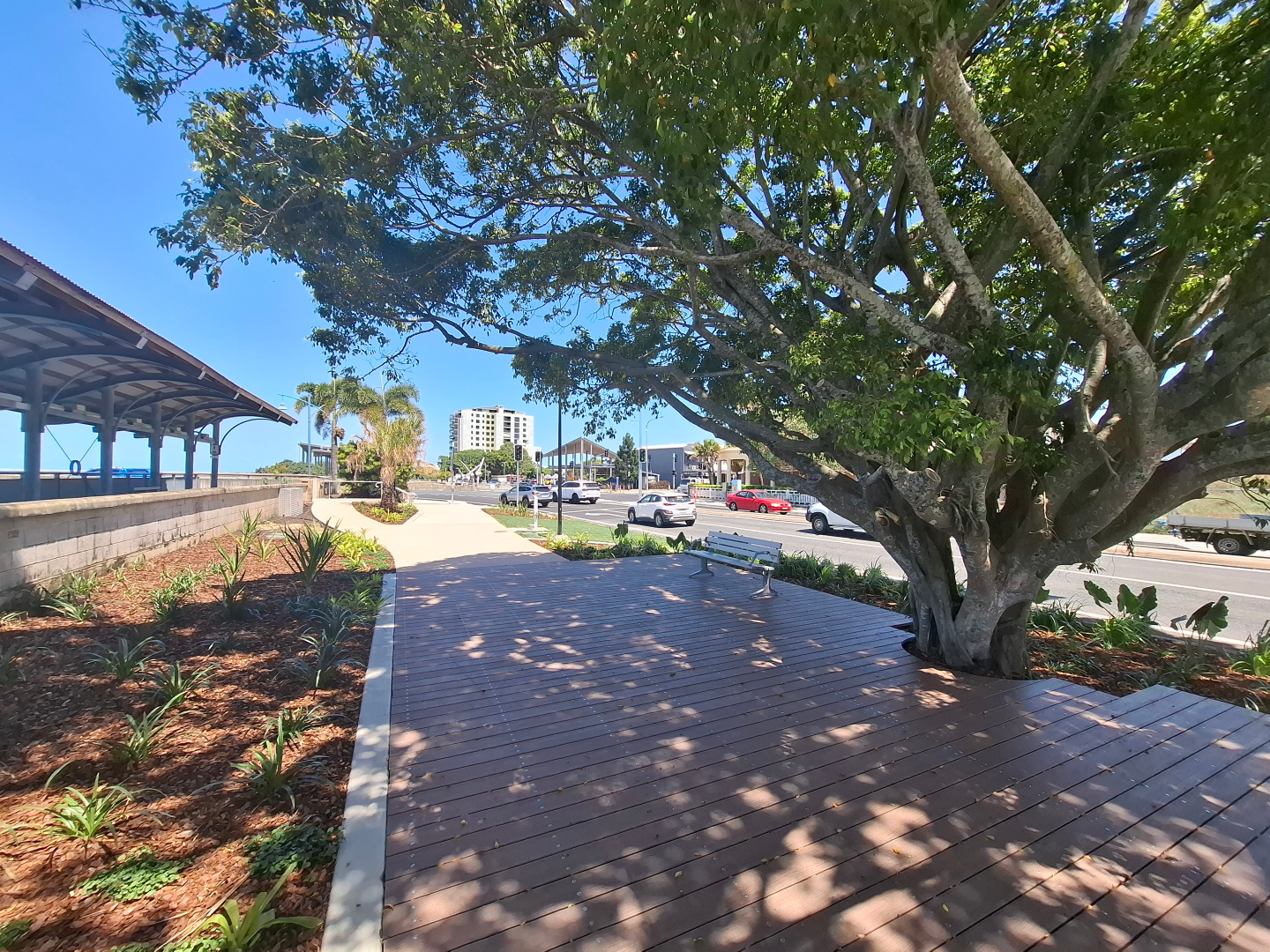
Council is pleased to announce the completion of the Sydney Street and River Street intersection upgrade and Bluewater Trail improvements.
The $4.8 million project, delivered by Vassallo Constructions Pty Ltd on behalf of council, has significantly enhanced pedestrian and cycle connectivity between the City Centre and Riverside precincts.
The upgrade includes 150 metres of new three-metre-wide off-road shared path along the Bluewater Trail on River Street.
The Sydney Street and River Street signalised intersection has also been widened to 5.5 metres and a new pedestrian crossing has been constructed.
Mayor Greg Williamson said the completion of the project marked another milestone in delivering the Mackay Waterfront Priority Development Area (PDA).
“This upgrade is about promoting active transport and making it easier and safer for people to move between our City Centre and Riverside precincts,” Mayor Williamson said.
“By creating new and wider footpaths, improving lighting and landscaping, and installing park furniture, we’re encouraging more walking and cycling, which supports healthier lifestyles and a more vibrant city,” he said.
“It also aligns perfectly with our Waterfront Place Strategy, which is focused on activating the Pioneer River and surrounding areas to create attractive, connected and welcoming spaces for residents and visitors.”
Two wayfinding signage packages are also being delivered as part of the project. These will connect the key precincts, offer visitor information and provide directions and walk times to key locations within the City Centre and Waterfront.
This project is the fourth for the Mackay Waterfront Priority Development Area (PDA). Previous projects include the Queens Park Revitalisation and the Riverside Revitalisation project (comprising the recently completed Pioneer River pontoon and River Wharves).
The Sydney and River streets intersection active transport crossing is proudly supported by the Queensland Government’s Cycle Network Local Government Grant program and Mackay Regional Council.
Minister for Transport and Main Roads, Brent Mickelberg said the Queensland Government is committed to building stronger partnerships with local councils by investing in projects that encourage the community to enjoy upgraded facilities, which showcase the natural beauty of the Mackay region.
The upgrade along River Street will make it safer and easier for people to move between City and Riverside precincts. Photo supplied

A Mackay man has proven that not all life-changing moments come with fireworks and fanfare, after calmly discovering he’d pocketed more than $60,000 in a Keno draw just before the new year.
The North Queenslander claimed the Keno Classic 8 Spot jackpot in draw 116, drawn on Sunday, 28 December 2025, walking away with a tidy $60,227 — and doing so with remarkable composure.
“I was actually pretty cool and calm!” he laughed when an official from Keno confirmed the win.
“I was sat down with my wife’s parents, and we were in the café area, and I decided to put a game of Keno on. I looked up at the Keno screen and that’s when I saw my Keno numbers come up.
“I said to my mother-in-law, ‘I’m pretty sure I’ve won!’. She was more shocked than me.
“It’s funny because I usually catch up with friends and we usually share a ticket, but I managed to have won all by myself.
“As soon as I confirmed the win with staff, I went home and kept the ticket very secure.
“We ended up celebrating that night.”
When asked about how he'd spend his winnings, the joyful man shared he would be sensible with the prize.
“It will help me pay off some of my mortgage!” he exclaimed.
“Thank you very much!”
His winning Keno Classic entry was purchased at Harrup Park, 89 Julet St, Mackay.
It was a big win, a calm reaction, and a very happy start to the new year for one Mackay local.
Image supplied
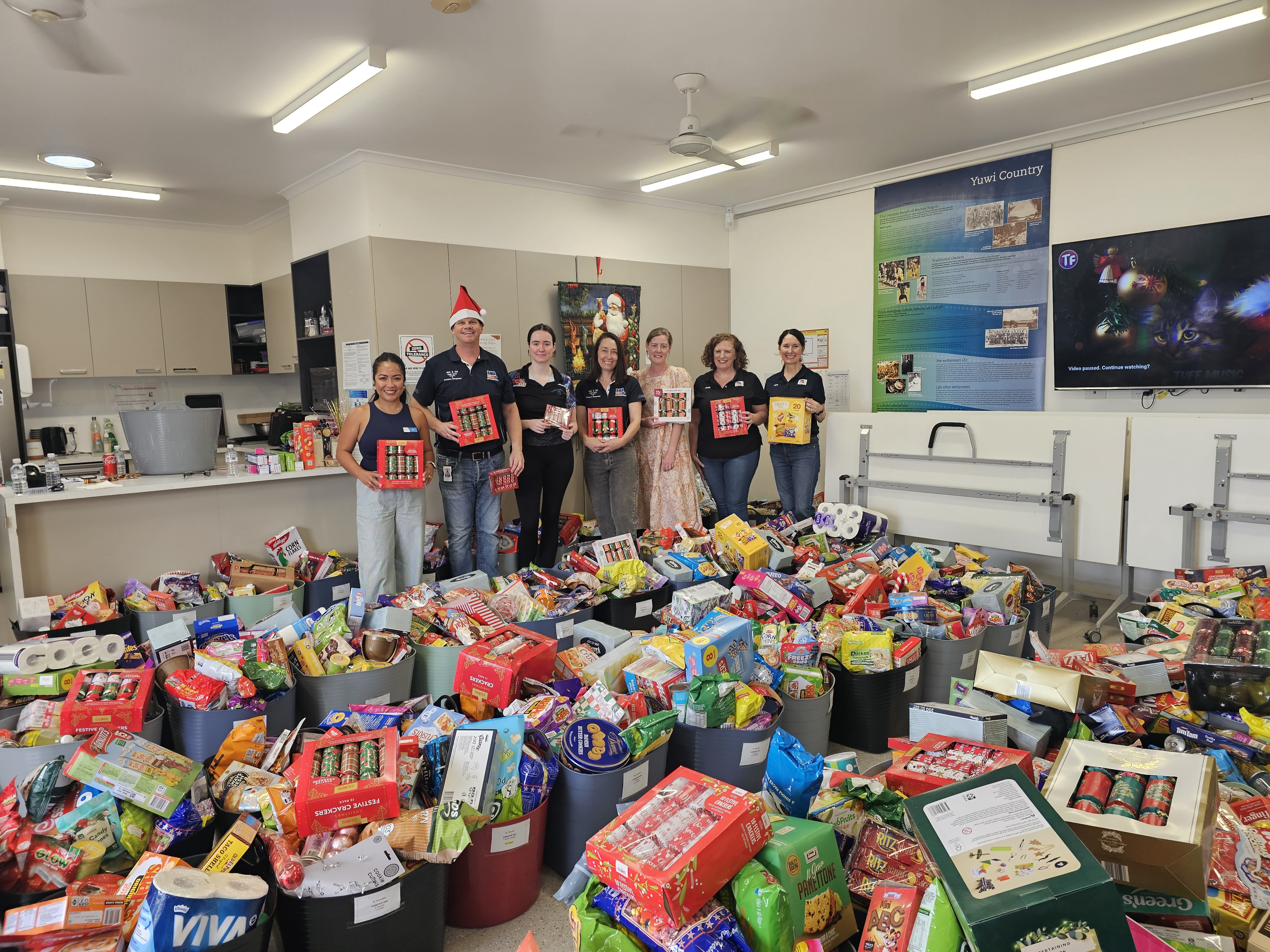
As the decorations come down and the community settles into the new year, The Neighbourhood Hub is taking time to reflect on what made this past Christmas season truly special – the overwhelming generosity of the Mackay community.
In the weeks leading up to Christmas, The Neighbourhood Hub's centres at Shakespeare Street and George Street became bustling hubs of community spirit as staff, volunteers, and local partners came together to pack 117 Christmas hampers for families and individuals doing it tough.
The initiative brought out the very best in the region. Donations flowed in from every corner – community groups, local businesses, families, and individuals all stepping up to ensure neighbours would have extra support during the festive season. The BMA team generously gave their time to help sort, pack, and organise, turning the task into a day filled with connection and purpose.
The Neighbourhood Hub's General Manager, Nicolette Ffrost, said the initiative demonstrated what makes the Mackay community so special.
“While 117 hampers represent tangible support for 117 households, the true impact went far beyond the practical assistance,” Ms Ffrost said.
“What struck the team most was the quiet care taken by volunteers, the thoughtful conversations between packers about ensuring each hamper felt personal, and the genuine compassion that filled the workspace.
“This was neighbours supporting neighbours; a community that refuses to let anyone face hardship alone.”
Each hamper was carefully assembled with dignity and respect in mind, packed with essential groceries, festive treats, and household items to help make Christmas a little brighter for those experiencing challenges.
Ms Ffrost said the collaboration witnessed during the initiative embodied TNHub's philosophy of “walking alongside” community members.
“This wasn't about charity in the traditional sense – it was about a community coming together around a shared purpose,” she said.
“The partnership between BMA volunteers, donors, and The Neighbourhood Hub's changemakers created something far greater than any single organisation could achieve alone. It reinforced that strength lies in how people support one another when it matters most.”
Ms Ffrost extended heartfelt thanks to all volunteers, donors, and community partners who made the initiative possible.
“To everyone who contributed time, donations, or encouragement – thank you,” she said.
The Neighbourhood Hub reopened on Monday, 5 January 2026, operating from its two locations at 43 Shakespeare Street and 4 George Street.
Volunteers, partners and donors came together to pack 117 Christmas hampers, showcasing the generosity and community spirit that defines Mackay. Photos supplied
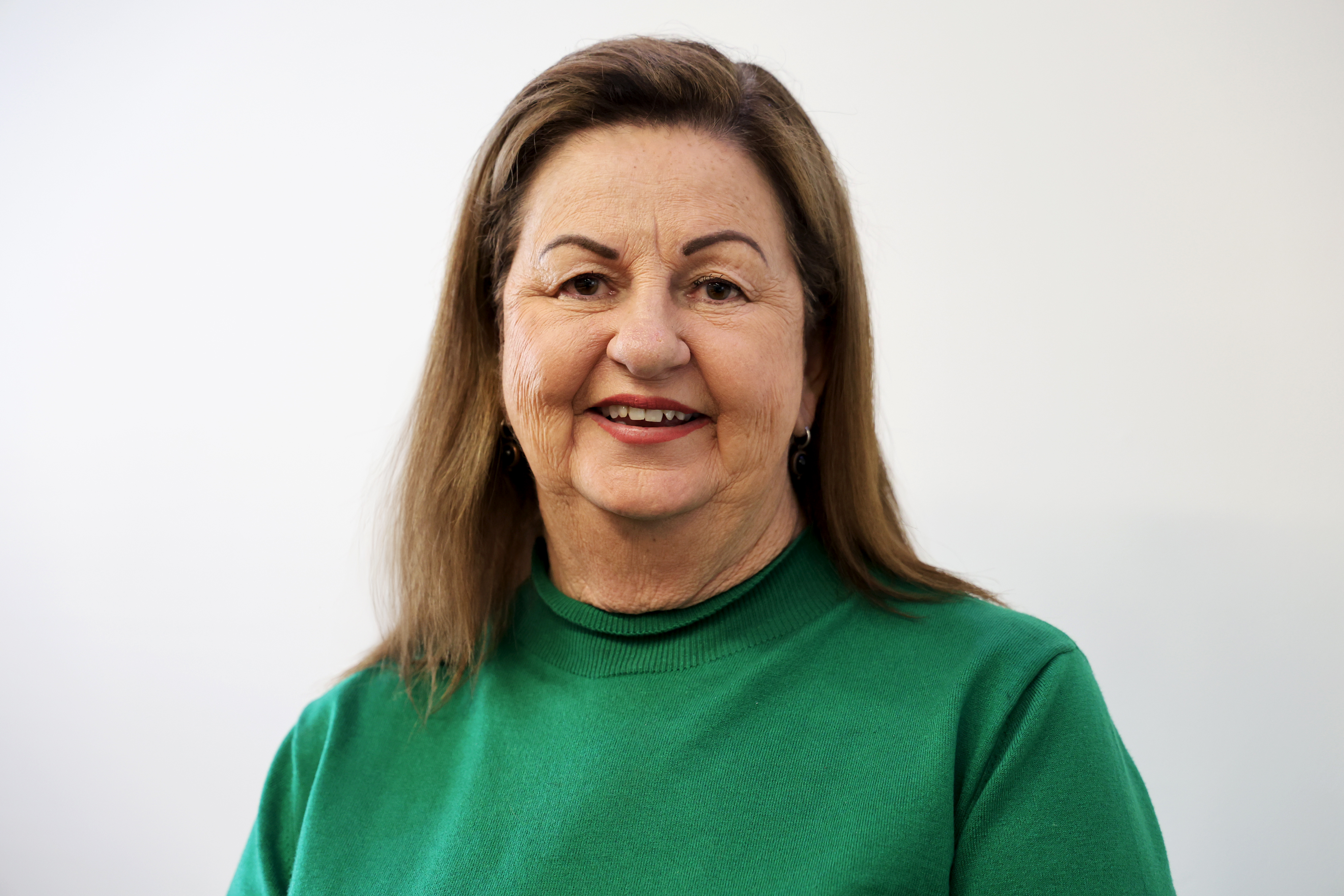
By Cr Anne Baker
Being elected in the September by-election is something I’m genuinely grateful for. Can I start by saying thank you to everyone who took the time to vote, have a conversation with me or share their thoughts along the way. Whether you supported me or simply stopped for a chat, those conversations have meant a lot.
Since being elected, I’ve done my best to get out and about across the region. I’ve attended community meetings, dropped in on local groups, and spoken to residents and business owners wherever I can. What’s been most important to me is listening. People have been open about what’s working well, what isn’t and what they want to see change – something like the good, the bad and the ugly, and I’m thankful for that honesty.
One thing that’s really stood out is just how much people care about their communities. Each area has its own character and its own priorities, but there’s a shared sense of pride and a strong desire to see the whole region move in the right direction. Those conversations have already shaped how I approach my role, and they’ll continue to guide me over the year ahead.
I stood for the by-election because I care about this place and the people who live here. I bring local government experience; however, I don’t pretend to have all the answers. I believe in being approachable, straight-talking and willing to listen. If something isn’t working, I want to know about it. If something can be improved, I want to help make that happen.
The next year will not be without its challenges, and at times local government can be complex.
I’m committed to working hard and working constructively with colleagues. Working together is integral, always keeping local voices front and centre. I want people to feel comfortable getting in touch and confident that their concerns will be taken seriously.
As Co-Chair of the Infrastructure Advisory Committee and Co-Chair of the Financial Advisory Committee as additional responsibilities, I’m optimistic, excited and looking forward to the year ahead — continuing to listen, learn and do the best job I can for the people is a priority for 2025.

Every business wants to be the best; few actually achieve it. When customers are ready to buy, they don’t open a spreadsheet to conduct a detailed comparison. They choose the brand that comes to mind first. That moment, often called the point of recall, is where buying decisions are made. If your business isn’t front and centre in that split second, you’re already playing catch-up, regardless of how good your product or service is.
Being first doesn’t mean being the biggest business in your industry. It’s about earning recognition and trust with the right audience. Consider the local café everyone recommends without thinking, or the mechanic that’s mentioned when value is a priority. Those brands don’t come to mind by accident; they earned their place through clear messaging and repetition. Brand preferences are built long before a purchase is made.
In crowded markets, memorability isn’t created by chasing trends or hoping for a viral moment. It comes from strong creative, a clear understanding of the value you offer, and consistent messaging across every touchpoint - all working together to create familiarity over time. From social media and websites to signage, uniforms, and vehicles, every interaction reinforces how a brand is perceived. Marketing is a battle for mental real estate, and if you’re not deliberately shaping how your business is viewed, your competitors will do it for you, often positioning you as second choice.
Marketing is a long game. One great campaign might generate attention, but sustained growth comes from strategy, not isolated activities. High-performing brands operate within a connected marketing ecosystem where each channel supports the next; for example, billboards to build awareness, radio to reinforce recall, digital advertising to drive consideration, and social media content to build trust. When those channels tell the same story and work together, they compound, making your brand easier to recognise. When they don’t, confusion creeps in, marketing spend leaks through the cracks, and audiences hesitate to act.
Direction matters, and it’s not something most business owners should be expected to figure out on their own. The strongest brands are led by people who know when to seek expert guidance. Strategy isn’t about doing more marketing; it’s about doing the right marketing with the right creative and messaging. A clear roadmap removes guesswork, aligns investment, and ensures every action contributes to a bigger goal rather than ad-hock decisions.
Structured marketing workshops are a great way to create clarity so that money isn’t wasted on the wrong activities. They uncover opportunity, define market position, and establish a clear framework for future decisions. Squeeze is redhotblue’s premium one-on-one brand and marketing workshop, designed to give business owners a fresh perspective. These tailored, hands-on workshops deliver clarity, confidence, and ideas to help brands outperform competitors and stay top of mind.

Volunteers across Mackay are once again being called on to support vital community services, with two initiatives highlighting just how powerful a few hours of time can be, whether its helping doctors reach patients or raising funds that directly benefit our region.
The Mackay Hospital Foundation is currently seeking friendly and reliable volunteer drivers to assist with transporting travelling doctors between the airport and Mackay Base Hospital. The role is simple but essential, helping ensure visiting specialists arrive on time and can focus fully on providing care to the community.
Volunteers are provided with a vehicle and are asked only to drive. Morning duties involve collecting doctors from Mackay Base Hospital at 8.30am before heading to the airport for a 9.00am pick-up. Afternoon drop-offs depart the hospital at approximately 3.45pm. Days vary depending on doctors’ schedules, and flexibility is appreciated.
To be eligible, volunteers must hold a current open driver’s licence, have a Blue Card — or be willing to obtain one — and bring a friendly, professional attitude to the role. Organisers say it’s a rewarding way to support the hospital and contribute directly to patient care behind the scenes.
Anyone interested in volunteering or seeking further information is encouraged to get in touch by emailing mhf@health.qld.gov.au. Organisers say even small contributions of time can make a meaningful difference.
The call for new volunteers follows another successful year of community support, with the Mackay Hospital Foundation’s gift-wrapping volunteers raising an impressive $5,472 in December last year.
Organisers acknowledged the many volunteers who generously gave their time, energy and smiles throughout the campaign, turning a simple service into a successful fundraising effort driven by the community, for the community.
The combined efforts of volunteer drivers, gift wrappers, supporters and local partners underscore the vital role volunteers play in supporting health services across the region.
As the new year unfolds, organisers are encouraging more locals to consider volunteering, whether through driving, fundraising or other support roles within the community.
Why you should get involved in your community
Local organisations, charities and community groups rely heavily on volunteers to deliver essential services and programs. From supporting health and wellbeing initiatives to assisting at community events, fundraising activities, mentoring young people or providing practical support to those experiencing hardship, volunteers are often the backbone of community-led action.
Environmental groups, sporting clubs, schools, neighbourhood centres and emergency services also welcome community members willing to contribute their time and experience. Getting involved can be as simple as reaching out to an organisation directly, following community groups on social media, or keeping an eye on notices shared through councils, libraries and community hubs.
Many organisations offer flexible roles to suit different lifestyles, including weekday, weekend and short-term opportunities, with training and support provided to help volunteers feel confident and valued.
Community leaders consistently emphasise that volunteering is not just about giving help, but about strengthening social bonds and creating a culture of care. Just as importantly, volunteers often report a strong sense of fulfilment, connection and pride in contributing to something bigger than themselves.
In a community like Mackay, where collaboration and generosity run deep, volunteering remains one of the most powerful ways individuals can make a lasting, positive difference, not only for others, but for the wellbeing and resilience of the region as a whole.
How locals can get involved in volunteering
• Contact local charities, not-for-profit organisations or community groups directly to ask about current volunteer roles
• Follow community organisations, neighbourhood centres and sporting clubs on social media for volunteer calls and events
• Register with volunteer coordination services or community hubs to be matched with suitable opportunities
• Offer skills you already have, such as driving, administration, event support, mentoring, cooking or fundraising
• Volunteer casually or for short-term projects if ongoing commitments are not possible
• Attend local events, markets or fundraisers and ask how to get involved behind the scenes
• Encourage friends, family or workplaces to volunteer together as a group
Why volunteering matters
• Helps essential community services continue to operate and reach more people
• Supports vulnerable individuals and families during times of need
• Strengthens community connection, trust and resilience
• Creates a culture of care and shared responsibility
• Builds personal skills, confidence and social networks
• Provides a sense of purpose and fulfilment
• Allows locals to directly contribute to the wellbeing and future of the Mackay community
As 2026 unfolds, now is the perfect time to tick that New Year’s resolution off your bucket list and get involved in the community!
Gift-wrapping volunteers raised an incredible $5,472 last year, and locals are encouraged to join in, share their time, and help make a positive impact in the community. Photo source: Mackay Hospital and Health Service

Sarina’s much loved Community Native Gardens are set for a major upgrade, thanks to a community grant of just over $24,000 from Community Bank Sarina Bendigo Bank.
Delivered by the Sarina Landcare Catchment Management Association (SLCMA), the Enhancing Sarina’s Community Native Gardens project will revitalise the space, improve accessibility and create new learning opportunities for people of all ages.
The project will include weatherproofing and redefining walking tracks to ensure safe access year-round, as well as installing durable interpretive signage to help visitors learn about native plants, biodiversity and sustainable gardening practices.
A dedicated page on the SLCMA website will allow visitors to explore more information via QR codes in the gardens.
SLCMA Coordinator Saskia von Fahland said the upgrades will help the gardens reach even more people across the region, “making the gardens more accessible, more informative and ultimately more inviting”.
“People will be able to explore at their own pace, learn about native plants and enjoy a space that truly reflects the beauty of our local environment. This project will create long term value for the community,” Ms von Fahland said.
Community Bank Sarina Board Chair Karen May said supporting legacy projects like this aligns with the Community Bank Sarina’s commitment to building the capacity of and strengthening the Sarina region for generations to come.
“Community spaces like the Sarina Community Native Gardens contribute so much to our wellbeing, culture and sense of connection,” Mrs May said.
“By investing in this project, we’re ensuring this wonderful space continues to grow as a place for learning, recreation and community pride.”
The project will also support local contractors, suppliers and volunteers, helping keep skills and economic benefits within the region. Longer term, the upgrades complement plans to incorporate cultural knowledge and connections through initiatives such as a yarning circle.
Works on the project have an estimated completion date of June 2026, set to deliver a lasting environmental legacy for many years to come.
Sarina’s Community Native Gardens are set for a $24,000+ upgrade, enhancing accessibility, educational features, and visitor experiences while supporting local contractors and creating a lasting community and environmental legacy by June 2026. Photos supplied

After more than 46 years of dedicated service, beloved Sarina Library team member Troy officially retired just before Christmas on the 23rd of December, closing the chapter on a remarkable career.
To mark the occasion, library staff organised a surprise morning tea to celebrate her decades of commitment.
“Troy’s commitment and passion for helping others have made a lasting impact on the library service and the Sarina community,” a library representative said.
The library and local residents extended their congratulations to Troy on an extraordinary career and wish her a happy, fulfilling retirement.
Beloved Sarina Library team member Troy retired on December 23 after 46 years of dedicated service, celebrated with a surprise morning tea by staff and the community. Photo source: Mackay Regional Council Libraries
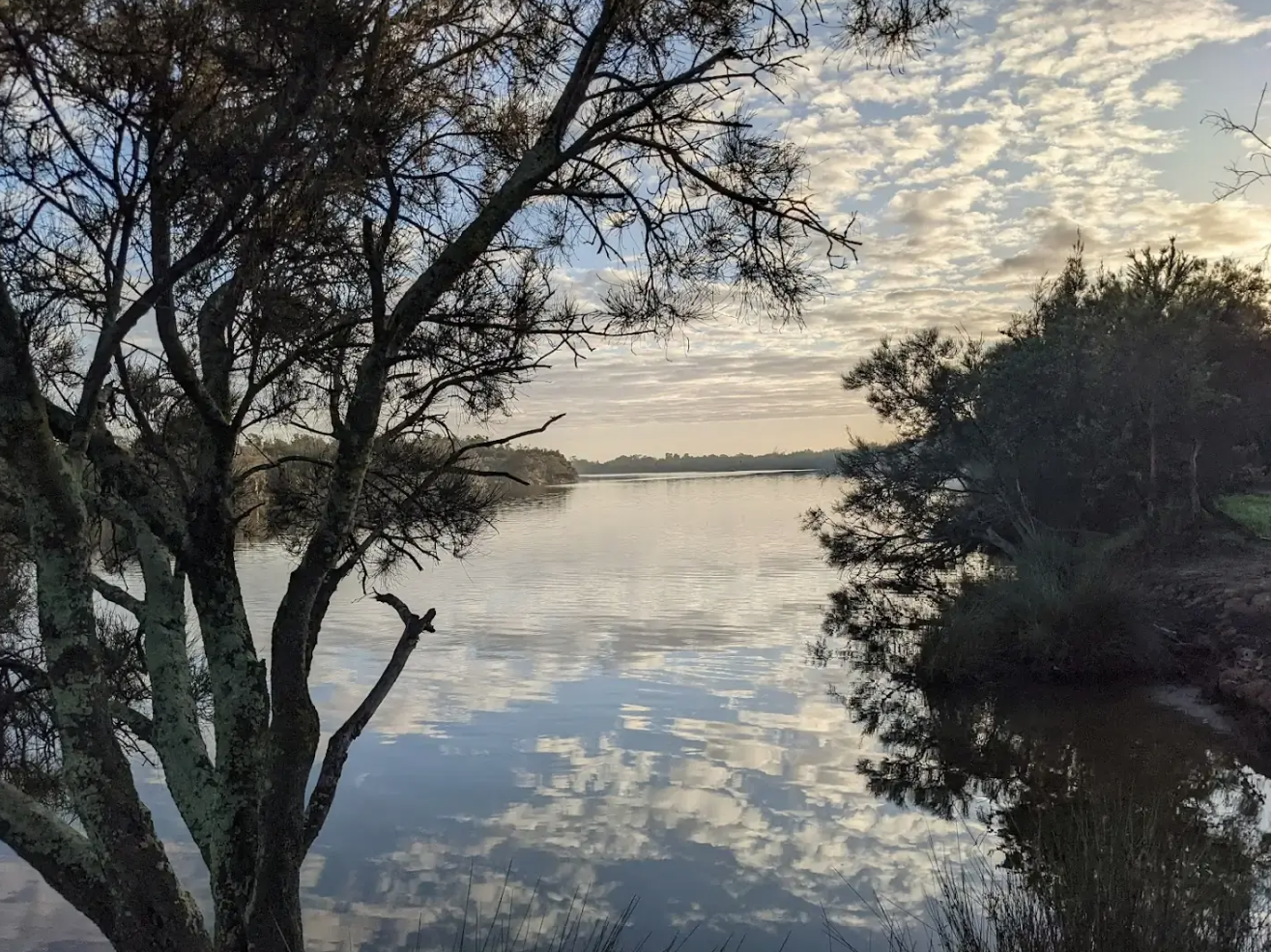
Queensland’s protected area network has grown by more than 90,000 hectares following the declaration of two new private nature refuges, including one located just north-west of Mackay.
The newly declared Urannah Nature Refuge spans 32,877 hectares around 80 kilometres north-west of Mackay and plays a vital role in protecting critical habitat for threatened species, including the elusive Irwin’s turtle. The refuge also strengthens environmental connections by linking directly with Eungella National Park, Macartney State Forest and Sandy Falls Nature Refuge, while enhancing waterway protection for the Broken River catchment.
The second refuge, Watson River Nature Refuge, covers 57,283 hectares on Cape York Peninsula, approximately 140 kilometres south-east of Weipa. It protects threatened species and regional ecosystems and provides important catchment protection for the Watson River, while improving landscape connectivity with surrounding national parks and existing nature refuges.
Both refuges were established through a joint investment by the Queensland and Australian governments aimed at boosting conservation efforts on private land.
Queensland Minister for the Environment and Tourism Andrew Powell said the new refuges highlighted the importance of collaboration between governments and landholders.
“This expansion shows Queensland is serious about protecting what makes us unique – our incredible natural environment,” Minister Powell said.
“Nature refuges are a smart way to protect what makes Queensland so special while keeping the land productive, supporting grazing, tourism and conservation side by side.”
The refuges were made possible through the $4.1 million NatureAssist Round 11 grants, jointly funded by the Queensland and Australian governments. Since launching in 2007, NatureAssist has delivered more than $19 million across 132 projects, adding thousands of hectares to Queensland’s protected area estate.
Private protected areas now make up around one-third of Queensland’s total protected network, which spans more than 14.9 million hectares. These areas are especially important for biodiversity, with 62 per cent of Queensland’s regional ecosystem types found on privately protected land.
Nature refuges are created voluntarily under the Nature Conservation Act 1992, allowing landholders to protect unique landscapes and species while continuing sustainable land use.
The Queensland Government is currently reviewing feedback from a public consultation on private protected areas, with plans to strengthen and expand the program, which marked its 31st year in 2025.
Watson River Nature Refuge (pictured) and Urannah Nature Refuge are now officially protected areas. Photo supplied
.png)
Over a million trees have been planted this year in South Australia and Western Australia, bringing the total since 2020 to 7.6 million, thanks to multi-year funding from AstraZeneca. The effort, led by Greening Australia and supported by One Tree Planted through the AZ Forest initiative, is among the largest privately-funded restoration programs in the country.
In South Australia, the biggest planting site of the year was on Eyre Peninsula, restoring critically endangered Drooping Sheoak Woodland. On Fleurieu Peninsula, crews navigated steep terrain to hand-plant and guard over 50,000 seedlings, creating habitat for the endangered Kangaroo Island Glossy Black Cockatoo.
The majority of trees planted since 2020, 3.2 million, are in Western Australia, including nearly 600,000 at two properties in the Great Southern region.
AstraZeneca Australia and New Zealand Country President Ben McDonald said, “It is great to see the enormous progress made with millions of biodiverse and locally appropriate native trees springing up in priority regions across five states. The projects being delivered in Western Australia showcase the positive impact behind the numbers, for local farmers, for communities and especially for biodiversity.”
Needilup graingrowers Quentin and Natasha Brown received trees through the initiative to buffer salt scalds and sequester carbon. Natasha said, “One of the main issues in this region is creeping salinity. Once the plantings get established, they should be able to hold it at bay to some extent, and also make some of our land that’s not very productive a little bit more so.”
Greening Australia Senior Program Officer Glen Steven added, “At Quentin and Natasha’s, we’re looking to recreate habitats including Clay Eucalypt Woodland, Sandy Mallee Woodland, and Melaleuca shrubland. There are already a few patches of bushland on this property; by putting in more trees, it means less distance for native animals to travel to find food and resources. Every bit of bushland is important.”
The plantings were established via direct seeding using locally collected native seeds and are part of a carbon project registered with the Clean Energy Regulator.
For landholders interested in biodiverse carbon plantings, visit greeningaustralia.org.au/landholders.
Greening Australia’s Glen Steven and Natasha examining a direct seeding line. Photo source: Greening Australia

The New Year will ring in a historic milestone for Queensland’s sugarcane industry, with CANEGROWERS marking 100 years of fighting for cane-farming families.
Founded in 1926, CANEGROWERS has spent a century representing growers and guiding the industry through profound change – from the hard physical labour of establishing farms and cutting cane by hand, through mechanisation and industry modernisation, and into an era of deregulation, global competition and complex trade policy.
Chairman Owen Menkens said sugarcane had helped shape Queensland’s economy, identity and regional landscape.
“The sugar industry helped build this state,” Mr Menkens said. “It was so central to Queensland’s development that sugarcane features on the Queensland Coat of Arms.
“Entire towns and cities grew up around mills and cane farms, and today tens of thousands of Queenslanders still rely on the industry for their livelihoods.”
Mr Menkens said the industry’s growth had been driven by waves of migrant families who brought skills, resilience and a strong work ethic to cane-growing regions.
“Generations of migrant families – Italian, Maltese, Greek, Indian, German, English and many others – helped build the industry we have today,” he said.
“They cleared land, cut cane, established farms and businesses, and built communities that remain at the heart of regional Queensland.”
Chief Executive Officer Dan Galligan said CANEGROWERS’ role had evolved alongside the industry itself.
“Our organisation has had to change as the industry has changed – helping guide growers through mechanisation, structural reform and deregulation, while continuing to fight for fair returns and strong regional economies,” Mr Galligan said.
“At its core, our role has always been about ensuring growers have a seat at the table on decisions that affect them, and that their voices are heard, understood and respected.
“Today, sugar remains a critical export industry, supporting regional jobs, underpinning local communities and contributing to Australia’s economy. The advocacy challenge now is ensuring the industry remains vibrant in the face of rising costs, climate risk and global trade pressures.
Mr Galligan said effective advocacy took many forms.
“Sometimes that means being a strong public voice – a megaphone for farming families when it’s needed,
“At other times, it’s about quiet diplomacy, building relationships and influencing outcomes behind the scenes. Both are essential, and both have been part of CANEGROWERS’ story for a century.”
Mr Galligan said the centenary year would highlight both the industry’s legacy and its future.
“This year is about recognising the contribution sugarcane has made to Queensland and Australia, while reinforcing the importance of strong, effective advocacy to carry the industry through its next chapter,” he said.
CANEGROWERS will mark its centenary throughout 2026 with a program of events, storytelling, education initiatives and public activities across Queensland’s 13 cane-growing regions, with further details to be announced during the year.
For more information on the Centenary year and CANEGROWERS history visit https://www.canegrowers.com.au/cane-to-coast/100
Chairman Owen Menkens. Photo supplied

Back to school season has arrived and across Mackay, families are once again preparing for early mornings, packed lunches and the excitement that comes with a fresh school year. For parents looking to simplify the process, Little Treehouse Lane in Caneland Central is making back to school shopping easier, calmer and far more enjoyable.
From the moment school bags are unpacked at home, practicality becomes a priority. One of the most popular essentials this year is Little Treehouse Lane’s range of insulated lunch bags, an ideal solution for schools without fridges, because in Mackay’s warm climate, keeping food cool is essential.
When lunches stay fresh, children are more likely to eat nutritious options such as fruit and dairy, while reducing the risk of upset tummies. Insulated lunch bags also help protect lunchboxes from spills and daily wear, making them a smart and reliable choice for those summer school days.
Alongside lunch solutions, the range also includes book covers, library bags, swim bags and pencil cases, with new additions this year such as hat clips designed for wide brim school hats that don’t fit inside backpacks.
Adding excitement to the back-to-school range is the recent introduction of the Kinnder brand. Launched in store just last month, the current selection includes the ever-popular insulated lunch bags as well as a stylish campus backpack designed for school aged children.
While back to school takes centre stage at this time of year, Little Treehouse Lane continues its long-standing commitment to supporting families from pregnancy through to the school years and beyond. Although more space is currently dedicated to school essentials, the store carries products for the whole family all year round.
Convenience is also a key focus, which is why Little Treehouse Lane’s online store is open 24 hours a day, offering click and collect for busy families. Orders placed during business hours are generally packed within five to ten minutes, with an email sent once the order is ready. Located on Level 1 of Caneland Central, parents can park nearby and collect their order hassle-free.
A store relocation is planned in the coming months, with Little Treehouse Lane expected to open in early March in a new Level 1 location opposite Factorie near the Myer entrance, however the current store will continue trading until the move.
For families navigating school routines for the first time, Little Treehouse Lane also offers organiser and responsibility charts from Prepp’d Kids, designed to help children build independence before and after school.
To help ease the cost of the school year ahead, Little Treehouse Lane runs a January Bundle and Save Sale, offering discounts when three back to school items are purchased in the same transaction.
Check out their store online or in-person today at Little Treehouse Lane Mackay!

The new school year is just around the corner, and for many families, it’s a mix of excitement and chaos. From uniforms to tech and routines, getting organised now can save stress later.
Here’s a practical guide to help students and parents start the year on the right foot!
Uniforms and Clothing
• Check sizes early: Children grow fast over the holidays—make sure uniforms still fit comfortably.
• Label everything: Clearly labelled bags, lunchboxes, and clothing reduces lost items.
• Stock up on essentials: Spare socks, hats, and sports gear mean fewer last-minute runs.
• Second-hand options: Local school uniform shops or swaps can save money and reduce waste.
Stationery and Supplies
• Create a checklist: Note required stationery items from your school’s list to avoid duplicates.
• Organise workspaces: A designated study spot at home encourages focus and routine.
• Invest in basics: Pens, pencils, rulers, and notebooks are essentials—keeping spares helps prevent mid-year panic.
• Personal touch: Encourage kids to choose colourful folders or fun pencil cases to make learning enjoyable.
Technology and Devices
• Check functionality: Charge laptops, tablets, and other devices before the first day.
• Install necessary software: Ensure educational apps and school platforms are up to date.
• Set screen limits: Create a balance between homework, online learning, and leisure screen time.
• Back up work: Cloud storage or external drives prevent lost assignments.
Routines and Schedules
• Plan early mornings: Practice waking up and leaving on time before school starts.
• Healthy meals: Stock up on breakfast items and lunchbox ingredients for a smooth start.
• Homework habits: Establish a daily routine for assignments and reading to build consistency.
• Family calendar: Keep track of school events, sports, and extracurricular activities.
Wellbeing and Mindset
• Encourage positive attitudes: Talk to children about excitement and challenges for the year ahead.
• Sleep matters: Aim for consistent bedtimes to help focus and energy during school hours.
• Stay connected: Check in with teachers and school staff to keep communication open.
• Celebrate milestones: Recognise small achievements to motivate children throughout the year.
Starting the school year prepared and organised makes mornings calmer, learning more productive, and family life smoother. By following these practical steps, students and parents can head into 2026 ready to embrace the new year with confidence and excitement.
Publishers Indemnity. Any individual or entity that places advertising, supplies copy material, or submits editorial content to Core Life Publishing agrees and undertakes to ensure that all such material:- Does not infringe upon any copyright, trademark, or other intellectual property rights;- Is free from any content that could be considered defamatory, libelous, or slanderous;- Does not infringe upon any rights related to privacy or breach of confidence;- Contains no obscene, indecent, or otherwise unlawful material;- Complies fully with the Trade Practices Act and all other applicable laws, regulations, or statutes.Furthermore, by submitting or placing such material, these individuals or entities agree to indemnify and hold harmless the publisher, Core Publishing and Events Pty Ltd, and/or its agents from and against any and all investigations, claims, demands, liabilities, damages, costs, or judgments arising out of or in connection with the material provided. All material is believed to be accurate at the time of printing and remains the copyright of Core Publishing and Events Pty Ltd.
© 2026 Mackay and Whitsunday Life Pty Ltd.
