
Independently Owned, Locally Grown, Community Loved
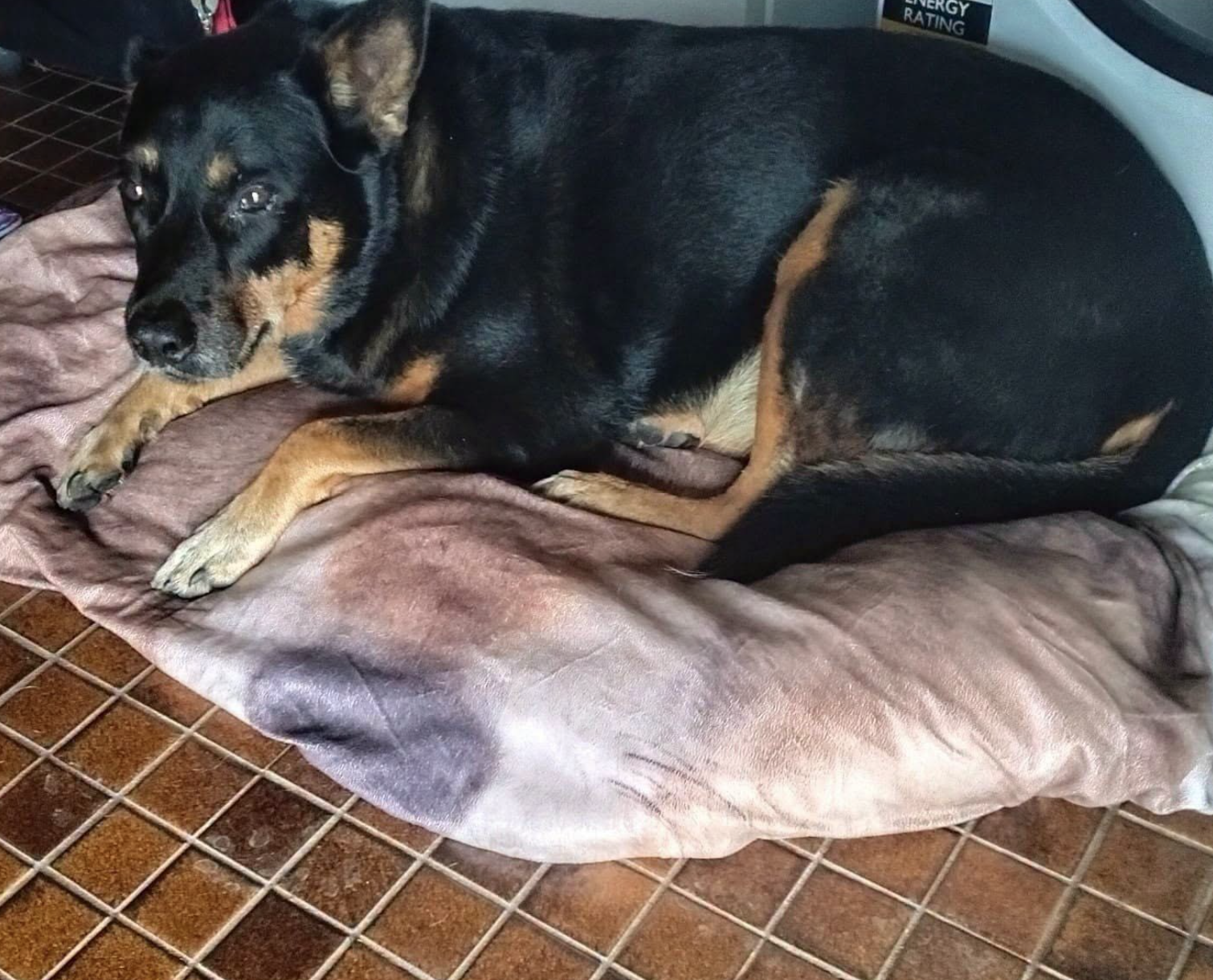
Meet Grundy, a nine-year-old Kelpie cross with a heart of gold and plenty of love left to give. Calm, confident and loyal, Grundy is the kind of dog who loves being by your side. He enjoys his daily walks, gets along well with other dogs and is great with kids. Grundy takes his role as a yard protector seriously, but once the job is done, he’s happiest relaxing with his people. He would suit a calm family home with secure fencing or a ground-floor apartment. Grundy must be allowed to sleep inside and isn’t suited to homes with cats or chickens. He is desexed, vaccinated, microchipped, heartworm negative and up to date with flea, tick and worming treatments. After nine years of giving his loyalty and love, Grundy is ready to find someone who will give it back. Grundy’s adoption fee is $300 and he is available now through Bowen Collinsville Pet Rescue. To enquire, send the rescue a direct message to Bowen Collinsville Pet Rescue or email bcpri.adoptions@gmail.com with your name, phone number and “Grundy”.
Read the full story
Tourism in the Whitsundays is riding high, with Bowen’s Visitor Information Centre welcoming a record number of visitors in a single day and international spending across the region reaching an all-time high. The latest figures released by Tourism Whitsundays show international visitor spending reached a record $273 million in the year ending June 2026, up 26.9 per cent on the previous year. Overseas travellers were also taking their time on their Whitsundays holidays, staying an average of 7.8 nights and spending $1,542 per person. “International expenditure is at an all time high and visitors from around the world are now staying longer in the region than ever before, indicating that global markets have real confidence in The Whitsundays and the experiences on offer here,” said Tourism Whitsundays CEO Tim Booth. Aussies were also making their presence felt, with domestic travellers contributing $997 million in spending and 678,000 Australians staying overnight in the region. For local businesses, the figures reflect a positive year, with the Sales and Marketing Captain for Ocean Rafting Nathan Fleming saying the team had noticed strong international presence, while also enjoying the Aussie faces that simply wanted to escape the cold. “Especially with our scenic flights, it seems to be a bucket list for a lot of people, but also our boat portion as well,” he said. “[Aussies] do like to get out of the old cold weather and explore the nicer, warmer climate, especially over that winter period over the last few months.” Bowen’s Visitor Information Centre also enjoyed a strong financial year, with the team beside the Big Mango welcoming more than 65,000 visitors through its doors, up 16 per cent on the previous year. That momentum continued into its busiest September yet, with 8,576 people stopping by during the month. This included a record day on 24th September, when the team greeted 552 visitors. This broke the previous records from last September when the team saw 545 people, a result that Manager of Bowen Tourism and Business Leanne Abernethy was pleasantly surprised with. “We didn’t think we would ever be able to top those numbers again, but we did,” she said. “We have certainly noticed an increase in the number of people making a daytrip to Bowen when staying in Airlie Beach for the holidays. “They absolutely love our beaches, walks and lookouts and the fact you can snorkel directly off the beach.” Despite the strong results, concerns remain over changes to working holiday visas, with businesses such as Ocean Rafting hoping the proposal is rectified quickly in order to keep this success. “That's a demographic for us, not just coming to play in the Whitsundays, but also work in the Whitsundays as well,” he said. “So we do need to get that sorted to hopefully keep that youth and adventure market driving through for us because that's a very big key part of our market.” Photo: Photo 1- Ocean Rafting Scenic Flights. Photo supplied Photo 2- Leanne Abernethy with Cherene from Driftwood tours, as well as the visitors who contributed to the record day. Photo supplied: Bowen Tourism and Business
Read the full story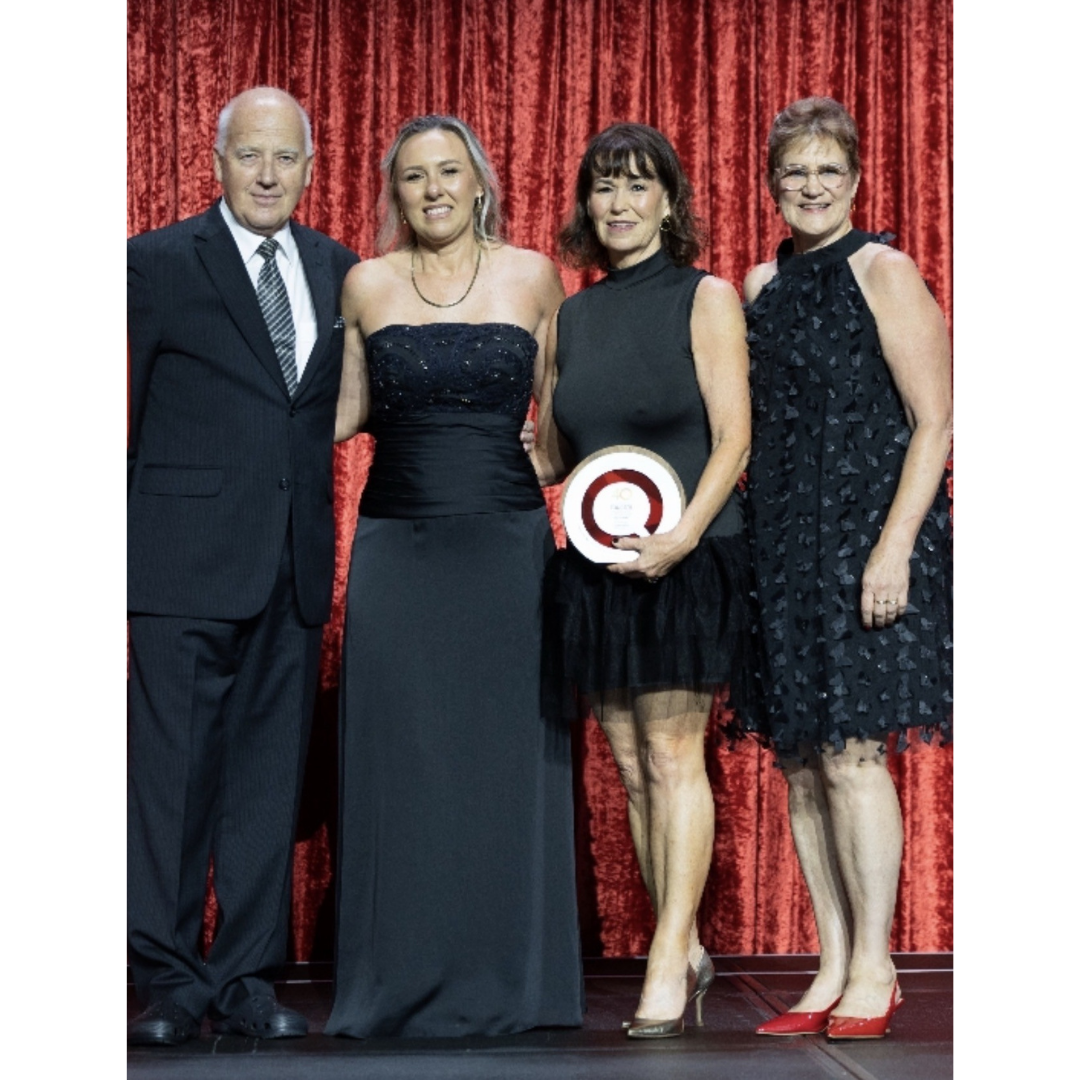
With sweeping Coral Sea views and the heart of town just a short walk away, Pinnacles is already known and loved by visitors to Airlie Beach. But now the team has another reason to celebrate. Pinnacles has been named a finalist in the 2026 Queensland Tourism Awards in the Self-Contained Accommodation category. Members of the team will join fellow Whitsundays tourism operators at the awards in November, hoping to bring home gold. "We’re incredibly proud to once again be a Queensland Tourism Awards finalist and represent the Whitsundays,” said Pinnacles Marketing Manager Therese Moran. “It’s always a wonderful opportunity to come together and celebrate our tourism industry and the people behind it. “We wish all our fellow Whitsundays finalists the very best in November – hopefully there’ll be plenty of gold coming home to the Whitsundays." For visitors making Airlie Beach their home for a few days, Pinnacles offers space to unpack and ease into the local lifestyle. With one to three bedroom apartments, with fully equipped kitchens, these spaces give guests room to settle in and find their own holiday rhythm. A quiet evening might mean a soak in the spa or time on the balcony overlooking the Coral Sea, with town just a walk down the hill. At the heart of it all is that home-away-from-home feeling, that has earned pinnacles the gold in this category the last 3 years.
Read the full story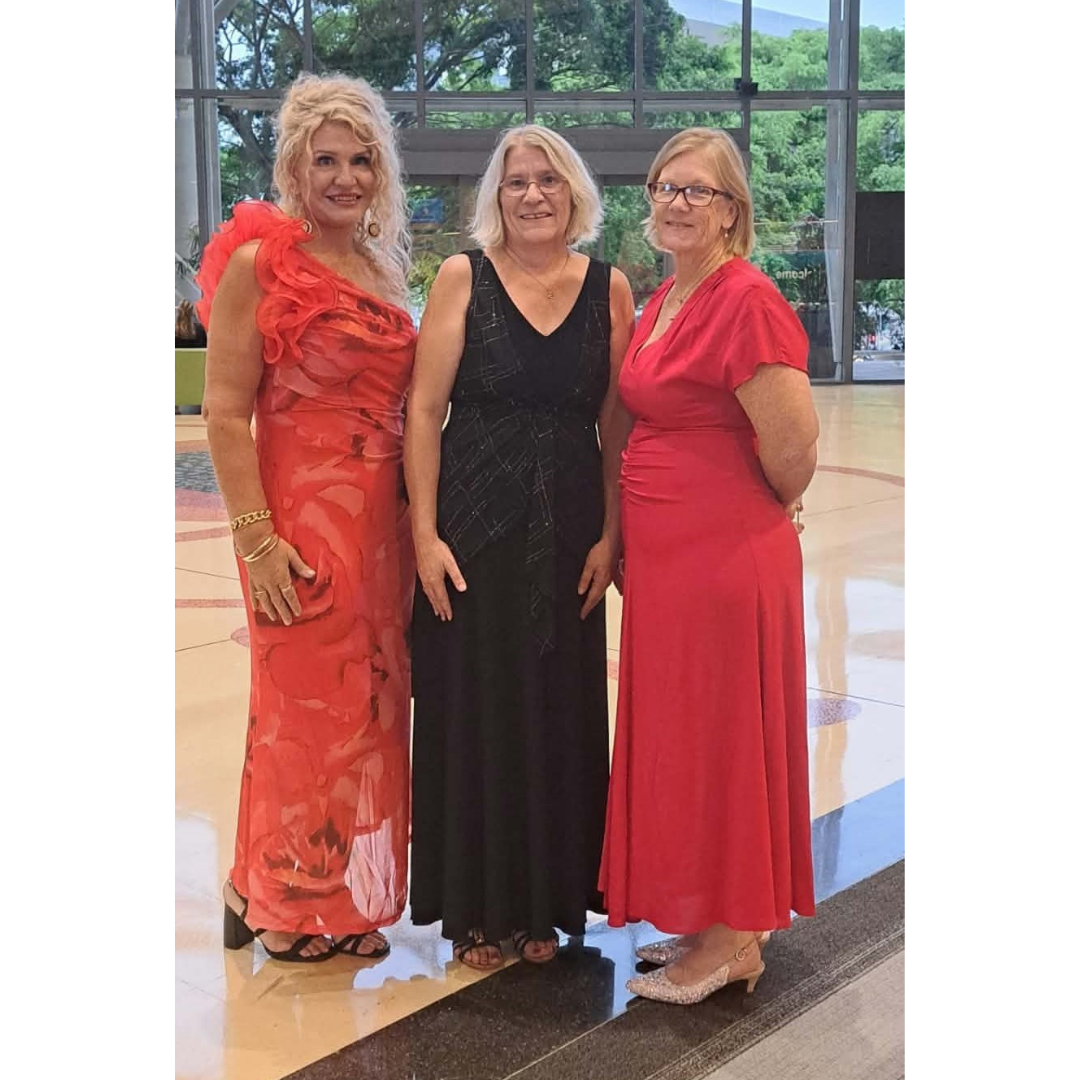
The Bowen Visitor Information Centre is a finalist in the Queensland Tourism Awards, along with the dedicated team of Bowen Tourism and Business volunteers. Bowen Tourism and Business Manager Leanne Abernethy said being named a finalist at State level was an honour and something the entire team was very proud of. “To be finalists in more than one category is awesome and a wonderful recognition of the hard work of our staff and volunteers,” she said. The Bowen Visitor Information Centre welcomed a record number of visitors during the past financial year, with more than 65,000 people calling into the centre beside the Big Mango. “Our visitor numbers continue to grow, and our team works hard every day to make sure everyone who walks through the doors receives a warm welcome and great local advice,” Leanne said. The Bowen Tourism and Business volunteers are once again among the finalists, building on last year’s Bronze in the state awards’ volunteer category. “Our volunteers go above and beyond every day to ensure our visitors feel very welcome,” Leanne said. “The number of volunteers has increased in the past 12 months, and they are all incredibly dedicated to promoting Bowen and the wider Whitsundays region. “Their knowledge of the local area is amazing, and they greet every visitor with a smile. “We simply couldn’t provide the level of service we do without them.” Three representatives from Bowen Tourism and Business will attend the Queensland Tourism Awards on November 6 on the Gold Coast. Photo caption: Glenn Wolmal, Leanne Abernethy and Cindy Tonks. Photo source: Leanne Abernethy
Read the full story
.jpg)
It’s a strange thing to write your own full stop. After five years, countless deadlines, and more alliteration than even I care to admit, this is my last edition of Mackay Life. A paper born out of Covid uncertainty, built on a promise to connect, uplift, and inform — and somehow, against all odds, we made it something pretty special.
What a ride it’s been. We had an advert go globally viral, scooped “Best Free Newspaper in Queensland,” collected a shiny Gold Wonkley, and even launched two more regional papers on invitation from their communities. I've covered NRL games, interviewed Strassman one-on-one, taken selfies with the Prime Minister and I was humbled to become a Patron of the Trudy Crowley Foundation. And through it all, you, our readers, have been right there with me.
You’ve seen my personal chapters unfold too: building a house mid-Covid, navigating IVF, finally celebrating the birth of my son, then facing a cancer diagnosis just after his first birthday. I typed stories during chemo, rang the all-clear bell in time for Christmas, and now I find myself here, typing the hardest words of all: goodbye.
Of course, none of this would’ve happened without a cast of incredible characters. To Bec Douthwaite, our fearless publisher — thank you for taking a chance on a Kiwi freelancer you’d never met, until you saw me fly off a banana boat near Daydream Island. That chaotic splash turned into the start of something extraordinary, and the ride since has been every bit as exhilarating. Thank you for trusting me, for handing me opportunities I never imagined, and for the adventure of a lifetime.
To Rach, my editorial twin flame, we’ve launched papers side by side, navigated storms, and cheered each other on through every deadline crunch. Your grit, warmth and wit have been the anchor and the sail. I know you’ll keep steering these publications to even greater heights.
To my Mackay team, Jess and Hannah — Mackay's heart beats stronger because of your dedication and care. Jess, your commitment to our advertising clients made every edition stronger. Hannah, your compassion and sharp eye for people’s stories have already left their mark. You’re both colleagues, friends, and confidantes, and I’ll miss our banter as much as our bylines.
To my wider team — from Hinchinbrook to Mackay — you’re more than colleagues, you’re family.
I'm proud to see Hannah step up into a senior editorial role to fill my shoes. Reading what she, Rach, and Bec wrote in a farewell to me on page 7 moved me to tears, the kind of tears that remind you how lucky you are to have been part of something so meaningful.
My words won’t be in print anymore, but will soon echo in Parliament, working alongside our Federal Member for Dawson, Andrew Willcox. I’ll swap newsroom banter for national debate — and maybe even slip in some more alliteration.
So, this is it. My last headline, my last deadline. It’s never too late to re-write your own story, thank you for reading mine.
Here’s to the next chapter.
Amanda
From my little family to yours, farewell. Photo credit: Michelle Munro

A convoy of humble Postie bikes hit the open road for a good cause, as the annual Postie Bike Safari returned for its 13th year of fundraising and friendship – all in support of regional families facing childhood cancer.
Departing from Mackay on Saturday, 30 August 2025, 26 riders and 6 support vehicles travelled more than 2,000 kilometres across outback North Queensland over the course of a week.
Childhood Cancer Support is a Queensland-based charity that provides free accommodation, transport and care to families navigating the heartbreak of a childhood cancer diagnosis.
The event began in 2013 when organiser Greg Becke and his workmates first gathered friends to ride Postie bikes for charity.
“What started with 13 bikes and a simple idea has since grown into a passionate annual ride involving dozens of riders and raising more than $825,000 for charity,” Greg said.
“In the past four years alone, the Safari has raised $524,000 for Childhood Cancer Support.”
This year, the riders were welcomed by small towns and rural communities along the way.
“There’s just something special about the simplicity of a Postie bike and the big heart of the people who ride them,” said Greg.
“We pay for our own fuel, food and accommodation, and give up a week of work – but the generosity we receive along the way makes it all worthwhile.”
“It’s very emotional to meet the families affected by childhood cancer along the ride,” said Greg.
“One night at the Bowen River Hotel, a family who’d stayed at Childhood Cancer Support came to thank us – they showed us photos of their child’s treatment journey.” He explains, “It’s times like this we realise what the funds actually do. It’s what keeps us riding.”
The Safari wrapped up with a celebration dinner at Ocean International in Mackay, bringing together riders, families and supporters for an auction night.
The Postie Bike Safari 2025 raised $101, 760 for Childhood Cancer Support.
To donate, visit fundraise.ccs.org.au/event/postie-bike-safari-25
The 13th Postie Bike Safari raised $101,760 for Childhood Cancer Support, with riders travelling over 2,000 kilometres across outback North Queensland. Photos supplied
OPINION PIECE
Right now, any Australian can submit a simple request to access non-sensitive information from any Australian government agency. We can ask who a minister or government official has met, what was discussed, and the reasoning behind government decisions. This is a vital lever for holding the government accountable and right now it doesn’t cost a cent to ask the question.
But the Labor government wants to water down these protections, restricting what information the public can request and charging fees to access it. It’s not just a bad look. It raises serious questions about what they’re trying to hide.
Australia’s Freedom of Information Act 1982 (FOI Act) guarantees public access to government-held documents, promoting transparency, accountability, and democratic participation. With the exception of truly sensitive material like national security, personal privacy, or commercial confidentiality, Australia’s Freedom of Information Act allows the public to know what the government is up to. It is how a healthy democracy operates, allowing citizens to scrutinise their leaders without barriers.
So why change a system that already protects sensitive information?
In campaigning during the 2022 election, Prime Minister Anthony Albanese pledged to lead a more transparent government. Yet now his government is pushing for legislation that would dramatically limit public access to information. I ask why. What secrets does Labor want to keep? What does the government fear the public might discover? Or ss the government planning to do something it doesn't want anyone to know about?
The proposed changes were introduced in the last parliamentary sitting week by Attorney-General Michelle Rowland. The government proposal would allow government agencies to outright reject requests they claim are too resource-intensive. This is a thinly veiled excuse to dodge scrutiny, and it will disproportionately impact journalists, advocacy groups, and concerned citizens seeking the truth on matters of public interest.
Adding insult to injury, the government wants to slap upfront fees on such requests. This creates a paywall for transparency, effectively barring those without resources from accessing vital information. Transparency should not come with a price tag.
The government defends these changes by citing misuse of the system and national security risks, including concerns about anonymous foreign actors submitting requests. But these arguments don’t stack up. Sensitive information is already exempt, and requests of a government agency require identifying details, preventing anonymous fishing expeditions.
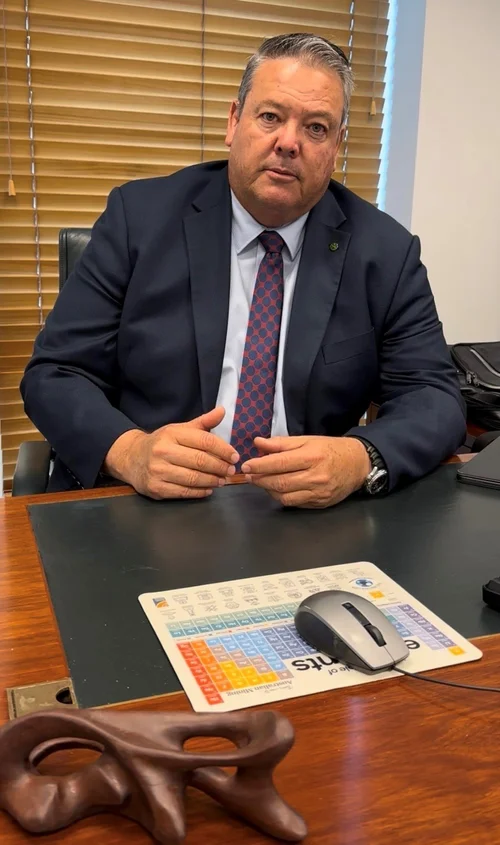
As a Federal Member, I have zero concerns about people knowing who I had coffee with last Tuesday at 11am, let alone a meeting that has public interest. I believe the public has every right to know who ministers meet with and why, especially if those meetings involve parties that stand to benefit from government decisions. The public deserves to know how taxpayer money is being spent and what influences shape political choices.
We should be strengthening transparency, not dismantling it. Our country has always believed in government actions being open to public scrutiny, not hidden behind fees and bureaucratic barriers.
I stand firmly against Labor’s proposed changes. Australians deserve a government that respects the right to know. Keep Freedom of Information free and accessible to keep government open, transparent and accountable.
Is the government planning to do something it doesn't want anyone to know about?

Thousands of Australians including Dawson locals, many older or approaching retirement, are reeling in the wake of the collapse of First Guardian and Shield managed investment schemes, leaving them with little to no retirement savings after losing millions of dollars in managed funds.
For many, years—even decades—of compulsory superannuation contributions have vanished overnight, leaving them with no choice but to continue working well beyond retirement age.
Despite the enormity of the financial and emotional toll, there has been no meaningful response from the Australian Government nor ASIC (Australian Securities and Investments Commission), and Federal Member for Dawson Andrew Willcox said this is unacceptable.
“When the very regulators responsible with safeguarding these situations fail to act, ordinary Australians, Mr and Mrs Jo Average are left to bear the burden," said Mr Willcox.
“I have several constituents who have contacted myself and my office, who are devastated by what has happen. One gentleman, who has worked hard his entire adult life, and has now lost everything, will have to work way past retirement age, possibly until he passes on.
“I cannot imagine how these people must be feeling.
"But what’s worse, is the Albanese Labor government hasn’t even acknowledged these people, let alone offer a pathway forward," Mr Willcox said.
“The Australian people deserve better. At the very least, they deserve answers and action.”
Andrew Willcox
Shadow Assistant Minister for Manufacturing and Sovereign Capability
Federal Member for Dawson

By Amanda Wright
Anne Baker’s return to local government was anything but ordinary. Sworn in the day after the official declaration of Mackay Regional Council’s by-election result last Wednesday, the long-time Isaac leader stepped quietly into her new role with humility, gratitude and a strong mandate from the people.
Cr Baker secured nearly 30 per cent of the vote in a competitive field of nine candidates, a clear majority that underscored the community’s confidence in her leadership. The by-election, conducted entirely by postal vote, was finalised on September 9, paving the way for her swearing-in the following day by Acting CEO David McKendry, with Mayor Greg Williamson in attendance.
For Baker, who served 17 years as a councillor and mayor of Isaac Regional Council, this moment was both familiar and fresh. She chose not to contest the last Isaac election while caring for her late husband, but the pull of public service proved enduring.
“I’m really humbled by the result and it’s a bit overwhelming, but I’m really looking forward to this new chapter and being part of the Mackay Regional Council,” she said.
“After 17 years in local government and then stepping away from it, this feels like coming home. It’s going to be a big learning curve – it’s a bit like the country girl has turned up in the city.
"I’m just keen to get in and start learning everything I can about all of the fantastic programs and initiatives this council is working on, so I can best serve the people of this amazing region.”
Mayor Greg Williamson praised her extensive track record.
“Cr Baker brings with her a fantastic track record of community advocacy as well as a wealth of knowledge and established networks in the resources sector,” he said.
“Council would like to warmly welcome her to the table, and we look forward to working together to drive forward council’s vision to make Mackay the best region for liveability and livelihood.”
In her own words, Cr Baker left no doubt about her priorities.
“I want to sincerely thank the people of the Mackay Region for your trust and support. Every vote is a reminder of the responsibility to represent our community with honesty, care and commitment.
"During this campaign, I’ve had the privilege of sitting down with people right across the region at kitchen tables, community events and on the sidelines of sport.
"What stood out most wasn’t one single conversation, but the shared desire to see our towns and communities thrive. Whether it was a small business owner talking about opportunity, a pensioner concerned about housing, or families raising issues around services and infrastructure, these are the real conversations that will guide me in council.
"For me, this role is about listening and ensuring the voices of our community are heard where decisions are made. That means standing up for the services, infrastructure and opportunities our region deserves, and making sure no part of our community is left behind.
"I’m deeply grateful for the chance to represent the Mackay Region, and I look forward to serving in the way I campaigned by listening first and putting community at the heart of every decision.”
Cr Baker, who replaces former councillor George Christensen, said her focus will be on improving infrastructure, supporting small businesses and engaging directly with residents. She has already begun council duties and will take her seat in upcoming briefings, determined to honour the trust placed in her.
Newly elected Mackay Regional Councillor Anne Baker is officially sworn in by Acting CEO David McKendry, with Mayor Greg Williamson. Photos supplied: Mackay Regional Council
Photo of her smiling in council
Cr Anne Baker takes her seat in council chambers alongside fellow councillor Heath Paton following her swearing-in
-amanda-wright%2C-a-community.jpg)
By Hannah McNamara
Stepping down from her role as Mackay Life Editor and Journalist for Life Publishing Group is a woman who morphed the very fabric of this paper. You may know her from networking events, her community presence, or from her heartfelt, but more often than not humorous editor’s note on page 2.
Amanda Wright is the kind of woman who carries her heart on her sleeve for the community, always ensuring voices of the public are at the centre of this paper.
From conquering “the big C” after a sudden colon cancer diagnosis just last year, to winning the Resilient Rebel award soon after at the 2025 JSP (Just Saying Project) Awards, Amanda has had her fair share of struggles. Yet through it all, she’s made it her mission to keep this paper – and Core Life Magazine – centre of focus, all in the name of her love for the community.
“I’ll definitely miss the people the most,” she says.
Though, Amanda’s journey into journalism wasn’t exactly planned.
“I was never one of those people who thought of journalism as a career. It was only by chance that I ended up at the newspaper, and that was in a sales role,” she recalls.
In 2011, her ad manager at Ashburton Guardian in New Zealand saw potential, and from there, her pen found its purpose.
In 2013, Amanda moved to Dysart. Journalism jobs were scarce, so she freelanced, writing for clients across the Isaac and Mackay regions. A pivotal call from Owner and Publisher Rebecca Douthwaite of Core Life Magazine gave her a platform she would nurture for more than a decade.
“Back in those days it was still delivered door-to-door, even in Dysart, and I had already fallen in love with the magazine, so it was an instant yes.”
Over the years she assisted with the launch of Life Publishing titles like Tripping Magazine and Byron Life Magazine, later stepping into the editor’s role of the Byron publication.
When COVID threatened the business, Amanda watched owner, Rebecca, “pivot” with admiration, not only keeping the company afloat but launching Mackay and Whitsunday Life in 2020. Amanda became Mackay’s Editor, steering a paper that won Queensland’s Best Free Newspaper in 2024 at the Country Press Association Awards, alongside Whitsunday Editor, Rachael Smith.
“It was one of the proudest moments of my life, but also one of my toughest, as I received the news of our win from my hospital bed, the day after I had surgery to remove colon cancer.”
Her highlights span from celebrity interviews with Pete Evans and Daryl Braithwaite to community-defining moments like the viral “Jenny and Steve” advert.
But over the years, Amanda says journalism has always been about the connection.
“Listening to people’s stories, especially when they’re being vulnerable, teaches you to see things from different perspectives. You can’t go in with a preconceived idea… you need to be a blank canvas.
“There have been many moments where I’ve cried alongside people while hearing their stories. To tell their story properly, you have to allow yourself to be vulnerable too.”
And that, perhaps, is what has made her editor’s notes, and her journalism, so memorable.
Passionate, open, and authentic, Amanda Wright leaves her role with a gel pen in hand, your stories in her heart, and a community that's been greatly impacted by her words.
Rachael Smith, Whitsundays Editor in Chief said, "She’s genuine, quick-witted, and kind-hearted, and her personality is etched into every page of Mackay Life — a legacy that will live on for years to come."
"Wishing you all the very best for the future, Amanda. I’m so grateful for everything you've brought to the team and look forward to staying great friends."
A note from Rebecca Douthwaite:
Dear Amanda,
Thirteen years it’s hard to believe! I still smile thinking back to when you first started freelancing. For months, we worked together without ever meeting in person, and then finally, that first Christmas party rolled around… and of course, the legendary banana boat ride. I’ll never forget it — what a way to officially meet!
From that day forward, you’ve been there for every moment, big and small. Through deadlines, new launches, and the chaos that comes with running newspapers, knowing you were there gave me the confidence to keep pushing forward. You’ve been such a steady, talented, and trusted presence, and honestly, I can’t imagine this journey without you.
Mackay Life has your fingerprints all over it, you brought it to life in a way no one else could. You’re not only one of the best writers I’ve ever known, but also one of the most genuine, loyal, and kind people I’ve had the privilege to work with.
As you step into your next adventure, I just know you’ll shine, just as you always have. I wish you every success and happiness in your new career, and endless joy with your beautiful family.
Thank you, Amanda. For everything. You’ll be so deeply missed but always remembered with a smile.
Bec x
Amanda and her son Brydon during her cancer journey. Photo credit: Hamish Wright
First-ever Mackay Life cover shoot at Queens Park. Photo credit: Liz Andrews
Amanda Wright, a community-focused editor and storyteller, steps down, leaving a lasting impact on Mackay Life and Core Life Magazine. Photo credit: Hannah McNamara
Amanda Wright with Owner and Publisher Rebecca Douthwaite and Editor in Chief Rachael Smith. Photo credit: Norina Kent

Car Stolen After Home Break-In In Bucasia
Police are investigating after a car was stolen following a break-in at a Bucasia home in the early hours of Sunday, 14 September.
It is reported the offender entered the Crestview Crescent property around 3.05am through a sliding door. Once inside, a bedroom was searched and keys were stolen.
The keys were then used to steal a white 2011 Holden Cruze sedan, registration 527 RIR, which had been parked in the front driveway.
Police are urging anyone with information about the stolen vehicle or the incident to come forward.
_ Reference: QP2501656841_
Break And Enter In West Mackay
Police have charged a man following an alleged break and enter at a business in West Mackay on 14 September.
It is reported the incident happened around 9.15pm at a Cemetery Road property. The man is alleged to have gained entry through a barbed-wire fence and taken tools from the tray of a parked vehicle.
Officers arrived at the scene shortly after and saw the man leaving on foot. A police dog unit was called in and located him nearby, taking him into custody.
A 36-year-old man from Hay Point has been charged with entering premises with intent to commit an indictable offence and obstructing police.
He is due to appear in Mackay Magistrates Court on 13 October.
Reference: QP2501660928
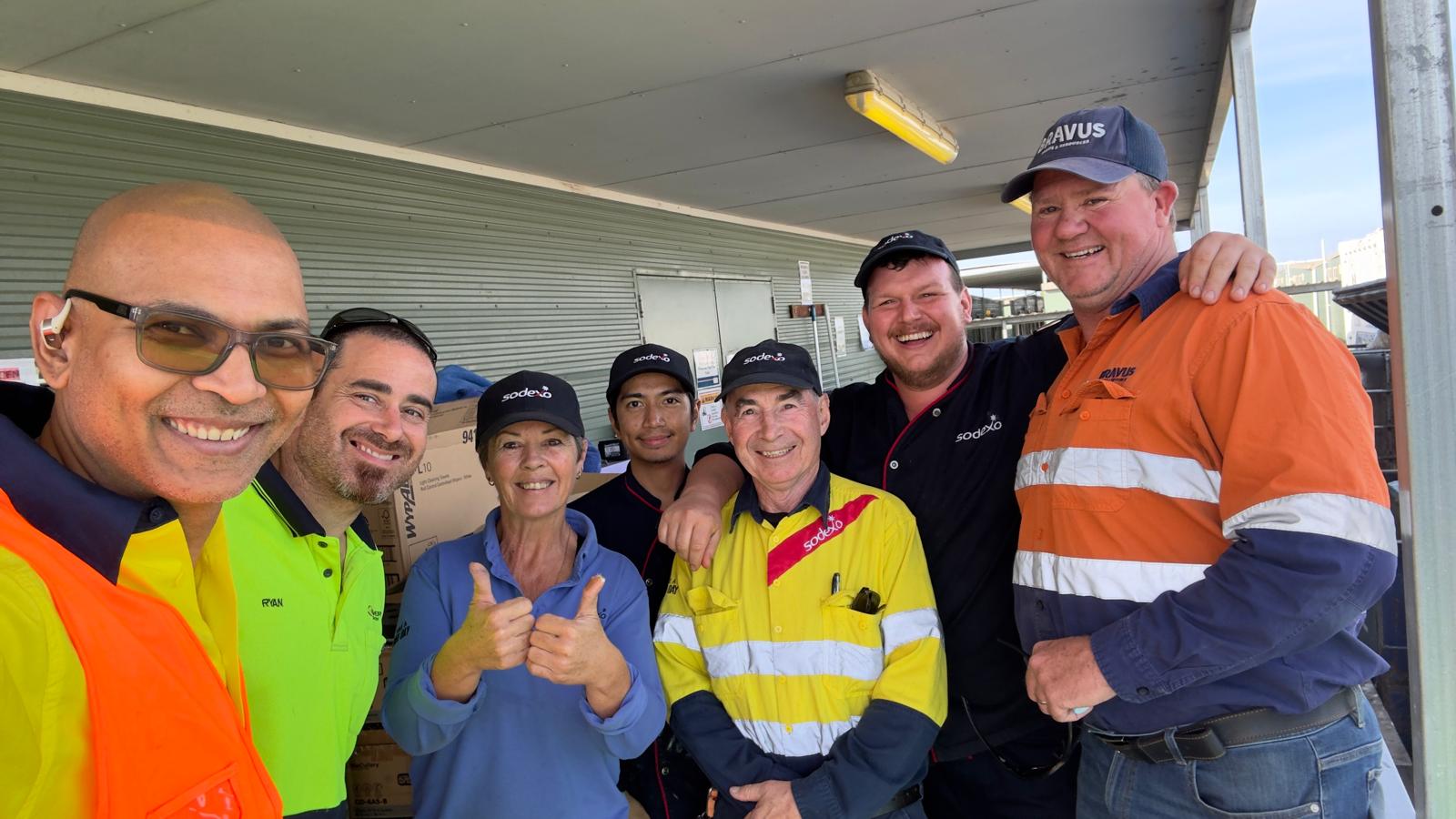
Bravus Mining and Resources has been recognised for its work in environmental sustainability and Indigenous engagement at the Carmichael mine near Clermont in central Queensland.
The Townsville-headquartered business has been named as a finalist in both the Excellence in Environmental Management and Sustainability and the First Nations Engagement categories at the prestigious 2025 Australian Mining Prospect Awards.
Bravus Mining and Resources Chief Operating Officer Mick Crowe said being recognised across multiple categories showed the breadth and depth of the company’s commitment to responsible operations at the Carmichael mine.
“Awards like these are really a celebration of our people who do the work, and they should be incredibly proud of what they’ve achieved here,” Mr Crowe said.
“From turning food waste into rehabilitation material to partnering with Indigenous experts on land management, these are projects that are not only innovative, but practical, and create benefits for both our operation and the communities we’re a part of.”
Bravus Mining and Resources and South Australian-based Powertech Energy earned the Excellence in Environmental Management and Sustainability nomination for their work to install a state-of-the-art
‘Foodie’ composting system at Carmichael to turn food scraps from one of the on-site dining rooms into nutrient-rich organic material that can be used in the progressive rehabilitation of the mine.
Bravus Mining and Resources and First Nations business Biodiversity Australia were recognised in the Indigenous and Community Engagement category for the success of their multi-year partnership to deliver ecology, vegetation, and faun management services for the Carmichael mine and the Carmichael Rail Network.
Powertech Energy Chief Executive Officer Anup Raghavan said Carmichael was the first mine that first Foodie technology had been used at anywhere in the world.
“Foodie replaces the need to transport organic food waste offsite and into landfill, providing real environmental and operational benefits for the mine and the surrounding area,” Mr Raghavan said.
“Since being installed at Carmichael, Foodie has consistently diverted about 100 kilograms of food waste each day.
“The team at Carmichael have quickly embraced the system, affectionately calling it ‘the McLaren’ because of how fast and efficiently it works. It’s great to see a technology delivering real environmental benefits while also supporting operational resilience in a remote location.”
The winners of the Australian Mining Prospect Awards will be announced at a gala ceremony in Adelaide on 24 September. More information about the awards is available here.
The Bravus Mining and Resources and Sodexo teams with the Foodie Automated Food Waste Reduction System at an accommodation village for the Carmichael mine. Photos supplied
-primary-industries-and-regional-development.png)
We’re now in week 38 of 52, and while the year is flying by, the pace of activity in Mackay isn’t slowing down. Last week was full of community events, important conversations, and chances to stand up for our region.
A key highlight was the Primary Industries and Resources Committee Hearing, held at Souths Leagues Club. We heard directly from local canegrowers and farmers about the future of the sugarcane industry—not just in Mackay, but across Queensland. The hearing focused on Sugarcane Bioenergy Futures, and I was proud to join my LNP colleagues Glen Kelly (Member for Mirani) and Stephen Bennett (Member for Burnett) on the committee.
We also toured the QUT Mackay Renewables Plant to see the fantastic research and innovation happening right here. It's clear our region has the tools and talent to lead in diversifying sugarcane for a sustainable future.
It was also great to welcome Premier David Crisafulli to Mackay. He joined me for a Public Intoxication Forum, where we spoke with local leaders and stakeholders about community safety and health concerns, and discussed possible reforms.
Over the weekend, I was out and about in the community—joining a Self-Defence session, representing the Minister for Multiculturalism at the Islamic Society Open Day, celebrating the 80th Anniversary of the Mackay Coral Society, and squeezing in a swim at the Memorial Pool to train for the upcoming Whitehaven Beach Swim in October!
This week, I’m back in Parliament, continuing to advocate for Mackay and focusing on health, housing, and safety.
Finally, a reminder that the final round of the Gambling Community Benefit Fund (GCBF) is open now with applications closing on the 31st of October. Not-for-profit groups can apply for up to $35,000 in funding, with $60 million distributed annually across Queensland. Now’s the time to check your eligibility and prepare. If you need a letter of support, get in touch—I’m here to help.
➡️ Listen to the public hearing: https://qld.public.parliament.io/Work-of-Committees/Inquiries
➡️ Learn more about GCBF: https://www.justice.qld.gov.au/initiatives/community-grants
Primary Industries and Regional Development Committee Hearing with Stephen Bennett MP, Glen Kelly MP and Nigel Dalton MP
Nigel Dalton MP visiting the QUT Mackay Renewables Plant
Public Intoxication Forum with Premier David Crisafulli, Nigel Dalton MP, Kayleigh Brewster (Chances House) and Superintendent Dean Cavanagh. Photos supplied

A new campaign has been launched to provide dedicated female facilities at Mackay Rugby League, reflecting the surge in women and girls taking up the sport.
Member for Mackay, Nigel Dalton MP, has partnered with Rugby League Mackay and District to champion the initiative, highlighting the urgent need for modern, inclusive spaces.
Currently, female players are often required to share or adapt facilities originally designed for men, creating barriers that discourage participation and limit opportunities for young women to get involved in the game.
Mr Dalton said it was time to match the growth of the women’s game with proper investment.
“We’re seeing incredible growth in women’s rugby league here in Mackay, but the reality is the facilities just aren’t up to scratch,” Mr Dalton said.
“Female players deserve safe, modern, and inclusive facilities — and that’s what this campaign is all about. Together, we’re calling for the investment needed to make it happen.”
The Rugby League Mackay and District has thrown its support behind the push, highlighting that new facilities will not only benefit current female players but also encourage the next generation of athletes to get involved.
Emma Coburn, Board Member of the Mackay Cutters, said the upgrade was critical for the future of women’s rugby league.
“With more young girls taking up rugby league than ever before the need for dedicated facilities is clear. These new change rooms will provide a safe inclusive professional environment for female players to train and compete - laying the foundation for stronger participation and long-term success.
Supporting junior girls at the community level is crucial if we want to see more Mackay talent rise through the ranks into the Mackay Cutters and further into the NRLW.”
Simon Vigliante, Finance Chair of Rugby League Mackay & District, said the campaign is about about respect, safety, and future-proofing the game.
“With more young girls playing rugby league than ever before, the need for safe, inclusive, and dedicated female facilities in Mackay is long overdue.
“This funding will help modernise ageing infrastructure at the Mackay Rugby League Grounds, much of which hasn’t kept pace with the growth of our sport or the standards our players deserve.
“We thank both the Queensland Government and Mackay Regional Council for their continued support of community sport.”
Mr Dalton is calling on the community to back the campaign by showing their support.
“This is about working together — players, families, clubs, and the wider community. I encourage everyone to get behind this campaign so we can deliver the facilities our female athletes deserve.”
Community members can show their support by signing the petition, sharing the campaign online, and joining local events to highlight the need for investment in female facilities.
-north-queensland-cowboys-premiership-winner-and-mental-health-advocate-jake-granville.jpg)
Last Thursday, former North Queensland Cowboys premiership winner Jake Granville sat down with staff at Wisely Group in Mackay to deliver a message that reached far beyond the footy field: the power of conversation, and the importance of “being a breather.”
The session, held on national R U OK? Day, was livestreamed to Wisely’s regional sites across the Bowen Basin. It was part of the company’s ongoing commitment to breaking down stigma and encouraging everyday conversations about mental health—particularly in industries where the pressure is unrelenting.
“It was a chance to sit with the guys, have a yarn, and talk about what it means to be a ‘breather,’” Granville said.
“At this stage of my career, it’s good to be part of something like this.”
For Granville, the concept of a “breather” is simple but profound.
“To me, being a breather is just about being a good person, showing gratitude, helping those around you, staying optimistic, and trying to brighten someone else’s day,” he explained.
“If I’m having a rough day, helping someone else out makes me feel better, and I think it works both ways. If you buy into other people’s lives, you make them feel better too.”
Granville also spoke candidly about the challenges of mental health in professional sport and the lessons that can translate into everyday workplaces.
“In the old days, you probably didn’t talk about those things much. But now, you’ve got to have the tough conversations,” he said.
“You don’t always know what someone is going through or what sort of day they’re having, so the more you talk with people and try to brighten their day, the better.”
For Wisely Group CEO Dan Wisely, hosting Granville was about reinforcing the message that mental health conversations matter every day, not just once a year.
“It’s great to have Jake Granville here with us. He’s talking to some of our staff in the office, and we’re also live streaming it out to a lot of our sites in the Bowen Basin. He’s here to speak about R U OK? Day, mental health, and what we need to do in that space to keep improving and getting better at dealing with those issues,” Mr Wisely said.
“It’s really important to talk about these things. It’s a serious issue for everyone, and particularly in our industry. As a business, we lost a colleague to mental health a few years ago, so it’s a really important topic for us. Having Jake here means a lot.
“We do something like this every year, and it’s a good reminder that it’s not just about one day… it’s every day.”
Mr Wisely said small conversations can make a world of difference.
“Sometimes it’s as simple as asking, ‘What did you have for tea last night?’ to get a conversation going,” he said.
“That small chat can lead to something bigger, and you might find out something they’ve been struggling to bring up. That little conversation could change an outcome.”
Granville agreed.
“If you’re struggling, try to have those conversations. And if you’re not struggling, start them anyway,” he urged. “A friendly chat can make a bigger difference than you realise.”
At Wisely’s Mackay headquarters, a memorial bench stands quietly out front as a tribute to a colleague the company lost to suicide. It has become a place for staff to sit, reflect, or make a phone call. For Wisely, it symbolises the heart of the R U OK? Day message that even one small gesture can change, or even save, a life.
North Queensland Cowboys premiership winner and mental health advocate Jake Granville
Wisely Group CEO Dan Wisely.
Cowboys legend Jake Granville joined Wisely Group last Thursday to champion daily mental health conversations and the power of “being a breather.” Photo credit: Hannah McNamara

The importance of checking in on friends and colleagues was front and centre at the annual R U OK? Day Breakfast, hosted by Resource Industry Network in partnership with FMS Group last Thursday morning.
The event drew members of the business and resource community together to share conversations, explore strategies for wellbeing, and show collective support for mental health.
Guest speakers Anthony Gibs from Tenaxiti Business Psychology and Debbie Knight from the Grapevine Group offered powerful insights into suicide prevention and the value of sustaining open, healthy conversations.
A nourishing breakfast was made possible thanks to support from Blue River Ice & Water, Bushman’s Bakery, Sinclair Meats Mackay and Vegies Unlimited, while exhibitors including the Grapevine Group, Run for MI Life, Gryphon Psychology and Tenaxiti provided valuable resources for attendees.
RIN said the breakfast served as a timely reminder that asking “R U OK?” doesn’t need to wait for a special occasion.
“Any day is the right day to check in,” organisers said.
For mental health support resources visit: ruok.org.au/findhelp
Photo credit: Hannah McNamara

Australian Red Cross Lifeblood is urgently appealing for people to donate blood and help boost critical supplies.
The urgent call follows record high demand for blood during winter, coupled with peak appointment cancellations and seasonally lower bookings.
Lifeblood needs 12,500 additional donors to give blood and plasma over the next week to ease the strain on its blood and plasma reserves.
Data shows demand for blood reached record levels in June, July and August. This demand surge coincided with the highest appointment cancellation rates since the COVID-19 pandemic, severely impacting the supply of multiple blood types.
Lifeblood’s Chief Executive Officer, Stephen Cornelissen AM, said a perfect storm of record high winter blood demand, peak cancellations, and seasonally lower appointment bookings means donors are urgently needed in spring to stabilise low blood stocks.
“We’re used to seeing a spike in cancellations and lower appointment bookings during the winter months due to cold, flu and COVID-19, but this winter hit particularly hard,” Stephen said.
“At the same time, we experienced our highest ever winter demand for blood, which has significantly impacted Lifeblood supplies.
“We’re urging anyone who is eligible and feeling healthy and well to book a donation immediately and help restore our blood stocks.
“Right now, we need donors of all blood types. If you’ve never donated before, now is the time to start. Don’t wait for someone else to do it. Every donation counts,” he said.
A blood donor is needed every 18 seconds in Australia to help patients undergoing cancer treatment, major surgery, trauma, pregnancy and childbirth, and a range of other conditions.
Just one blood donation can save up to three lives, and all it takes is an hour of time.
To book a donation call 13 14 95, visit lifeblood.com.au or download the Lifeblood App.

Faces have changed but memories of school days at St Patricks College Mackay (formerly boys only Christian Brothers College) had not.
8 members of the 1965 Grade 12 (Senior) Class gathered in Brisbane recently for a reunion. Brisbane was picked due to only 3 of the original class currently living in Mackay.
Of the original 16 classmates, 3 are deceased, 2 could not be located and 3 were unable to attend due to ill health.
The reunion kicked off with dinner at GUSTO DA GIANNI Italian Restaurant at Portside Wharf, Hamilton, which included partners.
This was followed up by a Boys only catch up for lunch the following day at Jimmy’s on the Mall in Queen Street.
Some attendees had not seen each other since the last day of school. The time was spent reminiscing about school days, absent school mates, teachers, and misdeeds, which had probably grown legs since that time. Our teachers in those days were mainly the Christian Brothers who lived on site at the school.
Updating each other on careers, family, and life achievements, it was agreed that attending the reunion was a special event at this stage in our lives.
Supplied by John Hocking
From left to right in the photo are Clive Desbois (Mackay), Mick James (Brisbane), Bill Novosel (Sunshine Coast), Les Vickers (Brisbane), Tony Murphy (Brisbane), Ken Falvey (Brisbane), Peter Frazer (Geelong) and John Hocking (Mackay). Photo supplied

The Queensland Government’s Primary Industries and Resources Committee held a well-attended public hearing in Mackay as part of its Inquiry into Sugarcane Bioenergy Opportunities in Queensland.
Canegrowers Mackay Chairman Joseph Borg, Deputy Chairman Brett Leach, and Canegrowers Proserpine Chairman Glenn Clarke presented on behalf of growers. Mr Borg highlighted the opportunities for mill cogeneration and virtual microgrids to help farmers access cost-effective irrigation, boosting productivity for the regional sugar industry.
Mr Clarke emphasised the need for strong government policy and regulatory frameworks to support the development of a sugarcane-derived bioenergy sector, ensuring growers could confidently invest in new opportunities.
The hearing also heard from Greater Whitsunday Alliance (GW3) CEO Kylie Porter, who outlined the broad range of bio-manufacturing opportunities available within the Greater Whitsunday region. Regional Development Australia – Greater Whitsunday representatives Rob Cocco, Stephen Cutting, and Paul Schembri spoke on the region’s deliverability, underpinned by its unique co-location of feedstock, engineering, manufacturing, and port facilities.
A recurring theme throughout the day was the importance of return on investment for growers. Presenters stressed that diversifying the sugar industry beyond raw sugar – while still maintaining its core – was essential to secure not only the future of the sector but also the wider economic prosperity of the Greater Whitsunday region.
The Mackay hearing is one of several being held across Queensland as the state considers how to unlock the potential of sugarcane bioenergy for energy security, regional growth, and industry resilience.
Industry, regional leaders and politicians presented to the Queensland Government’s Primary Industries and Resources Committee during the Mackay hearing into Sugarcane Bioenergy Opportunities. Photo source: CANEGROWERS
Publishers Indemnity. Any individual or entity that places advertising, supplies copy material, or submits editorial content to Core Life Publishing agrees and undertakes to ensure that all such material:- Does not infringe upon any copyright, trademark, or other intellectual property rights;- Is free from any content that could be considered defamatory, libelous, or slanderous;- Does not infringe upon any rights related to privacy or breach of confidence;- Contains no obscene, indecent, or otherwise unlawful material;- Complies fully with the Trade Practices Act and all other applicable laws, regulations, or statutes.Furthermore, by submitting or placing such material, these individuals or entities agree to indemnify and hold harmless the publisher, Core Publishing and Events Pty Ltd, and/or its agents from and against any and all investigations, claims, demands, liabilities, damages, costs, or judgments arising out of or in connection with the material provided. All material is believed to be accurate at the time of printing and remains the copyright of Core Publishing and Events Pty Ltd.
© 2026 Mackay and Whitsunday Life Pty Ltd.
