Independently Owned, Locally Grown, Community Loved


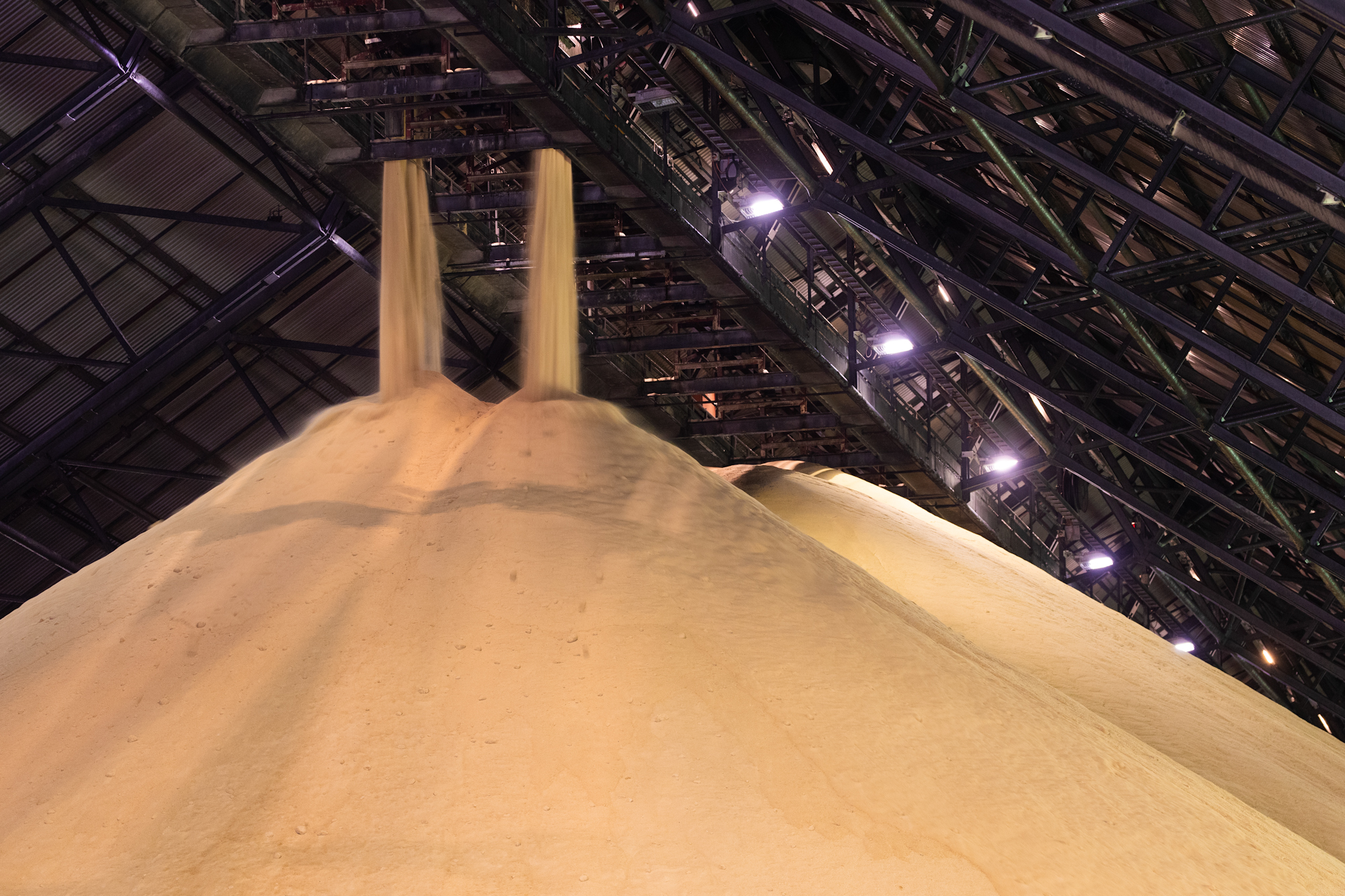
The Sugar Industry Code of Conduct protects growers’ ability to choose who markets their Grower Economic Interest sugar. Photo supplied
By Joseph Borg, Chairman, CANEGROWERS Mackay
A decade ago, Queensland Canegrowers was in the throes of a fierce defence of growers’ right to choice of sugar marketer. Now, the industry has been called to consider the future of the Code of Conduct that emerged from that industry debate.
Growers retain an interest in the sugar produced from their sugarcane, and in the 2010’s, the industry moved away from a single desk marketer model with new marketers emerging. Some industry players wanted growers to market only through their miller.
The situation was resolved through good support from some key politicians of the day – and particularly the then member for Dawson George Christensen – and through some strong and important industry tools including the 2015 “Real Marketing Choice” amendments to Queensland Sugar Industry Act, then at a Federal level in 2017 with the introduction of the Sugar Industry Code of Conduct.
The Code of Conduct requires parties to negotiate in good faith, and protects growers’ ability to choose who markets their Grower Economic Interest sugar, and provides access to pre-contract arbitration if negotiations break down.
This week, submissions closed in the review of the Code of Conduct, with the Australian Government to consider these and consider whether the Code be allowed to sunset as scheduled on 1 October 2027, or be retained as is, or with changes made.
CANEGROWERS is committed to the Code being retained in its current form.
In our view, the current Code continues to provide an essential and balanced framework that promotes fair dealing, transparency and workable commercial discipline across the sugar supply chain. The review is intended to examine whether the Code is meeting industry needs and objectives.
The Australian Government has described the Code as supporting fairness and transparency in commercial arrangements, and that objective remains as important today as when the Code was introduced in 2017.
The underlying market conditions that justified its introduction have not disappeared. In most cane-growing regions, growers cannot simply switch counterparties if negotiations fail. Cane is perishable, harvest windows are tight, and freight economics limit alternatives.
In that setting, the Code performs an important public policy function by establishing minimum rules of conduct and a framework for resolving bargaining impasses. Those protections are not redundant; they are fundamental to a fair negotiating environment.
Importantly, the current Code is not an excessive or unworkable intervention. It does not remove commercial risk, guarantee outcomes, or prevent parties from pursuing their legitimate commercial interests. Rather, it sets baseline expectations for conduct, transparency and process in circumstances where bargaining power is uneven. In our experience, that balance remains appropriate.
The Code provides a disciplined structure for negotiation while still allowing commercial parties to reach outcomes that reflect local conditions and business realities.
It is critical that the Federal Government upholds this important industry tool, allowing us to retain the Australian sugar industry’s good reputation as an equitable, stable player in global sugar trade.
Publishers Indemnity. Any individual or entity that places advertising, supplies copy material, or submits editorial content to Core Life Publishing agrees and undertakes to ensure that all such material:- Does not infringe upon any copyright, trademark, or other intellectual property rights;- Is free from any content that could be considered defamatory, libelous, or slanderous;- Does not infringe upon any rights related to privacy or breach of confidence;- Contains no obscene, indecent, or otherwise unlawful material;- Complies fully with the Trade Practices Act and all other applicable laws, regulations, or statutes.Furthermore, by submitting or placing such material, these individuals or entities agree to indemnify and hold harmless the publisher, Core Publishing and Events Pty Ltd, and/or its agents from and against any and all investigations, claims, demands, liabilities, damages, costs, or judgments arising out of or in connection with the material provided. All material is believed to be accurate at the time of printing and remains the copyright of Core Publishing and Events Pty Ltd.
© 2026 Mackay and Whitsunday Life Pty Ltd.