
Independently Owned, Locally Grown, Community Loved

With 26 years of experience and a results-driven reputation, Stacey Arlott has firmly established herself as one of Queensland’s most accomplished real estate professionals. She is widely recognised, receiving great industry acclaim, but prides herself most on the trust she has garnered from the community she serves in Mackay. In 2021 Stacey reached a huge milestone in her career, being declared the number one agent in Australia by Real Estate Business’s dealmaker ranking - the first in Mackay to receive such an accolade. The win occurred during a volatile time for the market, with COVID-19 challenges failing to knock Stacey off-course. What sets Stacey apart is not only her consistent sales performance, but also her disciplined work ethic and ability to foster long-term client relationships. Her career is marked by a series of accolades, including the REMAX Lifetime Achievement Award (2024) and induction into the REMAX Hall of Fame (2020). From 2022 to 2025, she has consistently ranked among the Top 10 agents in Queensland and Top 20 nationally - an indication of her ongoing push for excellence in a dynamic and demanding market. Beyond industry recognition, Stacy’s success is strongly validated by client feedback. She has earned multiple “Agent of the Year” titles through RateMyAgent, including four consecutive wins for East Mackay (2021–2024) and the broader Mackay region in 2023. These consistently high ratings across major platforms reflect a reputation built on transparency, communication, and results. Having previously owned and operated her own agency and served as REIQ Zone Chairperson, Stacey does more than transactional sales. She brings a comprehensive understanding of the real estate landscape, from regulatory frameworks to market strategy; a depth of knowledge that allows her to guide clients with confidence through every stage of the buying and selling process. Known for her approachable style, Stacey’s secret to success is communication. She prioritises keeping clients informed to ensure they feel supported throughout their property journey. Her business is driven by referrals and repeat clients, a testament to the trust she builds and the outcomes she delivers. remax.com.au/select/stacey-arlott CAPTION: Stacey Arlott, Property Consultant at RE/MAX Select Mackay. Photo source: RE/MAX Select Mackay
Read the full story
I was among the Mackay real estate agents who received calls from buyers agents from southern capitals last week saying they had investors who were more interested than ever in securing a property in this town. That is not to say that investors around the country are not spooked and considering their options after the Federal Budget announcement that negative gearing would no longer be available for new investments other than brand new builds. There will be plenty who will be watching the impact of the removal of negative gearing and it remains to be seen what happens with property prices both in Mackay and in the nation generally. Someone told me the other day that they didn’t understand exactly what negative gearing is, which is fair enough because not everyone lives in my world of property prices, rental yields, capital gains and tax benefits. So for those who are unsure, the basic meaning of negative gearing is that an investor can claim the losses they make on a property on their personal tax. So if an investor has a property that gives them a rental return after costs of $600 a week but their mortgage is $800 a week, they are able to claim the $200 a week loss as a reduction from their personal tax payments. A lot of people are suggesting that the removal of negative gearing will have the biggest impact in Sydney because the cost of housing is high and rentals do not typically cover the mortgage if someone had a 20 per cent deposit on the property they had bought. The rent on a $2m Sydney property does not go anywhere near covering the mortgage so being able to claim the loss as a reduction on your PAYE tax is the only way most investors can do it. Investors who had an investment property prior to this month’s Federal Budget will be able to continue to negatively gear their property but anyone who buys after Budget night will not be able to unless they are building a new home. The impact in Sydney was immediate, with an auction clearance rate of under 50 per cent last weekend. Sydney is an auction town so the results send a clear message that investors there are spooked and possibly no longer see the value in buying an investment property at current prices and with current rental returns. The impact on prices in Sydney, and around the country, will be the big real estate story this year. As I said in my column last week, there is a theory – completely untested and not to be taken as gospel until the facts emerge – that the removal of negative gearing will not have a huge impact in Mackay because house prices are lower than in southern capitals and rental yields are much better. Investors with a decent deposit on a property don’t need negative gearing because rental returns cover the mortgage; so their properties are actually positively geared. Will this make Mackay an attractive place for southern investors looking for an investment that doesn’t run at a loss? We’ll have to wait and see. It is interesting to note what has happened to real estate prices in New Zealand in the years since the government there made changes to negative gearing; prices have dropped by 30 per cent (adjusted to inflation) since their peak about five years ago. Other factors play into that: there has been a reduction in immigration and Kiwis prefer to live in Australia than in New Zealand (only joking!) but there is no doubt that the removal of negative gearing has had an impact. With fewer investment properties coming onto Australian markets, we can expect to see fewer rental properties which, in a world of demand and supply, could push rental prices up. And young people looking for an investment will not be able to claim the negative gearing that older Australians could access. It’s a nuanced world.
Read the full story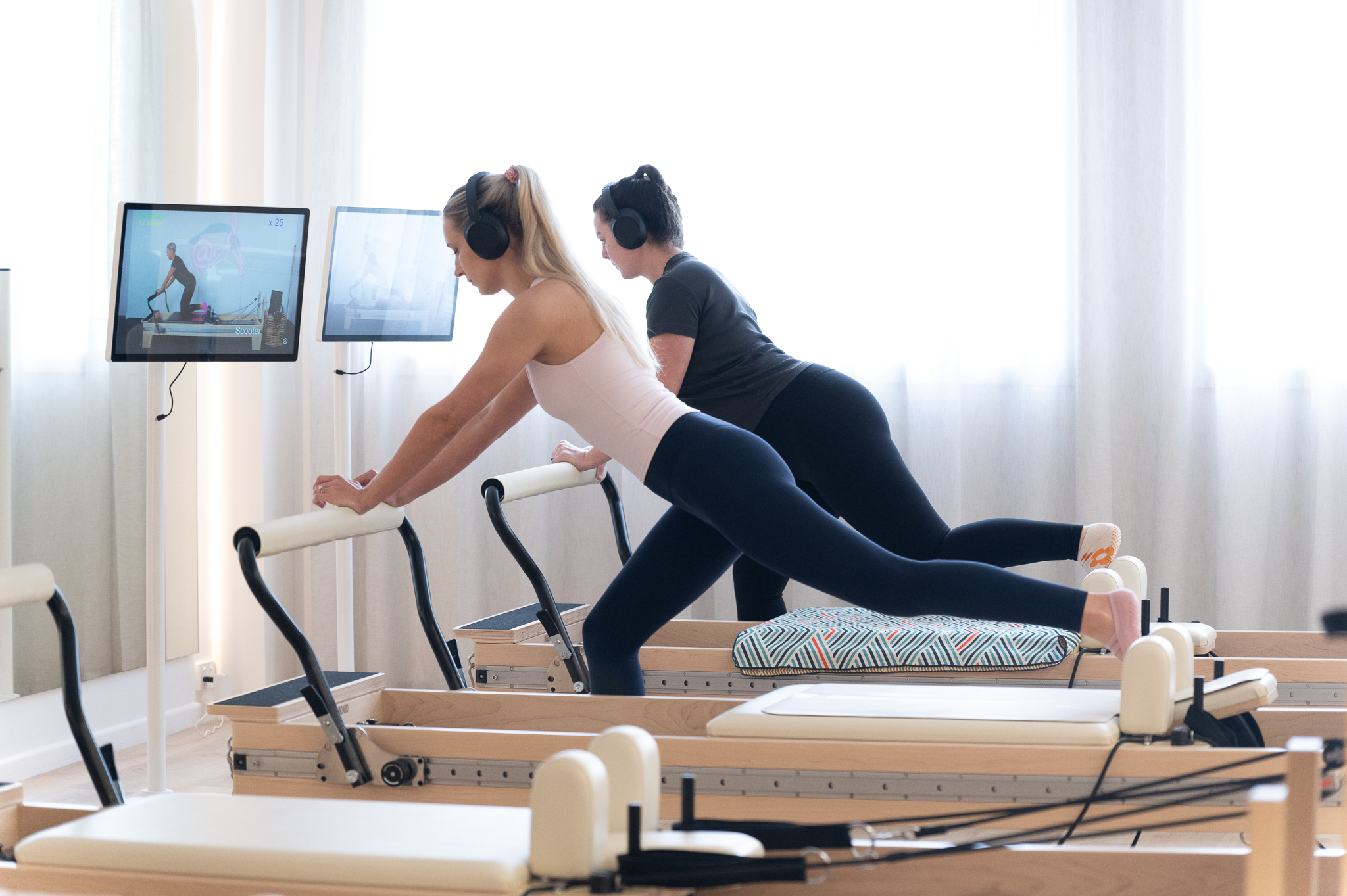
@Pilates 24/7 Mackay is a boutique reformer Pilates studio built around flexibility, recovery and real life. As Mackay’s first 24/7 Pilates studio, members can train any time, with no timetables. The studio runs on a hybrid model combining on demand classes with in studio support during staffed hours. Using noise cancelling headphones, members follow sessions from a platform offering more than 500 classes, choosing their own pace, level and style. Programs cater to all levels, including pregnancy and post-natal, with a focus on strength, mobility and safe progression. Memberships include reformer Pilates, infrared sauna and red-light therapy, creating a complete wellness experience in one space. New clients can get started with our '10 days for $45' intro offer, with memberships starting from only $39 per week. With premium reformers and full flexibility, @Pilates 24/7 Mackay makes consistency simple. You lead. Our platform follows. Only @pilates
Read the full story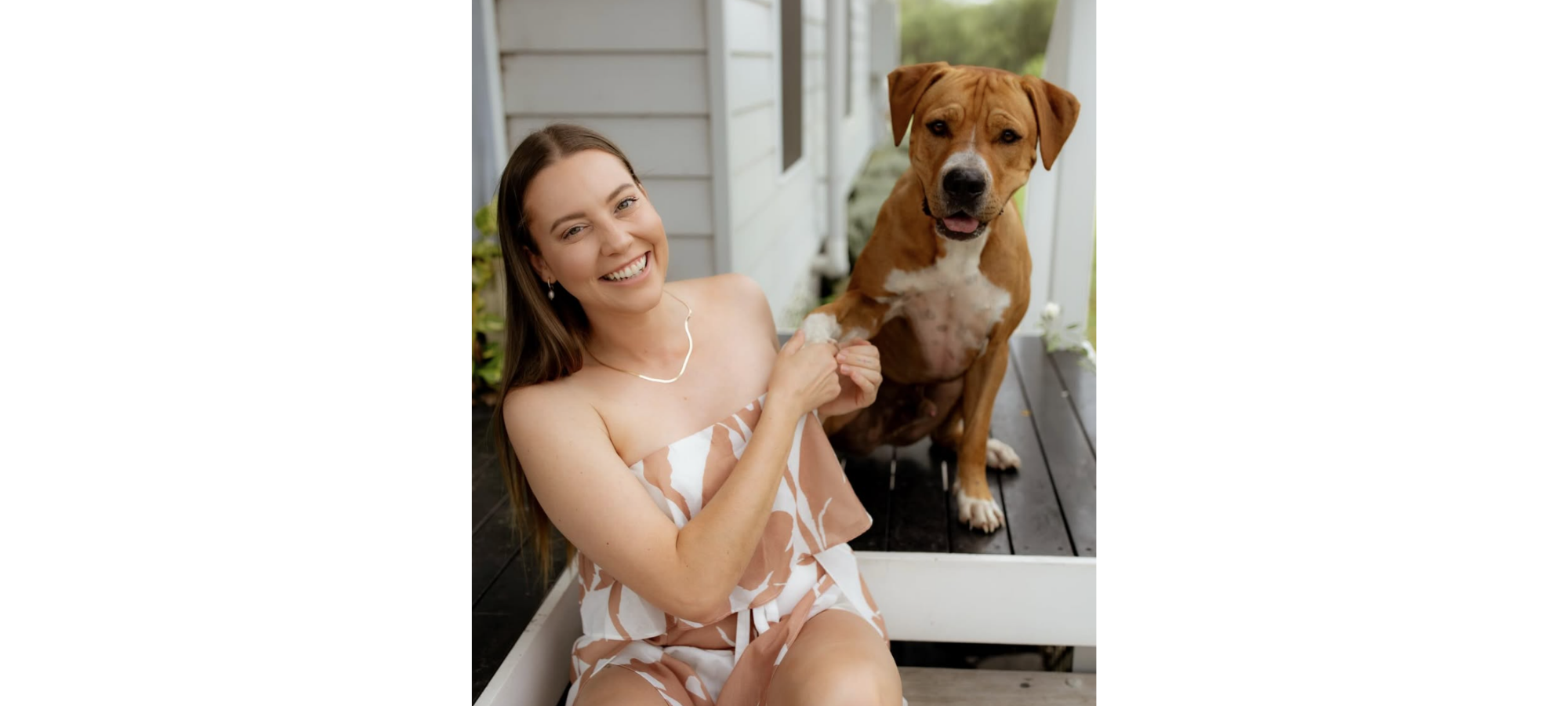
Dr Maddilyn Brown is the passionate Owner and Founder of The Nurture Haus, where she specialises as an Advanced Paediatric Chiropractor dedicated to supporting women, babies and children through every stage of life. A proud Mackay local, Maddilyn completed both school and university in the region before spending several years living and working in Brisbane, Dysart and Emerald, eventually making her way home after seven years away. Her journey into chiropractic began following a gymnastics injury as a teenager, sparking a passion that would shape her entire career. Since then, Maddilyn has devoted herself to extensive postgraduate study in paediatrics, pregnancy, postpartum care and women’s health, completing a postgraduate diplomat in 2025 while continuing further study in women’s health. Since 2023, she has worked exclusively with women and children. Outside of work, Maddilyn describes herself as “animated, nerdy and unflappable”. When she’s not studying or caring for patients, she enjoys weightlifting, walking her beloved American Staffy x French Mastiff, Askari, and spending time with her partner Josh after recently ending two years of long distance. An ex-gymnast with an adventurous streak, Maddilyn also once flew planes before relocating to Central Queensland and enjoys aerial silks in her spare time. Her happiest life moment? Witnessing the Northern Lights in Alaska — a lifelong bucket-list dream she says was the most remarkable thing she has ever seen. CAPTION: Dr Maddilyn Brown has dedicated her career to paediatric and women’s health chiropractic care, supporting Mackay families through The Nurture Haus. Photo supplied
Read the full story
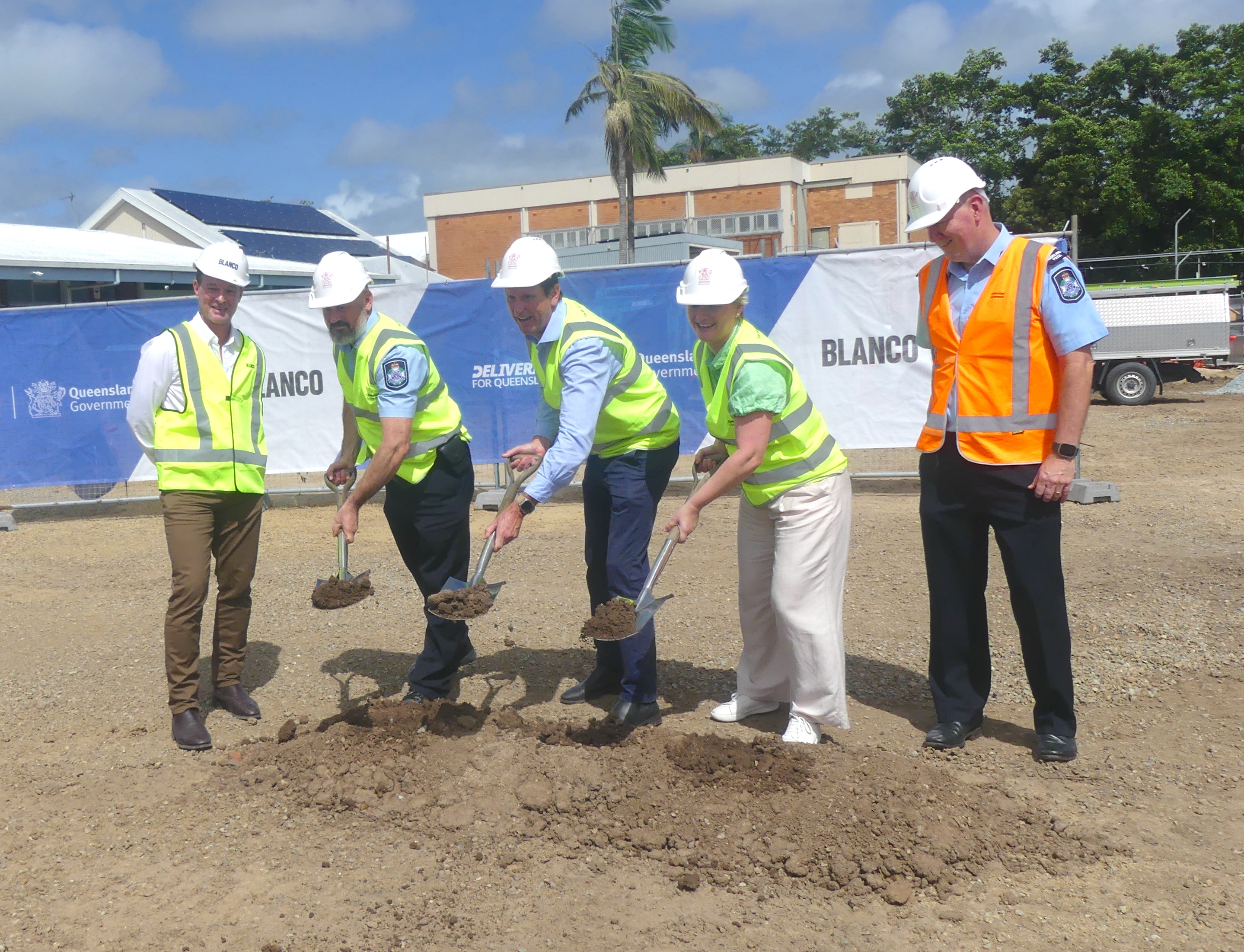
Members of parliament, police officers and construction representatives gathered on Wednesday 18th March for a turning of the sod ceremony to celebrate the beginning of works on Proserpine’s new Police Station.
The $9.8 million facility will be replacing the previous 60-year-old station which was flooded during Cyclone Debbie, later being criticised as damaged and unfit for purpose.
The upgraded station will include two holding cells, interview rooms, and a safe space to accommodate trauma-informed response for victims of domestic and family violence.
“This new facility will provide our officers with the tools and resources they need to work towards the safety and security of the community, while also creating a space that supports the wellbeing of both staff and community members,” said Acting Assistant Commissioner Paine.
1 – MP Amanda Camm and MP Dan Purdie turn the soil on site for new Police Station for Proserpine.
MPs Turn The Sod As Proserpine Police Station Works Commence
Minister for Police and Emergency Services Dan Purdie and Member of Whitsunday Amanda Camm joined Police representatives last Wednesday to turn the soil on the site of Proserpine’s new police station, whose completion is planned for September 2026.
Minister for Police and Emergency Services Dan Purdie said:
“This new Proserpine Facility with help local police respond faster, investigate more effectively and restore safety to the Whitsundays community.”
Member for Whitsunday Amanda Camm said:
“As the Whitsundays continues to grow, it’s critical our police have contemporary facilities to better support victims and keep our community safe,”
As Minister for the Prevention of Domestic and Family Violence, she also highlighted the project’s inclusion of a domestic violence safe space.
“With the prevalence of domestic and family violence, that has only continued to grow year on year, infrastructure like this is really important, because it encourages a safe place for victim survivors to be able to come.
“Sometimes it takes up to 12 times before a victim will come forward to actually express and report the violence that's occurring in the home. And so being able to ensure that we have infrastructure that supports that the needs of victim survivors is really critical.”
Acting Assistant Commissioner Graeme Paine said the replacement Proserpine Police Facility reflects the QPS’s commitment to adapting to the changing needs of the local community:
“This new facility will provide our officers with the tools and resources they need to work towards the safety and security of the community, while also creating a space that supports the wellbeing of both staff and community members,”
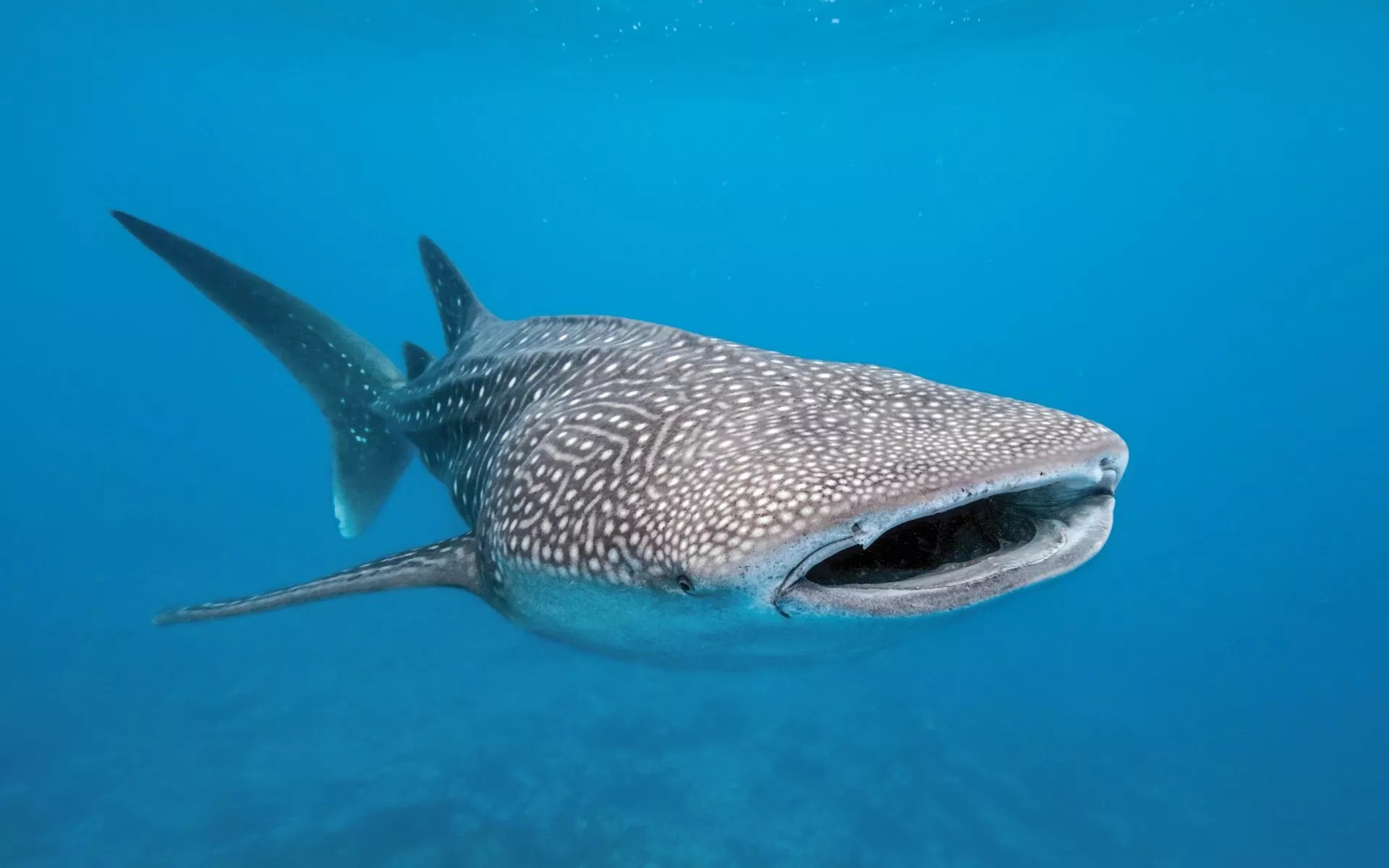
If you had to design the ultimate ocean giant, you might come up with something like the whale shark — a fish as long as a bus, covered in dazzling white spots, and gentle enough to swim alongside humans. The magnificent Whale Shark (Rhincodon typus) is not only the largest fish in the sea, but also one of the most fascinating creatures on Earth.
Despite their enormous size, whale sharks are surprisingly harmless. Adults can grow to around 12 metres long, although some individuals may reach 18 metres or more. That makes them heavier than an elephant and longer than many boats. Yet these giants are gentle filter feeders that eat some of the smallest organisms in the ocean.
Instead of hunting large prey like many sharks, whale sharks glide slowly through the water with their huge mouths open, filtering tiny creatures from the sea. Their diet includes plankton, small fish, fish eggs, and shrimp-like animals called krill. As water passes through their gills, specialised filters trap the food while the water flows back out. It’s a feeding style more commonly associated with baleen whales, which explains how the whale shark earned its name.
Another cool feature of whale sharks is their extraordinary appearance. Their dark blue-grey skin is covered with pale spots and stripes arranged in a pattern that is completely unique to each individual — much like a human fingerprint. Scientists actually use photographs of these patterns to identify individual sharks and track their movements around the world.
Whale sharks are true ocean travellers, migrating thousands of kilometres through tropical and warm-temperate seas. They can be found in oceans all around the globe. Australia hosts one of the best-known seasonal gatherings of whale sharks at Ningaloo Reef in Western Australia, where dozens of these giants arrive each year to feed on plankton blooms.
Whale sharks are increasingly spotted on the Great Barrier Reef (GBR), with a newly identified, consistent seasonal aggregation site for juveniles in Wreck Bay (northern GBR). Peak sightings occur from late November to late December, coinciding with coral spawning.
Whale sharks are rare but occasional visitors to the Whitsundays. While not common, these gentle giants have been spotted near locations like Blue Pearl Bay.
Despite their size, whale sharks remain surprisingly mysterious. Scientists still know relatively little about their breeding behaviour. Pregnant females are rarely seen, and no one has ever observed whale sharks mating in the wild. One female examined by scientists contained more than 300 embryos, suggesting they produce many young at once — a useful strategy for survival in the vast ocean.
Another impressive ability is their diving behaviour. Whale sharks spend time feeding near the surface, but they are also capable of deep dives to more than 1,000 metres. These dives may help them search for food or navigate long migrations through the open ocean.
Unfortunately, even giants are vulnerable. Whale sharks face threats from ship strikes, accidental capture in fishing gear, and plastic pollution. In some parts of the world, they have also been hunted for their meat and fins. As a result, the species is now listed as endangered.
Contributed with thanks to the Whitsunday Conservation Group
Captions
Whale Shark
Photo supplied
An international research team, including scientists from James Cook University (JCU) and the Queensland Museum, has turned to centuries-old records to modernise the way hard coral species are identified, reshaping coral science and conservation.
New JCU-led research published in Memoirs of the Queensland Museum details the development of a global database of hard coral information that reduces reliance on historical gatekeepers. The framework blends modern DNA sequencing with historical observations to create a more rigorous and accessible approach to coral identification.
“People the world over who work on coral reefs know that hard coral identification has been a problem,” said JCU Professor Andrew Baird, co-author and supervisor of the research.
“Our database provides the basis for a new identification framework, at a time when accurate species-level knowledge has never been more critical. It encourages the use of multiple lines of evidence for coral identification, and we hope the database will make what’s previously been a specialist-led taxonomy, more accessible.”
While molecular techniques have transformed coral science, linking modern genetic data with historical species descriptions has long been difficult. The team’s key innovation is the use of ‘topotypes’ — living coral specimens collected from the same locations where species were first described — allowing scientists to sequence genetically comparable material.
“Most historical species names are based on museum specimens which are bleached skeletons, lacking tissue. We need topotypes so they can be sequenced using modern genetic techniques,” said JCU PhD candidate and first author, Augustine Crosbie.
“The significance of this work is that it tells us where to look for topotypes. We’ve found the locations for thousands of corals, right across the world’s oceans.”
The database collates 2338 nominal coral species described between 1758 and 2025.
Professor Baird said improved identification is critical as reefs face growing pressure from warming oceans.
“Inaccurate identification can lead to silent extinctions, misleading experimental results, incorrect species distributions and flawed conservation decisions,” he said.
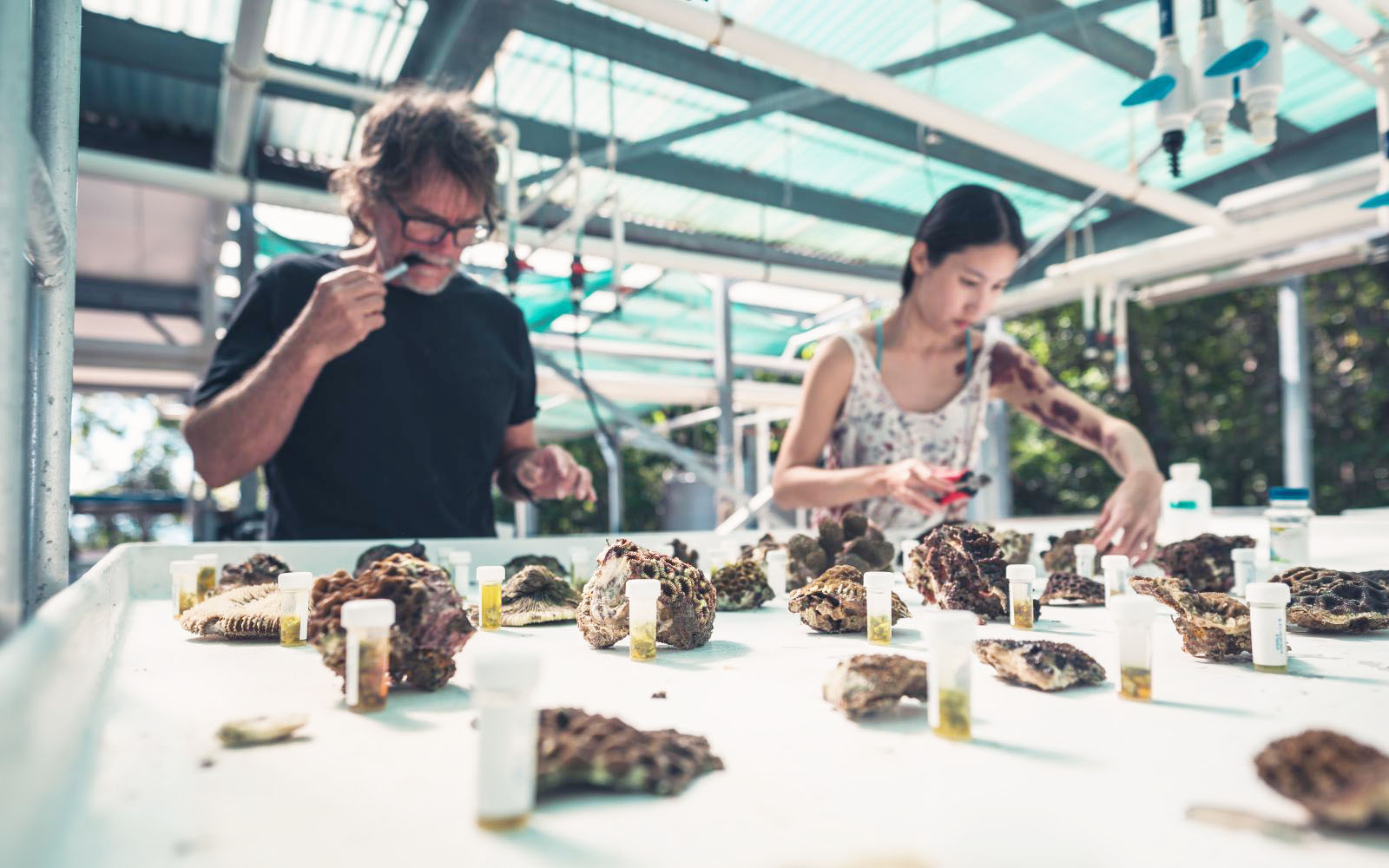
CAPTION: Professor Andrew Baird, and Julia Hung of JCU processing coral samples after a successful morning of collection diving at Orpheus Island Research Station. Photo credit: Augustine Crosbie
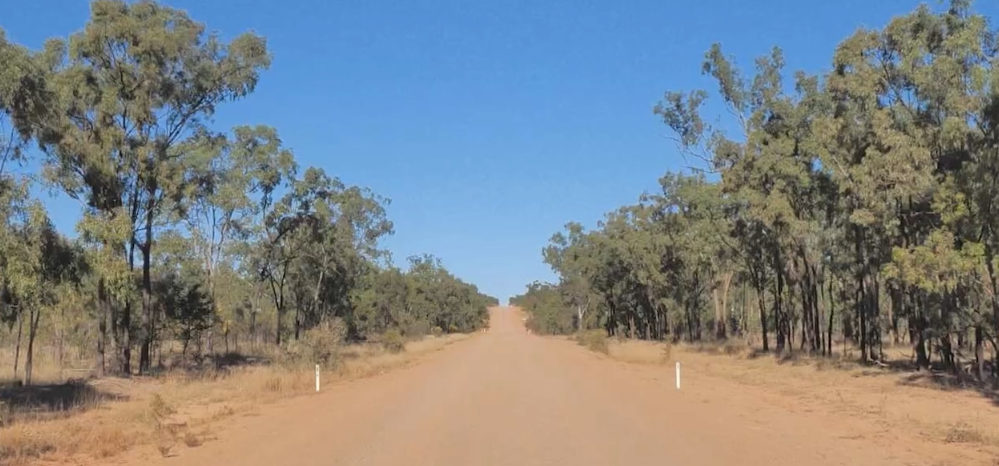
The Queensland Government has confirmed the Bowen Developmental Road will be among key regional routes upgraded under the new Country Roads Connect Program, aimed at improving connectivity and reliability across rural Queensland.
The road, located within the Whitsunday Regional Council area, is one of 22 projects identified for upgrades as part of the program, which focuses on sealing unsealed roads and strengthening transport links for regional communities, freight operators and local industries.
The Country Roads Connect Program aims to improve road resilience and accessibility, particularly during wet weather events when unsealed roads can become difficult or unsafe to travel.
Minister for Regional and Rural Development Dale Last said investing in regional road infrastructure was essential for the long-term strength of Queensland’s regional industries.
“Regional Queensland delivers so much for the state’s economy from mining to manufacturing and agriculture, and these country roads are the arteries that keep our vital industries connected and support thousands of jobs,” Minister Last said.
“Country Roads Connect is about improving the resilience and connectivity of the regional roads that were left to deteriorate for a decade under the former Labor Government.”
Across Queensland, the program will focus on sealing and upgrading roads that play an important role in supporting freight transport, agriculture and regional travel.
Once completed, improvements to roads such as the Bowen Developmental Road are expected to enhance safety, strengthen regional supply chains and support economic activity throughout communities within the Whitsunday region.
CAPTION: Government has actioned plans to deliver reliable roads for regional Queenslanders, by breaking ground on the first Country Roads Connect Project. Photo supplied
.jpg)
The closure of Lions Camp Kanga near Lake Proserpine marks the end of an era for North Queensland communities.
Operated by the combined Lions Clubs of North Queensland under a long-term State Government lease, the camp officially opened in October 1992. The site was originally part of the construction camp used during the building of the Peter Faust Dam. Over the past three decades, Lions transformed it into a place where generations of school children and community groups could learn, connect and enjoy the natural environment at an affordable cost.
Sadly, the camp has faced significant challenges in recent years. Severe Tropical Cyclone Debbie caused major damage in 2017, requiring extensive rebuilding after lengthy insurance negotiations. Not long after the rebuild was completed, the COVID-19 pandemic halted bookings and disrupted operations.
While the camp has always focused on providing affordable experiences, it has struggled to regain its former booking levels since the pandemic. Schools, traditionally the camp’s main clients, are increasingly choosing newer facilities with more modern infrastructure and activities.
Despite efforts to refresh programs and attract bookings for 2026, the camp secured less than half the income required to remain financially viable. At the same time, ageing buildings, some now around 40 years old, would require significant investment to maintain.
For Lions, the decision to close the camp is a difficult but necessary one. The organisation remains proud of the role Camp Kanga has played in supporting education, community connection and local tourism for more than 30 years. Negotiations with the State Government are now underway to determine possible future uses for the site.
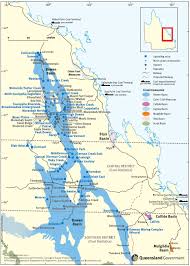
The Queensland Government has announced the release of 18 new exploration areas for petroleum, gas, coal, and vanadium, including significant opportunities within the Bowen Basin, as part of broader efforts to support resource development and strengthen regional economies.
Among the newly released areas, 12 petroleum and gas sites span more than 7,000 square kilometres across the Bowen/Surat and Cooper/Eromanga Basins. A further four coal exploration areas cover approximately 235 square kilometres within the Bowen/Surat Basins, contributing to the pipeline of potential future projects.
Minister for Natural Resources and Mines Dale Last said exploration remains critical to the long-term strength of Queensland’s resource sector.
“Exploration is where every major project begins and without it, there is no pipeline of future supply,” he said.
The government has also applied Australian Market Supply Conditions to some of the petroleum and gas areas, requiring any gas produced to be supplied to the domestic market.
“This release is part of a broader plan to ensure Queensland continues building its pipeline of petroleum, gas, coal and mineral projects, delivering long-term energy security and economic growth.”
In a further boost to the region, the government has awarded more than $1.5 million to Coreo Pty Ltd to investigate opportunities to recover valuable minerals from coal mine tailings across the Bowen Basin.
The study will examine ways to extract critical minerals such as rare earth elements and vanadium from mine waste, building on the work of the Bowen Basin Circularity Project and exploring new opportunities within the mining supply chain.
“Queensland’s coal industry helped build this state and now it’s helping us build the next generation of resource opportunities,” Mr Last said.
“This collaboration is what our industry does best, bringing together some of Queensland’s leading coal producers with government and research partners to find value in materials once considered waste.
“By finding value in what was once considered waste, we’re creating new jobs, attracting new investment and supporting a more sustainable future for regional Queensland.
“After Labor’s anti-mining policy chaos sent investor confidence off a cliff, the Crisafulli Government is giving the coal industry certainty and backing the thousands of mining families the sector supports.
“Under the Crisafulli Government, Queensland’s resources sector is open for business, and we’re backing new innovations and technologies that will keep our state competitive well into the future.”
Coreo CEO Ashleigh Morris said the funding would strengthen efforts to unlock new value from mining by-products.
“By focusing on critical minerals in coal tailings, and the potential to extract them alongside other valuable components, we are targeting full value from the full volume of tailings,” Ms Morris said.
The government said the combined initiatives aim to support long-term resource development, strengthen supply chains and create new economic opportunities across regional Queensland.
Despite finding his true calling to art later in life, James Stickland has certainly made a name for himself with a host of achievements, prizes and accolades under his belt.
Although interested in art from a young age, James would not find his true until passion later, initially running his sign business for 19 years whilst raising two children.
“Back at school I was sporty, but I also got bored easily. I always have to be doing something so I would sketch and draw,” said James.
The calling came after a chance encounter on a last minute road trip.
“I was still doing art through graphic design, but it wasn’t hands on. The kids got older – they reached their late twenties and life started feeling poignant, like something was missing. We just happened to buy a work van and had one week left off for Christmas. We went for a drive and stumbled across the Tweed Regional Gallery – it was this massive structure in the middle of nowhere.”
Upon viewing the art, James had a thought that would change his life trajectory forever, “I could probably do this.”
After lots of practice, googling and some YouTube tutorials, James was well on this way to becoming a highly acclaimed artist.
“That started my passion, now it’s an addiction.”
Talking to James, we reflected on the power of one of his favourite forms: portraiture.
“When I first started chasing sitters for the big national prizes, they’d request you have a sitting which I thought was going to be a pain, but you 100% need to meet the person and sit with them for a few hours, even if just for a coffee,” he said.
“You get to see their personality, what they’re like – and you can really start to think about what you want to put in the painting.”
In discussing influences, James cited an artist by the name of Vladmir Bologov.
“He’s a very loose painter in the same vein as John Singer Sargent. I used to do realism to prove I could, and I love what others produce, but I find it a bit boring,” James explained.
“It’s more the expressive strokes that excite me. All my paintings are a bit looser – more contemporary.”
Having now transitioned to full time work with his new studio, James is still in shock over his newfound success.
“It’s just surreal. It doesn’t feel real yet. I never thought it would happen, and now that it has it’s like – oh well this is weird – better commit.”
James has already amassed a huge string of achievements including the Brisbane Art Rotary Prize, valued at $15,000 as well as becoming a six-time national finalist in major portrait prizes across Brisbane, Perth, Sydney, Townsville and the Doug Moran. He also received a Highly Commended award from an ARC International competition of 5,400 entries and was awarded a scholarship to attend the Portrait Society of America conference in Washington DC in 2025.
We look forward to what James does next. He is truly a great creative talent.
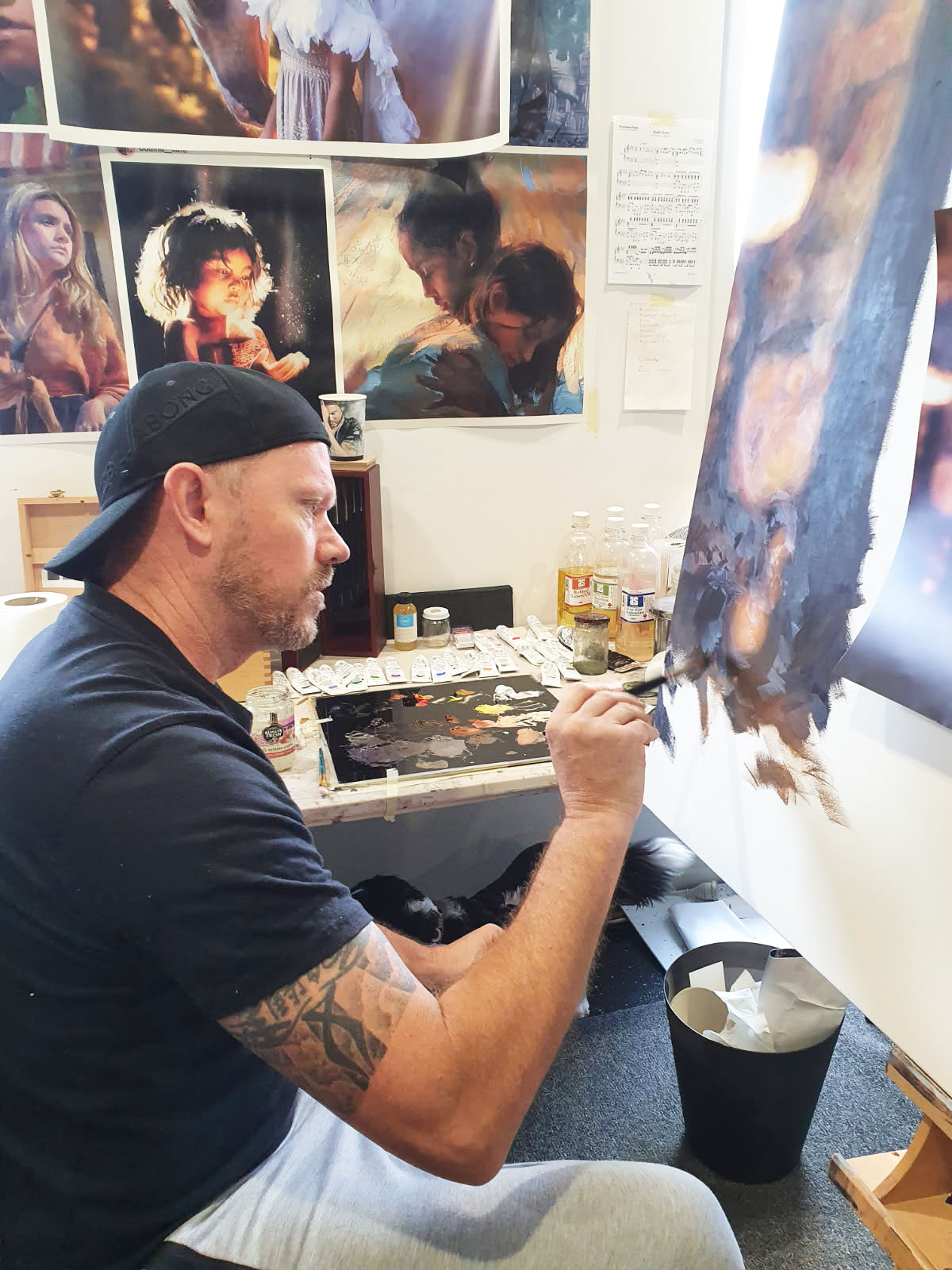
CAPTION: Artist James Stickland at work in his studio, where he now creates the expressive portrait paintings that have earned him national recognition. Photo supplied
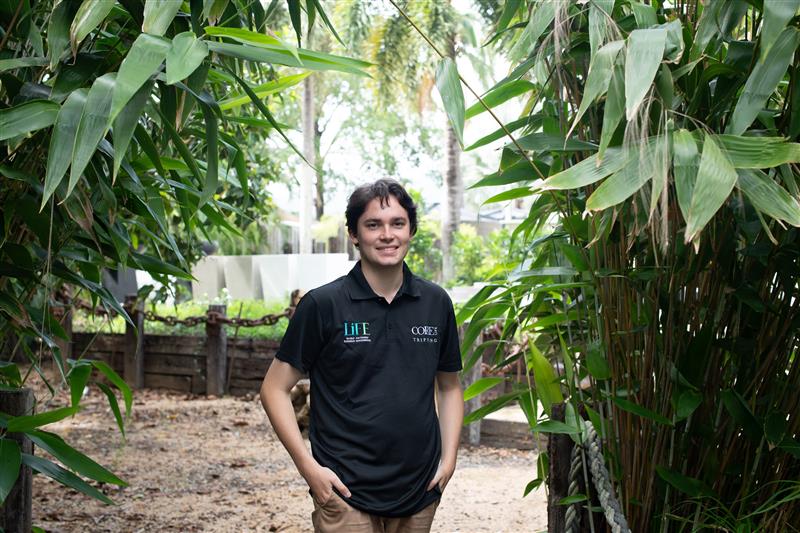
This week, I’d like to discuss something a bit more personal. The day this paper comes out will mark four years since my grandfather passed away. It is also the birthday of my uncle who passed away in 2024. My grandfather was poet and therefore I believe this is a perfect opportunity to share some of his poetry.
The beautiful thing about poetry, and art in general, is that it has the power to immortalise someone. It allows you an intimate connection in the midst of grief. It is perhaps one of the truest ways to remember someone many years after they have passed away. So this poem – and the creative corner this week - is dedicated to my Grandpa Bob (who also went by the name Mr Possum), and my Uncle Kane.
I hope they’re having a good time – wherever they may be.
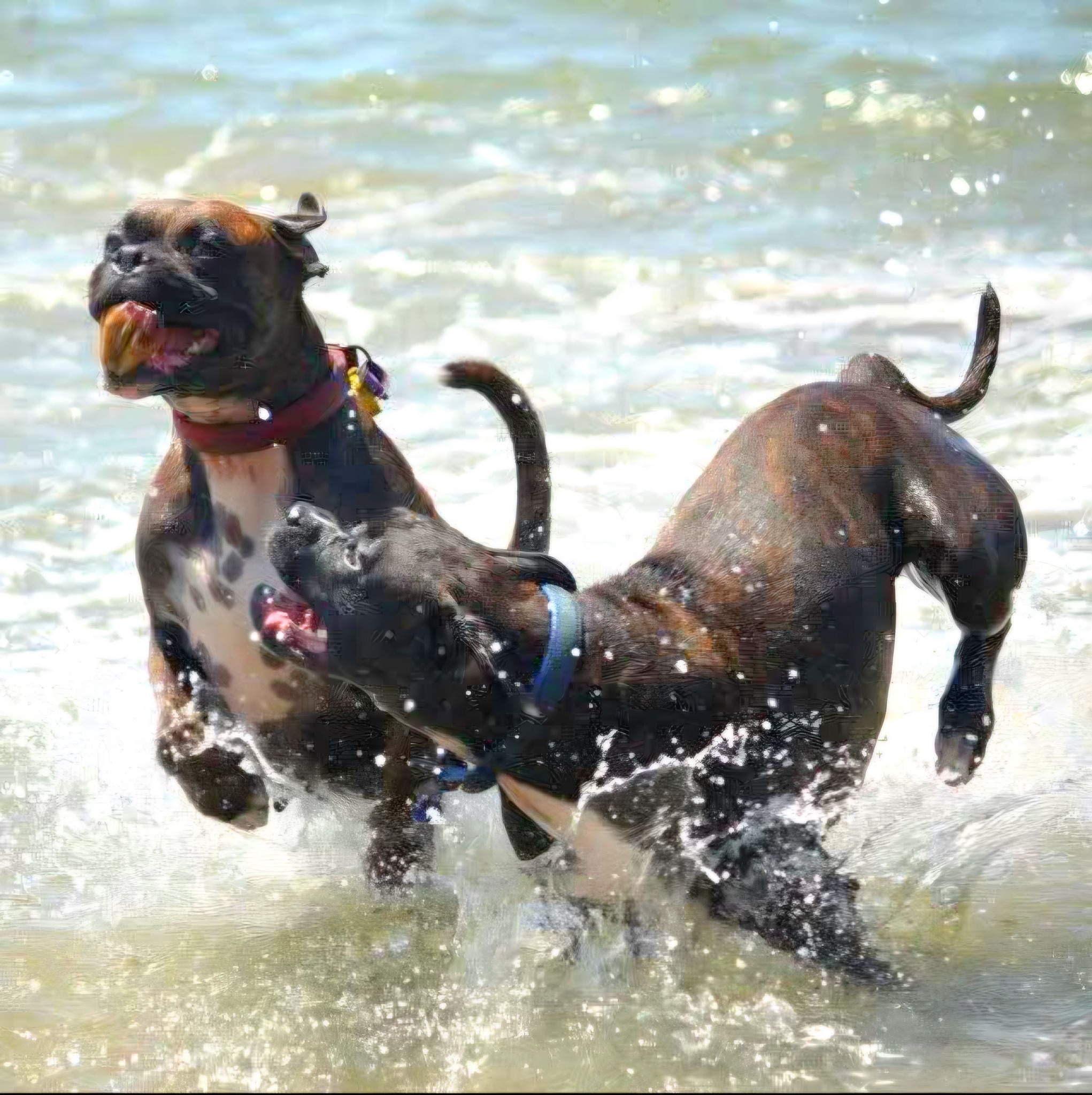
This week’s winner for the theme of fun was Rebecca Ross, with this joyful photo of her dogs playing at Conway Beach.
Budding photographers are welcomed to the Whitsundays Amateur Photography Facebook Group to participate in next week’s theme: in my town.
Photo contributed by Whitsunday Amateur Photography on Facebook.

The thunder of hooves can no longer be heard on racecourses in our area but, during the first half of the twentieth century, Proserpine and district could boast numerous racetracks: the Racecourse Reserve at the Landing, Hamilton Plains, Showgrounds, Breadalbane Station on the highway and behind the cemetery. Kelsey Creek had three different racetracks and at holiday time there were tracks at Conway Beach, Bloomsbury and Midge Point.
Renwick’s Lane was one of the oldest roads in the area and when dry, it was used as one of Proserpine’s earliest racetracks. Local bullocky, Isaac Fox, often earned the fury of jockeys by using the road when wet to cart loads of gear in his wagon thereby creating great ruts from end to end which made racing impossible.
Museum archives indicate that c.1910 Proserpine’s first racetrack was at Glen Isla and most patrons went down by loco. The “Port Denison Times” March 8, 1910, states: “Permission has been given to the trustees to lease the Racecourse Reserve at Proserpine for 10 years @ £20 per annum.” This track was near the river landing from where Proserpine Mill sugar was loaded onto boats prior to the opening of the railway between Bowen and Proserpine in July 1910.
In June 1911, the Picnic Race Club met to make arrangements for races during Show Week and The Proserpine Trustees’ Race Club was organising its first race meeting to be held on a seven-furlong course ‘some four miles from town.’ The course was ‘an ideal place to hold a day’s sports, being nicely shaded by trees along a creek.’ At the time, it was considered that Proserpine had one of the best racetracks in Queensland.
The end of the war saw several races held in aid of the Returned Soldiers Repatriation Fund, one being an eleven-event meeting held by the Proserpine and District Race Club on June 14, 1918. In March 1919, the club also held a race meeting on St Patrick’s Day. It was claimed that, in the Sweepstakes, Gentleman Jack would have won had he been given his head, but his rider proved ‘too powerful in the arms’!! An inquiry into the jockey’s riding dismissed the case but cautioned the jockey.
More races followed, but not without some more unsavoury practices …
In October 1925, local businessmen, determined ‘to see that all is fair and square and above board’, formed the Proserpine Turf Club.
The new committee was still operating in 1926 so perhaps they were successful …
Story and photo courtesy Proserpine Historical Society and Reminiscences of the late Peter Faust

Toby Lee is a loyal, affectionate dog looking for a stable home and a person to call his own. This handsome boy thrives with routine and calm structure and would do best in a household where he can settle in, relax, and feel secure.
About Toby Lee
Good With
Personality
Toby Lee is known for his loyalty and affectionate nature. He is an intelligent dog who bonds closely with his person and enjoys playtime once he feels comfortable in his environment. With the right guidance and consistency, he is expected to thrive in a calm home.
Ideal Home
Health
Toby Lee is desexed, vaccinated and microchipped. He has no known medical issues.
Adoption Details
The adoption fee is $400.
Those interested in adopting Toby Lee can message the rescue with their name, phone number and the animal they are applying for.
The organisation operates as a foster-led rescue rather than a physical shelter, placing animals directly into safe, private homes.

Country music fans across the Whitsundays are gearing up for the return of the Barra and Boots Country Music Festival, set to take place on Saturday, 30 May 2026 at the shores of the picturesque Lake Proserpine campground. Now in its third year, the boutique festival has quickly built a reputation as one of the region’s most unique and intimate live music experiences.
This year’s demand has been stronger than ever, with all campsites officially sold out well in advance. However, music lovers still have the opportunity to attend by purchasing day passes. Shuttle buses will run from Airlie Beach and Mackay, making it easy for visitors and locals alike to enjoy the festivities without needing to camp.
One of the standout features of the event is its fully BYO format. Guests are encouraged to bring their own food, drinks, and picnic setups to enjoy throughout the day and evening while soaking up live country music in the natural surrounds of Lake Proserpine. While the event is largely BYO, a small number of food vendors will also be on site.
For those lucky enough to secure a campsite, the weekend experience runs from Friday afternoon through to Sunday morning, allowing campers to wake up by the lake and stroll straight to the stage.
Craig Turner, Director Commercial Businesses at Whitsunday Coast Airport, said it was fantastic to see the event sell out in just its third year.
“Events like this highlight that tourism in the Whitsundays isn’t just about the islands and reef. Our inland destinations offer unique experiences that bring visitors into different parts of the region and ensure tourism benefits the whole community”, he said.
Day passes can be purchased at regfest.com.au.
CAPTION: Country music fans will gather at Lake Proserpine Campground on 30 May for the return of the Barra and Boots Country Music Festival, now in its third year. Photo supplied

Last week, Tourism Whitsundays headed south to Sydney for TravMedia's International Media Marketplace at the International Convention Centre, proudly flying the flag for our region.
Zana spent the day connecting with 22 key journalists, editors and content creators from across Australia and New Zealand, sharing stories and reminding the media world just how special our corner of Queensland truly is.
And there was plenty to get excited about. With exciting openings arriving later this year, including The Australian Agave Farm, the Twin Creek Mountain Bike Track, an elevated Reefworld premium experience and the stunning Ngaro Track, The Whitsundays is adding bold new reasons to visit. And the momentum doesn't stop there, with the developments of Lindeman and Hook Islands and the Whitsundays Skyway all on the horizon for 2027.
But beyond the new announcements, the conversations kept coming back to what has always made our home so magnetic. The sands of Whitehaven Beach, the colours of the Great Barrier Reef, our 74 beautiful islands (and all the ways to experience them) and the adventure-filled mainland that so many visitors are only just discovering.
We can't wait to see these conversations become the stories that inspire travellers to experience the magic of The Whitsundays for themselves.
Contributed with thanks to Rosanagh Gallivan, PR & Social Media Manager, Tourism Whitsundays.
Captions
Photo supplied

Female students at Bowen State High School are doing their school and community proud by advocating for serving their community and helping others. The true highlight wasn’t the date; it was the incredible courage of our students to their voices with the school and wider community.
Our female students have attended a number of school and community events allowing them to share their voice and to be positive role models to their peers and community.
Year 11 students Mary-Ellen, Gabby, Kasey and Emma attended the Resource Industry Network Luncheon in Mackay where they listened to keynote speaker Kate Davies CEO of Netball Queensland. They also were able to share their stories and career aspirations with Andrew Willcox MP. Over the weekend, Year 12 student leaders Lily-ann, Elle and Matilda were honoured to speak at the Zonta Club of Bowen’s Morning Tea. The event saw great reception from all involved.
On Tuesday morning, our Year 11 female students prepared a lovely breakfast for our staff. Guest Speaker and Bowen Local Sargeant Michelle O’Regan shared her message on the theme Give to Gain.
“When you give to your community you don’t just make someone else’s life better, you gain purpose and help to build the kind of world we all want to live in. The world needs strong, kind and courageous women. Never underestimate your power,” she said.
Student speakers Seinimili Mau, Mary-Ellen Kusu and Violet Windridge shared their reflections on the importance of International Women’s Day.
Principal Mr Rob Harris commended the students on their passion and courage to share their journey in the community.
“By sharing your vision for a more equitable world, you are already leading the way. I am extremely proud to be your principal and to witness the future you are building for our school and community.”
Contributed with thanks to Bowen State High School.
Captions
Photo supplied
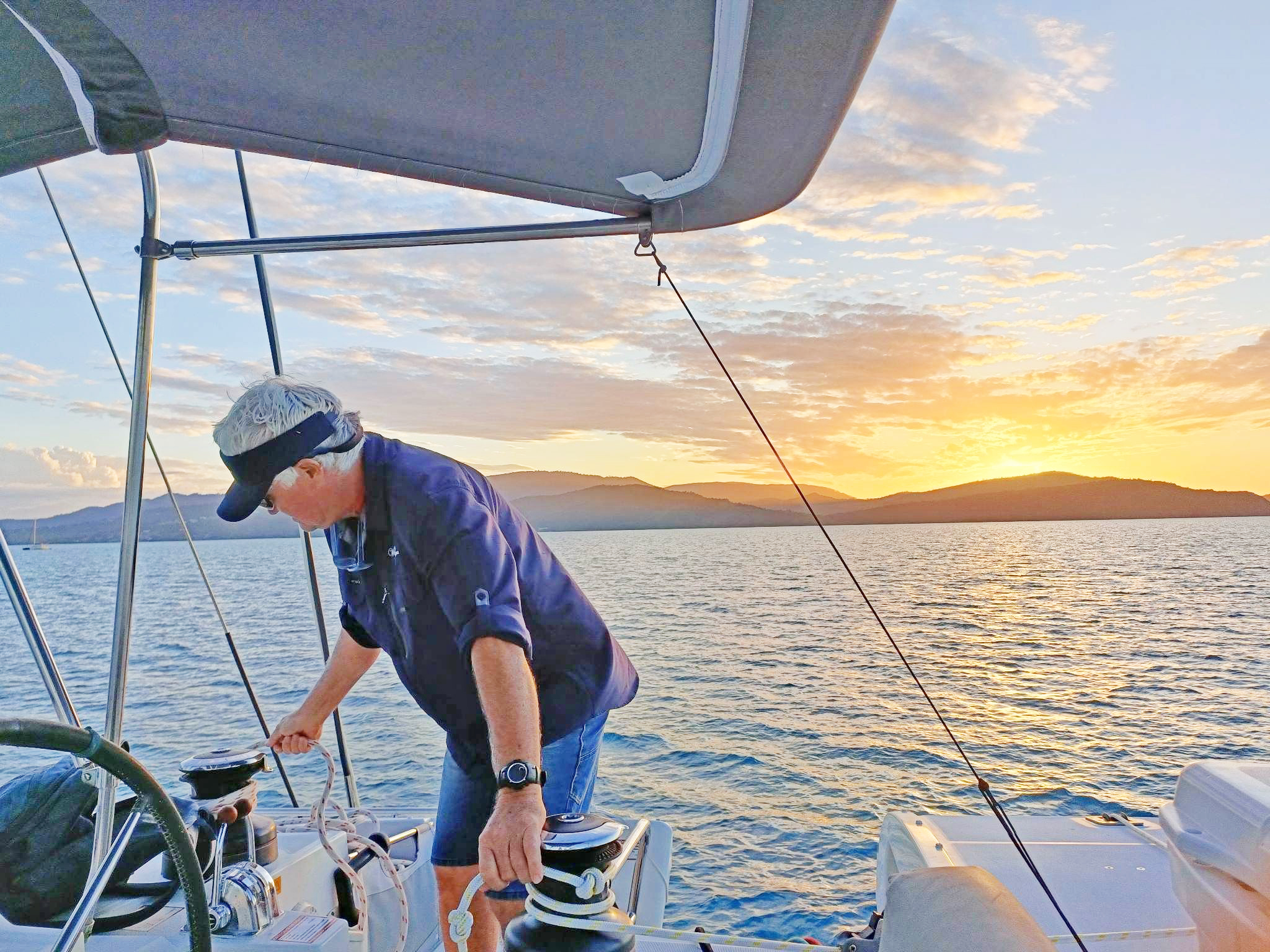
Under the leadership of Trevor Rees, Whitsunday Escape has grown to become an industry leader, decorated with awards, with plenty of laughs, milestones, and pinch-me moments on the way. Let’s look back on his voyage so far…
1993 – Whitsunday Escape begins trading as a small rental boat business.
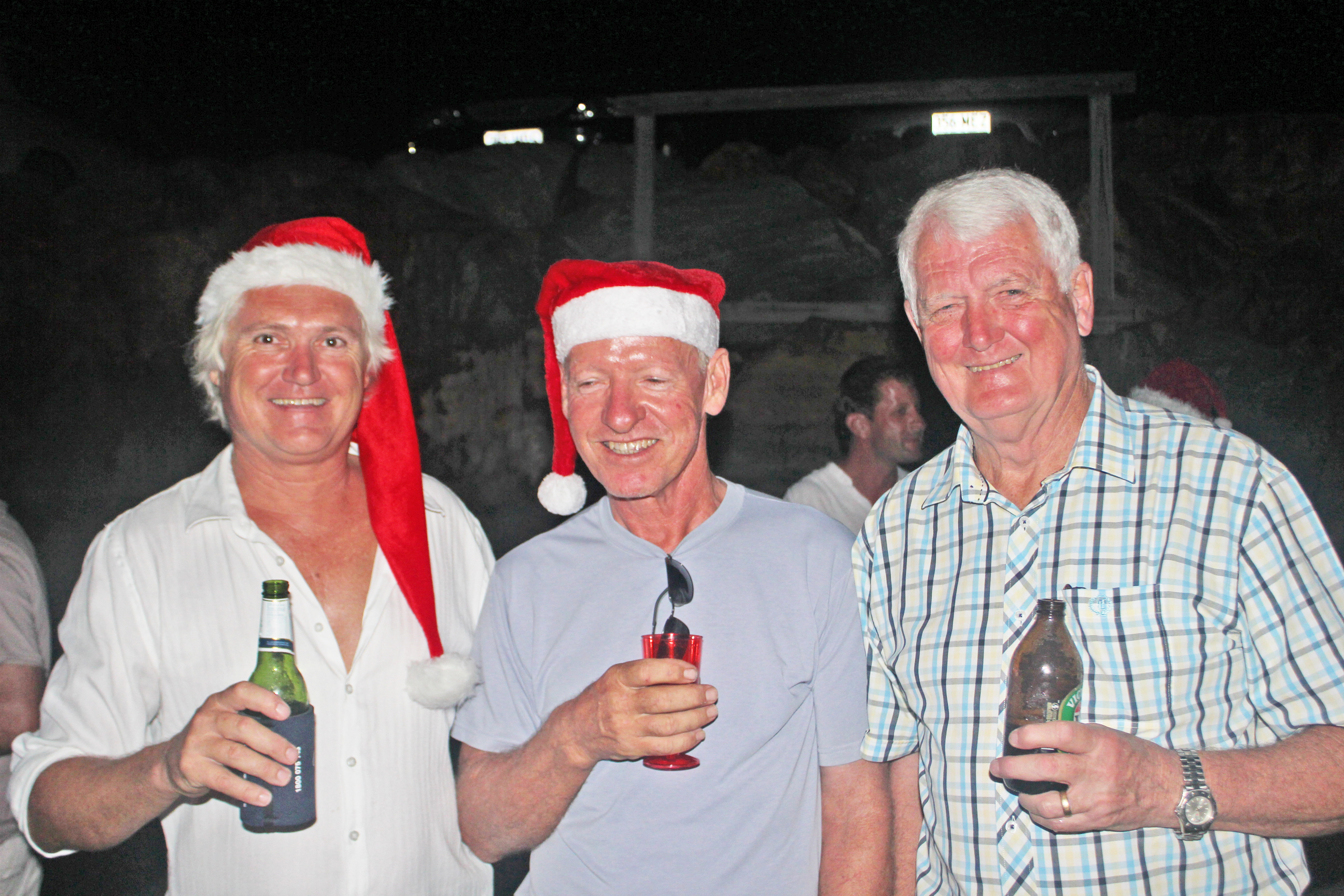
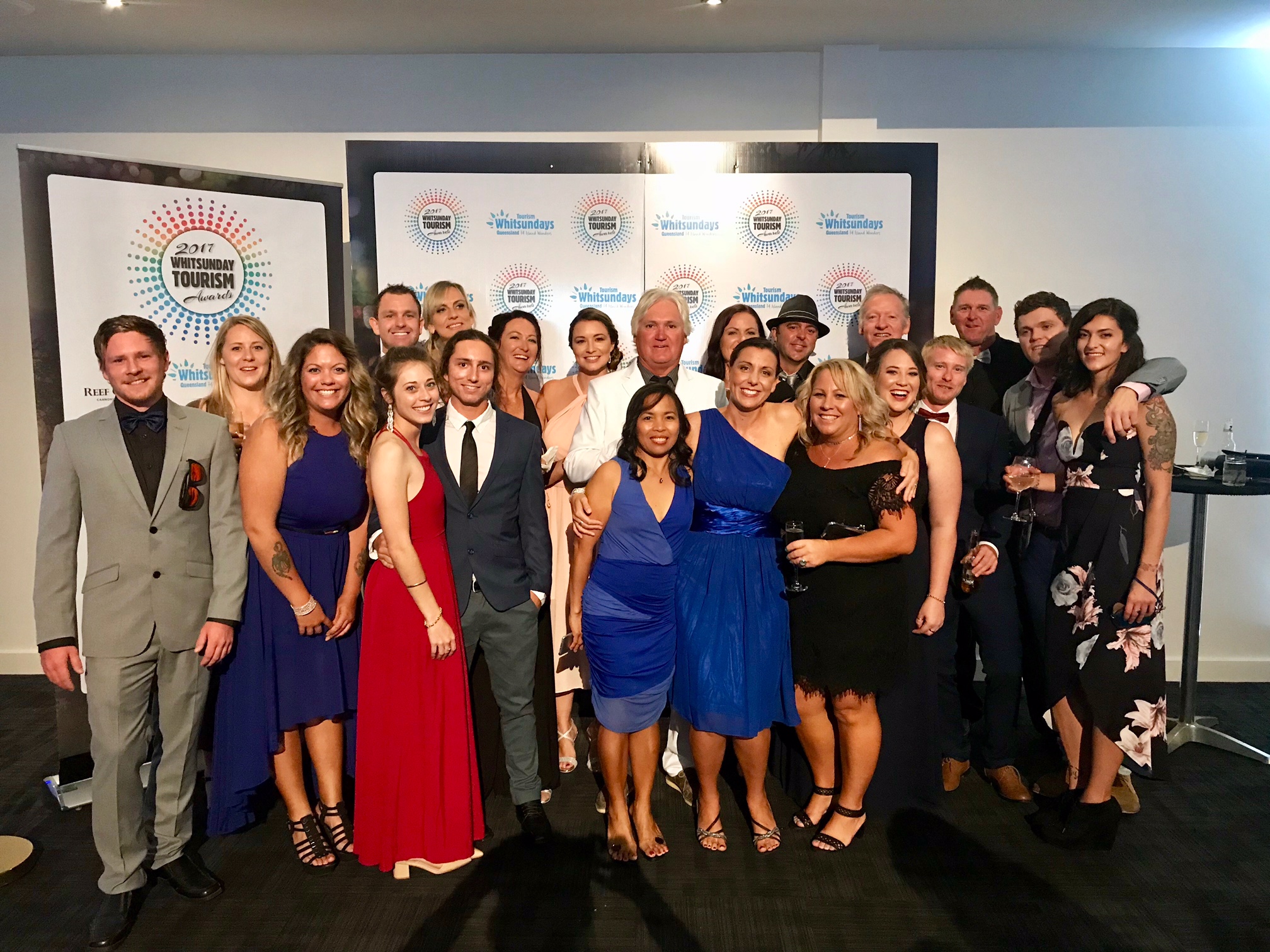

1- 2001 – Trevor Rees arrives on the scene, taking over the business with 15 boats, with co-owners Katie MacDonald, Dan Tannock & Loraine Tannock.
2004 – The company wins its first Tourism Awards: Gold at Whitsunday Tourism Awards & Bronze at Queensland Tourism Awards.
2008 – The business’s original fleet doubles to 30 boats.
2- 2012 – The team celebrates a big year at the 2012 Christmas party, having won their third Whitsunday Tourism Award and been finalists at state level.
3- 2013 – Whitsunday Escape reach national acclaim taking gold for unique accommodation in the Australian Tourism Awards.
2015 – Trevor is elected as board member and treasurer for Tourism Whitsundays and took part in a campaign to successfully ban capital dredging on the Great Barrier Reef.
4- 2017 – Smiles all round as the company takes gold at the 2017 Whitsunday Tourism Awards.
2017 – Trevor elected as board member of Australian Marine Park Tourism Operators (AMPTO)
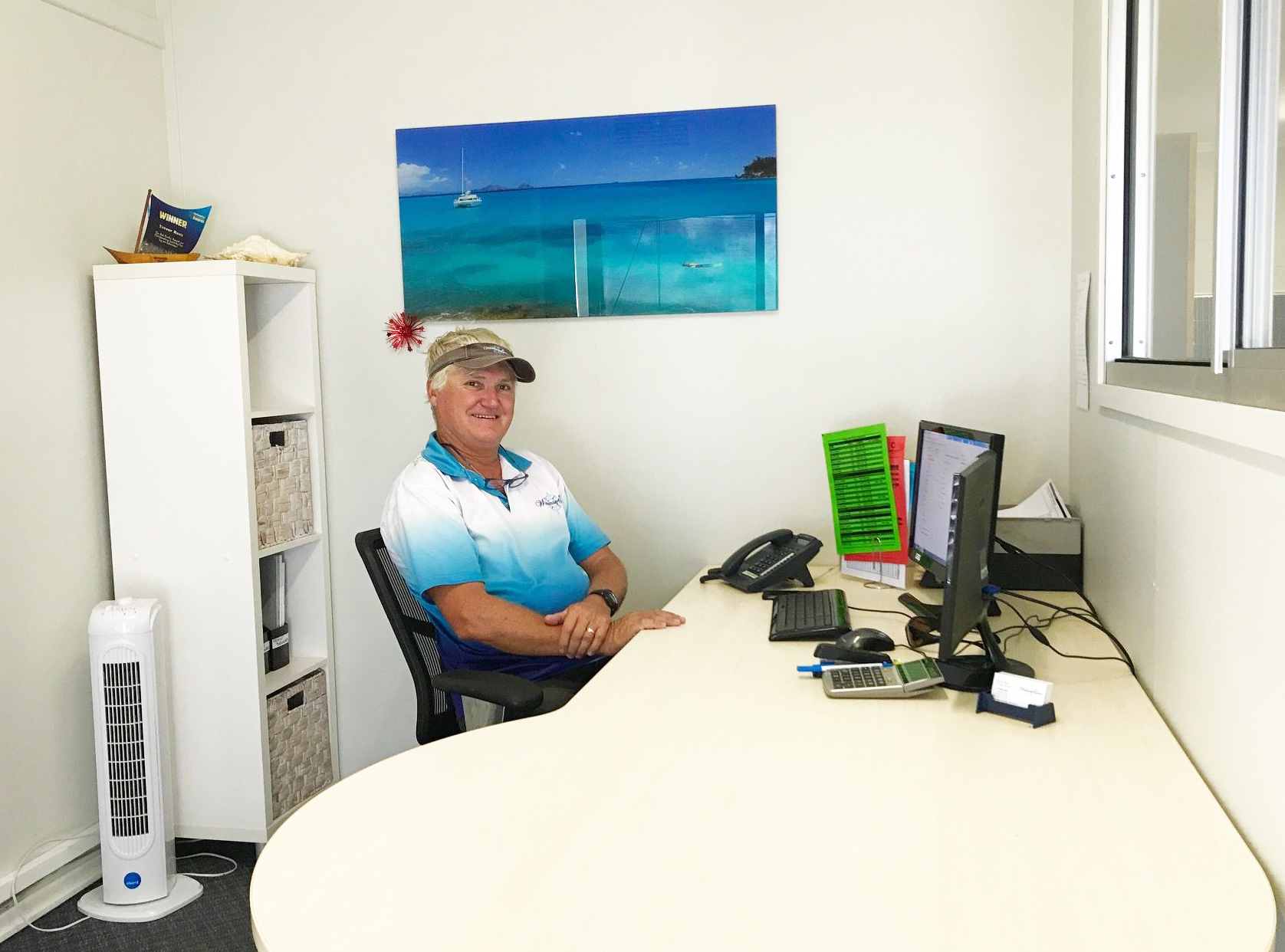
5- 2017 – Trevor enjoys a much-deserved office upgrade, and an online booking system is installed.
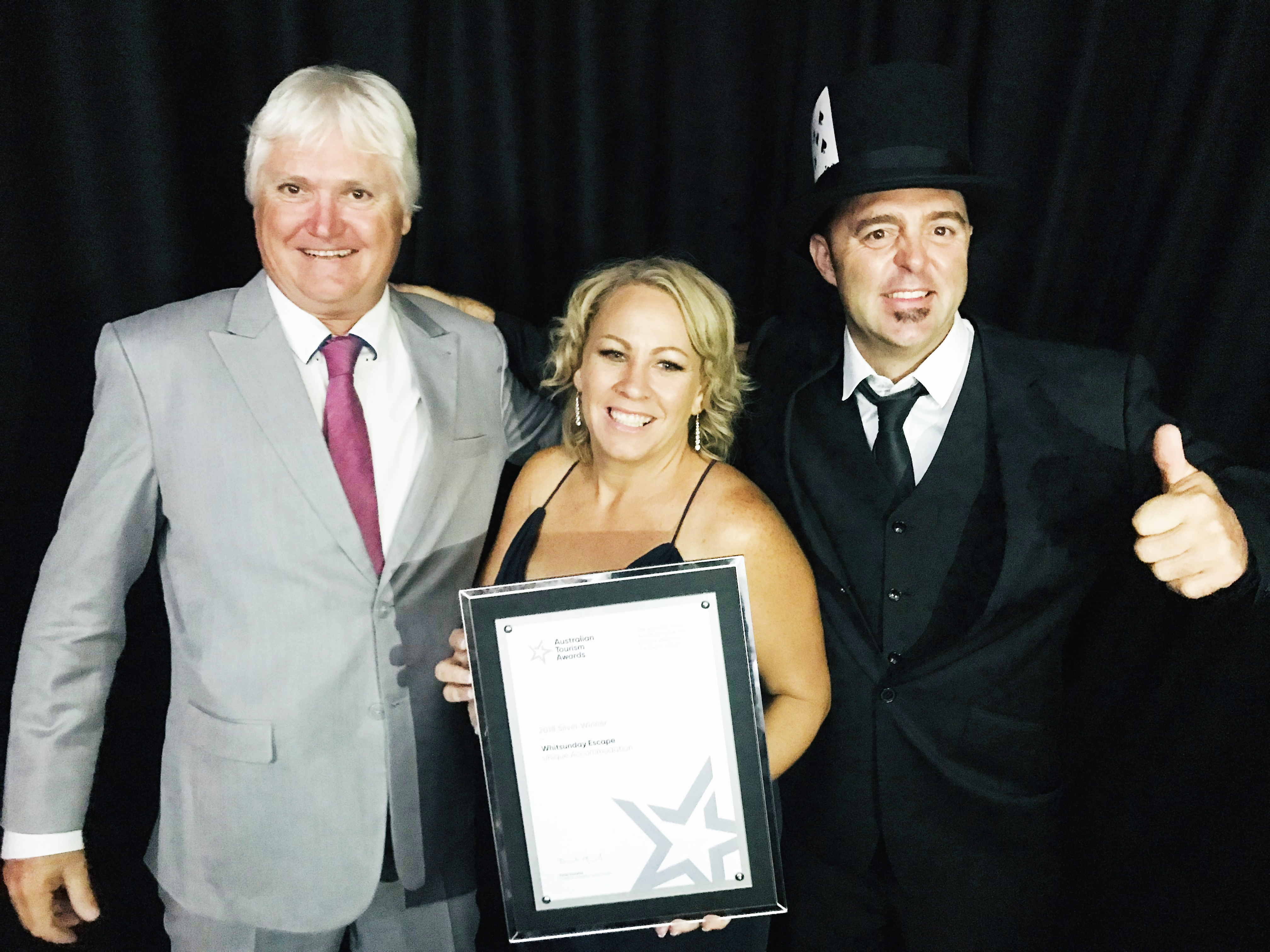
6- 2018 – The team takes silver at the Whitsunday Tourism Awards.
2023-2024 – Trevor represents the bareboat industry on the steering committee pushing for Whale Heritage Site accreditation for the Whitsunday region.
7- 2025 – Trevor accepts gold at the Queensland Tourism Awards.
2026 – Trevor passes the helm to Jaclyn as he and his wife Julie plan adventures on their catamaran, Escape Artist.
Publishers Indemnity. Any individual or entity that places advertising, supplies copy material, or submits editorial content to Core Life Publishing agrees and undertakes to ensure that all such material:- Does not infringe upon any copyright, trademark, or other intellectual property rights;- Is free from any content that could be considered defamatory, libelous, or slanderous;- Does not infringe upon any rights related to privacy or breach of confidence;- Contains no obscene, indecent, or otherwise unlawful material;- Complies fully with the Trade Practices Act and all other applicable laws, regulations, or statutes.Furthermore, by submitting or placing such material, these individuals or entities agree to indemnify and hold harmless the publisher, Core Publishing and Events Pty Ltd, and/or its agents from and against any and all investigations, claims, demands, liabilities, damages, costs, or judgments arising out of or in connection with the material provided. All material is believed to be accurate at the time of printing and remains the copyright of Core Publishing and Events Pty Ltd.
© 2026 Mackay and Whitsunday Life Pty Ltd.
