
Independently Owned, Locally Grown, Community Loved
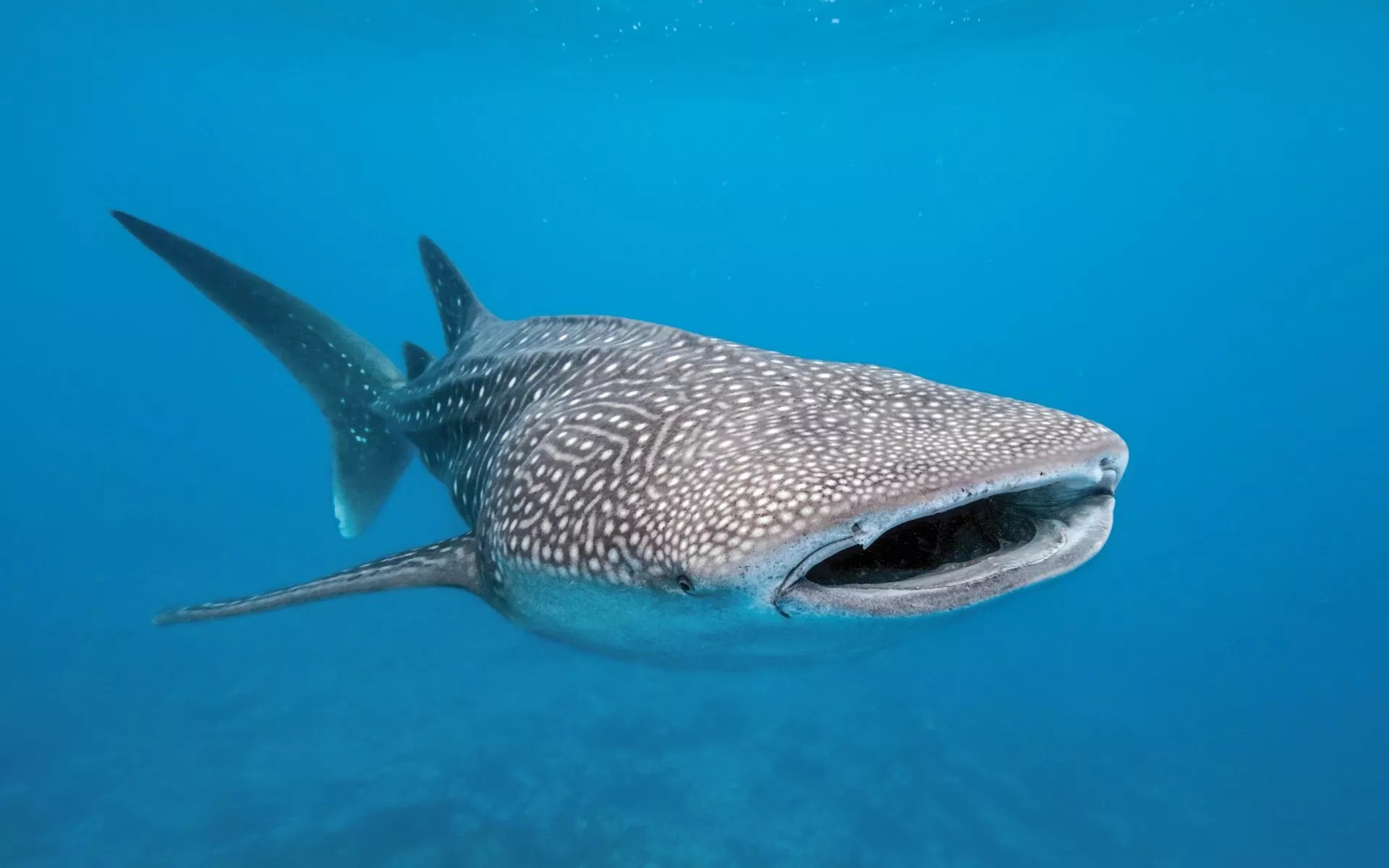
If you had to design the ultimate ocean giant, you might come up with something like the whale shark — a fish as long as a bus, covered in dazzling white spots, and gentle enough to swim alongside humans. The magnificent Whale Shark (Rhincodon typus) is not only the largest fish in the sea, but also one of the most fascinating creatures on Earth. Despite their enormous size, whale sharks are surprisingly harmless. Adults can grow to around 12 metres long, although some individuals may reach 18 metres or more. That makes them heavier than an elephant and longer than many boats. Yet these giants are gentle filter feeders that eat some of the smallest organisms in the ocean. Instead of hunting large prey like many sharks, whale sharks glide slowly through the water with their huge mouths open, filtering tiny creatures from the sea. Their diet includes plankton, small fish, fish eggs, and shrimp-like animals called krill. As water passes through their gills, specialised filters trap the food while the water flows back out. It’s a feeding style more commonly associated with baleen whales, which explains how the whale shark earned its name. Another cool feature of whale sharks is their extraordinary appearance. Their dark blue-grey skin is covered with pale spots and stripes arranged in a pattern that is completely unique to each individual — much like a human fingerprint. Scientists actually use photographs of these patterns to identify individual sharks and track their movements around the world. Whale sharks are true ocean travellers, migrating thousands of kilometres through tropical and warm-temperate seas. They can be found in oceans all around the globe. Australia hosts one of the best-known seasonal gatherings of whale sharks at Ningaloo Reef in Western Australia, where dozens of these giants arrive each year to feed on plankton blooms. Whale sharks are increasingly spotted on the Great Barrier Reef (GBR), with a newly identified, consistent seasonal aggregation site for juveniles in Wreck Bay (northern GBR). Peak sightings occur from late November to late December, coinciding with coral spawning. Whale sharks are rare but occasional visitors to the Whitsundays. While not common, these gentle giants have been spotted near locations like Blue Pearl Bay. Despite their size, whale sharks remain surprisingly mysterious. Scientists still know relatively little about their breeding behaviour. Pregnant females are rarely seen, and no one has ever observed whale sharks mating in the wild. One female examined by scientists contained more than 300 embryos, suggesting they produce many young at once — a useful strategy for survival in the vast ocean. Another impressive ability is their diving behaviour. Whale sharks spend time feeding near the surface, but they are also capable of deep dives to more than 1,000 metres. These dives may help them search for food or navigate long migrations through the open ocean. Unfortunately, even giants are vulnerable. Whale sharks face threats from ship strikes, accidental capture in fishing gear, and plastic pollution. In some parts of the world, they have also been hunted for their meat and fins. As a result, the species is now listed as endangered. Contributed with thanks to the Whitsunday Conservation Group Captions Whale Shark Photo supplied
Read the full story
An international research team, including scientists from James Cook University (JCU) and the Queensland Museum, has turned to centuries-old records to modernise the way hard coral species are identified, reshaping coral science and conservation. New JCU-led research published in Memoirs of the Queensland Museum details the development of a global database of hard coral information that reduces reliance on historical gatekeepers. The framework blends modern DNA sequencing with historical observations to create a more rigorous and accessible approach to coral identification. “People the world over who work on coral reefs know that hard coral identification has been a problem,” said JCU Professor Andrew Baird, co-author and supervisor of the research. “Our database provides the basis for a new identification framework, at a time when accurate species-level knowledge has never been more critical. It encourages the use of multiple lines of evidence for coral identification, and we hope the database will make what’s previously been a specialist-led taxonomy, more accessible.” While molecular techniques have transformed coral science, linking modern genetic data with historical species descriptions has long been difficult. The team’s key innovation is the use of ‘topotypes’ — living coral specimens collected from the same locations where species were first described — allowing scientists to sequence genetically comparable material. “Most historical species names are based on museum specimens which are bleached skeletons, lacking tissue. We need topotypes so they can be sequenced using modern genetic techniques,” said JCU PhD candidate and first author, Augustine Crosbie. “The significance of this work is that it tells us where to look for topotypes. We’ve found the locations for thousands of corals, right across the world’s oceans.” The database collates 2338 nominal coral species described between 1758 and 2025. Professor Baird said improved identification is critical as reefs face growing pressure from warming oceans. “Inaccurate identification can lead to silent extinctions, misleading experimental results, incorrect species distributions and flawed conservation decisions,” he said. CAPTION: Professor Andrew Baird, and Julia Hung of JCU processing coral samples after a successful morning of collection diving at Orpheus Island Research Station. Photo credit: Augustine Crosbie
Read the full story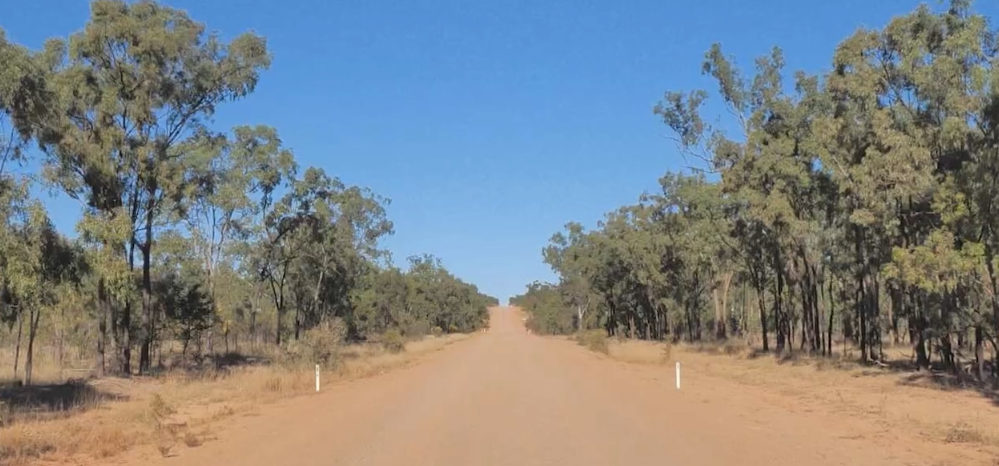
The Queensland Government has confirmed the Bowen Developmental Road will be among key regional routes upgraded under the new Country Roads Connect Program, aimed at improving connectivity and reliability across rural Queensland. The road, located within the Whitsunday Regional Council area, is one of 22 projects identified for upgrades as part of the program, which focuses on sealing unsealed roads and strengthening transport links for regional communities, freight operators and local industries. The Country Roads Connect Program aims to improve road resilience and accessibility, particularly during wet weather events when unsealed roads can become difficult or unsafe to travel. Minister for Regional and Rural Development Dale Last said investing in regional road infrastructure was essential for the long-term strength of Queensland’s regional industries. “Regional Queensland delivers so much for the state’s economy from mining to manufacturing and agriculture, and these country roads are the arteries that keep our vital industries connected and support thousands of jobs,” Minister Last said. “Country Roads Connect is about improving the resilience and connectivity of the regional roads that were left to deteriorate for a decade under the former Labor Government.” Across Queensland, the program will focus on sealing and upgrading roads that play an important role in supporting freight transport, agriculture and regional travel. Once completed, improvements to roads such as the Bowen Developmental Road are expected to enhance safety, strengthen regional supply chains and support economic activity throughout communities within the Whitsunday region. CAPTION: Government has actioned plans to deliver reliable roads for regional Queenslanders, by breaking ground on the first Country Roads Connect Project. Photo supplied
Read the full story.jpg)
The closure of Lions Camp Kanga near Lake Proserpine marks the end of an era for North Queensland communities. Operated by the combined Lions Clubs of North Queensland under a long-term State Government lease, the camp officially opened in October 1992. The site was originally part of the construction camp used during the building of the Peter Faust Dam. Over the past three decades, Lions transformed it into a place where generations of school children and community groups could learn, connect and enjoy the natural environment at an affordable cost. Sadly, the camp has faced significant challenges in recent years. Severe Tropical Cyclone Debbie caused major damage in 2017, requiring extensive rebuilding after lengthy insurance negotiations. Not long after the rebuild was completed, the COVID-19 pandemic halted bookings and disrupted operations. While the camp has always focused on providing affordable experiences, it has struggled to regain its former booking levels since the pandemic. Schools, traditionally the camp’s main clients, are increasingly choosing newer facilities with more modern infrastructure and activities. Despite efforts to refresh programs and attract bookings for 2026, the camp secured less than half the income required to remain financially viable. At the same time, ageing buildings, some now around 40 years old, would require significant investment to maintain. For Lions, the decision to close the camp is a difficult but necessary one. The organisation remains proud of the role Camp Kanga has played in supporting education, community connection and local tourism for more than 30 years. Negotiations with the State Government are now underway to determine possible future uses for the site.
Read the full story

A group of intelligent young men are the graduates of the RAGE program from last term.
They now meet fortnightly with Youth Support Coordinators (YSC) Heidi & Chaplain Ben to connect with one another and discuss daily life, the grind and all things in between as they uplift each other in support.
This group aims to break the stigma of talking about mental health and throughout the program, the boys have had the opportunity to hear from local positive male mentors and be trained up to become co-facilitators of the RAGE program.
This week the boys had the pleasure of connecting with Marmin Barba who shared his story and provided some encouraging words of wisdom to motivate the boys to continue showing up, not only for each other but for themselves, prompting healthy mindsets and habits.
Caption: The resilient faces representing the Male Youth Connect Group
Straun is a year 7 ambitious student who has been given a once in a lifetime opportunity to take his passion and skills to a competition in Melbourne to compete for the National team for Karate! With Tokyo World Championships coming up in October, Sarina State High School along with the region wishes Straun all the very best for selection.
Caption: year 7 student, Straun ready to compete for the National team for karate in Melbourne this weekend. Photos supplied: Sarina State High School

Just weeks after news of a sharp national spike in asthma deaths – with South Australia recording the highest increase in a single year (88%) – scientists have revealed a promising new treatment for the chronic lung disease.
Australian researchers have found that a family of proinflammatory molecules called beta common cytokines control inflammation and scarring of the airways (fibrosis) in severe and steroid-resistant asthma.
They believe that a human therapeutic antibody called trabikihart could be the key to effectively blocking the inflammation and scarring.
The findings, published in the Journal of Allergy and Clinical Immunology, are a result of a joint study led by researchers from the University of South Australia (UniSA) and the Royal Melbourne Institute of Technology (RMIT), in collaboration with researchers from CSL and SA Pathology.
Joint study leader Dr Damon Tumes, Head of the Allergy and Cancer Immunology Laboratory in the Centre for Cancer Biology*, says the findings are significant.
“Inflammation and tissue damage in severe asthma is caused by several types of immune cells that enter the lungs due to allergens, viruses and other microbes that interact with the airways,” Dr Tumes says.
“In some people, the inflammation is resistant to steroids – the first treatment option for controlling severe asthma.
“Currently, limited treatment options are available for severe asthma. New and existing drugs often only target single molecules when multiple overlapping cells and inflammatory pathways are responsible for asthma.
“Targeting multiple inflammatory cytokines with a single drug may be the key to treat and control complex and severe chronic airway disease.”
The most recent statistics show a 30% rise in asthma-related deaths (467 people) nationally in 2022, with South Australia recording the most drastic increase at 88%.
According to experts, most of the deaths were preventable and were linked to people not having treatment on hand, or using it as prescribed, especially inhaled corticosteroids.
2022 marked the highest asthma deaths since 2017, partly driven by the post-Covid return of viral respiratory infections which are associated with increases in asthma hospitalisations.
Widespread rainfall, triggering an increase in fungal spores and pollen, is also a factor.

Lots of people ask me and want to be the best they can be and it always seems that healthy people often want to cut out things like sugar, (and that is just one type of carb that causes weight gain for example) and those who might be unhealthy or have a medical illness want to add things in like vitamins.
Health is an individual issue to us all and The World Health Organisation states the definition of Health is "a state of complete, physical, mental and social well-being and not merely the absence of disease or infirmity".
So many people see themselves as healthy, yet have a chronic disease or even cancer. Then others are in tip-top shape physically and on their blood work, and other investigations, but still feel unwell within themselves and can be suffering from Health Anxiety.
With so many social media pages, influencers and search engines having information on medical conditions, whether the condition is rare or not, there can be a lot of mis-information and anxiety.
Just hit the news recently, 60 Day Prescriptions - WHAT IS THIS ABOUT?
From this week, there are even more Pharmaceutical Benefits Scheme (PBS) medicines available for 60-day prescriptions. This includes medicines for what we call "Chronic" stable ongoing health conditions such as endometriosis, breast cancer, heart failure, epilepsy and more.
Ask your GP if a 60-day prescription is appropriate for your medical care and this will help your hip pocket too in these days of rising costs across the board.
To see the list of medicines now available, visit health.gov.au/cheapermedicines
Lastly, it's Epilepsy and Melanoma Month - so be aware of what to do if someone has a seizure and get a skin check for any suspicious-looking moles and be SUNSMART.
Yours in Good Health
Dr Mags

After receiving a call late last Thursday, Mackay Pet Rescue Inc jumped at the opportunity to save a bunch of abandoned baby puppies.
Zakary Meiert, a real estate agent, put an urgent call out on social media seeking assistance, when he found the newborn puppies abandoned at a vacant property in Sarina.
In an attempt to welcome the newborn pups to a temporary refuge, member Robyn prepped a heated incubator and warm milk while others quickly fetched new bottles, supplies and treats from the vet, ensuring everything was ready for when the newborn pups were set to arrive.
Upon arrival, the team made a required stop at the vet to check on the smitten pups, specifically providing extra care to one who had a suspected low body temperature, requiring subcutaneous fluids.
Since the check in at the vet, the puppies were consistently fed and toileted and are now safe and nestled inside the confined security of a foster home.
Cheryl, a seasoned neonate puppy carer, went above and beyond, driving from Kuttabul to take the puppies under her wing. Cheryl and her partner have committed their time to monitor the pups and feed them around the clock in the upcoming weeks as they grow into little mischief makers.
“We are so grateful to Cheryl and her partner for stepping up to help.
“Thank you also to Zak and Glenda for saving the puppies and for bringing them from Sarina to Eimeo so that they could be surrendered into foster care,” commented a member from Mackay Pet Rescue Incorporated.
For updates in upcoming weeks, visit their Facebook for donations or any other inquiries.
Caption 1,2,3: Three abandoned newborn puppies rescued by the team at Mackay Pet Rescue Inc

Pop in and see the incredible work of Mackay Woodturners on Saturday, March 16th and Sunday, March 17th, for an exciting showcase of woodworking crafts! Entry is FREE and commences from 9am to 3pm, so don't miss out on an opportunity to witness captivating demonstrations and browse a wide array of wood crafted items.
Located off Beaconsfield Road in Andergrove, Mackay Woodturners will feature demonstrations and sales of various woodworking techniques including woodturning, scroll sawing, intarsia, carving, and pyrography.
Watch as skilled craftsmen showcase their talents, providing insights into the intricate process of transforming raw wood into stunning pieces of art.
Of particular interest, there will be a live demonstration of slabbing a large log into thinner pieces, followed by the transformation of wood into unique items such as bowls or exquisite fountain pens. This captivating process will be shown from start to finish, offering a glimpse into the craftsmanship involved.
As Easter approaches, talented member, Kevin Hutchison, will be using the scroll saw to create charming Easter Bunny characters. These delightful creations will be available for purchase, offering children the opportunity to personalize and colour to their own design.
Don't miss this exciting event where creativity meets craftsmanship, and where you can find the perfect handcrafted treasures to adorn your home or to give as unique gifts.
Caption: An example of the amazing crafts that members of the Mackay Woodturners have created
Caption: Kevin Hutchison crafting easter bunny characters for the upcoming Easter Expo

Mobile BreastScreen Service Heads West
BreastScreen Queensland's free mobile screening service will hit the road this month visiting rural communities across the Isaac region. The service ensures women in rural areas have access to the latest in screening mammography technology to help detect breast cancer in very early stages.
Women in Middlemount, Dysart, Clermont, Collinsville and Moranbah are encouraged to book appointment now for their breast check-up with the mobile screening truck set to hit the road in early March. The screening is free, only takes about 30 minutes and doesn't require a doctor referral, BreastScreen Queensland Clinical director Dr Wendela Schimmer said.
"These exams aim to detect breast cancer in early stages when treatment can be more effective. The earlier breast cancer is found, the better chance you have of surviving it," she said.
Dr Schimmer said breast screening was provided to women who are aged 40 years and over and haven't notice any changes to their breasts.
"While evidence shows that women aged 50 to 74 derive most benefits from screening every two years, women aged 40 to 49 and 75 years and over are also eligible to utilise the service," she said.
"It's important for women to know that nine out of 10 women diagnosed with breast cancer have no family history of it."
Regular screening was the most effective and proven method for intervention for reducing breast cancer morbidity and mortality, Dr Schimmer said.
The mobile screening service will be in Middlemount from March 11 to 14, Dysart from March 18 to 25, Clermont March 27 to April 16, Collinsville from April 3 to 12 and Moranbah from April 18 to May 2.
The service will be on site in various other locations including Nebo, Walkerston, Seaforth, Calen and Mirani, later in the year.
Book now on 13 20 50 for your free appointment at one of the BreastScreen Queensland mobile screening service locations or online at www.breastscreen.qld.gov.au.
Caption: BreastScreen Queensland Clinical director Dr Wendela Schimmer

What’s worse than finding a worm in your apple?
Finding half a worm in your apple. Boom boom.
It was never a particularly funny joke but those of us who were kids in the 1970s did get it and understood how you could end up with half a worm in your apple.
We were familiar with occasionally finding an insect or something wriggly in a piece of fruit … it was rare but we knew the joke meant that having half a worm in your apple meant you had taken a bite and eaten half a worm.
These days I don’t reckon kids would get the joke. Yes, some of them seem to be surly and very serious but it’s not that; it’s that they would never have been exposed to something as disturbing as an insect or something wriggly in a piece of fruit.
That’s because we now live in a sterile world where everything is sprayed to within an inch of its life. Agricultural produce is poisoned to perfection … so you are never going to see an insect, let alone a worm, in an apple.
Someone pointed out the other day that you don’t get nearly the number of insects splattered on your windscreen on a long drive as you did a few decades ago. And that’s not because insects have improved their evasive skills. I’m not sure all this is a good thing, the natural thing.
But it is definitely a sign of changing times. Don’t get me wrong, not all change is bad. Some change is significant and we don’t know where it’s going but we have to embrace it, or at least work with it.
Digital technology is creating significant change in the real estate industry and definitely improving the service we can offer buyers and sellers.
We can provide more information at the click of a button about a property, a neighbourhood, a market than anyone would have dreamt of even 10 years ago. This is an exciting thing to be part of and I enjoy using technology that provides a better result for clients.
When I do an appraisal on a potential seller’s property, it includes a comparative market analysis that shows, in digital form, relevant nearby properties including photos my client can click on and flick through and lots of detail about those properties and the market.
It all helps the potential seller get a good picture of the market and arm themselves with information they need before listing their property.
Artificial Intelligence (AI) has suddenly become a significant part of the picture in the world generally and specifically in the real estate industry.
It is moving quickly and it is fascinating to see how it can be applied to improve the service we can now offer buyers and sellers.
At Gardian we are starting to work with AI apps that create better exposure for our client’s properties, reaching more of the people who are potential buyers for a listing.
The technology works out where to direct the social media marketing so that it has more chance of reaching genuine potential buyers for a particular property, creating more competition and helping us get the best possible result for our clients.
Embracing the technology improves the service I can offer but, having said that, some things haven’t changed. This is still a relationship business. It is still about trust, work ethic and personal communication with buyers and sellers.
While the technology might be intelligent and artificial, the agent needs to be authentic and available. Nothing beats picking up the phone and talking to a buyer or seller.
Yes, the worm has turned, but not that much.

As you may have heard on Star breakfast, I enjoy my sport. Cricket, rugby, league, the trifecta. It's the end of summer and cooing over numbers, stats and ‘how good does it look’ takes a back seat for big hits, big tries and who gets picked for rep sides.
Super rugby is back! The Reds looked good for most of their game against the Hurricanes, The Waratahs beat a powerhouse Crusaders, and the game between the Rebels and the Force was exciting. What a time it is to be a Wallabies fan.
The Eddie Jones era is over and the question now is... What’s next? Does new coach Joe Schmidt continue picking youth, or does he sprinkle in experienced players when Wales and Georgia hit our shores in July before the rugby championship.
Mass changes need to be made not just with the squad but the attitude around the Wallabies. A once proud organisation now sits at 9th in the world rankings and seems to be losing momentum with fans. Joe Schmidt has a lot of work to do before July.
Youthful players like Carter Gordon, Tate McDermott, Angus Bell, Max Jorgenson, Lachlan Lonergan and Mark Nawaqanitawase should all be receiving calls from Schmidt for the first Wallabies camp of 2024. Experienced players like Nick White, Tanelia Tupou, Will Skelton, Samu Kerevi when fit and Michael Hooper, will bring a balance to a side left rudderless after a very disappointing world cup.
Wales is a tough first assignment but I believe, and call me crazy, the Wallabies can come back. A series draw 1-1 with Wales, a win over Georgia and a positive record in the rugby championship are all achievable and it's what the Wallabies need before the Lions in 2025 and RWC 2027 in Australia.
It's the hope that kills you supporting the Wallabies, but don't give up yet.
Jake

The exposure of the gender pay gaps in large Australian organisations is a turning point for gender equality, but more must be done to hold employers to account, says an Australian researcher.
Workplace diversity expert Professor Carol Kulik says the Workplace Gender Equality Agency (WGEA’s) release of gender pay gaps for large Australian employers is a great first step but its impact will depend on the actions of organisations to narrow the disparity.
The WGEA – a statutory agency responsible for promoting and improving workplace gender equality –published gender pay gaps for Australian private sector employers with 100 or more employees last week. It is the first time large organisations will have their gender pay gap data exposed.
In 2023, the WGEA reported that the average gender pay gap was 21.7 per cent, meaning women in Australia are earning, on average, $26,393 less a year than men.
Professor Kulik says the revelation of gender pay gaps in large corporations is a pivotal moment in advancing gender equality.
However, further actions are imperative to ensure employers with pay gaps are held accountable, Prof Kulik says, “We now must be asking employers, in what roles and what levels of employment are pay gaps most prevalent? How are you (the employer) supporting employees’ caring responsibilities? What are you doing to ensure women move into roles where they are paid more? How long will it take for you to close your pay gap?
“Until we show employers that their pay gaps influence our behaviour, they are unlikely to make the changes needed to narrow pay gaps.”
History shows that organisations do respond to regulatory pressure. In 2010, the ASX Corporate Governance Council started requiring ASX-listed entities to report the gender composition of their boards and executive teams, leading to a spike in female appointments to senior roles.
However, the appointments generated a new inequity, because female executives were paid less than their male counterparts.
“Instead of women being paid more, men were paid less,” Professor Kulik says. “Pay is an important motivator of employee performance, so a smart employer will close pay gaps by allocating separate funds to that purpose, rather than drawing funds from its rewards budget.”
Employer gender pay gaps are available on individual employer pages on WGEA’s Data Explorer.
Caption: Professor Carol Kulik

Students passionate about the world of science, technology, engineering and maths (STEM) are amongst the finalists for the Queensland Resources Awards for Women - an annual event celebrating the achievements of women in the resources sector.
Lexi Croce from Moranbah State High School is among the 2024 finalists alongside students from the Gold Coast and Bundaberg.
The annual Resources Awards for Women celebrate the contribution women are making to the state’s $116.8 billion resources sector and are facilitated by the Queensland Resources Council (QRC) and Women in Mining and Resources Queensland (WIMARQ).
QRC Director of Skills, Education and Diversity, Ms Katrina-Lee Jones said the three students were worthy finalists and great advocates for the resources sector.
“Lexi, Aileen and Cadence have got different areas of interest in the resources and energy sector, but they have all displayed a commitment to the future of the industry and shown leadership skills as ambassadors for the Queensland Minerals and Energy Academy this year,” said Ms Jones.
“I am sure they will be part of the next generation of innovators and leaders who will contribute to increasing the long-term sustainability of the resources and energy sector.”
“I am also delighted all three finalists are participating in our six-month QRC/WIMARQ Girls in Resources Leadership Skills (GIRLS) mentoring program where they will have the opportunity to get guidance and advice from an industry professional.”
Lexi Croce is a School Captain at Moranbah State High School and has actively pursued her interest in STEM studies throughout secondary school, including being a member of her school’s successful Moranbah High STEM Innovation Experience team which won the Queensland competition in 2023. Lexi said she was driven by the idea of finding electrical solutions to make mining operations more efficient and environmentally friendly.
“The mining and energy sector powers our world and I’m keen to be a part of the drive to create a more sustainable future for the industry,” said Lexi.
The winner of the student award will be announced at the QRC/WIMARQ International Women’s Day Lunch today (Friday 8 March) in Brisbane, which features global mining leader and BHP President Australia Geraldine Slattery as keynote speaker.
Caption: Lexi Croce, a School Captain at Moranbah State High School, is a finalist in the Queensland Resources Awards for Women

On the bigger stage, the women’s movement has won hard fought gains including the ‘right to work’, greater equity and opportunity, and let’s not forget the ‘right to vote’.
At the personal level, the enduring challenge for women to ‘give it a go’ and pursue opportunities is lack of self-belief, confidence and courage to act. For all my years working in career development, these issues persist across the generations. Women defer not only to men, but also other women, or simply choose not to act, regardless of career stage, age and experience. Believing in ourselves needs constant attention and this was Sandy’s key lesson.
After working in casual employment, Sandy (located in a prosperous regional centre with a range of industries) was interested in returning to a more permanent office job – but had been holding herself back. With the perception that employment prospects would drop when you get to a ‘certain age’ and also not feeling completely confident in her ability, Sandy was ready to ‘accept’ her current work situation instead of pursuing her goal. An opportunity presented for Sandy to join a personal development program, which took a leap of faith. She found the program to be hugely beneficial, not only the practical elements of job seeking, but also the personal coaching to focus on identifying and leveraging her strengths and building confidence. Finding the courage to apply and secure a new job has helped Sandy also see the advantages of her considerable experience.
“Don’t let age be a barrier – believe in yourself and what you bring to the table.”
Sometimes you just need that someone ’on your side’ to believe in you and provide dedicated support to ‘give it a go’. Many of us have our trusted inner circle to lean on, however there is great benefit in an independent trusted adviser. A personal career guide is totally dedicated to you, providing a confidential space to explore self, and opportunities, including an action plan for career goals and next steps. If you want to take those steps for yourself, visit my website and get in touch.


The Queensland Government is investing $90 million over three years to rollout around 450,000 free potentially lifesaving meningococcal B (MenB) vaccines for infants, children and adolescents.
Last year, Queensland recorded 36 cases of meningococcal B disease and two cases have been recorded this year to date.
This serious infection can lead to complications from invasive meningococcal disease which can cause significant illness, disability, and death.
Distribution of these vaccines is underway to vaccination providers to manage the rollout of the new program.
Year 10 students are among the first to receive the vaccine through scheduled Queensland School Immunisation Program visits.
All infants and children under two, and adolescents aged 15 to 19, can now access the vaccine, in line with the Queensland Government’s commitment to implement the program in the first quarter of 2024.
This builds upon the existing program offering the meningococcal ACWY vaccine, providing even broader protection.
The state-funded MenB program will be delivered through registered vaccination service providers including general practitioners, community vaccination clinics, pharmacies, and Aboriginal and Torres Strait Islander Health Services.
Deputy Premier, Treasurer and Minister for Trade and Investment Cameron Dick said these vaccines will save lives.
“As Queensland families face tough decisions as a result of national cost of living pressures, the Queensland Government is ensuring the health of our future generations is not being compromised as a result.”
Minister for Health Shannon Fentiman said, “We know the meningococcal B strain can progress rapidly and cause serious disability or death.
“The health of Queenslanders is our top priority and this investment will ensure nearly half a million infants, children and adolescents will be eligible to receive the MenB vaccine this year for free.
“I would like to thank the brave parents who tirelessly advocated for this program after experiencing unimaginable loss.
“Their courage and determination have directly resulted in this lifesaving initiative.”
Queensland Chief Health Officer Dr John Gerrard said he encourages all parents with eligible children to take the opportunity to vaccinate their child against all vaccine-preventable strains of meningococcal – A, B, C, W and Y.
Caption: Deputy Premier Cameron Dick and Minister for Health Shannon Fentiman at Browns Plains State High School, one of the first schools in the state to provide students with the MenB vaccine

One lucky Queensland kindy will win a visit from iconic children’s band The Wiggles as part of a campaign to help children learn about electrical safety.
Entry into the competition is simple, with children, parents, guardians and educators encouraged to take a photo or video that highlights why electrical safety is important using messages from The Wiggles’ song Electricity!
The Queensland Government first partnered with The Wiggles in 2022 to teach children about electrical safety, with the pair joining forces once again in 2023 to spread the free kindy message to Queensland families.
Thirteen competition runners-up will receive family passes to The Wiggles’ April concert in Brisbane.
Minister for Industrial Relations Grace Grace said the government wants Queensland children to understand the dangers of electricity.
“The Wiggles shared the Miles Government’s Free Kindy message to thousands of Queenslanders and their song Electricity! has been viewed over four million times,” she said.
“This competition is a rare opportunity to dance along with The Wiggles at your local kindy and as the honorary Pink Wiggle, I can’t wait to see plenty of creative entries.”
Minister for Education Di Farmer said, “We know how important the early years are to a child’s life – that’s why the Miles Government made kindy free.
“It is important to teach children safe habits while they are young and The Wiggles’ song Electricity! does exactly that.”
Blue Wiggle Anthony Field said that for more than 30 years, The Wiggles have educated and entertained children and their families through music, song and dance.
“We’ve created a new song about electricity that we hope will have a positive impact on children and help to keep them safe.”
You can read more about the competition here: https://www.electricalsafety.qld.gov.au/Wiggles

Despite the initial setback due to weather, the Australia Day Carnival finally took place on Saturday afternoon under clear skies. The green was bustling with excitement as two groups of bowlers gathered to participate. One group consisted of seasoned bowlers, while the other included a mix of new bowlers and a few experienced ones to guide them.
Sponsored by the Mackay Regional Council and Karyn Shepherd from More Air, the afternoon featured two games of 11 ends each. Following the first game, winners faced off against each other while losers competed in their own bracket.
Laughter and camaraderie filled the air as participants enjoyed the friendly competition and the opportunity to spend time outdoors. Despite the delay, it turned out to be a great afternoon for everyone involved, showcasing the spirit of community and sportsmanship.
Upcoming Events:
On Friday, March 8th, the day begins with Ladies Social Play at 1pm,
Followed by the CH/CH Triples event at 1:30 PM, featuring E. Clemett, J. Nelson, and R. Schatkowski against K. Dunn, C. Savage, and K. Burns.
The weekend continues with a Mixed Fours and Mixed Pairs Carnival on Saturday, March 9th commencing from 1pm, and two games of Mixed Pairs on Sunday, March 10th starting at 11am.
RESULTS
Winners of winners Bowlers: Alan Bartlett, Col Stevens, Tony Hollows.
Winner of Losers: Doug Wootton, Tony Gibson, Silver Fox.
Non Bowlers More Air Winner of Winners: Ben, Hailey, P Molloy Chris Molloy
Winner of Losers: Cam, Karyn, Janice , Shep.
Club Results
Thursday Scroungers (16) N.Holt def B.Williams (20-5)
Friday Ladies Social Results:
C.Marks, B.Jenner, R.Schatkwoski def L.JENNER, D.Mezzen, J.Caban.
P.Nelson, M.Mayfield, D.McMamara de f V.Edwards, J.Nelson, B.Robertson.
Men's A Pairs : A.Lovern, N.Holt def G.Thomsen, T.Mayfield (28-7)
R.Dunstan, S.McMillan def S.Makin, C.Molloy (30-15)
Men's A Fours: T.Gibson, K.Tranberg, G.Edmonds N.Wilson def G.Wynd, A.Shepherd,
D.Wootton, B.BRIDGER.
Contributed by Mike Irving.
Caption: Players gathered together to play a game of bowls at the postponed Australia day event.
Publishers Indemnity. Any individual or entity that places advertising, supplies copy material, or submits editorial content to Core Life Publishing agrees and undertakes to ensure that all such material:- Does not infringe upon any copyright, trademark, or other intellectual property rights;- Is free from any content that could be considered defamatory, libelous, or slanderous;- Does not infringe upon any rights related to privacy or breach of confidence;- Contains no obscene, indecent, or otherwise unlawful material;- Complies fully with the Trade Practices Act and all other applicable laws, regulations, or statutes.Furthermore, by submitting or placing such material, these individuals or entities agree to indemnify and hold harmless the publisher, Core Publishing and Events Pty Ltd, and/or its agents from and against any and all investigations, claims, demands, liabilities, damages, costs, or judgments arising out of or in connection with the material provided. All material is believed to be accurate at the time of printing and remains the copyright of Core Publishing and Events Pty Ltd.
© 2026 Mackay and Whitsunday Life Pty Ltd.
