
Independently Owned, Locally Grown, Community Loved

With 26 years of experience and a results-driven reputation, Stacey Arlott has firmly established herself as one of Queensland’s most accomplished real estate professionals. She is widely recognised, receiving great industry acclaim, but prides herself most on the trust she has garnered from the community she serves in Mackay. In 2021 Stacey reached a huge milestone in her career, being declared the number one agent in Australia by Real Estate Business’s dealmaker ranking - the first in Mackay to receive such an accolade. The win occurred during a volatile time for the market, with COVID-19 challenges failing to knock Stacey off-course. What sets Stacey apart is not only her consistent sales performance, but also her disciplined work ethic and ability to foster long-term client relationships. Her career is marked by a series of accolades, including the REMAX Lifetime Achievement Award (2024) and induction into the REMAX Hall of Fame (2020). From 2022 to 2025, she has consistently ranked among the Top 10 agents in Queensland and Top 20 nationally - an indication of her ongoing push for excellence in a dynamic and demanding market. Beyond industry recognition, Stacy’s success is strongly validated by client feedback. She has earned multiple “Agent of the Year” titles through RateMyAgent, including four consecutive wins for East Mackay (2021–2024) and the broader Mackay region in 2023. These consistently high ratings across major platforms reflect a reputation built on transparency, communication, and results. Having previously owned and operated her own agency and served as REIQ Zone Chairperson, Stacey does more than transactional sales. She brings a comprehensive understanding of the real estate landscape, from regulatory frameworks to market strategy; a depth of knowledge that allows her to guide clients with confidence through every stage of the buying and selling process. Known for her approachable style, Stacey’s secret to success is communication. She prioritises keeping clients informed to ensure they feel supported throughout their property journey. Her business is driven by referrals and repeat clients, a testament to the trust she builds and the outcomes she delivers. remax.com.au/select/stacey-arlott CAPTION: Stacey Arlott, Property Consultant at RE/MAX Select Mackay. Photo source: RE/MAX Select Mackay
Read the full story
I was among the Mackay real estate agents who received calls from buyers agents from southern capitals last week saying they had investors who were more interested than ever in securing a property in this town. That is not to say that investors around the country are not spooked and considering their options after the Federal Budget announcement that negative gearing would no longer be available for new investments other than brand new builds. There will be plenty who will be watching the impact of the removal of negative gearing and it remains to be seen what happens with property prices both in Mackay and in the nation generally. Someone told me the other day that they didn’t understand exactly what negative gearing is, which is fair enough because not everyone lives in my world of property prices, rental yields, capital gains and tax benefits. So for those who are unsure, the basic meaning of negative gearing is that an investor can claim the losses they make on a property on their personal tax. So if an investor has a property that gives them a rental return after costs of $600 a week but their mortgage is $800 a week, they are able to claim the $200 a week loss as a reduction from their personal tax payments. A lot of people are suggesting that the removal of negative gearing will have the biggest impact in Sydney because the cost of housing is high and rentals do not typically cover the mortgage if someone had a 20 per cent deposit on the property they had bought. The rent on a $2m Sydney property does not go anywhere near covering the mortgage so being able to claim the loss as a reduction on your PAYE tax is the only way most investors can do it. Investors who had an investment property prior to this month’s Federal Budget will be able to continue to negatively gear their property but anyone who buys after Budget night will not be able to unless they are building a new home. The impact in Sydney was immediate, with an auction clearance rate of under 50 per cent last weekend. Sydney is an auction town so the results send a clear message that investors there are spooked and possibly no longer see the value in buying an investment property at current prices and with current rental returns. The impact on prices in Sydney, and around the country, will be the big real estate story this year. As I said in my column last week, there is a theory – completely untested and not to be taken as gospel until the facts emerge – that the removal of negative gearing will not have a huge impact in Mackay because house prices are lower than in southern capitals and rental yields are much better. Investors with a decent deposit on a property don’t need negative gearing because rental returns cover the mortgage; so their properties are actually positively geared. Will this make Mackay an attractive place for southern investors looking for an investment that doesn’t run at a loss? We’ll have to wait and see. It is interesting to note what has happened to real estate prices in New Zealand in the years since the government there made changes to negative gearing; prices have dropped by 30 per cent (adjusted to inflation) since their peak about five years ago. Other factors play into that: there has been a reduction in immigration and Kiwis prefer to live in Australia than in New Zealand (only joking!) but there is no doubt that the removal of negative gearing has had an impact. With fewer investment properties coming onto Australian markets, we can expect to see fewer rental properties which, in a world of demand and supply, could push rental prices up. And young people looking for an investment will not be able to claim the negative gearing that older Australians could access. It’s a nuanced world.
Read the full story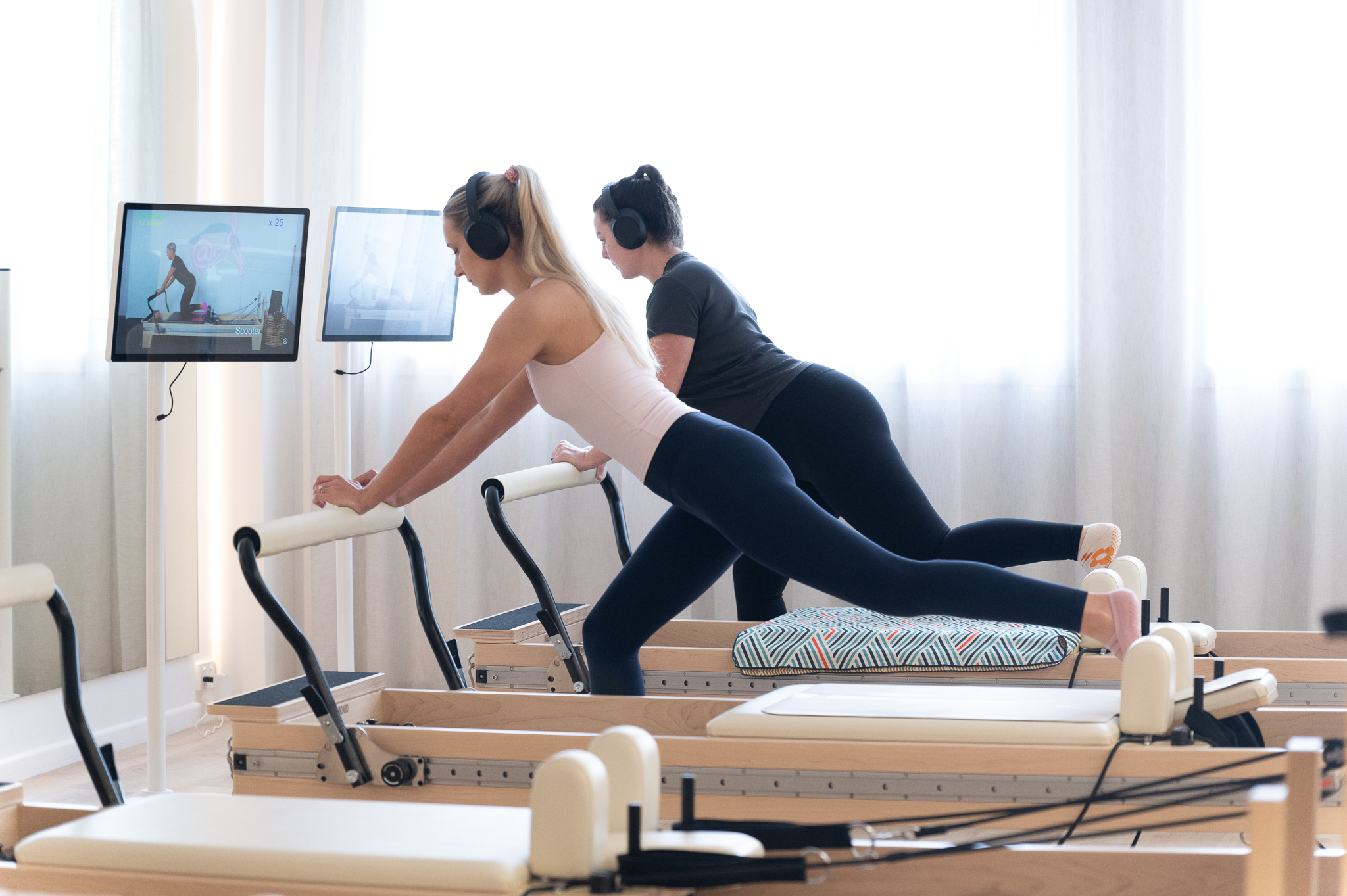
@Pilates 24/7 Mackay is a boutique reformer Pilates studio built around flexibility, recovery and real life. As Mackay’s first 24/7 Pilates studio, members can train any time, with no timetables. The studio runs on a hybrid model combining on demand classes with in studio support during staffed hours. Using noise cancelling headphones, members follow sessions from a platform offering more than 500 classes, choosing their own pace, level and style. Programs cater to all levels, including pregnancy and post-natal, with a focus on strength, mobility and safe progression. Memberships include reformer Pilates, infrared sauna and red-light therapy, creating a complete wellness experience in one space. New clients can get started with our '10 days for $45' intro offer, with memberships starting from only $39 per week. With premium reformers and full flexibility, @Pilates 24/7 Mackay makes consistency simple. You lead. Our platform follows. Only @pilates
Read the full story
Dr Maddilyn Brown is the passionate Owner and Founder of The Nurture Haus, where she specialises as an Advanced Paediatric Chiropractor dedicated to supporting women, babies and children through every stage of life. A proud Mackay local, Maddilyn completed both school and university in the region before spending several years living and working in Brisbane, Dysart and Emerald, eventually making her way home after seven years away. Her journey into chiropractic began following a gymnastics injury as a teenager, sparking a passion that would shape her entire career. Since then, Maddilyn has devoted herself to extensive postgraduate study in paediatrics, pregnancy, postpartum care and women’s health, completing a postgraduate diplomat in 2025 while continuing further study in women’s health. Since 2023, she has worked exclusively with women and children. Outside of work, Maddilyn describes herself as “animated, nerdy and unflappable”. When she’s not studying or caring for patients, she enjoys weightlifting, walking her beloved American Staffy x French Mastiff, Askari, and spending time with her partner Josh after recently ending two years of long distance. An ex-gymnast with an adventurous streak, Maddilyn also once flew planes before relocating to Central Queensland and enjoys aerial silks in her spare time. Her happiest life moment? Witnessing the Northern Lights in Alaska — a lifelong bucket-list dream she says was the most remarkable thing she has ever seen. CAPTION: Dr Maddilyn Brown has dedicated her career to paediatric and women’s health chiropractic care, supporting Mackay families through The Nurture Haus. Photo supplied
Read the full story

Adventure meets wonder as Alexander Gall and Sina Cheung prepare to sail from Australia this April on an epic global mission to revive coconut culture across 12 countries. The duo will journey to remote islands and coastal communities, establishing coconut cultural centres and championing self-sufficient living powered by nature.
Alex’s passion was sparked 15 years ago, running a bustling coconut bar in North Queensland. Now, the pair will embark on a great odyssey across the globe promoting their passion for coconuts and sustainability.
Alexander Gall and Sina Cheung are about to embark on the journey of a lifetime. Aboard their boat, they plan to visit 12 different countries, establishing coconut cultural centres in each country with a focus of educating and spreading passion for coconut farming.
‘We want to find out if coconut culture is still alive in villages and islands around the world”, said Alex.
The ambitious project will see the pair sail around the world to foster coconut culture and teach people how to best make use of the plant. At the core of this endeavour is a wealth of inspiration from years of firsthand experience with coconuts and the influence of history.
The inspiration came first from Thor Heyerdahl, a Norwegian explorer whose wooden raft is currently located at the Museum of Sydney. The adventurer famously sailed through Peru to French Polynesia in 101 days.
“I said well, if that’s going to work on a wooden raft, then it might work on a bamboo catamaran as well.”
Over the course of their journey, the pair plan to build a great bamboo catamaran.
“We want to make a sustainable living headquarter out of bamboo. We’re going to find some of the biggest bamboos in the world and build a catamaran of up to 33 metres. We want to make a good first impression when we arrive at villages,” Alex explained.
“We don’t want them to see us as a white catamaran with a champagne bottle, but rather a bamboo boat full of coconuts”.
Alex’s passion for coconuts began 15 years ago in Airlie Beach, when he opened a coconut bar as a backpacker.
“I was 21 at the time. I had just finished the army and was climbing coconut trees every day,” he said.
“My friend and I ended up at Rusty’s Markets in Cairns running a coconut bar for free years, selling around 800 coconuts a day. With that, I received a lot of education about coconuts. My head was full of coconuts after three years”.
Part of the project will see Alex and Sina will film a documentary to record the experience.
“I studied film and documentary in Los Angeles to prepare for this project,” Alex noted.
“We’re going to be connected to Starlink. We will have live updates on social media. The documentary will consist of 13 episodes and will start in Australia”.
Beginning in Australia, the couple will start in the Torres Strait Islands to gauge the coconut culture. From there they plan to sail across the Philippines, Bali, Thailand, India, Zanzibar, the Caribbean Islands, Panama, Hawaii and Papua New Guinea.
Speaking to Sina, she reiterated the emphasis on being self-sustainable, relying on nature over human resources.
“We want to learn how to be self-sustainable and live on boat. We’re not paying rent; we rely on what we have in nature. We’ll look for leaves that we can eat, vegetables we can grow, fish we can catch”, she said.
The couple will likely leave Australia around April directly from the Whitsundays.
“Come join us on this journey and help villagers create this coconut culture centre,” said Alex.
“Support them, go there, ask for the coconut boy. Ask for the grandma who’s going to cook you something with the coconut. Instead of asking for coca cola in the fridge, ask for the coconut”.
Captions
Alex and Sina preparing for their grand journey
Photo Credit: Suzanna McLoughlin

After an exciting and closely fought semi-final on Wednesday 20 February, two standout North Mackay Ladies Bowls Club teams progressed to contest the 2026 Championship Fours Final on Thursday 21 February.
The first team featured lead Brenda Trannore, second Narell Schmidtke, third Pam Spencer (substituting for Phyllis Cooper), and skip Carmel Bell. They faced a strong opposing side made up of lead Min Andrew, second Sue Beale, third Michelle Stockton (substituting for Marie Duck), and skip Jean Zamparutti.
Spectators were treated to another nail-biting encounter, with both teams displaying exceptional skill and sportsmanship throughout the match. The final was played at a high standard, with “beautiful bowls” delivered consistently from start to finish, keeping the audience engaged right through the contest.
After a hard-fought 21 ends, Team Carmel Bell claimed victory by the narrowest of margins, sealing a well-earned championship win. The result was met with warm applause from an enthusiastic and appreciative crowd, who acknowledged the outstanding efforts of all players involved.
Congratulations were extended to both teams for delivering a memorable final that showcased the very best of competitive bowls.


The holiday period, actually the entire summer, was punctuated by the massacre of 15 people at Bondi Beach.
It created a jolting re-set of the Australian psyche, an event that has shaken up our easy-going nature and long-held belief that we Aussies are somehow immune from such atrocities.
The ramifications will reverberate for many years to come and they are playing out now on the political stage as ISIS brides and immigration levels are debated.
The immigration issue had already been contentious because many people felt the increased levels in recent years had added to the competition for housing and had pushed up prices in that area as well as for goods and services generally.
Many people were already feeling that “mass migration” was out of control and a massacre of Jewish Australians by people alleged to be Muslim extremists has added to the calls for an immigration re-set.
These things should constantly be reassessed and examined to see what benefit or damage is being created in this country by immigration policies.
One thing most of us would agree on is that we expect those who migrate to Australia to be attracted to - and seek to support - our freedoms, democratic traditions, tolerance and, well, the “Australian way”.
What we don’t want is for people to come here and attempt to fundamentally change the nature of a country whose traditions have established a nation that, while not perfect and still a work in progress, can hold its head high as one of the great achievements in the long march of human history.
Around the time of the Bondi massacre and with the immigration reverberations playing out, I sold a house to a husband and wife from a southern city. They were investors and, while I had not met them face to face, their names indicated their ethnicity was sub-continental.
I had only spoken to the husband and throughout the process of buying the property he had been friendly and pleasant but also well-researched on our market.
When their finance and building and pest report had been approved, he told me they wanted to visit the property and asked if they could do a “prayer ceremony” in the house, which was vacant.
I was happy to make the arrangements and a week or so later they arrived in Mackay and I met them at the property. They were a delightfully friendly and pleasant couple and I enjoyed meeting them and showing them the house.
I stepped outside to allow them to conduct their prayer ceremony in private and we caught up later for a coffee.
What felt like a 20-minute catch-up turned out to be a stimulating and absolutely engaging two-and-a-half hour conversation that straddled their lives, my life and various stories about our respective journeys.
It struck me that there are two sides to the immigration debate; on one hand there is the understandable backlash when certain people spread hate and don’t uphold their end of the bargain with the Australian people who have invited them into this country.
On the other hand there are those who peacefully, gently add their traditions to the cultural melting pot without turning against what we stand for.
Post-colonial Australia is the story of the benefits of immigration and it continues a fascinating culinary, fashion, artistic and cultural transformation of modern Australia.
We must fight to defend our borders and our nation from those who would undermine the freedoms, tolerance and democratic traditions that define us as Aussies.
But as this real estate agent can attest, a gentle prayer ceremony in a suburban Mackay house shows that the right immigrants respect and assimilate while continuing to embrace their own beliefs and traditions. And that is a good thing.

The Government has announced a further $500 million investment to fast-track new housing developments across Queensland, as part of its push to address the state’s ongoing housing shortage.
The funding forms the second round of the landmark $2 billion Residential Activation Fund, allowing councils and landowners to apply for support to unlock land and deliver critical infrastructure needed for new housing projects. The initiative has already unlocked land for 98,000 homes statewide, with councils describing the program as a “gamechanger”.
The funding is aimed at accelerating essential infrastructure such as roads, water, sewerage and power, helping remove barriers that have slowed housing supply and pushed prices higher in recent years. At least half of the funding is reserved for projects outside south-east Queensland, ensuring regional communities also benefit.
Deputy Premier and Minister for State Development, Infrastructure and Planning Jarrod Bleijie said the investment was a critical step in responding to the housing challenge.
“The reality is Labor’s Housing Crisis has left this state in a residential race against time,” Deputy Premier Bleijie said.
“More homes across the State are needed and fast, and a key way we can play our part is to unlock land and break down barriers that have been holding back councils and the industry.”
He said the Fund was already delivering results, alongside rising housing approvals and commencements across the state.
Logan City Council Mayor Jon Raven said Round One funding was already making a difference locally.
“The support of the Queensland Government is absolutely critical to fast growing cities like ours,” Mayor Raven said.
Local Government Association of Queensland CEO Alison Smith also welcomed the program, encouraging councils to apply.
“Round One has already proven to be a gamechanger,” Ms Smith said.
Round Two of the Residential Activation Fund opens at 10am on Monday, 23 February 2026.

By Cr Heath Paton
The wet season has certainly been in full swing around our region to start off the year.
January and February typically bring the highest rainfall totals, driven by tropical systems and monsoonal flows, and while meteorologists anticipated aboveaverage falls, the increased cases of flooding across the Pioneer Valley, coastal lowlands and surrounding rural areas has impacted many.
During and after heavy rainfall, floodwaters present serious dangers even for experienced motorists and residents who know the roads well. It’s crucial to reinforce the “If it’s flooded, forget it” message. Just 30cm of moving water can wash away a small vehicle, and flooded roads often hide damaged surfaces, deep potholes or fast underwater currents.
With Eungella and the highlands as our backdrop, rapid rises can occur from upstream rainfall with very little warning to those near creeks and drainage channels, increasing the risk of both danger and isolation.
Staying informed is one of the most effective ways to stay safe during our wet season. Residents are encouraged to make full use of council’s Emergency Dashboard, which provides realtime updates on road conditions, weather warnings, flood cameras and storm tide information. Council also offers an optin notification system, allowing residents to receive emergency alerts directly to their phones or inboxes – an invaluable tool during severe weather events. By subscribing, locals can ensure they’re receiving accurate, timely information from an official source throughout the season.
While Mackay’s summer rains are vital for agriculture, water supply and the lush landscapes our region is known for, they also come with operational challenges across council’s outdoor teams. A huge shoutout must go to our mowing crews, who have been working tirelessly between showers to keep parks, roadsides and public spaces under control. With constant rain and intense growing conditions, staying on top of mowing is no small feat, and their efforts help keep our region tidy and safe.
We also extend our appreciation to our Vector Control crews, who have been monitoring and treating key mosquito hotspots across the region. Persistent rainfall creates ideal breeding conditions, and their proactive surveillance and treatment programs play a crucial role in reducing mosquito populations and protecting community health.
By staying informed, staying prepared and looking out for one another, our community can remain safe and resilient throughout the 2026 wet season. And, in the meantime, I’m off to mow my yard because while I typed this, it just grew another 10cm!
Let’s Chat – Council Connect
Residents can catch up with councillors in person at upcoming Let’s Chat - Council Connect sessions held across the region. The next session will be held at Midge Point Tavern on Tuesday, March 3.
Details on upcoming sessions can be found on the Connecting Mackay website.

Balancing university study with a cadetship at a local accounting firm is challenging – but for Brooke Jensen, the support of a Community Bank Sarina Bendigo Bank Higher Education Scholarship has made all the difference.
Each year, Community Bank Sarina invests in local students through scholarships as part of its Community Engagement Program – supporting young people to pursue higher education and apprenticeships while strengthening the future workforce of our region.
For Brooke, the Community Bank Sarina higher education scholarship has eased financial pressure and created space to focus on both her studies and her long-term career pathway.
"This scholarship has given me the confidence to really focus on my studies and cadetship,” Ms Jensen said.
“It’s supported my commitment to keeping my work and academics on track, while approaching everything with a strong work ethic."
DGL Accountants Director Elizabeth Dent said the scholarship supported Brooke’s continued development both academically and professionally.
“We’ve noticed Brooke really coming into her own – more confident and capable in everything she does," Ms Dent said.
"This scholarship has reinforced what she’s capable of reflecting in her steady growth and understanding of the accounting industry."
By supporting students like Brooke, Community Bank Sarina is contributing not only to individual success but to the economic strength and sustainability of the region.
Applications for the 2026 CQUniversity Scholarships for degree studies and apprenticeships close 28 February. Send yours to executive@sarinacommunity.com.au.

Since its launch in January 2024, The Nurtured Village Hampers Mackay has quietly woven a powerful thread of compassion through the local community, uplifting mothers and families when they need it most.
In just over a year, the volunteer-led initiative has received 240 heartfelt nominations, delivered 23 hampers, and coordinated close to 1,000 donations. Beyond the practical essentials, each hamper carries connection, encouragement and a reminder that no mum walks alone.
While many of the volunteers are mums themselves and understandably step back when life demands it, the community spirit remains strong. With a Facebook group of 1,900 Mackay members, the village is ready to welcome new volunteers to continue its vital work.
Volunteering with the village is flexible and varied. Roles include administrative support, social media management, donation collection and delivery, community outreach, and connecting with local businesses to raise awareness and build partnerships. With options for every interest and skill set, there’s a way for anyone to get involved. Plus, volunteering is recognised for Centrelink and childcare subsidy purposes.
The village, which currently boasts around 100 members, is actively seeking more volunteers, such as dads, community leaders, and those beyond the early parenting stage, to create a diverse network supporting maternal wellbeing in Mackay.
Part of the wider organisation The Nurtured Village, founded in 2019, the Mackay branch continues the national mission of delivering home-cooked meals, essential items, and non-perishables to mums, bringing back the traditional support network so vital in early parenthood.
The Nurtured Village Hampers Mackay brings the community together to support local mums through donations, hampers, and volunteer-led programs, rebuilding the traditional village of care in early parenthood.
For more information, contact hello@thenurturedvillage.org

The local community is warmly invited to take part in the World Day of Prayer service to be held at Holy Trinity Anglican Church on Friday 6 March at 10am.
World Day of Prayer is an international, ecumenical movement led by Christian women and celebrated in more than 170 countries. Each year, worship materials are prepared by women from a different country, offering a unique opportunity to learn about their lives, culture, faith, and hopes. In 2026, the focus country is Nigeria.
Nigeria is a nation of great diversity, rich culture, and deep faith, but it is also a country where many people face daily challenges, including poverty, insecurity, and social division. Through scripture, prayer, music, and stories, the service will reflect the strength, resilience, and faith of Nigerian women, while inviting participants to pray with them and for them.
The theme for this years’ service “I will give you rest: Come” encourages participants to listen deeply to the voices of Nigerian women and to reflect on God’s call to justice, peace, and compassionate action in our own communities and in the wider world.
The service will be followed by morning tea, providing an opportunity for fellowship and conversation. Everyone is welcome, women and men of all ages, church members and visitors alike.
All are encouraged to come and share in this global expression of prayer and unity.
Contributed with thanks to Anne Jennings
What: World Day of Prayer 2026 – Nigeria
When: Friday 6 March 2026 at 10.00am
Where: Holy Trinity Anglican Church, Gordon Street, Mackay

The symptoms many women quietly live with — and why they don’t have to
There are things many women quietly build into their daily routine.
Crossing your legs before you sneeze.
Choosing clothes carefully “just in case.”
Knowing exactly where the nearest bathroom is.
Avoiding jumping, running, or certain gym classes.
That heavy feeling by the end of the day.
Discomfort during intimacy.
For a lot of women, this becomes normal.
These changes often creep in slowly; after pregnancy, during the busy years of raising kids, around stressful work periods, or approaching menopause. Because they don’t happen overnight, and because no one really talks about them openly, many women assume it’s simply part of being a mum or getting older.
You’ll hear it said quietly at school pick-up or weekend sport:
“My bladder’s never been the same since kids.”
“I just don’t run anymore.”
“I thought that was normal.”
But here’s the key message: common doesn’t mean normal.
Many of these symptoms come from the pelvic floor muscles; a group of muscles that support the bladder and bowel, help control continence, and contribute to stability and movement. When they’re working well, you never think about them. When they’re not, everyday life becomes just that little bit harder.
This can look like:
These symptoms are very common and they’re also very treatable.
One reason women live with them for so long is timing. The contributing factors such as birth, heavy lifting, constipation, hormonal changes, or simply years of busy life, often happened long before the symptoms appear. By then, it no longer feels connected.
So women adapt. They wear pads, stop certain exercises, or plan their day around bathrooms. These strategies help in the short term, but they don’t address the underlying issue.
The encouraging news is pelvic floor conditions respond well to appropriate assessment and rehabilitation. Treatment isn’t just “do your Kegels.” It’s individualised, evidence-based care that looks at how your muscles function and what your body needs. Many women notice significant improvements in confidence, comfort, and return to activities they had quietly given up.
One of the most common things I hear in clinic is:
“I wish I’d come sooner.”
Your body isn’t letting you down, it’s communicating.
If any of this sounds familiar, it may be worth having a conversation with a qualified pelvic health physiotherapist. Early support often means easier recovery and a quicker return to the things you enjoy.
Because being able to laugh, exercise, sleep comfortably, and move with confidence shouldn’t feel like a luxury — it should be expected at every stage of life.

We’re just about to start working with a new client to create their first ever comms response matrix + I’m so keen. Before I lose you – it may sound complex or unnecessary, but I promise – it’s neither. Just bear with me a tick 😉
Basically, a comms response matrix is just a plan to decide in advance how you’ll respond when something happens that you don’t particularly want to happen. Because every business has those moments. A key staff member leaves. A system goes down. It’s also for the big stuff – contentious issues, a data breach, anything that suddenly puts you under a spotlight (fingers crossed – not us hey!). That’s when this type of plan becomes truly invaluable.
A comms matrix allows you to think clearly while you’re calm + level-headed. Instead of reacting on the fly, you map out simple “if this, then that” scenarios. If this situation arises, who needs to know internally + how quickly? Does anything need to be communicated externally, or is it better not to say anything yet? Is it a phone call, an email, a website update or a short social post? And just as importantly, who is responsible for doing what?
You can also include some basic templates – for eg a social media post or the start of an email – so that if one of the scenarios on your list does actually happen, you have a starting point. When you’re stressed or emotional or seriously have no time – or all three – this can be the biggest lifesaver. If you’ve ever seen a business owner blow up on socials at someone + thought, hmmm probs would have been better to keep your cool there – this is how you avoid being that person.
Because when something unexpected happens, we’re rarely at our best. When something crapola happens (which it will, because reality) – you’ll be busy, stressed + focused on solving the actual problem. That’s not the time to be debating tone, wording or whether something should be said publicly at all.
What I’m always reminded of when doing this work is that it’s not just for big organisations with communications teams + policies. A small business can do this on a single page. A sole trader can jot it down in a Notes app. The scale doesn’t matter – putting in a little time to think it through does.
Plan it cold, so you don’t react hot.

Meet Aoife (pronounced EE-fa), a Bull Arab cross with a big personality and an even bigger heart. While she may share a breed label with many others around Mackay, Aoife stands out for all the right reasons.
This happy, affectionate girl has a tail that never seems to stop wagging and a personality that instantly lifts the mood. She’s playful, clever and full of joyful energy, loving her walks, exploring new smells and learning new things — especially when treats are involved.
Aoife thrives on praise and attention, and behind her fun-loving nature is a soft, loyal dog who adores belly rubs and cuddles. She wants to be part of the family, not just watching from the sidelines.
She is friendly with other dogs, great with cats, and strikes the perfect balance between an adventure buddy and a couch companion.
Aoife isn’t just looking for a home — she’s looking for her people. A family who will see her for who she is and welcome her as a true member of the household.
For more information, contact Pam on 0488 282 237.

By Michael James – Fitness Industry Professional, Facility Owner & Wellness Coach
Great facilities don’t stand still. They refine, adjust, and improve — always with the member experience in mind.
Recently, we made a considered adjustment to the configuration of our Magnesium Therapy pools inside our Wellness Centre. On the surface it may seem like a minor technical change, but in practice it has significantly improved how more people can access and benefit from contrast therapy.
The shift was further reinforced after hosting the North Queensland Cowboys, who utilised our pools as part of their recovery protocols. Conversations with their Head of Sports & Performance highlighted something simple but important: temperature, capacity, and flow all matter. Recovery environments need to work not just physiologically, but practically.
Previously, our larger pool operated at 32°C, while another pool was heated to 38°C. Demand for true therapeutic heat consistently centred around the 38°C environment.
The larger pool now operates at 38°C, allowing far more members to experience full hot immersion at the same time. The pool that previously ran at 38°C has been reset to 12°C, creating a cold immersion option that remains highly effective, while being more approachable for a broader cross-section of members.
For those who intentionally seek extreme cold exposure, the 6–8°C plunge remains unchanged.
Why temperature precision matters
At 38°C, magnesium-enriched hot immersion supports vasodilation, circulation, muscular relaxation, and activation of the parasympathetic nervous system — the state associated with recovery and restoration. Increasing the capacity at this temperature simply means more members can access meaningful heat therapy without congestion.
At 12°C, cold immersion still delivers vascular constriction, nervous system stimulation, and recovery benefits — but in a way that is sustainable and repeatable for more people.
This is particularly relevant for women. Emerging research suggests that excessively aggressive cold exposure may amplify stress responses in certain hormonal phases. A 12°C immersion allows members to access the resilience-building benefits of cold therapy while being more supportive of endocrine balance.
Meanwhile, the 6–8°C pool remains available for experienced users and high-performance athletes who deliberately pursue that level of stimulus.
Capacity, flow, and experience
With three Magnesium Therapy pools holding over 70 people combined, alongside our 30-person traditional hot-rock sauna, the Wellness Centre has been designed to operate at scale. The updated temperature structure improves flow within the space and distributes demand more evenly across hot and cold experiences.
Contrast therapy works best when it’s structured, calm, and repeatable — not rushed or crowded.
These refinements reflect a broader philosophy: attention to detail matters.
Because real wellness isn’t about extremes for the sake of it. It’s about balance, accessibility, and creating an environment where more people can integrate recovery into their lifestyle.
And that’s exactly what we continue to build at Fitness Cartel Mackay.
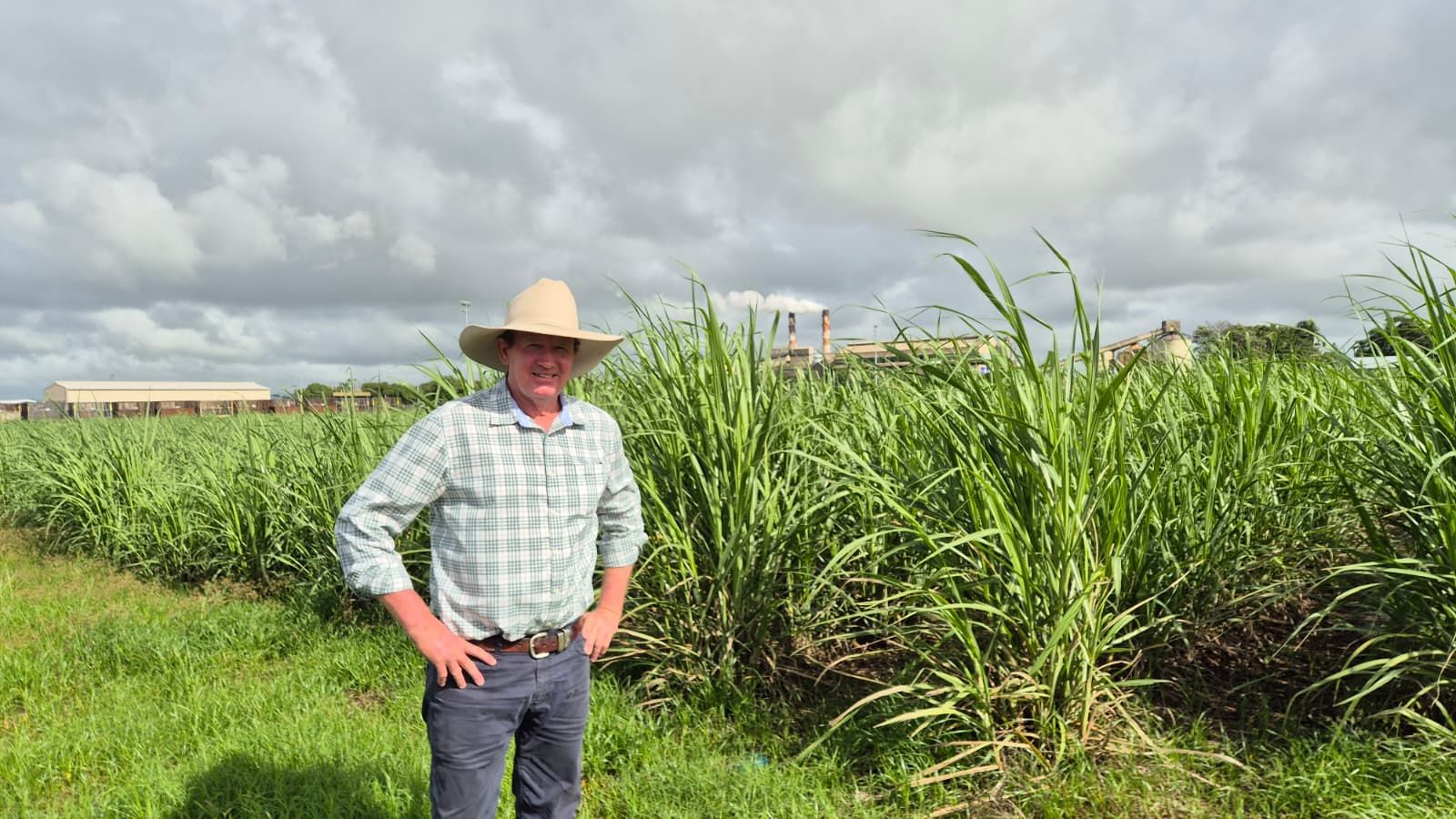
Bioenergy opportunities from Queensland’s sugarcane industry are back in focus, with the Inquiry into Sugarcane Bioenergy Opportunities holding another public hearing in Brisbane last month.
The latest hearing follows sessions in Mackay and Townsville, as well as three earlier hearings in Brisbane. The parliamentary committee is expected to table its final report in March.
Member for Mirani, Glen Kelly, said the inquiry is a crucial step toward identifying new growth opportunities for the sugarcane sector and strengthening Queensland’s agricultural future.
“This is about making sure that our sugar industry has room to expand, and to ensure that we have viable alternative baseload energy options in our Queensland grid as part of our Energy Plan,” Mr Kelly said.
He said regional communities, particularly around Mackay, stood to benefit if biofuels could be unlocked as a viable option for sugar mills.
“We’ve seen mill closures elsewhere around Queensland, leaving those sugarcane farms stranded, if we can unlock biofuels as an opportunity for our millers that means more guarantee for our farmers around Mackay,” he said.
Mr Kelly highlighted the industry’s importance to local employment, noting that the sugar sector employs about 1,650 workers in and around Mackay.
“The sugar industry employs roughly 1650 workers in and around Mackay, and that’s a number we don’t want to see going down, and finding ways to utilise bioenergy and biofuels from sugarcane will help ensure that those jobs are secure,” he said.
He also pointed to the potential for bioenergy to protect mills during downturns in the global sugar market, while supporting emissions reduction.
“We don’t want to see our mills closing because there’s a glut of sugar in the market, so being able to create fuels from sugarcane at competitive prices while reducing CO2 emissions would be a major win for Mackay,” Mr Kelly said.
The inquiry has been running since June and is examining how sugarcane cogeneration could contribute to Queensland’s electricity mix. It is also considering regulatory and market barriers that may be limiting increased bioenergy and biofuel production from sugarcane.
To date, the committee has held five hearings and received 42 submissions from sugar industry representatives, farmers, bioenergy and biofuel groups, and individual stakeholders. The final report is expected to be tabled in Parliament in March.
Member for Mirani, Glen Kelly, believes regional communities will benefit greatly from the proposed bioenergy opportunities. Photo supplied

By Joseph Borg, Chairman, CANEGROWERS Mackay
Meeting the seasonal labour demands of the sugarcane harvest is a challenge every year.
It’s one to which CANEGROWERS Mackay has been gamely stepping up for almost two decades, delivering exciting, highly practical training courses each May, that recruits new workers from all walks of life behind the wheel of a haulout tractor and familiar with harvest machinery and activities.
CANEGROWERS Mackay is excited to announce that its highly successful industry skills development program – the annual Haulout Driver Training – has been once again funded by the Queensland Government through the Skilling Queenslanders for Work initiative, under its Community Work Skills program.
Registrations have opened for Haulout Driver Training and if you or anyone you know are interested, please contact Mackay Canegrowers as soon as possible to submit your expressions of interest. We have been running these on-farm courses for almost 20 years. For most of that time, it has been funded through the Queensland Government, for which we are very thankful.
This ongoing support is recognition of the immense value to the sugar industry in skilling twenty new harvest workers every year, ensuring that over the four days of the course they have the opportunity to get behind the wheel of haulout vehicles alongside highly experienced grower trainers, learn the basic skills of driving, harvest procedures and most importantly, safety.
It was positive to have our local politicians Member for Whitsunday, Minister for Families, Seniors and Disability Services Amanda Camm, and Member for Mirani Glen Kelly attend our media launch and to personally congratulate Mackay Canegrowers. Ms Camm said that programs like this gave real pathways to employment for jobseekers, adding: “Our sugar industry is the backbone of many regional communities, and initiatives like Skilling Queenslanders for Work are helping ensure we have the skilled local workforce needed for the future.”
Mr Kelly has offered great support to the local industry, and said: “On-farm training, practical experience and strong safety culture are the bedrock of primary industries across Queensland, and programs like this are helping set people up with the real skills employers are looking for.”
Thanks to the Skilling Queenslanders for Work funding, there is no charge to participants, with wrap-around training extending to support to help participants obtain work in the industry with growers and contract harvesters actively seeking staff.
It’s a four-day boot camp with real-life grower trainers, getting behind the wheel of tractors. On top of that, we have an accredited trainer-assessor on-site, taking the trainees through RTO-backed modules towards the Cert II Agriculture. It’s a great starting point for people wanting to work in ag, and particularly the sugarcane harvest. To deliver training in 2026, Mackay Canegrowers is working with RTO Ausintec Academy Pty Ltd, and local accredited Trainer Assessor Earl Nielsen, who has successfully delivered the courses modules in the past and has strong cane industry experience.
This is just one of the many initiatives that Mackay Canegrowers is putting into practice to help ease the labour shortage which the sugar industry is facing. As well as this, advertising locally, interstate and even overseas has been utilised in the past to attempt to fill all the vacancies across the canefields of the wider Mackay-Plane Creek district. As well as filling the vacancies, it gives a wide demographic of participants the opportunity to re-skill and make a start in an industry which they may not otherwise have to opportunity –or the incentive – to enter into, leading to potentially long associations with sugarcane growers and harvesters, and explore new career opportunities and pathways.
Head to www.mackaycanegrowers.com.au to find out more!


Greater Whitsunday Alliance (GW3) recently launched Coal and the Regional Economy: Greater Whitsunday Scenario Modelling report, examining the evidence base around the coal sector’s outlook and its implications for future regional jobs, investment and economic stability.
Chief Executive Officer Ms Kylie Porter said the report underscores the region’s ongoing economic strength, while highlighting the importance of preparing for economic change.
Ms Porter said while the demand outlook for metallurgical coal remains steady, declining capital expenditure and investment in coal and other minerals activity in Queensland are structural signals that warrant close attention.
“This report confirms what our community understands well, the coal sector continues to be the economic engine room of the Mackay, Isaac and Whitsunday economy,” Ms Porter said.
“The report also models several future scenarios should the region experience a decline in direct coal sector employment or a reduction in local supplier spending, and the results are revealing.”
The report revealed a 10% reduction in direct coal jobs, will result in an estimated loss of 2,404 jobs and $291.6 million in lost gross value added, whilst a 10% reduction in supply chain spending will impact the regional economy $945.8 million in lost gross value added.
“These scenarios are not certain predictions, but they are important indicators that show that any contraction in the sector will have significant flow-on effects to local families, businesses and communities.”
Across the full economy, the coal sector supported:
Ms Porter said understanding the scale of future trends is critical to informed regional planning.
“As the economic heart of Queensland’s resources sector, our region relies on clear, factual and data driven insights. This report gives us that clarity and it reinforces the importance of safeguarding both our existing economic strengths and our future opportunities.”
Coal and the Regional Economy: Greater Whitsunday Scenario Modelling report was drawn from the Economic Impact of the Coal Sector on the Mackay Region 2024/25 report, prepared by Lawrence Consulting for Greater Whitsunday Alliance (GW3). It provides detailed analysis of direct spending, indirect impacts, total industry contribution and scenario-based modelling on potential changes to employment and supplier spend.
Publishers Indemnity. Any individual or entity that places advertising, supplies copy material, or submits editorial content to Core Life Publishing agrees and undertakes to ensure that all such material:- Does not infringe upon any copyright, trademark, or other intellectual property rights;- Is free from any content that could be considered defamatory, libelous, or slanderous;- Does not infringe upon any rights related to privacy or breach of confidence;- Contains no obscene, indecent, or otherwise unlawful material;- Complies fully with the Trade Practices Act and all other applicable laws, regulations, or statutes.Furthermore, by submitting or placing such material, these individuals or entities agree to indemnify and hold harmless the publisher, Core Publishing and Events Pty Ltd, and/or its agents from and against any and all investigations, claims, demands, liabilities, damages, costs, or judgments arising out of or in connection with the material provided. All material is believed to be accurate at the time of printing and remains the copyright of Core Publishing and Events Pty Ltd.
© 2026 Mackay and Whitsunday Life Pty Ltd.
