
Independently Owned, Locally Grown, Community Loved
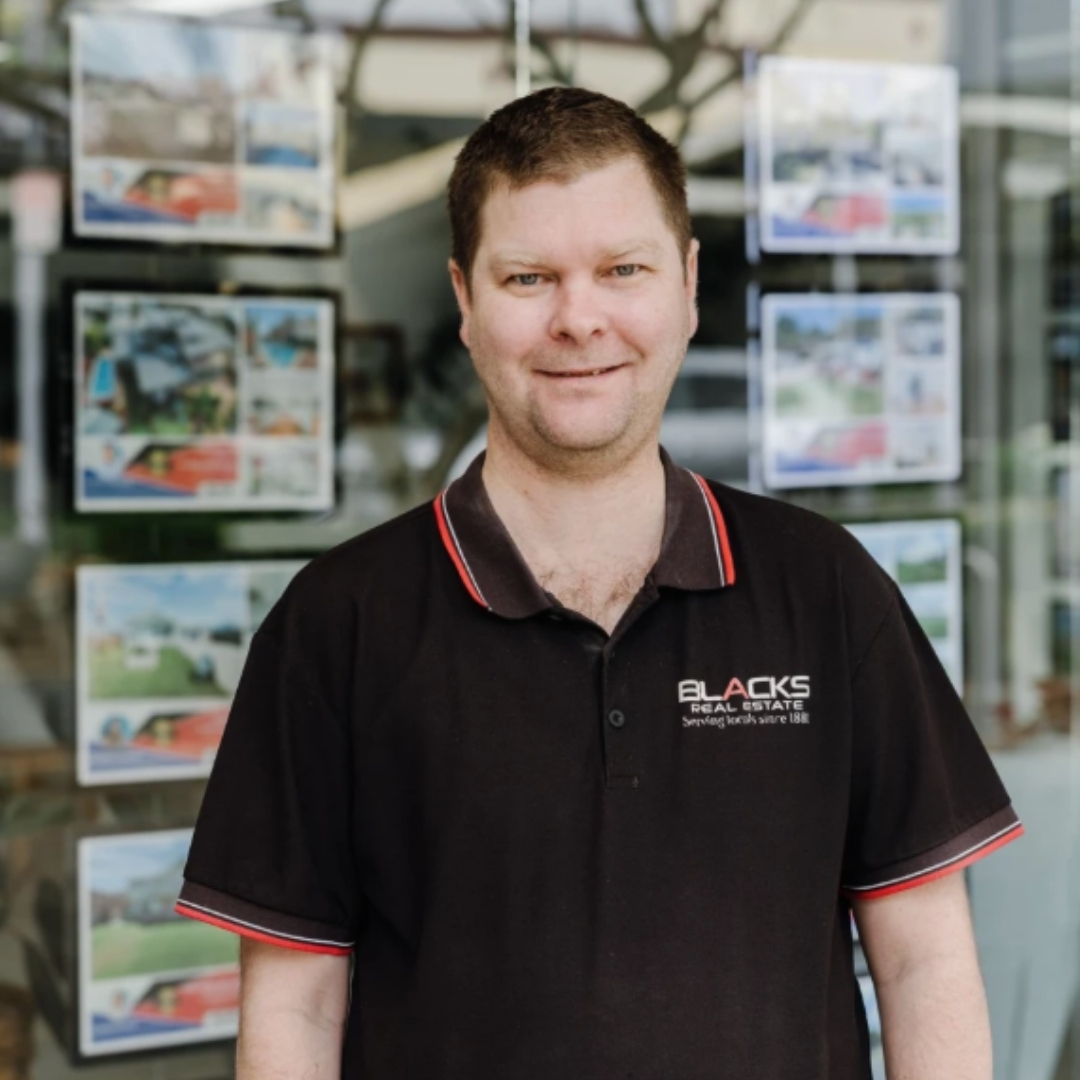
After more than 25 years with Blacks Real Estate, Andrew Black continues to be a familiar face in Mackay’s residential property market. Andrew joined the agency in 2000, beginning his career in residential property management before transitioning into residential sales. Now a Licensed Real Estate Agent and Sales Consultant, he has spent decades helping local buyers and sellers navigate the Mackay housing market. His long-standing connection with the agency has given him extensive knowledge of the region’s property landscape and changing market trends over the years. Blacks Real Estate said Andrew’s experience across both property management and sales provides clients with a well-rounded understanding of the real estate process, from investment properties through to family homes. Operating from offices in Mackay and Dysart, Blacks Real Estate services residential, commercial, rural and industrial clients across the region. CAPTION: Andrew Black has spent more than two decades with Blacks Real Estate. Photo source: Blacks Real Estate
Read the full story
I’m not sure that Donald Trump would play fair if he were one of the buyers in a multiple offer scenario on a Mackay property. There are clear rules about how multiple offer situations must be handled and, based on recent form, I just don’t think the US president would want to abide by the rules. From what I can tell he doesn’t seem to be a very good sport, not a great loser, and in a multiple offer situation in Queensland real estate there has to be a loser. Take Trump’s conduct during the soccer World Cup, being held in the US, Canada and Mexico. When US star Folarin Balogun received a red card and, as is standard practice, got an automatic one-match suspension Trump was on the blower to FIFA president Gianni Infantino asking for a review. The result was that the US star’s suspension was suspended for one year and he was able to play in the next World Cup game. It seems unlikely that a phone call from leaders of other countries would have resulted in a similar reversal of a decision. But I don’t blame Trump … that’s what he does. He tries to push and shove and shout and bully his way to getting the best deal he can for the United States. You might not like him but he certainly tries to get the best deal he can for his country on the world stage and, no doubt, for himself when it comes to business. It was, however, a bit of a surprise to hear he had made a call to the FIFA president trying to reverse the ban on a US player. What was even more surprising was that his strategy worked. Now I’m not to sure about this and I am just a real estate agent in Mackay who follows other football codes much closer than soccer but that FIFA mob looks a bit dodgy to me. You would have thought there would be a clear response from the FIFA president along the lines of: “Thanks for the call Mr President but you have got to be kidding if you think the independent body governing the world game is going to be influenced by political leaders about who can and cannot play based on our established rules.” Clearly that was not how the call played out and it turns out that there seems to be some flexibility in the rules and how they interpreted based on the person who is making the request. Which brings me to another contentious situation, the multiple offer scenario for properties being sold in Queensland. When it comes to multiple offers and which one is accepted, it is entirely up to the seller. The seller can accept a higher offer, accept a lower offer that might have no building and pest clause or no finance clause, or accept an offer just because that’s the one they like. A client of mine accepted a lower offer on a property last year because the buyer was a young, local woman who was starting off in life and had made the best offer she could. An investor offered about $30,000 more but the seller said, “I’m making good money out of this either way. I want the young woman to have it.” But one thing that is clear is that a real estate agent can’t tell one buyer what another buyer has offered in a multiple offer situation. We have to tell a buyer: “There is another offer on the table so you are in a multiple offer situation and I suggest you put in your best and final offer as you might not get a chance to make another offer.” That’s when some buyers say: “How much is the other offer.” Some buyers can be quite forceful but rules are rules and agents can’t reveal that. Although, if the FIFA president was the agent and Donald Trump was the second buyer there might be some flexibility.
Read the full story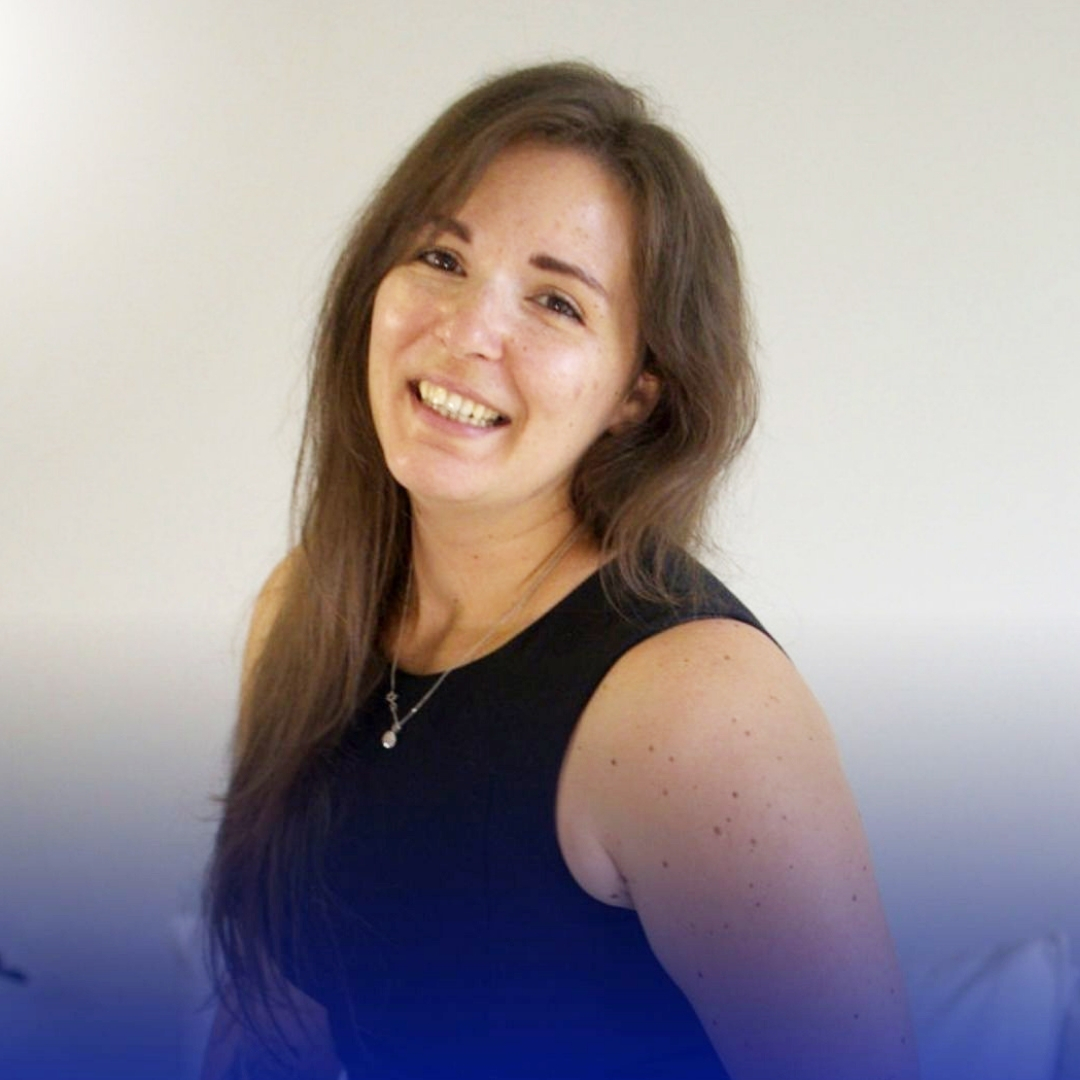
Most small business owners I speak to are not short on ideas, if anything, they have too many. They are trying to keep up with social media, update their website, understand Google, run ads, write emails, serve clients, follow up leads and still actually do the work they are known for. No wonder marketing starts to feel overwhelming. And here is the thing. The problem is not always that you are doing nothing. Sometimes the problem is that you are doing a lot, but without a clear direction. You post because you feel like you should. You boost something because business feels quiet. You update your website because someone told you it might help. You try another platform because everyone else seems to be there. But without a strategy behind it, it can start to feel like you are throwing spaghetti at the wall and hoping something sticks. This is where stepping back can make a huge difference. In most cases, you do not need another platform, another content idea or another person telling you to “just be consistent.” Sometimes, you need to look at the bigger picture. What are you actually trying to sell? Who are you trying to reach? What is working already? What is wasting your time? What should you focus on first? A clear conversation can often save weeks or even months of guessing. Marketing coaching can be helpful for this reason. It gives you space to untangle the mess, ask the right questions and create a plan that feels realistic for your actual business. At Glow Sphere Marketing, this is something I help small business owners with through short, practical coaching sessions, including a 2-hour option for those who want clarity without ongoing support. Marketing does not have to feel so messy. Sometimes you just need someone to help you sort through it.
Read the full story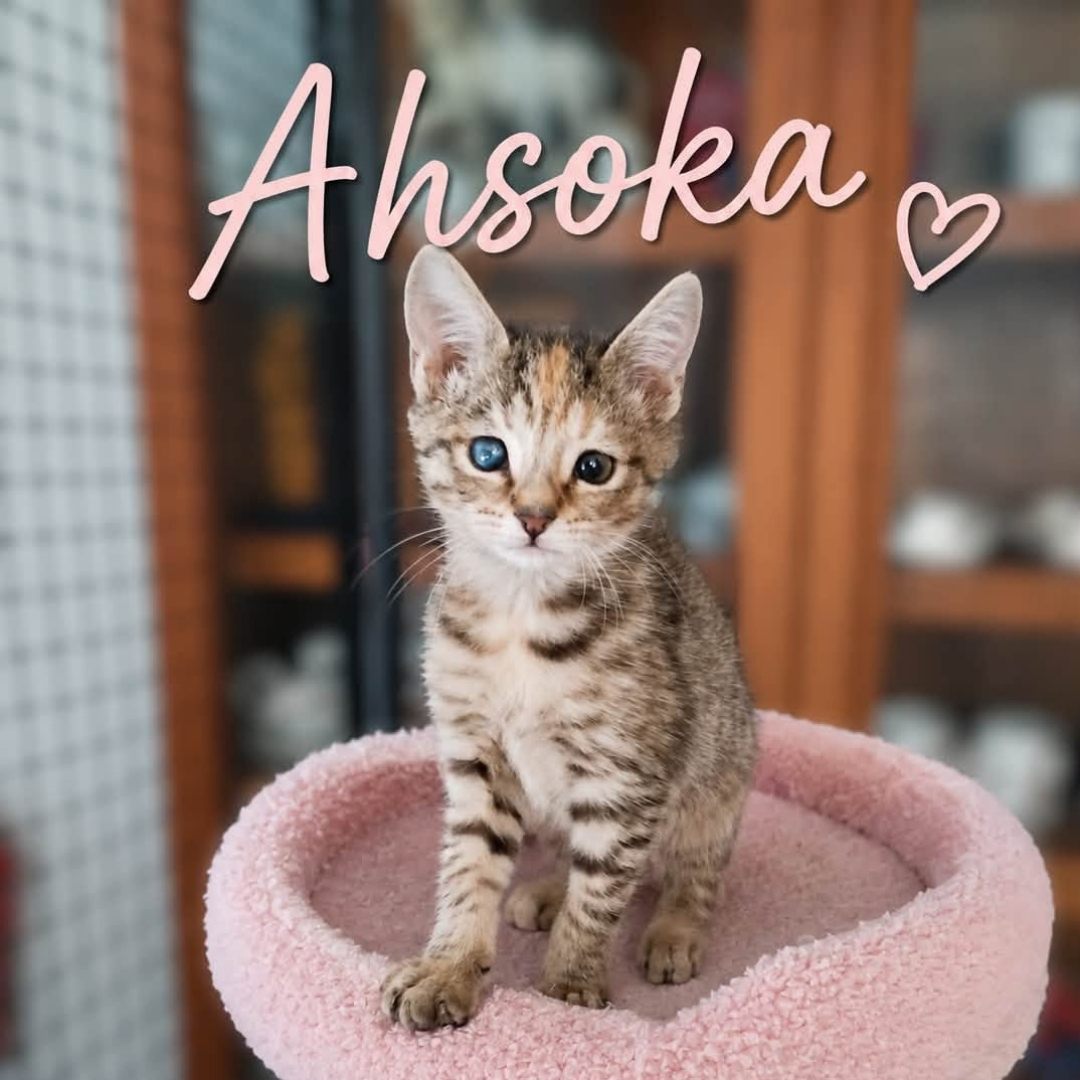
Some rescue stories stay with you, and Ahsoka and Johnny Cash’s journey is one of survival, strength and an unbreakable bond. Ahsoka was found as the smallest of a litter of six kittens, cold, weak and barely responsive after losing her siblings. Thanks to the dedication of an incredible foster carer who provided round-the-clock care, she defied the odds and pulled through. She is still being monitored for an injured eye but continues to grow stronger every day. Johnny Cash, affectionately known as the “Man in Black”, was found alone at just two weeks old. After being placed alongside Ahsoka in an incubator, the pair quickly became inseparable. While Ahsoka is gentle and resilient, Johnny is bold, curious and full of playful mischief. Together, they have helped each other heal and formed a bond too special to break. These two little survivors are now ready to find their forever home — but only together. If you can offer Ahsoka and Johnny Cash the loving indoor home they deserve, contact Ros on 0403 814 318 and share a little about yourself, your family and why you could be their perfect match.
Read the full story

Toby Lee is a loyal, affectionate dog looking for a stable home and a person to call his own. This handsome boy thrives with routine and calm structure and would do best in a household where he can settle in, relax, and feel secure.
About Toby Lee
Good With
Personality
Toby Lee is known for his loyalty and affectionate nature. He is an intelligent dog who bonds closely with his person and enjoys playtime once he feels comfortable in his environment. With the right guidance and consistency, he is expected to thrive in a calm home.
Ideal Home
Health
Toby Lee is desexed, vaccinated and microchipped. He has no known medical issues.
Adoption Details
The adoption fee is $400.
Those interested in adopting Toby Lee can message the rescue with their name, phone number and the animal they are applying for.
The organisation operates as a foster-led rescue rather than a physical shelter, placing animals directly into safe, private homes.

Country music fans across the Whitsundays are gearing up for the return of the Barra and Boots Country Music Festival, set to take place on Saturday, 30 May 2026 at the shores of the picturesque Lake Proserpine campground. Now in its third year, the boutique festival has quickly built a reputation as one of the region’s most unique and intimate live music experiences.
This year’s demand has been stronger than ever, with all campsites officially sold out well in advance. However, music lovers still have the opportunity to attend by purchasing day passes. Shuttle buses will run from Airlie Beach and Mackay, making it easy for visitors and locals alike to enjoy the festivities without needing to camp.
One of the standout features of the event is its fully BYO format. Guests are encouraged to bring their own food, drinks, and picnic setups to enjoy throughout the day and evening while soaking up live country music in the natural surrounds of Lake Proserpine. While the event is largely BYO, a small number of food vendors will also be on site.
For those lucky enough to secure a campsite, the weekend experience runs from Friday afternoon through to Sunday morning, allowing campers to wake up by the lake and stroll straight to the stage.
Craig Turner, Director Commercial Businesses at Whitsunday Coast Airport, said it was fantastic to see the event sell out in just its third year.
“Events like this highlight that tourism in the Whitsundays isn’t just about the islands and reef. Our inland destinations offer unique experiences that bring visitors into different parts of the region and ensure tourism benefits the whole community”, he said.
Day passes can be purchased at regfest.com.au.
CAPTION: Country music fans will gather at Lake Proserpine Campground on 30 May for the return of the Barra and Boots Country Music Festival, now in its third year. Photo supplied

Last week, Tourism Whitsundays headed south to Sydney for TravMedia's International Media Marketplace at the International Convention Centre, proudly flying the flag for our region.
Zana spent the day connecting with 22 key journalists, editors and content creators from across Australia and New Zealand, sharing stories and reminding the media world just how special our corner of Queensland truly is.
And there was plenty to get excited about. With exciting openings arriving later this year, including The Australian Agave Farm, the Twin Creek Mountain Bike Track, an elevated Reefworld premium experience and the stunning Ngaro Track, The Whitsundays is adding bold new reasons to visit. And the momentum doesn't stop there, with the developments of Lindeman and Hook Islands and the Whitsundays Skyway all on the horizon for 2027.
But beyond the new announcements, the conversations kept coming back to what has always made our home so magnetic. The sands of Whitehaven Beach, the colours of the Great Barrier Reef, our 74 beautiful islands (and all the ways to experience them) and the adventure-filled mainland that so many visitors are only just discovering.
We can't wait to see these conversations become the stories that inspire travellers to experience the magic of The Whitsundays for themselves.
Contributed with thanks to Rosanagh Gallivan, PR & Social Media Manager, Tourism Whitsundays.
Captions
Photo supplied

Female students at Bowen State High School are doing their school and community proud by advocating for serving their community and helping others. The true highlight wasn’t the date; it was the incredible courage of our students to their voices with the school and wider community.
Our female students have attended a number of school and community events allowing them to share their voice and to be positive role models to their peers and community.
Year 11 students Mary-Ellen, Gabby, Kasey and Emma attended the Resource Industry Network Luncheon in Mackay where they listened to keynote speaker Kate Davies CEO of Netball Queensland. They also were able to share their stories and career aspirations with Andrew Willcox MP. Over the weekend, Year 12 student leaders Lily-ann, Elle and Matilda were honoured to speak at the Zonta Club of Bowen’s Morning Tea. The event saw great reception from all involved.
On Tuesday morning, our Year 11 female students prepared a lovely breakfast for our staff. Guest Speaker and Bowen Local Sargeant Michelle O’Regan shared her message on the theme Give to Gain.
“When you give to your community you don’t just make someone else’s life better, you gain purpose and help to build the kind of world we all want to live in. The world needs strong, kind and courageous women. Never underestimate your power,” she said.
Student speakers Seinimili Mau, Mary-Ellen Kusu and Violet Windridge shared their reflections on the importance of International Women’s Day.
Principal Mr Rob Harris commended the students on their passion and courage to share their journey in the community.
“By sharing your vision for a more equitable world, you are already leading the way. I am extremely proud to be your principal and to witness the future you are building for our school and community.”
Contributed with thanks to Bowen State High School.
Captions
Photo supplied
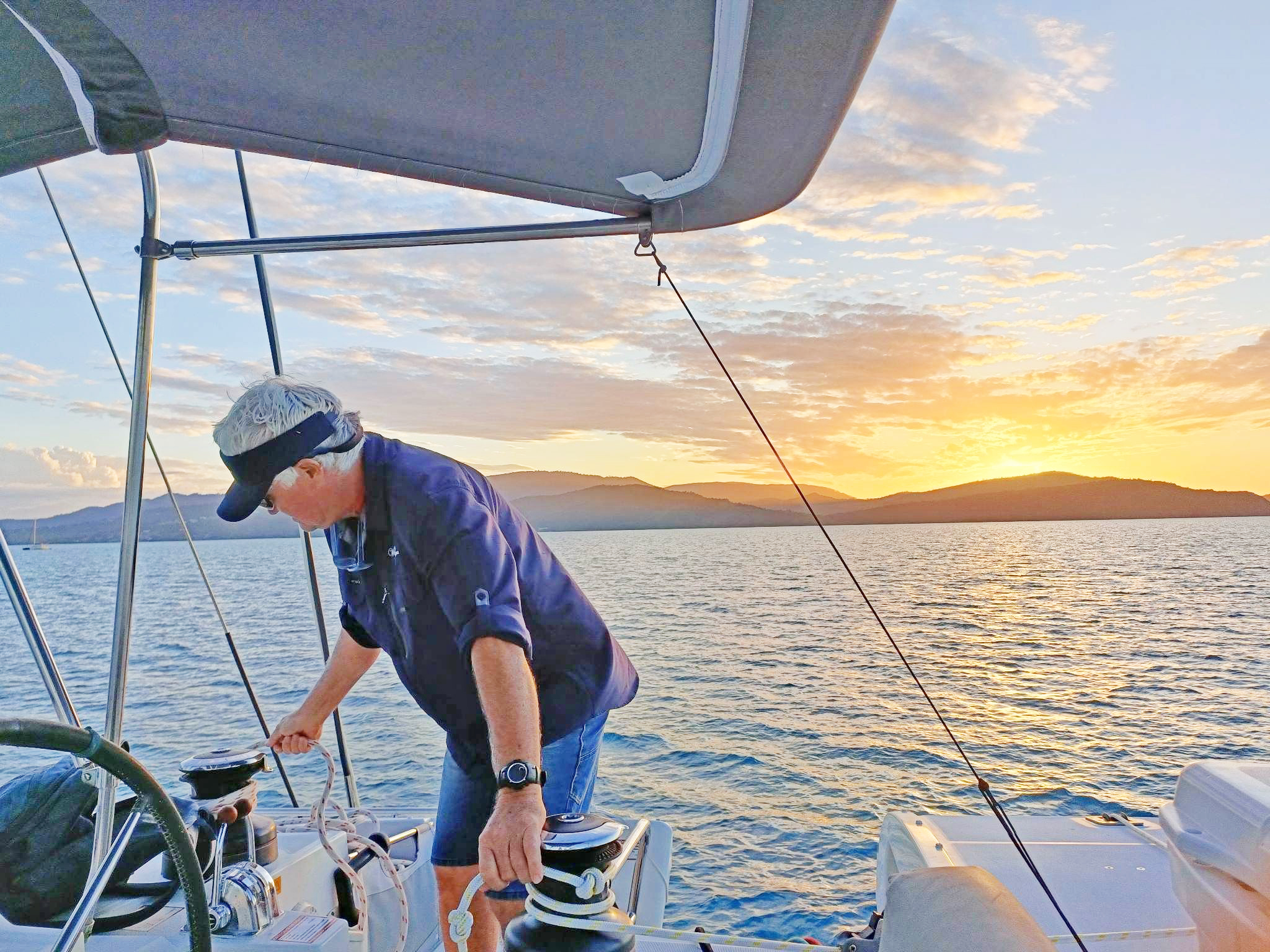
Under the leadership of Trevor Rees, Whitsunday Escape has grown to become an industry leader, decorated with awards, with plenty of laughs, milestones, and pinch-me moments on the way. Let’s look back on his voyage so far…
1993 – Whitsunday Escape begins trading as a small rental boat business.
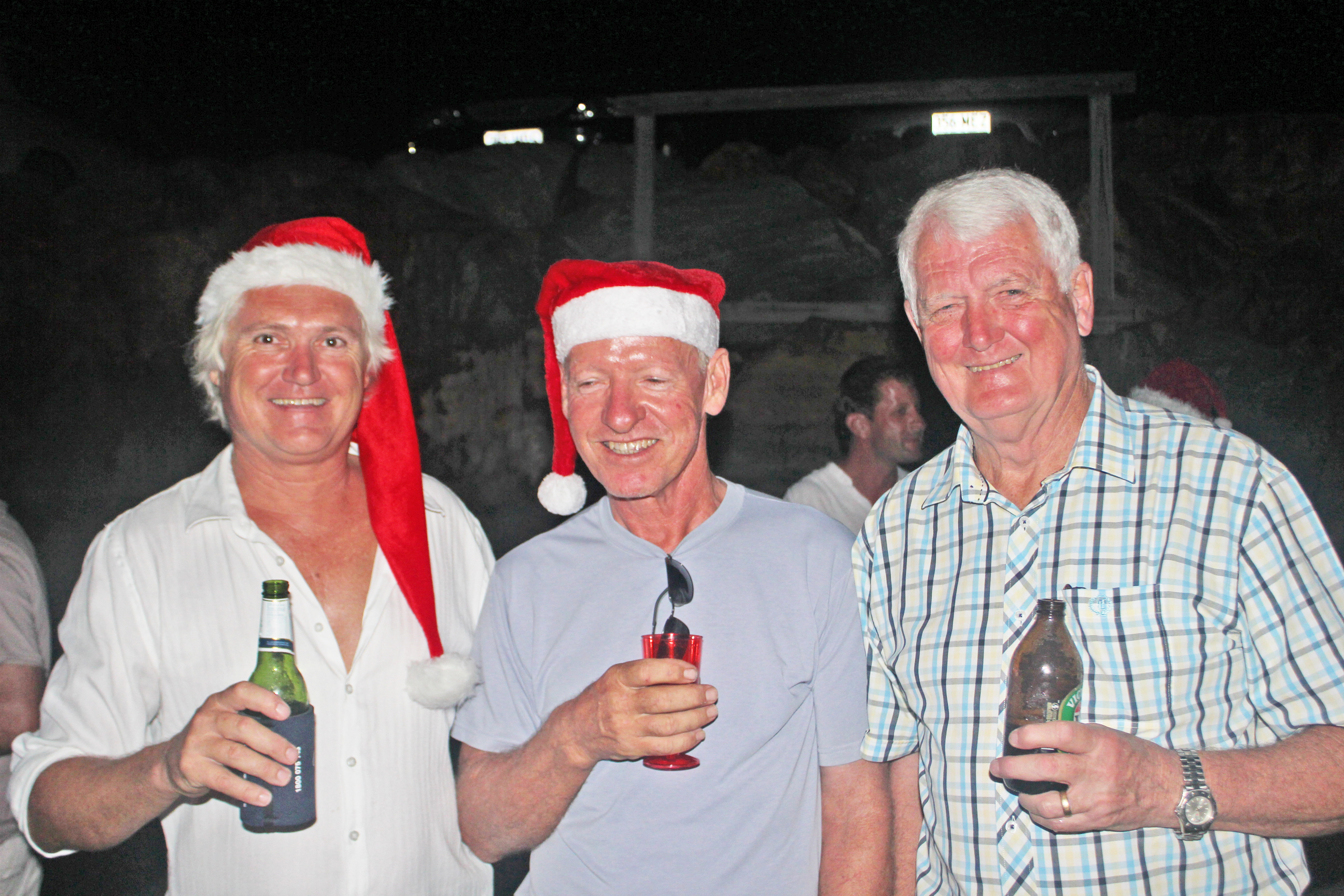
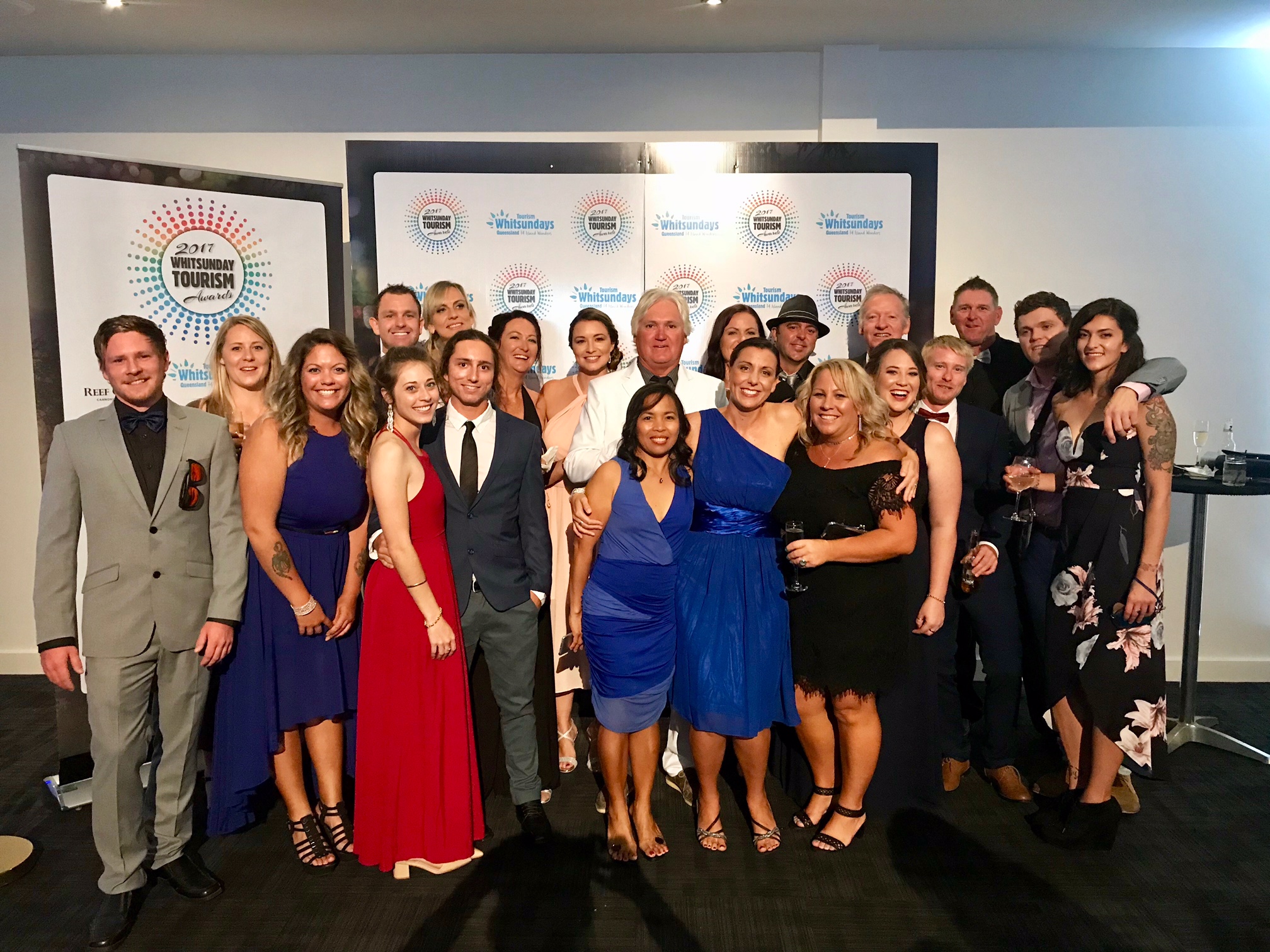
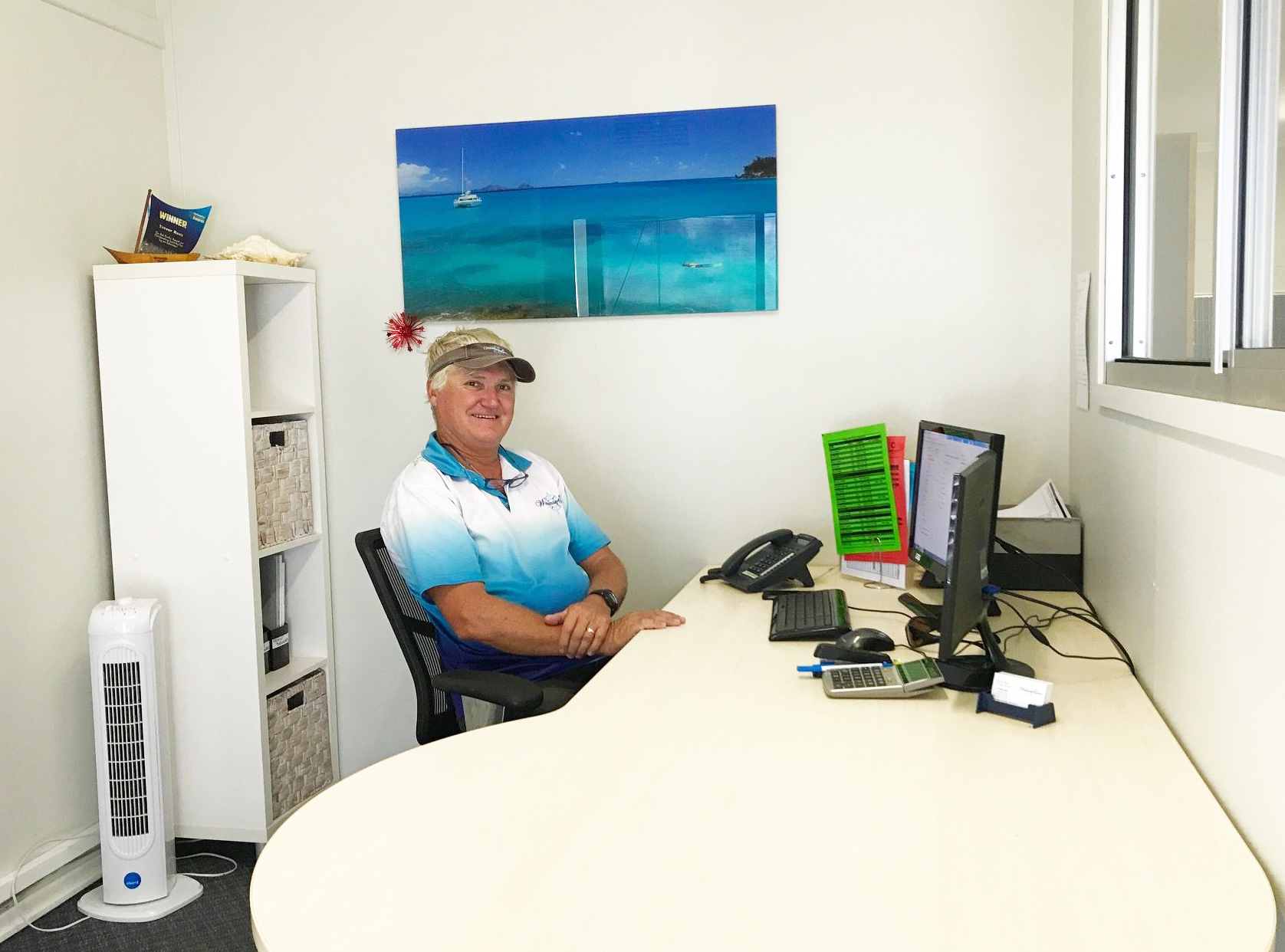
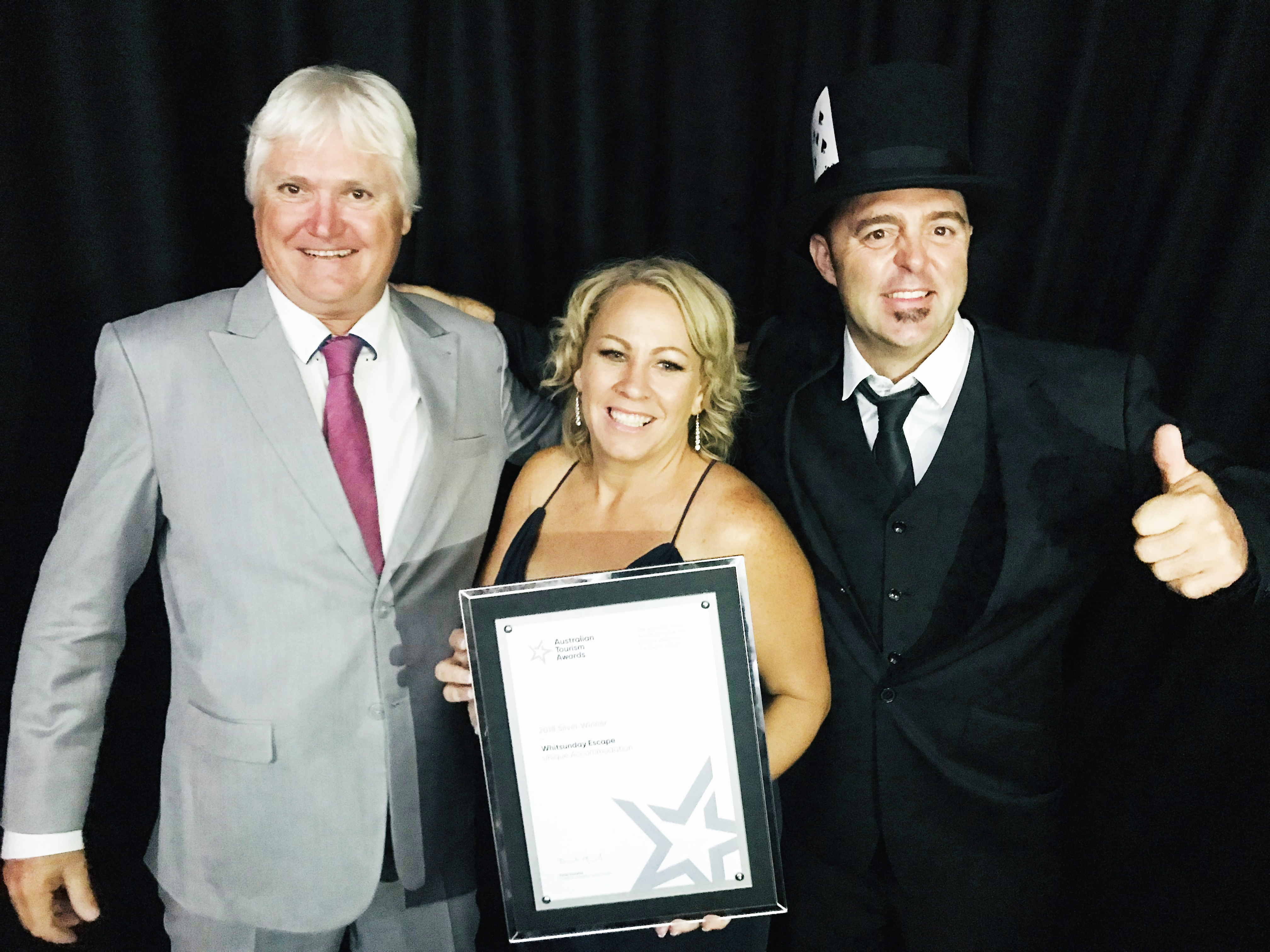
1- 2001 – Trevor Rees arrives on the scene, taking over the business with 15 boats, with co-owners Katie MacDonald, Dan Tannock & Loraine Tannock.
2004 – The company wins its first Tourism Awards: Gold at Whitsunday Tourism Awards & Bronze at Queensland Tourism Awards.
2008 – The business’s original fleet doubles to 30 boats.
2- 2012 – The team celebrates a big year at the 2012 Christmas party, having won their third Whitsunday Tourism Award and been finalists at state level.
3- 2013 – Whitsunday Escape reach national acclaim taking gold for unique accommodation in the Australian Tourism Awards.
2015 – Trevor is elected as board member and treasurer for Tourism Whitsundays and took part in a campaign to successfully ban capital dredging on the Great Barrier Reef.
4- 2017 – Smiles all round as the company takes gold at the 2017 Whitsunday Tourism Awards.
2017 – Trevor elected as board member of Australian Marine Park Tourism Operators (AMPTO)
5- 2017 – Trevor enjoys a much-deserved office upgrade, and an online booking system is installed.
6- 2018 – The team takes silver at the Whitsunday Tourism Awards.
2023-2024 – Trevor represents the bareboat industry on the steering committee pushing for Whale Heritage Site accreditation for the Whitsunday region.
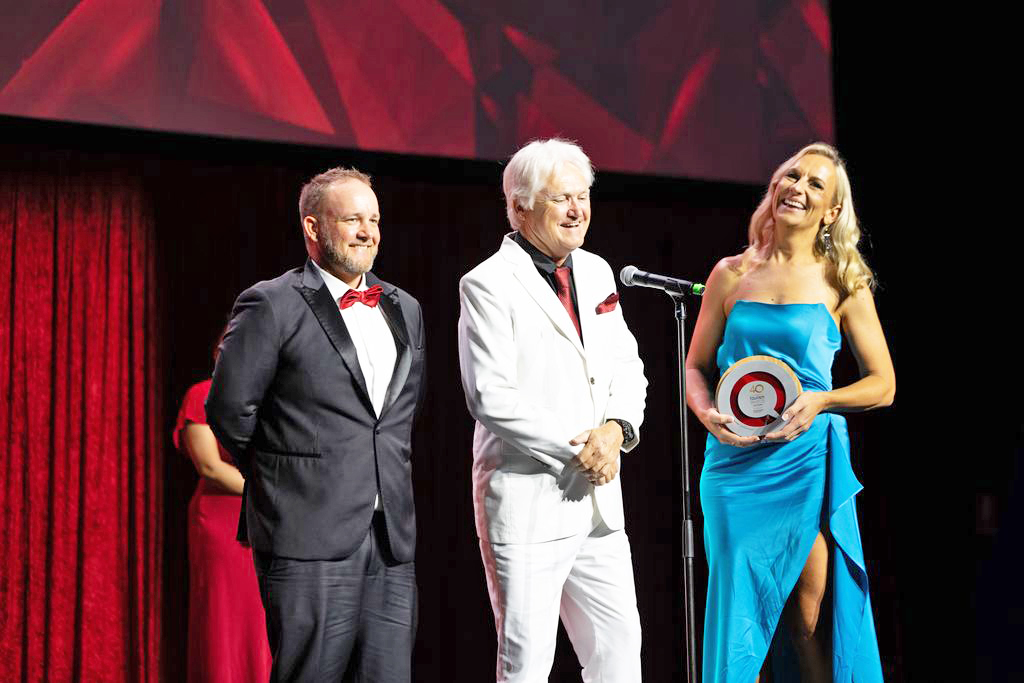
7- 2025 – Trevor accepts gold at the Queensland Tourism Awards.
2026 – Trevor passes the helm to Jaclyn as he and his wife Julie plan adventures on their catamaran, Escape Artist.

In 2017, Cyclone Debbie struck Airlie Beach. In the eye of the storm, Trevor Rees made his way down to the marina to check on the Whitsunday Escape fleet before the wind started roaring again.
There was no phone reception, no radios that could call for back-up. But, as he began checking for damage and securing any untied boats, Trevor was quickly joined by five staff members.
It was a moment that showed Trevor his team had his back, without him even having to ask.
When he looked back at the carpark, the only cars at the marina belonged to Whitsunday Escape employees.
That memory gives him goosebumps to this day.
It’s testimony to the spirit that holds Whitsunday Escape’s tight-knit team together. It’s what makes them a family. The way they turn up for one another, and genuinely care.
The crew are united by their passion for the Whitsundays, and it’s this love that drives the business.
Service starts with the reservations team; the friendly voices on the phone and the warm smiles at check-in. With a wealth of local area knowledge, the team make planning easy, matching visitors with their perfect bareboat holiday.
The dock team are next on hand, assisting guests from the start to finish of their time on the boat, giving them all the insider information needed to make them confident and ready to sail.
The detailing team are the silent heroes – the ones customers rarely get to meet. They work diligently behind the scenes and have a genuine love for making each boat sparkle.
Senior management steers the ship, providing daily customer and staff support.
It’s a well-oiled machine, built on support, respect, and a drive to create meaningful lasting memories, that will continue to thrive in this next stage of the business under the confident leadership of General Manager Jaclyn Watson.
1- The close-knit team at Whitsunday Escape. Photo supplied

Growing up in Cape Town, South Africa, Trevor Rees never dreamt that one day he would co-own one of one of the most globally successful bareboat charter businesses, thousands of miles away, in Australia's Airlie Beach.
Escaping the harsh realities of a country divided by apartheid, Trevor's family initially set sail for the Caribbean where his journey into the realm of charter boats and brokering began.
Inspired by legendary maritime adventurers like Sir Francis Chichester, it was also around this time that Trevor's personal plan to sail the seven seas was hatched.
In 1985, together with his new wife, Katie, and aboard their newly acquired 36-ft ketch, a voyage into the South Pacific commenced.
Having discovered that Katie was pregnant along the way, the couple never made it to a safe harbour to give birth.
Baby Justin Rees was delivered at sea, somewhere between French Polynesia and American Samoa, five weeks prematurely, at 3am, in near-storm conditions while the wind was blowing 35 knots.
"I cut the umbilical cord with a pair of scissors and when it was all over, I recorded the latitude and longitude and we all just fell asleep," Trevor said.
"Technically one of us should have been on watch but I figured what were the chances of being run over by a cargo ship and having a baby at sea all on the same night!"
Waking up the next morning as a family of three was the dawn of a new era, culminating in the completion of a two-and-a-half-year voyage to Australia, birth of a second son, and start of a new life in the nautical hub of Airlie Beach.
In this gateway to the iconic Whitsunday Islands, a fledgling charter industry was starting to bloom, within which Trevor's skills were perfectly placed.
From humble beginnings at the bareboat business, Whitsunday Escape, Trevor went on to become a managing director, steering this proverbial ship to regional, state and national acclaim, across a tenure lasting over 25 years.
Known for being a staunch environmental defender, Trevor also used his knowledge and growing influence to push for legislative reform in the fields of eco-tourism, reef protection and climate change.
In addition to playing pivotal roles on a number of tourism advisory and conservation committees, he was one of the key figures behind a successful campaign to ban capital dredging on the Great Barrier Reef.
While still actively championing causes close to his heart, the time has now come for Trevor to step back from his beloved business and hit the high seas once again, this time aboard his aptly named catamaran, Escape Artist.
Although there are no aspirations to finish a global circumnavigation back to South Africa, Trevor, his second wife Julie and their little dog Scrat plan to cruise to Tasmania, while still maintaining a foothold in the Whitsundays, where Trevor emphatically says: “we’ll be back”.
To hear more of Trevor’s incredible story, visit the Whitsunday People Podcast on YouTube or Spotify.
1 – Trevor Rees, Managing Director of Whitsunday Escape, sailing into retirement. Photo supplied

Fond farewell for Whitsunday Escape Director Trevor Rees at Qantas Australian Tourism Awards
When Trevor Rees first took the helm at a small, rental boat business in Airlie Beach, little did he know he’d be walking into retirement some 25 years later, having transformed ‘Whitsunday Escape’ into one of Australia’s premier unique accommodation providers.
Making it to the finals in this category at the 2025 Qantas Australian Tourism Awards in Fremantle on Saturday night, Mr Rees was understandably emotional.
“Standing on this platform at the end of my working life, I feel incredibly honoured to have helped introduce an entire generation of travellers to the magic of a truly extraordinary accommodation and boating experience, blending transport, immersion in nature, escapism, maritime lifestyle and the amenities of home, in a destination as globally iconic as The Whitsundays,” he said.
Originally offering houseboat and monohull yacht hire, it was under Mr Rees’ captaincy that Whitsunday Escape evolved into a multi-award-winning, modern fleet of 38 luxury catamarans – both sail and power – comprising the largest ‘bareboat’ operation in the Southern Hemisphere.
Far from being bare, each vessel is fully equipped for total comfort on the water, the term ‘bareboat’ referring simply to the self-skippered aspect.
Whitsunday Escape General Manager, Jaclyn Watson, said it was the company’s extensive briefing and support systems that gave charterers the chance to explore the World-Heritage-Listed Whitsunday Islands and Great Barrier Reef Marine Park at their own pace, without the need for a captain or crew.
“Whether an experienced sailor or simply a boating enthusiast, we ensure all our guests are fully prepared before heading out, knowing that every challenge brings increased confidence, and every sunset feels earned,” she said.
“It’s a unique blend of adventure, self-reliance, natural beauty and pure freedom, where your vessel becomes both your home and transport, where no two days are the same, and where unlike traditional tours or cruises, you’re in control yet fully supported and far from alone.”
Mr Rees said notwithstanding his team’s dedication, operational excellence and belief in an outstanding product, competition for the title of Australia’s best unique accommodation provider was always tough, and he commended all of the winners and finalists from Saturday’s awards.
“Over the past 25 years it has been a privilege to represent Whitsunday Escape, the marine tourism industry, and The Whitsundays, at many local, state and national awards, where I have always been in exceptional company,” he said.
“However, these accolades never belong to just one person, and it really does take a village.
“Special mention must go to my fellow directors, our boat investors, our loyal customers – many of whom return year after year – our wonderful suppliers and our incredible staff, who are the backbone of Whitsunday Escape, the embodiment of our long-term vision and the sheer hard work behind our high standards and innovation.
“Being a nationally recognised industry leader also comes with responsibility for promoting our region, and as I now pass the baton to our GM, Jaclyn, it is Whitsunday Escape’s ongoing mission to help position The Whitsundays as Australia’s leading sailing destination to the 2032 Olympics and beyond.”
Mr Rees will now sail into the sunset with his wife Julie on their own boat ‘Escape Artist’, with Ms Watson to take the reins from the new financial year.
For more information visit www.whitsundayescape.com.
1- Cody & Jaclyn Watson, Rhys Bradford, Dan & Loraine Tannock, Julie Sladek & Trevor Rees. Photo supplied
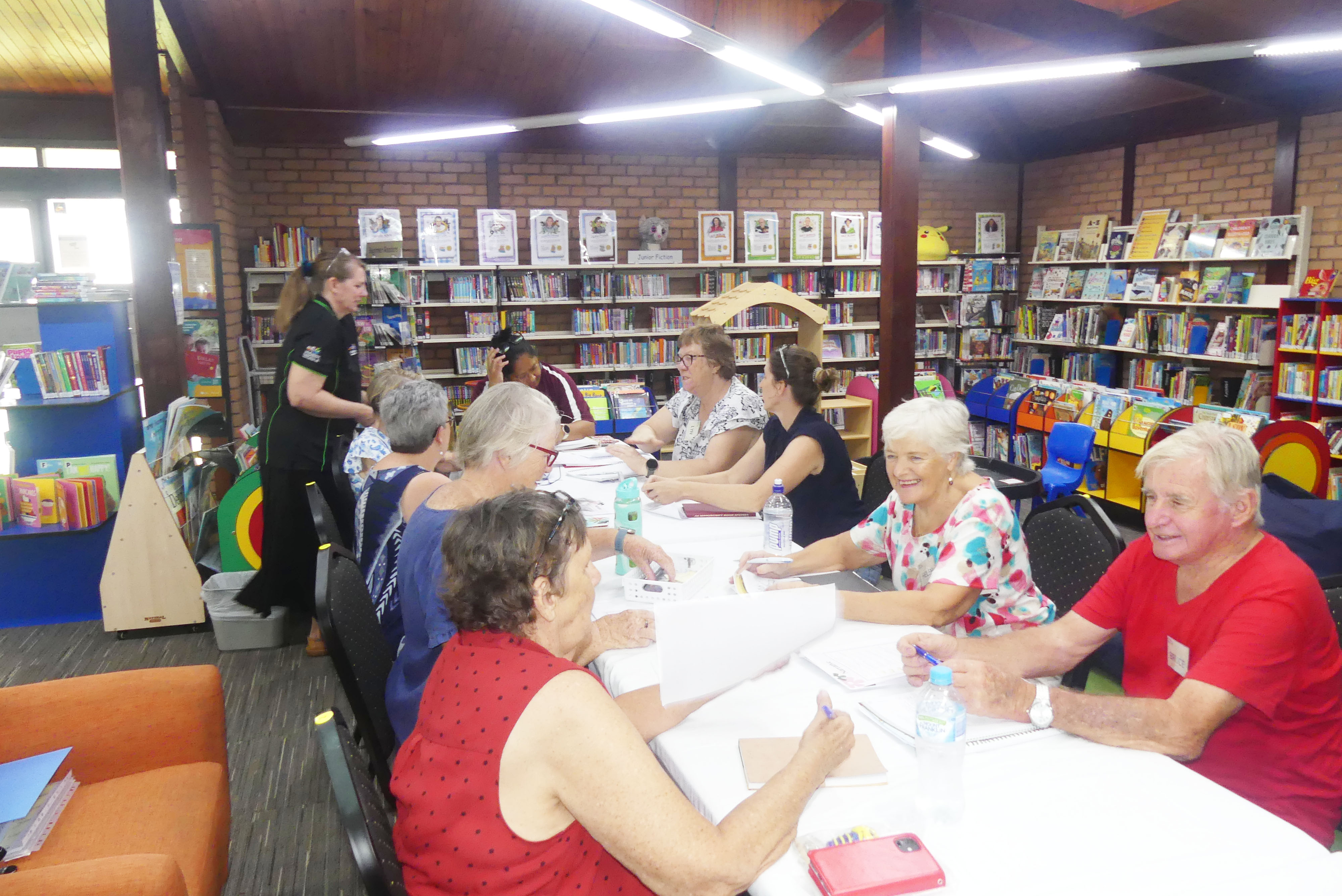
On Monday 9th March, the Proserpine Library hosted its first writer’s circle with the aim of bringing enthusiastic writers and book lovers together to discuss and collaborate on ideas in special creative workshops.
The first session centred around narrative and the construction of plot. Future sessions will delve into character and worldbuilding, researching for stories and refining drafts. The Proserpine Library is hosting three more sessions on each Monday of the consecutive week. To book, you can call 4945 0275.
The sessions are run by Jayde Gardner. With a Bachelor of Multimedia Journalism, Jayde has spent the last decade working in media and communications for local and state government and now brings her wealth of knowledge and expertise to creative writing.
Having recently returned to the Whitsundays after spending twelve years in Townsville – Jayde is looking to encourage more people to write and foster storytelling as an important skill.
The Writer’s Circle is a fantastic opportunity to bring together like minded individuals and allow creativity to flourish. By expressing interest in these types of community initiatives, the region can continue to foster enthusiasm for the creative arts.
Perhaps there’s a story you desperately want to tell, a song you think you can write, or an artwork you know you can create.
Photo credit:
The new Writer’s Circle at the Proserpine Library is bringing local creatives together to share ideas and develop storytelling skills. Sebastian Conidi

St Paul’s Anglican Church, Proserpine, will be holding it’s incredibly popular annual Giant Cent Sale at Proserpine Show Pavillion on Saturday 14th March. Doors will open at 11am for a 12.30pm start.
Entry requires a gold coin donation that foes towards the lucky door prize, raffles and delicious Devonshire tea. There is a chance to win a variety of exciting surprises. With the support of generous donations from the public and local businesses – there will be prizes for every taste, both young and old. These include groceries, toys, garden supplies, cosmetics and gift vouchers to merely name a few.
The money raised will also go towards the maintenance of Proserpine Anglican Church – a Proserpine Landmark!!
The event has seen great success in the past as people have gathered for a day of family fun. It is a community event, and it needs your support so get on down.
WHAT: Giant Cent Sale
WHERE: St Paul’s Anglican Church, Proserpine
WHEN: Saturday 14th March, doors open at 11am for 12.30pm start
CAPTION: Residents are encouraged to attend a Giant Cent Sale at St Paul’s Anglican Church this Saturday. Photo supplied

When little hands prepare to grow,
And off to Prep they're set to go,
A journey shaped by truth and grace—
At Whitsunday Christian College, a special place.
With caring hearts and gentle pace,
Each child is welcomed into place.
They learn through play, explore with glee,
Becoming all they’re meant to be.
Miss Elmarie, who leads with light,
Has shared their steps with pure delight.
“For 26 years I’ve watched them rise—
To read, to write—it's no surprise!”
Each Thursday in Term Two, don’t delay,
Join ‘Get Ready for Prep’ play.
From 9 to 10:30, skills shine through—
With play-based fun in all we do.
In Term Four, they start to explore,
With transition mornings and so much more.
They meet their teachers, make new friends—
So come Day One, the joy begins.
At our college we aim to grow
Young hearts who learn and truly know
They’re shaped by God, with purpose grand—
To face the world with faith in hand.
Book your tour, come take a peek—
Call 4948 5100 this week!
Or email us to find your way:
mail@whitsunday.qld.edu.au today.
Come along Saturday, March 28,
For a Prep Tour and Info Session—save the date!
See our spaces, meet the crew
Discover if WCC Prep’s right for you!
Save the Date boxes
Prep 2027 Information Tour – 28 March, 9am
Get Ready for Prep – Thursdays commencing 30 April

The Whitsundays Chamber of Commerce and Industry has announced key leadership appointments as the organisation enters a new phase of growth and delivery for the region’s business community.
Dr Julia Evans has been appointed Executive Officer, responsible for leading Chamber operations and supporting the delivery of its strategic priorities.
Cait Fleming has stepped into the role of Portfolio Manager, overseeing Weddings Whitsundays and the Cruise Ship Markets, with additional initiatives currently in development.
The Chamber also continues to receive specialist government and business advocacy advice from former Federal Member of Parliament Richard Evans.
Chamber President Allan Milostic said the appointments reflect the Chamber’s strong momentum and expanding role across the region.
“The Chamber is firmly on a growth trajectory,” Mr Milostic said. “Our Board has endorsed a Strategic Plan featuring 42 priority actions to be delivered by the end of 2026, focused on strengthening advocacy, expanding member services, delivering impactful education and events, improving communications, and enhancing operational capability.”
“These appointments ensure we have the leadership and operational capacity needed to deliver meaningful outcomes for our members and the wider business community.”
Express Your Interest
As part of this growth, the Chamber is now inviting Expressions of Interest from contractors to assist with the delivery of its expanding programs, events, and member engagement initiatives.
This flexible opportunity is suited to a highly organised and proactive individual who enjoys working across multiple projects, managing communications, digital platforms, and stakeholder relationships.
Working alongside the Chamber’s operations team, the successful contractor will support the activities of the organisation while contributing to key areas including membership engagement, communications, events, and major initiatives. The work spans operations, digital coordination, communications, and stakeholder engagement, making it well suited to someone who values variety, autonomy, and meaningful involvement in the local business community.
The engagement is proposed from April to 31 December 2026, for up to 15 hours per week with flexible scheduling.
Through this opportunity, the successful contractor will be supporting an organisation representing more than 260 businesses across the Whitsundays, contributing to advocacy, events, and programs that strengthen the region’s business community.
“This is a fantastic opportunity for someone who enjoys working across a variety of projects and being part of an organisation that is actively shaping the future of the Whitsundays business community,” Mr Milostic said.
Expressions of Interest are now open via the Chamber website and close 11:59pm Sunday 29 March 2026: https://www.whitsundaycoastchamber.com.au/2026eoi/
Contributed with thanks to the Whitsunday Chamber of Commerce and Industry
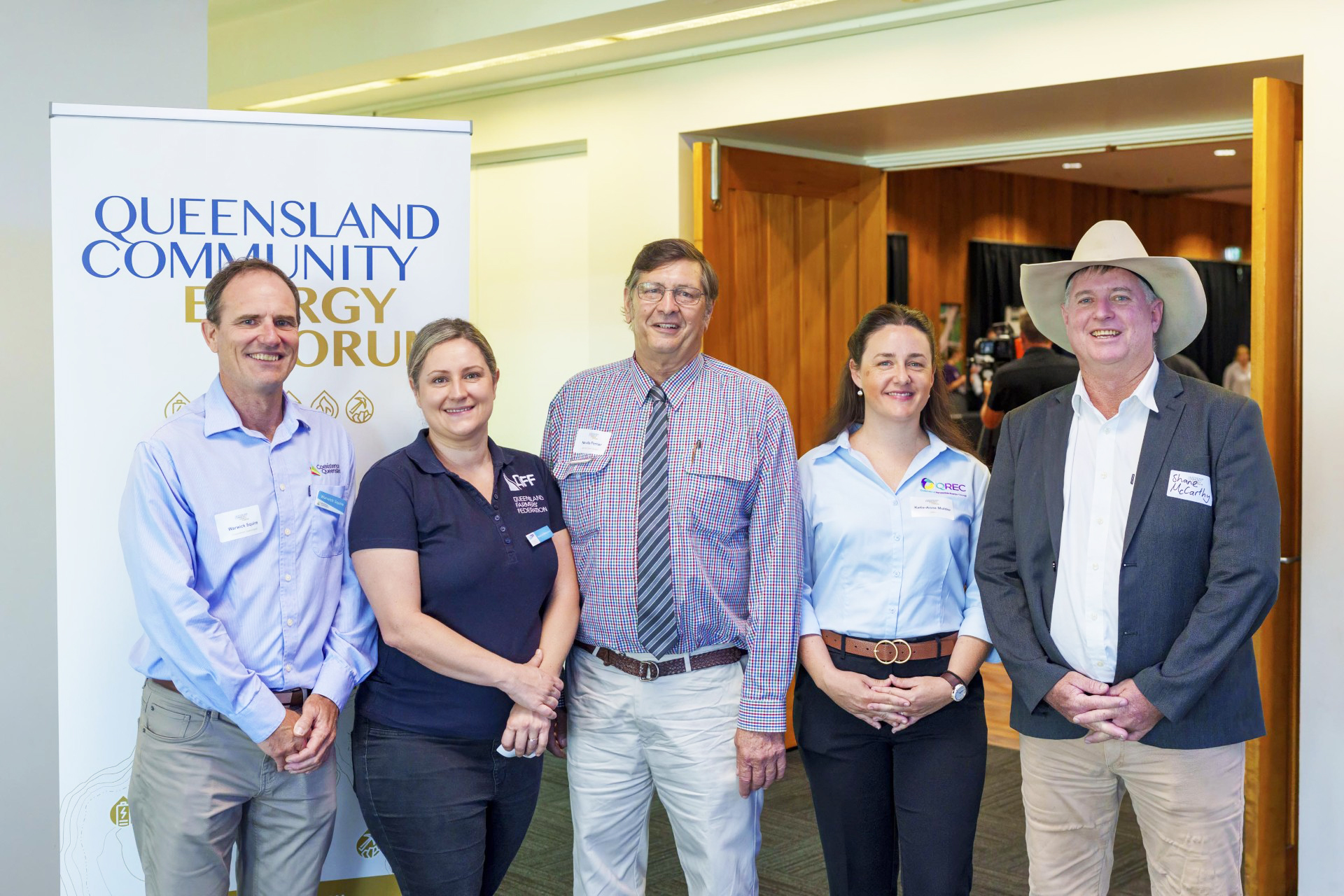
Coexistence Queensland reminds residents, landholders and businesses across the Whitsunday region to attend their free community energy and resources forum at Proserpine Entertainment Centre on 20 March.
The Queensland Community Energy Forum will bring together community members, energy and resource developers, agriculture representatives and government for a day of presentations, question-and-answer sessions and information booths.
It’s a chance to ask questions, access clear information and engage directly with industry and government about current and future development.
Katie-Anne Mulder, Chief Executive Officer, Queensland Renewable Energy Council, said the forum supports early, open and transparent engagement between industry and community.
“The forum is about two-way communication. Energy developers will be on the ground to listen and learn from the community, while also sharing clear information about what’s happening now and what may be proposed in the future,” Ms Mulder said.
“This gives communities have the chance to ask questions and share what matters to them.
“Early and honest engagement helps shape projects that reflect local priorities and deliver stronger outcomes for the region.”
Janette Hewson, Chief Executive Officer, Queensland Resources Council, said the resources sector had a long-standing connection to the Whitsundays region.
“Whitsundays families and businesses have supported our industry for generations,” Ms Hewson said.
“Communities always want to be informed and know what developments mean for their land, their livelihoods and their future.
“Forums like this are important in shaping how development happens, in unlocking new resource opportunities and seeing more investment going back into regional communities.”
The Proserpine event follows strong community participation across five forums held in the Western Downs, Isaac, Maranoa, Flinders and Callide Dawson regions since 2024.
The Queensland Community Energy Forum is a partnership between Coexistence Queensland, the Queensland Renewable Energy Council, Queensland Resources Council, Queensland Government, and Whitsunday Regional Council.
1 - Warwick Squire, CEO, Coexistence Queensland, Stephanie McKechnie, Energy Engagement and Education Advisor, Queensland Farmers’ Federation, Cr Neville Ferrier, Mayor, Banana Shire Council, Katie-Anne Mulder, CEO, Queensland Renewable Energy Council, and Cr Shane McCarthy, General President, AgForce Queensland. Photo supplied

By Michael and Val Kimpton
For far too long our residents have been asked to travel to Mackay or Townsville to make these lifesaving contributions. It is time we advocate and make sure the Whitsunday region gets a fair go! Excessive travel distances and time away from work can become very inconvenient and presents a significant barrier for many locals who wish to donate. We want to roll up our sleeves and donate, however that becomes difficult when we are forced to choose between losing a day of travelling with our already busy timetables and family commitments.
Time is precious, and that rings true even more so in isolated regional areas. It is hard to juggle work, school, sport, family and life in general with this kind of travel requirement. From personal experience, we have donated twice in ten years in the Whitsundays, whereas we would donate regularly every three months when living in Melbourne. The decision to donate can feel as though it’s been taken from us. We should feel encouraged not discouraged.
The population of the Whitsunday Regional Council is rapidly growing, now in excess of 40,000 people, which doesn’t include functional population numbers. The demographic experts have advised that in 10 years there will be a 30% increase – a rate faster than the Queensland average.
All these statistics point to a very valid reason to reintroduce a visiting blood bank in our region. At the very least we should introduce a trial run. Even a roaming bus between Mackay and Townsville – as is already done with Breast screenings in the area – would be a good start.
With the demand for blood supply at a 12-year high, this matter is of the upmost importance. Blood donations save lives. Most recipients are cancer patients, trauma victims and patients in emergency surgery. Blood has a use by date; it cannot be stockpiled. Australian Red Cross Life Bloods are always calling for more donations. One single donation can save up to 3 lives.
It’s time to open the discussion for an initiative that can make a huge difference. Signatures on our petition is all we need to get the blood flowing and move this process into a reality.

The day led locals to express appreciation for the women in their life, and also sparked conversations surrounding vital women’s issues.
This week saw many expressing appreciation for the women making a difference in the world.
“This International Women’s Day, Whitsunday Regional Council is recognising the women across our organisation who are helping deliver important projects and services for our community,” said Whitsunday Regional Council.
“From planning and procurement, on-site project delivery and engineering, to communications, customer service, library services, environmental management, finance, and IT support - to name just a few - their work is shaping the future of the Whitsundays and supporting the region’s growth.
“Today we acknowledge the professionalism, expertise and leadership these women bring to Council and to the communities we serve.”
The day also rose awareness about issues disproportionately affecting women, and invited fundraising and support.
1, 2- The remarkable women celebrated by Whitsunday Regional Council. Photos supplied

Publishers Indemnity. Any individual or entity that places advertising, supplies copy material, or submits editorial content to Core Life Publishing agrees and undertakes to ensure that all such material:- Does not infringe upon any copyright, trademark, or other intellectual property rights;- Is free from any content that could be considered defamatory, libelous, or slanderous;- Does not infringe upon any rights related to privacy or breach of confidence;- Contains no obscene, indecent, or otherwise unlawful material;- Complies fully with the Trade Practices Act and all other applicable laws, regulations, or statutes.Furthermore, by submitting or placing such material, these individuals or entities agree to indemnify and hold harmless the publisher, Core Publishing and Events Pty Ltd, and/or its agents from and against any and all investigations, claims, demands, liabilities, damages, costs, or judgments arising out of or in connection with the material provided. All material is believed to be accurate at the time of printing and remains the copyright of Core Publishing and Events Pty Ltd.
© 2026 Mackay and Whitsunday Life Pty Ltd.
