
Independently Owned, Locally Grown, Community Loved

A single-vehicle bus crash has sadly claimed the life of one passenger at Gumlu, north of Bowen overnight. According to initial police investigations, at approximately 4pm on Thursday 14th May, a bus with 29 people on board was travelling south along the Bruce Highway from Cairns to Airlie Beach, when it left the roadway and rolled onto its side. Several other passengers were injured and transported to Townsville, Ayr, and Bowen Hospitals. The bus driver, a 70-year-old Mackay man, was transported to Bowen Hospital with minor injuries. As of Friday morning, three patients are confirmed to be in a life-threatening condition with one assessed on the scene and two airlifted to Townsville University Hospital. Multiple people were injured and transported to Ayr Hospital before being airlifted to Townsville University Hospital by Royal Flying Doctor’s Service. There are eight stable patients in Townsville whilst one remains in a stable condition at Ayr. The Bruce Highway has reopened at Gumlu. This tragic accident comes less than two years after a fatal bus crash on the same stretch of the Bruce Highway, which claimed the lives of three women in on June 3rd, 2024. On this occasion, a Greyhound bus with 33 people on board was travelling north along the Bruce Highway, also near Gumlu, when it crossed over to the wrong side of the road and into oncoming traffic. The bus struck a Land Cruiser station wagon travelling in the opposite direction. A 56 year old Townsville woman and two German women aged 21 and 33 passed away as a result of the incident. The 52-year-old bus driver from North Ward was charged with five counts of dangerous operation of a vehicle causing death or grievous bodily harm, but was subsequently found not guilty. Anyone with relevant dash cam vision of incident last night is urged to contact police. Investigations are continuing
Read the full story
So, what’s going on with the property market? The thing about the property market is that it doesn’t stand alone in its own little world untouched by the drama going on around it. And there is a fair bit of drama at the moment. Let’s get all the dramas to form a conga line and point them out one at a time. First there’s inflation, an annoying factor that adds to the cost of living and affects people’s ability to buy real estate. Right behind inflation, and I mean very close, is its brother in arms/partner in crime/long-time bedfellow, interest rates. Interest rates have been particularly pesky lately as the Reserve Bank pushes them up in an attempt to bring inflation down. The idea is to make housing less affordable so you can make housing more affordable. Then there’s a war in the Middle East. War is very good for business if you are a weapons producer and part of the military-industrial complex but it’s not very good for everyone else. It certainly isn’t good for confidence and housing markets are pretty big on the old confidence factor. So, not good. This particular war has the additional benefit of taking place in the Persian Gulf, where a fair portion of the world’s oil is transported from Middle East oil producers to the rest of the world. The war has created a traffic jam in the Strait of Hormuz, which is restricting the supply of oil, meaning that in a world of demand and supply the price of fuel at the petrol bowser has gone up significantly. Which means our old friends inflation and interest rates give us another wave from the conga line and remind us of another impact on the property market. The conga line of dramas was joined this week by the Federal Budget and its changes to negative gearing, up until now a key driver in property investment and the supply of rental properties. Nothing changes for people who had negatively geared properties up until Budget night. My Pommy colleague Andy Collins, the Sales Manager at Gardian real estate, pointed out after the Budget that there was no way the changes would include investors’ existing properties because too many politicians own investment properties and the pollies wouldn’t do anything to hurt themselves. It’s up to you whether you think Andy is a sniping little Pommy whinger or an astute judge of human nature. Or can he be both? What Andy correctly pointed out is that from now on investors will be looking for properties that provide such good rental returns that they are positively geared, removing the need for negative gearing. That’s where Mackay’s strong rental returns come into it. Investors from southern markets have been active in the Mackay market because of those rental returns. When they can get returns like $750 a week on properties they have bought for $650,000, those southern investors realise Mackay offers better opportunities than the high-priced, low-rent options in their own cities. Andy was suggesting that it is possible that the budget changes will spur even more investment activity in Mackay because the removal of negative gearing makes investments in other markets unviable. I will delve further into the status of the Mackay market in upcoming columns but there are a few initial points to make. There is no doubt that, like every other market, the conga line of dramas has had an impact and given buyers pause for thought. But we are still seeing strong buyer activity and properties selling. As always, the buoyancy of our coal market and the jobs and business it provides will continue to be a driver of our economy and a key factor in the property market. Will the budget changes create an additional spur to our market and bring more investors in or is that conga line going to have a bigger impact? Stay tuned over the coming months.
Read the full story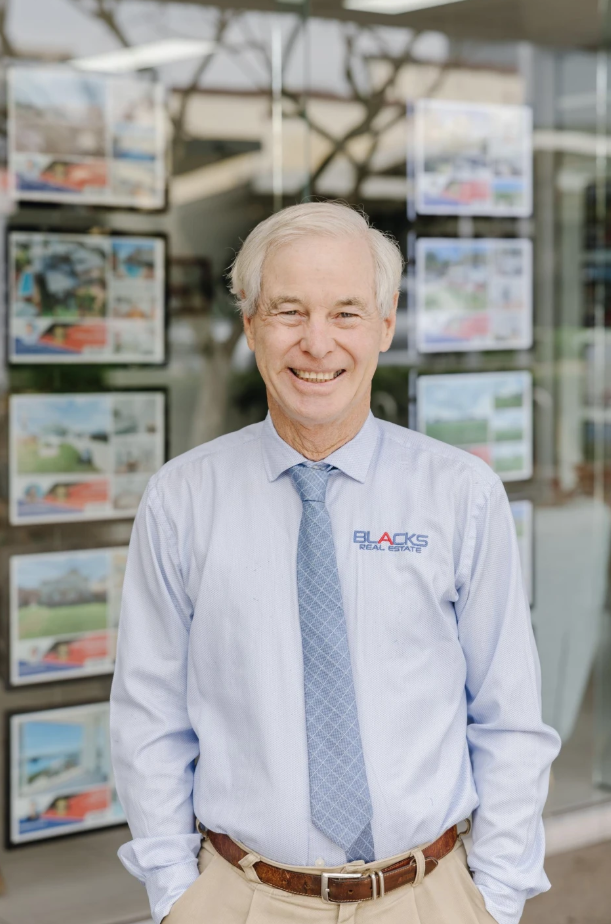
With more than three decades of experience and deep roots in the land, Royce Dunn brings unmatched insight to rural property across the Mackay region. Joining Blacks Real Estate in 1991, Royce is a licensed real estate agent and auctioneer, who has spent the past 25 years as Director leading the agency’s rural department. Over that time, he has built a strong reputation for his knowledge across all areas of property sales and marketing, from farmhouses and grazing land to residential subdivisions. Coming from a rural background and operating his own small farm, Royce understands the realities of life on the land, and the expectations that come with it. That lived experience allows him to connect with clients on a practical level, offering advice that is grounded, honest and tailored to the needs of farming families. Known for his straightforward approach and strong work ethic, Royce is committed to delivering results, working closely with clients to navigate the complexities of rural property transactions and achieve the best possible outcome.
Read the full story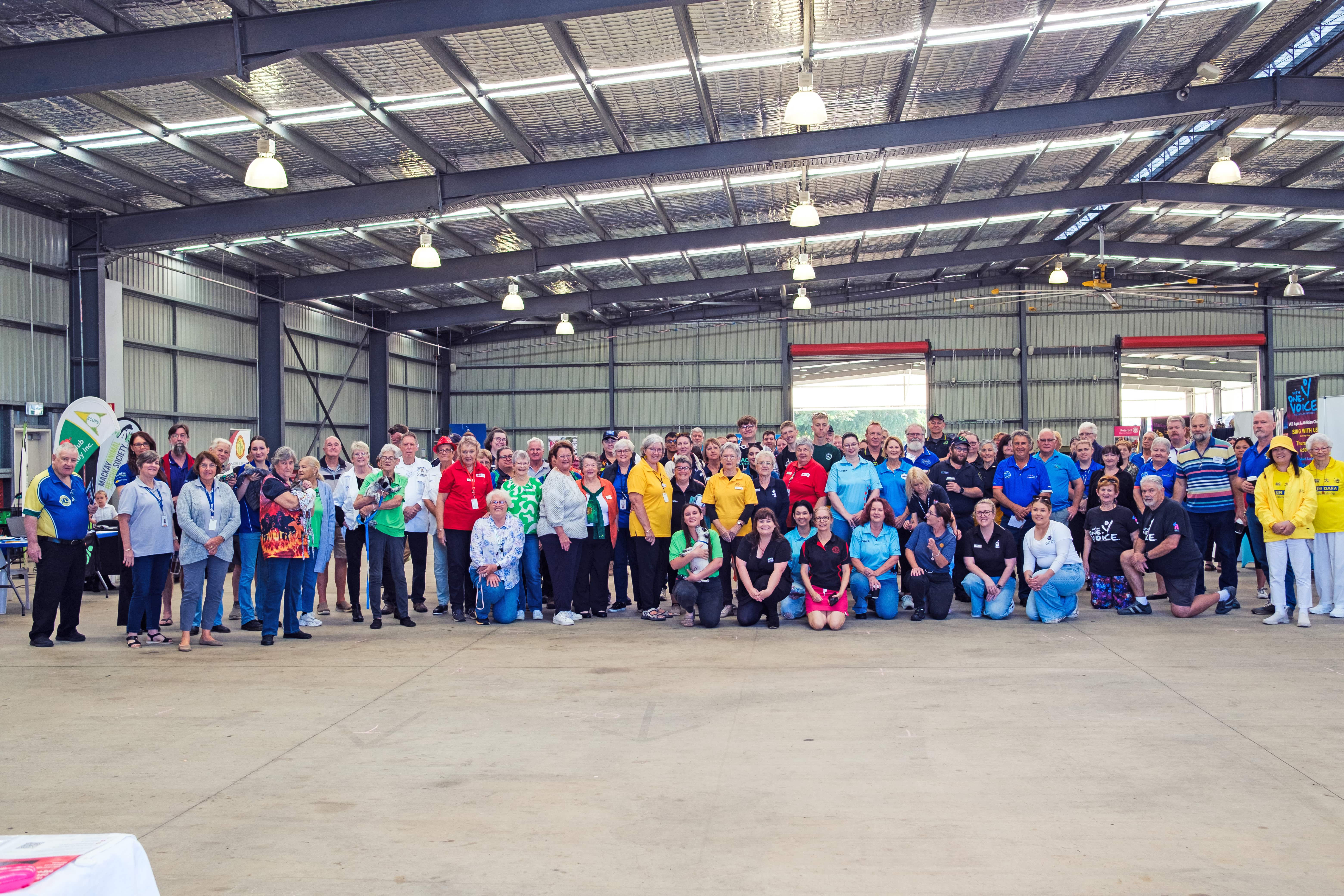
From wildlife caring, to country kitchens or supporting people with disability – a world of volunteering opportunities awaits at this year’s Volunteer Expo! This year’s event is set to be one of the biggest on record, with 55 community, support and other organisations have registered. The Volunteer Expo is being held at the Mackay Showgrounds on Sunday, May 17 from 9am until midday. Deputy Mayor Karen May said volunteering is at the heart of sustainable and supportive communities. “There are so many benefits to volunteering – from the people and organisations being supported, to those who so generously donate their time and skills. It increases community and individual wellbeing and drives positive change in the community,” Deputy Mayor May said. “What’s great about events like our Volunteers Expo is it gives people a one-stop shop to see what’s out there – and it could be something you’d never thought of,” she said. “Feedback from previous years shows how valuable this expo is to our community groups, with one organisation signing up more than a dozen volunteers on the day.” Data from Volunteering Queensland shows that for every $1 invested in volunteering, there’s a $4.70 return to the community. More than 110,000 jobs were created in 2024 through spending on volunteering – with the sector worth more than $117-billion to the state economy. Cr May said volunteering gives people to build on their passions while learning new skills and meeting new people. “It also opens up opportunities beyond the organisation a person volunteers with – it can help build new professional relationships and create new connections,” she said. “Data from Volunteering Queensland shows the overwhelming majority of people (64 percent) volunteer because they want to help others and the Volunteers Expo has dozens of options for people to help others. Entry to the Mackay Volunteer Expo is free. For more information, visit the event page on Facebook
Read the full story
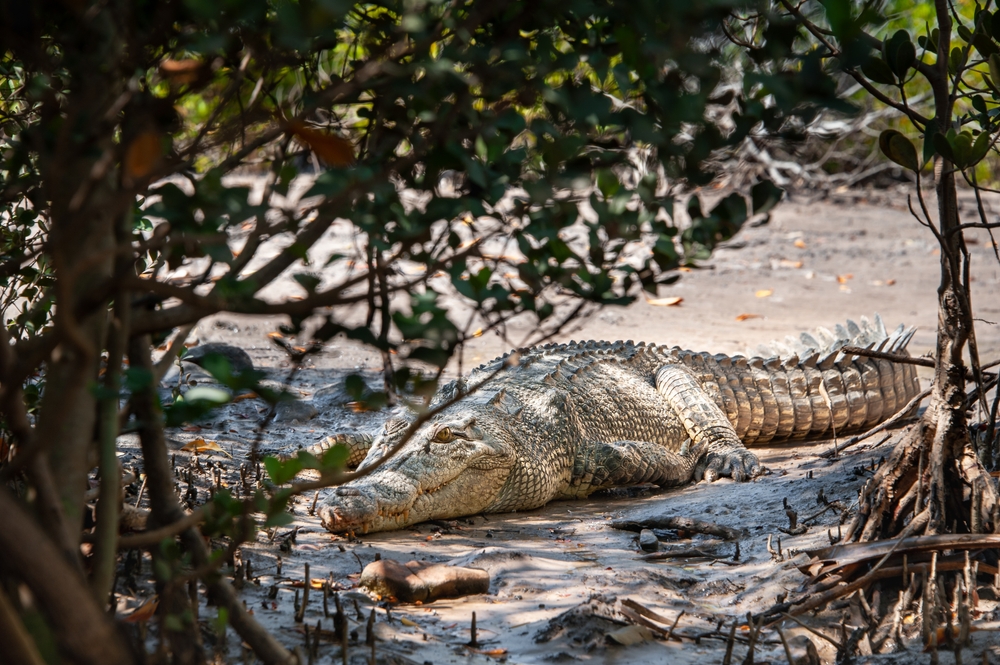
The Queensland Government has updated crocodile management zones in the Mackay region as part of its ongoing efforts to protect the community while conserving estuarine crocodiles.
The changes are part of the Queensland Crocodile Management Plan (QCMP), which guides how crocodiles are managed across the state based on risk. Estuarine crocodiles, or saltwater crocodiles, are a protected species but can pose significant dangers to humans, particularly in waterways near towns and popular recreational areas.
In the Mackay region, crocodile management focuses on removing problem crocodiles—those that are large, aggressive, or have developed a dangerous association with humans. In high-risk zones, such as rivers, creeks, and wetlands frequented by the public, crocodiles may be removed through traps, direct capture, or monitoring patrols.
The QCMP classifies areas into four zones: Active Removal, Targeted Crocodile Removal, General Management, and Reportable Removal. In Active Removal Zones, all crocodiles are targeted for removal, while in Targeted Removal Zones, large crocodiles and those displaying dangerous behaviour are prioritised.
The plan is supported by the long-running Be Crocwise public safety program, which educates residents and visitors about safe behaviour in crocodile habitats. Authorities emphasise that while removal reduces risk, no waterway can ever be considered completely crocodile-free.
Residents are encouraged to report sightings and remain vigilant near rivers, creeks, and wetlands. The Queensland Government also conducts annual consultations to ensure the management plan reflects the latest science and community feedback.
For more information on crocodile safety and reporting sightings, visit the Be Crocwise website.
Estuarine crocodiles are commonly spotted around the region. Photo credit: Linda K

Sugar Research Australia’s (SRA) breeding program is set to undergo a major transformation, with genomics poised to reshape how new sugarcane varieties are developed.
From next year, SRA General Manager Variety Development Dr Garry Rosewarne will be based at Meringa, leading the rollout of genomic selection within the breeding program. DNA, genomics and big data will become central tools, allowing researchers to assess quality and disease resistance much earlier in the breeding process.
“We will be recombining the existing genes from parents through crossing programs like we have always done but now we will be able to select our parents and their progeny much more efficiently and based on data collected from the best lines,” Dr Rosewarne said.
“Using genomic selection we will be able to check for quality and disease resistance right from the beginning so that everything coming through the pipeline will succeed at the end of the PATs, CATs and FATs in the field for traits such as tonnes of cane per hectare, CCS, fibre, and resistance to Pachymetra and smut.”
The change follows eight years of research, with 8,000 sugarcane clones already genotyped, including all parents in the Meringa crossing plot and FAT clones from the past decade. This data has been used to create “training populations” in the field to develop prediction equations linking DNA to performance.
“We genotype these lines and then we test them in the field for tonnes of cane per hectare, CCS scores, smut resistance, for fibre and for Pachymetra resistance,” Dr Rosewarne said.
“From this work we have a prediction equation which enables us to analyse brand new germplasm straight out of the honeymoon suite by taking a DNA sample from the baby leaves.”
Dr Rosewarne said the approach would allow earlier and more accurate selection of promising lines.
“The impact it has on a breeding program is a complete game changer,” he said.

By Joseph Borg, Chairman, CANEGROWERS Mackay
In the century of Queensland CANEGROWERS, the organisation has supported members weathering floods, droughts, cyclones.
One of the recent wins for growers, in the aftermath of the major floods in the Herbert and Burdekin last year, was successfully advocating to government and gaining the inclusion of plant cane losses in disaster recovery grants.
TC Koji certainly brought significant damage from flooding and erosion for many in the top parts of the Pioneer Valley, and other parts of the region like Koumala, Pindi Pindi and Calen copped some substantial falls. We have seen wash out damage to cane rail track and rural roads, and erosion on farms.
We are urging anyone that has sustained damage to complete the Queensland Department of Primary Industries’ disaster survey, to assist government in understanding where and how to direct any funding.
It has also been positive to see some dispensation to allow landholders affected by flooding to do any necessary clearing associated with clean up efforts. There is a fact sheet available to clarify that.
Monsoon activity is just part of life and farming in the tropics, but we can’t get complacent about the hazards that this can bring.
Swollen flooded creeks can present rapids and turbulence that look fun, but in reality, the creeks in flood are full of hidden snags, whether it’s the regular vegetation along the creek, fences, or flood debris like logs. Not great for swimming, and no-one wants to see a tragedy on our beautiful waterways running through the region.
Equally, people should be aware of the increased risk of risk of melioidosis, a serious tropical disease caused by bacteria found in wet soil, mud, and surface water. There’s plenty of people who like to walk about in the wet with no shoes on, but you really do need to have some sort of footwear.
I know growers who have walked through muddy flood waters and contracted it, and are sadly no longer with us because of it. It’s also worth acknowledging that at the time of writing, four cases had already been diagnosed in Mackay area from this rain event.
The floodwaters that have came with Cyclone Koji have receded, but you can bet we will have another pulse of the monsoon before the end of the wet.
On the whole, the rain, which properly began around Christmas has been welcomed by growers, and it has been good to see the sun break through and help the 2026 get a good kick-along, and that has been a real positive start to the Centenary Year for members of Canegrowers Mackay.
The sugarcane growing sector has weathered cyclones, droughts, market changes and technological revolutions and is a testament to the resilience and ingenuity of Queensland’s farming families.
We’re not just celebrating our past this year, we’re looking ahead to a sustainable and prosperous future, we are working on all those things that support our industry- including the resilience of our people and their farms to the challenges that come, whether social, economic or environmental.
From the rich soils of the upper Pioneer Valley to the state of the art, industry-best sugar terminal sheds at the Mackay Harbour, the centenary of Queensland Canegrowers stands as a proud reminder of the enduring spirit and unity that has defined the industry for a hundred years—and promises to carry it forward for many more to come: whatever the weather.
With you, whatever the weather. Sarina cane farmers in the 1920’s. Farmers were far more exposed to weather conditions when Queensland CANEGROWERS formed in January 1926. Photo source: Mackay Canegrowers archive.

Sugar Research Australia (SRA) has taken a major step forward in sugarcane research with the installation of a new DNA extraction robot at IRIS Laboratories, a move expected to significantly speed up the development of superior cane varieties.
The advanced equipment will dramatically increase the number of DNA extractions that can be completed each year for genotyping — the process used to identify specific sugarcane traits — allowing researchers to analyse far more plants in a much shorter timeframe.
The robot operates using a multi-channel pipette system, processing eight tubes with 96 wells simultaneously. Sugarcane leaves are macerated and centrifuged by the machine, streamlining what has traditionally been a highly labour-intensive task.
Variety Development Manager Dr Garry Rosewarne said the investment formed part of SRA’s expanding use of genomics within its breeding program and represented a major boost in efficiency.
“Done manually, somebody in the laboratory must grind up leaf tissues by hand using liquid nitrogen and then centrifuge the contents to separate them to extract and sequence the DNA. The total number of plants that can be analysed is around 1,000 in a fortnight,” Garry said.
“However, with a DNA extraction robot that figure can be increased to 10,000 completed in two to three weeks while the technicians can be employed in more strategic tasks.”
The genotypic data collected will be added to SRA’s growing database, which already includes information from 8,000 clones, encompassing all parent plants in the crossing plot at Meringa and FAT clones from the past decade.
“This ‘training population’ has been grown in the field to establish the strength of the traits in the field compared with the data we have collected in the laboratory,” Garry said.
“The result is the development of ‘prediction equations’ for each sugarcane trait which can then be used for analysing new seed that has just been crossed at Meringa.”
Key traits currently being prioritised include tonnes of cane per hectare, CCS, fibre content, and resistance to smut and Pachymetra. Looking ahead, the same technology could be used to identify additional traits such as disease resistance, plant height, tiller number and maturity.
As Garry put it, “The future just got closer!”
Local growers are encouraged to share which sugarcane traits matter most on their farms and what they would like to see developed next by writing in and having their say.
Sugarcane leaf samples, like these, are used for DNA testing to help identify and develop stronger, higher-yielding cane varieties. Photo credit: Bowonpat Sakaew
Dr Jenny Sun, Genomics Scientist in Variety Development at SRA’s IRIS Laboratories will work with the new robot. Photo source: SRA

By Michael James – Fitness Industry Professional, Facility Owner & Wellness Coach
Every fitness journey begins with a goal. For some, it’s rebuilding strength after an injury. For others, it’s improving energy, gaining confidence, or finding a healthier routine. At Fitness Cartel Mackay, our vision has always been to create an environment where every member — no matter their background or starting point — has the opportunity to pursue those goals in a supportive, world-class setting.
More than equipment
Yes, our facility is packed with high-end equipment and cutting-edge spaces. But what makes Fitness Cartel Mackay truly stand out isn’t just what’s inside the walls — it’s the culture we’re building around it. From the outset, we set out to create a place where ambition could thrive, where families would feel welcome, and where the community could connect through health and fitness.
A place for everyone
Walking into a new gym can sometimes feel intimidating, which is why this facility has been carefully designed with inclusivity in mind. With multiple training zones, group fitness studios, a Reformer Pilates studio, and our Comfort Zone, every member can find a space that feels right for them.
It doesn’t matter whether your goal is to lift heavier, move with greater freedom, tone and strengthen, or simply improve your overall wellbeing — the environment has been created to support progress at every level.
Recovery as part of the journey
Training hard is only half the story. Recovery, rejuvenation, and mental reset are equally important. Our Wellness Centre has been purpose-built for exactly that. Featuring a large, 30-person traditional hot-rock sauna and three contrast therapy pools with a combined capacity of over 70 people, along with compression systems and red-light therapy, it offers one of the most comprehensive recovery experiences available anywhere in the country. Whether your focus is performance, wellness, or balance, recovery has a central place here.
Looking ahead
The opening of Fitness Cartel Mackay marks the beginning of a new chapter for health, fitness, and community in our region. What excites me most is not just the facility itself, but the opportunities it creates for people of all ages, backgrounds, and abilities to come together in pursuit of their own version of greatness.
For me personally, after decades in the industry and visiting some of the best clubs across the globe, seeing a facility of this calibre come to Mackay is incredibly rewarding. But the real reward will come as our community embraces this space, makes it their own, and uses it as a platform to grow stronger — physically, mentally, and socially.
Because at Fitness Cartel Mackay, the journey is only just beginning. And greatness is waiting for everyone who chooses to step inside.

By Cr Ash-Lee Johnson
Recovery is never just about rebuilding what was damaged, it is about learning and becoming stronger together. Each disaster event reminds us that our community is built on how we respond when times are tough and how we support one another.
As Chair of the Human and Social Recovery Sub Group, I see firsthand that the impact is not only structural, but also emotional and social. In times of uncertainty, communities need connection and practical support. This is where our community truly shows its strength.
I want to sincerely thank the many residents who stepped up to help neighbours, check in on friends, share resources and offer a hand where it was needed during Tropical Cyclone Koji. That willingness to look after one another speaks to the strength of our community and is something we should never take for granted.
I also want to acknowledge everyone who played a role in the response and recovery. The people working on the ground, coordinating behind the scenes, and supporting people in ways both visible and unseen. Thank you for your commitment and professionalism, your effort underpins our region’s ability to recover and move forward.
Natural disasters place a multidimensional burden on local councils, who operate at the frontline of recovery. The impacts are felt right across council operations. Budgets are stretched by repair costs and unplanned expenditure, essential services are disrupted and communities require ongoing support as recovery unfolds.
One of the most immediate challenges councils face is damage to local infrastructure. Roads, stormwater networks, community facilities and emergency access are often affected, limiting mobility and slowing recovery for residents and businesses alike. The Queensland Reconstruction Authority’s 2024-2025 Annual Report highlights the scale of this challenge, with 73 of Queensland’s 77 local government areas activated under the Disaster Relief Funding Arrangements and reconstruction costs exceeding $2.2 billion.
With disasters becoming more frequent and severe, we need to look past the urgent response and work on building resilience that lasts. This requires investing in sound planning, strong partnerships and holding a clear understanding of risk. Just as importantly, it means recognising that resilient infrastructure and resilient communities go hand in hand.
We will always be learning. And with each challenge, we have the opportunity to do better together.
Let’s Chat – Council Connect
Residents can catch up with councillors in person at upcoming Let’s Chat - Council Connect sessions held across the region. The next sessions will be held at Eungella and Finch Hatton on Tuesday, February 3.
Details on upcoming sessions can be found on the Connecting Mackay website.
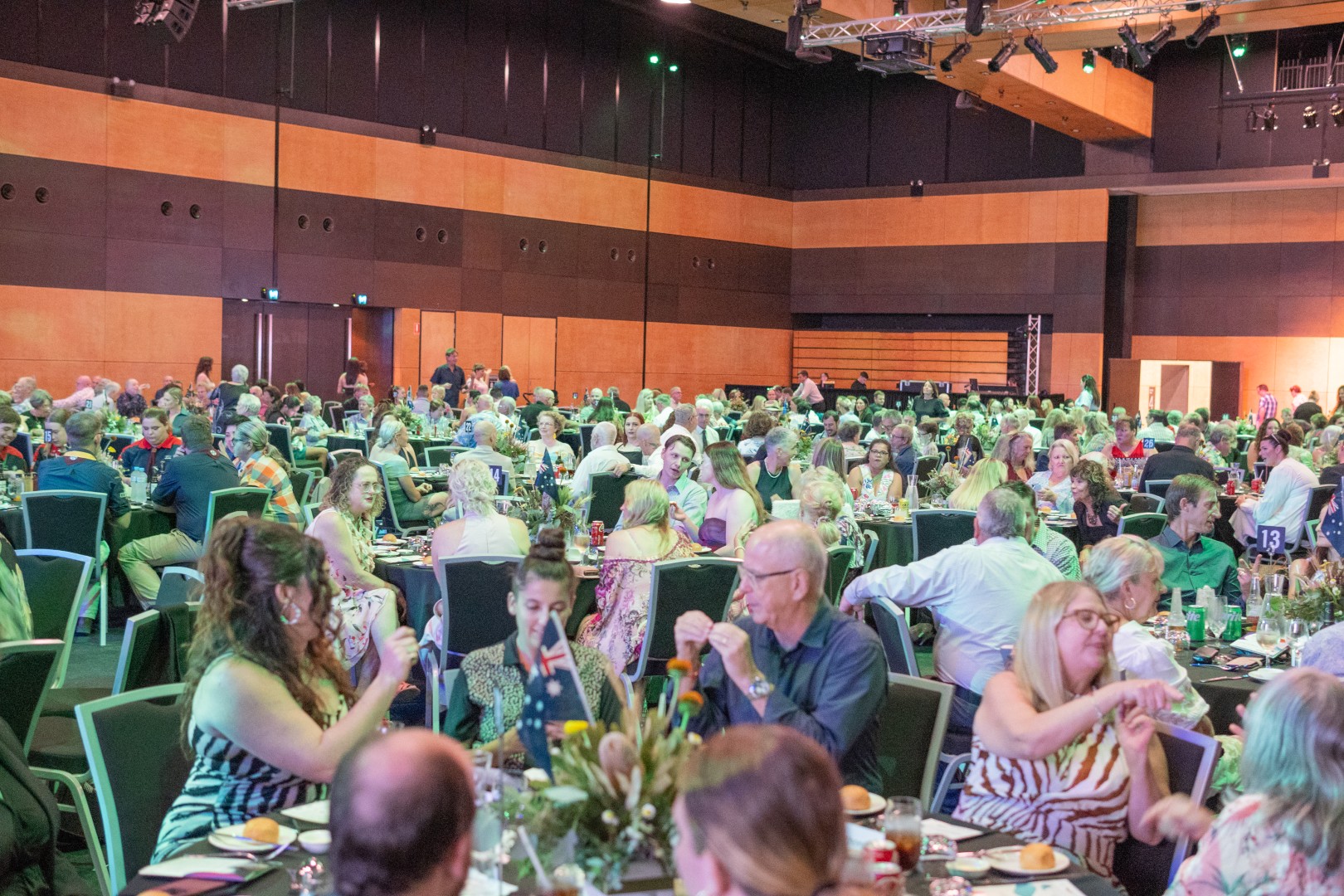
The spirit of community was on full display as the Mackay region gathered for a memorable night of pride, gratitude and celebration at the 2026 Mackay Regional Council Australia Day Awards.
With more than 186 nominations submitted, the awards recognised 98 outstanding individuals and community groups whose dedication, passion and service continue to shape the region.
Mayor Greg Williamson said, “Choosing a winner in each category was a real challenge,” this year.
“The volume of outstanding nominations truly reflects the incredible community we are fortunate to be part of.
“These awards wouldn’t exist without your efforts, so thank you for helping us shine a spotlight on our local heroes.”
The 2026 Australia Day Award recipients are as follows:
• Citizen of the Year: Col Benson
• Young Citizen Award: Amelia Bishop
• Lori Burgess Community Volunteer Award: Edie Weiss
• Senior Sports Award: Daniel Mayfeld
• Young Sports Award: Ayla Moon
• Community Group Award: Mackay parkrun
• Arts and Culture Award: Nicole Thomson
• Environmental Achievement Award: Dr Alison Pighills
• Access and Inclusion Achievement Award: Krystal Demaid
Ayla Moon and Nicole Thomson were absent on the night of the awards
Congratulations to all winners and nominees recognised for their outstanding contributions to the Mackay community!
Find the pics here!: https://tinyurl.com/2bg69tdf
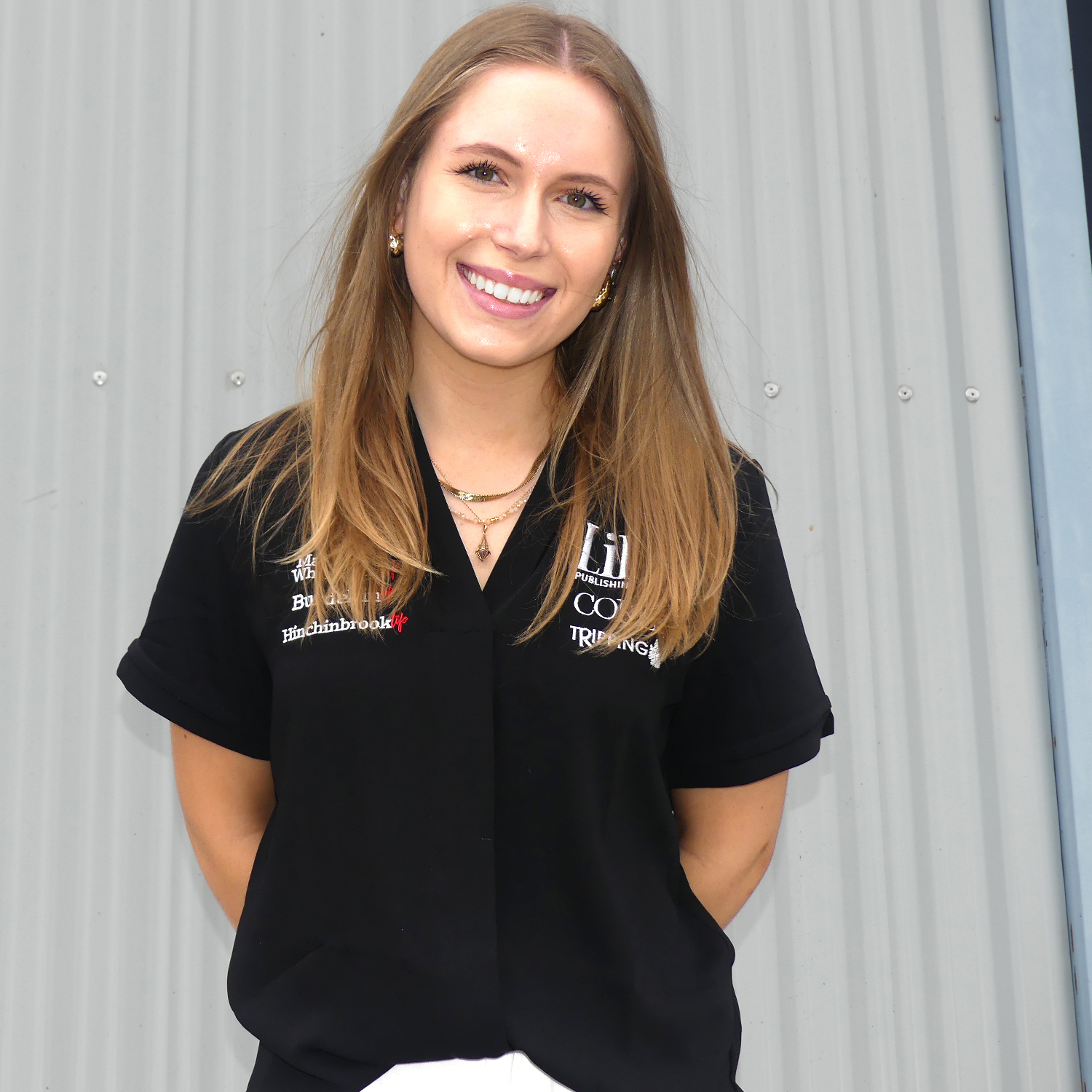
Hi Whitsundays!
I’m not sure if I’ve ever formally introduced myself to you all before, but hi, I’m Chelsea.
I’ve been working behind the scenes of Whitsunday Life for around a year now, however, I’ve been writing for Burdekin Life for over two years. Although I’ve been working alongside the talented Life Publishing team for what feels like forever, this month saw me enter the office for the VERY FIRST TIME!
I grew up in Ayr, yet for the past couple of years, I’ve been writing the stories of North Queensland from Brisbane, the United States, Africa and all over Europe!
I spent the entirety of last year travelling and exploring the world; skydiving over the island of O’ahu, sandboarding down the dunes of the Sahara Desert and making millions of memories and friends across the globe. I hope one day soon you all find yourself in a position to pack a suitcase and book a one-way ticket because as cliché as it sounds, it’ll be one of the best experiences of your life!
In just a week, I’ll set off on my next adventure, but for now, I’ve very much enjoyed indulging in the serenity of the Whitsundays and staying with my grandparents at our family’s holiday house in Adelaide Point.
Send me an email at Chelsea@LifePublishingGroup.Com and say g’day. I’d love to continue sharing your stories and meeting you all!
Until next time, have a great read, and a great week!
Chelsea.
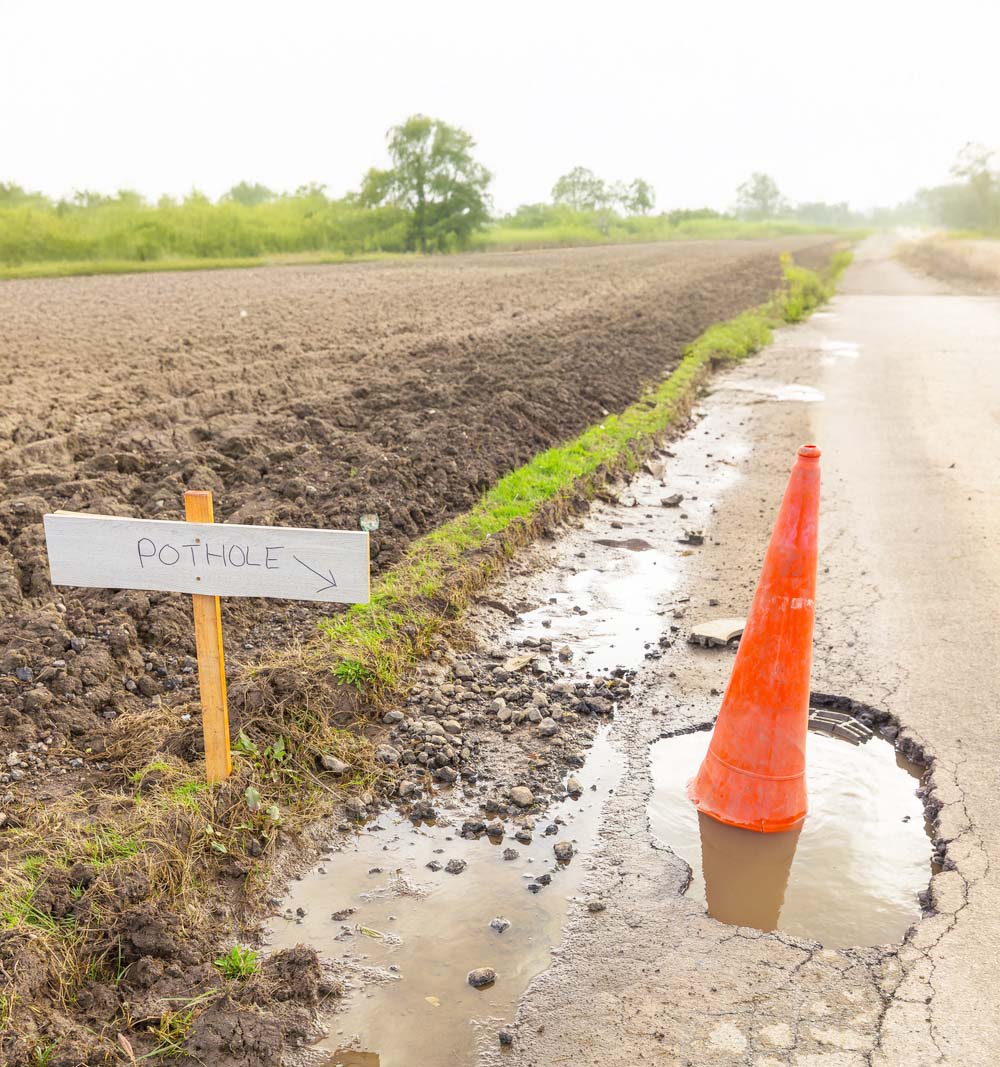
In light of recent weather events, including Ex-Tropical Cyclone Koji, residents have been looking out for one another, citing local damage across the region and posting warnings on private community pages to ensure the safety of others.
A helpful local recently shared a heads-up for anyone travelling between Collinsville and Bowen. They spotted a large water-filled pothole near the railway crossing by Terry’s Creek and warned others to take care.
The post reminded drivers that the pothole is easily avoidable if you spot it in time and watch for oncoming traffic. Simple advice like this can make a huge difference, especially during the wet season when road hazards pop up quickly.
It’s a great example of locals looking out for locals — sharing tips, keeping each other safe, and helping everyone get home without incident. If you see something on the road that could be dangerous, don’t keep it to yourself — let your neighbours know and report the incident to Whitsunday Regional Council's Customer Service Centre by calling 1300 972 753.
Residents have been looking out for one another following local damage from Ex-Tropical Cyclone Koji. Photo source: Shutterstock

A Whitsunday Anglican School student has been hailed for his bravery after helping rescue two people from the ocean during the severe weather brought by Ex-Tropical Cyclone Koji.
Byron Goodin, a Year 12 boarding student, was in the car with his parents near Cannonvale Beach when they stopped to assist a local man whose boat was stuck in nearby mangroves. Soon after, they were alerted that people were stranded in the rough surf.
“At that point, I just ran down to the beach to see what I could do,” Byron recalled.
Alongside three other bystanders, Byron entered the water in treacherous conditions, including heavy rain, debris, and strong winds. The group located two people about 20 to 30 metres from shore and helped bring them safely back to land.
“Their boat had capsized and split in two. They were really fatigued and shaken up,” Byron said.
“You could only see them when they came up on the waves, but once we reached them, the water was shallow enough to help them get back safely.”
Despite having no formal rescue training, Byron credits instinct, community support, and a strong sense of responsibility.
“If someone’s in danger and you’re able to help, I feel like you just have to, it’s the Australian way,” he said.
Byron’s parents said they were proud of his actions, though he remains characteristically modest.
“I think it’s just something you grow up with,” Byron explained. “It comes from family, my school and the wider community. Helping others is just part of who we are.”
Whitsunday Anglican School Principal Andrew Wheaton praised Byron for demonstrating courage and compassion.
“Byron demonstrated true courage, compassion and determined judgment in what was a very difficult situation,” Mr Wheaton said.
“We are incredibly proud of the way he and others responded, putting the safety of others first. True service in action, and we applaud their bravery.”
As he prepares to begin his final year of schooling, Byron hopes the focus remains on community and looking out for one another.
“Anyone would have done the same thing,” he said.
Byron Goodin assists with water rescue. Photo credit: Mike Duff
Whitsunday Anglican School's Byron Goodin. Photo source: Whitsunday Anglican School

Dr Julia Evans admits she was “gobsmacked” when she learned she had been nominated for Citizen of the Year. The nomination came as a complete surprise to Julia, who prefers to work quietly behind the scenes rather than seek recognition for her efforts.
“It was not the intention,” she said.
“You don’t set out to get the accolades. I think if you do set out to get recognition, then the outcomes may look different.”
Julia and her husband Richard relocated to the region in early 2022, arriving without established networks but with a clear intention to become active members of the community.
Being part of the community was something extremely important to them both.
Julia had spent much of her career consulting with organisations across Australia. She also runs 852 Press, a publishing services company established during the pandemic to help everyday Australians navigate the self-publishing process.
Soon after arriving in the region, Julia joined the local Chamber of Commerce, initially wanting to join as a member before seeing the liaison role advertising. She joined at a pivotal time with the Whitsundays Chamber and Proserpine Chamber combining.
From there, her involvement expanded organically, she recalls that people in regional areas wear multiple hats and are always giving back where they can, to benefit the community.
Over the past three years, Julia has been involved in a wide range of voluntary initiatives, including supporting the fundraising campaign to rebuild the Proserpine Whitsunday Uniting Church, helping revive the region’s Writers Festival in 2024, serving on the board of Bendigo Community Bank, and acting as a strategic advisor to Creative Connections Whitsundays.
She describes her contributions as a “package of work” rather than a list of individual achievements, much of it focused on connecting people, facilitating conversations and making business connect.
Underlying Julia’s approach is a strong personal philosophy centred on service, integrity and shared responsibility.
“If you’ve got skills and you’ve got the willingness and ability, you have an obligation to give back,” she said.
But she believes contribution comes with responsibility and trust first.
By training, Julia is a philosopher, with a doctorate focused on small business education in Australia, research that has informed government submissions and attracted attention from national regulators. While the title occasionally earns her the affectionate nickname ‘Dr J’, she is quick to downplay it.
Despite the honour of the nomination, Julia admits being in the spotlight feels uncomfortable.
She loves the behind-the-scenes work. For example, she has heavily involved in the Whitsundays Business Conference and the Whitsunday Business Award collaboration with Council and Bowen Chamber of Commerce. Bringing things to life from master plans and run sheets is where she gets the most joy and reward.
Rather than focusing on her own recognition, Julia says she is looking forward to learning more about the other nominees, their contributions being made across the community and hearing their story.
“Our community is only as strong as what we all put into it,” she said.
“It’s not one person’s or one organisation’s responsibility. We all have a role to play.
“Communities thrive when people share their skills, act with care, and keep trying to do better for each other and for the future.”
Julia Evans. Photo credit: Daniel Heggie
-prem.jpg)
Funding is in place from both state and federal governments to help people recover from damage and flooding brought on by ex-tropical cyclone Koji and extreme weather.
$26.6 Milllion in Federal Government Funding
The Albanese and Crisafulli Governments have today committed a further $26.6 million towards long-term recovery in flood devastated parts of north, north-west and central Queensland.
This funding will target recovery for primary producers, small businesses, flood clean-up, and mental health support.
Measures include an $11.32 million Primary Producer Support Package for impacted farmers, $9.98 million Disaster Recovery Grants for small businesses and a $4.26 million Mental Health Program to fund psychosocial health and wellbeing intiatives for flood affected communities and vulnerable Queenslanders.
Flood Hardship Payments
The Whitsunday Council can access DRFA support for their response and recovery activities with disaster loans of up to $250,000 available for impacted small businesses across Burdekin, Mackay and Whitsunday.
Sport and Racing Club Recovery
The Crisafulli Government is delivering financial assistance for eligible Queensland sport and racing organisations impacted by recent significant weather events. Grants of up to $5000 are accessible through the Crisafulli Government’s Disaster Recovery Program. Funding is available now, with the Crisafulli Government’s Sport and Recreation Disaster Recovery Program (SRDRP) open for the next three months to help organisations affected by ex-Tropical Cyclone Koji and the North Queensland Monsoon Trough. This funding seeks to rebuild vital sporting facilities that were adversely impacted across the region.
Whitsunday Regional Council Mayor Ry Collins and Premier David Crisafulli visited disaster affected areas last week. Photo source: Whitsunday Regional Council
.jpg)
By Sebastian Conidi
Eco Barge Clean Seas Inc have been hard at work cleaning the seas and foreshores in the aftermath of Ex-Tropical Cyclone Koji. The not-for-profit organisation have put in extra hours to minimise the damage of ocean debris on natural habitats and wildlife.
"Our main initiative is tackling marine debris - so when an event like this happens it does a lot of damage to boats and things wash up onshore," said programs co-ordinator Kelly Cronin.
"That will end up having an impact on marine life if we don't tackle it on land. We really hold the community together to try and help out as much as we can."
The team of volunteers have been cleaning up across the sea and on land in the weeks following the extreme weather event. More than 150 volunteers worked alongside the Eco Barge crew during the operation, aiding with smaller debris and hazardous fragments to protect marine life and coastal environments during this critical recovery period.
Despite the efforts, the impact on local marine life won't be seen immediately.
"Our goal is to try and remove that thread as much as possible so that when tides and winds change it doesn't all float back out into the islands and reef. It will impact water quality which does then negatively impact marine life."
The initiative has been met with great community support.
"A lot people have been joining the community and cleaning up as much as they can, which is great. It definitely makes our life a bit easier."
Eco Barge have cleaned at sites across Cannonvale and Airlie Beach thanks to the support of volunteers. The team managed to remove more than 9 tonnes of debris in just five days - a commendable effort. Volunteering is always open for long term cleaning initiatives and can be done through the sign up page on their website.
"It's been amazing seeing all the help. Many hands make really light work. The Whitsunday Regional Council have been really supportive as well," said Kelly.
Land based cleanups with a tip truck were funded entirely through ongoing public donations, ensuring a swift response to the unplanned event.
"After a cyclone, time matters," said Libby Edge, Founder & CEO of Eco Barge Clean Seas Inc.
"The debris was sitting right on our foreshores. If it wasn't removed quickly, it would have ended up in our bays and around our islands, impacting marine life and places our community care about."
Eco Barge have been dedicated to keeping seas clean for 16 years, removing more than 70 tonnes of debris from post-storm and cyclone events along the Airlie to Cannonvale coastlines.
"This was an urgnet response, not a planned event", Libby said.
"The ability to mobilise so quickly comes from long term-community support and strong local partnerships."
Volunteers were generously thanked with meals and ice-cream from Gelatissimo and Zambrero.
It is great to see the work being done to ensure the protection of Whitsunday's beautiful marine environments.
The team cleaning at Cannonvale Beach.
Photo credit: Sebastian Conidi
By Sebastian Conidi
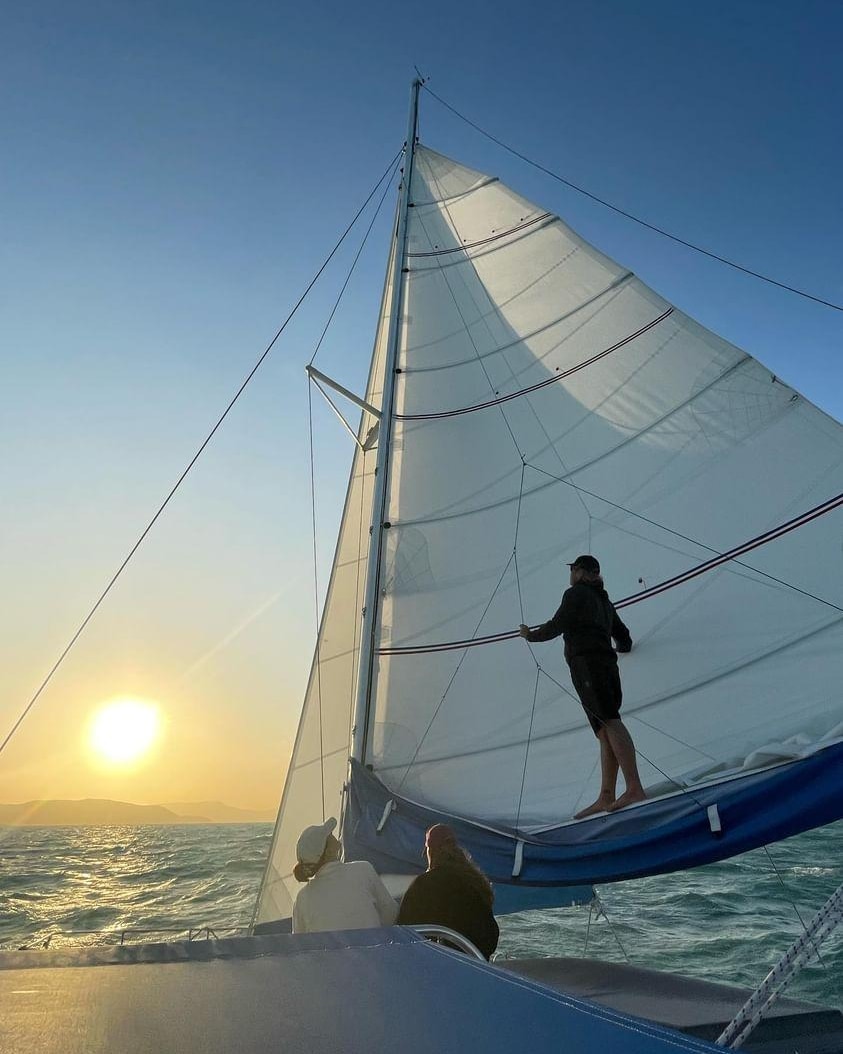
At just 21, Airlie Beach local Hugo Van Blarcom has achieved impressive feats in the world of sailing, although he did not discover his passion as early as expected. After losing his father at 16, Hugo was encouraged by his mum to start working on boats, helping him find a sense of purpose. While working on sailing boats in Airlie Beach, Hugo fell in love with the racing side of the sport, first competing in Airlie Beach Race Week.
“It’s one of those things I fell in love with straight away,” Hugo said.
Having completed a series of local races, Hugo turned his attention to offshore racing. In recent years, he has competed in the Brisbane to Gladstone, Sydney to Southport, and Southport to Mackay races, earning awards and trophies along the way.
Hugo then decided to take the plunge, committing more time to racing by competing in Airlie Beach Race Week, Hamilton Island Race Week, and Magnetic Island Race Week, completing two and a half months of consecutive sailing. After moving to Sydney in September, Hugo sailed up to four times a week, taking advantage of the many offshore opportunities the city offered. He eventually decided to participate in the iconic Sydney to Hobart race.
“It was just an incredible experience. It was an honour to be able to do it on such a great boat.”
Hugo had the privilege of racing on the legendary Bacardi, an iconic yacht that has competed in countless races over the past few decades.
“For me, the first 36 hours were quite shocking. At the end of the day, however, it is another yacht race. When you love something so much and you really commit to it, you will go through anything to get it done and reach the finish line.”
Hugo credits the Whitsunday community with playing an important role in fostering his passion for sailing.
“Everyone I have ever sailed with has always been a big supporter. Back in Airlie Beach, I sailed on the Treasure8, run by Rob Davis. Rob has always been a huge influence in my sailing life. He was friends with my dad and has been a bit of a father figure to me. Every time we go sailing, it is just so much fun. He is the king of dad jokes.”
Support for Hugo’s career extends throughout the broader community.
“I had support from everyone at the club, from commodores and presidents to members and punters.”
That support reaches beyond sailing, with Hugo reflecting on how the Whitsundays’ community spirit helps keep people motivated.
“It’s a nice feeling when everyone bands together. It’s something you don’t get much in other places. When you need people, or people need you, you’re there for them, no questions asked. Everyone puts aside their differences and comes together as one.”
Like many sailors, Hugo feels a deep connection to the water, which continues to drive his passion.
“There’s definitely some sort of connection to the water. As soon as I go offshore, I put my phone away and embrace the whole experience.”
With so many achievements already under his belt, it is clear Hugo is primed for a successful sailing career. The Whitsunday community will be watching his journey with great enthusiasm.
Photo supplied

With the Whitsunday Coast Airport recording the highest monthly passenger numbers in its history - such figures demonstrate the region is moving beyond it's reputation as a seasonal gateway, rather, transforming into an international hub.
Official airline figures for December confirmed that 53,915 passengers travelled through the airport, marking a 13% increase year-on-year with a third consecutive month exceeding 50,000 passengers. The results demonstrate that such activity is not a one off spike, but part of a growing and sustained trend.
Although activity was once seasonal - driven by holiday peaks and post-pandemic recovery - such movement now signifies high volume demand, demonstrating the Whitsunday regions development into a more globally competitive space.
Whitsunday Regional Council Mayor Ry Collins emphasised the importance of momentum as opposed to figures of a single record month.
"One record month is exciting. Three in a row signal something much bigger," said Ry.
"It shows the Whitsundays is no longer just a peaked-season destination, but a place people are choosing consistently from across Australia and internationally."
Mayor Collins clarified the significance of sustained growth and how it aligned with the regions rising profile for international-standard tourism, events and marine activity - where reliable access and capacity are critical.
It is clear this growth in activity signals a great boost for the Whitsunday's region, as the council seeks to bolster industry, strengthening the economy and promoting interest for the future.
"The momentum will become increasingly important as the Whitsundays continues to position itself for future international sailing oppurtuinities in the lead-up to Brisbane 2032."
Photo Source: Whitsunday Regional Council
Publishers Indemnity. Any individual or entity that places advertising, supplies copy material, or submits editorial content to Core Life Publishing agrees and undertakes to ensure that all such material:- Does not infringe upon any copyright, trademark, or other intellectual property rights;- Is free from any content that could be considered defamatory, libelous, or slanderous;- Does not infringe upon any rights related to privacy or breach of confidence;- Contains no obscene, indecent, or otherwise unlawful material;- Complies fully with the Trade Practices Act and all other applicable laws, regulations, or statutes.Furthermore, by submitting or placing such material, these individuals or entities agree to indemnify and hold harmless the publisher, Core Publishing and Events Pty Ltd, and/or its agents from and against any and all investigations, claims, demands, liabilities, damages, costs, or judgments arising out of or in connection with the material provided. All material is believed to be accurate at the time of printing and remains the copyright of Core Publishing and Events Pty Ltd.
© 2026 Mackay and Whitsunday Life Pty Ltd.
